REVIEW · CUSCO
Amazonas Manu Cultural Zone 4 Days / 3 Nights
Book on GetYourGuide →Operated by Exploor Trip E.R.L · Bookable on GetYourGuide
Sunrise parrots in the clay are unforgettable. This 4-day Amazonas–Manu Cultural Zone route turns the trip from Cusco into an all-in wildlife circuit, with parrot clay lick action and two night walks led by guides using telescope and binoculars.
I love the altitude-and-ecosystem shift built into the schedule. You start near Ajanaco (3,500m) in the Andes, then drop into the cloud forest, where the birdlife can feel close enough to hear. I also like how the day flows toward Machuhuasi lagoon, often called Cocha Maravilla, for relaxed raft time and serious animal-spotting chances.
One consideration: this is outdoors a lot, including dawn and night hiking. You’ll want to be comfortable in wet air and dark trails, because the best wildlife moments start early.
In This Review
- Key Things That Make This Tour Worth Your Time
- Why the Amazonas–Manu Cultural Zone Route Feels More Like Nature Than a Checklist
- Day 1: Cusco to Ajanaco Cloud Forest Hike and Lodge Reset
- Practical note
- Day 2: Atalaya, a Boat Ride, and Cocha Maravilla Wildlife by Raft
- Why this lagoon matters
- Day 3: Parrot Clay Lick Sunrise, Ceiba Tree, and Night Hiking Focused on Reptiles and Insects
- Day 4: One Last Wildlife Trail, Watchtower Views, and the Return to Cusco
- What you might see on the way
- What Camping in Pilcopata and Lodge Nights Really Mean for Comfort
- Guides, Safety, and How Animal-Spotting Actually Works Here
- Price and Inclusions: Is $430 Good Value for This 4-Day Jungle Plan?
- Who Should Book This Tour (and Who Might Prefer a Different Style)
- Should You Book Amazonas Manu Cultural Zone for 4 Days?
- FAQ
- How long is the Amazonas Manu Cultural Zone tour?
- How much does it cost?
- What language are the guides?
- Is this a small group tour?
- What animal-watching activities are included?
- Are meals included?
- What kind of bathrooms and showers can I expect?
Key Things That Make This Tour Worth Your Time
- Small group (max 15) means easier spotting and a calmer pace on boats and trails
- Guides with telescope and binoculars help you actually identify birds and animals
- Ajanaco at 3,500m to cloud forest descent gives you a big ecosystem change in one day
- Atalaya boat rides with optional river swim or mud bath add fun beyond just walking
- Cocha Maravilla (Machuhuasi lagoon) by raft is the prime wildlife-meets-relaxing segment
- Two night walks shift focus to insects, amphibians, and snakes, not just daytime animals
Why the Amazonas–Manu Cultural Zone Route Feels More Like Nature Than a Checklist
This kind of Amazon trip works when the logistics don’t crush the experience—and this one keeps nudging you back into the wild instead of just shuttling. You’re moving between altitude, cloud forest, river systems, and lagoon edges over a few days, and that variety helps wildlife viewing feel less random.
What I like most is the rhythm. The tour mixes early starts (parrot lick and wildlife-watching windows) with calmer stretches like boat transfers and lagoon time. That balance matters because jungle days can be tiring fast, especially once you’re eating, sleeping, and walking on jungle time.
Also, the “cultural zone” is mostly a name here, so don’t expect the trip to be a museum tour. You’re here for the rainforest edge: birds, mammals, reptiles, plants, and the strange-but-amazing sounds that only show up after dark.
You can also read our reviews of more tours and experiences in Cusco


Day 1: Cusco to Ajanaco Cloud Forest Hike and Lodge Reset
You’ll get picked up between 5:30 and 6:00 AM and ride out of Cusco in the company vehicle. The drive climbs the Andes on winding roads, with villages and towns passing by until you reach the jungle entrance area of Ajanaco at 3,500m. That altitude detail matters. Going from high, cooler air into cloud forest changes what you see—fast.
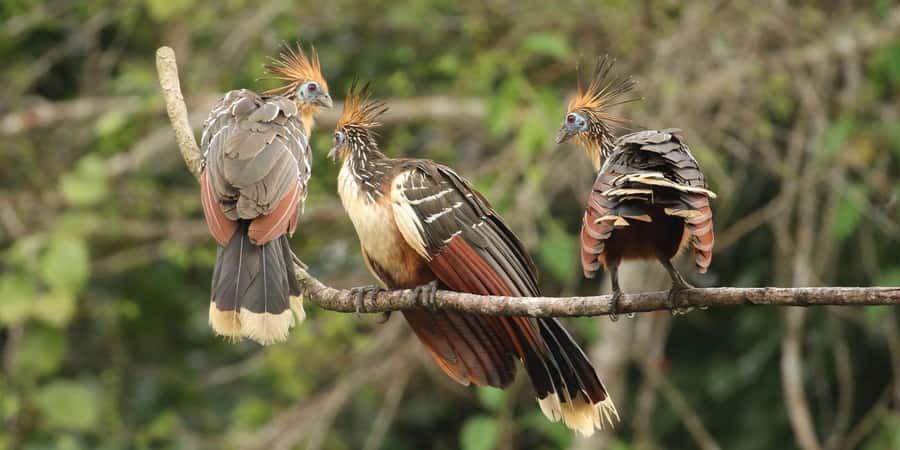
From Ajanaco you descend through the cloud forest, which is the highlight terrain for Day 1. This is where orchids, heliconias, ferns, and dense canopy plants do the heavy lifting visually. And it’s not just pretty foliage. Your guide may help you spot birds like the cock-of-the-rock, umbrella bird, trogon, quetzal, and orioles.
Then you finish at the lodge to relax and reboot for the next day. Day 1 isn’t about pushing distance. It’s about getting your eyes tuned, breathing easier, and letting the cloud forest set the tone.
Practical note
If you’re someone who gets restless without a clear “activity every hour” schedule, this day might feel slightly flexible. But if you enjoy slow, attentive wildlife watching, it’s exactly the right start.
Day 2: Atalaya, a Boat Ride, and Cocha Maravilla Wildlife by Raft
After breakfast, you’ll do a nature walk focused on birds and monkeys. It’s a smart lead-in because your brain is already in “spotting mode” from Day 1. Then comes the big move: about 1 hour by bus to the port of Atalaya, followed by a 30-minute boat ride to the lodge area.
This Atalaya day segment is more than transit. Along the way, you can swim in the river or enjoy a mud bath. That’s a rare add-on on rainforest tours, and it makes the river feel like part of the experience instead of a hallway between stops.
Lunch at the lodge sets you up for the lagoon segment. Next you’ll sail on a raft in the Machuhuasi lagoon (Cocha Maravilla). Here’s where the trip shifts from “walk and look up” to “watch wildlife at water level.” You’ll be observing animals such as shanshos, monkeys, reptiles, dwarf caimans, capybaras, tapirs, and more.
Why this lagoon matters
Lagoon edges concentrate life. Even if you don’t see everything, the chance pool is bigger here than on a single trail. A raft also reduces fatigue, so you’re more likely to stay focused when you spot movement.
After dinner, you head out for a night walk, and the overnight is at the lodge with private bathrooms and showers. That shower detail sounds small until you’re doing jungle nights back-to-back.
Day 3: Parrot Clay Lick Sunrise, Ceiba Tree, and Night Hiking Focused on Reptiles and Insects
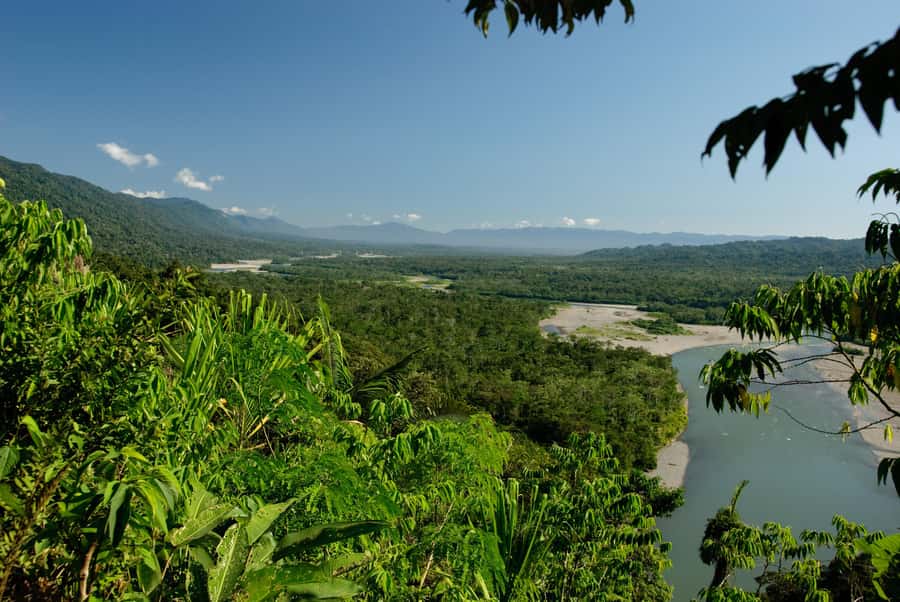
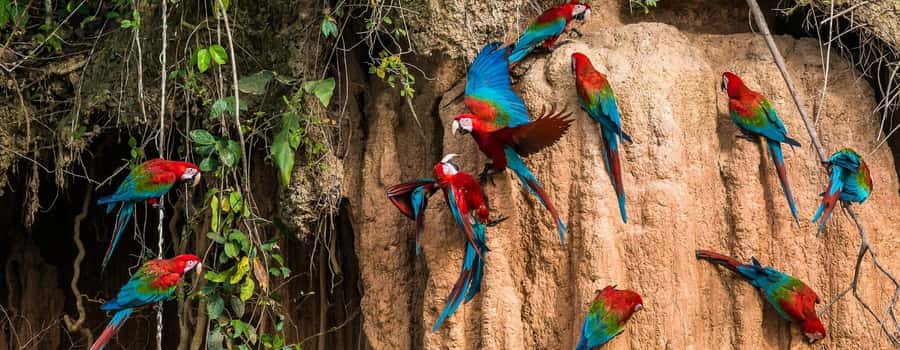
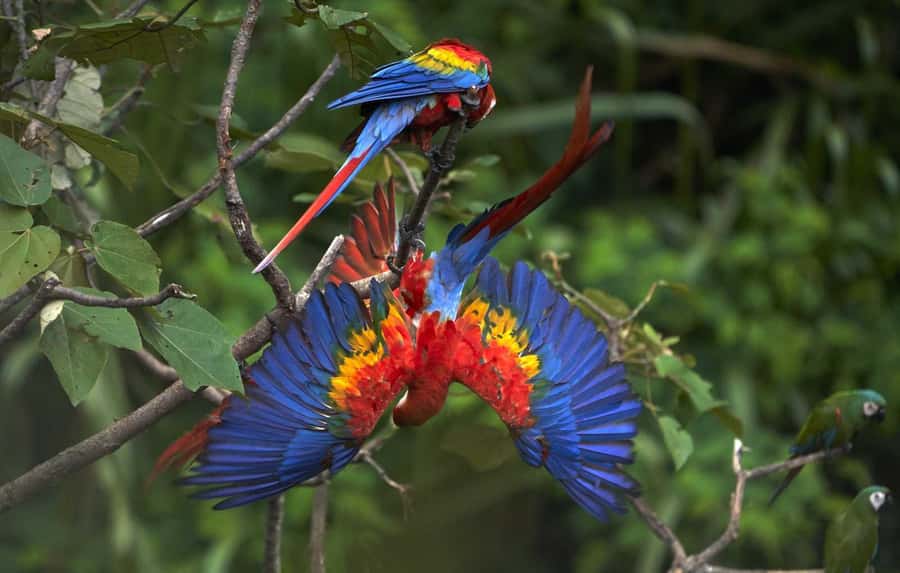
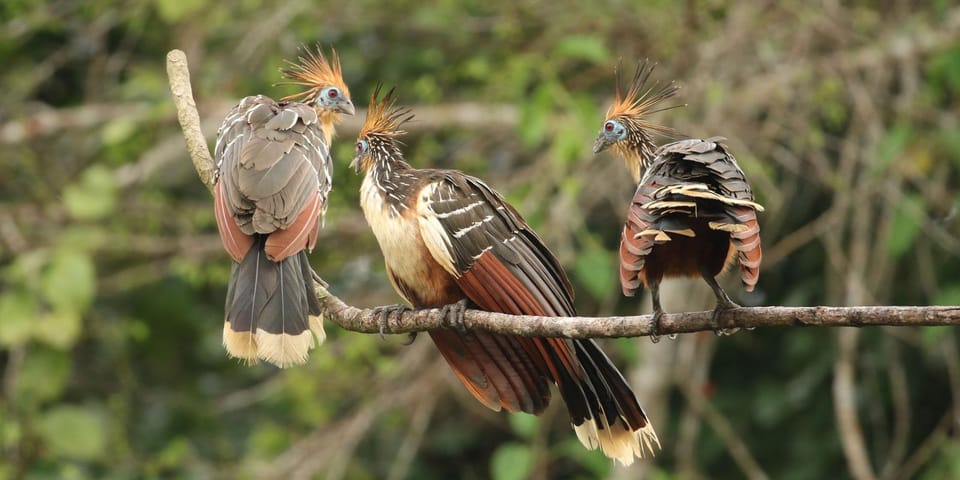
Day 3 starts at dawn, when the tour goes to the parrot clay lick. These parrots feed on a nutrient-rich wall, and that morning timing is key. You’re there when activity is highest, and the birds are at their most visible and talkative.
After the clay-lick viewing, you return for breakfast and a chance to rest. Then you’re back on trails for a second round of wildlife and plants. One of the named highlights is the ceiba, described as the tallest and thickest tree. In a place where trees can be dramatic, it’s the kind of landmark you can use to anchor your sense of scale.
Your chances include monkeys, reptiles, dwarf caimans, capybaras, and tapirs—basically the cast that keeps showing up around water and forest edges. Then you finish with another night walk, but this one has a specific focus: insects, amphibians, or snakes. That difference is more than marketing. It changes how you should mentally prepare—less “mammal spotting” and more “small life and nighttime movement.”
You’ll spend the night at the lodge again. The tour includes wellingtons, which is useful because jungle ground can be slick even when the path looks manageable.
Day 4: One Last Wildlife Trail, Watchtower Views, and the Return to Cusco
In the morning, you explore a trail for one last chance at jungle wildlife. This is a good day to keep your expectations flexible. You’ll often see more when you stop trying to force sightings and just stay patient.
After morning exploring, you return by boat to Atalaya. Then it’s a van ride back to Cusco, arriving sometime between 5:00 PM and 7:00 PM. That late-afternoon arrival is a gift if you want to sleep in Cusco that night, but it also means your final day is still travel-heavy.
What you might see on the way
The route also includes opportunities for hummingbirds, orchids, waterfalls, and possible birds or monkeys as you pass through mountains on the way back. In other words, the day isn’t just a wipe-out ride home. You can still catch small highlights if you stay alert.
What Camping in Pilcopata and Lodge Nights Really Mean for Comfort
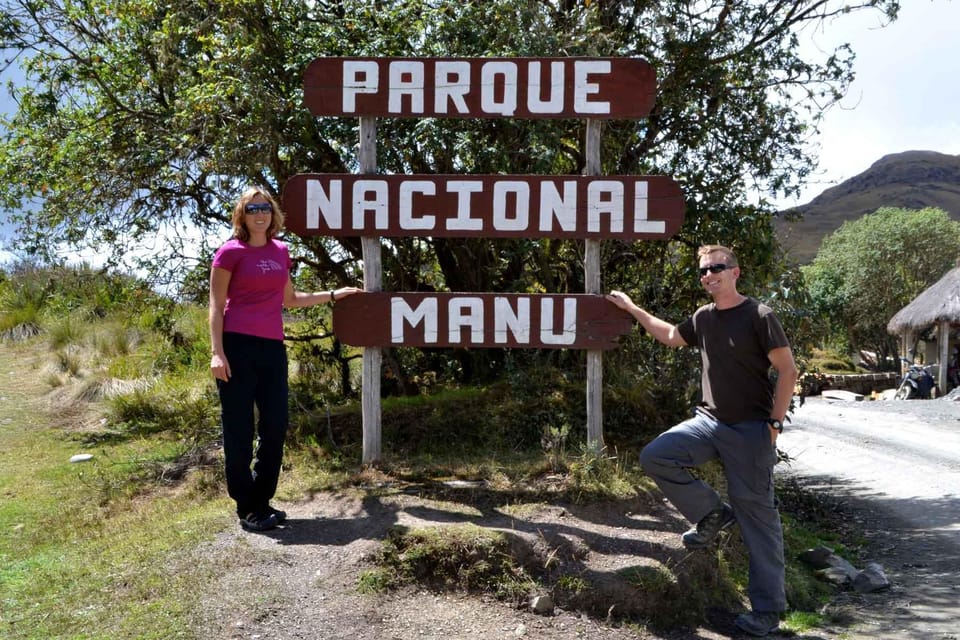
The trip is described as including a camping experience in Pilcopata, but the day-by-day details also point to lodge stays. You should expect a mix: more outdoors time than a standard hotel tour, but also real infrastructure when it’s time to eat and sleep.
Here’s what the included lodging info tells you:
- Rooms with private and shared bathroom/shower options
- On Day 2, you specifically get the lodge with private bathrooms and showers
- Mineral water is provided at the lodge
So what should you do with that information as a traveler? Don’t plan for luxury. Plan for practicality: quick-dry clothes, a dry bag for your camera, and an attitude that jungle comfort is mostly about having warm clothes and clean enough basics each night.
Also, the tour provides wellingtons. That’s not glamorous, but it saves you from the classic jungle mistake: wearing shoes that get ruined or leaving you stuck because the ground is too wet.
Guides, Safety, and How Animal-Spotting Actually Works Here
This tour leans on guided observation. You get professional guides equipped with telescope and binoculars, and there’s also an experienced boat team (boat driver, crew member, and cook). Safety equipment is included, and there’s a first aid box.
That matters for two reasons:
- You’ll spend more time recognizing what you’re seeing and less time guessing. Birds move fast; trees hide everything. Telescopes and binoculars make the difference between a vague silhouette and a real ID.
- The river and raft portions can be tricky if you’re not used to boats in moving water. Having an experienced boat driver and safety gear keeps your energy focused on viewing.
If you want to maximize results, your job is simple: stay quiet on walks, keep your eyes moving, and don’t panic if animals don’t show up on cue. In a jungle setting, timing and patience win.
Price and Inclusions: Is $430 Good Value for This 4-Day Jungle Plan?
At $430 per person for 4 days / 3 nights, you’re not paying for a single hike. You’re paying for the full logistics web: bus and boat transport, professional wildlife-focused guidance, raft time, meals, and multiple nights of lodging.
What’s included is substantial:
- Land and river transport (bus and boat)
- Guides with binoculars and telescope
- Safety equipment and a first aid box
- Breakfasts, lunches, dinners, and snacks
- Accommodation with private or shared bathroom/shower
- Wellingtons and mineral water at the lodge
- Meals that can accommodate dietary restrictions like vegetarian, vegan, or gluten-free
What’s not included:
- Day 1 breakfast
- Alcoholic drinks, soft drinks, and water for breakfast on Day 1
My take on value: the price feels more reasonable when you treat it as an all-inclusive jungle package with trained spotting help. If you’ve ever tried to copy Amazon logistics on your own, the travel time, guide costs, and boat complexity usually add up fast.
If your budget is tight, just plan for that one missing breakfast and keep optional drinks in mind.
Who Should Book This Tour (and Who Might Prefer a Different Style)
This is a strong fit if you:
- Want wildlife as the main event, not just scenery photos
- Enjoy early mornings and are okay with dawn viewing at the parrot clay lick
- Like the idea of night walks with a different focus than daytime animals
- Prefer a small group (up to 15) where you can hear instructions and keep up
It may be less ideal if you:
- Need a slow, fully comfortable schedule with minimal walking at night
- Get uncomfortable in wet, dark jungle conditions
- Expect lots of cultural programming beyond the nature-first emphasis
Should You Book Amazonas Manu Cultural Zone for 4 Days?
I’d book it if your goal is a real jungle circuit: cloud forest to lagoon to clay lick, plus two nights of night-walk exploration. The standout parts—sunrise parrot clay lick, Cocha Maravilla (Machuhuasi lagoon) raft time, and the guided night wildlife focus—are the kind of experiences that don’t feel copy-paste.
I wouldn’t book it if you want a polished, hotel-style comfort bubble or if early starts sound like a deal-breaker. This tour asks you to be outside, present, and a bit flexible with what wildlife shows up when.
FAQ
How long is the Amazonas Manu Cultural Zone tour?
It lasts 4 days / 3 nights.
How much does it cost?
The price is $430 per person.
What language are the guides?
The tour guide speaks Spanish and English.
Is this a small group tour?
Yes. The group is limited to 15 participants.
What animal-watching activities are included?
You can expect bird and monkey walks, a parrot clay lick at dawn, raft time on Machuhuasi lagoon (Cocha Maravilla), and night walks focused on wildlife.
Are meals included?
Yes. The tour includes breakfasts, lunches, dinners, and snacks, but Day 1 breakfast is not included.
What kind of bathrooms and showers can I expect?
Rooms have private and shared bathroom/shower options. The tour notes private bathrooms and showers for the lodge overnight on Day 2.
If you want, tell me your travel month and fitness level, and I’ll suggest how to pack (and what to prioritize) for the dawn clay lick and the night walks.