REVIEW · CUSCO
Ultimate Lares Trek & Inca Trail 5 days
Book on Viator →Operated by TreXperience · Bookable on Viator
Machu Picchu, minus the crush. This 5-day route strings together the quiet Lares trail and a smart approach to Machu Picchu, with hot medicinal baths, remote mountain villages, and that first Sun Gate view.
I really like two things most: the calm, less-crowded Lares route and the way the whole trek is built around strong meals and a caring crew. The focus on pacing and support is clear, too, with guides like Manolo and Sara often singled out for encouragement, and chefs turning camp cooking into a real event.
One thing to consider: day 2 pushes both time and altitude, topping out at 4700 m at Condor Pass, and there are also some stair-heavy moments on the Machu Picchu approach.
In This Review
- Key things to know before you go
- Why this trek feels different: the Lares quiet factor
- Day 1: Sacred Valley market, hot springs, then camp at a blue lake
- Day 2: Condor Pass (4700 m) and the phone-free village of Cancha Cancha
- Day 3: Down to Huaran, then Ollantaytambo’s Inca-era streets
- Day 4: Train to km 104, ruins at Chachabamba, then Sun Gate
- Day 5: Early bus, sunrise if clear, then 2 to 3 hours with your guide
- Price and value: what $980 buys you (and what it doesn’t)
- The crew is the product: guides and camp cooking
- Pace, altitude, and who this trek fits best
- What to pack: light duffle, solid daypack, comfy feet
- Should you book the Ultimate Lares Trek & Inca Trail?
- FAQ
- What time does the tour start each morning?
- How many nights do I spend camping vs in hotels?
- What’s the highest altitude on this trek?
- What meals are included during the 5 days?
- Is there a vegetarian option?
- Are Machu Picchu entrance tickets included?
- Do I need extra tickets for Huayna Picchu or Montaña?
- Is a passport required?
- What happens if weather is bad?
Key things to know before you go
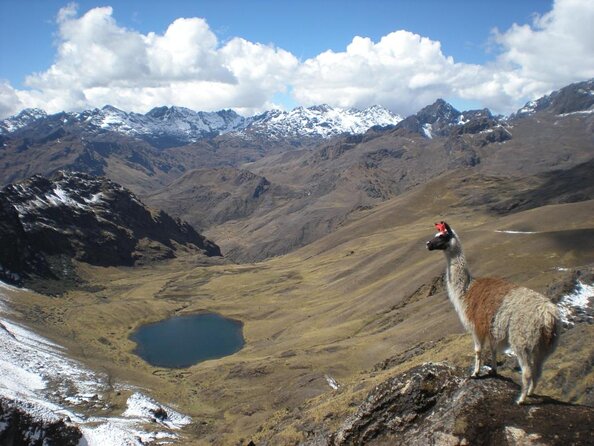
- Quieter Lares route instead of the most common approach to Machu Picchu
- Thermo-medicinal hot springs on day 1 to loosen up early
- Condor Pass (4700 m) makes day 2 the hardest day
- Cancha Cancha, Quechua-only village with no cell service or electricity
- Big focus on food with multi-meal camp cooking, sometimes including cake for special days
- Machu Picchu timing that helps you see the citadel with fewer people, then return for an early summit morning
Why this trek feels different: the Lares quiet factor
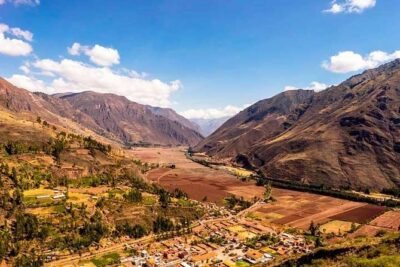
Most Machu Picchu plans start with the same crowded trail story. This one takes the quieter Lares route first, so your trekking days feel like real mountain travel instead of a line of people. You’ll spend time in Andean villages where daily life is still tied to farming, herding, and local rhythms, not tour-bus schedules.
The other big difference is that the Machu Picchu part is handled with some common-sense timing. You arrive into Machu Picchu in the afternoon, which means you get a chance to wander when the crowd pressure is lower than peak hours. Then on day 5, you’re up early for the early bus, so if the sky is clear, you can catch sunrise views from the citadel area.
The whole trip is also designed to keep you moving without being reckless. You hike uphill, you take descents, and you get time in camp to rest and enjoy the altitude night sky. If you’re the type who wants to see Peru beyond the photo spots, this route has that “slower and more personal” feeling.
You can also read our reviews of more hiking tours in Cusco

Day 1: Sacred Valley market, hot springs, then camp at a blue lake
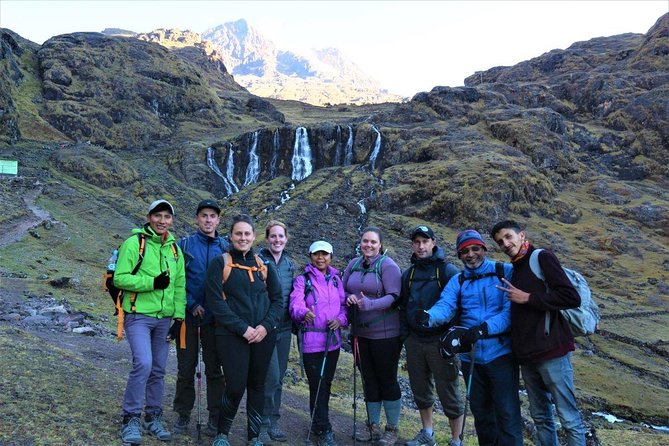
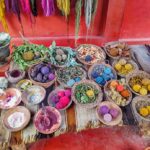
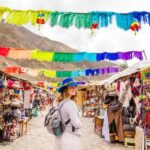
Day 1 starts early, with hotel pickup around 5:30 am (and meeting is listed at 4:30 am for the group). You drive toward the Sacred Valley and stop at a local market. Even a quick market stop helps you get your bearings fast—this isn’t just a transfer day.
Then you head to the famous Lares thermo-medicinal baths. The pools run at different temperatures, which matters because your body will feel it right away. If your calves are tight before you start hiking, those warm water breaks can do real work. This is also a nice mental shift: you’re going from city logistics into mountain recovery mode.
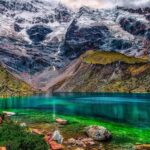
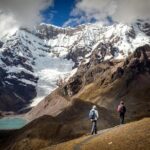
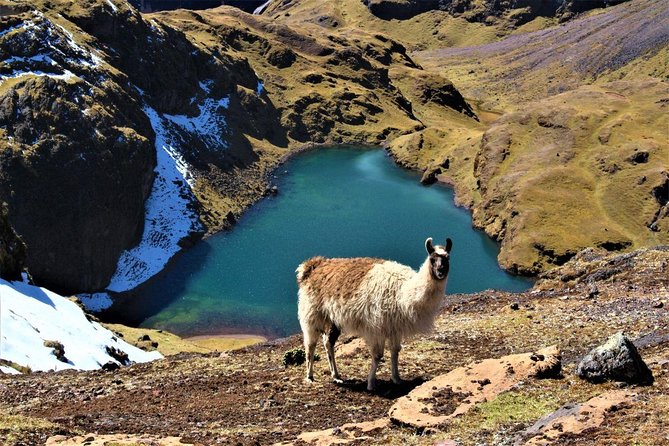
After breakfast, the trek begins with a climb toward Kiswarani village. The hiking is described as easy and time-wise it’s manageable, and your day ends at a campsite set beside a beautiful blue lake around 3750 m. You’ll get tea waiting when you arrive, which sounds small until you’ve just spent hours outside at altitude. The camp also includes time for stargazing and learning about Inca astronomy, so you’re not just sleeping—you’re getting a story with your night sky.
What I like for you: day 1 sets a good tempo. You build in an early reward (hot springs) before you commit to the harder passes later.
Day 2: Condor Pass (4700 m) and the phone-free village of Cancha Cancha
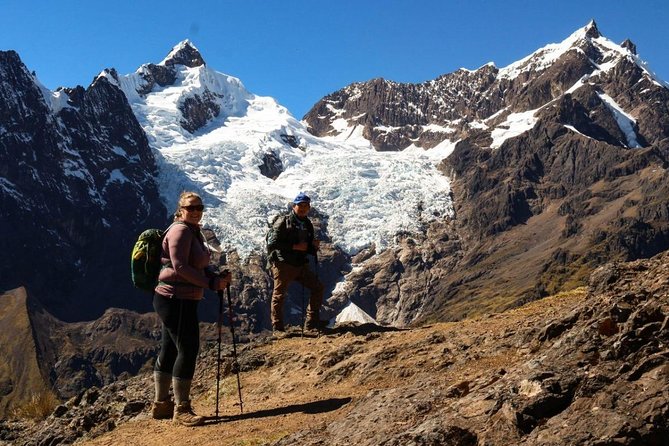
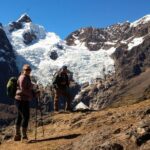
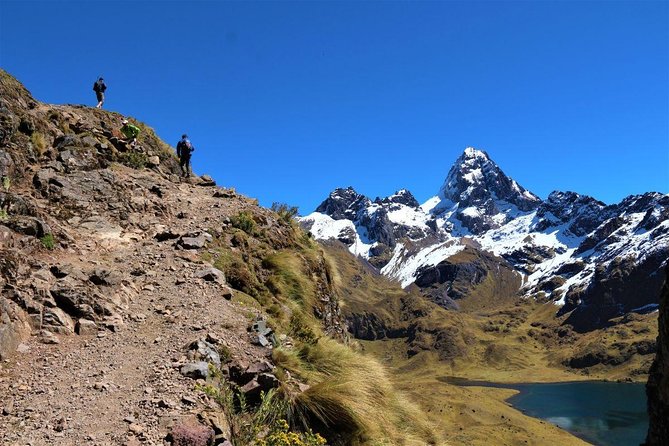
Day 2 is the one you plan for. The morning begins with a hot drink in your tent, then after breakfast you start the uphill hike toward Condor Pass at 4700 m. The walking time is longer, and the day is listed as moderate to challenging.
At the summit you take time to explore before starting a long descent through dramatic scenery. When a trek includes a high pass like this, the key isn’t speed—it’s steady breathing and short, consistent steps. You’ll notice the route is paced in a way that gives you chances to regroup, which helps if you’re feeling altitude effects.
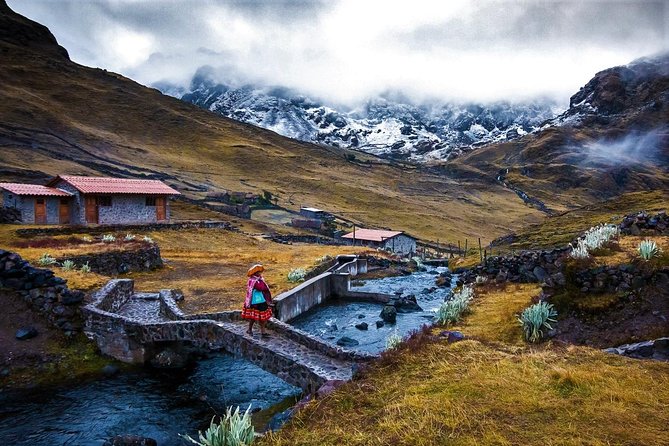
Your campsite is at Cancha Cancha (around 3750 m). This village is described as completely isolated from modern technology: no electricity, no drainage system, no computers, and no cell service. People speak Quechua here. That’s one of the most meaningful parts of this trek for me: you’re not only passing through scenery, you’re reaching a place where the modern world isn’t controlling the rhythm.
In the evening, dinner is prepared for you, and the day ends with a proper night’s rest. After two nights camping, you’ll also start to understand what “comfortable equipment” really means—enough to sleep and recover so you can keep hiking without falling apart.
Possible consideration: altitude and long hiking day 2 can be a tough combo if you start the trek with low stamina. If you’re worried, start training now with hills, stairs, and time on your feet.
Day 3: Down to Huaran, then Ollantaytambo’s Inca-era streets
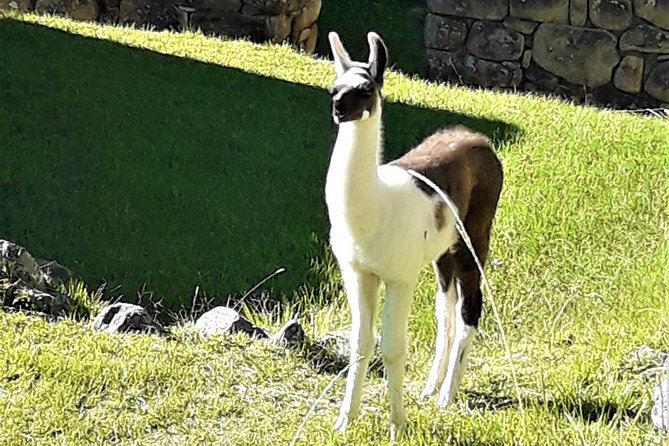
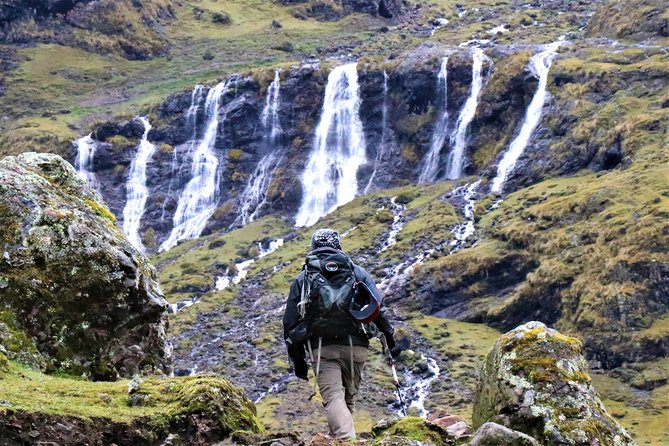
Day 3 shifts from trekking into history and culture. You wake in a village setting surrounded by llamas and alpacas, which is a nice change from campsite routines. After breakfast, you trek downhill for about four hours to Huaran (around 2700 m). This is where your body gets a break: descending day 3 is a relief after day 2’s climb.
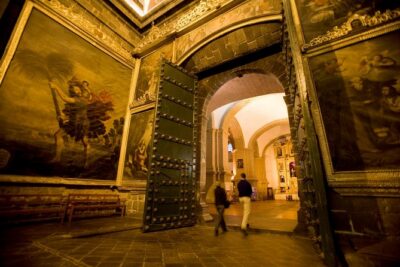
From Huaran, a private bus takes you to Salineras and Ollantaytambo. Ollantaytambo gets special mention as the last living Incan city and you’ll have time to explore ancient streets plus an Inca water channel still in use. That’s the kind of detail that makes a place feel real—something built for function, still working in daily life.
You’ll have dinner in a local restaurant in Ollantaytambo and spend the night in a hotel. After two nights of camping, the hotel night matters. Not just for comfort, but for sleep quality. Better sleep helps altitude recovery and keeps your day 4 energy steady.
What to watch for: keep your hydration up even as you drop in altitude. You’ll feel better, but your body still needs water and salt after hiking.
Day 4: Train to km 104, ruins at Chachabamba, then Sun Gate
Day 4 is where the trek transitions into the classic Machu Picchu approach, but with a quieter feel than you might expect. You start from your hotel around 6 am. You walk to the train station, then ride about 1 hour 30 minutes along the Urubamba River to km 104 at Chachabamba, which is in the cloud forest area.
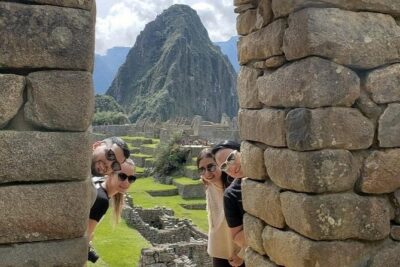
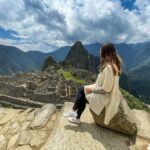
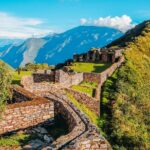
From there, you begin the hike to Machu Picchu. Your first stop is Chachabamba, an Inca ruin worth slowing down for. Then you hike for around four hours until Wiñay Huayna, and you get a packed lunch and refreshments. From Wiñay Huayna, you continue toward the Sun Gate, where you get your first big glimpse of Machu Picchu.
Then it’s a downhill walk into the citadel, and you arrive in the afternoon—one of the ways the tour tries to reduce crowd intensity. You’ll then take the bus down to Aguas Calientes, where you have dinner and sleep in a hotel again.
This day has the most “stairs and footing” moments of the trip. One review specifically warned about stairs on the Inca Trail portion, which is smart advice if you have knee or ankle issues. If stairs are your weak spot, consider bringing trekking poles if your body likes them (the trip notes they can be optional to help).
You can also read our reviews of more tours and experiences in Cusco
Day 5: Early bus, sunrise if clear, then 2 to 3 hours with your guide
Your final day starts very early again. You’ll have breakfast in your hotel, then take the early bus up to the citadel. If the day is clear, sunrise over Machu Picchu is described as possible, and that’s the kind of moment you remember because the light changes everything.
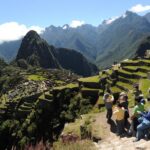
Your guide leads a 2 to 3 hour tour of the city. This is where you learn the layout and what to look for beyond the biggest photo angles. After the guided portion, you’re free to explore on your own or choose a climb—Huayna Picchu or Montaña—if you have the tickets. Those optional entrance tickets are not included and should be booked ahead.
For the return, the guide explains how to take the bus back to Aguas Calientes for lunch (not included), then you take the Panoramic train and bus back to Cusco. The TreXperience team meets you off the train and returns you safely to your hotel.
The practical win here: day 5 is designed to match how Machu Picchu actually works—early entry for sunrise potential, then guided context, then freedom. It’s not just walking into ruins and hoping you get the story.
Price and value: what $980 buys you (and what it doesn’t)
At $980 per person, this trek isn’t a budget shortcut. But it includes a lot of the stuff that usually makes Andean treks expensive or stressful when you plan yourself.
What you get included:
- pick up from your hotel and round-trip transport during the trek days
- all transportation for the experience
- duffle bag up to 7 kilos carried by horse (so you can hike with less load)
- experienced chefs, porters, and guides
- Pachamanca cooking demonstration
- camping setup for 2 nights with comfortable equipment
- 2 nights in a 3-star hotel in Ollantaytambo and Aguas Calientes
- all listed breakfasts, lunches, and dinners
- admission ticket(s) included for the Machu Picchu experience
What’s not included:
- optional entrance tickets if you want Huayna Picchu or Montaña
- optional add-ons like mattress, sleeping bag, and trekking poles (the guide team can offer direction)
So here’s the value check for you: if you price out guide support, transport, meals, and hotels plus Machu Picchu access, the total typically climbs fast. This tour packs those pieces into one plan, which matters most if you want the experience without stitching together five separate vendors.
The crew is the product: guides and camp cooking
The most consistent praise in the feedback is the team. People highlight specific guides by name—Manolo, Sara, Elias, Eddy, and others—and they often mention encouragement and clear explanations. That matters on a trek like this because the hardest moments are rarely the views. They’re the mid-ascent fatigue, the altitude discomfort, and the mental push to keep going.
The chefs also get standout credit. Multiple notes say the food is the best meal plan they had in Peru, with meals that feel more like restaurant-quality cooking than camp leftovers. One review even mentions a birthday cake made in camp, without an oven. Whether you’re celebrating something or just want comfort food after a long hike, you should expect proper meal service at each camp day.
Why this matters for you: when you’re hiking at altitude, a good meal plan helps you hike better the next day. If you’re paying for a trek, the meals are one of the biggest quality drivers—and this one clearly treats food as part of the experience, not an afterthought.
Pace, altitude, and who this trek fits best
This trek is built for people with moderate physical fitness, and the route includes both easy and moderate-to-challenging days.
Key altitude points:
- Camping around 3750 m on day 1 and day 2
- Highest point at 4700 m on Condor Pass
- Day 3 drops to around 2700 m
Day 1 is listed as easy, and your time hiking is shorter. Day 2 is your big day. After that, day 3 is downhill and day 4 is mostly about a long day on foot plus stairs. Day 5 is mostly walking inside Machu Picchu with some early-day logistics.
Who I think this suits best:
- you want a less crowded start before Machu Picchu
- you want cultural village time, not only ruins
- you enjoy guided history and want good logistics handled
- you can handle an altitude pass and early starts
If you have knee or ankle problems, take seriously the stair-heavy parts on the Machu Picchu approach. If you’re worried, talk to the operator before booking and consider poles if they match your needs.
What to pack: light duffle, solid daypack, comfy feet
You’ll have help with carry. Your duffle bag up to 7 kilos is carried by horse, which means you can keep your personal load smaller. You’ll still want a daypack for layers, water, snacks, and a little comfort.
Practical packing ideas based on the trip notes:
- optional items like a mattress, sleeping bag, and trekking poles can be guided if you need them
- plan layers for cold mornings at higher altitude
- comfortable footwear with grip for the downhill and stair sections
Also, bring what you need for altitude comfort: lip balm, a hat, and a layer for sun or wind. Peru’s mountain weather can shift fast, and being prepared makes the hike feel easier.
Should you book the Ultimate Lares Trek & Inca Trail?
If you care about getting to Machu Picchu without starting your trip in a crowd line, this is a strong pick. The Lares route gives you quieter mountain travel, hot springs for recovery, and a real stop in a remote Quechua village with no modern tech. Add the big focus on food and the supportive crew, and you get a trek that feels organized without feeling robotic.
I’d pass or at least think hard if:
- you’re very sensitive to altitude and you’re not confident about a 4700 m pass
- you have knee or ankle issues that stairs will aggravate
- you’re hoping for a lazy walk. This is still a hike with real effort days
If you’re flexible, can handle early mornings, and want Peru that feels personal before it gets famous, I’d book it.
FAQ
What time does the tour start each morning?
The meeting point is listed for 4:30 am, and day 1 pickup from your hotel is around 5:30 am. Day 4 also starts around 6 am from your hotel.
How many nights do I spend camping vs in hotels?
You spend 2 nights camping in the mountains, and then 2 nights in 3-star hotels in Ollantaytambo and Aguas Calientes.
What’s the highest altitude on this trek?
The highest altitude listed is 4700 m at Condor Pass on day 2.
What meals are included during the 5 days?
Breakfast is included for 5 days, and lunch and dinner are included for 4 days each. The trip also includes a Pachamanca cooking demonstration.
Is there a vegetarian option?
Yes. Vegetarian options are available. You should advise the operator at booking if you need vegetarian meals, and share any dietary requirements.
Are Machu Picchu entrance tickets included?
Yes. Admission ticket(s) are included for the Machu Picchu experience on the included days.
Do I need extra tickets for Huayna Picchu or Montaña?
Yes. Entrance tickets for Huayna Picchu or Montaña are optional and not included. You should book those tickets as far in advance as possible.
Is a passport required?
Yes. You’ll need a current valid passport, and passport details are required at booking.
What happens if weather is bad?
The experience requires good weather. If it’s canceled due to poor weather, you’ll be offered a different date or a full refund.