REVIEW · CUSCO
Sacred Valley VIP Tour with Maras and Moray from Cusco
Book on Viator →Operated by Machu Picchu Road Trip · Bookable on Viator
One long day, lots of Inca-era surprises, and a real sense of how people lived. This Sacred Valley VIP tour is interesting because you get Maras Moray and Salinas de Maras plus major ruins and markets, all tied together with guide stories about Andean life and history. I like that the tour includes a buffet lunch and keeps things organized with group transport and a professional bilingual guide. The main consideration: the day moves fast, and some stops require extra entrance fees paid in cash.
If you’re short on time in Cusco, this is a strong way to rack up the key sites without getting your timing wrong. You’ll also be in a smaller group (up to 18), which usually makes it easier to ask questions without feeling lost in a crowd. Just note that the tour ends back at the Plaza Regocijo meeting point, so confirm your preferred drop-off before you go.
In This Review
- Key highlights and why they matter
- Sacred Valley VIP in 11 hours: what you’re really signing up for
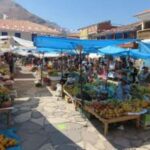
- Chinchero: the royal estate feel, then the market chaos you’ll love
- Maras Moray: circular terraces, agricultural science, and Pachamama talk
- Salinas de Maras: 3,000 wells and a salt-making routine that still works
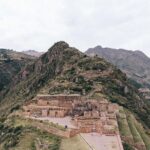
- Ollantaytambo ruins: Temples, Intihuatana, and the hill you can’t ignore
- Urubamba lunch: the midday pause that keeps your day from falling apart
- Pisac archaeology and the artisan market: buy smart, not frantic
- Price and logistics: $45 is the easy part; entrances are the variable
- Guide language and how to get more out of a bilingual day
- Who should book this Sacred Valley VIP tour, and who might not
- Should you book it? My honest take
- FAQ
- What time does the Sacred Valley VIP tour start?
- How long is the tour?
- What does the $45 price include?
- Are entrance fees included for the archaeological sites?
- Is lunch included?
- Where do I meet the tour?
- How many people are in the group?
- Is free cancellation available?
Key highlights and why they matter

- Chinchero market: Crafts and textiles in long-lived pre-Columbian styles, right where trade traditions began.
- Maras Moray terraces: Circular agricultural experimentation sites with an Andean spiritual explanation tied to Pachamama.
- Salinas de Maras salt pans: About 3,000 small wells using a sun-drying system that’s been working since pre-Hispanic times.
- Ollantaytambo ruins: Temple of the Sun, Intihuatana, and the Baths of the Princess on a hill above the village.
- Pisac archaeology + artisan market: A big ruin plus a market where you may find crafts for less than in central Cusco.
- Lunch in Urubamba: A traditional Peruvian buffet that’s timed as your midday reset.
Sacred Valley VIP in 11 hours: what you’re really signing up for
This tour runs about 11 hours starting at 7:00 am from Plaza Regocijo in Cusco. The route is a classic Sacred Valley circuit: markets for culture, terraces and salt for how people used the land, and ruins for how the Incas built and ruled. The big advantage is efficiency. The trade-off is time pressure.
You do get meaningful stops (not just quick photo stops), but each site is capped—typically around 40 minutes here and 30–50 minutes there. That’s perfect if you want a broad overview and you enjoy moving through places. If you want to linger, sketch, or read every sign slowly, you might feel rushed. This is also why I like to think of it as a first-day orientation tour: it helps you decide what you’ll want to return to later at your own pace.
The other practical piece is money. Lunch and transport are included, but entry to archaeological centers is not. One common payment pattern people run into is needing cash for the big historical sites and a separate cash payment for the salt mines. I’d budget accordingly and keep small bills, because cash-only situations do happen.
You can also read our reviews of more tours and experiences in Cusco
Chinchero: the royal estate feel, then the market chaos you’ll love
Chinchero is about 28 km from Cusco, on the tarmac route toward Urubamba. The place has two faces. First, you’ll see remains of what was described as the royal estate of Tupac Inca Yupanqui, with a colonial temple built on Inca foundations. That mix is the whole story of the Andes after conquest: layers stacked on top of each other.
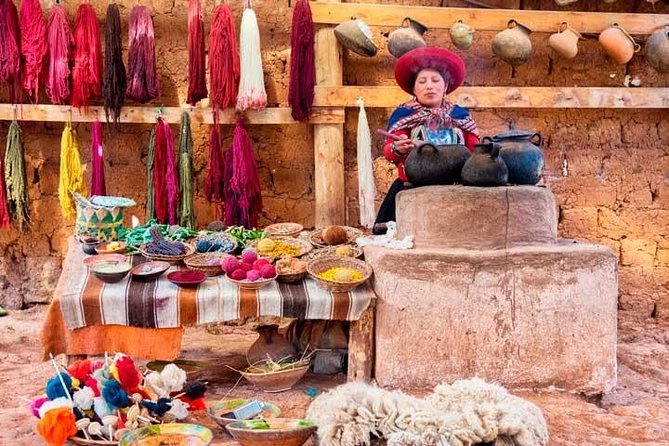
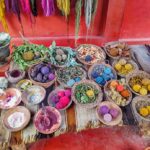
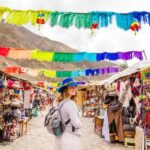
Then the tour pivots to Chinchero’s real draw—its artisanal market. You’re not just looking at souvenirs. The market tradition is tied to bartering agricultural products between valley commoners and people from higher areas. Today it functions as a show of color and movement, with crafts and textiles created in pre-Columbian styles.
In a group tour, you can easily rush a market and miss the details. Here, you get about 40 minutes, which is enough time to do two useful things:
- Walk the stalls once to learn what’s being offered.
- Pick one category (textiles, weavings, or smaller crafts) and compare prices quickly.
Tip: if you care about textiles, slow down. Look for how pieces are finished and ask what’s made and dyed locally. You’ll get a better sense of value than just buying the first beautiful item you see.
Maras Moray: circular terraces, agricultural science, and Pachamama talk
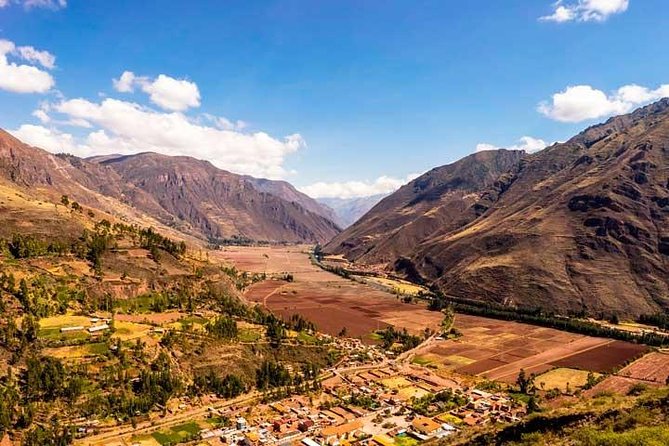
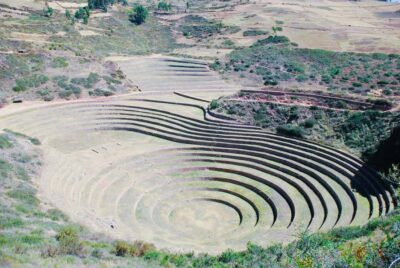
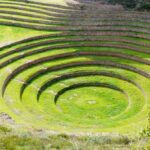
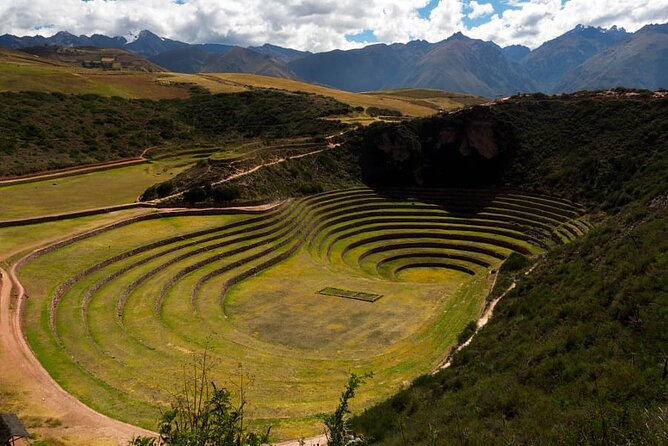
Moray (often visited as part of the Maras Moray stop) is about 7 km from Maras and roughly 1 hour from Cusco via the Chinchero route. The feature is the famous set of circular platforms of different sizes. These terraces are described as sites of agricultural experimentation—an advanced way to test crops under different growing conditions by using depth, exposure, and microclimates.
The guide will also connect the site to Andean spiritual thinking. In this tour’s framing, Maras Moray is recognized as a magnetic center for Pachamama, including the idea of female energy. Whether you treat that as spiritual meaning or cultural interpretation, it adds depth. You’re not just looking at engineering; you’re hearing how people explain place.
You’ll usually get around 30 minutes here. That’s enough time to understand the layout and take in the scale. If you can, time your photos for when the light hits the terraces clearly. Also, wear shoes you trust—uneven ground can sneak up on you around terrace edges.
Salinas de Maras: 3,000 wells and a salt-making routine that still works
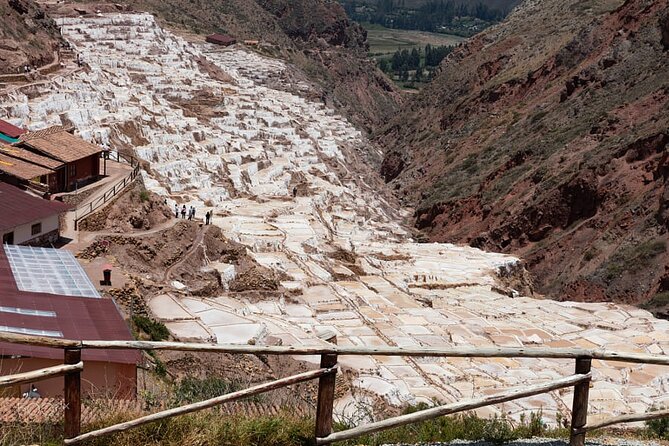
After Maras Moray, you head to Salinas de Maras, northwest of the town of Maras. The salt pans are sometimes called salt mines, but the process is more about evaporation and timing than digging. The system is made up of around 3,000 small wells, where saltwater flows in from an underground stream. Then the sun dries it, and the salt is ready for sale once evaporation leaves it behind.
This stop is short—about 30 minutes—but it’s one of those places that feels real even at a glance. You can see the pattern of thousands of compartments and understand how a community turned a natural resource into steady income. It’s not a ruin you have to decode. It’s working infrastructure, visible from eye level.
Important money note: entrance to the salt pans is listed as not included, and cash payment is common. I recommend bringing cash specifically for this leg. Keep it separate from your other spending so you’re not scrambling later when the line forms.
Bring eye protection if the sun is bright. The pans and the surrounding light can be intense, and you’ll enjoy your time more if you’re not squinting through half the visit.
Ollantaytambo ruins: Temples, Intihuatana, and the hill you can’t ignore
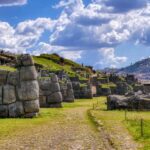
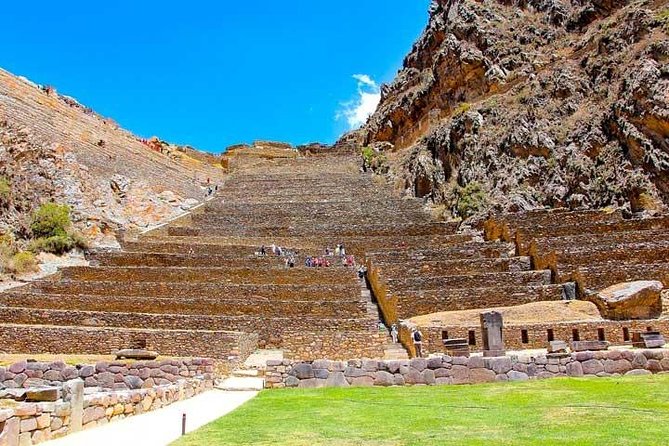
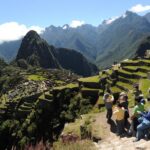
Next up is the Archaeological Park Ollantaytambo, about 21 km from Urubamba (at around 2,800 m). Ollantaytambo is both a village and an Inca site, which matters because you’re not walking only among monuments—you’re moving through a lived-in landscape where daily life has kept going.
The story tied to the name involves a chieftain named Ollanta and his affair with an Inca princess, described as the daughter of Pachacútec. That’s the kind of legend that can make ruins feel less abstract. You’ll see main structures on the hill above the village, and you’ll understand why this place was strategically and symbolically important.
The tour highlights several key buildings, including:
- Temple of the Sun
- Intihuatana
- Baths of the Princess
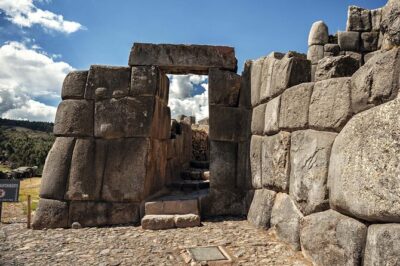
You’ll also get a sense of the site’s scale, including an area with 15 blocks of mansions on walls of tilled stone. The time here is about 50 minutes, which is long enough to walk the most important sections without feeling like you’re being chased.
Quick practical advice: this is a good stop for going slower in the beginning. The first minutes help you orient. Once you know what you’re looking at, the rest of the visit makes more sense—even if your Spanish or English comprehension varies.
Urubamba lunch: the midday pause that keeps your day from falling apart
You’ll stop in Urubamba for lunch and a short break. It’s about 40 minutes, and you’ll get a buffet lunch included on the tour. This is the part of the day that keeps you functional: transport time, altitude, and sightseeing add up fast.
Because drinks aren’t included, it’s smart to plan hydration. If you’re sensitive to altitude or heat (or both), water becomes your best friend. I also like to arrive hungry at this stop, because buffet lunch is only as satisfying as your energy level.
Urubamba also gives you a chance to look out over parts of the Sacred Valley. Even if you don’t treat views as the main event, they help reset your brain between ruins and markets.
Pisac archaeology and the artisan market: buy smart, not frantic
The last major cultural hit is Parque Arqueologico Pisac, about 33 km from Cusco by asphalt road. Pisac is two experiences in one: an ancient village and archaeological park, plus a modern colonial-era village. The site is widely recognized as one of the most important in the Cusco area, and the market here is famous for a reason.
You’ll have about 40 minutes total at this stop. The big play is the Pisac artisan market, which draws community members from remote villages wearing colorful traditional garments. It can be crowded and a bit chaotic, but that’s also what makes it worth seeing. This is where local culture is visible rather than staged for a single audience.
If you want crafts, the tour setting is actually helpful. The tour notes that Pisac items are often cheaper than in central Cusco, so you may have a better chance of getting value here instead of buying late and paying more.
Buying tip: don’t feel pressured to buy at the first stall. Price comparisons matter most in markets. Pick one or two items you genuinely want, then commit. Leave room in your bag for heavier textiles.
One more caution: some versions of this kind of route include extra shop time later in the day. In your planning, decide in advance whether you’re okay with optional browsing. If you prefer pure sightseeing, be ready to keep your wallet calm.
Price and logistics: $45 is the easy part; entrances are the variable
At $45 per person, this tour can feel like a bargain for an 11-hour day that includes transport, a guide, and lunch. The catch is the entry fees. Entrance to the archaeological centers (BTG) is not included, and that matters for your total budget.
A common cash estimate you might run into for the historical sites is around S/40 per person, with an additional S/10 for the salt mines. That payment pattern is cash-heavy, so bring enough small change and bills to avoid last-minute stress.
Also remember: extra drinks are not included. Lunch is covered, but bottled water and sodas might not be. If you hate paying tourist prices, bring what you can inside the rules for the day, then buy only what’s necessary.
Timing note: the route begins early at 7:00 am. You’ll want a light breakfast that doesn’t wreck your stomach. Then treat lunch as your real meal, not a snack replacement.
Finally, pickup and drop-off are included as part of the tour. The day ends back at the meeting point, which is important if you’re staying farther out or expect a return all the way to your hotel door.
Guide language and how to get more out of a bilingual day
The tour includes professional guide service in English and Spanish, and the guide is there to explain Andean history and culture. That’s a win.
But language experience can vary depending on the guide’s pace and the amount of time spent in each language. One practical strategy: when you hear a part switching languages, stay engaged for a full minute or two. Often the guide will explain the same concept differently, and you can catch key points once you know the topic.
If you’re relying heavily on English, be ready for the possibility that some segments may be heavier in Spanish (especially at the market and at certain ruin explanations). If you need clearer English explanations, ask the guide early in the day to keep you oriented as they move through each stop.
Who should book this Sacred Valley VIP tour, and who might not
You’ll like this tour if:
- You want a strong overview of the Sacred Valley in one day.
- You enjoy markets and craft shopping as part of the cultural picture.
- You’re okay with shorter time blocks at each site.
- You want lunch and transport handled so you can focus on sightseeing.
You might prefer something else if:
- You want deep, slow museum-style exploration where you read every detail.
- You dislike cash-only entry fees or you don’t want to think about budgeting for entrances.
- You get annoyed by extra optional shopping time.
This is also a solid choice as a first Sacred Valley day. After this, you’ll usually know which sites you want to revisit longer.
Should you book it? My honest take
Book it if you want a practical, organized day that hits the essentials: Chinchero, Maras Moray, Salinas de Maras, Ollantaytambo, and Pisac, with a real lunch stop in Urubamba. The price is reasonable for what you get, and the route is built around places that explain how land and people shaped each other.
Skip it or choose another option if you hate moving on a schedule. This is not the kind of tour where you can linger for an extra hour at your favorite ruin. It’s a circuit. If you know that going in, you’ll have a better day and you’ll use your time well.
FAQ
What time does the Sacred Valley VIP tour start?
It starts at 7:00 am.
How long is the tour?
The duration is about 11 hours.
What does the $45 price include?
The tour includes a professional guide service in English and Spanish, buffet lunch, and group transport.
Are entrance fees included for the archaeological sites?
No. Entrance to the archaeological centers (BTG) is not included, and additional admissions may be required for specific stops like Maras/Moray and Salinas de Maras.
Is lunch included?
Yes. Lunch in Urubamba is included as a buffet lunch.
Where do I meet the tour?
You meet at Plaza Regocijo (F2M9+5X2, Cusco 08002, Peru).
How many people are in the group?
The tour has a maximum group size of 18 travelers.
Is free cancellation available?
Yes. You can cancel for a full refund up to 24 hours before the experience’s start time.
If you want, tell me your Spanish level and your top priority (ruins vs markets vs photos), and I’ll suggest how to plan your time and budgeting for entrances so the day feels smoother.