REVIEW · CUSCO
Salkantay Trek to Machu Picchu 5D/4N or 4D/3N by glamping
Book on GetYourGuide →Operated by Machu Picchu Expeditions Perú · Bookable on GetYourGuide
Salkantay Trek with glamping is the best kind of hard. This Cusco-to–Machu Picchu route trades Inca Trail crowds for remote Andean beauty, with nights in cozy glamping set-ups.
I especially like the promise of truly good food (mountain chefs cooking fresh meals each day) and the thoughtful comfort upgrades: coca tea wake-ups, pad-and-pillow sleeping, and even free electricity in camp for charging. One thing to consider is that the big add-ons are not bundled in, especially Machu Picchu entrance, plus Humantay Lake and hot springs costs.
In This Review
- Key highlights you’ll feel fast
- Why the Salkantay route feels different than the Inca Trail
- Glamping nights: cabins, sky huts, and jungle domes
- Day 1: Cusco at 4 a.m., Mollepata breakfast, and Humantay Lake
- Day 2: Salkantay Pass at 4,630 m and the long walk over the clouds
- Day 3: Santa Teresa Valley change of pace, coffee tour, Cocalmayo hot springs, and zipline options
- Day 4: Llactapata ruins via an Inca trail section, Hidroeléctrica lunch, and Aguas Calientes
- Day 5: Machu Picchu Circuit 2B/6 at 8:00 a.m. plus optional climbs
- Price and value: what $35 really buys (and what you must budget)
- Meals by mountain chefs: why the food quality matters on a trek
- Getting around with horses and what you still carry
- What to bring for cold mornings and wet-green days
- Who this trek suits best (and who should skip it)
- Guides to look out for (and why the team matters)
- Should you book this Salkantay Trek with glamping?
- FAQ
- How many days is the Salkantay trek to Machu Picchu by glamping?
- What group size is this tour?
- Is the Machu Picchu ticket included?
- What time is the guided Machu Picchu visit, and which circuit?
- Are vegetarian or vegan meals available?
- How much luggage can be carried by horses?
- Are the Cocalmayo hot springs and zipline included?
Key highlights you’ll feel fast
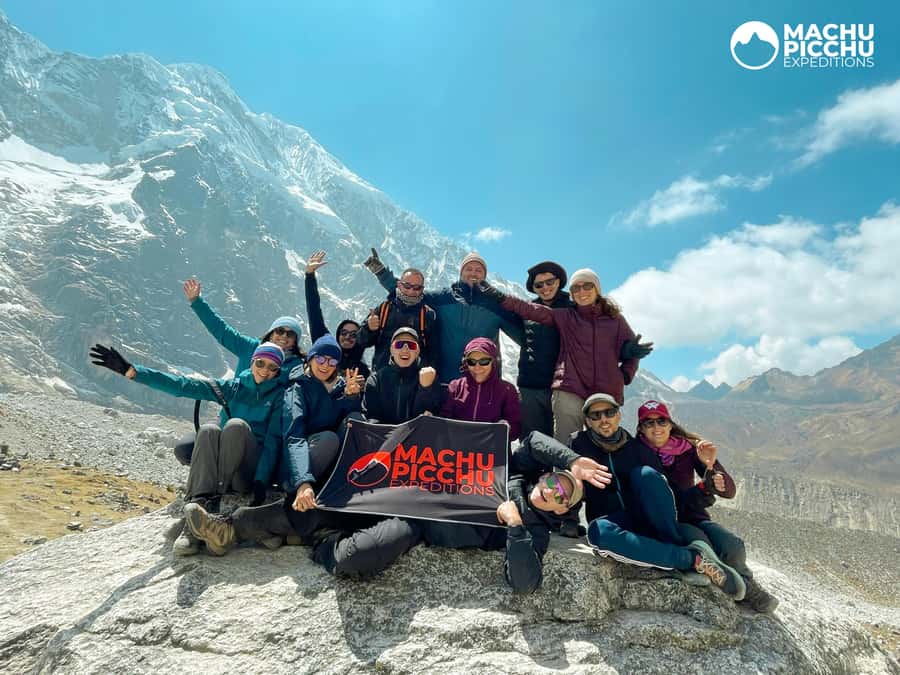
- Humantay Lake at 4,200 m: a steep-ish push followed by that classic wow moment and a calm sunset back at camp
- Salkantay Pass at 4,630 m: the day the views win, even if your legs complain first
- Chef-cooked meals: breakfasts, lunches, dinners, snacks, and daily afternoon tea time with treats
- Cocalmayo hot springs and Santa Teresa Valley: a change of pace into warmer, greener terrain
- Llactapata Ruins + the old Inca trail section: a first look at Machu Picchu’s setting before you arrive
Why the Salkantay route feels different than the Inca Trail
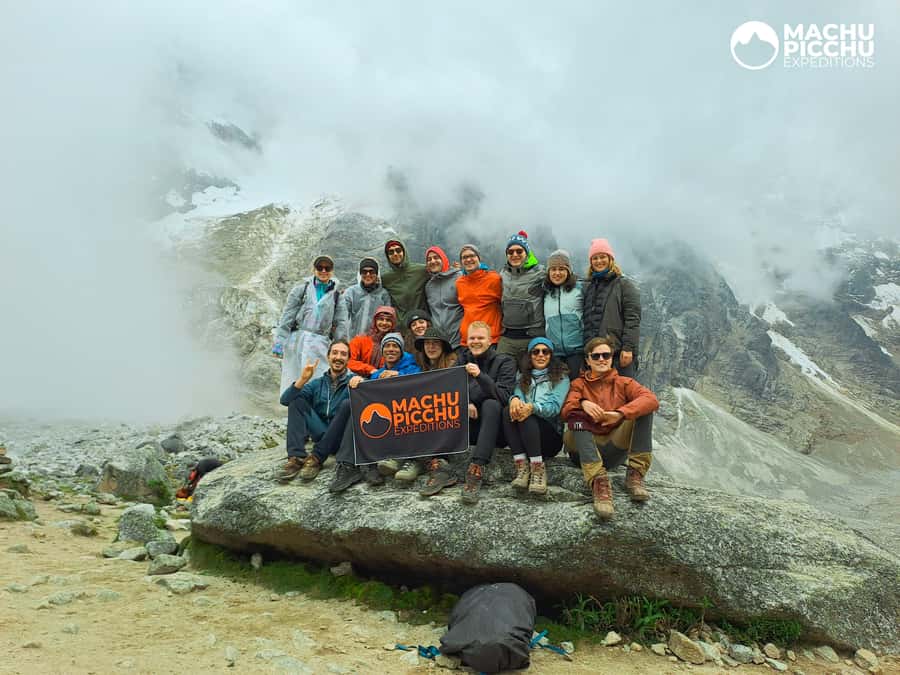
The main reason people pick Salkantay is simple: it’s a popular alternative with fewer crowds than the Inca Trail. You still get that sacred Inca-connected feeling, but with more breathing room along the way. For me, that matters because you remember the trek more than the logistics.
The trade-off is ruggedness. This isn’t a casual walk, and the altitude is real. If you come in with a smart attitude (slow steps, steady breathing, extra respect for the high pass), the route feels rewarding instead of punishing.
You can also read our reviews of more hiking tours in Cusco
Glamping nights: cabins, sky huts, and jungle domes
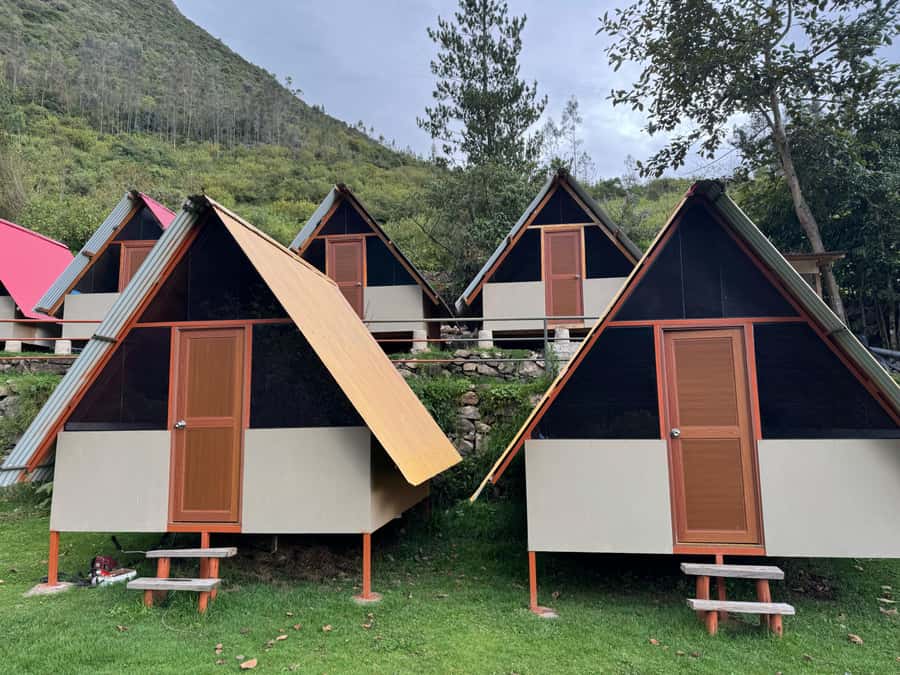
This is not “roughing it” in a tent. You’ll sleep in a mix of glamping-style spots that keep you warmer and more comfortable than basic camping—especially on colder mornings when you want to move, not shiver.
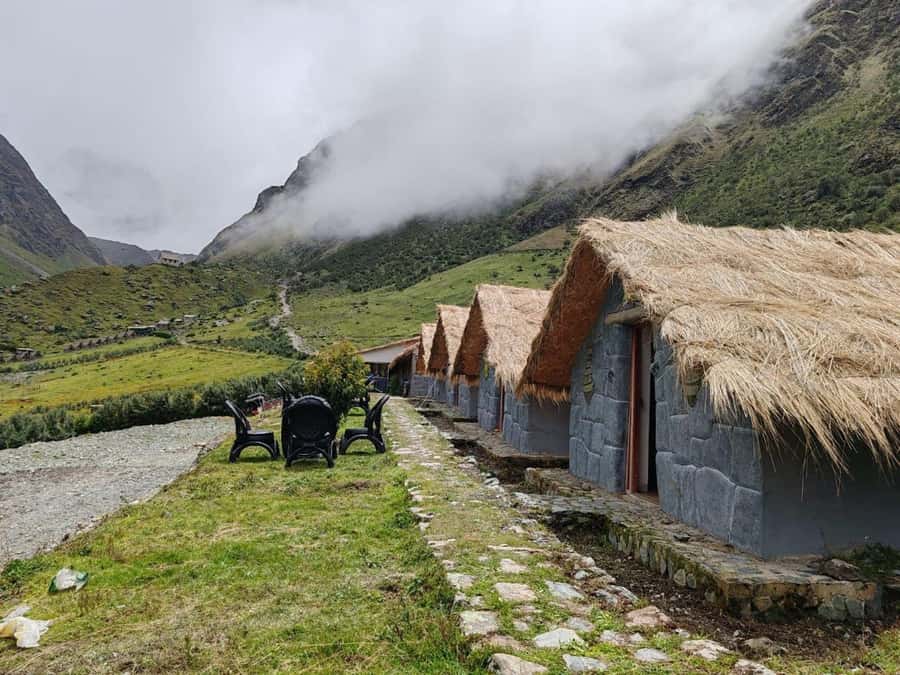
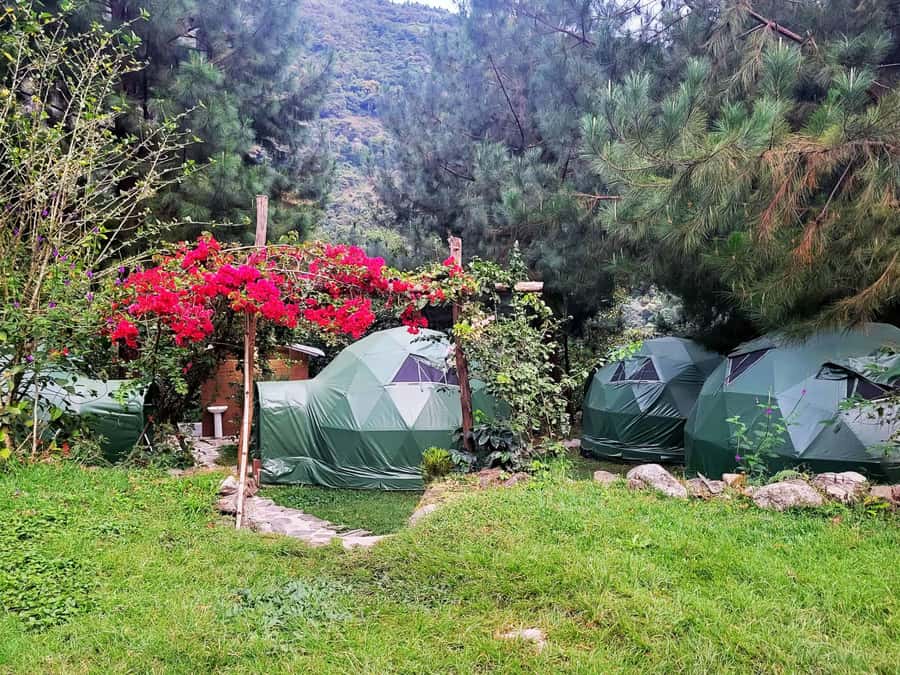
Day 1 starts in a cabin with a glass roof, which is a fun touch when the light changes over the Andes. Day 2 shifts to Sky Huts—cozy shelters for the night after Salkantay Pass. Day 3 is Jungle Domes, which help you settle into the warmer Santa Teresa side of the region as the trek shifts toward the rainforest edge.
Practical comfort details you’ll appreciate:
- Pad and pillow are included, so you’re not stuck improvising
- Free electricity in all camps means you can charge your phone and keep your power bank for emergencies
- Coca tea is served every morning to help with that first-hit altitude feeling
Day 1: Cusco at 4 a.m., Mollepata breakfast, and Humantay Lake
You start early. Pickup from your hotel in the Cusco historic center happens at 4 a.m., which sounds brutal until you realize it’s how you get daylight on the trail. After transportation and a quick rest, there’s a breakfast stop in Mollepata.
Then you begin hiking from Challacancha toward Soraypampa, where you settle into your private camp for lunch and a rest. This part matters because it’s your first rhythm-setter: get used to the pace before the big climb later.
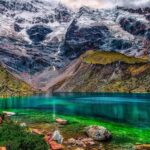
In the afternoon, you hike up to Humantay Lake (4,200 m). The climb is worth it when the lake opens up visually and the air feels sharper. After you return to camp, dinner comes with that classic high-altitude sunset vibe—peaceful, quiet, and very welcome after travel + effort.
Small drawback to note: Humantay Lake entrance is not included. You’ll want cash for that PEN 20 fee.
Day 2: Salkantay Pass at 4,630 m and the long walk over the clouds
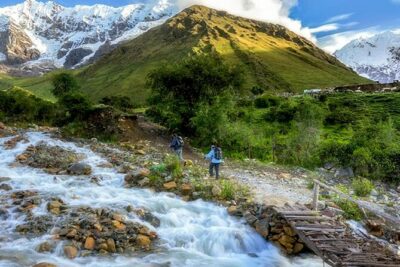
Day 2 starts with coca tea, then breakfast, then the real high point: Salkantay Pass (4,630 m). The route includes the challenging section known as the Trail of the 7 Snakes. You don’t need to race it. In fact, you’ll do better if you keep a slow, consistent pace and let your breathing settle.
At the top, the pass delivers huge views—especially of Salkantay (6,271 m). This is the moment most people remember. It’s also the moment where altitude can hit hardest, so you’ll want to avoid the temptation to sprint for photos.
You then continue down to Collpapampa (2,950 m) for dinner and sleep in the Sky Huts. That drop is good for recovery. It’s still a full day, but the altitude gets kinder.
Fitness reality check: even if you’re active, this day is tough. If you hate steep sustained climbs, plan for extra discomfort.
Day 3: Santa Teresa Valley change of pace, coffee tour, Cocalmayo hot springs, and zipline options
Day 3 is a noticeable shift. You wake at 6 a.m. for tea and breakfast, then head from camp toward La Playa, walking through the Santa Teresa Valley. This is where the scenery starts to feel different—warmer and more alive as you move away from the highest cold zones.
After lunch at camp, you get a coffee tour experience. It’s a nice mid-trek reset because it gives your brain something else to do besides counting steps.
Then you choose your mix for the day:
- You can add Cocalmayo hot springs for a relaxing soak
- Or go for the optional zipline
- Or just take it easy in camp after all that walking
A key detail: hot springs entrance (PEN 10) and the transport to the hot springs (PEN 40) are not included. So treat the springs as a planned upgrade, not a freebie.
At night, you sleep in Jungle Domes, and you’ll likely fall asleep faster because your body finally gets warmer and less “freeze mode.”
Day 4: Llactapata ruins via an Inca trail section, Hidroeléctrica lunch, and Aguas Calientes
This is your final trekking day and also the “how are we already here” day.
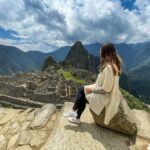
After breakfast, you tackle a 2-hour uphill climb to Llactapata (2,700 m). Llactapata is archaeological, and the timing is perfect: you reach it and get views that hint at what’s coming next—especially with Machu Picchu in the wider picture.
Then you descend for about 2 hours, with glimpses of the citadel setting below. You stop for lunch in Hidroeléctrica, then continue onward to Aguas Calientes.
In Aguas Calientes, you check into a 3-star hotel and dinner is at 7:00 p.m. This matters because you’re not rushing around. You’ll have a clean, planned night to prepare for Machu Picchu the next morning.
Possible consideration: the hotel in Aguas Calientes can be loud for some rooms. If you’re sensitive to noise, it’s worth packing earplugs.
Also, the trek doesn’t end at the gate. Your return from Hidroeléctrica to Cusco by bus is not included in the base package, and you’ll need to plan that extra $12 cost.
Day 5: Machu Picchu Circuit 2B/6 at 8:00 a.m. plus optional climbs
The final day is where the trek earns its name: Machu Picchu.
You get a guided visit for about 1.5 hours, specifically Circuit 2B/6, starting at 8:00 a.m. The tour is designed so you’re not stuck in long ticket lines—ticket line skipping is included. Just remember: the Machu Picchu entrance ticket is not included and costs $45 (subject to availability on the government ticket sales site).
After the guided section, you’ll have free time to explore. Options include:
- Hiking Huayna Picchu (2,720 m)
- Hiking Machu Picchu Mountain (3,000 m)
- Visiting the Sun Gate (2,929 m)
- Visiting the Inca Bridge
One practical note: access to certain add-on hikes often depends on what’s available with your entry ticket. The safest approach is to confirm your exact options when you’re there.
Price and value: what $35 really buys (and what you must budget)
The headline price can look surprisingly low: $35 per person. What explains the value is that a lot of the “costly” parts are wrapped into the experience: a professional guide (English/Spanish), chef-run meals, glamping-style sleeping, and transport from Cusco to the head of the trek.
Included value that’s easy to underestimate:
- 4 dinners, 5 breakfasts, 4 lunches, plus snacks
- Daily tea time (popcorn, cookies, chocolate, and coffee)
- Camps with free electricity
- Luggage support: a duffle bag for up to 6 kilos carried by horses
Now the add-ons you should budget for:
- Machu Picchu entrance: $45
- Humantay Lake entrance: PEN 20
- Cocalmayo hot springs: PEN 10 entrance + PEN 40 transport
- Zipline (optional): $28 USD
- Walking sticks rental (optional): $10 for the whole trek
- Sleeping bag rental (optional): $10 for the whole trek
- Drinking water for bottles (not included)
If you want smoother planning, think of the base price as “trek + comfort + food,” then treat Machu Picchu entry and optional extras as your separate budget line.
Meals by mountain chefs: why the food quality matters on a trek
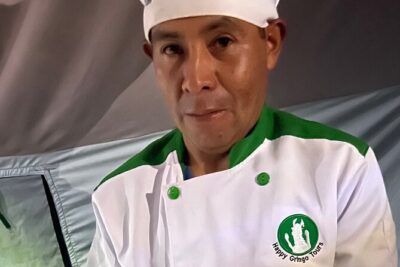
This is one of the most praised parts of the whole concept. Freshly prepared meals make a big difference at altitude, where you need fuel and you want comfort after a hard day.
On this trek, you get:
- Proper breakfasts to start your hiking days
- Lunches during trekking and day transitions
- Dinners served back at camp, so you’re not hunting for food at altitude
- Tea time each afternoon with small treats and hot drinks
You also can request vegetarian/vegan options with no additional charges. That’s especially useful because trekking logistics can be stressful, and you don’t want to worry about meal compatibility.
A detail worth appreciating: you get real cooking equipment and a professional chef setup, not “survive on snacks” food.
Getting around with horses and what you still carry
One smart idea here is the 6-kilo duffle bag carried by horses. That helps you keep your own pack lighter—especially helpful if you’re not used to multi-day elevation.
You still need a daypack for what you personally carry each day (water, layers, snacks, and the usual hiking items). The tour also includes walkie-talkies, first-aid equipment, and an oxygen bottle for emergencies, which adds peace of mind.
If you’re packing, this is your planning formula:
- Heavy items go in the duffle (within the 6 kg limit)
- Your day essentials go in your daypack
- Keep layers accessible because temperatures change fast with altitude
What to bring for cold mornings and wet-green days
This trek crosses altitude zones, so your packing needs to be practical.
Bring:
- Warm clothing (cold mornings are real)
- Hat and sunglasses
- Swimwear and a towel (hot springs option)
- Hiking shoes and trekking pants
- Sunscreen plus biodegradable sunscreen
- Gloves and a long-sleeved shirt
- Reusable water bottle (and plan for bottled water purchases since bottle water isn’t included)
- Biodegradable insect repellent
- Flashlight, smartphone with power bank, and cash
- A sleeping bag only if you don’t rent one (renting is available)
If you’re tempted to pack light only, remember: when you stop moving, cold can hit quickly.
Who this trek suits best (and who should skip it)
This is a trekking-first experience. It’s ideal if you can hike uphill for hours and handle altitude exposure calmly.
It is not suitable for:
- Pregnant women
- People with back problems
- People with mobility impairments
- People with heart problems
- Wheelchair users
- Children under 18
- People with respiratory issues
- People with epilepsy
- People over 70
That list isn’t there to scare you. It’s a reality check for a route that goes high and keeps going.
You’ll also have a better time if you’re comfortable in small-group settings. This one is limited to 15 participants, and the mix of ages can affect pacing, so build in patience.
Guides to look out for (and why the team matters)
A small detail that makes a trek better is how your guide handles the hard parts: altitude, timing, and morale.
Groups mention guides such as Ruben, plus Roger and Reynaldo, and also Tupac and Nidia. Across these names, the common thread is clear: support when there’s a problem and a friendly, attentive way of leading.
With English/Spanish speaking guides, you can also ask direct questions about pacing, meals, and what to expect at each stop.
Should you book this Salkantay Trek with glamping?
If you want Machu Picchu without the heaviest crowd pressure, this is a strong option. I like the mix of classic Salkantay highlights (Humantay Lake and the pass) plus comfort-focused camping, and the food quality is a real selling point.
Book it if:
- You’re fit enough for a pass at 4,630 m
- You care about meal quality and want real camp comfort
- You’re open to optional upgrades like hot springs or zipline
Consider other options if:
- You dislike early starts (pickup is 4 a.m.)
- You don’t want to manage extra costs for Machu Picchu and hot springs
- You need accessibility accommodations or have medical limitations listed above
FAQ
How many days is the Salkantay trek to Machu Picchu by glamping?
This experience runs 5 days (4 nights on trek), based on the schedule provided.
What group size is this tour?
It’s a small group, limited to 15 participants.
Is the Machu Picchu ticket included?
No. Machu Picchu entrance is not included and costs $45 (subject to availability on the official government ticket sales site). The tour skips the ticket line.
What time is the guided Machu Picchu visit, and which circuit?
The guided visit is at 8:00 a.m. and uses Circuit 2B/6.
Are vegetarian or vegan meals available?
Yes. Vegetarian/Vegan options are available on request with no additional charges.
How much luggage can be carried by horses?
You get a duffle bag for up to 6 kilos of personal belongings, which are carried by horses during the trek.
Are the Cocalmayo hot springs and zipline included?
The hot springs are optional, and hot springs entrance (PEN 10) plus transport (PEN 40) are not included. The zipline is also optional, and you can book it for $28 USD.