REVIEW · CUSCO
4 Day Classic Inca Trail to Machu Picchu by 360° Train
Book on Viator →Operated by Happy Gringo Tours · Bookable on Viator
Four days. One classic Inca Trail.
This trek from Cusco area gates toward Machu Picchu is built around big, specific moments like Dead Woman’s Pass and a first look from Sun Gate as the site opens.
I like the practical comfort: a small group of up to nine keeps things calm and personal, and you sleep in a private tent at each camp instead of dealing with crowded camping chaos. Also, all meals during the hike are included, so you spend less time figuring out food and more time watching the trail change hour by hour.
One thing to consider: before you go, confirm the exact pickup and sleeping-gear details in writing, because there are reports of late changes and confusion from the operator (including possible last-minute date adjustments).
In This Review
- Key things to know before you hike
- Cusco to Machu Picchu, with a small-group rhythm that actually fits the trail
- The 4:00 am start and the KM-82 checkpoint: logistics that can make or break your mood
- Day 1: Llactapata first, then Ayapata Base Camp (flat-to-steady hiking)
- Day 2: Dead Woman’s Pass (4215m) and the steep Inca-step downhill
- Day 3: Phuyupatamarca and Winay Wayna before your porters farewell
- Day 4: Sun Gate into Machu Picchu, then train back toward Cusco
- Meals and private tents: what you actually save when it’s included
- Pace, altitude, and how to pack for Day 2 reality
- The real value of $820: what’s covered and what you should price-compare
- Who this trek is best for (and who should think twice)
- Should you book this 4-day Classic Inca Trail with Happy Gringo Tours?
- FAQ
- What is the group size on this Inca Trail trip?
- What is the meeting/start time in Cusco?
- What meals are included during the trek?
- Are Inca Trail and Machu Picchu tickets included?
- What is the highest point on the hike?
- Where do you go on Day 4 and how do you return?
Key things to know before you hike
- Max 9 hikers means fewer bottlenecks at Inca sites and more time to ask questions
- Private tent at each camp is a real quality-of-life upgrade on a long trail
- All meals included: 3 breakfasts, 4 lunches, and 3 dinners, plus organic and fresh lunches are part of the plan
- Day 2 is the test with Dead Woman’s Pass at 4215m/13779ft, then steep Inca steps downhill
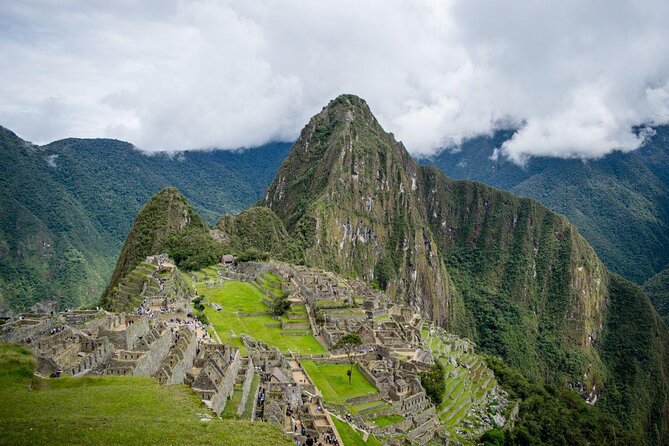
- Machu Picchu starts at Sun Gate so you get your first major view right when the site opens
- Double-check what’s included for sleeping gear/linens so there are no surprises when you arrive
Cusco to Machu Picchu, with a small-group rhythm that actually fits the trail
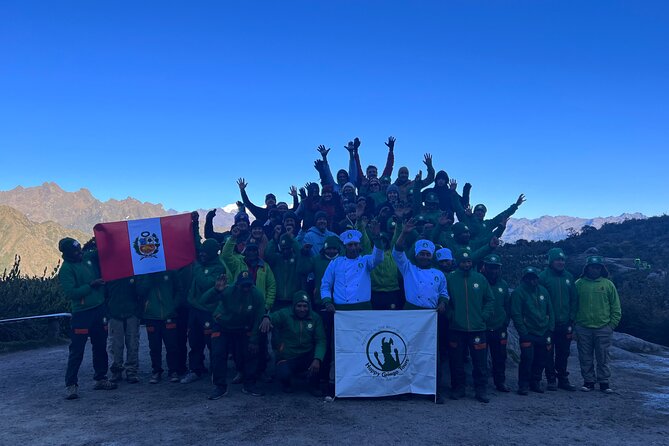
This is the kind of Inca Trail trip that feels built for real hikers, not just tour checklists. You’ll be moving for days, camping each night, and tackling the highest pass on the classic route. The small group size (max nine) matters because the Inca Trail can get crowded at the wrong moments—so fewer people around you usually means smoother pacing, easier conversations, and less stress when the group pauses for photos or altitude breaths.
The other big quality-of-life win is how little you’re asked to manage. You get meals (3 breakfasts, 4 lunches, 3 dinners) and you sleep in a private tent at each site. That means you can pack to hike, not pack to run a mini-camp for four days.
Now for value: $820 is not cheap. But your price covers the Inca Trail and Machu Picchu tickets, meals during the trek, and the core logistics that can be painful to coordinate yourself. If you’re the type who wants the route handled and your job is to show up with a passport and good legs, this fits.
You can also read our reviews of more tours and experiences in Cusco

The 4:00 am start and the KM-82 checkpoint: logistics that can make or break your mood
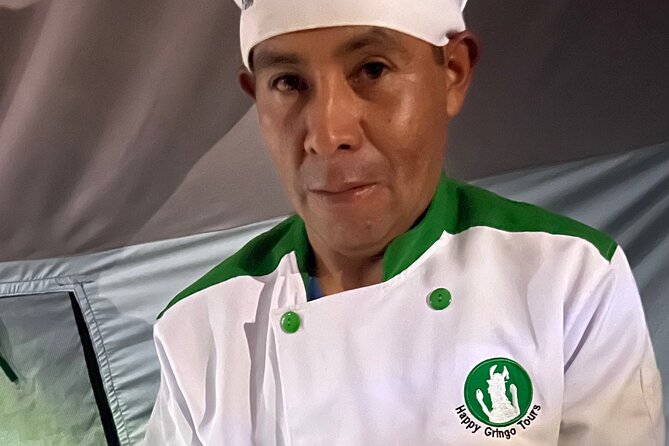
The meeting starts early—4:00 am. You’ll be picked up from your hotel in Cusco, then driven toward the trailhead at KM-82. At the checkpoint, you show your passport, and it needs to match your permits. That part is not optional, and it’s not the moment to realize your passport details don’t line up.
What I like about doing this with a guided program: the handoffs are structured. You know you’ll be hiking that day, you know meals are waiting after key segments, and you’re not left guessing which sign is yours or which form you still need.
What I’d watch: early starts are where confusion multiplies. If your hotel pickup isn’t precise or your day gets pushed around, your whole morning schedule can take a hit. Since there have been reports of late communication or last-minute date changes from this operator, I strongly recommend you lock down the day/time in writing before you travel, and keep a screenshot of what you were told.
Day 1: Llactapata first, then Ayapata Base Camp (flat-to-steady hiking)
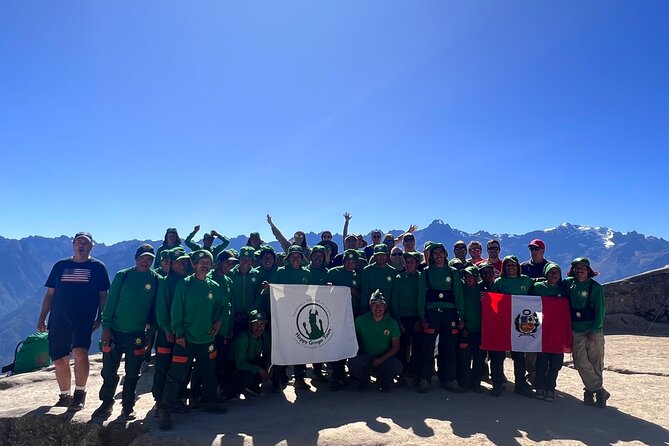
Day 1 is designed like a warm-up that still feels meaningful. After the KM-82 checkpoint, you start with a couple hours that are pretty flat, which is exactly what you want after an early departure. Then you hike to the Inca site of Llactapata.
This is a nice first ruin stop because it breaks up the long trail start. You get your bearings, you see where the trail is taking you, and you have enough energy to actually enjoy the place instead of just getting through it.
After Llactapata, you continue for another couple hours to the first lunch stop. Here’s a detail I like: porters are waiting with organic and fresh lunch. That matters because Inca Trail hiking turns you into a hungry machine—if you’re going to be eating well, it’s good to start early.
Then comes your first real uphill push toward camp at Ayapata Base Camp. It’s about building rhythm: steady effort, planned breaks, and no surprises in the middle of the day. You finish around the 9-hour mark, then you’re set up in your private tent for the night.
Day 2: Dead Woman’s Pass (4215m) and the steep Inca-step downhill
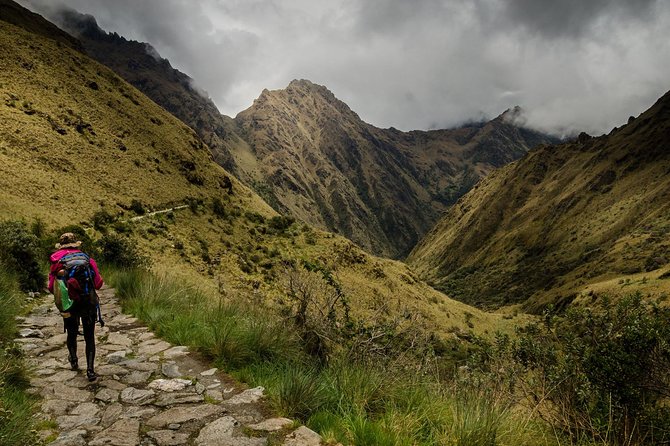
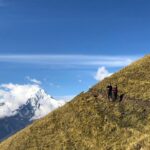
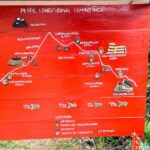
Day 2 is the classic Inca Trail day—the one people talk about because it’s genuinely hard. You’ll start with organic breakfast, then climb for about 5 hours to the highest point: Dead Woman’s Pass at 4215 meters / 13779 feet.
This is where fitness matters most. If you’re strong but not used to altitude, you’ll still feel the pull in your lungs and legs. The upside is that the route is guided with breaks, and once you’re at the summit area, you’re moving toward progress instead of just suffering.
After the pass, there’s a 2-hour downhill through very steep Inca steps. That downhill can be rough on knees and calves, so take it slow. The tour plan includes a break and another lunch stop after descending.
Then you hike again with a mix of effort and recovery: about 2 hours uphill, then 2 hours downhill with breaks at Runkurakay and Sayacmarca—two Inca sites that fit the day’s theme of hard trail, rewarding views, and strong ruins presence.
You end at Chaquicocha campsite. The big thing to remember: Day 2 isn’t just about the pass. It’s about how you handle steep steps after a high altitude climb. Take your time and don’t treat the downhill like a race.
Day 3: Phuyupatamarca and Winay Wayna before your porters farewell
Day 3 feels like the payoff day. After breakfast, you hike about 2 hours to Phuyupatamarca, described as the city in the clouds. This is also framed as the best area for flora, fauna, and views, and that’s the vibe you’ll likely feel: you’re not only chasing elevation anymore; you’re noticing the trail’s living detail.
Phuyupatamarca includes stops tied to Inca meaning—like Inti Pata, or sun above the terraces—so the ruins feel less like random stops and more like part of a designed landscape.
Then comes lunch, followed by a visit to Winay Wayna, meaning forever young. This is one of the final dramatic Inca stops before you reach Machu Picchu, and it’s a great moment to see how the Inca engineers shaped movement through stone and terraces.
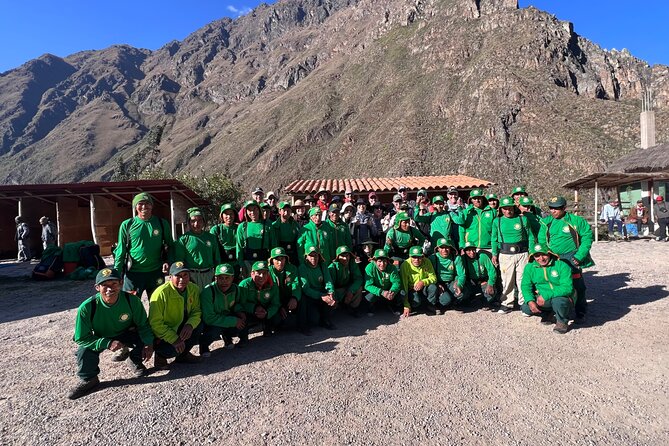
At camp you have dinner, and the day includes the emotional bit: a say-goodbye to your team of porters. After multiple days of carrying and cooking for you, that farewell has real weight. It’s one more reminder this trek isn’t just scenery; it’s a working network.
Day 4: Sun Gate into Machu Picchu, then train back toward Cusco
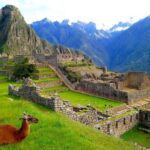
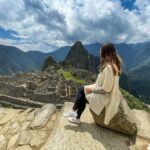
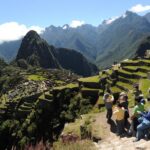
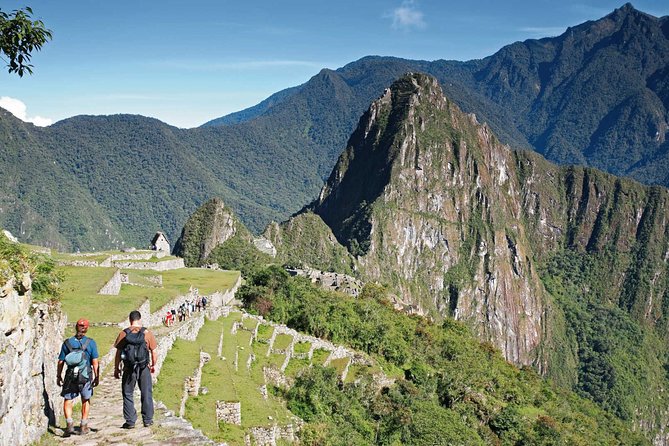
Day 4 starts early with a wake-up, then you move straight toward the checkpoint to enter Machu Picchu. Once the site opens, you hike to the Sun Gate for your first fantastic view of Machu Picchu. This is a smart sequencing choice because it gives you the big reveal early, before you’re stuck in longer lines or later crowds.
From there, you visit the most important temples of Machu Picchu. The key is that your day is structured: you’re not wandering around blindly trying to piece together what you’re seeing. You get the highlights, and you also get some time to process the scale of the place.
In the afternoon, you take the train back to Ollantaytambo, then continue by bus to Cusco. Your final dinner is included and tied to Wiñay Wayna on the trail route before you fully shift back into city mode.
Expect mixed feelings. Machu Picchu is thrilling, but after days on the trail your body is also tired in a good, earned way. By the time you reach Cusco, you’ll likely feel like you’ve switched from hike mode to recovery mode—fast.
Meals and private tents: what you actually save when it’s included
All-inclusive meals aren’t just convenience. They keep you fueled for altitude climbs and long hike days. The plan includes breakfasts (3), lunches (4), and dinners (3), so you don’t have to improvise food under fatigue.
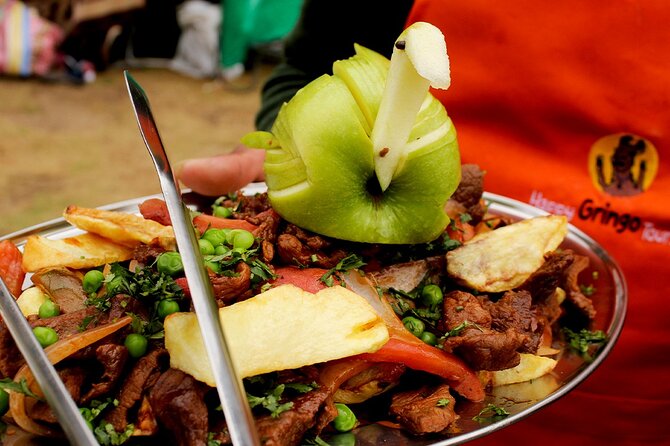
A detail worth noting: lunch is described as organic and fresh, and porters are waiting at lunch points. That means food is timed to the day’s segments, not dumped on you at random. On the Inca Trail, timing is everything—if you eat too late, the next climb feels harder.
Private tents at each campsite also change the mental game. The Inca Trail nights can be cold, and sleeping poorly makes the next morning brutal. With a tent set up for you each night, you can focus on sleep rather than site logistics.
There’s still one practical point: ask what you’re expected to bring for sleeping comfort. Some people have reported needing extra sleeping-gear items (like sleeping bag and linens) and paying extra if not included. I can’t guarantee every booking is handled the same, so treat it as a checklist item: confirm what’s in your package.
Pace, altitude, and how to pack for Day 2 reality
This trek is rated for people with strong physical fitness. That’s not marketing talk—Day 2 climbs to 4215m and then stacks steep steps downhill. Even if you’re fit, altitude changes your breathing, and steep descents punish your legs if you go too fast.
Here’s how I’d plan your effort:
- Start Day 2 slower than you think you need to. You want lungs and legs to last through the pass and descent.
- On the steep downhill, treat every step like it matters. Your knees don’t care about your schedule.
- Keep your layers ready. Nights and mornings at altitude can feel sharply colder than you expect, even in seasons that are warm in Cusco.
For packing, stick to the basics you can control: good hiking footwear, a warm layer, rain protection, and a daypack. Also bring your passport you’ll use for permits. The KM-82 checkpoint requires that match, and you don’t want to scramble.
The real value of $820: what’s covered and what you should price-compare
At $820 per person for about 4 days, you’re paying for the whole package: the Inca Trail and Machu Picchu tickets, on-trail meals, and camping comfort (private tent). Inca Trail permits and Machu Picchu entry aren’t minor add-ons—those are the pieces that are often hardest to piece together and time perfectly.
You’re also paying for the structure of a guided route, with built-in stops at major Inca sites—Llactapata, Runkurakay, Sayacmarca, Phuyupatamarca, Winay Wayna, plus Machu Picchu highlights. The tour doesn’t just take you from point A to point B. It tells you what you’re seeing in the flow of the route.
The only time the value can feel weak is if you end up surprised by extra costs tied to sleeping gear, linens, or pickup coordination. That’s why I keep bringing it up. Do the small admin work up front, and you’ll feel the value instantly once the hike starts.
Who this trek is best for (and who should think twice)
This tour is best if you want the classic Inca Trail experience with less hassle. You’ll like it if you:
- enjoy a guided plan with set stops and meal timing
- want max-9 group energy instead of a huge crowd
- are comfortable with long days and want a clear route to Machu Picchu
You should think twice if you:
- are uncertain about handling steep downhill after a high pass
- dislike early mornings and tightly timed logistics
- prefer to fully control gear inclusions and pickup details yourself
And if safety or behavior is a major concern for you personally, I’d take time to confirm the operator’s standards and your comfort level before you commit. Some people have raised serious issues in past experiences, so trust your gut and ask questions early.
Should you book this 4-day Classic Inca Trail with Happy Gringo Tours?
I’d book it if your top priorities are a small group, private tents, and having tickets and meals handled, especially since the itinerary hits the key moments: Llactapata, Dead Woman’s Pass, Phuyupatamarca, Winay Wayna, then Sun Gate into Machu Picchu.
I wouldn’t book it on autopilot. Before payment or final confirmation, message the operator and get clear answers in writing on:
- hotel pickup details for the 4:00 am start
- whether any sleeping-gear or linens are required beyond what you expect
- what happens if your date is shifted and how quickly you’ll be notified
If those answers line up cleanly, this is a strong way to do the classic route: structured, scenic, demanding, and built around the moments you came for.
FAQ
What is the group size on this Inca Trail trip?
The tour has a maximum of 9 travelers.
What is the meeting/start time in Cusco?
Start time is 4:00 am, with hotel pickup in Cusco.
What meals are included during the trek?
Breakfast is included 3 times, lunch is included 4 times, and dinner is included 3 times.
Are Inca Trail and Machu Picchu tickets included?
Yes. Inca Trail and Machu Picchu tickets are included.
What is the highest point on the hike?
The highest point is Dead Woman’s Pass at 4215 meters / 13779 feet on Day 2.
Where do you go on Day 4 and how do you return?
You enter Machu Picchu in the morning and hike to Sun Gate, then in the afternoon you take the train back to Ollantaytambo and continue by bus to Cusco.