REVIEW · CUSCO
Half-Day City Tour of Cusco Including Tambomachay
Book on Viator →Operated by Willka travel Cusco · Bookable on Viator
Cusco makes sense fast on this route. In about five hours, you’ll see the biggest Inca landmarks around town plus the Cathedral area, with a guide who explains what you’re looking at as you move. I like that the tour starts with hotel pickup in the historic center, so you’re not hunting streets at altitude.
My second favorite thing is the small group size (up to 10) and the way the day balances city sights with archaeological stops. A good plan, but one consideration is the extra cost and timing around entrances: the Cathedral and Qorikancha have separate fees, and they’re not included in the tour price.
In This Review
- Key things to know before you go
- The value of a half-day Cusco loop (it’s not just sightseeing)
- Price and logistics: what you pay for, and what costs extra
- Pickup timing and where you start: arriving early matters
- Cusco Cathedral and Plaza de Armas: the city center “starter scene”
- Qorikancha (Temple of the Sun): Inca stone meets Catholic plaster
- Sacsayhuamán: the big Inca fortress that looms over Cusco
- Q’enqo: the zig-zag rock and a temple name with meaning
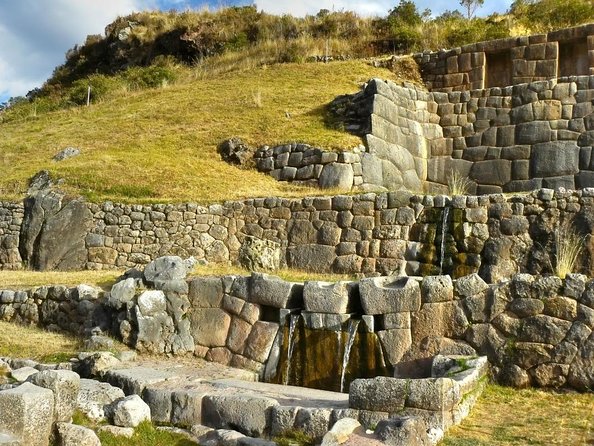
- Puka Pucara: a smaller fortress with a military feel
- Tambomachay: the temple of water and a calmer finish
- Comfort, group size, and the reality of altitude
- How to plan your afternoon after the tour
- Should you book this half-day Cusco tour with Tambomachay?
- FAQ
- How long is the half-day tour?
- What’s included in the $18 per person price?
- Which entrance fees are not included?
- Is hotel pickup included?
- What is the meeting point for the tour?
- Can I cancel for free?
Key things to know before you go
- Hotel pickup in Cusco’s historic center and drop-off back in the main area afterward.
- Qorikancha’s Inca + Catholic contrast is one of the most striking parts of the whole day.
- A packed loop of major ruins: Sacsayhuamán, Q’enqo, Puka Pucara, and Tambomachay.
- Not all entrances are included, so you’ll want cash for the sites that charge separately.
- Small groups (max 10) help the schedule feel controlled rather than chaotic.
- Multiple guides get strong marks for clear English and keeping you moving at the right pace.
The value of a half-day Cusco loop (it’s not just sightseeing)
This is the kind of tour that helps you orient quickly. Cusco can feel like a blur of stone streets, churches, and lookout points. This route gives you landmarks you can actually place later, so your full trip feels less like wandering and more like you’re following a story.
For $18 per person, the big value is practical, not fancy. You get air-conditioned transport, pickup and drop-off, and a guided plan that hits several Inca-era sites in one afternoon. You’re buying time-savings plus context.
The pace is still real. It’s “half-day,” but the itinerary moves through multiple stops with short site windows. If you like to linger, you’ll feel it here. If you want a solid overview fast, this is the right tool.
You can also read our reviews of more city tours in Cusco
Price and logistics: what you pay for, and what costs extra
Your baseline cost is $18 per person, and that price includes:
- Hotel pickup only within Cusco’s historic center
- Air-conditioned vehicle
- Guided visits at several stops (including Cathedral area, Qorikancha, and the key ruins around Cusco)
- Drop-off back in the center of Cusco
What’s not included is where the budget planning matters. The tour info lists separate entrance fees for:
- Cusco Cathedral (PEN 40.00 per person)
- Qorikancha / Temple of the Sun (PEN 15.00 per person)
- Plaza de Armas (listed as PEN 70.00 per person in the tour details)
Those extra fees can add up quickly, and some recent travelers have pointed out that entrance payments may require cash in Peru’s currency rather than card use. So I’d plan to carry enough soles (PEN) for the stops that charge.
Also, double-check how the day’s timing lines up with any tickets you already bought. One common source of stress in Cusco is ticket confusion: you think one pass covers everything, then you arrive and find a site requires something else. Build a little slack into your afternoon.
Pickup timing and where you start: arriving early matters
The itinerary states pickup around 12:30 p.m. and it runs for about 5 hours. Your meeting point is listed as the Regional Historical Museum of Cusco on C. Garcilaso (Cusco 08002).
In practice, pickup is included in the historic center, so you may never need to go to the museum. But if coordination gets messy on the day, it helps to know the official starting point.
Here’s my practical advice: be ready a bit early. Even when operations run smoothly, this tour is built like a schedule. If you’re late, you might miss the first part of the loop, and there usually isn’t an easy reset once the group has moved.
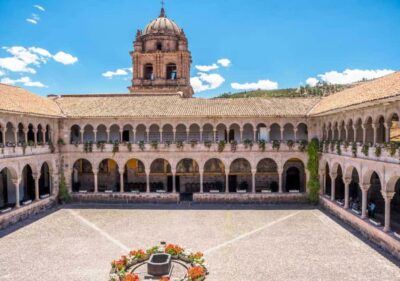
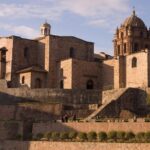
Cusco Cathedral and Plaza de Armas: the city center “starter scene”
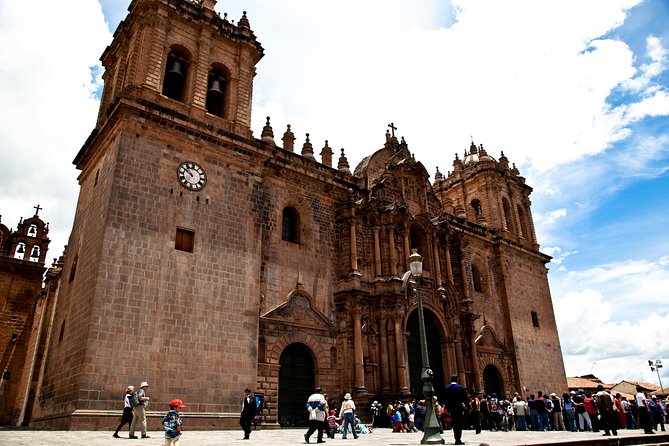
You begin in the Plaza de Armas area, with a visit to the Cusco Cathedral. The cathedral stop is listed as about 45 minutes, and entry is not included (PEN 40.00 per person).
Then you spend time in the Plaza de Armas itself, and the tour continues toward Qorikancha. The Plaza de Armas portion is shorter (around 15 minutes), and its separate fee is listed in the tour information.
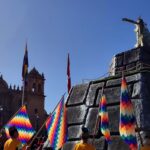
What I like about this first segment is that it sets up the theme for the whole day: the Inca world is still visible, but it’s wrapped around by centuries of Catholic Cusco. You’ll walk into the next stop already thinking about architecture and power—who built what, and why.
The drawback is attention span. If you’re hoping for a long, slow church visit, the time here is tight. Treat this as a launchpad, not a deep dive into sacred art.
Qorikancha (Temple of the Sun): Inca stone meets Catholic plaster
Qorikancha is the star for many people, and the tour doesn’t waste time getting you there. You’re given about 45 minutes at the site, and entry is not included (PEN 15.00 per person).
The key experience isn’t just seeing the temple. It’s spotting the juxtaposition between:
- Inca architecture and sacred design
- Catholic additions and the later reuse of space
The tour guide also focuses on how Inca and Spanish styles differ—especially the way structures sit within each other and how the sacred space was reinterpreted over time.
One practical tip: if you want photos without stress, aim for the moments when your group isn’t being herded forward. The site is popular, and the tour flow means you may have to choose between extra photos and staying together.
Also, if you care about sound quality (talking guides are loud near stones), there’s good news: at least one group reported using personal audio devices with an ear piece and a mic. If you get something like that, it’s a big help at Qorikancha, where your guide’s voice matters.
You can also read our reviews of more tours and experiences in Cusco
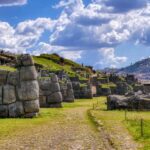
Sacsayhuamán: the big Inca fortress that looms over Cusco
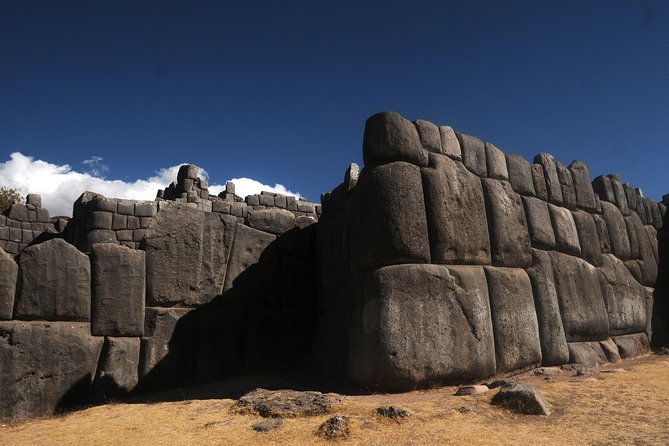
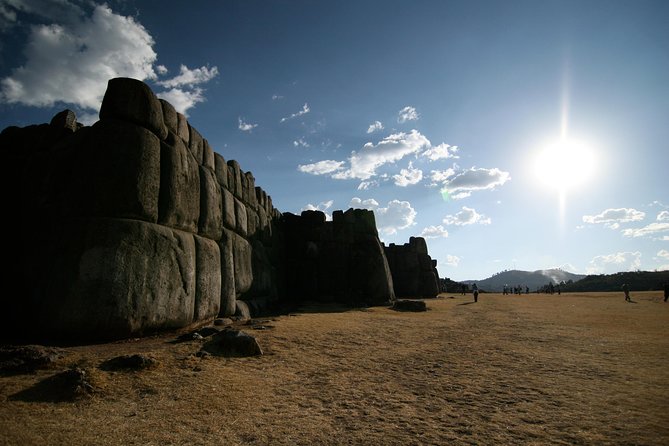
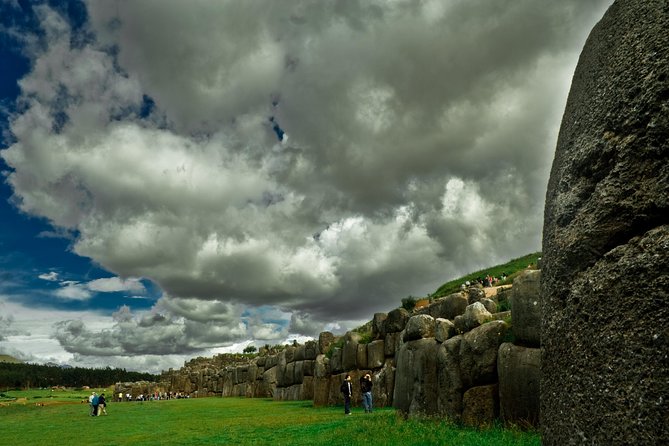
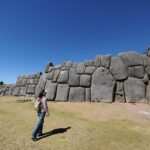
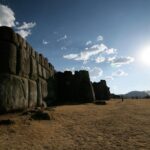
Next comes Sacsayhuamán, with about 1 hour on site. The ride time is listed as around 25 minutes.
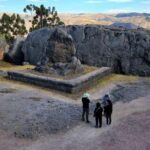
This is the kind of place that instantly feels “important,” even if you don’t know the history yet. Sacsayhuamán’s scale and stonework give you that sense of engineering and planning that you see across the Inca empire.
Your guide explains its significance, and the tour includes a reference to the site’s annual celebration tied to the Sun (the info specifically mentions a big celebration party every year for the sun). That kind of framing helps you see the site as part of a living calendar, not just a museum piece.
The limitation is timing and pace. One review noted the guide kept people moving so the group finished before it got too dark. That’s typical on a half-day loop. Wear shoes you can move in confidently, and don’t count on a leisurely stroll at the end.
Q’enqo: the zig-zag rock and a temple name with meaning
After Sacsayhuamán, you hop back on the vehicle for a short drive to Q’enqo. The stop is listed as about 25 minutes.
Q’enqo is named in Quechua for the labyrinth or zig-zag shape, and the tour points out the carved canal in the rock. This stop is smaller than Sacsayhuamán, so the time window is shorter—but that’s not necessarily bad. In a packed day, shorter stops can be the difference between seeing everything and rushing yourself into fatigue.
If you like learning by walking, this is a good stop. Your guide’s commentary gives the stone features a function and a story, rather than leaving you with “rock pile, rock pile.”
Puka Pucara: a smaller fortress with a military feel
Then you drive to Puka Pucara for another 25 minutes.
The tour describes it as a small circular Inca military fortress. That “military” angle matters because it helps you notice architecture as strategy—how visibility, boundaries, and placement would have served real control.
Because the stop is brief, this is another one where photos compete with listening. If you’re trying to decide what matters most, prioritize the guide’s explanation first. Your photos will make more sense afterward.
Tambomachay: the temple of water and a calmer finish
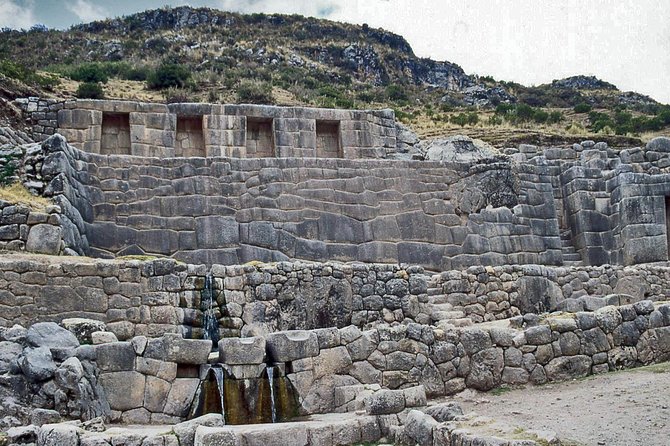
Your last major stop is Tambomachay, the temple of water. The tour allots about 30 minutes, and then you drive back to Cusco to end around the main square.
Tambomachay often feels more peaceful than the bigger sites. It’s a nice closing act after the fortresses and the more dramatic stone complexes. You get one more Inca design idea—water and ritual—without sprinting through a maze of structures.
If you’re traveling with jet lag or altitude symptoms, finishing with a slightly quieter stop can help. And in at least one reported experience, the van carried oxygen tanks for emergency use. You don’t need that kind of equipment, but it’s reassuring if altitude hits you.
Comfort, group size, and the reality of altitude
The tour is built for mixed comfort. You’re in an air-conditioned vehicle, which matters in Cusco when the day starts warm and you’re moving from sun to shade.
The group size is limited (up to 10 travelers), and that can improve the flow. Smaller groups usually mean fewer waits at viewpoints and less time lost rounding everyone up.
Altitude is part of Cusco, though. This route includes short walking sections, including moving between the city center and Qorikancha area and walking within the ruins. Pace yourself at the start and drink water. Don’t “prove” anything to your legs on day one.
How to plan your afternoon after the tour
Because you get dropped off back in the center, you can turn this into a clean second act: lunch, a church visit, or a simple rest before dinner.
I’d keep your “must-do” for the rest of the day light. A half-day ruins loop is still tiring. If you want a souvenir stop, consider doing it after you’ve seen the big sites—otherwise the schedule can feel squeezed.
If you plan to eat at the end, aim to be near Plaza de Armas or within a short walk. The tour’s drop-off is in the city center, so you won’t be stranded across town.
Should you book this half-day Cusco tour with Tambomachay?
If you want an efficient first taste of Cusco’s Inca sites, I’d book it. This route gives you a strong mix of Qorikancha (the Inca + Catholic contrast), the major fortress at Sacsayhuamán, plus supporting ruins like Q’enqo, Puka Pucara, and Tambomachay.
Book it if:
- You like structured sightseeing with a guide
- You want small-group logistics (max 10)
- You’re okay paying a few extra entrance fees on top of the tour price
I’d be cautious if:
- You hate tight timing and prefer slow, unhurried visits
- You’re sensitive to schedule changes, since some travelers have reported pickup or communication problems on certain days
- You don’t want to think about extra fees and cash (Qorikancha/Cathedral/Plaza de Armas are listed as additional costs)
FAQ
How long is the half-day tour?
It runs for about 5 hours (approx.).
What’s included in the $18 per person price?
You get hotel pickup in Cusco’s historic center, an air-conditioned vehicle, guided visits to the listed sites, and drop-off back in the center of Cusco.
Which entrance fees are not included?
The tour details list separate entrance fees for Cusco Cathedral (PEN 40.00), Qorikancha (PEN 15.00), and Plaza de Armas (PEN 70.00). These are not included in the price.
Is hotel pickup included?
Yes. Pickup is included only in the historical center of Cusco.
What is the meeting point for the tour?
The listed start meeting point is the Regional Historical Museum of Cusco, C. Garcilaso, Cusco 08002, Peru.
Can I cancel for free?
Yes, free cancellation is offered. You can cancel up to 24 hours in advance for a full refund.