REVIEW · CUSCO
From Cusco: Q’eswachaka Bridge & 4 Lagoons Full-Day Tour
Book on GetYourGuide →Operated by MPTC GETS · Bookable on GetYourGuide
One rope bridge can change your morning. This full-day trip from Cusco takes you to Q’eswachaka Bridge, the last Inca-style suspension bridge, and then out to four high Andean lagoons where you may spot native birds like flamingos.
I especially liked two things. First, the bridge crossing itself feels raw and physical: grass-rope construction, steep cliff edges, and that slow sway as you step onto it. Second, the lagoon portion is calmer and more scenic in a different way, with stops at Pampamarca, Asnacqoccha, Acopia, and Pomacanchi for wide views and bird watching.
The main thing to consider is the day is long and active. Pickup starts between 4:30 AM and 5 AM, and you’ll deal with a steep path to a viewpoint near the bridge and long stretches in the van.
This is a 13-hour experience that mixes early adrenaline with an afternoon of open-air scenery. Also, the bridge entrance costs extra (20 soles), so plan for a bit of cash.
In This Review
- Key Highlights You’ll Actually Care About
- A 4:30 AM Start for Peru’s Last Inca Rope Bridge
- Getting There From Cusco: Combapata Breaks and the Salcca River
- Entering the Q’eswachaka Bridge Area: Viewpoint First, Then the Crossing
- Crossing Advice That Keeps You Comfortable
- Lunch in Combapata: What to Expect After the Adrenaline
- The 4 Lagoons Circuit: Pampamarca, Asnacqoccha, Acopia, Pomacanchi
- Optional Boat Ride: If It’s Offered, Consider It
- Price and Value: What $49 Really Buys (and What Costs Extra)
- What’s Included for Safety and Comfort
- What to Pack: The Small Backpack Rule Matters
- Who This Tour Is Best For (and Who Should Skip It)
- Should You Book This Q’eswachaka Bridge & 4 Lagoons Tour?
- FAQ
- What time is hotel pickup in Cusco?
- How long is the tour?
- Is breakfast and lunch included?
- Do I need to pay extra for the bridge?
- What languages are the guides?
- What should I bring?
- Is the tour suitable for everyone?
Key Highlights You’ll Actually Care About
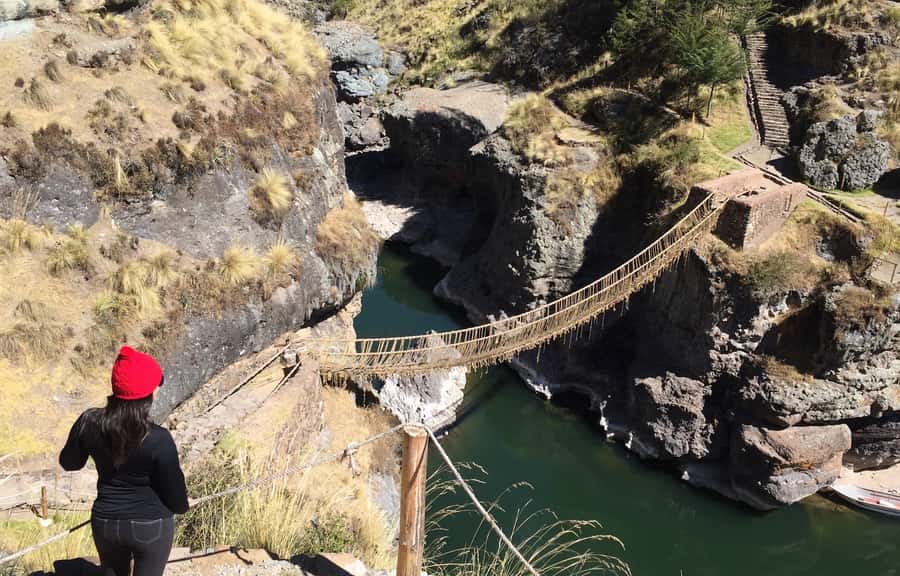
- Q’eswachaka rope suspension crossing over the Apurímac River, built with ropes made of grass
- Morning timing that helps you reach the bridge area early and get better light for photos
- Four-lagoon circuit across Pampamarca, Asnacqoccha, Acopia, and Pomacanchi
- Birdlife potential around the lagoon edges, including flamingos
- Photo-friendly guidance from bilingual guides, including support for shots during the crossing
- Pack light: no luggage or large bags, and you’ll want a small daypack
A 4:30 AM Start for Peru’s Last Inca Rope Bridge
You leave Cusco very early, between 4:30 AM and 5 AM. That sounds brutal until you realize why it matters. Q’eswachaka is one of the rare “still-working” Inca-heritage bridges in Peru, and conditions around it can feel more crowded later in the day. An early start also gives you clearer views and better daylight for the walk across.
Once you’re on the road, the day shifts from city routine to high-country rhythm. The tour is built around one main event: crossing Q’eswachaka Bridge—then balancing it with four lagoons for the rest of your day.
If you’re the type who likes to get the hardest part done early (me too), this schedule makes sense. You’re not just driving out. You’re building a full arc: sunrise energy, then long views, then a return before dinner.
You can also read our reviews of more tours and experiences in Cusco
Getting There From Cusco: Combapata Breaks and the Salcca River
After pickup, you ride in a private van for about two hours toward Combapata. This isn’t just transit time. It’s your “warm-up” for the day: changing terrain, big skies, and the kind of Andean scenery that helps your brain switch modes from Cusco altitude to rural out-and-back travel.
At Combapata, you get a continental breakfast. It’s a straightforward meal, but it serves a real purpose: you’ll need fuel before the steep path and the bridge crossing. One small tip: drink water too. Early mornings sneak up on you.
Then you continue about one more hour toward the bridge area, including a stop or passing views connected to the Salcca River, described as sacred to the Incas. You don’t need a lecture to appreciate it. Seeing a river like that in the Andes makes the Inca connection feel practical and visual.
From there, the route continues toward Yanaoca, one of the districts in the Canas de Cusco province. That’s where the bridge approach starts to feel like you’ve left the road-world behind.
Entering the Q’eswachaka Bridge Area: Viewpoint First, Then the Crossing
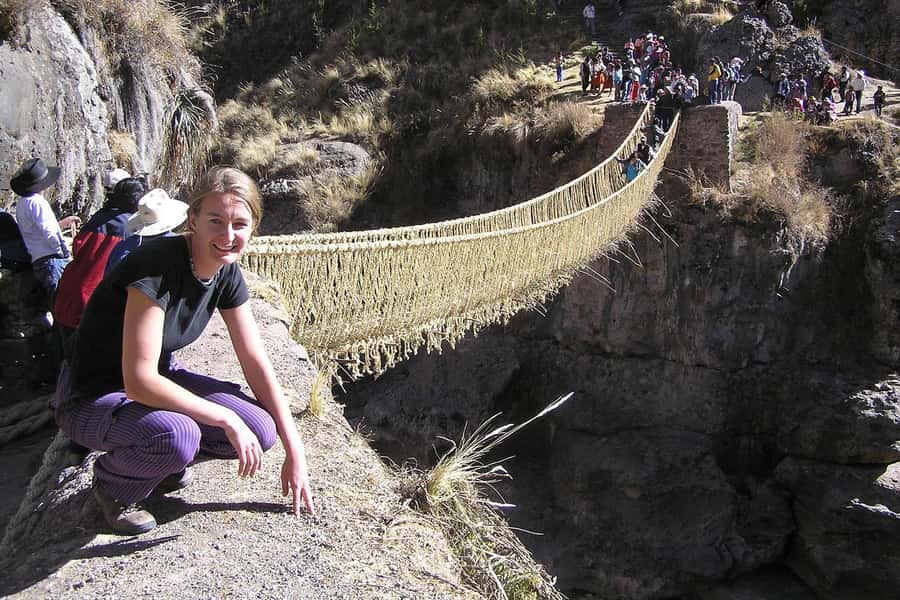
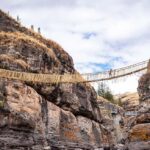
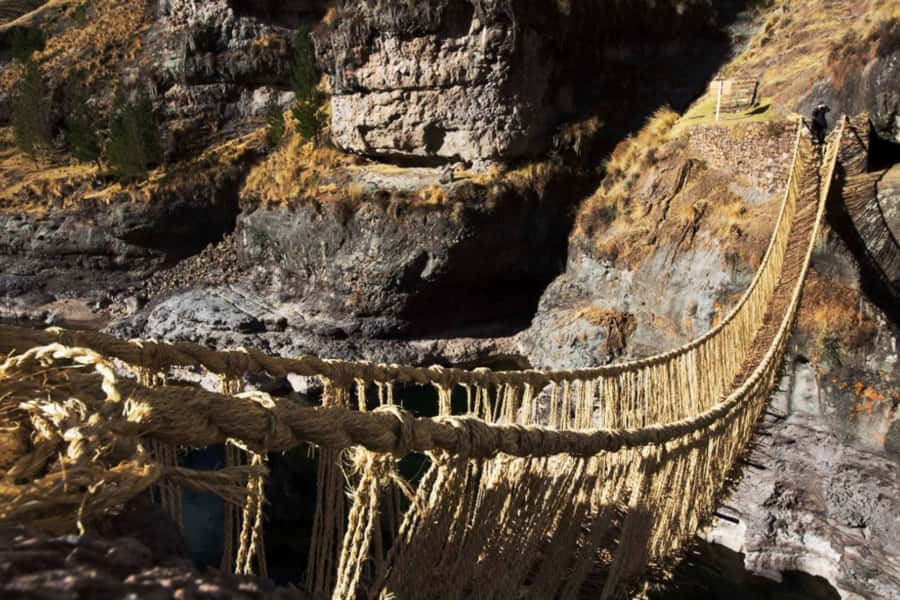
The Q’eswachaka Bridge is an old suspension bridge crossing between steep rocky cliffs, spanning the Apurímac River. What makes it special is the materials. The ropes are made from grass, not steel cables.
Before you step onto the bridge, you leave the vehicle and descend a steep path to a viewpoint for photos. This is one of the moments you’ll want good shoes. If you feel even slightly unsteady on uneven ground, take your time on the descent.
From the viewpoint, you get the “okay, wow” moment. You’ll see the river below and the tight canyon space the bridge threads through. The guide experience can make a difference here. In one case, a guide named Christian helped people with photography and started the tour early so the group reached the bridge quickly after breakfast. Even when your guide isn’t the same person, the general pattern is helpful: they’ll guide you through the moments that matter most for safety and photos.
Then comes the crossing. It’s a suspension bridge that swings. You’ll feel the motion more than you expect. A simple strategy helps: focus on steady steps and what your feet are doing, not how far the canyon drops away. It’s still beautiful, but the height can get into your head.
This is the part people talk about for a reason. The bridge isn’t a bridge you “walk through.” You walk across and you feel it.
Crossing Advice That Keeps You Comfortable
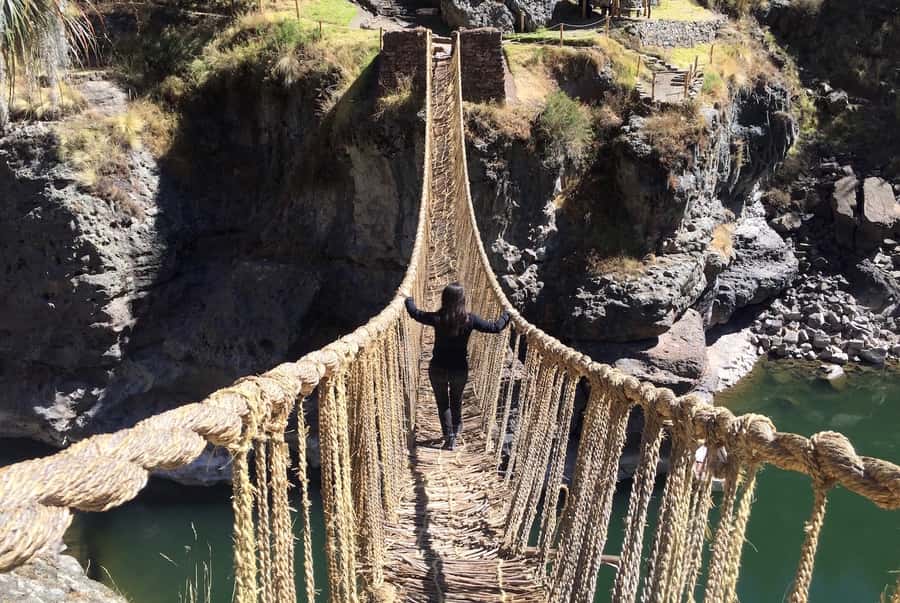
You can’t control the sway, but you can control how you handle it. Here’s what I’d do, based on the type of bridge this is:
- Wear comfortable shoes with grip. The approach is steep, and the bridge floor can be slick depending on conditions.
- Keep your eyes forward. The temptation to look down into the canyon is strong, and that’s when balance gets harder.
- Take your time. Crossing feels faster in your head than it is in your body.
If you prefer controlled experiences, remember this tour is not for slow-motion sightseeing. It’s a real crossing on a moving bridge. That’s also why it’s memorable.
Lunch in Combapata: What to Expect After the Adrenaline
After the bridge, you drive back toward Combapata for a quick lunch break. This is typically where the day shifts from “peak event” to “energy management.”
One thing to note for meal expectations: in at least one case, the restaurant experience was described as inconsistent, with reports of colder food and limited support at buffets. That doesn’t mean every day is the same. But it does suggest you should treat lunch as a practical reset, not a culinary highlight.
If you know you get hungry quickly, you’ll likely appreciate the continental breakfast earlier. Also, keep your water supply in mind. High Andean days can feel dry, and you’ll be outside for long periods.
The 4 Lagoons Circuit: Pampamarca, Asnacqoccha, Acopia, Pomacanchi
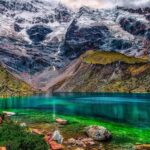
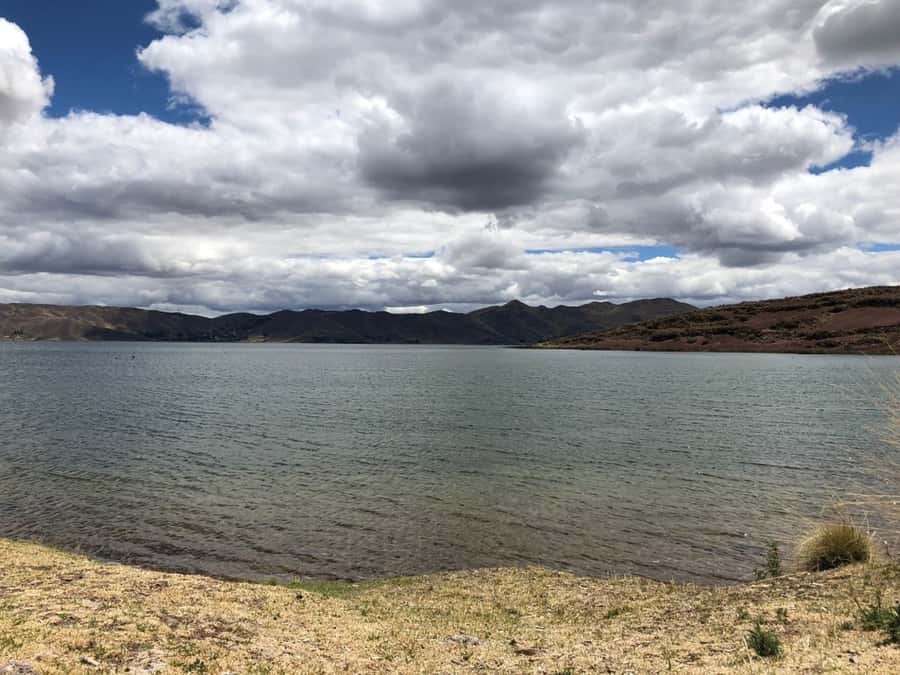
After lunch, you head into the lake district—the second big highlight. This portion focuses on four lagoons, each set in high-country hills and approached for views and photos.
The names are part of the fun: Pampamarca, Asnacqoccha, Acopia, and Pomacanchi. You’re not just seeing one lake and leaving. You get a circuit that helps you compare the shapes, colors, and lighting across the same region.
These lagoons are described like jewels among the golden-green hills, glowing in warm afternoon light. Whether you call it jewel-like or just stunning, the pattern is consistent: the best photos usually happen when the light hits the water at an angle.
And this is where bird spotting becomes more than a bonus. You may see flamingos and other native birds flying and feeding around the lagoon edges. Don’t expect every sighting, but the tour design does put you near shorelines at times when bird activity is more likely.
Bring your attention here. Look for movement at the waterline and along the calmer edges. Even if flamingos are shy, other birds often show up, and the wide open view makes it worth slowing down.
Optional Boat Ride: If It’s Offered, Consider It
One additional experience you might encounter is an optional boat ride under the bridge and through the canyon area. This isn’t guaranteed in the basic tour outline, but the fact that it’s described as optional means there may be opportunities depending on timing and conditions.
If it is available when you go, it can add a different angle to the same dramatic geography you experienced on foot. I’d treat it as a “yes” if you’re comfortable with the canyon setting and don’t mind an extra change in the schedule.
Price and Value: What $49 Really Buys (and What Costs Extra)
At $49 per person, this tour is aimed at good value for a full-day package. You typically get:
- hotel pickup and drop-off in Cusco
- transport by private van
- a bilingual guide (English and Spanish)
- continental breakfast
- lunch
- a first aid kit and an oxygen balloon
- stops for photos and the bridge crossing time
The one extra cost is important: entrance to the Q’eswachaka Bridge costs 20 soles. If you don’t bring cash, that can create a last-minute scramble.
So is it a bargain? For many people, yes, because the package bundles transport, guide time, and meals into a single price. If you tried to do it on your own, the early pickup, long van ride, and coordination around bridge access would add up quickly in time and effort.
What’s Included for Safety and Comfort
This tour includes a first aid kit and an oxygen balloon. That doesn’t mean something will go wrong, but it’s a reassuring detail. It tells you the operator plans for the reality of high-altitude travel and long early days.
You also get bilingual guiding in English and Spanish. That matters because the bridge crossing has a lot of “do this, avoid that” moments. Clear instructions help.
What to Pack: The Small Backpack Rule Matters
The tour asks you to bring:
- passport or ID card
- comfortable shoes
- sunglasses and a sun hat
- sunscreen and water
- rain gear
- cash
- a daypack
Also, large luggage isn’t allowed. The “small backpack” guidance isn’t just a convenience rule. It keeps you from being stuck juggling bags on steep paths and tight stops.
If you’re thinking like a practical traveler, pack like you’ll be outside for hours and possibly moving between viewpoints, shorelines, and bridge areas. Layers help too, because early morning can feel noticeably cooler than later afternoon.
Who This Tour Is Best For (and Who Should Skip It)
This is a strong pick if you want a single day that includes both an unforgettable Inca-heritage crossing and an unhurried nature-and-bird segment afterward. You’ll enjoy it most if you can handle:
- a very early pickup
- time outdoors, including photo stops
- a steep path to a bridge viewpoint
- walking across a swinging suspension bridge
It’s not suitable for pregnant women or people with mobility impairments. If you have balance issues or limited mobility, this can become stressful fast, especially around the bridge.
If you’re traveling with kids, check your comfort level with heights and long days. The tour is built around the bridge, not around short easy viewing.
Should You Book This Q’eswachaka Bridge & 4 Lagoons Tour?
I’d book it if you want one day that feels authentic in the best way: you’re not just looking at history, you’re physically participating in it by walking across a functioning Inca rope bridge. Then you get a second half of the day that turns down the intensity and gives you wide views and a real chance at bird spotting on the four lagoons.
I’d think twice if you hate early starts, have any mobility or balance limitations, or don’t like paying small cash extras at the last minute. Also, meal quality can be inconsistent at the lunch stop, so keep expectations practical.
If you’re flexible, bring good shoes, and pack light, this is a tour that earns its reputation. The bridge crossing is the headline, but the lagoons are the payoff that lets the day end with your camera still full and your mind calm.
FAQ
What time is hotel pickup in Cusco?
Pickup is scheduled between 4:30 AM and 5 AM.
How long is the tour?
The duration is 750 minutes, about 13 hours.
Is breakfast and lunch included?
Yes. The tour includes a continental breakfast and lunch.
Do I need to pay extra for the bridge?
Yes. Entrance to the Q’eswachaka Bridge costs 20 soles.
What languages are the guides?
The tour includes a bilingual guide in English and Spanish.
What should I bring?
Bring a passport or ID card, comfortable shoes, sunglasses, sun hat, sunscreen, water, rain gear, cash, and a daypack.
Is the tour suitable for everyone?
No. It is not suitable for pregnant women or people with mobility impairments. Large luggage is also not allowed.