REVIEW · CUSCO
Pisaq, Ollantaytambo, Chinchero – Sacred Valley Experience
Book on GetYourGuide →Operated by INCA SOUL TOURS · Bookable on GetYourGuide
Cusco day trips usually feel rushed. This one connects Inca stonework with living craft in a single loop. You’ll start high above the valley at Pisac, then shift gears to the fortress town of Ollantaytambo, and finish with a hands-on-style weaving stop in Chinchero.
I especially liked two things: the Pisac ruins for their terraces and views, and the weaving demonstration in Chinchero, including natural dye and traditional patterns. When your guide is strong (and they often are—Nora, Junior, Freddy are names I saw on recent tours), the stories make the stops feel joined, not like separate checkboxes.
One thing to plan for: the day includes walking and some climbing on archaeological ground, and site entrance tickets aren’t included, so you’ll want to budget ahead.
In This Review
- Key things you’ll notice on this Sacred Valley day
- Pisac Ruins and the Andes market: a morning with two flavors
- Entrance tickets: what’s included, what’s not, and how to handle it
- Ollantaytambo: walking a fortress town instead of just seeing ruins
- Chinchero: a weaving stop where you can actually see the process
- Lunch in the Sacred Valley: fuel for a full 9-hour day
- Timing, walking, and rain-shine reality
- Pickup points and how to start your day on the right foot
- Guides make the difference: how the stories connect the sites
- Planning around train schedules: ask about Ollantaytambo drop-offs
- What this tour is best for (and who might want a different day)
- Should you book Pisac, Ollantaytambo, Chinchero? My practical take
- FAQ
- What’s the duration of the Pisac, Ollantaytambo, Chinchero Sacred Valley experience?
- Where do you get picked up in Cusco?
- Is lunch included?
- Are entrance tickets to Inca sites included?
- What languages are available for the guide?
- Does the tour run in bad weather?
- Will there be walking or climbing?
- What should I bring with me?
- Who might find the tour unsuitable?
Key things you’ll notice on this Sacred Valley day
- Pisac Ruins + Pisac Market in one morning, mixing archaeology with real shopping
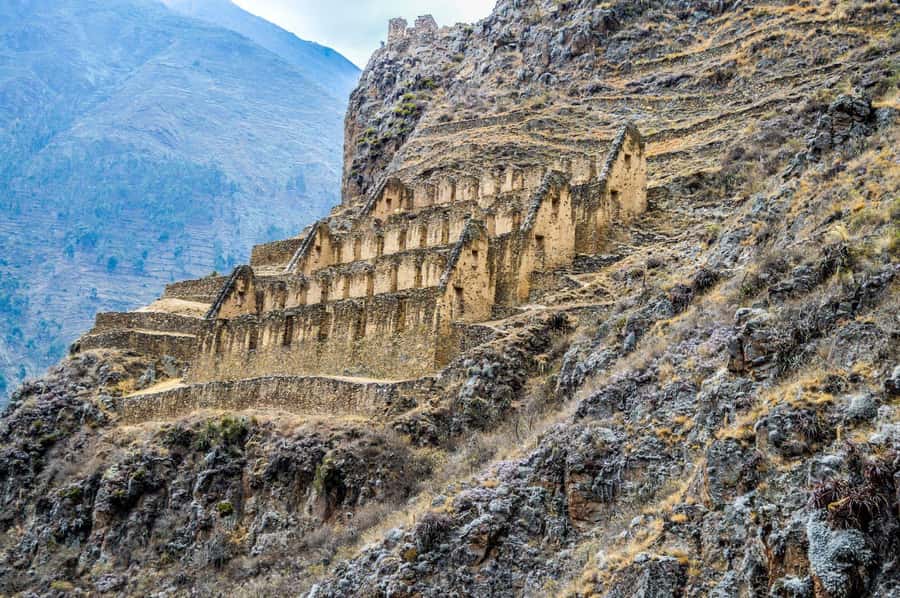
- Ollantaytambo’s fortress built like a stronghold that you can actually walk through
- Chinchero weaving demo with natural dyes and traditional symbols you can see up close
- English or Español guide plus an audio guide for extra context
- Hotel pickup and drop-off with a private van, so you’re not wrestling with buses all day
Pisac Ruins and the Andes market: a morning with two flavors
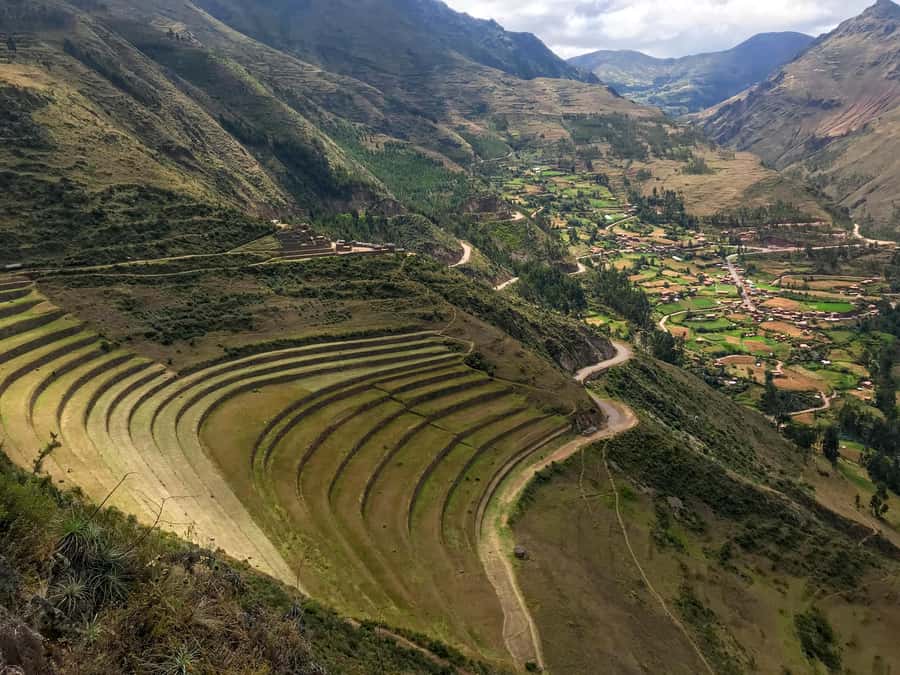
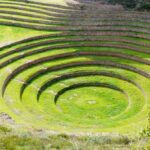
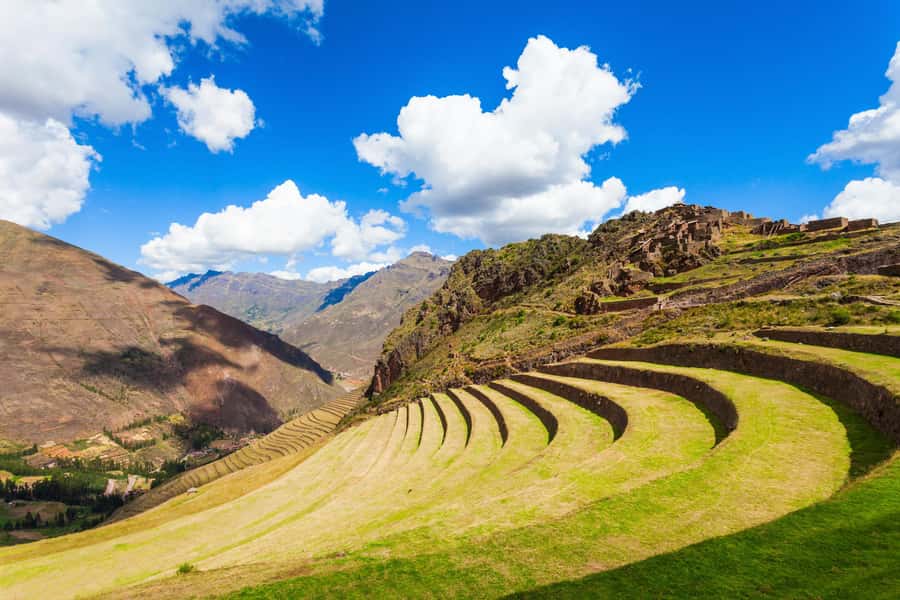
Pisac is the kind of place where you quickly understand why the Inca were so serious about geography. You’re not just touring ruins; you’re reading a hillside. The stonework and terrace system look intentional in a way that feels practical—built for agriculture, water, and defense all at once. Even if you’ve seen Inca sites before, Pisac’s setting makes it feel fresh.
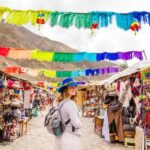
After you’ve had your look at the Pisac Archaeological Park, the day shifts to the other side of the Andes: the Pisac Market. This is where you can slow down and do the human part of travel—browsing, asking questions, and chatting with vendors. You’ll find textiles, jewelry, and handicrafts, plus the sort of variety that makes it easy to compare materials and designs.
A small practical note: markets mean time slips away. If you’re the type who likes to shop without feeling rushed, plan to arrive with a simple target—one or two items you actually want—so you don’t burn your whole shopping window on a dozen shiny possibilities.
You can also read our reviews of more tours and experiences in Cusco.
Entrance tickets: what’s included, what’s not, and how to handle it
The tour includes your guide, pickup/drop-off, and a buffet lunch, but entrance tickets for the Inca sites are not included. That matters because it changes how you think about value.
Here’s the way to handle it: set aside a little extra cash for site entries at Pisac and Ollantaytambo (and whatever charges apply at the time of your visit). The tour instructions ask you to bring cash and your passport, which tells you this day is meant to run on-site. If you’re trying to keep everything on one card, this setup can be slightly annoying.
You’ll also be walking in archaeological areas, which is great for your experience—and it’s why the tour warns you to expect small climbs and rain-or-shine conditions. Pack for weather you don’t control: sun protection and something to handle a sudden shower.
Ollantaytambo: walking a fortress town instead of just seeing ruins
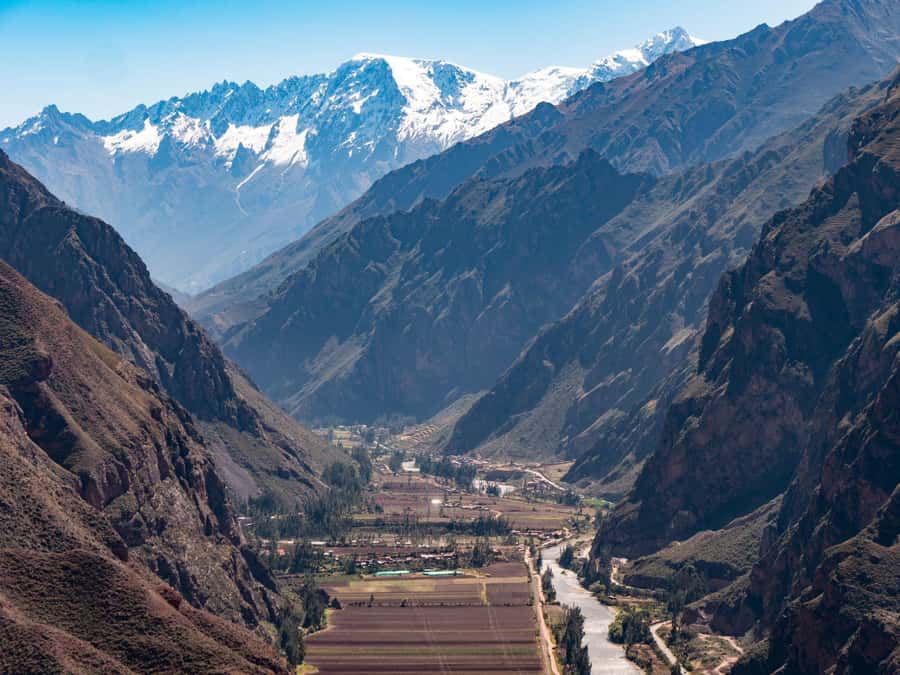
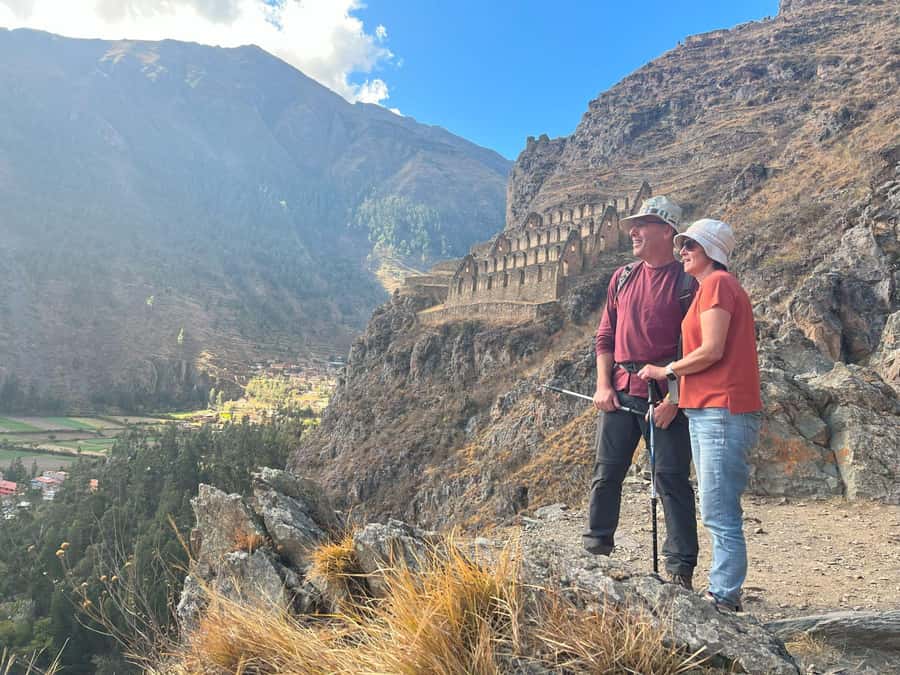
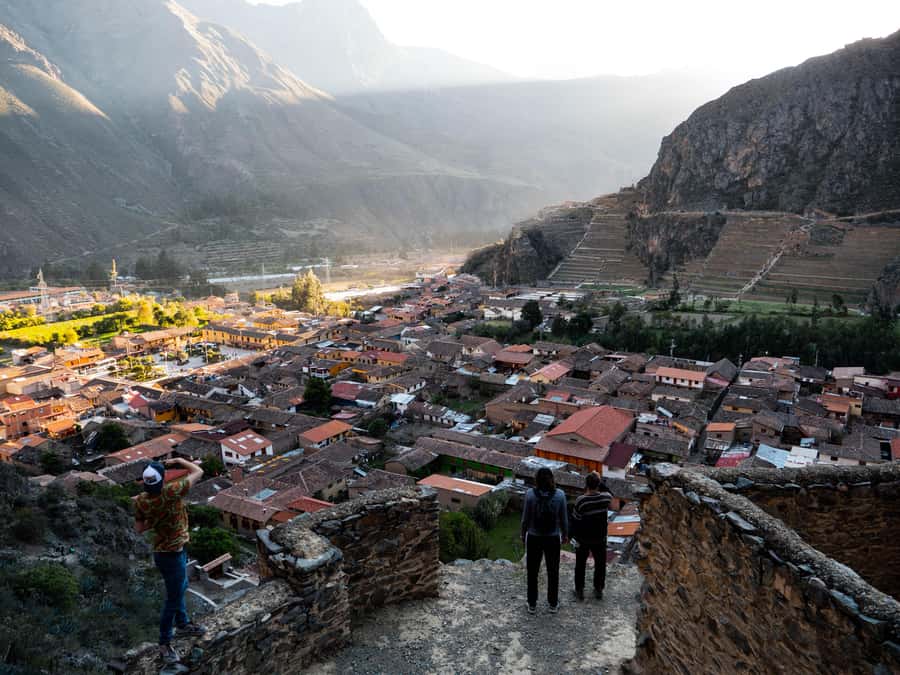
If Pisac is about hillside terraces, Ollantaytambo is about control. The fortress sits on steep ground, and once you start moving through the area, it starts to feel like you’re inside the Inca logic. The massive stone walls and terraces aren’t just pretty—they explain how this place guarded an important route.
This is one of the stops where you’ll feel the difference between a normal sightseeing walk and an Inca stronghold walk. You’re not standing still taking photos for the background. You’re moving through space that was designed to channel people, hold ground, and keep advantage.
Your guide will connect the dots with the site’s strategic importance—this is the part of the day where strong English can really help. On recent tours, guides like Nora and Junior were praised for making the stories clear and specific. If you’re worried about language, good news: you also get audio guidance in English, which can help you catch the key points even when the group is moving fast.
One consideration: there’s a lot packed into the day. Many people want just a bit more time in Ollantaytambo than the schedule allows. If you’re the type who likes to linger, wear comfortable shoes and treat the one-hour guided window as your base time, then see if you can fit a short self-paced look during free moments.
Chinchero: a weaving stop where you can actually see the process
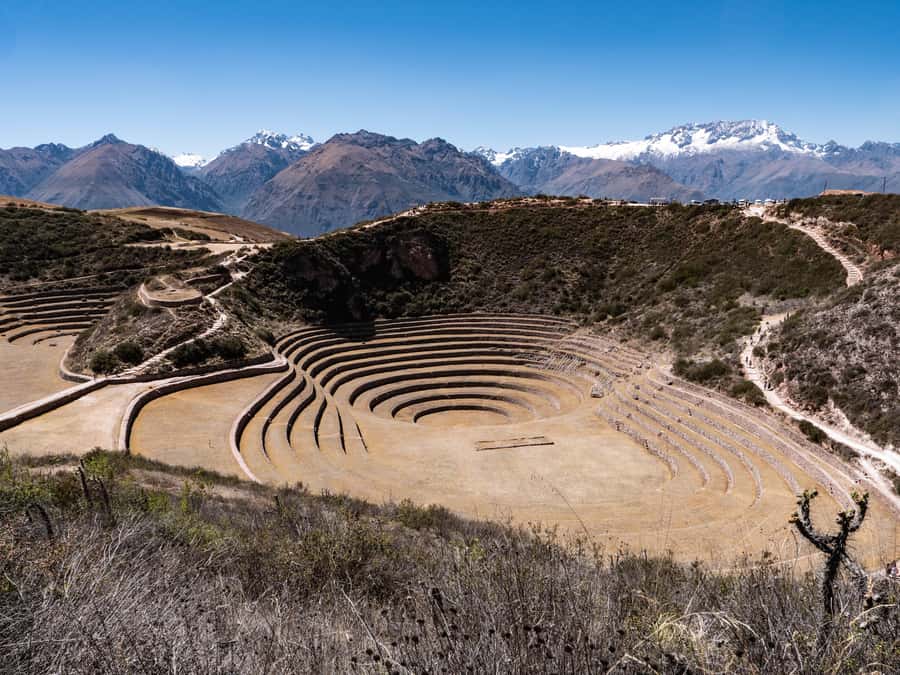
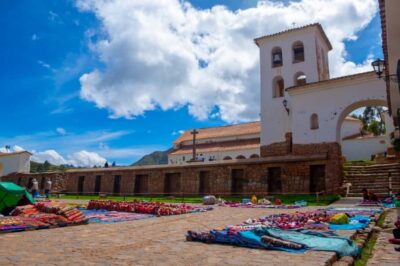
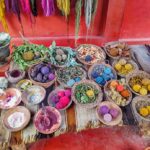
Chinchero is where the Sacred Valley becomes less museum-like and more human. The highlight here is a weaving cooperative where you can get a demonstration of Andean weaving techniques and natural dyes.
This is valuable because you’re not only buying an item—you’re learning why it looks the way it does. Natural dye use and traditional symbols aren’t just decoration. They connect to materials, time, and local knowledge. You’ll get a chance to understand how patterns are made and how color comes from plant-based sources (as part of the demo), and that helps you shop with more confidence later.
You’ll also have time to purchase handcrafted textiles. I like this kind of stop because it gives you a reason to buy: not just the product, but the story and process behind it. If you’re a cautious shopper, take notes while you’re watching the demo—what colors are used, how symbols are described, and what the cooperative emphasizes—then use that as your checklist at the sales tables.
Lunch in the Sacred Valley: fuel for a full 9-hour day

Lunch is included as a buffet, and the menu in this area tends to lean into Andean staples. The day description points to dishes like rocoto relleno (stuffed spicy pepper), ceviche, and quinoa soup.
Two tips for making lunch work for you:
- Go in with a plan for spice. Rocoto can be fiery, and you’ll be walking afterward, so choose carefully if you don’t want the heat to slow you down.
- Eat enough but don’t overdo it. This is a day with more than one archaeological stop, plus some climbing.
If you’re vegetarian or sensitive to certain foods, you might find it helpful to ask at the start of the meal what options are available. The tour includes the lunch, but the exact selection can vary by restaurant.
Timing, walking, and rain-shine reality
This is a 9-hour group tour, and it moves in a structured loop: morning Pisac stops, then Pisac ruins, then Ollantaytambo, then Chinchero, and finally back to Cusco.
A couple reasons this matters:
- Because it’s group-based, you’ll likely be sharing pacing with other people.
- Because it runs rain or shine, your shoes and layers matter more than usual.
The tour notes that it’s not suitable for people over 331 lbs (150 kg) and over 95 years, even though it’s listed as wheelchair accessible. That combo suggests practical limits on how the terrain and steps work at Inca sites. If mobility is a concern for you, bring it up before booking so you can confirm what on-the-ground movement will look like.
Also, the tour is clear that you should expect small walks on the Inca sites. That’s normal for these places, but it’s good that they say it up front. It lets you show up ready instead of surprised.
Pickup points and how to start your day on the right foot
The tour offers two pickup options in Cusco:
- Plaza De Armas, and
- Av. Velasco Astete f5
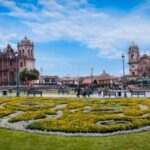
You’re instructed to wait about 10 minutes before pickup time. That short window is important—Cusco traffic and timing can make delays feel longer than you expect, especially when vans are coordinating multiple stops.
You’ll also get hotel pickup and drop-off and private transportation. The “private” part is a real quality-of-life upgrade. It usually means fewer chaotic transfers and a smoother ride between the towns.
Guides make the difference: how the stories connect the sites
Part of what keeps this day from feeling like a checklist is how the guide ties stops together. Recent guides were praised for clear English and for sharing unique Inca stories that made the day feel memorable—especially in Ollantaytambo.
You’ll travel with:
- a live guide in English or Español, and
- an audio guide in English.
So even if your group includes Spanish speakers, you still have tools to follow what matters. If you prefer lots of direct explanation, pick a day when your guide is comfortable doing longer answers during pauses.
Planning around train schedules: ask about Ollantaytambo drop-offs

One smart heads-up: if you have a train connection to Machu Picchu, this tour can be flexible in some cases. I saw an example where the operator offered to leave participants in Ollantaytambo to help them catch their train, which meant skipping the final town stop.
If you’re on that kind of schedule, don’t assume it’s standard. Ask ahead of time what drop-off adjustments are possible, and what stop might be cut if timing gets tight. It can save you from a stressful day where you’re rushing and scanning your watch every ten minutes.
What this tour is best for (and who might want a different day)
This Sacred Valley day is a strong fit if you:
- want three major stops without booking separate tours,
- like a balance of architecture + local culture + craft, and
- enjoy shopping with context (Pisac market and Chinchero weaving).
It’s less ideal if you:
- dislike walking on uneven ground,
- want long, slow time at one site rather than a packed loop, or
- have strict mobility needs at archaeological terrain.
If you’re visiting Cusco and want a full taste of the Sacred Valley, this is a practical way to do it in one go.
Should you book Pisac, Ollantaytambo, Chinchero? My practical take
For $119 per person, the value is in the structure: hotel pickup/drop-off, private transport, English or Español guide, audio support, and a buffet lunch. The day is also built around two high-meaning experiences—Ollantaytambo as a walkable Inca fortress area and Chinchero as a weaving stop where natural dyes and techniques are shown, not just sold.
My main reasons to book:
- You get both ancient sites and current local craft in one day.
- The guide support (live + audio) helps you understand what you’re seeing.
- It’s paced to give you time for market browsing and photo stops, not only stone ruins.
My main reasons to pause:
- You’ll still be dealing with walking and small climbs, and it’s rain or shine.
- Inca entrance tickets aren’t included, so your final spend will be higher than the base price.
If you want one well-rounded Sacred Valley day and you can handle moderate walking, this tour is a solid choice.
FAQ
What’s the duration of the Pisac, Ollantaytambo, Chinchero Sacred Valley experience?
The tour lasts 9 hours.
Where do you get picked up in Cusco?
Pickup is available at Plaza De Armas or Av. Velasco Astete f5.
Is lunch included?
Yes. You’ll get a buffet lunch.
Are entrance tickets to Inca sites included?
No. Inca site entrance tickets are not included.
What languages are available for the guide?
The guide is available in English or Español, and an English audio guide is also included.
Does the tour run in bad weather?
Yes. The tour runs rain or shine.
Will there be walking or climbing?
Yes. You should expect small walks and some climbing on the Inca sites.
What should I bring with me?
Bring cash and your passport.
Who might find the tour unsuitable?
The tour is not suitable for people over 331 lbs (150 kg) or over 95 years.