REVIEW · URUBAMBA
From Cusco: Chinchero, Moray, Maras and Ollantaytambo
Book on GetYourGuide →Operated by Midway Peru Adventures · Bookable on GetYourGuide
Sacred Valley highlights, packed into one day. This Cusco day trip strings together Chinchero, Moray, Maras Salt Mines, and Ollantaytambo fortress, with a guided stop for alpaca textiles, photo time, and a proper buffet lunch in Urubamba. I especially like how the day combines practical history with real things you can see and photograph, not just pass-by viewpoints.
What I love most: the Chinchero textile experience—watching the alpaca wool process and seeing how it turns into textiles—and the way the guide explains what you’re looking at across multiple sites (I’ve heard guides like Miguel and Richard deliver very clear, grounded explanations). One drawback to plan around: the tour moves fast, so each attraction gets a limited visit window and you’ll likely feel slightly rushed if you want long, slow wandering.
In This Review
- Key things to know before you go
- How the Sacred Valley loop runs from Cusco in about 9 hours
- Chinchero ruins and alpaca-textile processing: where the day gets human
- Moray’s circular terraces: an Inca farming experiment you can still read
- Maras Salt Mines: 3,500 pools and the messiness of real work
- Urubamba lunch: a real meal break, not just a station stop
- Ollantaytambo fortress: Inca design you can feel in your feet
- Price and value: what $45 gets you, and what you’ll pay on top
- Who this day trip suits best (and who should think twice)
- Should you book this Sacred Valley day trip?
- FAQ
- How long is the tour from Cusco to Chinchero, Moray, Maras and Ollantaytambo?
- Where does the tour pick up and where does it end?
- What’s included in the price?
- Are entrance tickets included for Moray and the Maras Salt Mines?
- Is lunch included, and how much time is there to eat?
- What time does the tour end in Ollantaytambo?
- What languages are the live guides available in?
- Are drones allowed on this tour?
Key things to know before you go
- Chinchero textiles: alpaca wool processing is part of the visit, not just Inca stone.
- Moray’s circular terraces: the Inca used them like agricultural laboratories, and your guide makes the idea click.
- Maras salt mines: you’ll see thousands of active-looking salt extraction pools and get time for photos.
- Ollantaytambo fortress views: strong Inca architecture plus standout Sacred Valley scenery.
- Hotel pickup + buffet lunch: good value for a full day when you want transport and a guide handled.
How the Sacred Valley loop runs from Cusco in about 9 hours
This is a classic “see a lot” day: you start with hotel pickup in Cusco, ride out toward the Sacred Valley, and work through four major stops. Your guide covers the key info, but because there are several attractions in one day, the time per site is tight and part of the explaining happens during bus rides.
You’ll also get a mid-day reset with lunch at Urubamba. That matters, because Chinchero, Moray, Maras, and Ollantaytambo aren’t just quick photo ops—they each have enough going on that you’ll want a moment to eat, cool down, and regroup. The tour ends in Ollantaytambo at about 3:30 pm, and from there you can either wait in the main square or take the train toward Aguas Calientes (for the Machu Picchu plan).
If you’re the type of traveler who wants one site at a time and long museum-style pacing, this route might feel like a sprint. If you want a strong first pass at the Sacred Valley with a guide doing the heavy lifting, it’s an efficient way to use a single day.
You can also read our reviews of more tours and experiences in Urubamba.

Chinchero ruins and alpaca-textile processing: where the day gets human
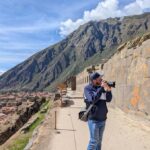
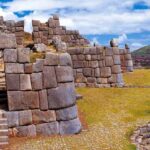
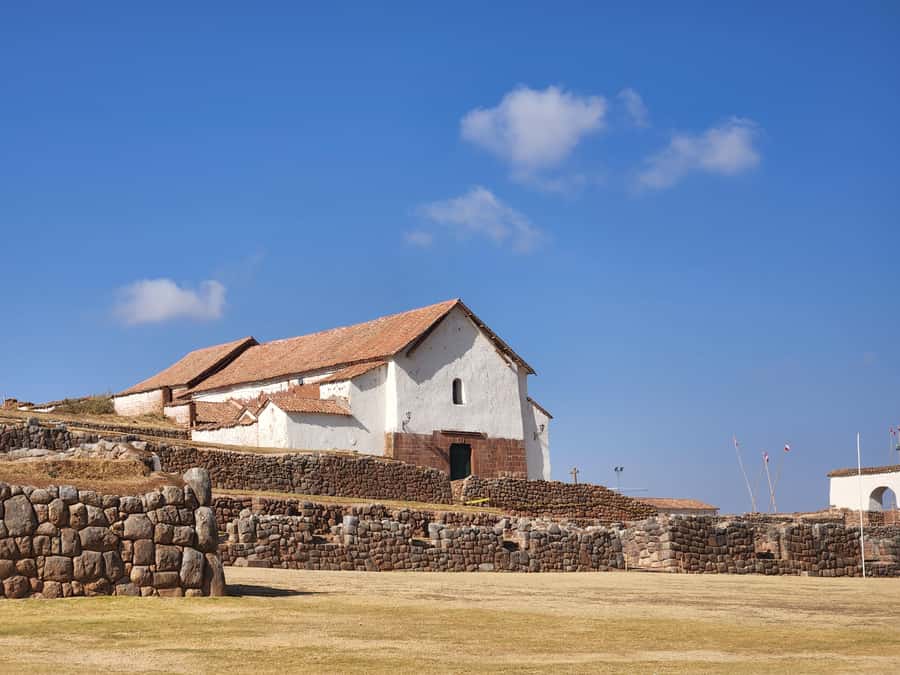
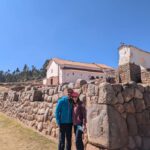
Chinchero is your first stop, and it’s a great way to start because it mixes Inca archaeology with local craft. You get a guided visit at the archaeological center, plus time for photos and a chance to look closely at the stonework and setting.
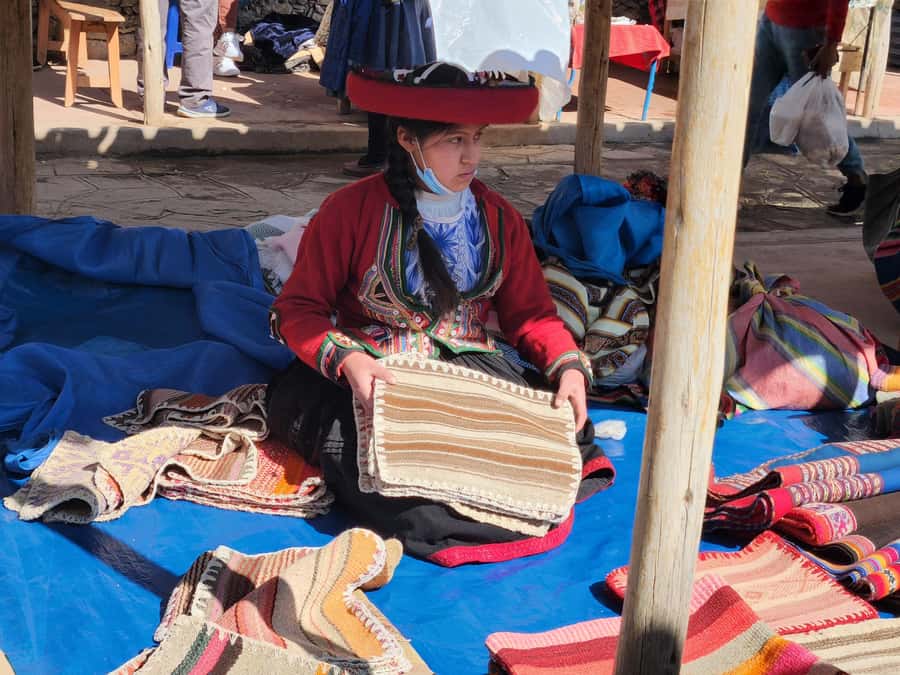
What makes Chinchero especially worth your time is the textile center stop. You learn about the process of turning alpaca wool into textiles—so you’re not just watching history; you’re connecting it to something still living in the region. Even if you’ve read about Andean weaving before, seeing the workflow in person helps you understand why materials and technique matter so much here.
Practical tip: wear layers. This area can shift in temperature across morning and midday, and your “active” moments are short between transfer rides. Comfortable shoes help too—you’ll want them for any uneven ground near viewing areas.
Time-wise, you should expect roughly 45 minutes for the Chinchero guided portion. That’s enough to get your bearings and see the main sights, but not enough if you want deep, slow exploration. The guide’s explanations on site make a big difference, so listen during the walk—you’ll get more out of the limited time.
Moray’s circular terraces: an Inca farming experiment you can still read
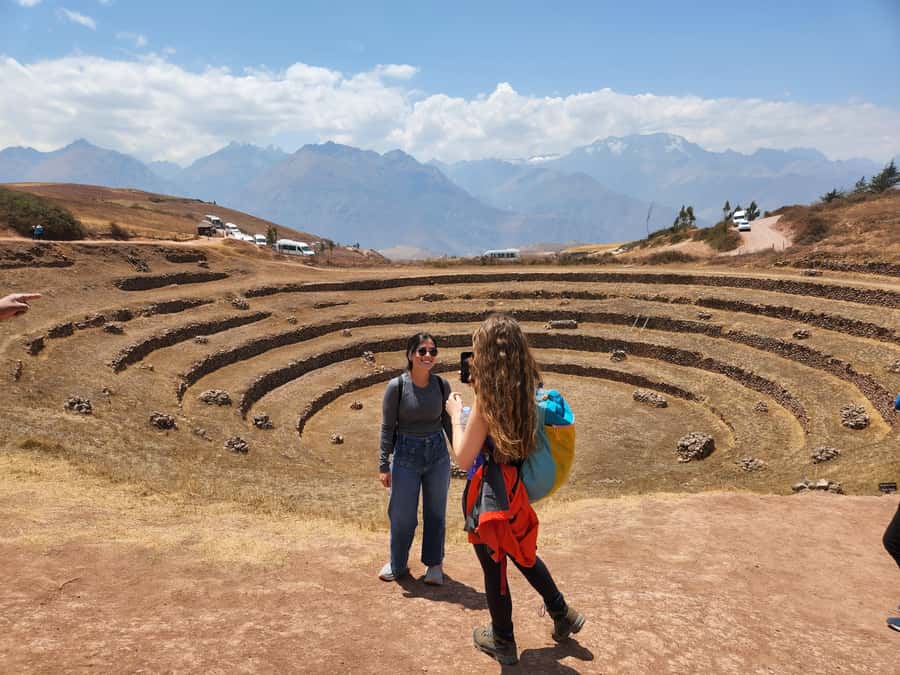
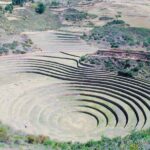
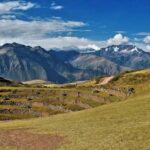
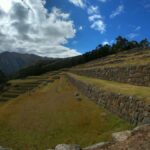
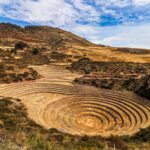
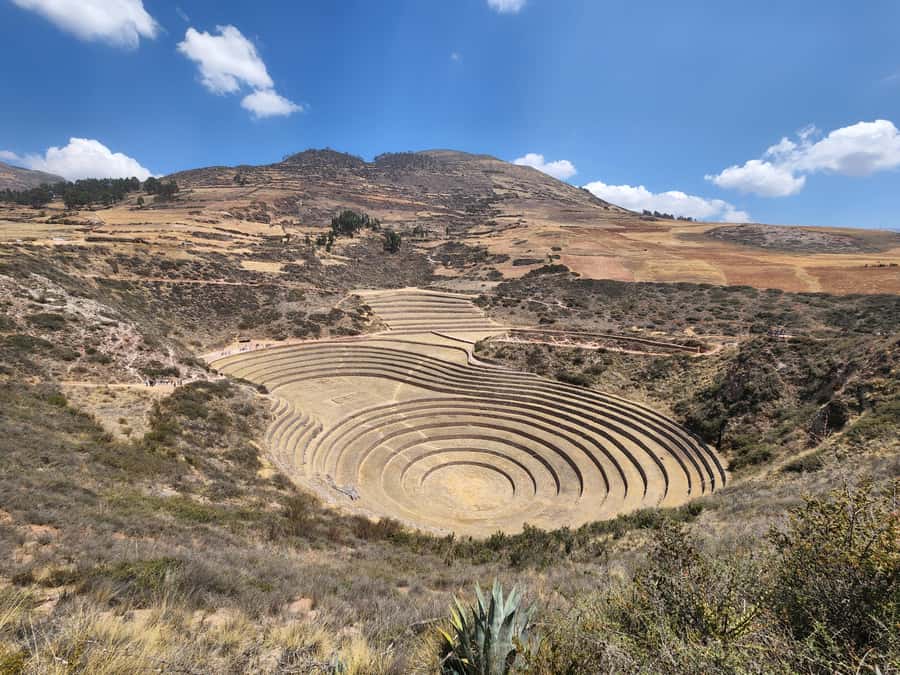
Next up is Moray, with a quick transfer and then a visit that focuses on the circular terraces. These aren’t just pretty rings. Your guide explains how they worked as an agricultural laboratory for the Inca—basically, a place to test growing conditions by using variations created by the terraces.
Why this stop hits: it’s easy to look at the circles and treat them like ruins. But when you understand the purpose, Moray starts to feel like an engineering idea you can still interpret from the structure itself. You’ll get photo time plus a short guided walk, typically around 30 minutes.
The drawback is the same theme as the rest of the day: time is limited. If you want to sketch, climb to multiple angles, or read every plaque, Moray may feel compressed. On the flip side, if you’re happy with a guided overview and you care more about seeing the “why” behind the shape than about spending an extra hour, Moray fits perfectly into this tight schedule.
Cost note: the Moray entrance ticket is not included (listed as 70 soles). If you’re doing the math for your day budget, keep that in mind.
Maras Salt Mines: 3,500 pools and the messiness of real work
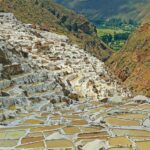
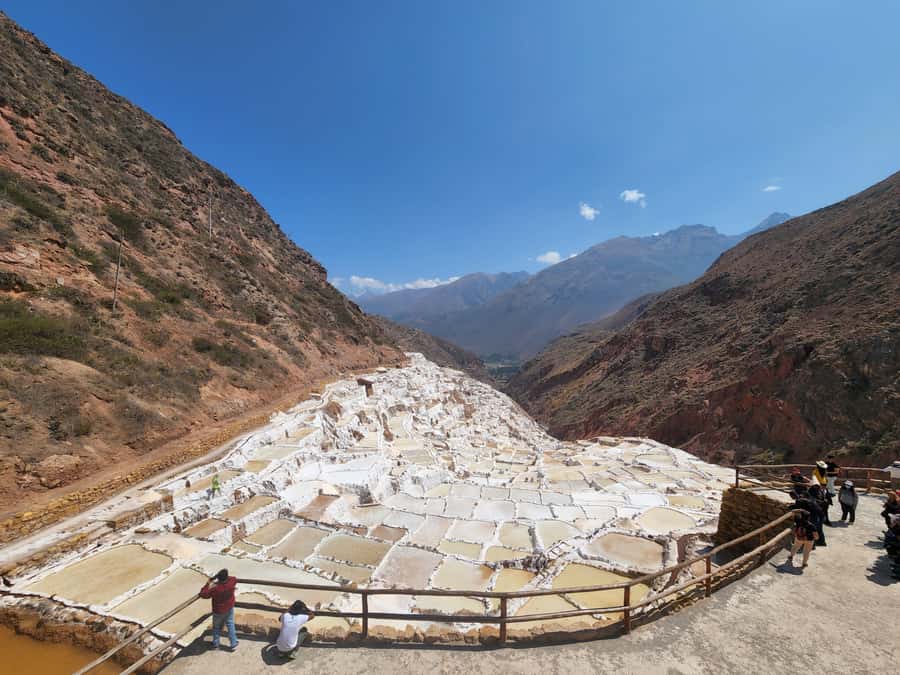
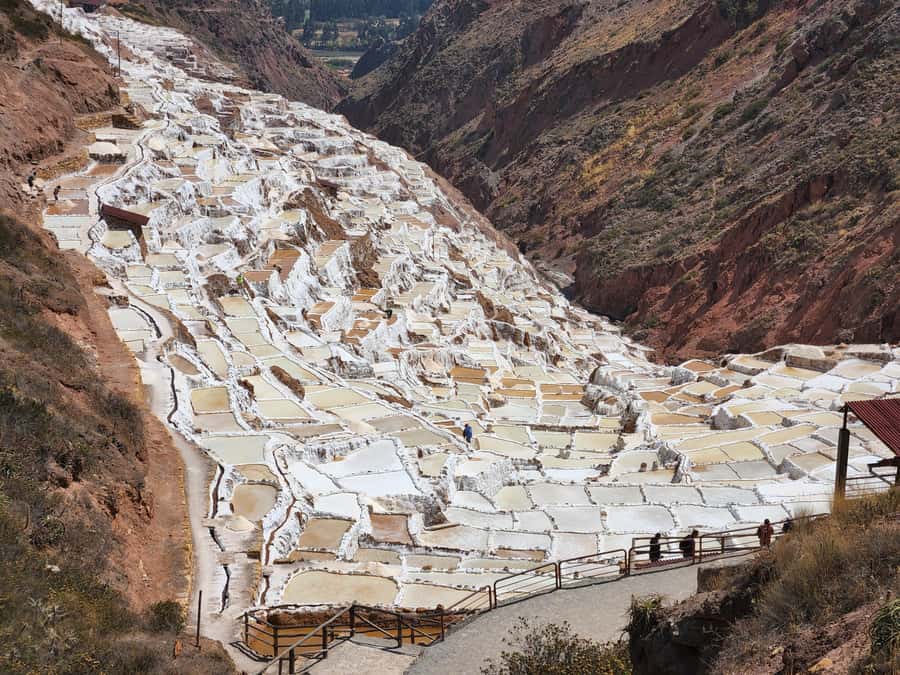
Then you’ll head to Maras Salt Mines. This is one of those places where the photos look almost unreal until you’re actually there and realize it’s production on a huge scale.
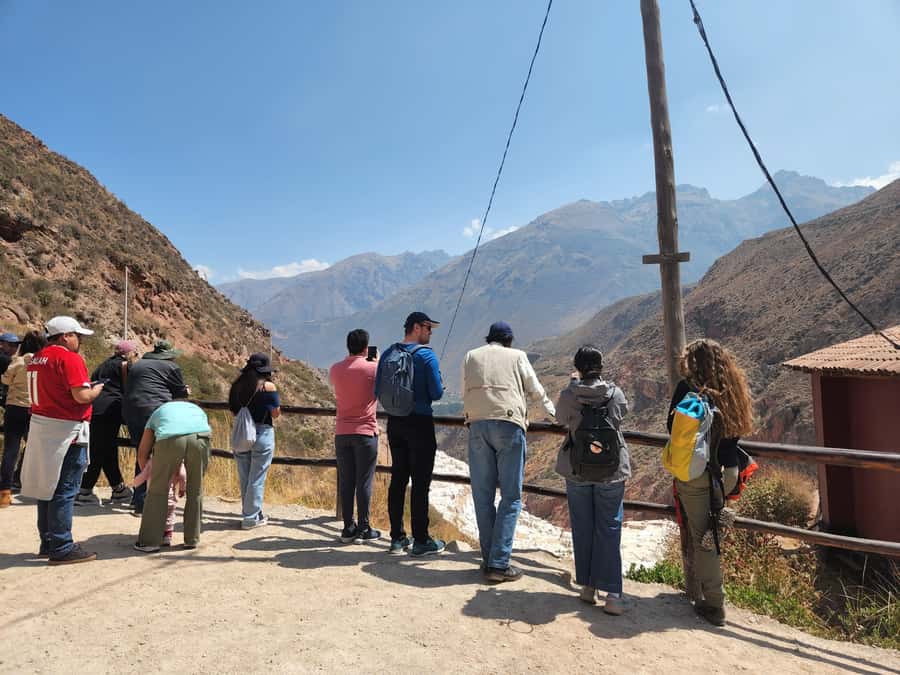
You’ll visit the salt extraction area, learn about the extraction process, and get time to take photos and videos. Expect a guided portion around 30 minutes, plus some freedom to wander for viewpoints that work best for your camera.
What’s cool here is that you’re seeing how people use the terrain and water system to create salt. It’s not an empty ruin. It’s a functioning extraction landscape with thousands of small pools—your guide explains the process, but the visuals do a lot of convincing on their own.
Practical tip: plan for strong sun and glare. The salt surface reflects light, so sunglasses and sun protection are smart. Also, you’ll likely want a quick wipe for dust if you’re sensitive about that kind of thing.
Cost note: entrance to the Maras Salt Mines is not included (listed as 20 soles).
Urubamba lunch: a real meal break, not just a station stop
Between the higher-energy sights, the tour includes lunch in Urubamba, with a buffet lunch and about 45 minutes for your meal. This is one of the most valuable parts of the day because a long, guided route can turn “food” into an afterthought—but the buffet format gives you choices.
I like that the lunch is built into the schedule, not tacked on randomly. You can refuel, use the restroom, and reset your pace before the final push to Ollantaytambo.
If you’re planning your next step toward Machu Picchu, this is also where you’ll want to think ahead. The day ends in Ollantaytambo around 3:30 pm, and your train timing matters. Eat at a pace that keeps you comfortable, not rushed, but also leaves you ready to go when the group boards again.


Ollantaytambo fortress: Inca design you can feel in your feet
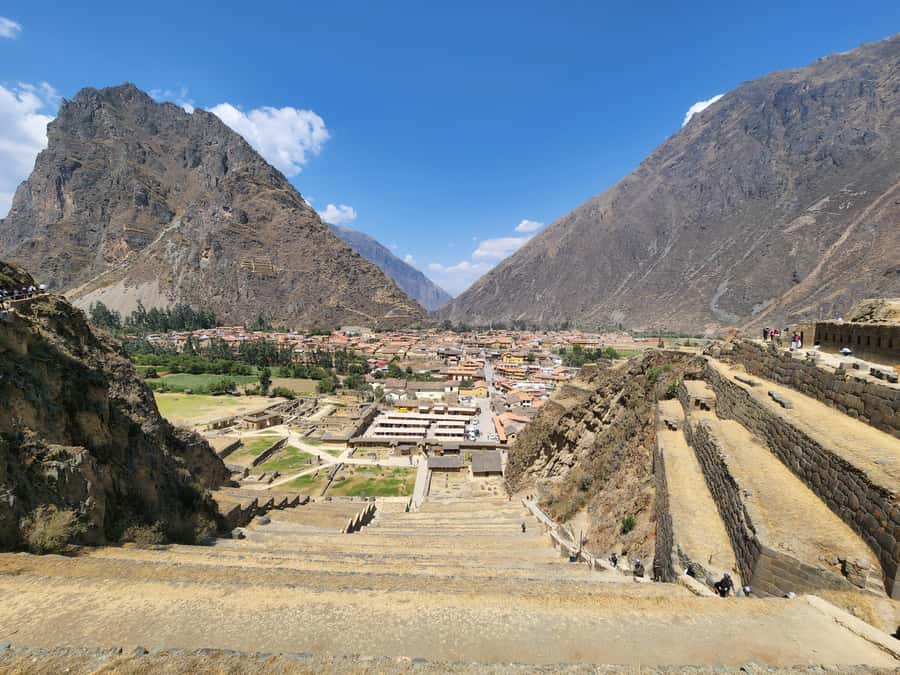
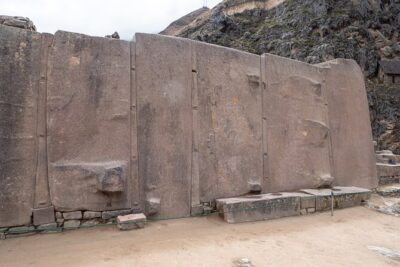
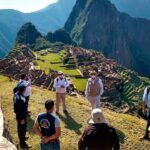
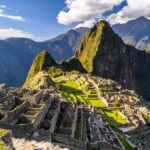
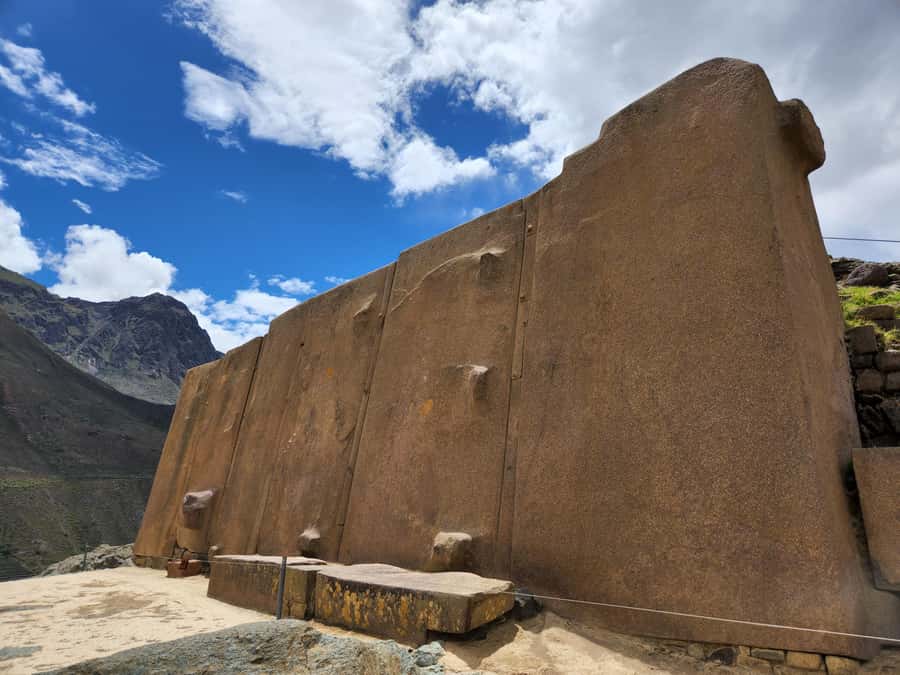
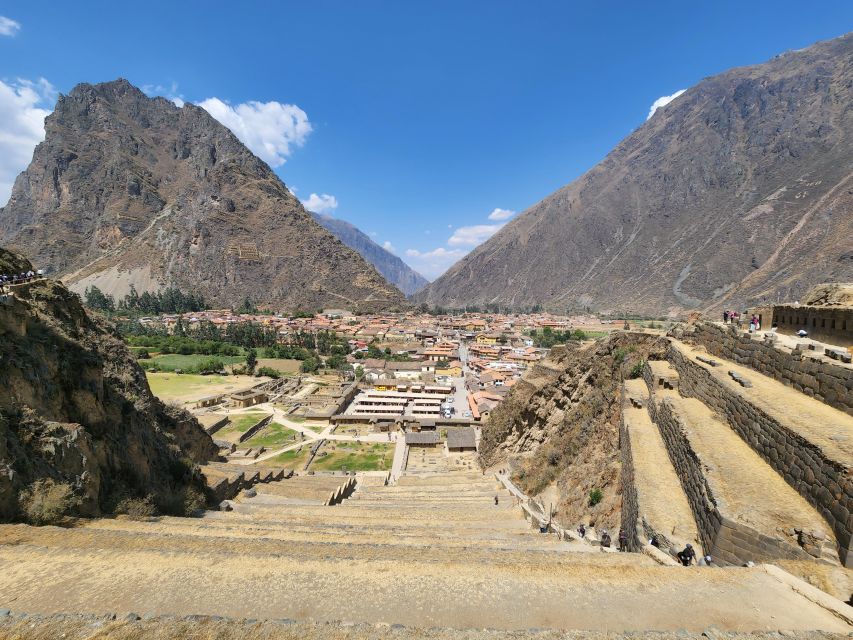
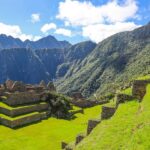
Your last major stop is Ollantaytambo fortress, the Sacred Valley finale that tends to land as the “wow” moment. You get a photo stop and a guided tour, typically 45 minutes, which is enough time to understand the layout and appreciate the precision in the stonework.
Ollantaytambo is famous for Inca architecture and design, and on this route you also get strong views of the valley from the fortress area. Even if you’ve seen Inca photos before, the built environment here feels more deliberate than decorative—it makes it easier to imagine how it functioned as a defensive and ceremonial site.
Timing matters: since the tour ends around 3:30 pm in Ollantaytambo, you’re not stuck in an evening rush. You can stay in the main square area or take the train to Aguas Calientes, depending on your plan for Machu Picchu.
One more thing: remember that earlier you had limited time at each stop because of the four main attractions. If Ollantaytambo is the site you care most about, it helps to keep your energy up during lunch and transfers—this is where you want your attention.
Price and value: what $45 gets you, and what you’ll pay on top
At $45 per person, this tour is priced as a “guided day with transport” deal, and the value mainly comes from three things: hotel pickup, transportation between sites, and a live guide plus a buffet lunch.
Here’s what you should treat as extra:
- Moray entrance: 70 soles
- Maras Salt Mines entrance: 20 soles
- Hotel drop-off back to your room: not included (the tour finishes in Ollantaytambo)
So the true cost is your base price plus those entry fees. Even with that add-on, many people find it worth it because you’re buying convenience and interpretation. The guide helps you understand what the structures mean—especially at Moray—and you don’t have to coordinate multiple stops and ticket purchases by yourself.
Also, since this is a shared group day trip, you’re not paying for private transport. That keeps the price reasonable. The trade-off is the limited time at each stop, and that’s the one thing you should decide in advance: do you want efficiency and guidance, or do you want slow, deep time at one place?
Who this day trip suits best (and who should think twice)
This tour is a good fit if:
- You’re short on time in Cusco and want a fast, structured overview of the Sacred Valley.
- You want an organized guide explaining Inca agricultural ideas at Moray and processes at Maras.
- You’d like a mix of archaeology plus everyday culture through the alpaca wool textile stop in Chinchero.
- You appreciate a buffet lunch that actually gives you options.
It may be less ideal if:
- You’re the kind of traveler who hates rushing through ruins.
- You’re very sensitive to timing because the day ends in Ollantaytambo at around 3:30 pm and you may need that window to line up with your train plans.
- You have mobility limits, since the tour isn’t marketed for people over 70 and you’ll be walking/standing at multiple sites.
One more note from the tour rules: drones are not allowed.
Should you book this Sacred Valley day trip?
I’d book it if you want a smart first day in the Sacred Valley: you’ll hit the major sights—Chinchero, Moray, Maras, and Ollantaytambo—and you’ll understand more than you would on a DIY day. The textile experience in Chinchero is a standout for me because it connects the region’s heritage to something you can see being made.
I’d hesitate if you’re planning your entire afternoon train timing with zero wiggle room, because the visit time at each attraction is limited and the schedule is built for covering four stops. If Machu Picchu is your mission and you prefer breathing room, consider whether you’d be happier with a slower option or more flexible buffer time.
If you’re comfortable with a guided sprint and you want value, this day trip is a solid way to use your time in Cusco.
FAQ
How long is the tour from Cusco to Chinchero, Moray, Maras and Ollantaytambo?
The duration is listed as 9 hours.
Where does the tour pick up and where does it end?
It includes hotel pickup in Cusco and finishes in Ollantaytambo.
What’s included in the price?
Included are hotel pickup in Cusco, transportation, a guide, and a buffet lunch.
Are entrance tickets included for Moray and the Maras Salt Mines?
No. Entrance tickets are not included: Moray is listed at 70 soles and the Maras salt mines at 20 soles.
Is lunch included, and how much time is there to eat?
Yes. Lunch is a buffet lunch in Urubamba, with 45 minutes scheduled.
What time does the tour end in Ollantaytambo?
The tour ends at Ollantaytambo at about 3:30 pm.
What languages are the live guides available in?
Live tour guides are listed as English and Spanish.
Are drones allowed on this tour?
No, drones are not allowed.