REVIEW · URUBAMBA
From Cusco: Sacred Valley & Moray, Salt Mines with Lunch
Book on GetYourGuide →Operated by Apu Ausangate Trek EIRL · Bookable on GetYourGuide
Morning views start with a plan.
This one-day tour threads together the big Sacred Valley stops—Chinchero textiles, Moray agricultural terraces, and the Maras salt mines—then finishes with historic towns where you can still feel Incan-era planning in the stone. I like that it’s built like a full day of seeing multiple themes in sequence, not just rushing to one “main” site. I also like the pacing for a 12-hour day: guided explanations at the key moments, plus time for photos and browsing.
There’s a catch: it’s a lot crammed into one day, including a climb at Ollantaytambo. If you’re sensitive to long van rides and walking, plan for downtime afterward in Cusco.
In This Review
- Key Things That Make This Tour Worth Your Day
- Why This Sacred Valley Day Works So Well
- Starting in Cusco: Pickup, Ride Time, and How to Prepare
- Chinchero: Textiles That Still Have Work to Do
- Moray: The Terraces That Feel Like a Farming Experiment
- Maras Salt Mines: 5,000 Ponds and the Food-Preservation Story
- Lunch in Urubamba: A Much-Needed Reset
- Ollantaytambo: Over 200 Steps to a Fortress View
- Pisac: Workshop Time and a Market for Souvenirs
- Price, Group Size, and the Real Value Question
- Who This Tour Suits Best
- Should You Book This One?
- FAQ
- What’s the duration of this tour?
- Where does the tour start and end?
- How big is the group?
- Is lunch included?
- Do I need to pay for tickets on top of the tour price?
- What languages is the guide?
- What should I bring?
- Are drinks included with lunch?
- Are there any restrictions?
- Is there cancellation flexibility?
Key Things That Make This Tour Worth Your Day
- Chinchero textiles explained as a living craft tradition, not a museum story
- Moray shows how Incas used hillside terraces to grow more in tough conditions
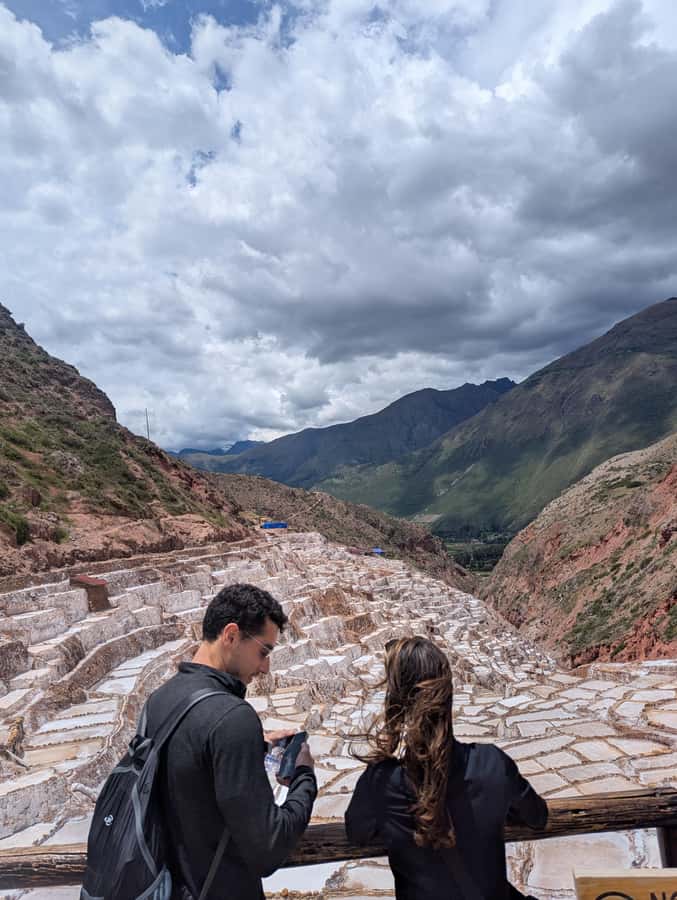
- Maras salt ponds: the scale is the point, with thousands of ponds worked for generations
- Ollantaytambo includes a climb of over 200 steps to a terraced fortress viewpoint
- Urubamba lunch is a buffet-style break included in the price
- Small group size (up to 15) makes it easier to ask questions with a bilingual guide
Why This Sacred Valley Day Works So Well
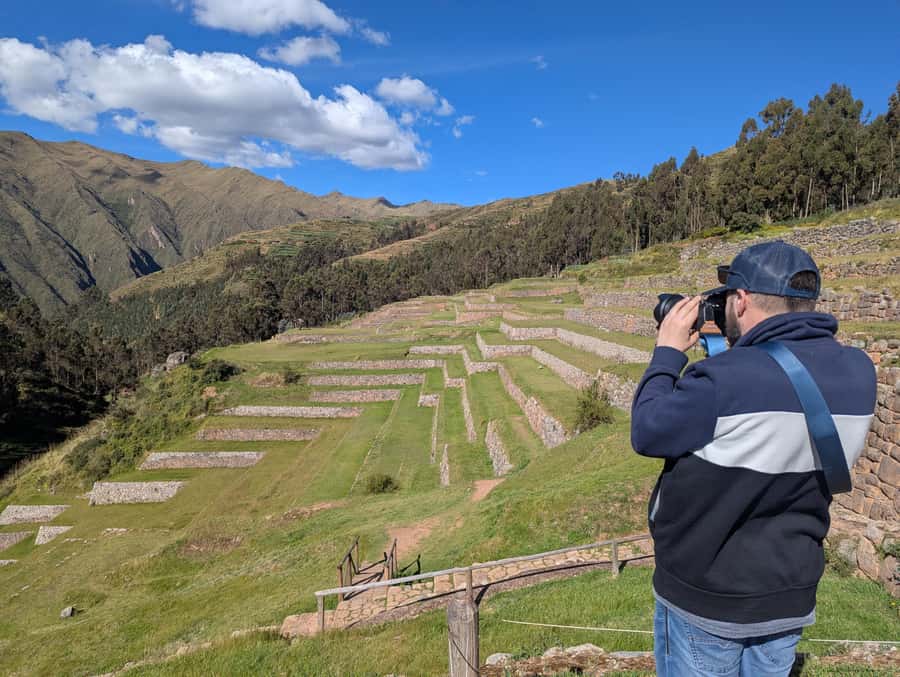
Cusco is great, but it can also tempt you into day trips that feel scattered. This experience connects the dots between daily life, farming science, and food preservation. You start in the Cusco area and move through the Sacred Valley in a loop that covers textiles, agriculture, salt, and major towns—so you leave with a more complete picture of how people lived here.
You’ll be on a guided route with a bilingual guide (English and Spanish). That matters because the best sites are the ones you understand while you’re there. I like that you get guidance at the moments that would otherwise feel like “just another terrace” or “just another viewpoint.”
At $32 per person for a 12-hour outing with transport, lunch, and a bilingual guide, the value is strong—especially if you’d otherwise spend time and money coordinating separate visits. The main trade-off is time: you’ll be in a van for much of the day, and the stops are paced tightly.
You can also read our reviews of more tours and experiences in Urubamba
Starting in Cusco: Pickup, Ride Time, and How to Prepare
The day starts with pickup from your hotel in Cusco. You’ll then head by van toward the first stop in the Chinchero area. Expect a long day cadence: drive, arrive, photo stop, short guided time, then moving on.
That means your prep matters. Bring water, sun protection (sunglasses, sunscreen, a sun hat), and keep cash on hand for tickets and shopping. The tour also doesn’t include drinks, so if you want something besides water, plan to buy it during the day.
One more practical note: this is a no-drone experience, and alcohol and drugs aren’t allowed. It’s a normal rule for cultural and outdoor sites, but it’s worth keeping in mind if you’re traveling with a drone.
Chinchero: Textiles That Still Have Work to Do
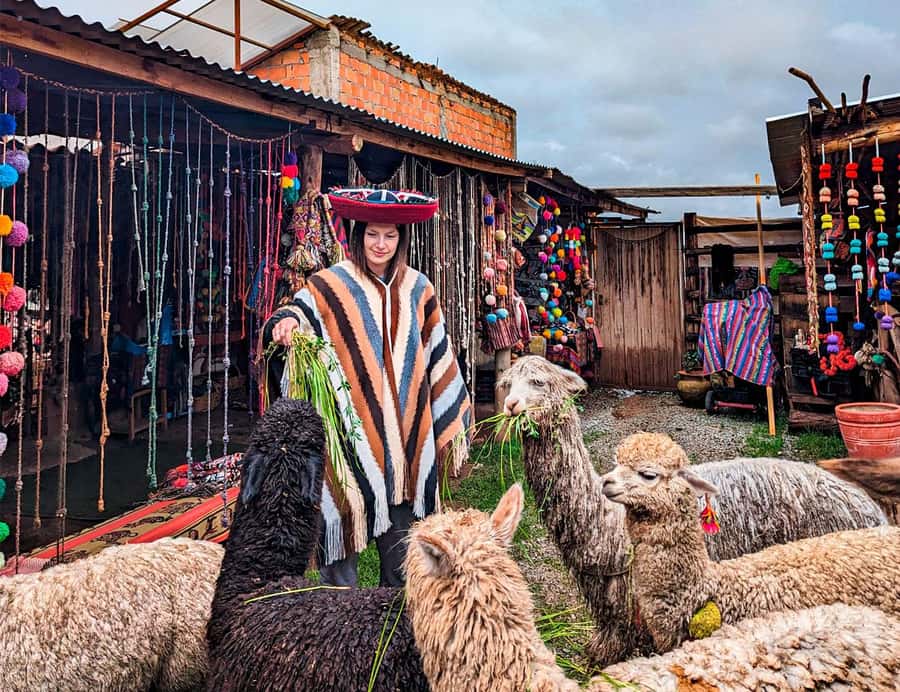
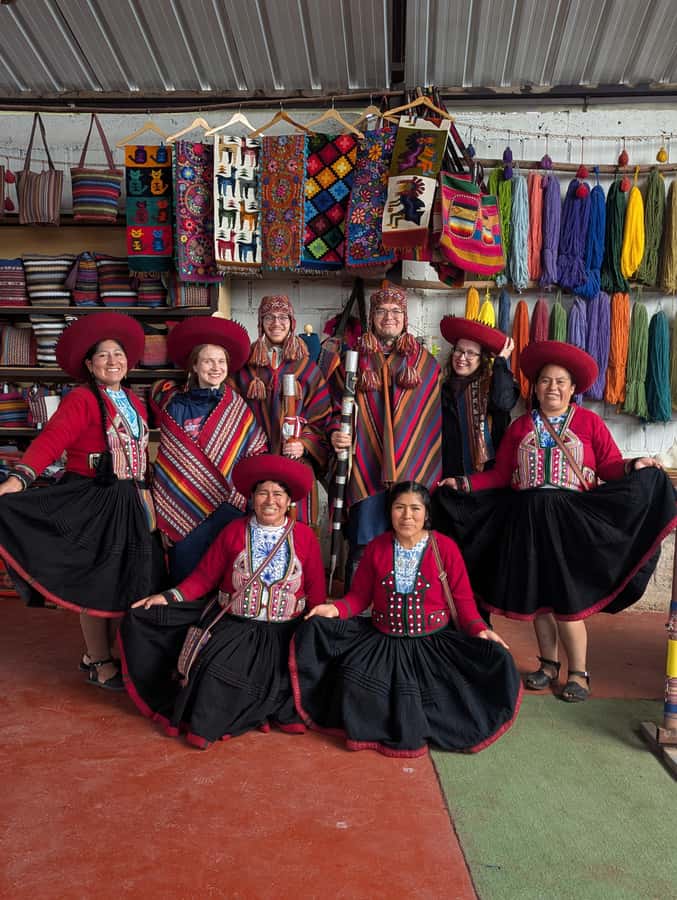
Chinchero is one of those places that can feel small, rustic, and busy all at once. The tour includes a photo stop, a guided look at traditional textile weaving, and time for shopping.
What makes this stop meaningful is the focus on technique and tradition. You’ll see textiles woven with traditional Incan techniques. The point isn’t just the patterns—it’s that this craft is still part of daily cultural life. When a place treats weaving like something living (and not only a souvenir factory), you notice the details more.
You’ll also get a window to shop. This is the part where you can slow down, compare items, and ask questions—especially if you’re looking for something specific like scarves, small woven pieces, or gifts. If you’re shopping, keep your budget ready; you’ll likely want to buy something because the quality is usually better when you can see the process explained.
Time reality check: you’ll have about a half-hour chunk there for guided time and browsing. It’s enough to get oriented, but if you want deep artisan conversations, treat this as an overview and consider returning later on your own.
Moray: The Terraces That Feel Like a Farming Experiment
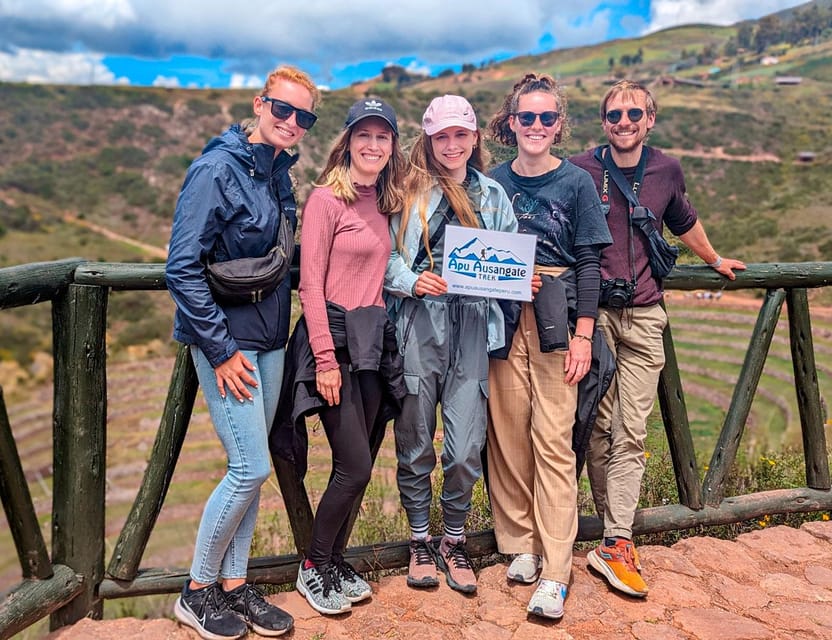
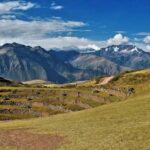
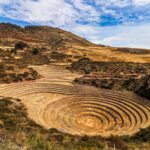
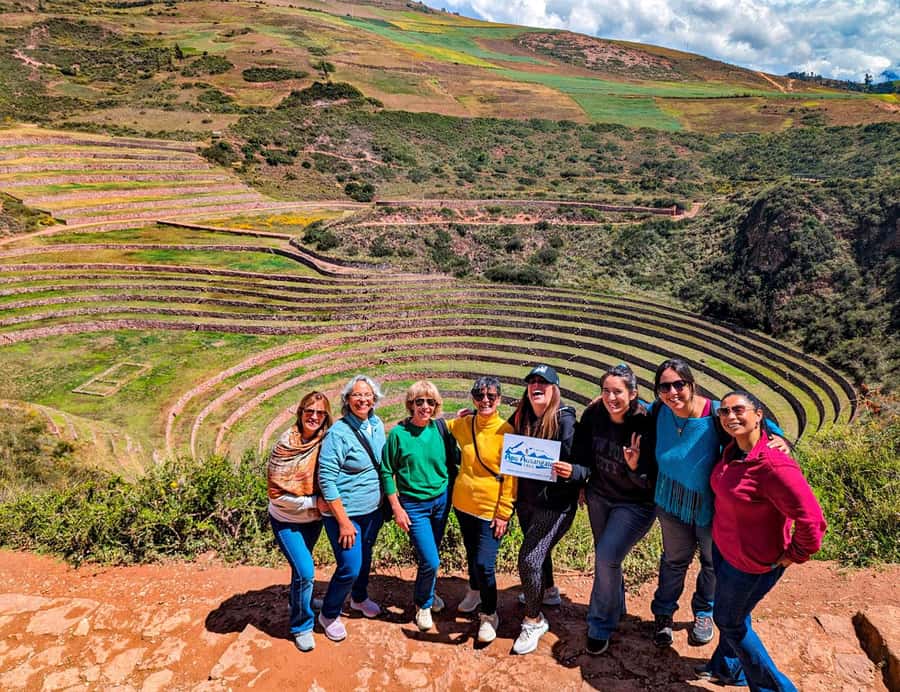
Next up is Moray, famous for its circular agricultural terraces. The tour includes a photo stop and a guided visit here as well.
Moray is interesting because it shows how Incas tackled less-than-ideal conditions. The terraces were built along the hillsides to grow crops and create more favorable growing environments. You don’t just see stone steps—you see a system designed to help agriculture succeed where you’d expect problems.
I like Moray because it’s a “read with your eyes” kind of site. If you pay attention to how the terraces are arranged and how the guide explains their purpose, it starts to feel like agricultural engineering. Without that context, it can look like ruins. With the explanation, it becomes practical and logical.
There’s also a nice rhythm here: you’re out in the open, you can take photos, and you get a short guided explanation rather than a long slog. It’s one of the best stops to move through efficiently on a packed day.
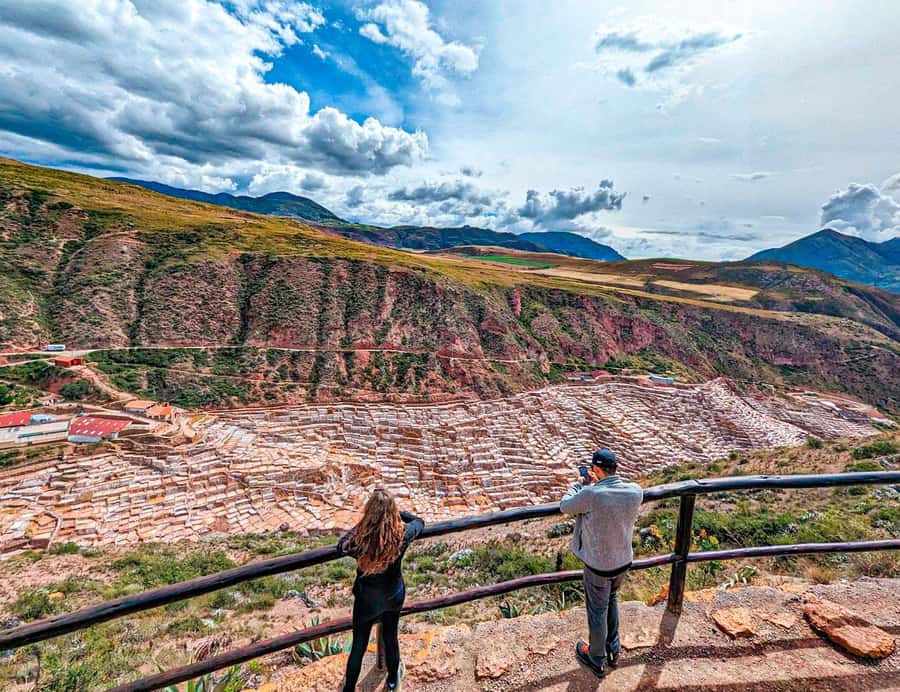
Maras Salt Mines: 5,000 Ponds and the Food-Preservation Story
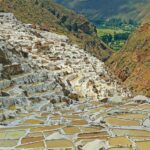
After Moray, you’ll head to Maras Salt Mines (often called Maras Salt Ponds). The tour includes a photo stop and a guided visit, plus time for shopping in the Maras area.
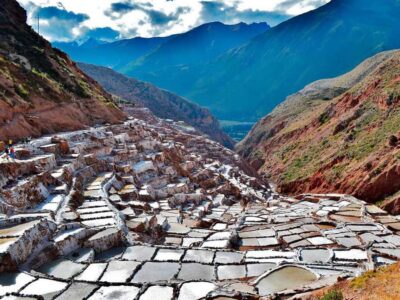
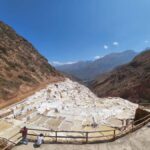
Here’s what really sticks: there are over 5,000 salt ponds. That scale makes the place feel less like a single attraction and more like an entire working landscape—something shaped by time and repeated labor.
Your guide will connect the salt ponds to ancestors who used this method for long-term food preservation. Salt wasn’t just a seasoning; it was one of the tools that helped people keep food edible when the calendar turned. That gives the site meaning beyond the visuals.
A practical detail: the salt mine entrance ticket can be purchased on-site for 20 Nuevos Soles. So bring cash. Also, salt areas can be bright, so sunglasses and sunscreen aren’t optional—you’ll be grateful.
The main consideration: it’s another outdoor stop, so plan for sun and uneven ground. You’ll want water and steady footing.
Lunch in Urubamba: A Much-Needed Reset
By midday you’ll reach Urubamba, the Sacred Valley hub, for lunch. You’ll have a buffet lunch included as part of the tour.
I like that lunch is built into the plan in Urubamba rather than squeezed in at a random roadside spot. A proper meal helps you keep energy for the afternoon towns, especially if you’re planning to climb at Ollantaytambo.
The lunch being a buffet also fits the day’s pace. It’s not a long, formal meal. You can eat, refuel, and get moving without falling behind the group.
Don’t count on drinks being included—so if you want something specific, budget for it.
Ollantaytambo: Over 200 Steps to a Fortress View
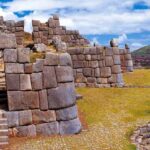
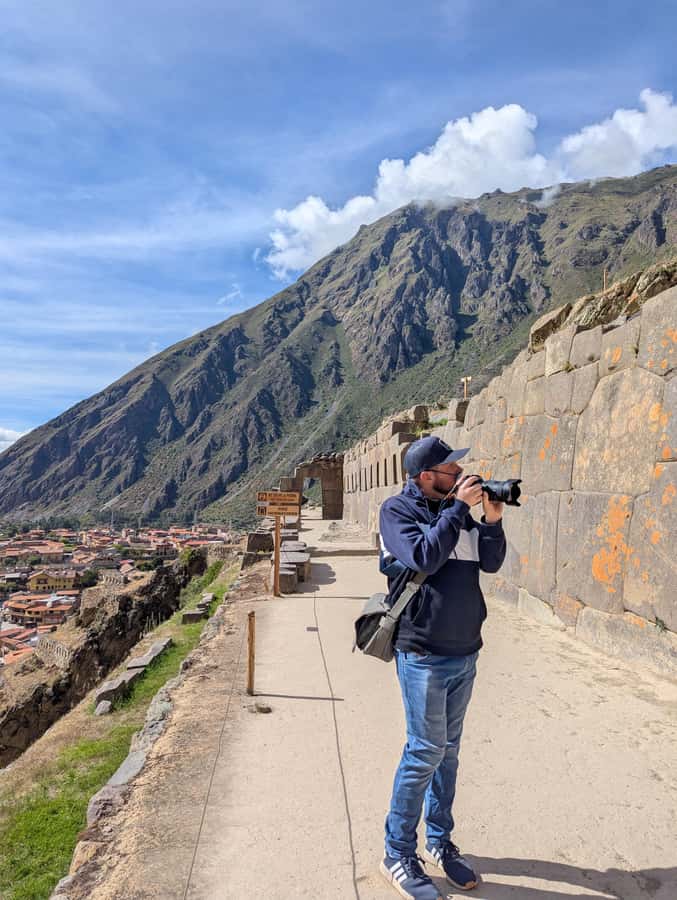
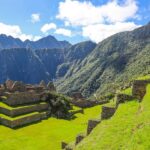
Then comes Ollantaytambo, one of the most important cities in the region, known for megalithic buildings. This is where the tour turns from “learn and walk around” into “move your legs.”
You’ll get a guided stop here, including a climb of over 200 steps to reach the top of an ancient terraced fortress overlooking the town. That viewpoint is the payoff: you see how the area is laid out and why this location mattered.
The guide also explains the fortress as a defensive location during Incan times. That detail matters because it changes how you look at the stonework. Instead of thinking only about architecture, you start thinking about strategy—how people used terrain and structures to protect themselves.
Consideration: pace yourself. Even if you feel fit, the steps are a real effort, and you’re already several hours into the day. If you’re traveling with knee issues or prefer to avoid stairs, this is the part to think about most.
Pisac: Workshop Time and a Market for Souvenirs
After Ollantaytambo, the tour heads to Pisac. You’ll have a workshop portion and also time for a guided visit, which includes discovering the local market selling souvenirs and local crafts.
This is a practical stop because it’s both educational and useful. The guided time helps you make sense of what you’re seeing, and the market time gives you a chance to pick up items that match what you learned earlier in the day—especially woven crafts, since you visited Chinchero first.
If you want gifts, Pisac is often where you can browse without feeling rushed. You can compare items across stalls and decide what feels right rather than buying purely on the first glance.
You’ll then head back toward Cusco, with the tour ending at Calle Plateros / Plaza Regocijos.
Price, Group Size, and the Real Value Question
At $32 for a full day with hotel pickup, van transport, a bilingual guide, buffet lunch, and a guided route through multiple major sites, this is a strong value option in the Cusco area. The math improves when you compare it to doing these visits separately—especially because you’d need transport and coordination and you’d likely lose the “what am I seeing?” explanations that make the stops click.
The small group limit—up to 15 participants—is another value driver. In a smaller group, you’re more likely to hear the guide clearly, and there’s room for questions. You also spend less time waiting for slow moments and more time actually at the sights.
The best-fit travelers are people who want breadth in one day: you like mixing culture (textiles and crafts), practical history (farming and salt), and major Sacred Valley towns.
Who This Tour Suits Best
This tour is a great match if you:
- Want a single-day overview of Sacred Valley highlights
- Like guided explanations so sites make sense while you’re there
- Enjoy shopping for crafts but want it paired with context
- Are comfortable with a long day and moving between multiple locations
It’s a tougher fit if you:
- Want a relaxed pace with minimal walking
- Have limitations with stairs (Ollantaytambo includes over 200 steps)
- Prefer fewer stops so you can linger longer at each one
Should You Book This One?
I’d book this tour if your goal is to pack meaningful Sacred Valley experiences into one day—especially if you care about understanding why these places matter. The mix of textiles in Chinchero, agricultural engineering at Moray, and food-preserving salt at Maras gives the day a theme, not just a checklist.
Skip it (or choose a different format) if you’re hoping for a slow, low-effort outing. The schedule is tight and the steps at Ollantaytambo are real.
If you want the most satisfying day possible in the Cusco area, this is a practical way to get there.
FAQ
What’s the duration of this tour?
It lasts about 12 hours from pickup in Cusco to the finish near Plaza Regocijos / Calle Plateros.
Where does the tour start and end?
Pickup is from your hotel in Cusco. The tour ends at Calle Plateros / Plaza Regocijos.
How big is the group?
It’s a small group with a maximum of 15 participants.
Is lunch included?
Yes. You get a buffet lunch in Urubamba.
Do I need to pay for tickets on top of the tour price?
Yes. A partial tourist ticket may be purchased at the first site for 70 Nuevos Soles, and the salt mine entrance ticket can be purchased on-site for 20 Nuevos Soles.
What languages is the guide?
The guide is bilingual: English and Spanish.
What should I bring?
Bring sunglasses, sun hat, camera, sunscreen, water, and cash.
Are drinks included with lunch?
No. Drinks are not included.
Are there any restrictions?
Drones are not allowed, and alcohol and drugs are not allowed.
Is there cancellation flexibility?
The tour offers free cancellation up to 24 hours in advance for a full refund.