REVIEW · AGUAS CALIENTES
Inca Trail 2 days to Machu Picchu
Book on GetYourGuide →Operated by Grupo Conde Travel · Bookable on GetYourGuide
Machu Picchu in two days feels intense, but in a good way. I like the trail-to-citadel flow here, starting from Cusco and ending with that first look from Inti Punku, then continuing the next morning. I also like the private, guided setup: you get professional bilingual help, set transfers, and a Machu Picchu tour of the main sectors without you having to plot every bus and ticket step yourself.
One thing to consider: the experience depends on how comfortable you are with trekking and early starts, and the overnight in Aguas Calientes can be a letdown if you expect a higher-end hotel setup. If you’re the type who needs smooth logistics and a very specific hotel standard, this is worth double-checking before you pay.
In This Review
- Key takeaways before you go
- The real value of an Inca Trail 2 days to Machu Picchu plan
- Day 1: train to km 104, Chachabamba, and Wiñayhuayna
- Practical rhythm tips
- Inti Punku and the first Machu Picchu reveal
- Evening in Aguas Calientes: dinner, sleep, and options
- Hotel expectations to manage
- Day 2: 5am bus to Machu Picchu, guided sectors, then the return
- The two-part Machu Picchu advantage
- Price and logistics: what your $600 is really buying
- The ticket-cost question
- Where the value shines
- Who this tour suits best (and who should skip it)
- What to pack: your walking comfort kit
- Guide style and pacing: why names like José and Steven matter
- Common snags: hotel expectations, rules, and real-world constraints
- 1) Hotel standard in Aguas Calientes
- 2) Early starts
- 3) Tour rules
- Should you book this 2-day Inca Trail to Machu Picchu?
- FAQ
- How long is the Inca Trail 2 days to Machu Picchu experience?
- What does the tour include for meals?
- Where do we stay overnight?
- How do we get to Machu Picchu on Day 2?
- Is the ticket line skipped?
- What transportation is included from Cusco back and forth?
- Are hot springs included?
- Is this tour suitable for everyone?
Key takeaways before you go
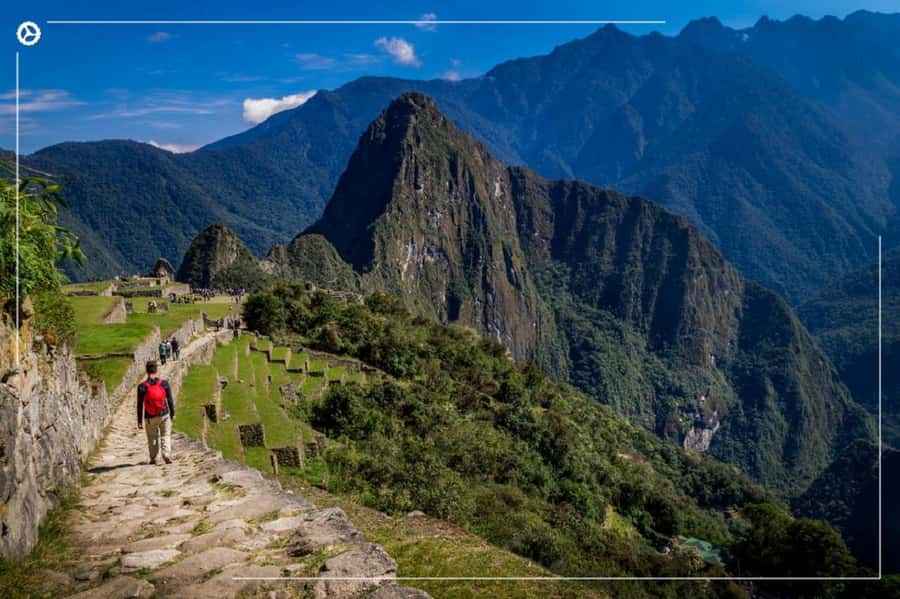
- Inti Punku is the big payoff: you reach the Gate of the Sun and get an early Machu Picchu reveal before the official visit.
- Wiñayhuayna and Chachabamba add real trail flavor: you’re not just riding to the highlight.
- Day 2 starts early for a reason: the ~5am bus gets you into Machu Picchu in a calmer window.
- Meals and key transports are handled: pick-up, train, buses, and transfers are built into the plan.
- Ticket costs can feel layered: you’ll likely pay for more than one entry type, so plan your budget carefully.
- The guide matters: names like José and Steven show up because they focus on pacing and keeping you confident.
The real value of an Inca Trail 2 days to Machu Picchu plan
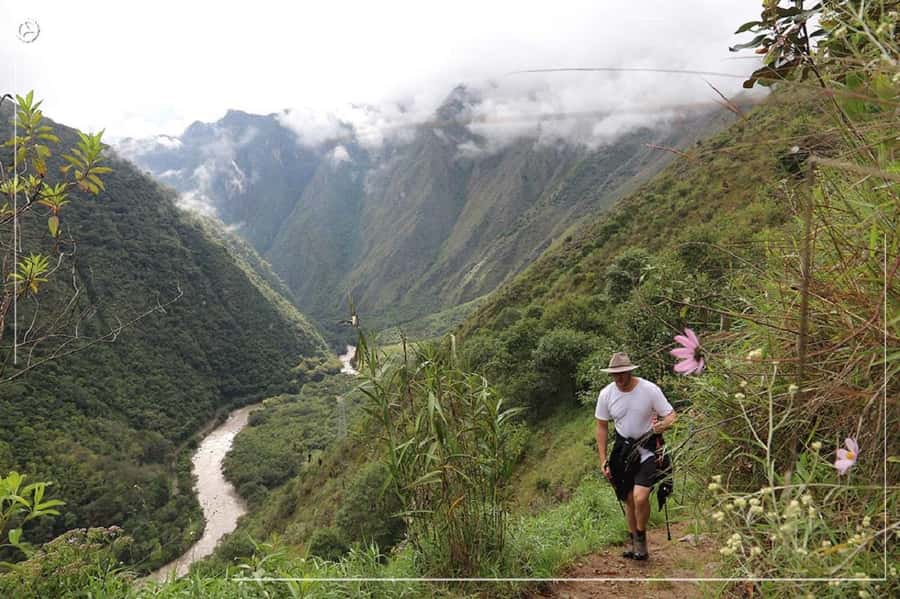
This is not the full, traditional multi-day Inca Trail. Instead, it’s a smart compromise when you want the best parts—Inca path walking, that Inti Punku moment, and a guided Machu Picchu visit—without burning a full week to get there.
The appeal is how the itinerary splits the experience into two satisfying chunks. Day 1 gives you the journey: train to km 104, hiking sections like Chachabamba and Wiñayhuayna, and lunch along the way. Day 2 is the payoff: an early visit to Machu Picchu with a guide and then a smooth route back to Cusco via train and Ollantaytambo.
If you’re traveling on a tighter schedule (or altitude recovery takes longer than you planned), this format can feel like the best “bang per day.” You still do meaningful walking, but you keep the overall stress level lower than longer treks.
You can also read our reviews of more tours and experiences in Aguas Calientes
Day 1: train to km 104, Chachabamba, and Wiñayhuayna
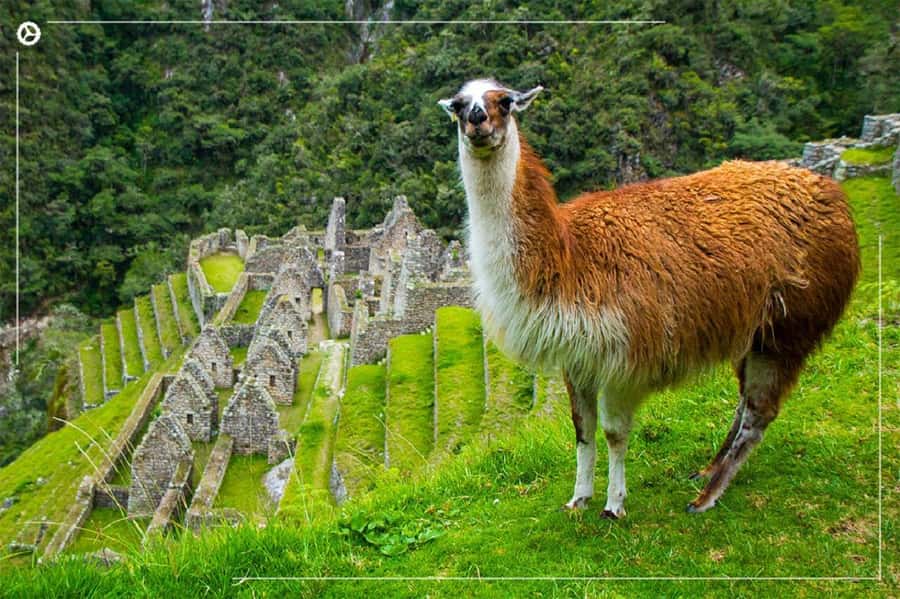
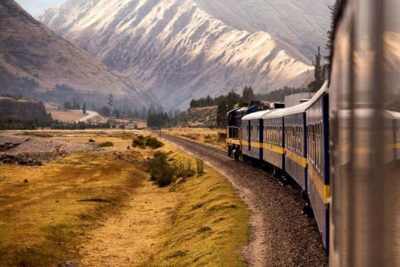
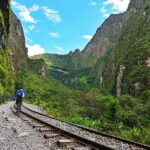
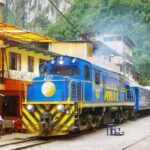
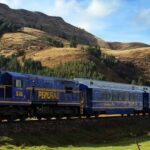
Your day starts with hotel pickup in the Cusco area, then a train ride of about 1.5 hours to km 104. This matters because it turns a long slog into something more manageable. It also means you begin hiking with your energy still intact, instead of arriving already worn down.
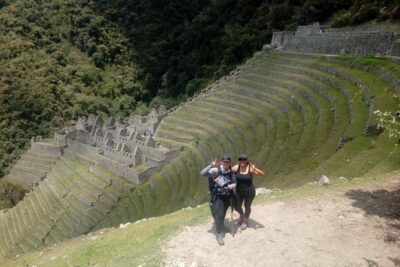
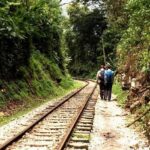
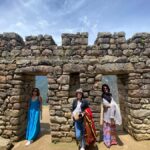
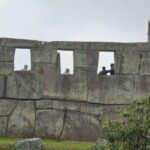
At km 104, you start the trek toward Chachabamba. Chachabamba is one of those stops that helps you understand the logic of the Inca world: terraces, stonework, and a path that feels like it was built for movement. You’re hiking with a guide, so you’re not wandering through ruins without context.
Then you continue onward to Wiñayhuayna. This is where the day shifts from walking to settling into the rhythm of the trail. You’ll enjoy lunch at the site area before continuing your hike. If you’re the type who learns best by contrast—walk, pause, look, eat, then move again—this structure works.
Practical rhythm tips
- Keep your daypack simple: water, layers, snacks if you packed them, and your essentials.
- Wear your hiking shoes from Cusco to save time and avoid blisters.
- Expect uneven ground and focus on steady steps over speed.
Inti Punku and the first Machu Picchu reveal
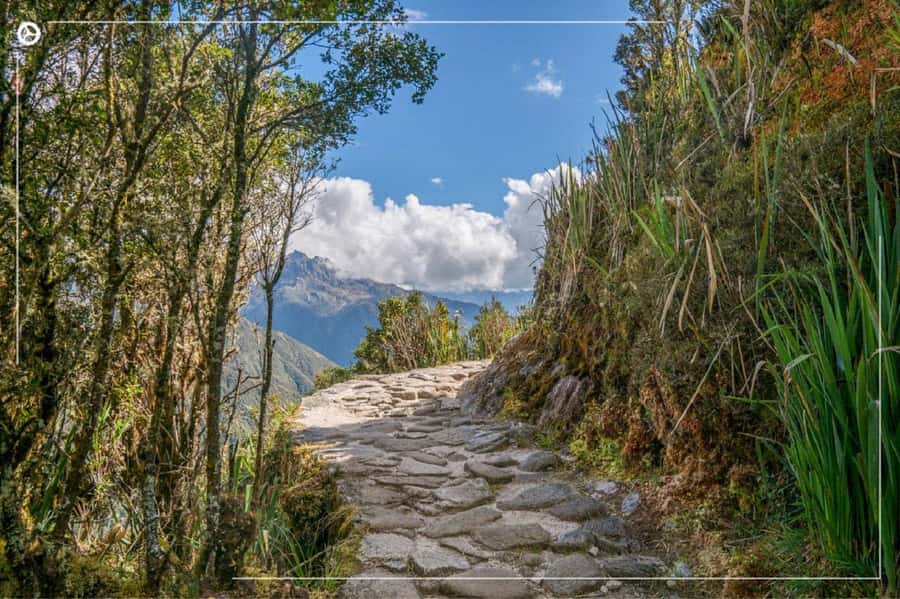
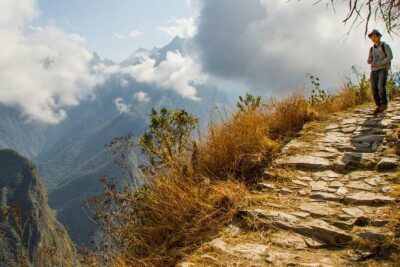
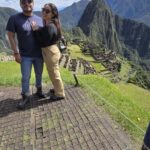
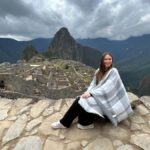
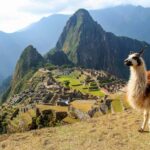
After Wiñayhuayna and lunch, the hike continues toward Inti Punku, also called the Gate of the Sun. This is a key reason people choose this 2-day version: you get your first major view of Machu Picchu from above.
Then the plan moves you to Machu Picchu’s entry control area. A bus takes you down to Aguas Calientes for your overnight. So you’re not just earning the view with effort—you also get the full emotional sequence: hike, reach the gate, see Machu Picchu, then transition into the next phase.
The timing also tends to help with photos and breathing room. In practice, the best tours are the ones where you don’t feel bullied by a strict stopwatch. The guides linked to this experience—like José—are known for supporting pacing and not rushing you away from the view.
One more thing: once you reach Inti Punku, don’t treat it like a quick photo stop. Give yourself a moment to look and reset. That small pause is what turns the view into a memory instead of a screenshot.
Evening in Aguas Calientes: dinner, sleep, and options
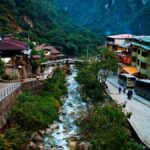
Once you reach Aguas Calientes (Machu Picchu Pueblo), you’ll check in for one night and have dinner. The tour includes a night accommodation here, and the itinerary is set up so you’re ready for an early start the next morning.
This evening is where you can either feel energized or stuck. If you’re smart about it, you’ll do the basics well:
- Eat your dinner and avoid going heavy on anything that upsets your stomach.
- Hydrate, since trekking + altitude + travel adds up.
- Pack your next-day essentials into an easy-to-find pocket (passport, layers, sunscreen, and your water bottle).
The tour also notes that entry to the hot springs is not included. That’s useful to know. If you want a soak, you’ll have to pay separately, so don’t plan on it as part of the package value.
Hotel expectations to manage
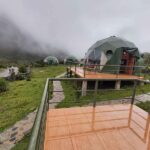
One of the more important caution points from actual experience is that the Aguas Calientes hotel standard may not match what you picture from the price. If comfortable sleep is a non-negotiable for you, treat this as a “check expectations” situation before booking.
Day 2: 5am bus to Machu Picchu, guided sectors, then the return
Day 2 starts with breakfast, then a bus to the Machu Picchu citadel at around 5am. That early timing matters. It’s when you’re most likely to feel the site with less crowd pressure, and you’re starting while your day still feels fresh.
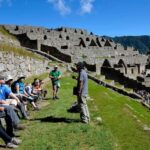
Inside Machu Picchu, you’ll get a guided tour covering the different sectors for about two hours. This is one of the best parts of the format: you’re not just walking between stones, you’re learning how the places connect and what you’re looking at.
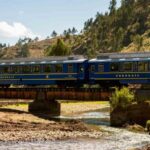
After that guided portion, you get a brief time to enjoy the citadel on your own before descending by bus back to Aguas Calientes. From there, you board the train back to Ollantaytambo and then travel on to Cusco.
The two-part Machu Picchu advantage
This itinerary gives you two different angles on Machu Picchu: the Day 1 “from above” moment near Inti Punku, and the Day 2 guided visit through the sectors once you’re inside the citadel area.
That split helps you avoid the common problem of seeing Machu Picchu once and feeling like you missed half of it. You’ll still feel awe, but you’ll also have enough context to make sense of what you’re seeing.
Price and logistics: what your $600 is really buying
At $600 per person for a 2-day experience, you’re paying for more than walking. You’re paying for a chain of time-saving logistics and key inclusions that remove a lot of stress.
Here’s what’s covered:
- hotel pickup in Cusco and transfers to the train
- train ride to km 104 and back via Ollantaytambo
- guided trek with professional bilingual support
- key meals (1 breakfast, 2 lunches, 1 dinner)
- entrance ticket to the Inca Trail Tour 5
- Aguas Calientes accommodation (1 night)
- round-trip bus Aguas Calientes to Machu Picchu
- transportation from Ollantaytambo to Cusco
- skip-the-ticket-line access
- a briefing the day before your tour
What you’re not getting (important for budgeting):
- breakfast on the first day
- lunch and dinner on the last day
- any hot springs entry fees
- gratuities for guide and muleteers
- personal items
The ticket-cost question
One note that can affect how you feel about value: the overall price can feel high partly because there are two distinct entry costs involved in the full experience (the trail pass and Machu Picchu entry). If your budget is tight, treat this as a real planning factor, not a surprise you hope won’t matter.
Where the value shines
If you hate arranging transport, worrying about timing, or losing half a day to ticket lines, this package is built to protect you from those frustrations. For many people, that alone makes the $600 feel more reasonable than a DIY approach.
Who this tour suits best (and who should skip it)
This plan is best for people who are comfortable trekking for a couple of days and handling altitude and early starts. It can be a great choice if you want authentic route walking but can’t commit to the longer, full Inca Trail duration.
It’s not suitable for:
- wheelchair users
- people over 75 years old
- people with pre-existing medical conditions
So if you’re managing health concerns, don’t treat this as a “we’ll see how it goes” trip. The tour is physically structured, and the itinerary doesn’t sound like it has easy flexibility for mobility limits.
What to pack: your walking comfort kit
The list they provide is pretty standard for this part of Peru, but it’s worth reading closely because small gear choices affect comfort on the trail.
Bring:
- passport (required)
- sunglasses and a sun hat
- hiking shoes and comfortable clothes
- long pants and ideally a long-sleeved shirt
- sunscreen and biodegradable sunscreen
- insect repellent and biodegradable insect repellent
- daypack
- a reusable water bottle
- closed-toe shoes
- charged smartphone (use it for photos, but don’t rely on it alone)
- hand sanitizer or tissues
- personal medication
- change of clothes
A practical trick: plan your layers. Even in daytime, temperatures can shift, and hiking means you’ll sweat—then cool down when you pause.
Guide style and pacing: why names like José and Steven matter
A 2-day Inca Trail experience can feel either calm or chaotic depending on the guide. The tour’s setup includes a professional bilingual guide, and the better guides in this context are the ones who keep you oriented and confident.
In the real world, guides such as José and Steven stand out because they focus on:
- keeping people motivated through the hike
- making sure the group feels okay along the way
- managing pacing so you can enjoy moments, like the view near Inti Punku, instead of feeling chased
If you want the experience to feel human—not just operational—this is where private group touring can help. You still follow the itinerary, but the guide is there to adjust how the day feels.
Common snags: hotel expectations, rules, and real-world constraints
Most issues people face on tours like this are avoidable if you plan ahead.
1) Hotel standard in Aguas Calientes
The itinerary includes accommodation for one night. Still, one disappointment called out is that the hotel didn’t meet expectations for a three-star level. If hotel comfort is a must for you, consider treating this as a basic overnight rather than a luxury stay.
2) Early starts
Day 2 hits around 5am. That means you should sleep as soon as you can the night before and set yourself up for a smooth morning.
3) Tour rules
A few items are explicitly not allowed, like drones, bikes, handcarts, alcohol and drugs, and coolers. Plan your packing accordingly. Even if you don’t care about these items, it’s worth knowing so nothing gets held up at the wrong time.
Should you book this 2-day Inca Trail to Machu Picchu?
Book it if you want:
- the Inca Trail feel without the full-length trek commitment
- a guided Machu Picchu visit on Day 2
- a structured, mostly hassle-free plan (transfers, meals, buses, trains)
- the Inti Punku first-view moment that makes the hike feel worthwhile
Skip or reconsider if you:
- need very predictable hotel quality in Aguas Calientes
- have mobility limits or health conditions that make trekking risky
- dislike early mornings and fast logistics (because the Day 2 start is around 5am)
If you match the right profile, this is a strong way to do Machu Picchu with purpose—hike first, then learn and explore inside the citadel.
FAQ
How long is the Inca Trail 2 days to Machu Picchu experience?
It runs for 2 days, with Day 1 covering the trek from km 104 toward Inti Punku and Day 2 dedicated to the guided visit at Machu Picchu and the return to Cusco.
What does the tour include for meals?
The tour includes 1 breakfast, 2 lunches, and 1 dinner. It specifically notes that breakfast on the first day and lunch and dinner on the last day are not included.
Where do we stay overnight?
You get 1 night of accommodation in Machu Picchu Pueblo, also called Aguas Calientes.
How do we get to Machu Picchu on Day 2?
After breakfast around 5am, you board a bus to the Machu Picchu citadel. After the visit, you descend by bus back to Aguas Calientes.
Is the ticket line skipped?
Yes. The tour lists skip the ticket line as an included feature.
What transportation is included from Cusco back and forth?
You’re picked up from your Cusco hotel area, transferred to the train station, taken by train to Aguas Calientes area (via km 104 on Day 1), then you return by train from Aguas Calientes to Ollantaytambo and travel from Ollantaytambo back to Cusco.
Are hot springs included?
No. Entry to the Aguas Calientes hot springs is not included.
Is this tour suitable for everyone?
No. It’s not suitable for wheelchair users, people over 75, and people with pre-existing medical conditions.