REVIEW · AGUAS CALIENTES
Machu Picchu 2 Days / 1 Night (By Bus)
Book on GetYourGuide →Operated by Exploor Trip E.R.L · Bookable on GetYourGuide
Waking up at 4:30 a.m. is the whole deal. This Machu Picchu by bus itinerary turns the journey into part of the adventure, with a high-altitude drive through the Andes and a proper sunrise ascent to the Sanctuary. I love the day-one mix of views and microclimates, especially the crossing of Abra de Malaga (4,316 m). I also like that you get a private 2-hour guided tour once you’re inside, so you’re not just wandering around wondering what you’re looking at. One consideration: the schedule is tight and the walks are real, including a steep climb back when it’s still dark.
You’ll start in Cusco early, spend the first night in Aguas Calientes, then return to Cusco late the next day. The small group size (up to 15) helps keep things moving without feeling like a cattle chute. Still, it’s a long day, and if you’re sensitive to altitude or early mornings, this route will feel like a workout.
In This Review
- Key things I’d circle on this tour
- Cusco to the Andes pass: what the first driving day really gives you
- Santa Maria break and the Santa Teresa lunch stop
- The 2-hour walk to Aguas Calientes: why it matters
- Overnight in Aguas Calientes: rest with purpose
- 4:30 a.m. climb to Machu Picchu: the sunrise advantage
- Guided tour inside the Sanctuary: getting meaning, not just photos
- Free time until about noon: how to use it well
- Price and value: is $170 reasonable for this route?
- Who this Machu Picchu by bus tour suits best
- Small details that make a big difference
- Should you book this tour?
- FAQ
- What are the main start times?
- How long is the walk on day 1 and the climb on day 2?
- What’s included in the price?
- What meals are not included?
- What group size is this tour?
- What language options do the guides offer?
Key things I’d circle on this tour
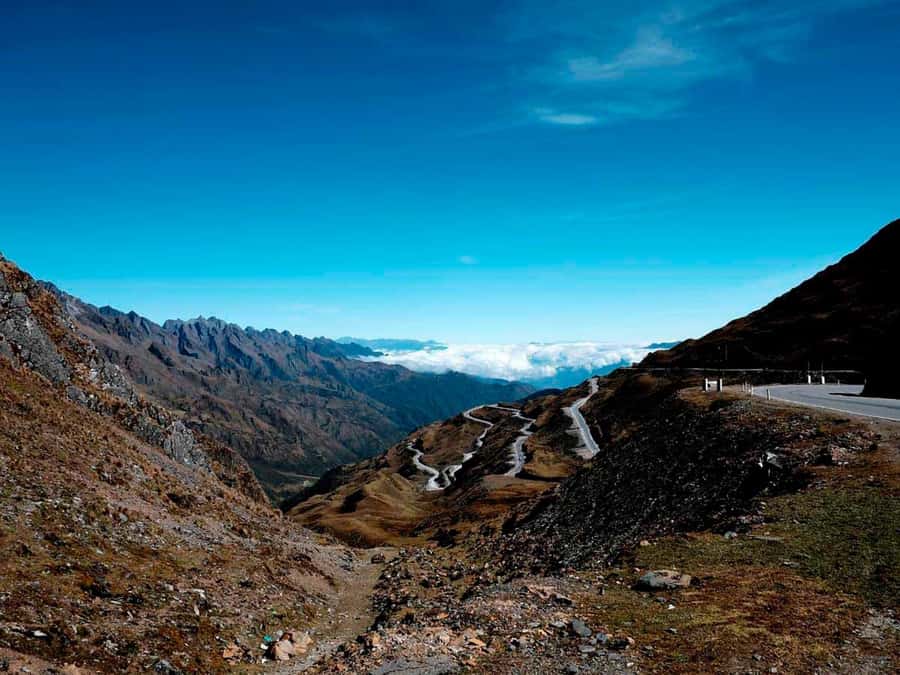
- Abra de Malaga at 4,316 m: big-Andes scenery and classic highland animal sightings
- Santa Teresa to Aguas Calientes by foot (~2 hours): your arrival feels earned, not rushed
- 4:30 a.m. start for the Machu Picchu climb (~1.5 hours): sunrise timing is built in
- Private guide inside the Sanctuary (~2 hours): you get context, not just photos
- Bus round trip Cusco–Hidroeléctrica–Cusco: clear routing with fewer moving parts for you
Cusco to the Andes pass: what the first driving day really gives you
This tour starts with a 6:30 a.m. pick-up from Cusco, and you don’t waste time. You’ll drive toward Ollantaytambo with a brief stop for views and orientation. The point isn’t just getting from A to B. It’s that you travel through altitude and weather changes fast, so you start “reading” the region as you go.
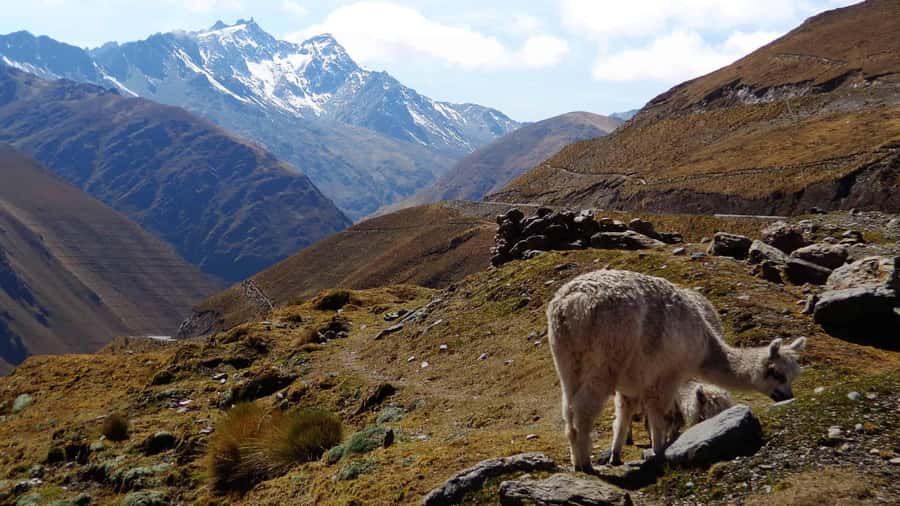
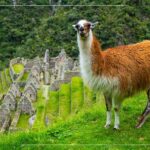
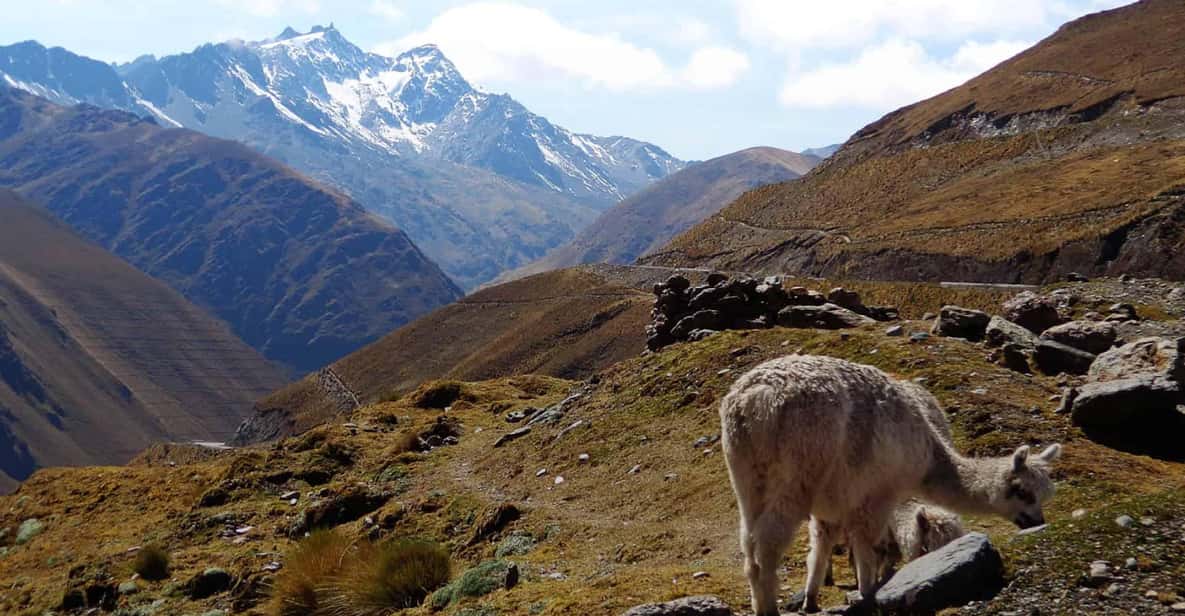
One part I like is the crossing of Abra de Malaga (4,316 m). That’s high enough that the air feels different, and the scenery tends to look big and stripped-down in the best way. The itinerary also mentions chances to see local llamas and alpacas around this stretch. If you’re the type who likes noticing details instead of only taking pictures, this section rewards you.
Then the drive shifts from high Andean air down toward the jungle. You’ll pass through different microclimates, which is travel-speak for: same country, totally different weather-feel every few miles. It’s a good reminder that Peru isn’t one “type” of landscape. It’s layered, and this route shows it to you without extra detours.
You can also read our reviews of more tours and experiences in Aguas Calientes.
Santa Maria break and the Santa Teresa lunch stop
After you descend from the high pass, the day includes a break in Santa Maria (1,575 m). That altitude is a big change from 4,316 m, and the itinerary’s wording signals you’ll feel that shift immediately. Taking a break here is practical. It’s the middle point where your body can reset before the final push toward Santa Teresa.
Lunch comes in Santa Teresa at a local restaurant. I like this because it gives you a real meal in a real town, not just a snack thrown at you during transit. Also, having lunch built into the plan means you’re not hunting for something open while your energy is running low from altitude and early timing.
The tradeoff? Day 1 is still a long travel day, and you’ll be “on the move” most of the time. If you prefer slow travel, you might feel the pace. But if you want a full, efficient route to Machu Picchu, this day is doing its job.
The 2-hour walk to Aguas Calientes: why it matters
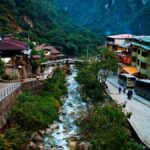
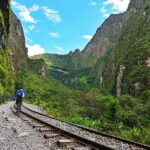
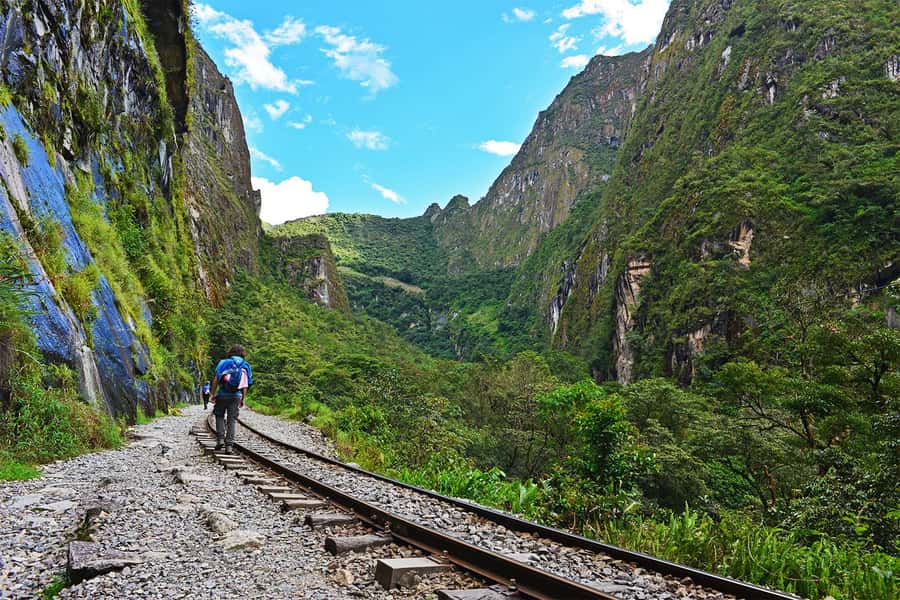
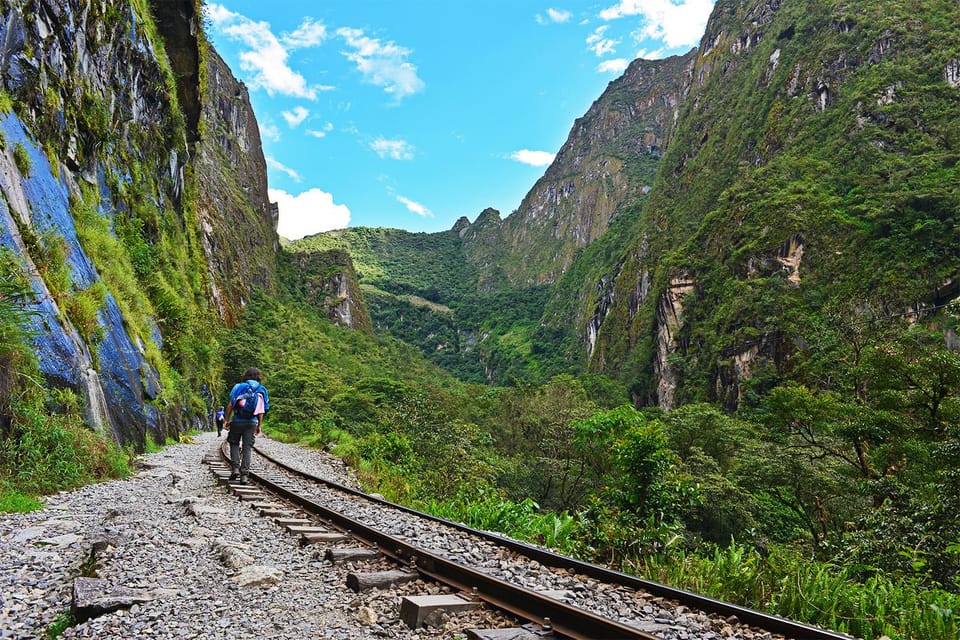
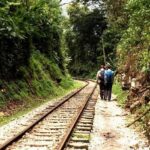
After lunch, you’ll walk about 2 hours to Aguas Calientes (Machupicchu village). This is one of those parts that can sound minor when it’s written on a schedule, but you should treat it like a real segment of the trip.
Why it matters: the walk makes Aguas Calientes feel less like an airport stop and more like the start of your Machu Picchu phase. It also breaks up the day, so you’re not doing all the effort in the early morning climb later. When you finally reach your hotel, you’ll likely feel that you’ve arrived, not just been transported.
What to watch: the walk time is ~2 hours, but the plan doesn’t spell out how steep every section is. So I’d pack accordingly—comfortable walking shoes are non-negotiable, and you’ll want layers. Early and late in the region can feel cooler than you expect, especially after a day that swings from high to lower altitudes.
Overnight in Aguas Calientes: rest with purpose
You’ll spend one night in a hotel in Aguas Calientes. This is valuable because it puts you close to Machu Picchu early the next morning without forcing an extreme start from Cusco. For many people, that’s the difference between enjoying sunrise and just suffering through it.
The tour also includes dinner and breakfast (but note: the first breakfast is not included, and your last lunch isn’t included). That means you’re not scrambling for meals at the exact moments you’re most tired. Still, the itinerary is clear that you’ll be up early, so your best move is to treat tonight as an actual recovery plan: sleep when you can, keep your daypack light, and don’t overdo it with extra activities.
4:30 a.m. climb to Machu Picchu: the sunrise advantage
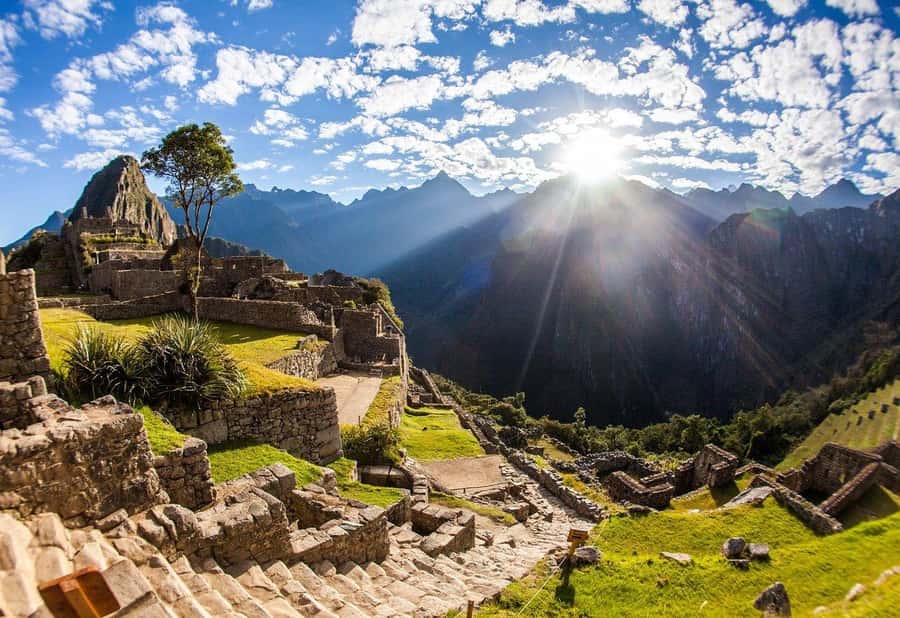
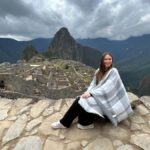
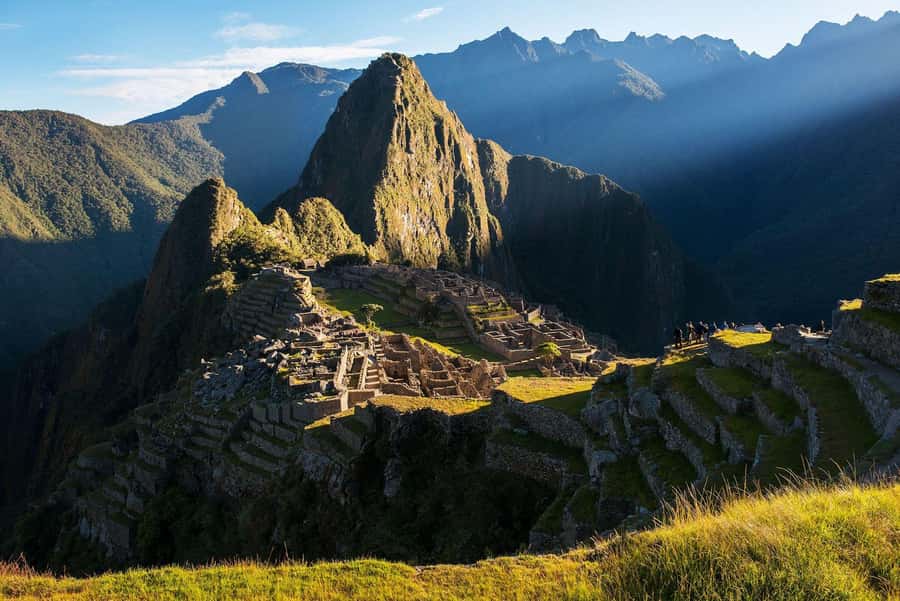
Day 2 starts with a wake-up at 4:30 a.m., followed by an ascent to the Machu Picchu Sanctuary that takes about 1.5 hours. The itinerary is explicit that this timing is so you can witness the sunrise. That alone is a major reason this tour gets attention, because Machu Picchu at dawn is different from Machu Picchu later in the day—lighting, atmosphere, and the feeling of the place.
Be honest with yourself here: a 4:30 a.m. start plus a steep climb is not a sightseeing stroll. It’s work. If you’ve been sleeping badly in Cusco or you’re sensitive to altitude, slow pacing and patience matter.
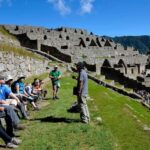
Once you arrive, you’ll enjoy a private tour with a guide for about 2 hours. This is one of the most practical parts of the whole experience. Without guidance, Machu Picchu can feel like a giant pile of stone terraces. With a guide, you start connecting the dots—how the site is arranged, why certain viewpoints matter, and what features are more than just pretty angles.
You can also read our reviews of more tours and experiences in Aguas Calientes
Guided tour inside the Sanctuary: getting meaning, not just photos
That ~2-hour guided visit is where your time pays off. The guide is English/Spanish, which helps if your group includes mixed language comfort. And because it’s described as private tour time, you’re more likely to get questions answered instead of being swept along with a crowd and told to move on.
I love guided time at Machu Picchu because it compresses learning. You don’t have to guess what you’re looking at. You can also ask for specifics right when you see the feature, which is when the information sticks best.
One caution: the itinerary doesn’t mention long free time inside beyond the tour plus a return schedule, so don’t assume you’ll linger forever. Plan to enjoy the guided flow, then use your free time after the tour for slower walking and photos.
Free time until about noon: how to use it well
After the guided portion, you’ll have free time until roughly 12:00 noon. This is your window for exploring at your own pace—photos, viewpoints, and that last slow look at the stonework from angles you missed earlier.
Then it’s back to logistics. The plan recommends using about 12:00 to return toward Hidroeléctrica so you can take the bus back to Cusco. The estimated arrival time in Cusco is around 21:30.
If you’re the type who needs space to think or you want extra photos, this free window is still manageable. Just don’t wait until the last minute to start heading back. The route is built around timing, and being late is how a great day turns into stress.
Price and value: is $170 reasonable for this route?
At $170 per person for 2 days / 1 night, what you’re really paying for is structure. This isn’t just a ticket to Machu Picchu. It’s round-trip Cusco–Hidroeléctrica–Cusco, lodging in Aguas Calientes, meals (1 lunch, 1 dinner, 1 breakfast), and a guide during the Sanctuary visit.
That bundle can make a big difference when you’re trying to coordinate multiple pieces on your own—transport, timing, and entrance access. The itinerary also notes entrance to Machu Picchu is subject to availability. So value here depends partly on whether your specific dates align with availability.
Who tends to find this good value: people who want a bus-based route with an included overnight and guided time, and who don’t want to spend their vacation playing timetable detective. If you already have everything nailed down independently, you might compare costs. But if you want simplicity with real on-the-ground timing, this package is doing a lot.
Who this Machu Picchu by bus tour suits best
This tour fits best if you:
- Want a 2-day version of Machu Picchu that includes sunrise and guidance
- Like early mornings as the price of getting the site at the best time
- Prefer a small group (up to 15) so the experience stays organized
- Want English/Spanish support from a professional guide
It’s less ideal if you:
- Dislike steep climbs and long walking segments
- Struggle with altitude and early starts
- Need a completely relaxed schedule with lots of downtime
Small details that make a big difference
A few practical things can keep your trip smoother, based on what the itinerary demands:
- Plan for steep, early-morning effort on day 2 (wake 4:30, climb ~1.5 hours).
- Remember day 1 includes a ~2-hour walk after lunch. Shoes matter.
- Bring layers. You’re moving between high altitude and lower zones with microclimates.
- Keep an eye on timing after the guided tour. Free time ends around 12:00, and the return schedule is built around that.
Also, this is a 2-day program that ends late. The estimate is about 21:30 in Cusco. If you’re planning your next day in Cusco, give yourself breathing room.
Should you book this tour?
I’d book this Machu Picchu 2 Days / 1 Night (By Bus) tour if you want sunrise, a guided explanation, and a full schedule that handles the hard parts for you. The biggest strengths are the early climb to the Sanctuary, the guided time inside, and the fact that the itinerary organizes transport plus an overnight in Aguas Calientes.
I wouldn’t book it if you strongly dislike strenuous walking, hate very early wake-ups, or you’re mainly seeking a relaxed sightseeing day. Also, since Machu Picchu entrance is subject to availability, keep your expectations flexible if your travel dates are tight.
If you match the first group—curious, ready to walk, and excited about sunrise—this is a smart, value-based way to reach Machu Picchu without turning your trip into logistics math.
FAQ
What are the main start times?
You’ll be picked up from Cusco at 6:30 a.m. on day 1. On day 2, you’ll wake up at 4:30 a.m. for the ascent to Machu Picchu.
How long is the walk on day 1 and the climb on day 2?
On day 1, the walk from Santa Teresa to Aguas Calientes is about 2 hours. On day 2, the climb to Machu Picchu takes about 1.5 hours.
What’s included in the price?
Included are round trip Cusco – Hidroeléctrica – Cusco, 1 lunch, 1 dinner, 1 breakfast, 1 night hotel, Machu Picchu entrance subject to availability, and a professional guide in English/Spanish.
What meals are not included?
The itinerary states that the first breakfast and the last lunch are not included.
What group size is this tour?
It’s listed as a small group limited to 15 participants.
What language options do the guides offer?
The professional guide is available in English and Spanish.