REVIEW · CUSCO
Small Group: 4-Day Inca Trail Trek to Machu Picchu
Book on Viator →Operated by Inkayni Peru Tours · Bookable on Viator
Four days, one ancient staircase to Machu Picchu. This small-group Inca Trail is built for people who want the UNESCO payoff without feeling swallowed by crowds, and it ends with an early run to Inti Punku (Sun Gate).
I love that the plan is hands-off in the right ways: pick-up from your Cusco hotel, bus to Km 82, and the train-and-van return are taken care of. I also love the camp support—a chef, porters, and tents mean you’re hiking, not running a logistics department.
The main tradeoff is effort and timing: this trek is high altitude, early, and weather-proofing matters. You’ll also need to plan for items that aren’t included, like a sleeping bag and water for the first hours.
In This Review
- Why this Inca Trail feels easier to manage with a small group
- Key highlights I’d put at the top of your checklist
- Cusco to Km 82: the scenic intro that sets the tone
- Day 1 to Wayllabamba: Wilka Rakay views, then camp life
- Day 2 to Pacaymayo: the Dead Woman’s Pass day that defines the trek
- Day 3 to Wiñayhuayna: cloud forest, ruins, and passes with real payoff
- Day 4 to Machu Picchu: Inti Punku, classic photos, and optional add-ons
- Guides and chef support: why the team makes or breaks the trek
- What’s included (and what you still need to bring) for camp comfort
- Price and logistics: is $850 good value for what you get?
- Who this trek is best for (and who should skip it)
- Final verdict: should you book this 4-day Inca Trail to Machu Picchu?
- FAQ
- What time does the trek start?
- How many people are in the group?
- Is Machu Picchu admission included?
- What camping gear and comfort items are included?
- What meals and water are included?
- Is the booking refundable?
Why this Inca Trail feels easier to manage with a small group
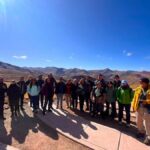
This is the kind of Inca Trail trip where the small details actually help you. The group stays limited (up to 12, and the trip is described as maximum 10 travelers), which usually means your guide can pace the hike with real attention and you spend less time playing “find the right dot on the trail.”
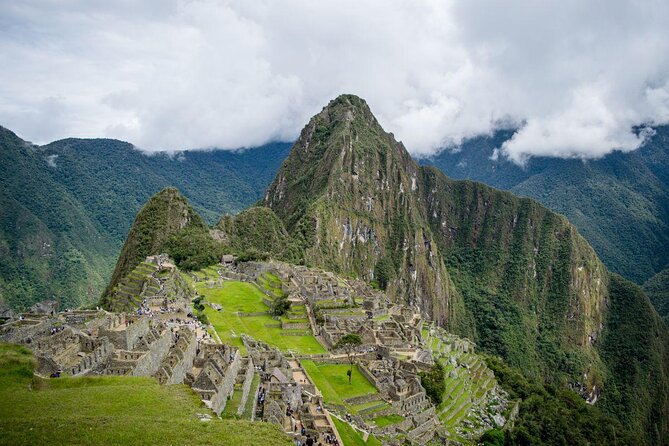
Just as important: Machu Picchu only works as a once-in-a-lifetime moment if you can get there without stress. Your schedule is built around starting the final day early enough to reach Inti Punku for a first look (weather permitting), then dropping down for the classic terrace-photo views.
And yes, it’s still the Inca Trail—so expect real hiking days, not a stroll. But with the camp setup handled by the team and with a personal gear carry allowance (a porter for about 5 kg of your items), the experience leans toward doable challenge rather than survival mode.
Key highlights I’d put at the top of your checklist
- Small-group pacing: up to 10 travelers on the trek (maximum 12), so you’re not stuck in a long human line.
- Real camp support: chef-led meals, dining tent with tables and chairs, and porters for cooking and camping gear.
- Sun Gate timing: a final early morning push to Inti Punku for your first Machu Picchu views (weather permitting).
- Included transport back to Cusco: bus to Km 82 plus train/bus/van logistics after Machu Picchu.
- High-altitude readiness kit: oxygen bottle, first aid kit, and hot water every morning.
You can also read our reviews of more hiking tours in Cusco

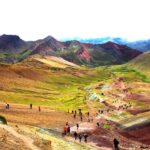
Cusco to Km 82: the scenic intro that sets the tone
You’ll be picked up from your Cusco hotel and head into the Sacred Valley by private bus, passing through towns including Chinchero, Urubamba, and Ollantaytambo. After about 2.5 hours of scenic travel, you’ll reach Km 82, the official start point.
Why I like this setup: it’s not just “transport to a starting line.” It gives you context for what you’re hiking toward—Andean towns, valley life, and the sense that this route was always meant to connect important places. Also, it helps you avoid the common mistake of showing up exhausted and underprepared on Day 1.
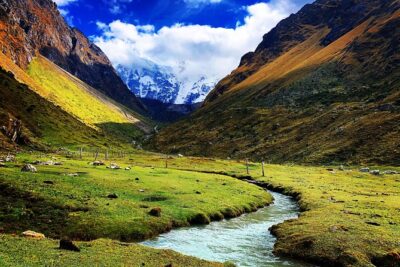
You’ll start hiking after an ascent toward Wilka Rakay, with views over the Patallacta Inca site and the Kusichaca Valley. This first day has a goal beyond fitness: you ease into altitude while taking in ruins and high-country vegetation before you hit the camp rhythm.
Day 1 to Wayllabamba: Wilka Rakay views, then camp life
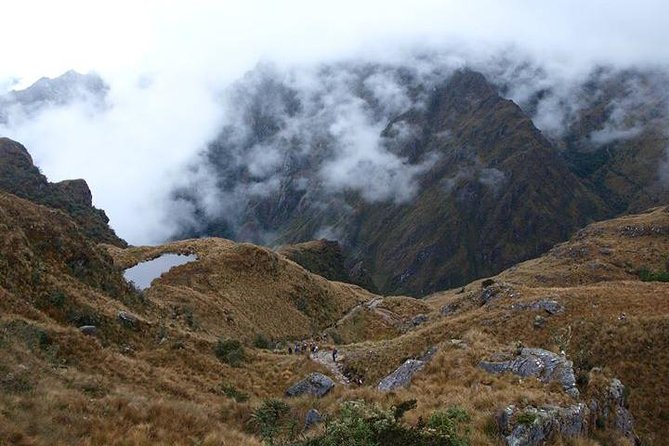
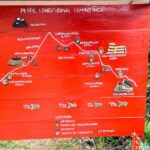
Day 1 runs about 5 hours of hiking time and ends at Wayllabamba (about 3,000 masl / 9,842 ft.). You’ll begin with that climb into Wilka Rakay—often where you first feel how quickly the weather can shift and how wide the sky looks at altitude.
Late afternoon brings you to camp, where the team handles setup. This is where the trip’s camp design shows its value: you’re moving from trail to a real meal and a real place to rest. The accommodations are described as spacious tents (4-person tents used by two people), plus an inflatable sleeping mattress. Hot water is provided each morning, and there’s even an inflatable pillow (you’ll need to carry it).
Practical reality check: even on a “Day 1,” you can feel the altitude. If you start too fast, you’ll pay for it later. This route includes a guide and a team that can manage pace, and the small group size helps.
Day 2 to Pacaymayo: the Dead Woman’s Pass day that defines the trek
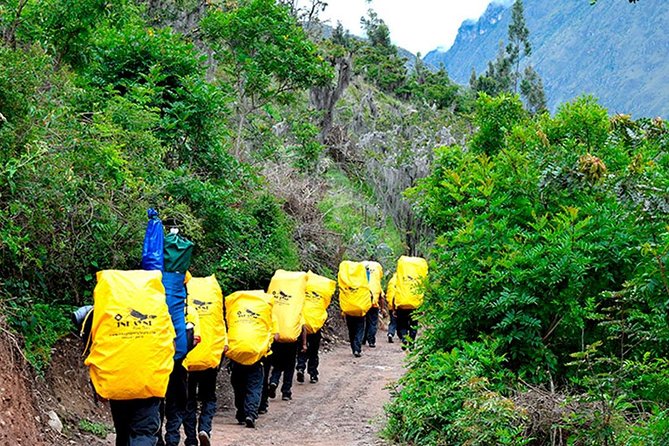
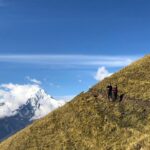
Day 2 is the one most people remember. It’s about 7 hours of hiking, and it includes the highest point of the classic Inca Trail section: Abra de Warmihuañusca, also known as Dead Woman’s Pass (about 4,215 masl / 13,828 ft.).
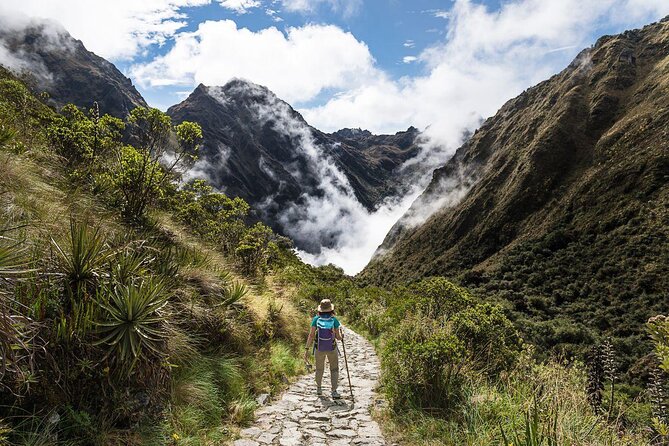
You’ll warm up with an ascent to Tres Piedras (The Three Stones), then enter a cloud forest zone with lush vegetation and cooler air. The trail then pushes upward toward the pass. This section matters because it’s where your body learns the rhythm of the altitude: steady steps, frequent breathing resets, and no heroic sprints.
Once you cross the vast high-altitude grasslands, you’re rewarded with wide panoramic views. Then comes the steep descent to Pacaymayo (about 3,600 masl / 11,811 ft.) for the night.
Two things to know about Day 2:
- Weather can change fast at this altitude. Rain, hail, cold, and sun are all realistic.
- The descent is often mentally tough even when your legs are tired—your knees will notice. Trek poles (if you use them) can help.
Day 3 to Wiñayhuayna: cloud forest, ruins, and passes with real payoff
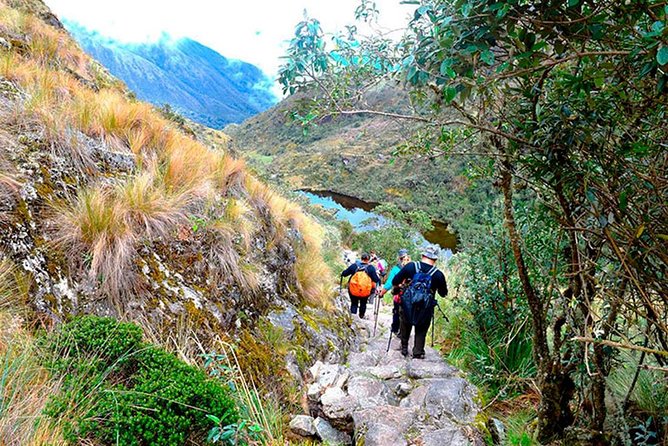
Day 3 runs about 8 hours and layers in both history and altitude variation. You start with a 45-minute ascent to Runkurakay, an ancient Inca resting place. Then you climb again toward the Runkurakay Pass (about 4,000 masl / 13,123 ft.), described as the second highest point of the route.
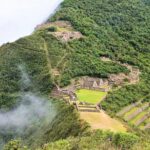
From the pass, the trail drops to Sayacmarca ruins, built into a steep mountainside. This is one of those stops where the stones look “engineered” rather than decorative—you’re seeing how the Incas used terrain, not just built on it.
Next comes Chaquicocha for lunch, then the trail slips into another cloud forest stretch. You’ll follow a narrow ridge toward the Phuyupatamarca Pass with views of the Sacred Valley and peaks, plus ceremonial sites and agricultural terraces along the way.
You end Day 3 at Wiñayhuayna, your final campsite before the “reveal” day. Expect a different kind of tired here: not just physical, but emotional. By this point, the trek’s destination stops feeling abstract.
You can also read our reviews of more tours and experiences in Cusco
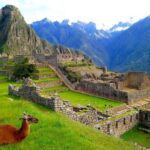

Day 4 to Machu Picchu: Inti Punku, classic photos, and optional add-ons
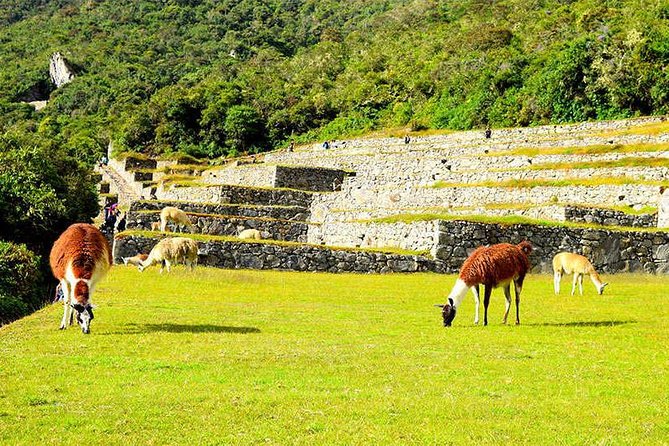
Day 4 is about 9 hours total and is structured for the moment you’ve been waiting for: the final Inca Trail segment to Inti Punku (Sun Gate). The trail is described as relatively easier compared to the previous days, but you still start early so you’re in position for the first views.
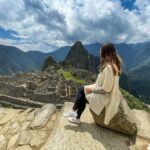
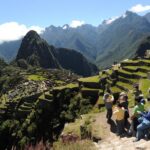
Around one hour after the hike begins, you arrive at Inti Punku. Weather permitting, this is where you may catch sunrise over the Andes and see Machu Picchu for the first time from this iconic angle. After that, you descend for about 45 minutes to the upper terraces—often the best “classic photo” zone.
Inside Machu Picchu: your guide leads a detailed tour of temples, ceremonial areas, terraces, and storage structures, with one key note. There’s an optional add-on that involves a new ticket/re-entry (extra cost) to access additional areas or to be in the citadel after your initial arrival pattern. If you care about seeing more than the initial viewpoint loop, ask your guide what ticket you’ll need for your exact route inside.
Optional hikes: if you pre-book in advance, you may hike Huayna Picchu (about 2,720 masl / 8,924 ft.) or Machu Picchu Mountain (about 3,082 masl / 10,111 ft.). These have extra entrance costs and ticket limits, so they’re best planned early.
After Machu Picchu, you return to Aguas Calientes for a break and lunch, then board your train back to Ollantaytambo. A private van takes you back to Cusco.
Guides and chef support: why the team makes or breaks the trek
This is one of those trips where the guide quality shows up in how the day feels, not just what you hear during the stops. Past trips with this operator include guides such as Papa Freddy, Freddy, Edwin, Herlin, Ronald Ccana Sotalero, and Paul, plus a guide credited as Yo-yo. The common thread in their style is active storytelling and practical pacing—knowing when to push and when to hold back so you don’t blow out before the important viewpoints.
The chef team matters too. You’ll see names like Sabino, Nazario, Mario, and Herminios in reviews, and the consistent theme is strong camp cooking—3-course style meals made on a camping setup. This isn’t just comfort. Good food is fuel for altitude hiking, and it keeps morale from collapsing when the weather turns.
One more team detail: porters and chasquis (team members who carry equipment and support the camp) are described as strong and helpful. That matters because you’re not just watching from the sidelines—you’ll often see them handling the heavy work that keeps your camp running.
What’s included (and what you still need to bring) for camp comfort
The package is built around included essentials so you can travel lighter than you would on a DIY trek.
Included:
- Accommodation: spacious tents (4-man tent used by two people), inflatable sleeping mattress
- Meals: breakfast, lunch, and dinner counts are provided across the 4 days, with Day 1 breakfast and Day 4 lunch/dinner listed as not included
- Tents and dining: dining tent with tables and chairs
- Hygiene comfort: hot water every morning
- Safety and comfort extras: first aid kit, oxygen bottle
- Water: water is provided excluding the first 4 hours of the trek (you’ll need to bring your own at the start)
Not included:
- Sleeping bag (rental is available locally)
- Entrance to Huayna Picchu Mountain (optional hikes depend on ticketing)
- Travel insurance (you’re strongly recommended to have it)
What you should bring (the basics that will keep you sane):
- Walking boots plus rain protection (waterproof jacket/rain poncho)
- Warm layer, hat, and gloves for cold mornings
- Sunscreen (factor 35+), insect repellent
- Torch with spare batteries
- Passport (required on the day of travel)
- If you qualify as a student: ISIC card for discount eligibility
- And don’t forget: the inflatable pillow is yours to carry
Price and logistics: is $850 good value for what you get?
At $850 per person, you’re not just paying for a hiking permit. You’re paying for a full system: the guide, chef, porters for cooking/camping gear, a personal porter for about 5 kg, and the included transportation chain (bus to Km 82, then train/bus and van back to Cusco).
This matters because most “hidden costs” on treks are really hidden work:
- Getting to the trailhead reliably
- Carrying your own camp items
- Planning meal timing and altitude-friendly food
- Handling train and ground connections after Machu Picchu
On this itinerary, those moving parts are handled. The tradeoff is that you still need to budget for add-ons like the optional Huayna Picchu/Machu Picchu Mountain hikes and any extra ticketing required for re-entry patterns inside Machu Picchu. Also, the sleeping bag rental can add a bit.
If you want the Inca Trail to feel like a guided experience with real camp support, this price tends to make sense. If you’re the type who already owns the gear, loves DIY planning, and knows how to manage permits and trains on your own, you might find cheaper options. But you’ll also take on more stress.
Who this trek is best for (and who should skip it)
This is for you if you want:
- A moderate physical fitness level with a real challenge
- A guided learning experience with historical stops and cultural context
- A small-group vibe that keeps the day from turning into a cattle-call line
- Camp comfort that still feels rustic, but not punishing
It’s not recommended if you have back problems, heart disease, or other serious medical conditions, and you should take altitude seriously even if you’re fit. The itinerary reaches high passes like Dead Woman’s Pass, and weather can range from blistering sun to cold rain.
Minimum age is 6 years, but the effort level is still real. This trek is better suited to adults and older teens who can handle multi-hour hiking days.
Final verdict: should you book this 4-day Inca Trail to Machu Picchu?
I’d book this if your goal is a well-run small-group trek that gets you to Machu Picchu with less friction. The included support—chef meals, tents, porters, oxygen bottle, and the train-and-van return—means you spend your energy on hiking and enjoying the route.
I wouldn’t book it if you’re looking for a relaxed “no worries” vacation. This is early starts, high altitude, and days that can be wet and cold. Add-on ticket options inside Machu Picchu can also affect your total cost, so plan ahead.
If you do book: prepare your body for the passes, pack rain gear like your life depends on it, and book optional hikes early if you want them. Permits are limited and the trail has regulated capacity (500 people per morning including guides, porters, cooks, and hikers), so waiting too long is risky.
FAQ
What time does the trek start?
The start time listed is 5:00 am.
How many people are in the group?
The tour is described as a maximum of 12 people, and the activity details also mention a maximum of 10 travelers.
Is Machu Picchu admission included?
Admission is included, but entrance for Huayna Picchu/Mountain is not included. There’s also an optional re-entry add-on for a detailed tour inside the citadel that may require a new ticket.
What camping gear and comfort items are included?
You get a 4-man tent used by two people, an inflatable sleeping mattress, an inflatable pillow (you need to carry it), and hot water every morning. A sleeping bag is not included (you can rent one locally).
What meals and water are included?
Breakfast, lunch, and dinner are included across the trek days, but Day 1 breakfast and Day 4 lunch and dinner are listed as not included. Water is included except for the first 4 hours of the trek.
Is the booking refundable?
No. The experience is non-refundable and cannot be changed for any reason.