REVIEW · CUSCO
From Cusco: Balcony of the Devil Rock Climbing
Book on GetYourGuide →Operated by Tangol · Bookable on GetYourGuide
The Devil’s Balcony climb is pure altitude adrenaline. I love the Andes panoramas from the top, and I love that you tackle three levels with professional instruction. The tradeoff: it’s a short half-day, so if you’re craving lots of continuous climbing, you may feel it’s more up-and-down than all-day on the wall.
You start in central Cusco at Plaza Regocijo, close to Plaza de Armas, then head out and hike a short stretch to the Devil’s Balcony area near Sacsayhuaman. From there, the session moves fast: a gear briefing, then climbing, then back down and on the road again.
One big thing to plan for is altitude. The Devil’s Balcony area sits at about 3,750 meters, so bring your slower pace mindset and expect that breath to feel different on limestone.
In This Review
- Key things to know before you go
- Devil’s Balcony near Sacsayhuaman: what makes this climb special
- Getting there from Plaza Regocijo: the 4-hour Cusco rhythm
- Gear briefing and safety on limestone: where confidence comes from
- Three climbing levels: what the wall time really feels like
- Top-out views at 3,750 meters: the altitude challenge you can feel
- Price and value: is $59 worth it for this adventure?
- Who should go—and who should skip this climb
- Quick pack list: small items that matter at Cusco sun and altitude
- Should you book Balcony of the Devil Rock Climbing?
- FAQ
- Where does the tour start in Cusco?
- How long is the Devil’s Balcony climbing experience?
- What’s included in the price?
- What should I bring?
- How many climbing levels or routes are there?
- At what altitude is Devil’s Balcony?
- Is there a weight limit?
- Can I cancel or book now and pay later?
Key things to know before you go
- High-reward views after a real climb at Devil’s Balcony
- Three distinct levels so you can progress without feeling totally outmatched
- Professional guiding and equipment included, including safety setup
- Altitude at 3,750 m makes pacing part of the challenge
- Short walking + drive logistics keeps the day from feeling scattered
- Not for everyone if you have vertigo, heart issues, or are pregnant
Devil’s Balcony near Sacsayhuaman: what makes this climb special
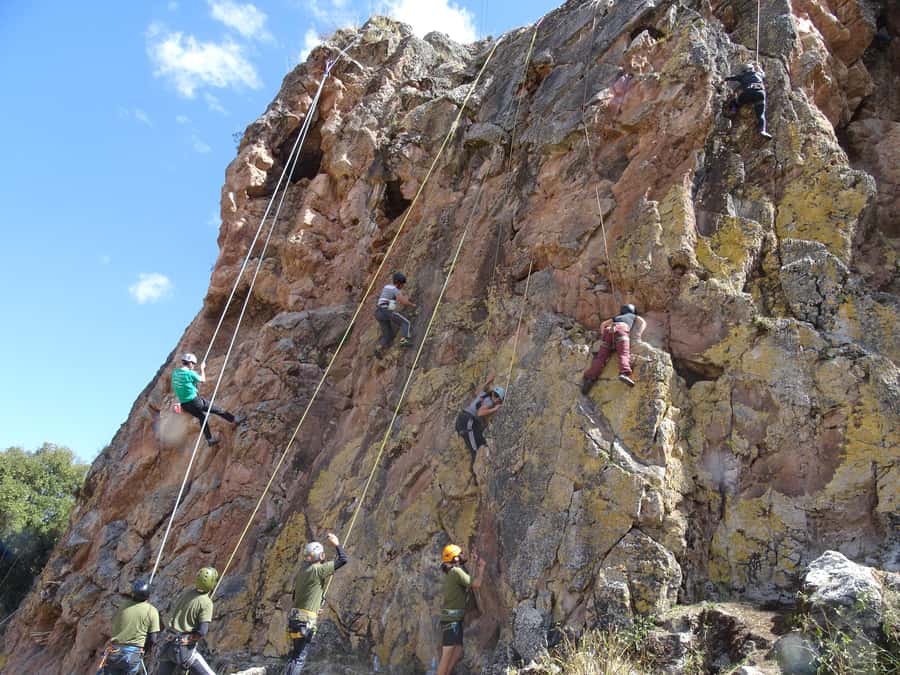
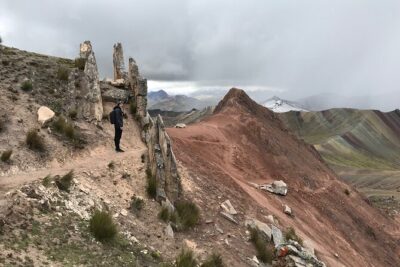
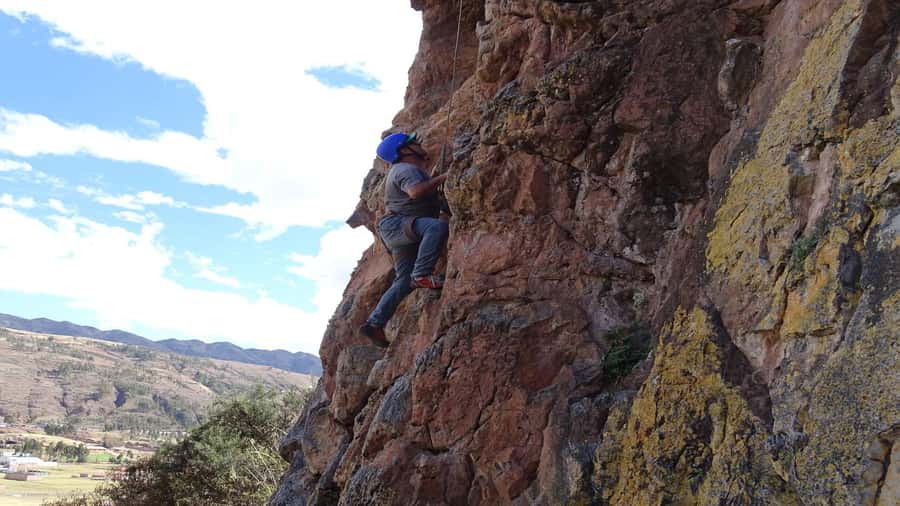
Devil’s Balcony isn’t just another rock stop outside Cusco. It’s a natural rock formation near the archaeological area of Sacsayhuaman, with the Saphy River in the background and big Andes views waiting at the top.
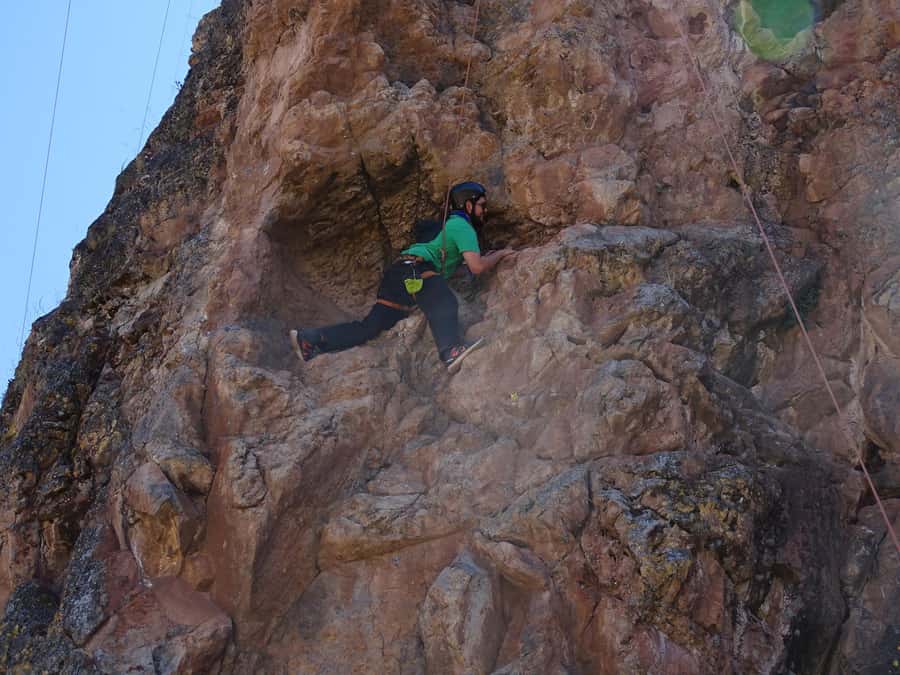
The rock itself is limestone, which matters because it changes how holds feel. Limestone often gives you a mix of small edges and slick patches, so good footwork and calm hand placement help a lot. That’s why a briefing before you climb is such a big deal here.
What I like about this setup is that it’s not trying to be a technical expedition. You’re climbing enough to feel the thrill, but you’re also getting guided help through multiple levels so the challenge stays readable—even if you’re more of a casual climber than a gym crusher.
You can also read our reviews of more tours and experiences in Cusco.
Getting there from Plaza Regocijo: the 4-hour Cusco rhythm
This tour is built like a focused half-day. You meet at Plaza Regocijo, just a few steps from Plaza de Armas. Then you transfer to the climbing area—about a 30-minute ride—followed by a 10-minute walk to reach the rock formation.
The day moves on purpose. After you arrive, you’re not thrown into climbing immediately. You get a brief 20-minute instruction session to handle the climbing equipment properly and understand how your team will manage safety while you go up.
Finally, after the climb, you return to Cusco and get dropped back at Plaza Regocijo. That matters because you don’t end up spending the second half of your day figuring out transport or waiting around.
In plain terms: if you want a structured adventure that fits into a Cusco itinerary without swallowing your whole day, this timing works.
Gear briefing and safety on limestone: where confidence comes from
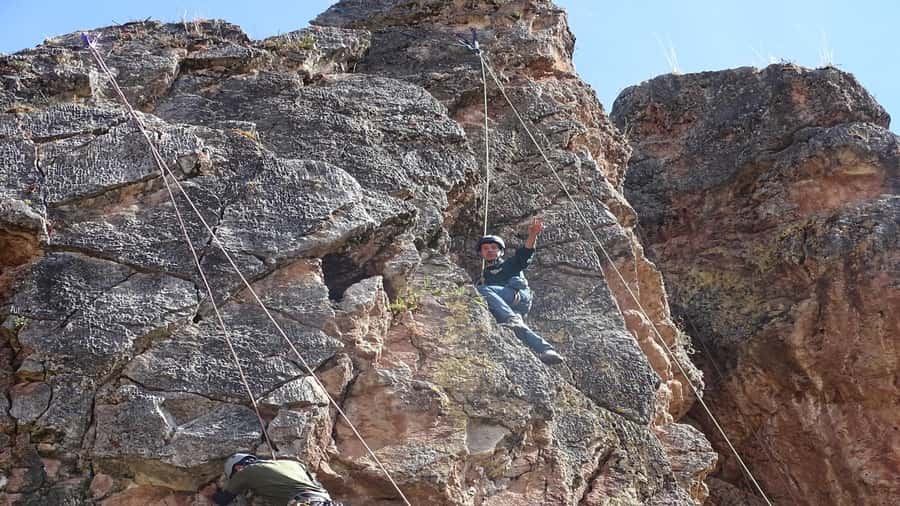
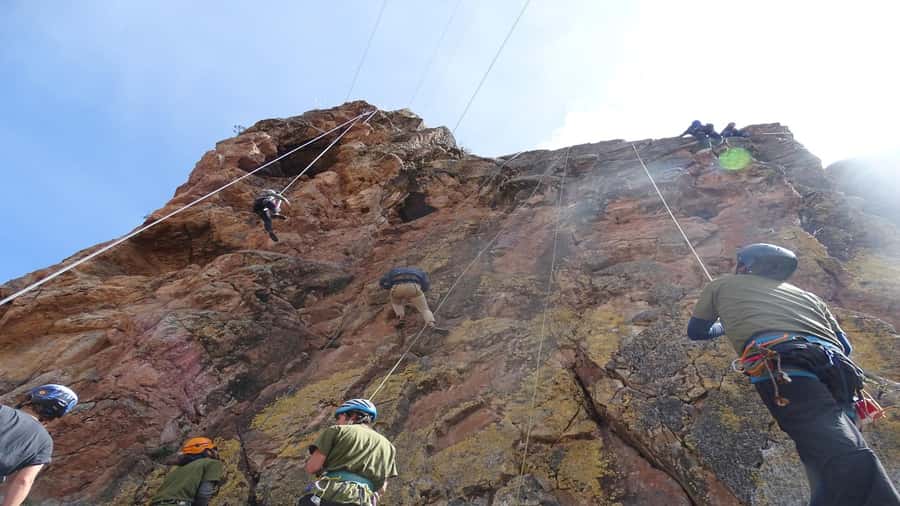
Rock climbing feels safer when you’re clear on two things: your equipment, and your role in the rope system. That’s exactly what this experience starts with—a 20-minute briefing focused on handling the gear.
You’ll also have an instructor and guide support in Spanish and English, which is useful if you want to ask quick questions before you move. And good communication isn’t a small detail at this altitude—your brain already has enough to do.
One name that shows up as a strong example of how the team operates is Brayan. A past participant highlighted how Brayan belayed with steady focus, and how that made them feel secure on the rock. That’s the kind of “small” safety detail that can make the whole experience feel calm instead of chaotic.
If you’re someone who gets nervous with heights, still treat safety as a mindset: pay attention during the briefing, follow instructions immediately, and keep your body relaxed so your feet can find the right spots on limestone.
Three climbing levels: what the wall time really feels like
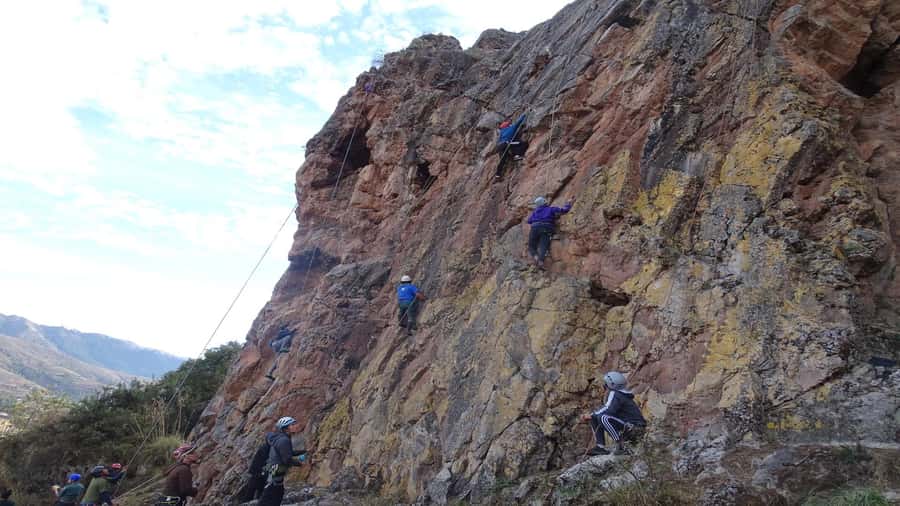
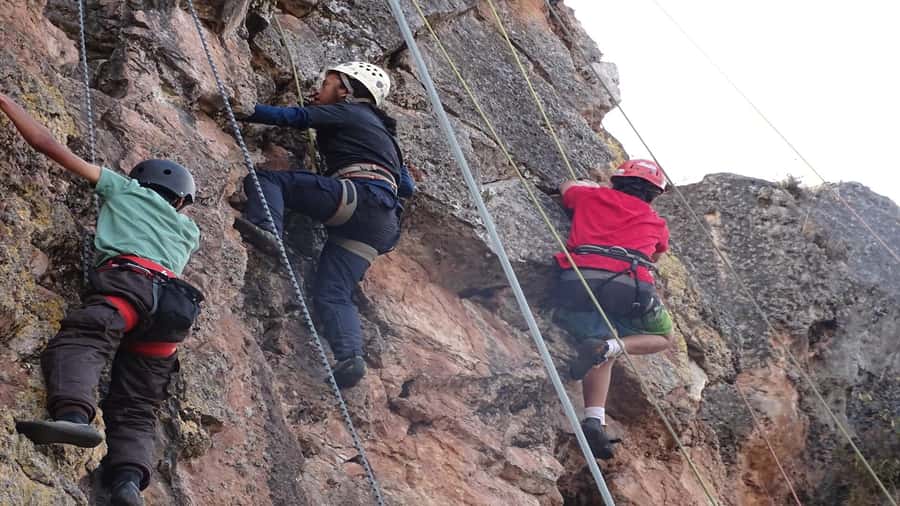
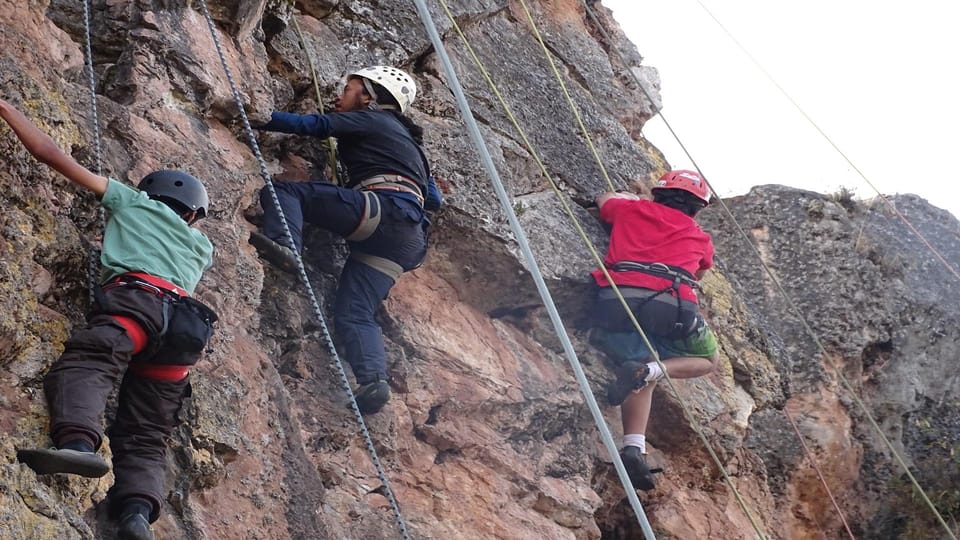
The climbing portion is designed around three different levels. Instead of one long route that tests everything at once, you get multiple chances to climb and progress with the support of instructors.
A big advantage for casual climbers is that the routes are described as doable for people who don’t climb every week. If you can follow instructions and you’re comfortable using your legs for balance, you’ll likely find the challenge fun rather than punishing.
Still, here’s the consideration I think is worth respecting. Some comments describe the experience as three times going up and down a wall. That’s not bad—it’s often how guided climbing keeps it safe and manageable—but it does mean you may not get the long, lingering feeling of an all-day session.
If you’re going with friends, expect a social vibe. It’s easier to enjoy the effort when you have people to talk to during rest moments, especially while the team coordinates your turn.
Top-out views at 3,750 meters: the altitude challenge you can feel
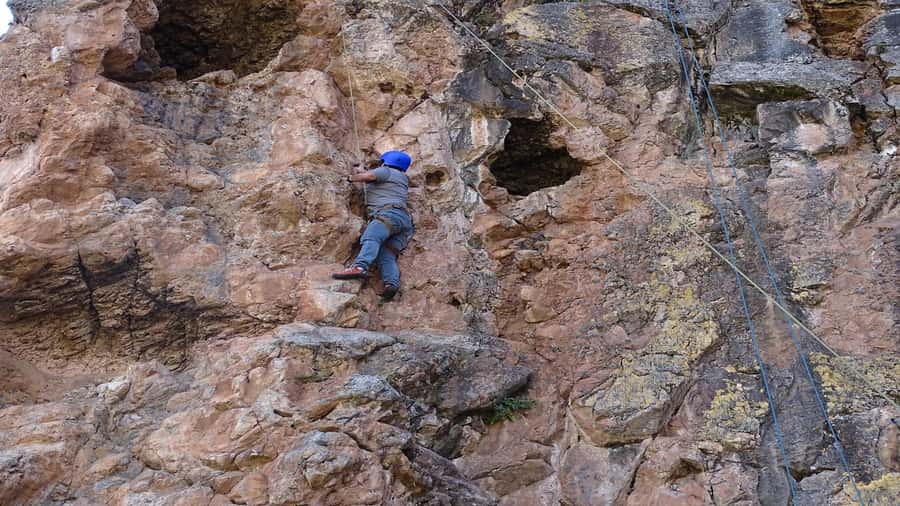
Devil’s Balcony sits around 3,750 meters above sea level. Even if you’re relatively fit, you’ll likely notice the altitude in your breathing and pacing once you start moving around.
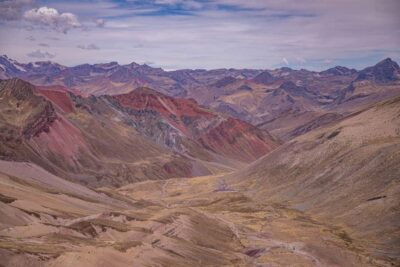
The climb ends with a top-out, and that’s where the experience turns from workout to wow. From the summit area, you get sweeping panoramas over the Andes.
This is also where the Saphy River backdrop becomes more than scenery. Being higher changes what you can see, and the viewpoint makes the effort feel justified. I love that the best part of the day isn’t hidden behind hours of logistics—it comes as a direct reward for doing the climb.
Practical tip: treat the altitude like a climbing technique. Move slower than you think you need to, keep your exhale steady, and don’t try to “rush your way through” the rope work.
Price and value: is $59 worth it for this adventure?
At $59 per person, this isn’t a budget souvenir tour. But it also isn’t trying to price like a full-day specialist operation.
Here’s what you’re paying for, in clear terms:
- Roundtrip transportation to the city center of Cusco
- A guide in Spanish and English
- Climbing equipment included
- A structured session with briefing and guided climbing
For many people, the included equipment and guiding are where the value lives. Without those pieces, you’d have to coordinate gear and safety support yourself, and that’s rarely cheap or easy at a good standard.
What’s not included is food and drinks. So I recommend planning a snack or simple meal around your departure time. You don’t want to be thinking about hunger while you’re figuring out footholds.
Also, consider your expectations. If you want tons of vertical time, you may feel the routes are too short. If you want a safe, guided taste of climbing with summit views, it tends to feel like a fair deal.
Who should go—and who should skip this climb
This tour is not for everyone, and it’s smart that the rules are clear. It’s not suitable for children under 13, pregnant women, people with heart problems, people with vertigo, and people over 65.
That list tells you the real nature of the experience: it includes height exposure, physical exertion, and altitude factors. If vertigo or heart concerns are part of your health picture, don’t gamble with it—choose something more comfortable.
Who’s a strong fit? You’re likely to enjoy this if:
- You’re healthy enough to climb and walk on uneven terrain
- You can follow instructions and stay calm in a rope setup
- You want an activity that ends with big mountain views
- You like guided adventures over DIY risk
If you’ve got basic fitness and can manage altitude pacing, this climb can feel like a confidence builder rather than an intimidating test.
Quick pack list: small items that matter at Cusco sun and altitude
The tour gives you climbing equipment, so your job is mostly comfort and protection. I’d pack around the sun and the dry, high-altitude conditions.
Bring:
- Sunglasses
- Sun hat
- Sunscreen
- Insect repellent
- Sportswear
If you tend to get cold at altitude, you might also think about layers, even though the tour data doesn’t list specific clothing items beyond sportswear. Better to have options than to sweat through your climb and then freeze on the way back.
Also, keep the max body weight in mind: the maximum allowed per person is 95 kilos. That matters for safety and equipment use, so plan around it.
Finally, arrive ready to move. You’ll do a bit of walking (around 10 minutes) before climbing, plus travel time before and after. Comfortable shoes and movement-friendly clothes help you save energy for the wall.
Should you book Balcony of the Devil Rock Climbing?
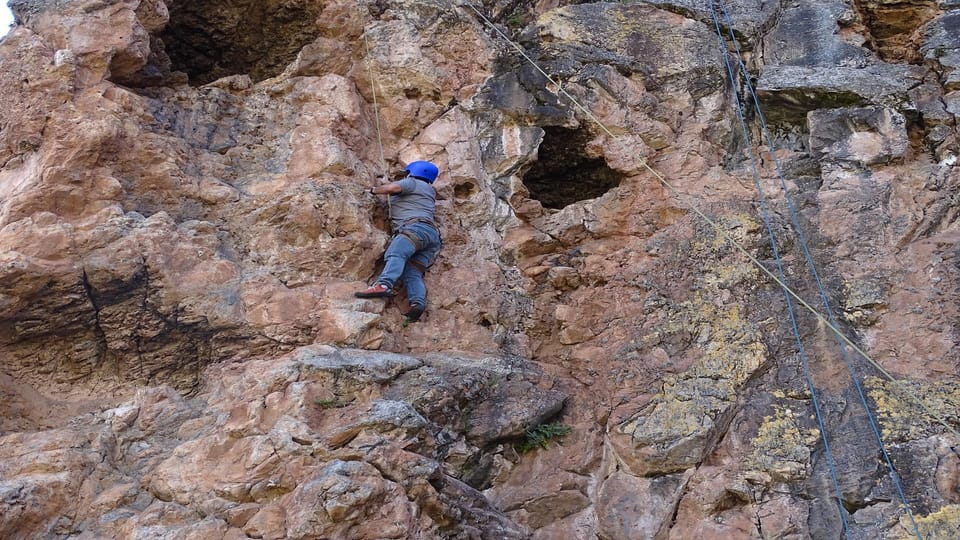
Book it if you want a guided climbing experience near Cusco with clear progression (three levels), solid safety structure, and a payoff at the top. This is a smart choice for first-time or casual climbers who want to feel the thrill without handling everything alone.
Skip it if you’re in the not-suitable categories—especially vertigo or heart issues—because this is built around altitude movement and height exposure. And if you know you’re the type who wants hours and hours on the rock, adjust your expectations; this is a short, structured session, not an all-day climbing day.
If you’re going with friends, that can make the downtime between routes much more enjoyable. And if you like clear instruction, equipment provided, and a top-out view that feels earned, this one fits the bill.
FAQ
Where does the tour start in Cusco?
The tour starts at Plaza Regocijo, which is a few steps from Plaza de Armas.
How long is the Devil’s Balcony climbing experience?
The duration is 4 hours from start to finish.
What’s included in the price?
The price includes roundtrip transportation to the city center, a guide in Spanish and English, and climbing equipment.
What should I bring?
Bring sunglasses, a sun hat, sunscreen, insect repellent, and sportswear.
How many climbing levels or routes are there?
You climb three different levels toward the summit area.
At what altitude is Devil’s Balcony?
Devil’s Balcony is located at about 3,750 meters above sea level.
Is there a weight limit?
Yes. The maximum weight allowed per person is 95 kilos.
Can I cancel or book now and pay later?
Yes. You can cancel up to 24 hours in advance for a full refund, and you can reserve now & pay later.