REVIEW · CUSCO
Cusco: Pisac, Sacsayhuaman, Q’enqo, and Tambomachay Tour
Book on GetYourGuide →Operated by XPLORA AMERICA · Bookable on GetYourGuide
One short day, big Sacred Valley payoff. You’ll connect Pisac and Cusco’s major ruins in a tight route with an English-speaking guide.
What I like most is the mix of real local life (Pisac town and its market) plus the big-stone drama of Sacsayhuamán and the ritual sites around Cusco. The second standout is how the stops link together visually, from terraced valley views at Taray to the water-worship focus at Tambomachay. A possible drawback: site entrance fees are not included, so budget for them up front.
In This Review
- Key highlights worth your attention
- Pisac to Sacsayhuamán in 6 hours: a route that makes sense
- Pisac town streets and the market: where the day feels real
- Pisac-to-Cusco drive: Taray Viewpoint and the terrace lesson
- Sacsayhuamán: huge stone, ceremonial vibe
- Q’enqo: a ritual site with a specific purpose
- Tambomachay: the God of Water worship temple
- Puka-Pukará: the panoramic stop that feels like an in-between place
- Price and tickets: what your $77 covers (and what it doesn’t)
- Guide quality can make or break the day
- How to get the most out of your walking time
- Who this tour fits best
- Should you book the Cusco: Pisac and ruins tour?
- FAQ
- FAQ
- What’s the duration of the tour?
- What’s the starting point for the tour?
- Is hotel pickup and drop-off included?
- What sites are visited during the tour?
- Are archaeological site tickets included in the price?
- How much are admission tickets for foreigners?
- How much are admission tickets for Peruvians?
- What languages are available for the guide?
- What should I bring?
- Is the tour suitable for wheelchair users or people with back problems?
Key highlights worth your attention
- Pisac market + town walk so you see how people actually shop and work
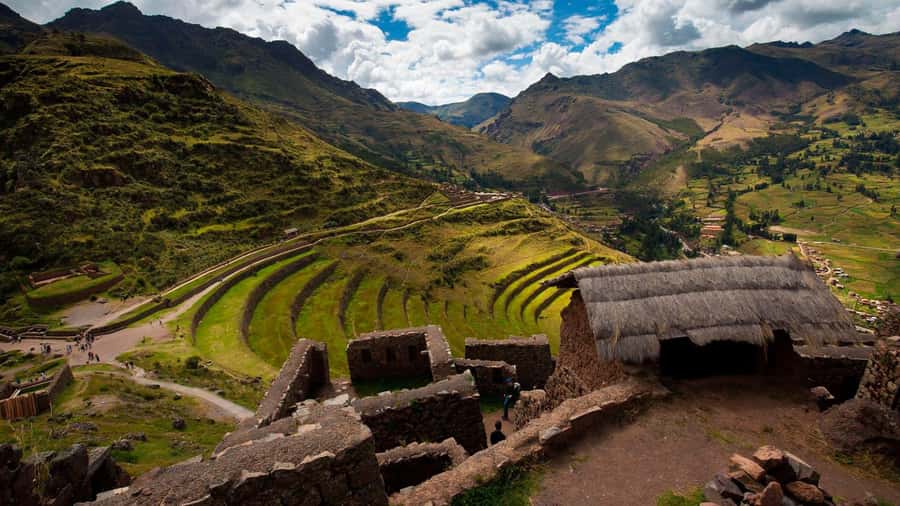
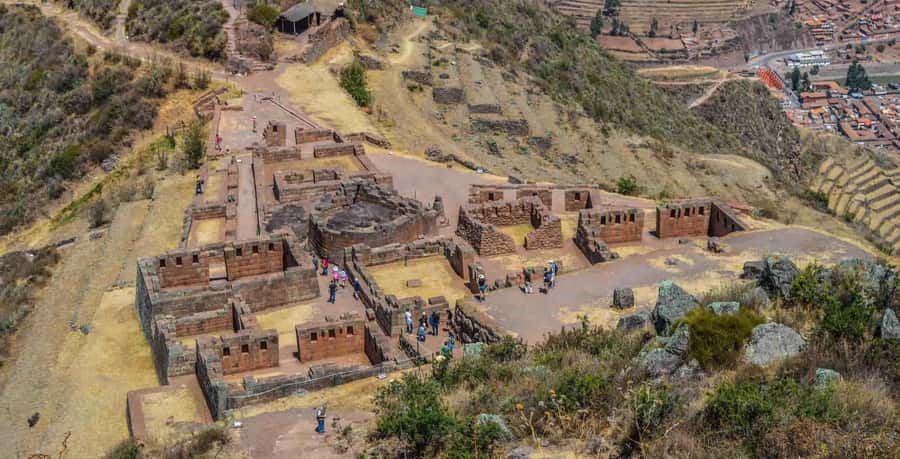
- Pisac archaeological park with a guided walkthrough of the site
- Taray viewpoint for quick Sacred Valley photo moments and terrace spotting
- Sacsayhuamán to understand the scale of Inca ceremonial stonework
- Q’enqo and Tambomachay focused on ritual places (sacrifice and the God of Water)
- Puka-Pukará panorama for an Inca road stop with a guard-post feel
Pisac to Sacsayhuamán in 6 hours: a route that makes sense
This is a classic Cusco-region combo day: you start in the Sacred Valley with Pisac, then you head back toward Cusco to hit the main ruin sites. The timing is practical. Six hours is long enough to cover several meaningful stops, but short enough that you’re not stuck on the road all day.
If you’re based in the historic center, pickup is the big convenience. Your guide and driver handle the transport by car or minibus, and you’re brought back to Cusco afterward. That means you can spend your energy looking and learning, not figuring out routes.
One thing to plan for: the tour is built around walking. Comfortable shoes matter, and the stops are spread out, so you’ll want to keep your pace steady and your breaks simple.
You can also read our reviews of more tours and experiences in Cusco.

Pisac town streets and the market: where the day feels real
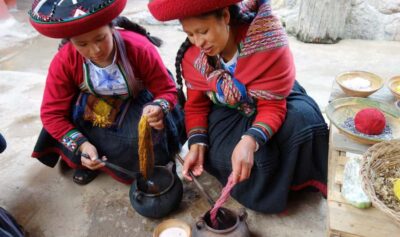
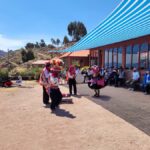
The tour starts with the part that many ruin-only tours skip: Písac’s streets and its famous market. This is where you’ll see artisan stalls, local shopping, and everyday Cusco/Sacred Valley rhythms. Even if you don’t plan to buy anything, you’ll get context for what “market” means here beyond photos.
Your guide brings structure. You’re not just wandering; you get a guided feel for what you’re looking at, and you can move through the market at a human pace. This is also the time to think about timing. If you want photos, do them early before the group compresses into slower moving sections.
Before leaving Pisac, you also visit the Písac archaeological park with a guided tour. This part matters because it turns the visit from “pretty ruins” into “why this place mattered.” You’re guided through the site as an important Sacred Valley location, so the ruins connect back to the life you saw in town.
Pisac-to-Cusco drive: Taray Viewpoint and the terrace lesson
On the way back, there’s a stop at Taray Viewpoint. This is one of those moments that helps everything click. From up there, you can actually see the logic of the area’s farming and engineering.
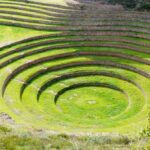
The tour specifically highlights the number of terraces in the Sacred Valley. Standing at a viewpoint like this makes the terraces feel more than a scenic detail. You start to notice how the land is worked, shaped, and organized—an idea that connects neatly with what you learn later at the Inca-era sites.
Practical note: viewpoints are fast photo stops. Bring your camera ready, and keep your hat and sunscreen close. Cusco-region sun can be strong, even when the weather changes quickly.
Sacsayhuamán: huge stone, ceremonial vibe
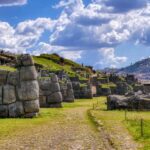
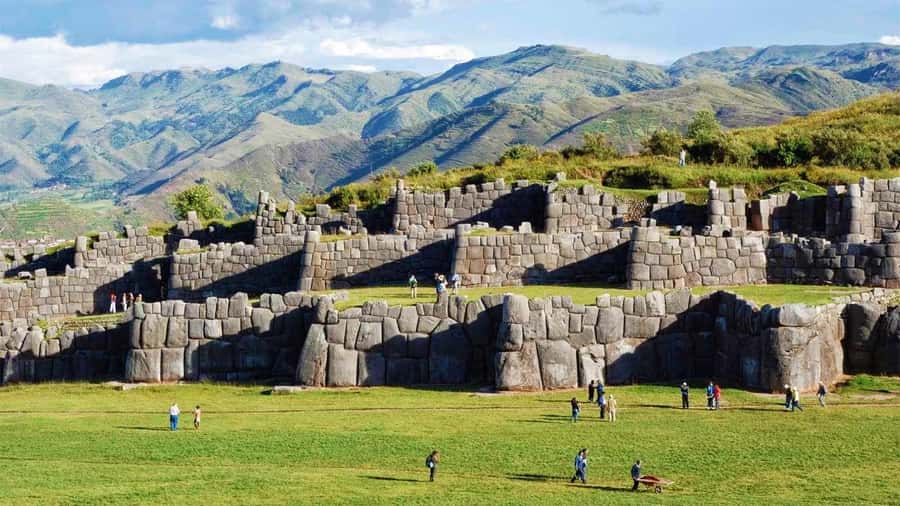
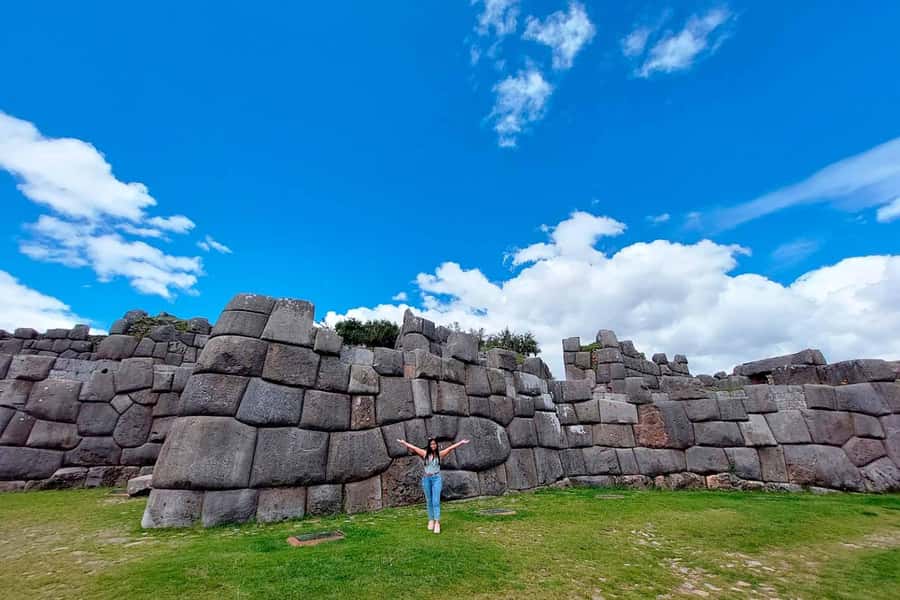
Back near Cusco, you visit Sacsayhuamán, described as a ceremonial fort made of massive stone monuments. Even if you’ve seen pictures, the scale is what grabs you. The stonework reads differently in person—less like an image, more like architecture built to last.
This is also where your guide’s historical framing becomes useful. The tour includes learning about Inca history and the Spanish conquest, and Sacsayhuamán is one of the places where you can understand why the area sits at the center of big cultural change. You’ll hear explanations that tie the stone structures to how people organized ceremony and power in the Inca period, then how the Spanish era shifted what happened next.
A small reality check: this is a ruin site, not a museum you can fully “read” standing still. You’ll walk and move so your perspective changes. If you don’t like uneven ground or long steps, take it slow and plan for comfort.
Q’enqo: a ritual site with a specific purpose
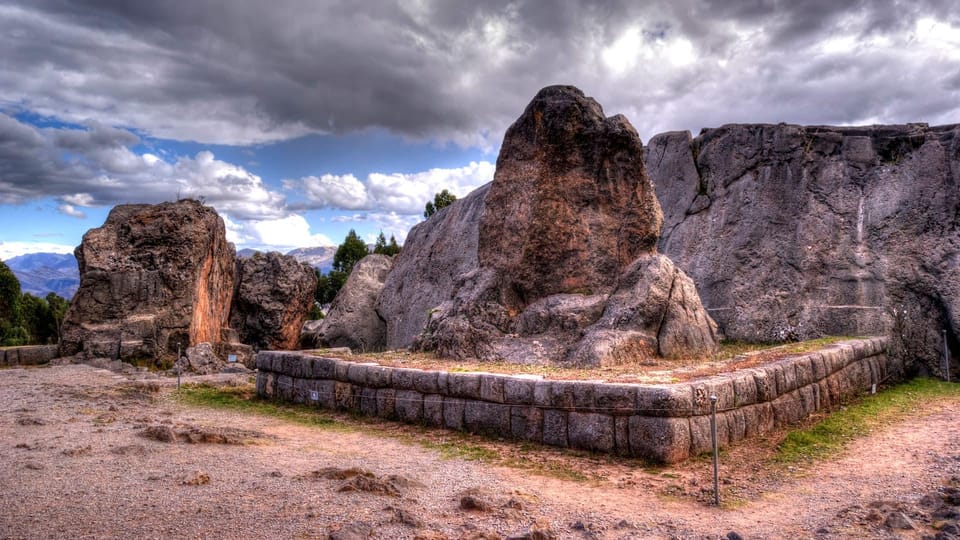
Next you go to Q’enqo, a ritual site where sacrifices once took place. That detail changes how you view the stones. Instead of treating the place as only ruins or carvings, you start looking for how the site would have worked in a ritual setting.
Your guide’s job here is to make the layout understandable. The tour is built around interpretation, not just location names. So you should come away with a clearer idea of what “ritual site” likely meant in practice—how people used the space, and why it was set up the way it was.
If you like sites with a strong theme, Q’enqo is a highlight. It’s the stop that feels most focused, because the purpose is clearly stated on the tour route itself.
Tambomachay: the God of Water worship temple
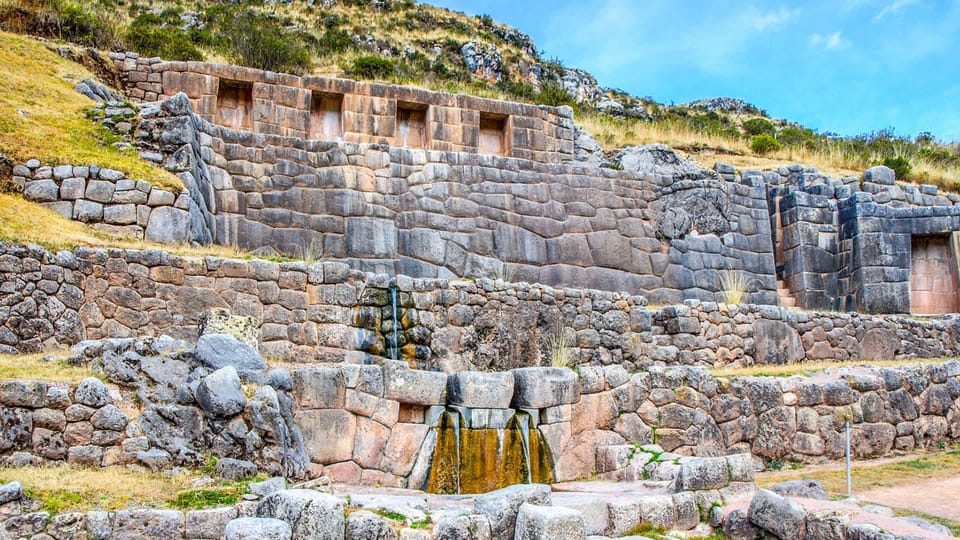
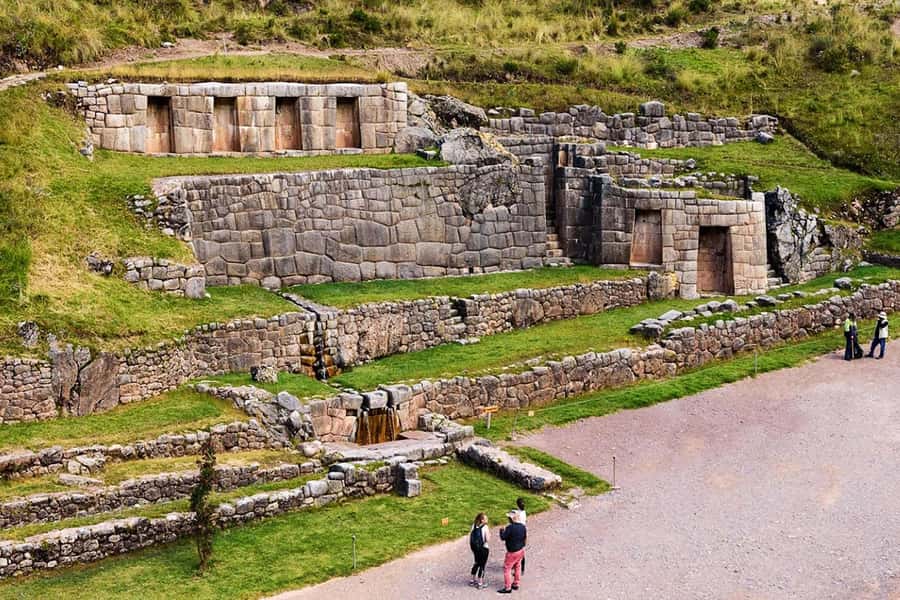
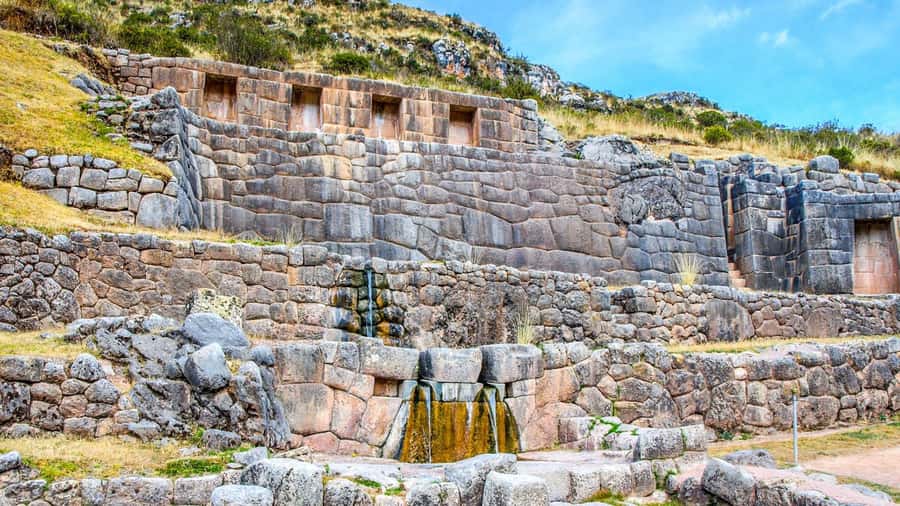
Then comes Tambomachay, described as a temple dedicated to worshipping the God of Water. That’s a helpful way to approach this stop. Water isn’t just a scenic feature here; it’s the point.
You’ll likely see the area in a different light after Q’enqo. The route intentionally alternates themes—sacrifice, then water worship. It helps you build a mental map of what mattered to the people who built and used these places.
Tambomachay is also a nice change of pace visually. Q’enqo is about ritual function; Tambomachay often reads like an Inca relationship with springs and water management. Your guide’s explanation should tie the site’s purpose to how the Sacred Valley environment supported daily life and ceremony.
As with other ruins, expect uneven footing. Good shoes help more than you think.
Puka-Pukará: the panoramic stop that feels like an in-between place
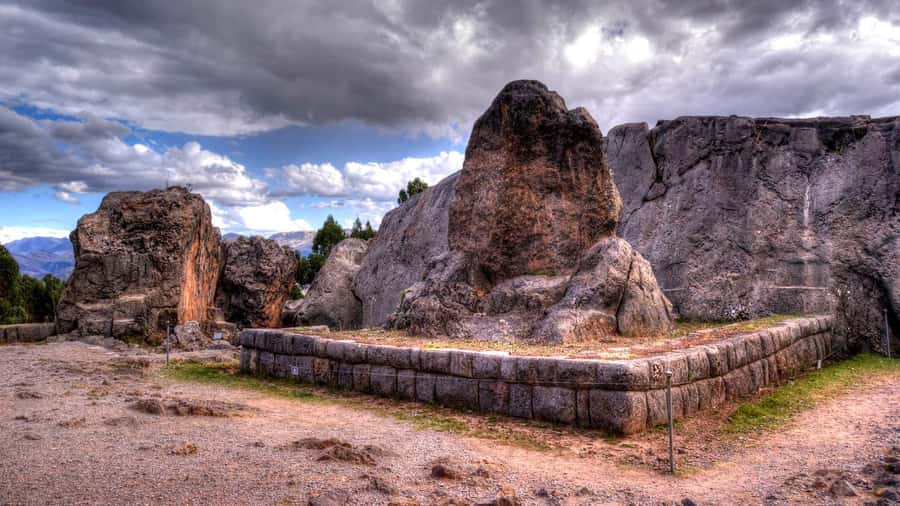
The last major highlight is the panoramic view of Puka-Pukará, an ancient tambo or guard post along Inca roads. A “tambo” can sound obscure, but it’s actually an important idea: it’s one of the ways the Inca road network supported travel, communication, and control.
This stop gives the tour a satisfying close. You’ve gone from town market life in Pisac, to engineered valley terraces, to ceremonial forts and ritual spaces. Puka-Pukará adds the practical side: the Inca world wasn’t only temples and stones. It was also logistics—roads, stops, and safety.
The word panoramic matters here. You’ll get a view that’s meant to help you orient the region. It’s a good time for photos, but also a good time to pause and just take in the sense of space before you head back.
Price and tickets: what your $77 covers (and what it doesn’t)
The listed price is $77 per person for a 6-hour private group experience with hotel pickup/drop-off and transport. That’s a fair structure for Cusco, because you’re paying for guide time plus a full itinerary across multiple locations.
The big extra cost is entrance fees. You’ll pay S/ 70 (US$ 18.70) per person for foreigners and S/ 40 (US$ 10.70) per person for Peruvians for archaeological sites. The total site charges are the kind of line item that can surprise people if they’re not expecting it, so budget accordingly.
Value-wise, I think the tour is strongest when you want both:
- a guided market + archaeology day, not just ruins, and
- multiple Cusco-region sites packed into one day.
If you only care about one or two sites, you might find a cheaper custom plan. But if you want a connected overview—Pisac, Sacred Valley views, Sacsayhuamán, Q’enqo, Tambomachay, and Puka-Pukará—this route is built to do that.
Guide quality can make or break the day
The itinerary is set, but the guide is what turns it into understanding. This is where this tour seems to score well.
One guide name you may see mentioned is Juan Carlos, and he’s described as a trained archaeologist with clear, precise explanations and an evidence-based approach. If you’re someone who likes explanations that answer your questions with logic (not vague statements), you’ll likely appreciate a guide with that kind of background.
Another guide mentioned is Jessica, described as both great and kind, and helpful with solving issues that can pop up with logistics and the vehicle size. The takeaway for you: a good guide doesn’t just talk; they manage the day so you still enjoy it.
Even if your guide isn’t an archaeologist, you’ll want to ask them one simple question during the first stop: what theme ties the sites together today? On this route, you should hear a connection between Inca ritual life, water and ceremony, and how the Spanish conquest changed Cusco’s story.
How to get the most out of your walking time
This tour is not a sit-and-stare experience. You’re walking through town sections, moving around archaeological areas, and making viewpoint stops.
Use comfortable shoes with good grip. You’ll be on uneven ground at ruins, and you don’t want your day slowed by sore feet. Bring a hat and sunscreen. You’ll be outside enough that the sun will matter, even if the weather shifts.
Also bring a camera if you care about documentation. Many people choose this tour specifically for the photo logic: market life, terraces, stone monuments, and panoramas at the end.
And don’t forget water. The tour duration is about 6 hours, and the day includes multiple stops without long meal blocks described in the basic outline.
Weather can vary, so dress in layers. The tour is short enough that you don’t need a full travel wardrobe, but you do need the flexibility for quick temperature changes.
Who this tour fits best
This one works best if you want a strong first-timer day in Cusco-region ruins without doing a full-day, single-site marathon.
It’s a great match if you like:
- combining Pisac market with archaeology,
- structured guidance at each ruin, and
- theme-based stops (ritual sites and water worship are clearly part of the story).
It may not be the best fit if you have mobility concerns. The tour is listed as not suitable for wheelchair users and not suitable for people with back problems. The walking demands at archaeological sites and the pace of changing locations can be tough.
Should you book the Cusco: Pisac and ruins tour?
I’d book it if you want an efficient day that ties together the Sacred Valley feeling with Cusco’s major Inca sites. The strengths—Pisac market, guided explanations at Sacsayhuamán, Q’enqo, and Tambomachay, plus the terraced-view and Puka-Pukará panorama—create a full picture of what made the Inca world tick.
I’d hesitate only if you dislike walking, or if you already know you only want one or two sites. In that case, entrance fees plus guide time might feel like overkill.
If you’re aiming for a first Cusco-region “greatest hits” day with real market life woven in, this route is a solid choice.
FAQ
FAQ
What’s the duration of the tour?
The tour runs for 6 hours.
What’s the starting point for the tour?
Pickup happens at your hotel in Cusco. Hotels must be within the historic center; if not, a meeting point is arranged in advance.
Is hotel pickup and drop-off included?
Yes. Hotel pickup and drop-off are included.
What sites are visited during the tour?
You’ll visit Pisac (including the market and the archaeological park), Taray Viewpoint, Sacsayhuamán, Q’enqo, Tambomachay, and enjoy a panoramic view of Puka-Pukará.
Are archaeological site tickets included in the price?
No. Admission tickets are not included and must be paid separately.
How much are admission tickets for foreigners?
Foreigners pay S/ 70 (US$ 18.70) per person for archaeological sites.
How much are admission tickets for Peruvians?
Peruvians pay S/ 40 (US$ 10.70) per person for archaeological sites.
What languages are available for the guide?
The guide is available in Spanish and English.
What should I bring?
Bring comfortable shoes, a hat, a camera, sunscreen, and water.
Is the tour suitable for wheelchair users or people with back problems?
No. The tour is not suitable for wheelchair users or people with back problems.