REVIEW · CUSCO
Salkantay Trek: 5 Days to Machu Picchu
Book on Viator →Operated by Tierras Vivas · Bookable on Viator
Coca leaves, cold passes, then Machu Picchu. This 5-day Salkantay trek is built for a less-crowded route into Machu Picchu, mixing high-altitude drama with rainforest walks and nights camping under dark skies. You’ll start with a fast Cusco departure, hike past lakes and mountain viewpoints, and end with a guided visit to the Inca citadel.
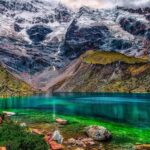
What I like most is the way the plan keeps you moving while still giving you real moments to absorb the scenery, including a visit to Humantay Lagoon and the option of Cocalmayo thermal baths or an archaeological stop on day 3.
One thing to consider: the first two days are tough (and early starts are real). If you’re altitude-prone or sensitive to insects, plan ahead—this route climbs to 4,650 m and day 3 is when mosquitoes tend to show up.
In This Review
- Key highlights you’ll care about
- Why Salkantay Feels Like a Real Trek (Not a Theme Park)
- The Cusco Morning Machine: 4:30 Pickup and the Early Bus Ride
- Day 1 to Humantay Lagoon: Soraypampa, Lunch, and That First Big Wow
- Day 2 Over Abra Salkantay (4,650 m): Snow Views and a Fast Reality Check
- Day 3 Through the Jungle to Santa Teresa: Coffee, Orchids, and a Hot-Springs Choice
- Day 4 Toward Hydroelectric and Aguas Calientes: The Walk-In-Progress Day
- Machu Picchu Day: Guided Citadel, Picture Time, and the Train Back
- Food, Camping Comfort, and the Crew That Makes It Work
- Price and Value: What $909 Buys You on This Trek
- What to Expect Physically: Altitude, Pace, and Mosquito Season Reality
- Who Should Book This Salkantay Trek to Machu Picchu
- Should You Book This 5-Day Salkantay Trek?
- FAQ
- What time does the tour start in Cusco?
- Where do we meet at the start and end?
- Is pickup included?
- How many people are in the group?
- What’s included for meals?
- What camping gear is provided?
- Are hiking poles included?
- Is Machu Picchu admission included?
- Is the Cocalmayo thermal bath included?
- Is the train back to Cusco included?
Key highlights you’ll care about
- 4:30 a.m. pickup in Cusco so you’re hiking while most people are still asleep
- Mule support for about 5 kg of your personal items after a morning bus ride
- Abra Salkantay at 4,650 m is the big altitude moment, with snow-capped views
- Day 3 jungle walking through coffee-growing areas with orchids and bromeliads
- Guided Machu Picchu first, then time for photos and exploring on your own
- Camping comfort included, including Term-a-Rest style mattress and a sleeping bag rated to -5°C
Why Salkantay Feels Like a Real Trek (Not a Theme Park)
Salkantay is popular because it delivers the goods: big Andean climbs, wild weather changes, and the long sense of getting somewhere slowly. You’re not crammed onto one signature trail like the Inca Trail crowd experience. Instead, you’ll hike across multiple ecosystems—starting in cooler highlands, then sliding into warmer jungle zones by day 3.
This route also earns its name. The second day includes the Abra Salkantay pass, and it’s the kind of high point that makes the rest of the trip feel earned. From there, the descent is dramatic and the scenery keeps shifting, which is part of why people fall hard for this trek.
You’ll also get a guide-led historical layer. On the high-altitude days you’ll learn Inca connections, and on Machu Picchu day you’ll get a structured walkthrough before you’re free to explore.
You can also read our reviews of more hiking tours in Cusco

The Cusco Morning Machine: 4:30 Pickup and the Early Bus Ride
Your day 1 starts fast—pickup at 4:30 a.m. from Plaza de Armas area meeting points in Cusco. That means you’ll be eating breakfast and setting up to hike while the daylight is just waking up. For many people, that’s the best part of a trek like this: fewer crowds on the trail and more time to enjoy stops without rushing.
The transfer isn’t just a direct drive. You’ll ride through towns including Izcuchaca and Limatambo, then stop around Mollepata (2,900 m) for breakfast at about 7:30 a.m. You’ll also be able to leave up to 5 kg of personal belongings with muleteers, which helps you keep your day-pack lighter.
From Mollepata, you continue by transport to Challacancha (3,380 m). Once you start walking, the trek immediately feels purposeful: you’re not just hiking for exercise, you’re hiking toward a series of “arrival moments” like Soraypampa and Humantay Lagoon.
Day 1 to Humantay Lagoon: Soraypampa, Lunch, and That First Big Wow
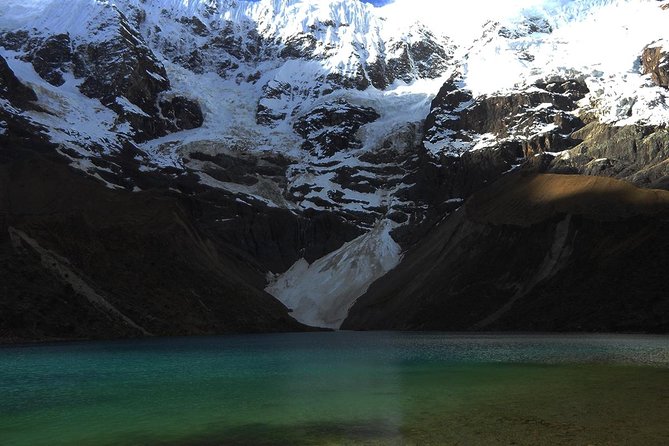
Day 1 is about acclimatizing through effort. You’ll begin the walk after the Challacancha transfer, and it takes about 3 hours to reach Soraypampa (3,900 m). Arrival is timed so you’ll reach Soraypampa around 1:30 p.m., then have your first real lunch on the route.
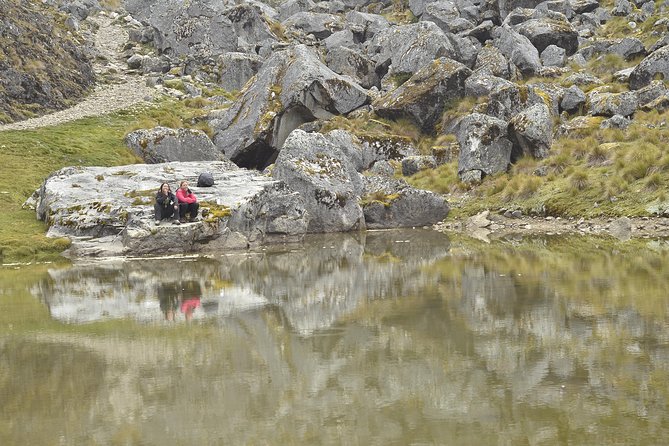
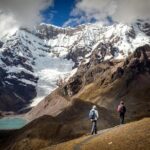
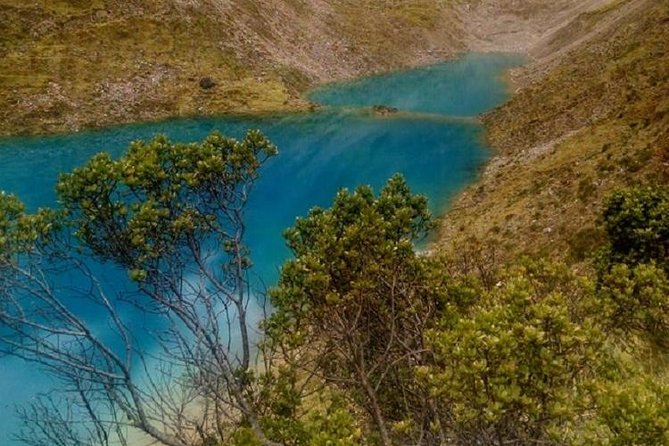
This is where the trek’s first emotional payoff lands: you’ll visit Humantay Lagoon. The lagoon is close enough to feel special without turning the day into a rushed checklist. It’s the kind of stop where you can take a long look, watch light change on the mountains, and feel the altitude in your lungs.
From there, you return to the campsite to rest. Day 1 isn’t the hardest day, but it sets the rhythm: hike, arrive, eat, and then recover for the next climb.
Day 2 Over Abra Salkantay (4,650 m): Snow Views and a Fast Reality Check
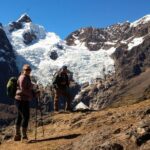
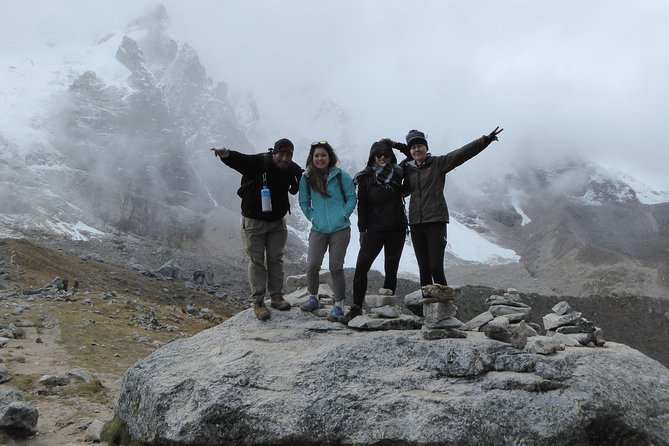
Day 2 is the heart of the trip. You start with breakfast at 5:00 a.m., then hike from Soraypampa toward the Abra Salkantay, which tops out at about 4,650 m. The ascent is around 3 hours, and it’s long enough that you’ll really feel the thin air. This is also when guides talk about the surrounding peaks—Salkantay, Humantay, Tucarhuay, and Pumasillo—so the effort turns into context, not just suffering.
You’ll spend more time on the pass area than you might expect because the views are the point. Then you begin the descent toward Huayracmachay (about 3 hours), where lunch is served.
After lunch, the day gets into the “land shift” mood. You continue down toward Chaullay (2,900 m), with around 3 more hours of walking to reach camp. That drop matters because it changes how your body feels. You go from the cold and altitude pressure of the pass to a lower, more runnable pace—still challenging, but less punishing than the climb.
Day 3 Through the Jungle to Santa Teresa: Coffee, Orchids, and a Hot-Springs Choice
Day 3 starts with breakfast at 6:00 a.m. and then about 5.5 hours of trekking through the jungle zone. You’ll be walking with level ascents and descents rather than constant steep uphill. That’s a welcome change after two high-altitude days.
This is also the day with the sensory details. You’ll pass coffee plantations, and you’ll see things like orchids and bromeliads, plus local plants used for natural medicine. If you like travel that feels hands-on—smells, textures, and real plant life rather than only big monuments—this is your day.
You’ll reach Playa Sahuayaco, have lunch, and then board included transport to Santa Teresa campsite. One of the best options here is the Cocalmayo thermal baths. The baths themselves are not included, but the choice is built into the day: you can soak and recover if you want that reset.
Even if you skip the baths, you’ll still end in time to eat, rest, and get sleep with the guide organizing the flow for day 4.
You can also read our reviews of more tours and experiences in Cusco
Day 4 Toward Hydroelectric and Aguas Calientes: The Walk-In-Progress Day
Day 4 is about getting into position for Machu Picchu. You’ll start in a tropical area and move toward Hydroelectric. You’ll have breakfast and then continue, with lunch at a restaurant in Hydroelectric.
After lunch, the plan turns into a steady trek toward Aguas Calientes, still within the tropical zone. You’ll arrive and settle into a hostel, then have dinner at 6:30 p.m. with your guide. That pre-Machu Picchu coordination matters. By day 4, you’re tired, and having the itinerary explained clearly helps you avoid mental chaos on day 5.
This is also a good day to think practically. If you tend to get cranky when you’re tired, stock up on the basics you’ll need for the next morning—water, snacks, and anything you want kept dry.
Machu Picchu Day: Guided Citadel, Picture Time, and the Train Back
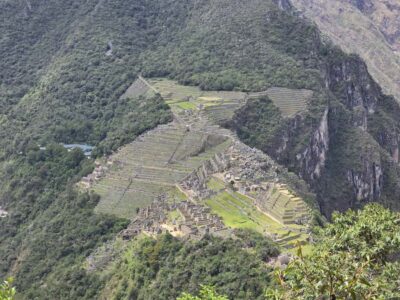
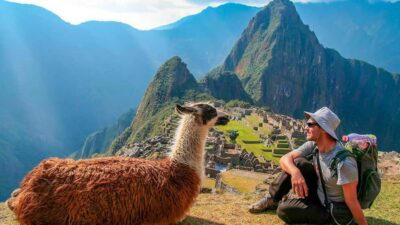
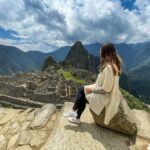
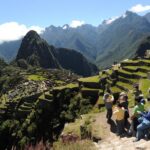
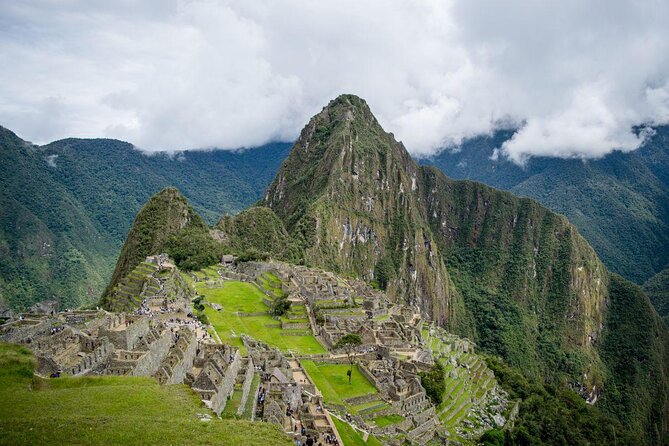
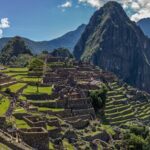
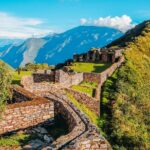
You’ll wake very early on day 5 to visit Machu Picchu. Your visit includes a guided tour of the citadel, with time focused on terraces, temples, palaces, and platforms. You’ll also get time after the tour for photos and to wander at your own pace.
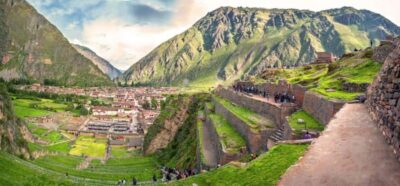
Then it’s practical logistics: you descend from Machu Picchu to Aguas Calientes and board the tourist train back to Ollantaytambo. A representative meets you there and transfers you back to Cusco, where you’ll be dropped near your hotel.
Two details to note for planning. First, the package covers the Machu Picchu-side admission, but Huayna Picchu is extra if you want it ($25). Second, the shuttle between Machu Picchu and Aguas Calientes is not included ($12 one way / $24 round trip), so budget for that if you don’t want to rely on walking down.
Food, Camping Comfort, and the Crew That Makes It Work
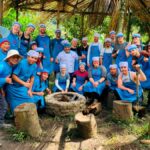
This trek is run like a system. Your group will hike with a professional bilingual guide and a professional cook, plus horsemen and horses who handle food and camping gear. The result: you carry less than you would on a self-organized trek, and camps arrive ready.
Meals are included for most of the day structure: 4 breakfasts, 4 lunches, and 4 dinners, plus afternoon hot beverages. Vegetarian options are available at no extra cost—just tell the team ahead of time.
Camping setup is also more comfortable than what many people picture when they hear camping in the Andes. You’ll sleep in personal double tents (4-person tent layout for comfort and storage), with an inflatable mattress and a sleeping bag rated for up to -5°C. Even if you don’t love cold, this kind of gear helps you actually rest.
On top of that, you get an emergency option: an emergency horse can be ridden if you feel ill or you’re slower than planned. And because group size is capped at 12 travelers, you’re less likely to feel like a number.
From the guide side, past groups highlighted strong English and clear explanations from people like Carlos, Nico, Juan de Dios, Diego, Edy, Alvina, and Dan. Even if your guide is someone else, the pattern is consistent: guides who enjoy the mountains and Inca connections tend to make the long days feel less “just walking.”
Price and Value: What $909 Buys You on This Trek
At $909, this is not a budget hike—but it is a serious value if you want the full package without DIY headaches. You’re paying for the tight logistics chain: early transfer from Cusco, gear setup, cooking, campsite equipment, and the transport pieces that matter on the back end.
Included items that drive value:
- Campsites for 3 nights, plus a hotel in Machu Picchu area for 1 night
- Meals across the trek (with vegetarian option included)
- A professional bilingual guide and cook
- Horse support for food and gear
- Included train from Aguas Calientes to Ollantaytambo
- Included bus transfer from Ollantaytambo back to Cusco
- A pair of hiking poles
Main items to pay attention to:
- Breakfast on day 1 and lunch on the last day are not included
- Travel insurance is not included
- Huayna Picchu costs extra ($25)
- Hot springs entry (Cocalmayo) is not included
- Shuttle between Machu Picchu and Aguas Calientes costs extra
So your real question isn’t just the base price. It’s how much you want to control. If you’re happy letting the team handle everything end-to-end, the cost starts to make sense fast.
What to Expect Physically: Altitude, Pace, and Mosquito Season Reality
This hike is for people with moderate physical fitness. The first two days are the most intense, including the pass at 4,650 m and long walking blocks. You’ll be climbing, then descending hard enough that your legs will feel it.
If you’re worried about altitude sickness, the operator specifically advises you to bring any necessary medicine and/or consult with your doctor before you go. That’s not a “maybe” suggestion. Altitude is part of the deal on Salkantay.
Also plan for bugs. One negative note from past trips: mosquitoes tend to show up around day 3 once the jungle walking begins. If you’re sensitive to bites, bring repellent and expect to use it.
Finally, remember the trek provides water every day except the first 4 hours. That means early in day 1 you’ll need to bring your own water until the regular supply kicks in.
Who Should Book This Salkantay Trek to Machu Picchu
This is a strong fit if you want:
- A small-group trek (max 12)
- The classic Salkantay route to Machu Picchu without the Inca Trail crowd feel
- A guide-led, historically framed experience rather than a silent hike
- Camping with gear that supports real sleep (not just “good luck” supplies)
It might be a harder fit if you:
- Have serious mobility limits or require a very gentle pace (though the emergency horse helps if you slow down)
- Get very uncomfortable at altitude and haven’t built in a health plan
- Hate insects and don’t want to manage repellent on day 3
If you’re coming from Cusco with decent time and motivation, this trek gives you a full on-the-ground Peru experience: high passes, jungle plants, and then the big finish.
Should You Book This 5-Day Salkantay Trek?
Yes—if you want a less crowded alternative to the Inca Trail and you’re ready for real mountain hiking. The mix of guided Machu Picchu, thoughtful crew support, and camping gear that actually helps you rest makes it a smart value for what you get.
I’d book it especially if you like guided storytelling and you want the trek to feel organized rather than improvised. Just go in with respect for altitude, pack for insects starting day 3, and budget for optional extras like Cocalmayo baths and Huayna Picchu if those matter to you.
FAQ
What time does the tour start in Cusco?
You’re picked up starting at 4:30 a.m. from the Cusco meeting point area.
Where do we meet at the start and end?
Start: Plaza de Armas de Cusco (Del Medio 123). End: Plaza Haukaypata (Pl. Haukaypata). Your driver drops you off at your hotel in Cusco.
Is pickup included?
Yes. The trip includes early morning transfer and the service operates with hotel pickup in Cusco.
How many people are in the group?
The tour has a maximum of 12 travelers.
What’s included for meals?
You get 4 breakfasts, 4 lunches, and 4 dinners, plus afternoon hot beverages. Vegetarian meals are available at no extra cost if you advise the team in advance.
What camping gear is provided?
You get tents, an inflatable mattress, a sleeping bag rated up to -5°C, a blanket per person, and a pillow, plus a duffel bag for belongings and Term-a-Rest style mattress support.
Are hiking poles included?
Yes, a pair of hiking poles is included.
Is Machu Picchu admission included?
Machu Picchu admission is listed as included, but Huayna Picchu has an extra fee ($25).
Is the Cocalmayo thermal bath included?
No. The entrance ticket is not included, though the option is built into day 3.
Is the train back to Cusco included?
Yes. You take the tourist train from Aguas Calientes to Ollantaytambo, then transfer back to Cusco by bus.