REVIEW · CUSCO
Sacred Valley Tour in Cusco
Book on Viator →Operated by Yapa Explorers · Bookable on Viator
A full Sacred Valley day, minus the stress. This Cusco tour strings together Pisac, Urubamba, Ollantaytambo, and Chinchero with hotel pickup that keeps the morning headache pretty small.
I love the professional guides who explain the ancient sites in a way that fits your group’s pace. I also like that lunch is handled for you, with a buffet at Puka Punku restaurant instead of you guessing where to eat after the ruins.
One thing to plan for: it’s a long day. You’ll start early, and you’ll want extra cash because entrance fees can still pop up even when the schedule suggests ticket-free stops.
In This Review
- Key things to know before you go
- Sacred Valley from Cusco: one day, real Inca stops
- Hotel pickup, mini-bus rhythm, and what “11 hours” feels like
- Pisac terraces and the artisan market: ruins plus everyday life
- Urubamba lunch at Puka Punku: the break that keeps the day enjoyable
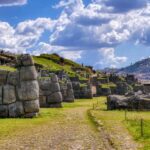
- Ollantaytambo: stone, drama, and a stronger sense of Inca power
- Chinchero weaving families and the return route back to Cusco
- Price, value, and what you still need to pay
- Group size and guide style: the small-group advantage
- Who should book this Sacred Valley day tour (and who might skip it)
- Should you book Yapa Explorers’ Sacred Valley Tour
- FAQ
- How long is the Sacred Valley tour from Cusco?
- What time does the tour start and where do I meet?
- Is hotel pickup and drop-off included?
- What does the tour price include, and what costs extra?
- Is lunch included, and where do we eat?
- How many people are in the group, and what languages are offered?
- Can I cancel for free?
Key things to know before you go
- Hotel pickup, then drop-off back in Cusco so you don’t waste time figuring out transport
- Max 15 people for a more personal feel and easier conversation
- Pisac + artisan market time to pair big Inca stonework with everyday crafts
- Included buffet lunch at Puka Punku in Urubamba to recharge before the afternoon sites
- Ollantaytambo plus a Chinchero weaving stop for variety beyond the big-name ruins
Sacred Valley from Cusco: one day, real Inca stops
If you’re basing yourself in Cusco and want the Sacred Valley highlights without turning it into a two-day logistics project, this kind of day tour is a smart move. You’ll see the main archaeological beats people come for, but you’ll also get the human side of the region: markets, crafts, and a lunch break that doesn’t feel like an afterthought.
I like that the day isn’t just a photo checklist. The route combines different valley vibes. Pisac leans toward terraces and local market life. Ollantaytambo feels like an Inca stronghold. Then Chinchero adds a more intimate look at ongoing weaving culture alongside religious architecture.
There’s also a social upside. With a 15-person max, you’re more likely to actually talk with the group rather than just sit quietly on the minibus and wait for the next stop.
You can also read our reviews of more tours and experiences in Cusco.
Hotel pickup, mini-bus rhythm, and what “11 hours” feels like
This tour is built around convenience. You’ll get pickup from your Cusco hotel and, at the end of the day, you’ll be returned to the city center near San Francisco Square. That matters in Cusco, where a lot of time can disappear if you’re relying on your own transport.
The schedule starts early. The start time is listed as 6:30 am, and pickup begins around 7:30 am in the morning. Plan for a full day: the drive between Cusco and the Sacred Valley sites is part of the experience, but you’ll still want comfortable shoes because the archaeological areas involve uneven ground and walking.
Timing is handled by the guide. The most praised detail in the feedback is that the guide stays attentive and explains with solid historical detail, while also following the group’s rhythm. That “pace the day” approach helps a lot when you’ve got a mix of people in one group, from first-timers to repeat visitors.
Pisac terraces and the artisan market: ruins plus everyday life
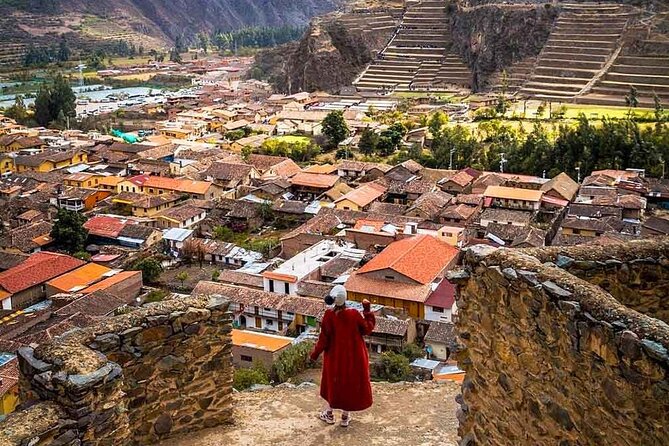
Pisac is where the Sacred Valley starts to feel real fast. You’ll visit the archaeological site and then make time for the artisan market, which is a big part of why this stop works so well.
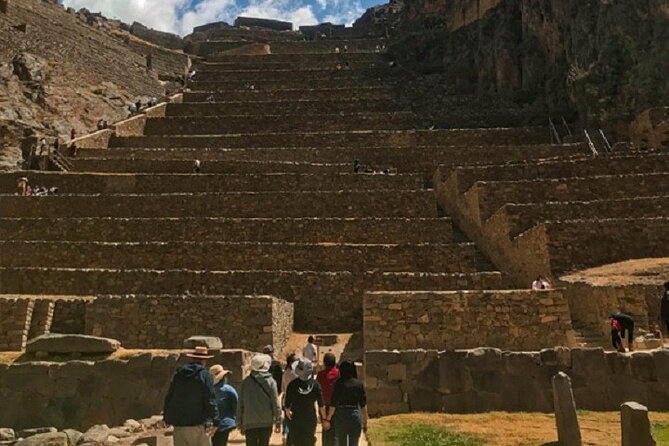
On the ruin side, Pisac is known for its terraced landscape and temple-style structures. Even if you’re not a hardcore stonework person, terraces are a visual lesson in how the Incas used the valley’s slopes and water logic. It also gives you a sense of scale—this wasn’t a single viewpoint stop. You walk through the site, look, and let the layout click.
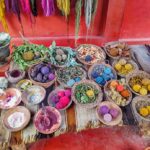
Then the market brings it back to normal life. It’s not just souvenirs thrown into a stall. You’ll see crafts and textiles being displayed like part of the local rhythm. If you’re hoping to bring home something meaningful (and not just a cheap magnet), this is the moment to slow down and ask questions.
Possible drawback: Pisac is popular. That means you’ll want to be ready for crowds in the market areas and a bit more attention to timing if you want the best photo angles.
Urubamba lunch at Puka Punku: the break that keeps the day enjoyable
Urubamba is where you recharge, and this tour treats lunch like an actual meal, not a rushed snack. Lunch is included and served as a buffet at Puka Punku restaurant, in a tourist-friendly setting where you can sit down and reset.
What I like here is the variety. The buffet format is practical when you’ve got different tastes in one group, and you can choose different dishes without feeling stuck. The food is described as local and full of Andean flavors, which helps the meal connect to the region instead of turning into plain “whatever is available” fare.
You get about 2 hours total for Urubamba. That’s enough time to eat without panic, plus a little room to look around your immediate surroundings before heading back into history mode.
Quick advice: don’t wait until you’re starving to get food. Buffets move faster than you think, and you’ll enjoy lunch more when you’re not scarfing it down between photo stops.
Ollantaytambo: stone, drama, and a stronger sense of Inca power
In the afternoon, you’ll head to Ollantaytambo, one of the most memorable Inca sites in the Sacred Valley. This is where the day shifts from “terraces and markets” into “big dramatic stone architecture.”
You’ll get guided time at the archaeological site, with a focus on culture and history. The standout point from the experience feedback is that the guide’s explanations are attentive and detailed, and the group pace is respected. That’s important at Ollantaytambo, because it’s easy to get lost in the scale if someone just points and moves on.
What makes Ollantaytambo special for many people is the feeling of continuity. It doesn’t read like a museum setting; it feels like a place that once mattered intensely in the rhythm of Inca life. Even if you’re short on technical knowledge, the guided storytelling helps you see the site as more than a pile of ruins.
Practical note: because this is late day, light and shadows can change fast. If you care about photos, ask your guide the best direction to approach certain viewpoints so you’re not guessing.
Chinchero weaving families and the return route back to Cusco
After Ollantaytambo, you’ll continue through a different road than the one used earlier in the day. That route change matters: it gives you a bit of variety in what you see from the minibus window while you travel back.
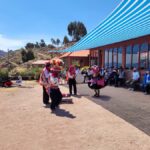
Then comes Chinchero, described as a magical village stop where you’ll visit the archaeological site, a chapel, and meet weaving families. This is a solid balance to the heavier archaeology time. It’s not that the ruins are less important. It’s that Chinchero gives you a more everyday connection to Inca-era influence—through textiles and community traditions.
You’ll see both the cultural and religious side: archaeological remains alongside a chapel. The combination helps you understand the region as layered, not frozen in one era.
Ending the tour, you’ll return to Cusco with your mini-bus dropping you near San Francisco Square. That last step is genuinely helpful. Getting dropped in a central area means you’re not stranded with transport plans right when you’re tired.
Price, value, and what you still need to pay
At $47 per person, this Sacred Valley tour sits in the “good value” range for a full day with transport and a guided format. You’re not just buying a ride. You’re paying for professional guidance, a driver, and an included buffet lunch.
What’s not included is the part you should plan for: entrance tickets / entrance fees. The tour highlights specifically advise bringing extra cash for these fees. The data also notes an entrance ticket cost of PEN70.00 per person, with a note that it can be 130 soles if you’re also doing the City Tour or Maras–Moray. That sounds like a bundle/combined-ticket situation, so if you plan to pair activities, check what you already paid for.
Value takeaway: even with those extra costs, you’re still getting hotel pickup and drop-off plus guided site time. If you tried to do this route on your own, you’d likely spend money and time duplicating the parts that this tour bundles well.
Group size and guide style: the small-group advantage
The tour runs with a maximum of 15 travelers, which is exactly the kind of size where you can actually hear the guide and ask questions without feeling like you’re in a crowded lecture hall.
The guide’s style is a big reason for the strong rating. The experience feedback emphasizes that the guide is attentive, explains clearly with historical details, and follows the group’s rhythm. In practical terms, that means you’re less likely to feel hurried through stops or left behind because your pace didn’t match someone else’s.
Also, a small group tends to create an easy social layer. If you like meeting people on the road, this is the kind of tour where it happens naturally—shared rides, shared waiting time, and the same “let’s see the next site” rhythm.
Who should book this Sacred Valley day tour (and who might skip it)
This tour fits best if you want:
- A guided Sacred Valley highlights day without sorting transport yourself
- A blend of archaeology + market/crafts + lunch
- A smaller group (max 15) for a more human experience
- Practical hotel pickup and a central drop-off in Cusco
You might consider a different option if:
- You hate early mornings and long days. This starts early and runs about 11 hours.
- You prefer total freedom to wander without any schedule. You’ll have guided timing at each key stop.
The good news: the tour indicates that most travelers can participate, which suggests the overall format is broadly workable for a range of ages and comfort levels.
Should you book Yapa Explorers’ Sacred Valley Tour
I’d book it if you’re doing Cusco for the first time and want a one-day plan that hits the major Sacred Valley anchors: Pisac, Urubamba, Ollantaytambo, and Chinchero, with lunch handled and logistics simplified. For the price, the included guidance and transport are the big wins.
Before you go, do two things. First, set realistic expectations for a long day with limited time per stop. Second, bring extra cash for entrance fees even if some stops are described as ticket-free. That way you stay relaxed and can focus on what matters: looking closely at the sites, then enjoying the craft-and-community flavor in the villages.
If you want an efficient, well-paced way to see the Sacred Valley without turning travel into homework, this is a strong choice.
FAQ
How long is the Sacred Valley tour from Cusco?
The tour lasts about 11 hours (approx.).
What time does the tour start and where do I meet?
The listed start time is 6:30 am. The mini-bus pickup begins around 7:30 am from your Cusco hotel.
Is hotel pickup and drop-off included?
Yes. The tour includes hotel pickup and drop-off, and you’ll be returned to the city center near San Francisco Square.
What does the tour price include, and what costs extra?
Included items are professional guides (Spanish or English), tourist transport, and a buffet lunch at Puka Punku restaurant. Entrance tickets are not included; the data notes PEN70.00 per person, with a note about 130 soles if combining with the City Tour or Maras–Moray.
Is lunch included, and where do we eat?
Yes. Lunch is included and served as a buffet at Puka Punku restaurant in Urubamba.
How many people are in the group, and what languages are offered?
The tour has a maximum of 15 travelers. Guides are available in Spanish or English.
Can I cancel for free?
Yes. You can cancel for a full refund up to 24 hours before the experience starts. If you cancel less than 24 hours before, the amount paid isn’t refunded.