REVIEW · CUSCO
2-Day Tour in Sacred Valley and Machu Picchu from Cusco
Book on Viator →Operated by YupiTravelCusco · Bookable on Viator
Machu Picchu is the headline, but the build-up is the real treat. This 2-day Sacred Valley to Machu Picchu tour is designed to handle the moving parts for you, from early ruin visits in Pisac to timed entry at Machu Picchu the next day.
What I like most is that you start the Sacred Valley early—so you get serious time at Pisac (2 hours, admission included) without wasting your whole morning. I also love the logistics value: round-trip Voyager train tickets (Ollantaytambo ⇄ Aguas Calientes) plus the Machu Picchu shuttle bus tickets are included, so you spend your energy on the site, not schedules.
The one thing to watch is cost drift. Machu Picchu entrance is included, but Sacred Valley entrances for Pisac and Ollantaytambo are listed as extra (and meals are not included), so your final day-to-day spending can creep upward.
In This Review
- Why this itinerary works for most travelers
- Key highlights at a glance
- Price and logistics: what $475 really buys
- The Cusco pickup and the 7:30 am start that matters
- Pisac Archaeological Park: early ruins, guided meaning
- Ollantaytambo ruins and the rail transition toward Machu Picchu
- Aguas Calientes and the included night stay
- Machu Picchu all day: timed entry, 8 hours to explore
- Guide quality: Michael and José-style excellence (and why it shows)
- Group size and timing: the sweet spot for busy Peru days
- Extra costs you should plan for (so you don’t get surprised)
- Who this tour fits best (and who should consider another option)
- Should you book this 2-day Sacred Valley and Machu Picchu tour?
- FAQ
- What is the duration of the tour?
- What time does the tour start in Cusco?
- Where do we meet at the beginning?
- Where does the tour end?
- Is Machu Picchu entrance included?
- Are Sacred Valley entrance tickets included?
- Are meals included?
- What train class is included?
- Is Wayna Picchu included?
- Can I cancel or change the booking?
Why this itinerary works for most travelers
The pacing is built around two ideas that matter in Cusco: altitude and timing. The tour keeps you moving, but it gives you set blocks of time at each stop, plus an overnight in a 3-star hotel so you’re not trying to race back and forth in one day.
Also, you’re never more than one step away from help. The experience caps at 15 travelers, and the guide coverage you’ll see referenced (often Michael, with Machu Picchu guiding sometimes by José) is known for English support, clear answers, and staying calm when peak-season logistics get tight.
Key highlights at a glance
- Early Pisac visit with a 2-hour guided block and admission included
- Voyager-class train between Ollantaytambo and Aguas Calientes (round trip)
- Round-trip Machu Picchu bus tickets from Aguas Calientes included
- Machu Picchu timed day with a full 8-hour visit window
- Small group size with a maximum of 15 travelers
You can also read our reviews of more tours and experiences in Cusco



Price and logistics: what $475 really buys
At $475 per person, this isn’t a cheap shortcut. It’s a “less stress” package. You’re paying for the parts that are often hardest to line up in Peru: train reservations, bus transfers, entrance coordination, and a guided day that turns a checklist into actual context.
Here’s what’s covered up front:
- 1 night in a 3-star hotel
- Hotel pickup and return to Cusco
- Guided Sacred Valley day plus guided Machu Picchu day
- Round-trip train (Voyager class): Ollantaytambo ⇄ Aguas Calientes
- Round-trip buses in the Machu Picchu area: Aguas Calientes ⇄ Machu Picchu ⇄ Aguas Calientes
- Machu Picchu entrance included (Historic Sanctuary of Machu Picchu)
- Entrance included for Machu Picchu, but Sacred Valley entrance fees are listed as extra
What’s not covered:
- Meals (lunch/dinner)
- Gratuity
- Sacred Valley entrance tickets for Pisac and Ollantaytambo (listed as $20 per person)
- Wayna Picchu (listed as $30, requested a few months in advance if available)
- Train upgrade: VistaDome (listed as an extra $100 per person)
So is it good value? Yes, if you want a smooth run and don’t want to spend days sorting tickets and transfer timing. If you’re the kind of traveler who enjoys building your own schedule, you might find cheaper options—but you’ll trade that for planning time.
One practical note: this tour is not refundable and cannot be changed for any reason. If your dates are firm, that’s fine. If you’re flexible or still shopping other regions, book only when you’re ready.
The Cusco pickup and the 7:30 am start that matters
The tour begins at 7:30 am at C. Heladeros 119, Cusco, and ends at Av. El Sol in Cusco. That early start is not a gimmick—it’s how you get the Sacred Valley portion done while conditions are still reasonable.
This kind of tour asks you to be ready for:
- a quick morning departure
- some walking on uneven ground at archaeological sites
- altitude-aware pace (Cusco sits high)
The good part: you’re not left guessing how to move between places. Pickup and return to Cusco are included, and the group size stays under 15.
Pisac Archaeological Park: early ruins, guided meaning
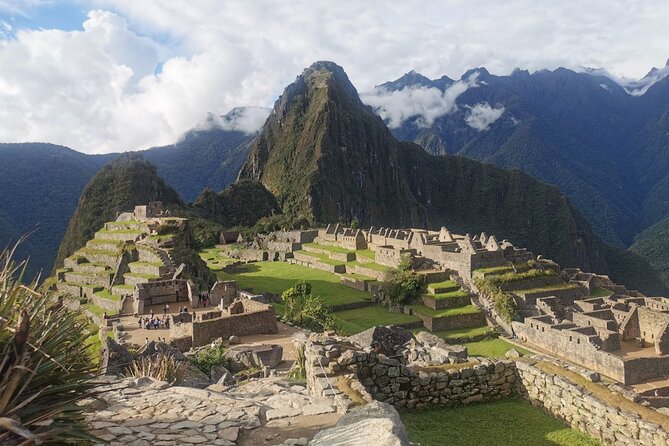
Your first major stop is Parque Arqueológico Pisac. You’ll visit very early in the morning and spend about 2 hours with a guide, with admission included.
Why Pisac first works:
- It’s one of the easier “wow” starts—storied Inca terraces and stonework are right there for you, fast.
- Going early tends to feel calmer. Even without making promises about crowds, morning time generally gives you better flow for photos and walking.
- A guided 2-hour block helps you connect what you’re seeing to how people used the area.
What to expect day-of:
- A set amount of time means you won’t feel rushed by an endless tour loop.
- You’ll be moving at a moderate fitness pace. If you’re sensitive to altitude, take it slow at your own rhythm.
One note on budgeting: Sacred Valley entrance fees for Pisac and Ollantaytambo are listed as extra ($20 per person), even though admission is also marked included for the stops. If you want zero surprises, confirm what’s actually covered when you receive your booking confirmation within 48 hours.
Ollantaytambo ruins and the rail transition toward Machu Picchu
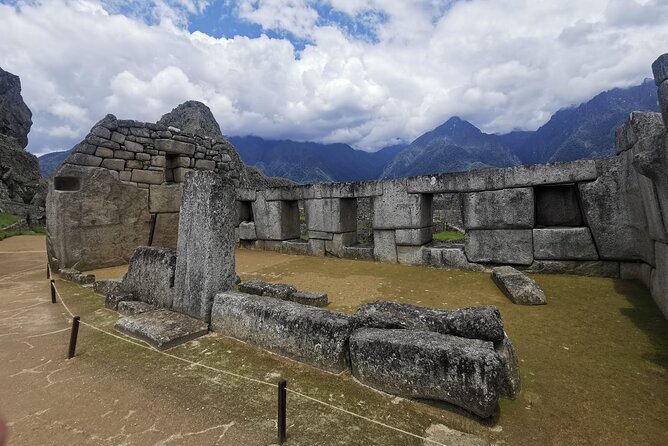
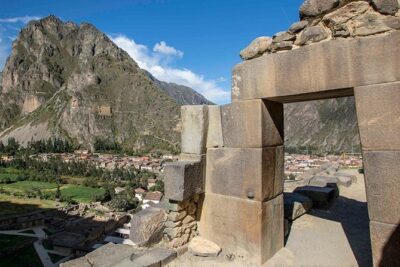
Next up is the Archaeological Park Ollantaytambo, also about 2 hours with a guided visit, then you transition toward Machu Picchu by train.
Ollantaytambo is special because it feels like a living hinge between the Sacred Valley and the Machu Picchu journey. You get a concentrated dose of the Inca engineering story, and then the day shifts into “travel mode” with the rail ride to Aguas Calientes.
Key logistics you should appreciate:
- Round-trip train tickets are included (Ollantaytambo ⇄ Aguas Calientes) and you’re using Voyager class
- The schedule accounts for time needed to get from the ruins area to the rail experience
- You’ll also have that 1 night stay in the Machu Picchu area so you’re not trying to do the full day-trip sprint
What could be a downside?
- Any day that combines ruins + train + settling into a new town means you should plan to go to bed earlier than you want.
- You’ll be on the move, so bring a water bottle and treat the day as “active,” not relaxed sightseeing.


Aguas Calientes and the included night stay
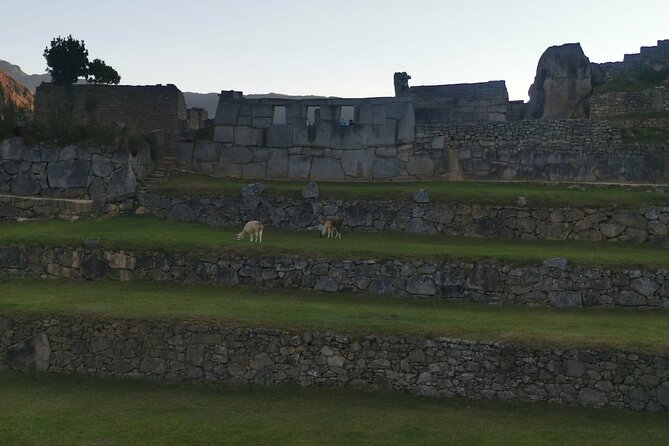
You’re not just “passing through” Aguas Calientes; you stay overnight. That matters because it changes how Machu Picchu morning feels. Instead of dragging yourself out of Cusco for an ultra-long day, you’re closer to the site.
Because the hotel is described as 3-star, you should expect basic comfort rather than luxury. Still, that overnight is part of the value equation: it buys you recovery time between a train day and a long day at the sanctuary.
If you’re the type who needs quiet to recharge, this is where you’ll notice it. If you like wandering the town after your schedule locks in, you’ll also have time to do that.
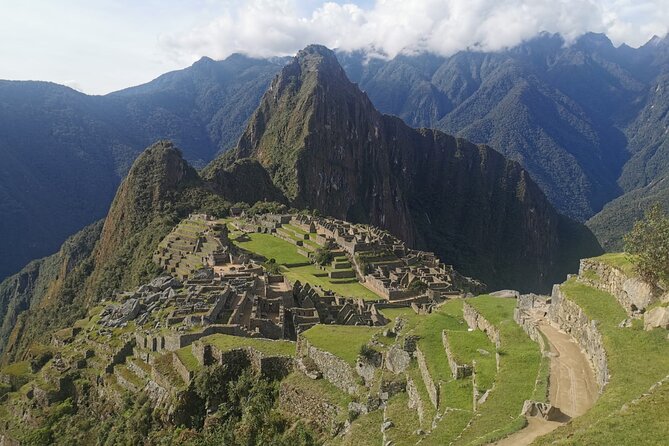
Machu Picchu all day: timed entry, 8 hours to explore
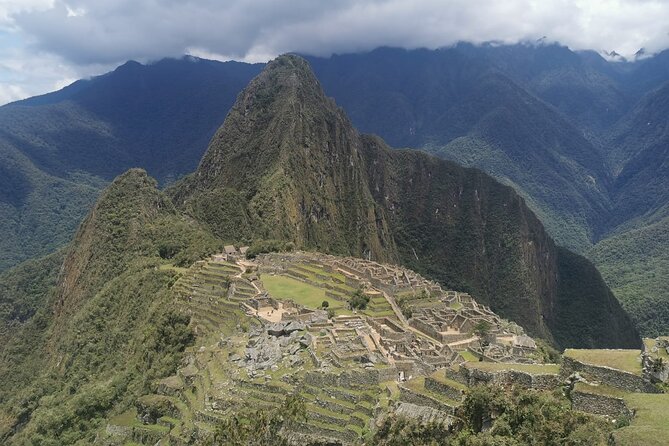
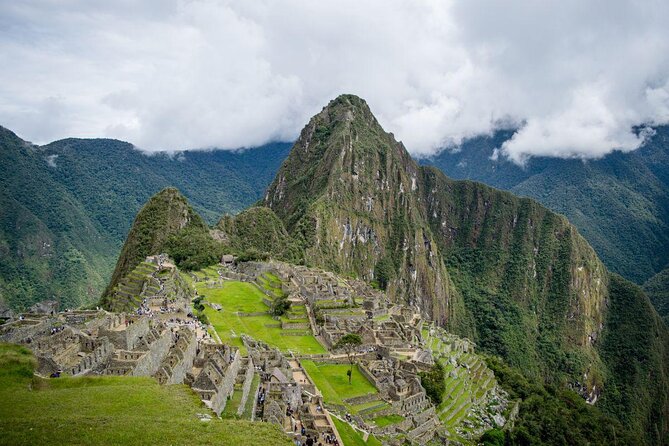
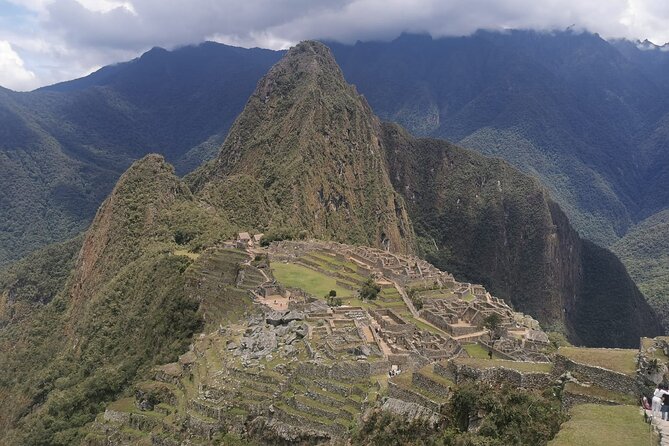
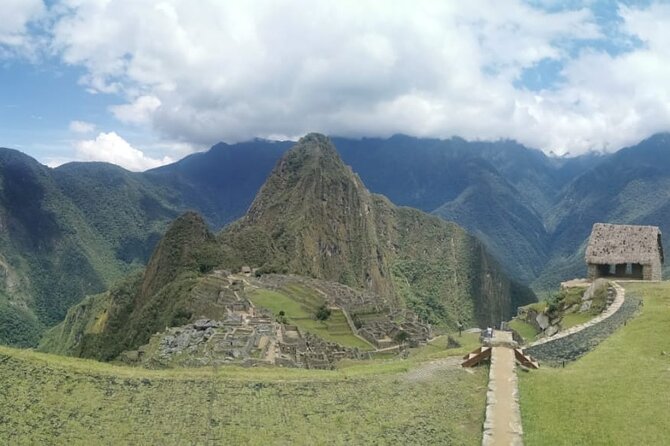
On day two, the tour focuses on Machu Picchu for about 8 hours. Entrance to the Historic Sanctuary of Machu Picchu is included, and you’ll visit the archaeological centers within the sanctuary during that time window.
This is the heart of the trip, but the “all day” design is what makes it feel good. Eight hours gives you enough room to:
- take your first big viewpoint photos
- wander without feeling like every minute is a transfer
- slow down for the archaeology itself, not just selfies
A practical detail: your ticket route inside Machu Picchu can vary. One of the guide logistics successes you’ll see referenced is that people sometimes get an approach like Circuit 2, which affects what you see and the order you walk it. The safe takeaway is: you’ll likely follow a pre-set route depending on your entry ticket.
If you’re considering a tower add-on like Wayna Picchu, be aware it’s not included. It’s listed as $30 and must be requested a few months ahead if available. In other words: don’t assume you can add it last minute without extra effort.
Guide quality: Michael and José-style excellence (and why it shows)
A good guide doesn’t just recite facts—they help you understand why a place looks the way it does and how to move through it without stress.
Based on the experience profile you’ll see associated with this tour, a guide named Michael is often credited for:
- being highly responsive during complex schedules
- handling last-minute ticket problems calmly
- keeping energy up with humor
- stepping in when someone in the group needs help (including quick problem-solving like finding soup when someone wasn’t feeling well)
For Machu Picchu specifically, guides like José are mentioned as well—knowledgeable, patient, and focused on history and culture at a pace that works.
Even if you never care about trivia, this matters. A site like Machu Picchu can feel overwhelming. A guide helps you pick up the story fast so your photos come with meaning, not just angles.
Group size and timing: the sweet spot for busy Peru days
The tour runs with a maximum of 15 travelers. That’s a solid size for Peru-style touring:
- big enough for shared vibe
- small enough that the guide can manage questions
- realistic for moving together to buses and checkpoints
The schedule also reflects that Machu Picchu is a timed experience. You’re working with a structured day: Sacred Valley stops first, train transition next, and a long Machu Picchu visit day second.
If you’re the kind of traveler who wants total freedom, know that you won’t have a fully solo itinerary. You’ll have flexibility inside the site during your visit window, but the major movements are scheduled.
Extra costs you should plan for (so you don’t get surprised)
To keep your trip math clean, plan on these likely add-ons:
- Sacred Valley entrance fees: listed at $20 per person for Pisac and Ollantaytambo
- Meals: lunch and dinner are not included
- Wayna Picchu: $30 if available, requested a few months ahead
- VistaDome train upgrade: additional $100 per person (if you want the view-focused train option)
If you’re budgeting tight, the “easy win” is meals. You can keep costs down by choosing simple meals close to where you’re already walking in Aguas Calientes or Cusco—just don’t assume the tour day includes lunch.
Who this tour fits best (and who should consider another option)
This 2-day Sacred Valley + Machu Picchu plan fits best if you:
- want a guided, logistics-handled experience
- prefer small-group pacing over DIY planning
- can handle moderate physical activity and uneven walking
- are excited to spend real time at Machu Picchu (not just a quick pass)
It might be less ideal if you:
- want meals included and don’t want any extra budgeting
- are extremely time-sensitive and could be affected by the fact it’s non-refundable and non-changeable
- want a fully self-guided experience where you set every minute yourself
Should you book this 2-day Sacred Valley and Machu Picchu tour?
If your main goal is Machu Picchu, and your biggest fear is logistics chaos, I’d say this is a strong booking. The value comes from the included train, included shuttle buses, and the guided structure that turns two hard days into something you can actually enjoy.
Before you click confirm, do two quick checks:
- Confirm exactly which entrance fees are covered for Pisac and Ollantaytambo (Sacred Valley entrance is listed as extra, while stop admissions are also marked included).
- Decide early if you want Wayna Picchu. If you do, request it early since availability is the whole game.
For most first-timers, this is the kind of trip that lets you focus on the sites, not the stress. You’ll arrive at Machu Picchu feeling like you earned it—and then you’ll finally have enough time inside to appreciate it.
FAQ
What is the duration of the tour?
The tour runs for 2 days approximately.
What time does the tour start in Cusco?
The start time is 7:30 am.
Where do we meet at the beginning?
The meeting point is C. Heladeros 119, Cusco 08002, Peru.
Where does the tour end?
The tour ends at Avenida El Sol, Av. El Sol, Cusco 08002, Peru.
Is Machu Picchu entrance included?
Yes. Entrance to the Historic Sanctuary of Machu Picchu is included.
Are Sacred Valley entrance tickets included?
Sacred Valley entrance tickets for Pisac and Ollantaytambo are listed as not included, at $20.00 per person.
Are meals included?
No. Meals such as lunch and dinner are not included.
What train class is included?
Round-trip train tickets are included in Voyager class.
Is Wayna Picchu included?
No. Wayna Picchu is not included and costs US $30.00 if available, and it must be requested a few months in advance.
Can I cancel or change the booking?
No. The experience is non-refundable and cannot be changed for any reason.