REVIEW · CUSCO
4 Days Inca Jungle to Machu Picchu Standard
Book on Viator →Operated by Conde Travel · Bookable on Viator
Machu Picchu starts deep in the jungle. I like this 4-day Cusco-to–Machu Picchu route because it mixes mountain biking with high-forest walking, hot springs, and even water time, so you’re not stuck doing one kind of effort all day. I also like that you travel with a small group (max 15) and a bilingual guide who explains what you’re seeing. One drawback to plan around: key add-ons (like rafting, zip-line, and the bus up to Machu Picchu) are not included in the base price, so budgeting matters.
You’ll start early (the meeting time is 5:00 am), and you’ll cover real distance each day, but it’s built around breaks, meals, and regrouping points. Guides such as Jonathan and Carlitos come up in the feedback as being attentive and safety-minded, which matters on days that include biking and rafting.
In This Review
- Key Highlights Worth Your Attention
- Jungle-to-Machu Picchu: Why This Route Feels Different
- Day 1: Abra Málaga Bike Descent, Then Rafting from Santa María
- Day 2: High-Forest Walk to Inca Carcel, Lunch in Pumachaca, Cocalmayo Hot Springs
- Day 3: Santa Teresa to Hydroelectric—Hike or Zip-Line, Then Into Aguas Calientes
- Day 4: Sunrise Route to Machu Picchu, Guided Site Time, Then Walk-Back to Hydroelectric
- Price and Value: What $455 Covers vs What You’ll Pay Later
- Comfort, Food, and Real-World Logistics (Bugs, Packing, and Sleep)
- Who Should Book This, and Who Should Skip It
- Should You Book Conde Travel’s 4-Day Inca Jungle to Machu Picchu?
- FAQ
- What time does the tour start?
- How many people are in the group?
- Where do I stay during the 4 days?
- What meals are included?
- Is Machu Picchu admission included?
- Which activities or transport cost extra?
- How do you return to Cusco on the final day?
- Is this booking refundable?
Key Highlights Worth Your Attention
- Abra Málaga (4350 m): big-altitude bike descent right out of the gate.
- Inca Carcel stop: a guided look at punishment-and-rules history along the jungle route.
- Cocalmayo hot springs (Day 2): included time to loosen up after a high-forest hike.
- Choose your effort (Day 3): zip-line is offered for those who reserved in advance; the rest hike to the hydroelectric area.
- Early Machu Picchu timing: sunrise route option and guided time on the site before you explore on your own.
Jungle-to-Machu Picchu: Why This Route Feels Different
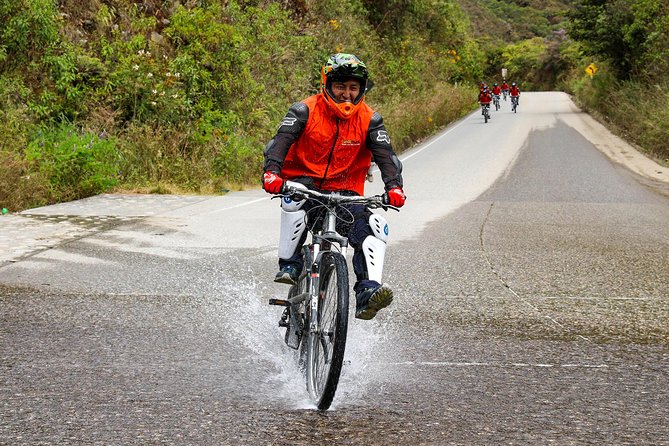
Most Machu Picchu trips chase the classic rhythm: bus, train, quick look, done. This one starts in Cusco and pushes you through the Inca Jungle with a steady mix of movement types—bike, foot, and (depending on what you choose) zip-line and rafting. The result is that Machu Picchu day doesn’t feel like a random tourism stop. It feels like the final chapter of a rough, green journey.
Value-wise, I like what’s bundled. You get transport segments, a bilingual specialist guide, bike gear (mountain bikes, helmets, gloves), and a full set of breakfasts plus most lunches/dinners. You’re also sleeping three nights away from Cusco—in Conde Ecolodge, Santa Teresa, and Aguas Calientes—so you’re not racing back and forth all day.
The flip side: “standard” here means some experiences are optional or extra. The itinerary includes big-ticket moments (Machu Picchu entry, Cocalmayo hot springs), but not everything like rafting/zip-line/bus is covered. If you want the full menu of jungle activities, you’ll want to carry extra cash and confirm what’s reserved versus pay-on-arrival.
You can also read our reviews of more tours and experiences in Cusco

Day 1: Abra Málaga Bike Descent, Then Rafting from Santa María
Your morning begins with a drive that positions the group for the first wow factor: Abra Málaga at 4350 m. From there, the big highlight is the bike time. You descend on mountain bikes for about 3 hours, riding through rural villages, rivers, orchards, and streams. That mix is the point. You’re not biking in a single-note “out-and-back” trail; you’re watching everyday life and water sources slide by as you drop from altitude.
There’s also a practical rhythm to the day. After the bike, you reach Huamanmarca, where you can buy water and snacks if you need them. Then you push on to Huyro, where you eat lunch. The lunch matters because the next segment is energy-draining: the rafting setup starts after you’re transported by private bus to Santa María.
Rafting itself is described as part of the flow, but the rafting activity is listed as not included in the base. So think of Day 1 as: bike is “in,” rafting is “maybe-in,” depending on what you pay for. After rafting, the group returns to Huyro.
What to watch for on Day 1: altitude and timing. Even if you’re fit, altitude can turn a simple walk into work. The smart move is to go slow when you feel winded—don’t race the group, especially on the first descent and before lunch.
Day 2: High-Forest Walk to Inca Carcel, Lunch in Pumachaca, Cocalmayo Hot Springs
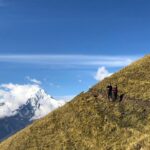
Day 2 is where the jungle vibe gets more focused. You start with transportation to Pasto Grande, then begin a walk of about 4 hours along a high forest trail. The route is framed around small coffee and cocoa plantations and fruit trees—plus wildlife and orchids.
This is also the day that turns “nice views” into “I understand what I’m seeing.” Near the upper portion of the walk is the archaeological center of Inca Carcel, where the Incas reportedly punished people who didn’t follow rules of Inca society. Your guide explains it, and there’s even time to rest there and recharge before continuing.
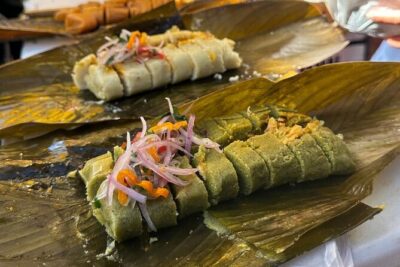
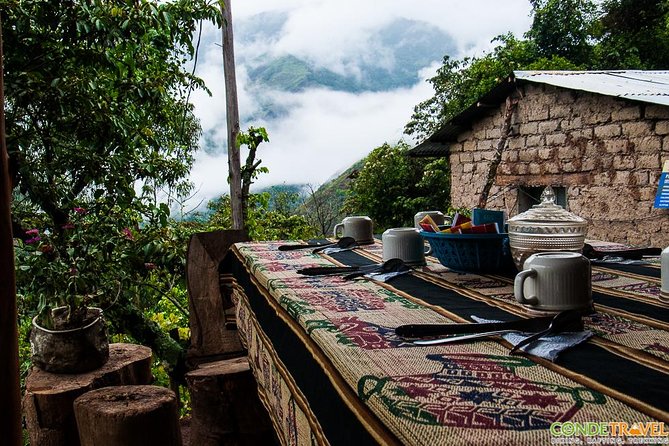
Then you shift from ruins into everyday Inca-jungle life. You continue along the Inca road toward Pumachaca, and lunch is served: described as nutritious and made with fruits and tubers. That meal style is a big deal in remote areas. You’re less likely to get a bland sandwich-and-soda routine, and more likely to eat food that matches the environment and what local families grow.
After lunch, the day ends with the best “reset button” of the trek: Cocalmayo hot springs. The listing says the hot springs admission for this day is included, and you get relaxation time for your muscles. There’s also an option for refreshing beer if you want it—nothing complicated, just downtime that actually helps you enjoy Day 3.
Day 3: Santa Teresa to Hydroelectric—Hike or Zip-Line, Then Into Aguas Calientes
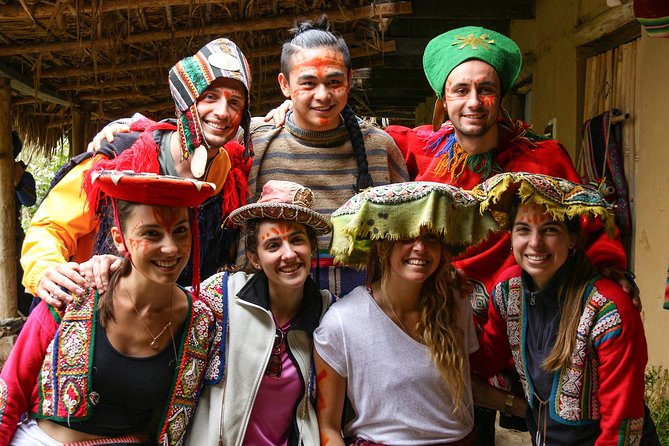
Day 3 starts from Santa Teresa. This is another “choose your route” day. If you reserved in advance, you’ll do a zip-line. The description says after that, you’re taken by bus to the hydroelectric area. If you didn’t reserve zip-line, you’ll hike roughly 3 hours to the hydroelectric too.
Either way, you regroup at the hydroelectric point. Then you get lunch. After that, the trail continues for about 3 hours through waterfalls, and it passes areas with coca and coffee farms before reaching Aguas Calientes.
By around 4 pm, you’re taken to the hostel. Then comes a dinner gathering—plus a briefing about the Machu Picchu trek for the next morning. This matters. A smooth Day 4 often depends on a good wake-up plan and knowing how the route to Machu Picchu will feel early in the morning.
One real-world tip: plan for limited connectivity during the trek. Some guests describe no wifi for most of the journey, so treat phone time as optional and focus on rest when you can.
Day 4: Sunrise Route to Machu Picchu, Guided Site Time, Then Walk-Back to Hydroelectric
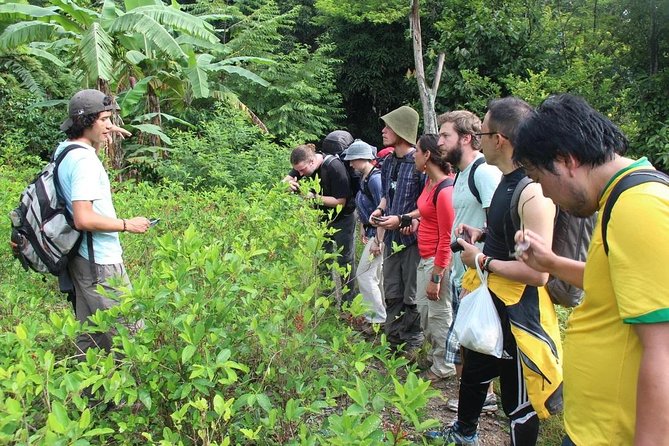
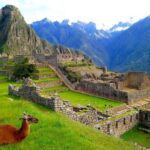
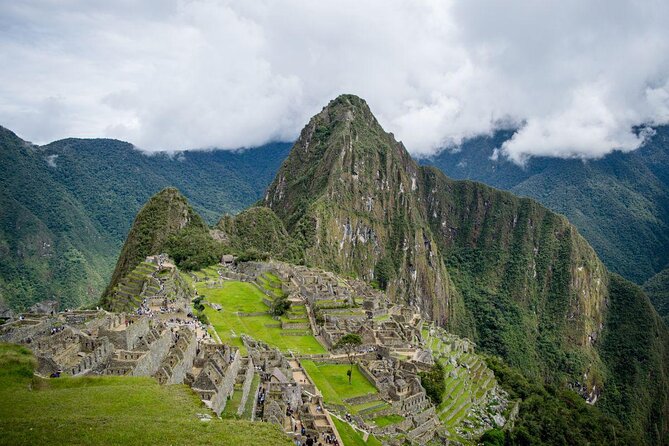
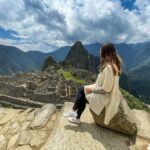
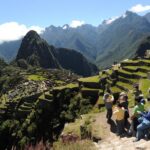
Day 4 is built around an early start. You get up early to go to Machu Picchu via an ascending route through the high forest, and there’s a chance to see sunrise depending on conditions. The guide then shows you the sanctuary for about 2 hours.
That guided time is the part you shouldn’t rush. Machu Picchu is easy to appreciate with your eyes, but harder to understand without context. The guide helps connect what you’re seeing to the site layout and the bigger story of Inca engineering.
After the guided segment, you have free time to enjoy Machu Picchu on your own. This is where you move at your pace: longer photo stops, slow wandering, or just sitting and taking it all in.
Then comes the practical part, and it’s not glamorous. You return by walking about 2 hours from Aguas Calientes to the hydroelectric, where a bus is waiting at 3 pm to take you back to Cusco. Arrival is around 9:00 pm.
Optional upgrade: if you want more time at Machu Picchu, there’s a note about paying $30 extra to stay one more night in Machu Picchu town and return the next day—especially useful if you want to climb Huayna Picchu or Machu Picchu Mountain.
Price and Value: What $455 Covers vs What You’ll Pay Later
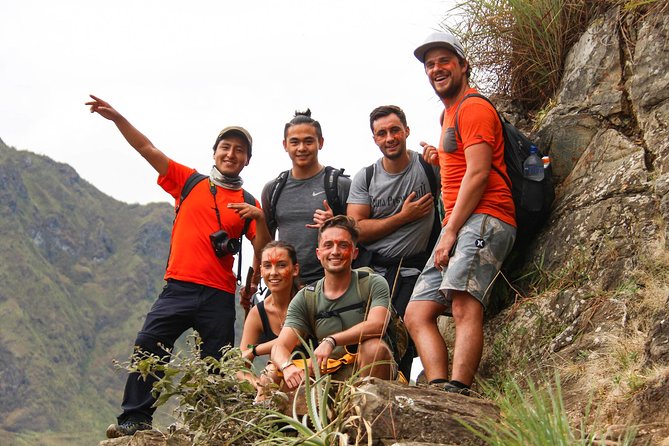
At $455 per person, the “standard” package is strong on the foundations:
- guide time (private bilingual professional guide)
- transport segments linking Cusco and the jungle zones
- bike gear (mountain bikes, helmets, gloves)
- lodging for 3 nights (Conde Ecolodge, Santa Teresa hostel, Aguas Calientes hostel)
- meals: 4 breakfasts, 3 lunches, 3 dinners
That’s a lot of real cost baked into the base price. A guide, three nights of lodging outside Cusco, and multiple transport legs add up fast if you try to piece it together alone.
But here’s where you need clarity: several big adventure items are listed as not included:
- rafting
- zip-line
- the bus from Aguas Calientes to Machu Picchu
- lunches/dinners on the final day
There are also optional add-ons:
- Llactapata (minimum 2 persons) is listed at $55, and it includes lodging with utilities plus transport to and from the activity. It also says you skip Santa Teresa lodging for a 2h30 additional walk through Llactapata ruins in a lodge in Machu Picchu’s valley.
- Huayna Picchu or Old Mountain are listed as not included.
My best practical advice: treat the $455 as the core trek cost, then create a small “activity buffer” for the pay-as-you-go items you choose. If you’re already set on rafting and zip-line, ask ahead of time what you’re reserving and what you’re expected to pay on site—so you don’t get hit by surprises while you’re tired.
Comfort, Food, and Real-World Logistics (Bugs, Packing, and Sleep)
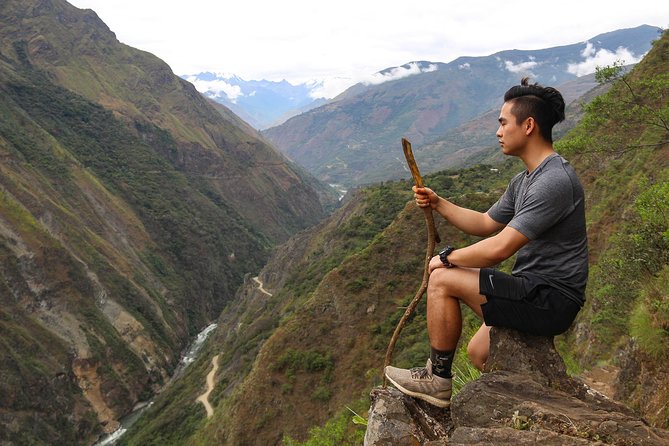
Expect basic-but-usable lodging. The hotel nights are specified as:
- shared room at Conde Ecolodge – Pispitayoc
- hostel in Santa Teresa with wifi and hot water
- hostel in Aguas Calientes with private bathrooms and hot water
So you can shower and recharge, but don’t expect resort-level comfort. Also, some guests note sleeping can feel more crowded than expected, so if room type matters to you, confirm it before you go.
Food is mostly included: breakfasts every day, plus lunches and dinners on most days. One note from the provided info: vegetarian options can be harder in remote areas, especially if families hosting your meals eat meat from their farms. If you’re vegetarian, plan to communicate early and be flexible.
Packing for this trek is about small, smart items:
- bug spray (seriously)
- sun protection (sunscreen)
- swimwear if you plan to do water activities
- flip-flops for downtime
- a light jacket and a headlamp (for early starts and chilly mornings)
- a light daypack (some guests recommend not overpacking)
Connectivity is limited on the trail. Santa Teresa’s hostel lists wifi, but the trek itself is likely phone-light.
Who Should Book This, and Who Should Skip It
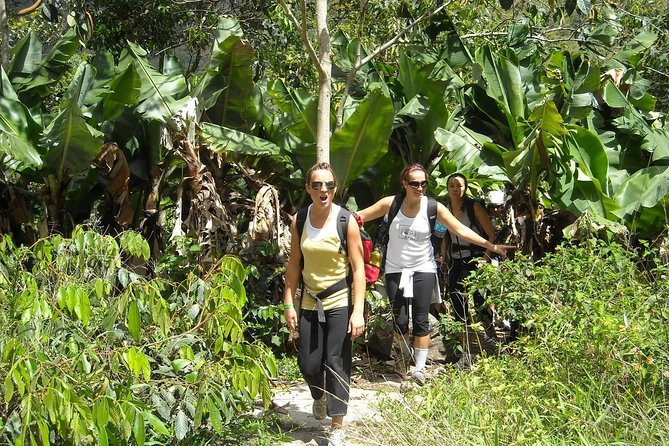
This tour fits you if you:
- want an active alternative to a more passive Machu Picchu day
- enjoy variety: bike + hike + optional zip-line/rafting
- are okay with early mornings and a full final-day push back to Cusco
- like guides who explain what you’re walking through (not just counting steps)
You might want to skip it (or pick another style) if you:
- want fully guaranteed inclusion of every adventure component
- hate logistical uncertainty and extra payments for optional activities
- struggle with moderate fitness and long days of walking and biking
Also, double-check your expectations about pace. One set of feedback mentions days can include stretches of waiting or resting. That doesn’t mean the day is “easy”—it means your effort comes in chunks, then you regroup.
Should You Book Conde Travel’s 4-Day Inca Jungle to Machu Picchu?
I’d book this if your idea of a great trip includes the journey, not just the destination. Machu Picchu here is the payoff, but the real satisfaction comes from the build-up: Abra Málaga by bike, jungle forest hiking toward places like Inca Carcel, Cocalmayo hot springs, and a final early guided visit to the sanctuary.
Don’t book it blind if you’re counting on rafting and zip-line being included. For best value, read the included/excluded list carefully, budget extra for the items marked as not included, and pack for bugs and early starts.
If that all sounds like your kind of adventure, this is a fun, energy-heavy way to reach Machu Picchu—one that feels earned rather than rushed.
FAQ
What time does the tour start?
The meeting point time is 5:00 am.
How many people are in the group?
The tour has a maximum of 15 travelers.
Where do I stay during the 4 days?
You stay one night at Conde Ecolodge – Pispitayoc (shared room), one night at a hostel in Santa Teresa (wifi and hot water), and one night at a hostel in Aguas Calientes (private bathrooms and hot water).
What meals are included?
The tour includes 4 breakfasts, 3 lunches, and 3 dinners. Meals on the last day (lunch and dinner) are not included.
Is Machu Picchu admission included?
Yes. Machu Picchu admission is included on Day 4.
Which activities or transport cost extra?
Rafting and zip-line are not included, and the bus from Aguas Calientes to Machu Picchu is also not included. You may also need to pay for Cocalmayo hot springs on site in some cases.
How do you return to Cusco on the final day?
On Day 4 you walk about 2 hours back to the hydroelectric area, then take a bus at 3:00 pm to Cusco, arriving around 9:00 pm.
Is this booking refundable?
No. This experience is non-refundable and cannot be changed for any reason.