REVIEW · CUSCO
Titicaca Lake 2 Day 1 Night from Cusco to Puno
Book on Viator →Operated by MACHUPICCHU TOURIST CONNECTION · Bookable on Viator
Two days, two altitudes, one unforgettable lake. This Cusco-to-Puno adventure strings together Route of the Sun ruins and a full day on Lake Titicaca, including reed Uros floating islands and cultural Taquile. I like that the bus ride is more than driving time: you get a guide and multiple archaeology stops instead of staring out a window.
One more thing I really enjoyed is the pacing on the water. You start early from Puno and spend real time on the lake, so the islands don’t feel rushed, even with the long day ahead. The only drawback is the sleep math: it’s marketed as 2 days, but you also spend a night on the return bus, so it’s closer to 2 days and 2 nights.
In This Review
- Key highlights to know before you go
- Cusco to Puno by bus: why this route feels worth the long ride
- Day 1 stops on the Route of the Sun: Andahuaylillas, Raqchi, La Raya, and Pukara
- Andahuaylillas: the Church of San Pedro de Andahuaylillas
- Raqchi (Parque Arqueológico de Raqchi): Temple of Wiracocha
- Sicuani: buffet lunch break
- La Raya Pass: short stop, big altitude payoff
- Pukara Archaeological Site
- Arrival in Puno and your included overnight: what you’re actually buying
- Day 2 on Lake Titicaca: Uros floating islands and Taquile for a full-day perspective
- Uros floating islands: totora layers and a living tradition
- Taquile Island: cultural tourism and lake views
- Lunch on Taquile: lake trout is the plan, but it’s not included
- The long lake day: what 10 hours can feel like
- Return to Cusco: when the night bus becomes part of the trip
- Guides, group size, and what style of commentary to expect
- Price and what’s truly included (and what you should budget)
- What to pack for this trip: altitude, cold, and lake weather
- Who this tour is best for (and who should choose differently)
- Should you book the Titicaca 2 Day 1 Night from Cusco to Puno?
- FAQ
- How long is the tour and what time do I get back to Cusco?
- What does the tour include for meals?
- Which islands do we visit on Lake Titicaca?
- Is pickup included?
- How many people are in the group?
- What is the cancellation policy?
Key highlights to know before you go
- Route of the Sun stops with a guide: Oropesa, Andahuaylillas, Raqchi, La Raya, Pukara, plus other timed stops along the way
- A full-day Lake Titicaca boat ride: Urus floating islands and Taquile as the two island anchors
- One included night in Puno: hostel-style accommodation after arriving around 5:30 pm
- Return late-night bus to Cusco: pickup from Puno at 9:15 pm and arrival around 5:00 am
- Small group size: maximum 15 travelers for a more manageable pace
Cusco to Puno by bus: why this route feels worth the long ride
If your main goal is Lake Titicaca, it’s easy to think you’re paying mostly for the boat. In reality, a big part of the value here is what happens between Cusco and Puno. The trip follows the classic Route of the Sun corridor, and you make multiple stops for Inca-era and colonial-era highlights with a guide keeping the story straight.
You’ll be picked up in Cusco at 6:30 a.m. and start heading toward Puno right away. Along the way, the schedule includes several archaeology sites and viewpoints, including a high pass area where you can see snow-capped Andes peaks in clear weather. For many people, that’s the sweet spot: you turn a travel day into something educational and scenic, without having to plan transportation yourself.
Also, the bus setup is designed for comfort. In feedback from past travelers, the vehicles were described as comfortable, and the overall logistics were easy to follow. Still, keep in mind you’ll be on the move for a long day, and you’ll want to treat this as an active sightseeing itinerary, not a gentle day trip.
You can also read our reviews of more evening experiences in Cusco

Day 1 stops on the Route of the Sun: Andahuaylillas, Raqchi, La Raya, and Pukara
Day 1 is built around a sequence of stops that gives you a good sense of the region—architecture, sacred places, and landscape at altitude.
Andahuaylillas: the Church of San Pedro de Andahuaylillas
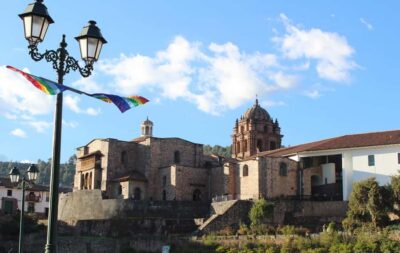
The first big named stop is Andahuaylillas, home to the Church of San Pedro de Andahuaylillas. It’s often compared to the Sistine Chapel of America because of its interior artistry. You’ll have about 40 minutes here, which is enough time to see the standout features without feeling like you’re rushing.
Why it matters for you: this stop breaks up the long bus hours with something visually dramatic. It also gives context for what the Spanish built on top of Indigenous sacred sites—information your guide should help connect as you move through the route.
Raqchi (Parque Arqueológico de Raqchi): Temple of Wiracocha
Next comes Raqchi, a complex with different areas dedicated to specific functions. The main star is the Temple of Wiracocha, honoring the god with the same name. You’ll get around 50 minutes on site.
What to expect: the site is open-air, and you’ll likely feel the altitude more here than in Cusco. If you’re sensitive to cold, layered clothing helps even more than you’d think.
Sicuani: buffet lunch break
Lunch is in Sicuani, and the tour includes a buffet lunch with about 1 hour allotted. This is your practical reset button. Eat early enough that you don’t feel sluggish for the later climb toward the Andes viewpoints.
You can also read our reviews of more tours and experiences in Cusco

La Raya Pass: short stop, big altitude payoff
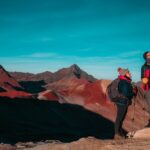
Then you reach La Raya Pass, at about 4,338 meters. The schedule only gives you about 10 minutes, but it’s planned for observation—snow-capped mountain views when conditions are clear.
Here’s the key consideration: 10 minutes passes quickly, especially if you’re walking slowly or catching your breath. If you want photos, prep your camera before you step out and keep your gloves on.
Pukara Archaeological Site
The final archaeology stop on Day 1 is Pukara, known for monolithic sculptures and a mix of animal-like and human-like figures. You’ll also see geometric design patterns and colorful pottery shapes. Time on site is about 30 minutes.
Why this pairing works: you’re moving from religious art (Andahuaylillas), to major sacred architecture (Raqchi), to a high-altitude pass viewpoint (La Raya), and then into a site focused on sculptures and material culture (Pukara). Even if you’re not a history person, it helps the trip feel like more than a single highlight.
Arrival in Puno and your included overnight: what you’re actually buying
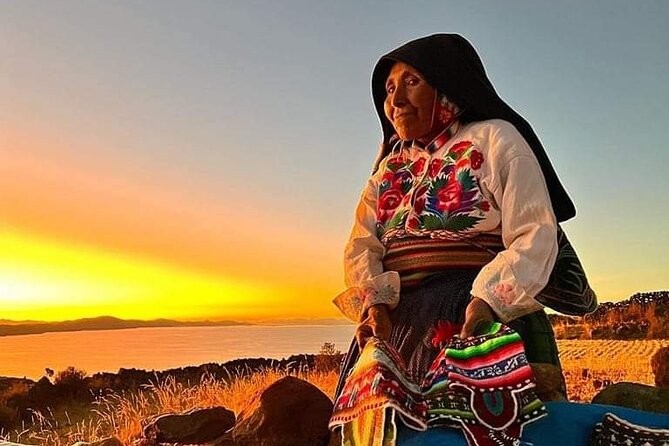
After the long Day 1 drive, you arrive in Puno around 5:30 p.m. and check into your accommodation (described as hostel-style). You then have downtime to rest, eat (beyond what’s included), and decide whether to explore Puno on your own.
This is where the tour’s structure starts making sense: you’re not traveling to the lake and back in one frantic day. You’re giving yourself a full morning on the water on Day 2, which is the part most people care about.
A practical tip: plan for cold. Puno sits high, and Lake Titicaca weather can shift fast. Even if you start warm on Day 1, bring that cold layer you packed for the bus.
If you’re expecting a hotel with lots of amenities, the tour data points to hostel-style lodging, and details can vary. The upside is that you’re paying for the overall itinerary value—transport, guided stops, island boat time—not for luxury.
Day 2 on Lake Titicaca: Uros floating islands and Taquile for a full-day perspective
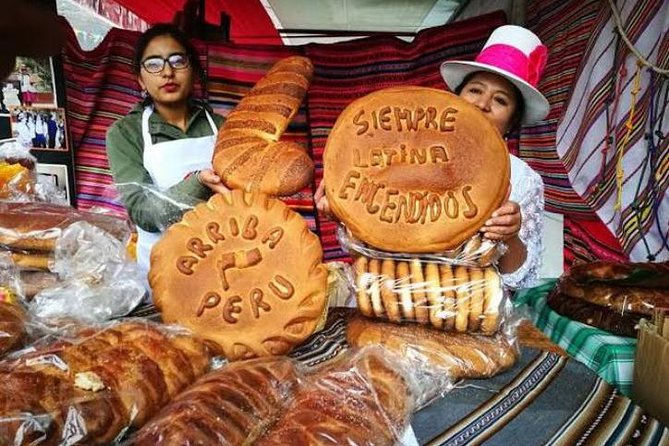
Day 2 starts early. You’ll be picked up from your Puno hotel at 6:45 a.m. for a boat day on Lake Titicaca. This is the center of the experience and the reason most people book.
Uros floating islands: totora layers and a living tradition
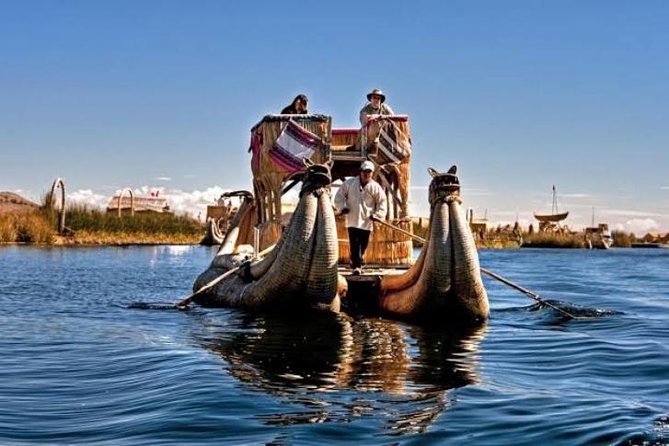
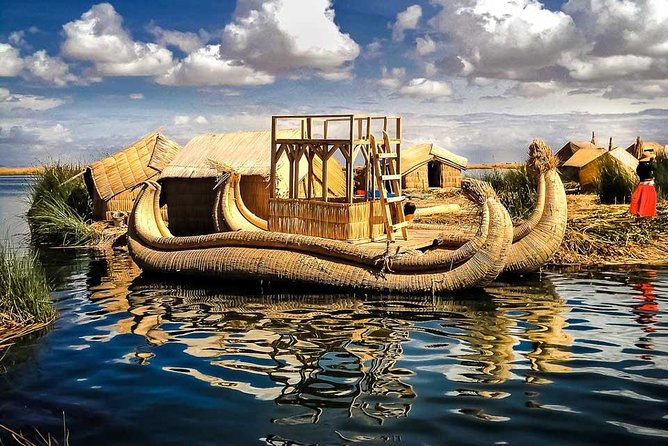
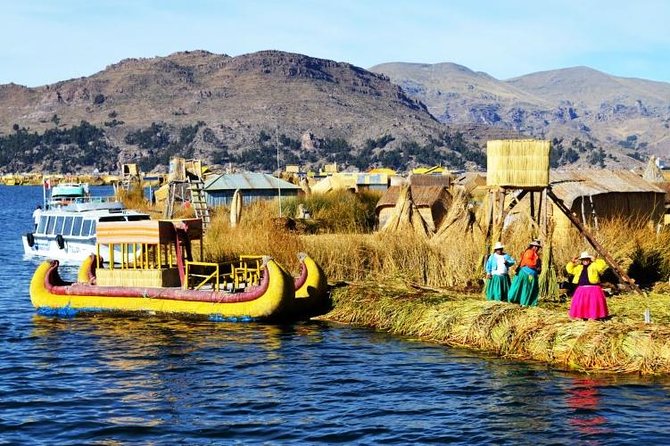
The first island visit is the Uros Floating Islands, built on artificial surfaces made from totora, a plant that grows on the lake. The islands are created from woven totora layers laid over overlapping roots, creating a platform that can support habitation.
Time here is about 1 hour. In that hour, the focus is typically on how the islands are made and how the community lives on them, not just picture-taking. This is also where your guide helps you avoid the common mistake of treating the Uros as a museum. It’s a community that still uses the lake and the plants around it as part of daily life.
Taquile Island: cultural tourism and lake views
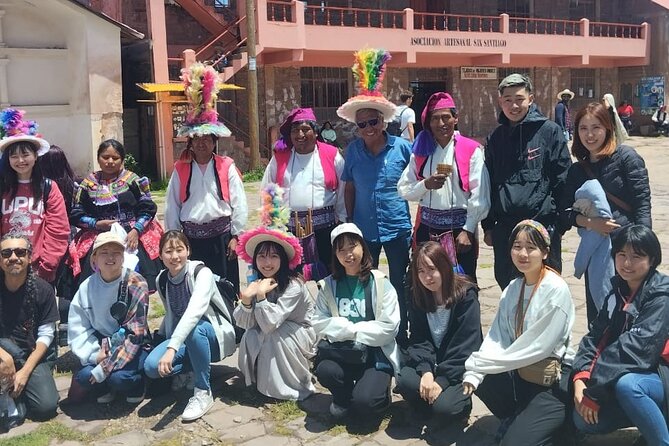
Next is Taquile Island. The tour schedule gives about 1 hour on the island, with a focus on the lived experience—customs, tasks, and the belief system tied to the island’s protective apus.
This is where the trip shifts tone. The Uros are about materials and survival at water level. Taquile is about people, routines, and community identity. You’ll likely notice the difference the moment you step off the boat: more stable ground, more visible everyday work, and a cultural flow tied to Andean traditions.
Lunch on Taquile: lake trout is the plan, but it’s not included
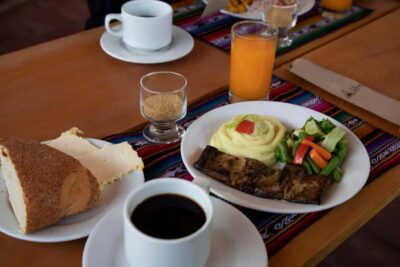
Lunch is on Taquile, and the itinerary notes you’ll try lake trout. The important detail: the tour’s included meals cover the buffet lunch on Day 1, while the Taquile lunch is listed as not included. So budget extra for food on the island.
My advice: treat lunch money as part of your planning for the day’s comfort. You’re on the lake for a long stretch, and hunger slows you down.
The long lake day: what 10 hours can feel like
The itinerary lists Lake Titicaca time at about 10 hours. That sounds huge, but it includes transit, island visits, and the overall rhythm of the day. If the weather is rough, you’ll still get the experience, but you’ll feel it in your legs and stomach.
Bring a rain layer and consider sunglasses. The lake is reflective, and glare adds fatigue fast.
Return to Cusco: when the night bus becomes part of the trip
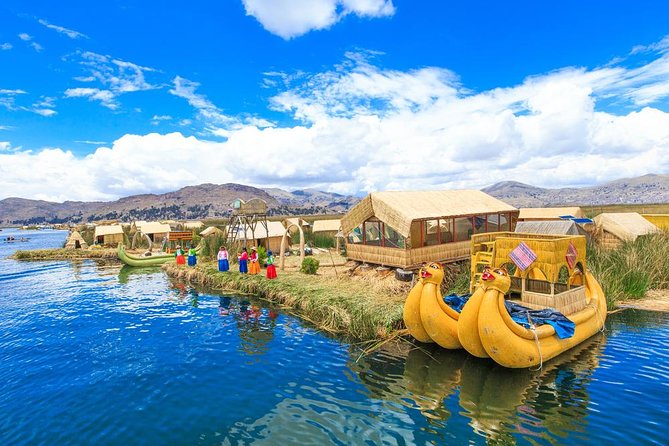
Here’s the part that causes confusion, and it’s worth planning carefully. After the boat day wraps up, you return to Puno around 5:00 p.m. and can either go back to your hotel or visit Puno on your own.
Then comes the night segment: at 9:15 p.m., you’ll be picked up from your hotel for the return bus to Cusco, arriving about 5:00 a.m. at the Cusco terminal.
So yes, it’s an overnight tour, and yes, you’ll be sleeping on the bus for part of it. If you hate night travel, plan snacks, a warm layer, and something to keep you comfortable in a moving vehicle.
One small note from real-world experience: some people have had issues when pickup details weren’t crystal clear at the bus station level. The simplest fix is to confirm your exact pickup point the night before and keep your confirmation handy. Don’t assume. Do confirm.
Guides, group size, and what style of commentary to expect
This tour runs with a professional guide and a maximum of 15 travelers. That small group size usually means fewer people to manage at each stop, and it can make it easier for your guide to answer questions.
That said, guide style can vary. In one report, a guide named Manuel was singled out positively for keeping things running smoothly. In another case, the first-day guide spent time on chakras, numerology, and aliens rather than focusing on archaeology history, and that didn’t match what some people wanted most.
My practical takeaway for you: if archaeology facts and architecture are your priority, it helps to ask early in the day for the focus you want. A good guide will work with the group’s interests.
Price and what’s truly included (and what you should budget)
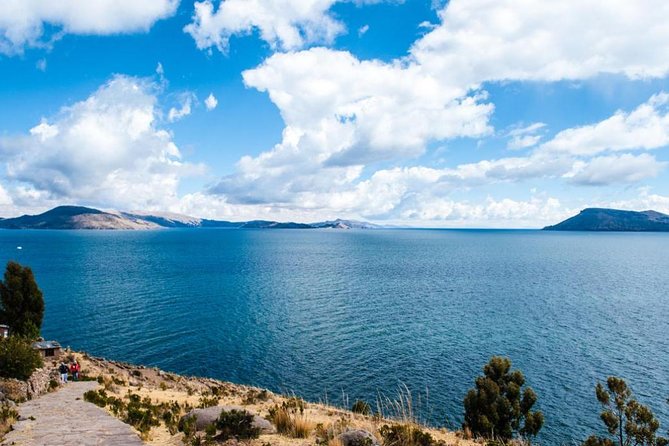
At $269 per person, this tour has a clear logic to the value: it bundles transport, guided sightseeing, accommodation in Puno, and the boat day to two major island destinations.
Included highlights:
- Cusco to Puno bus with multiple archaeological and scenic stops
- Buffet lunch on Day 1 in Sicuani
- Professional guide
- Boat visits to Uros and Taquile
- Accommodation in Puno (hostel-style)
- Return bus from Puno to Cusco
- The Route of the Sun style stops (including the named sites and additional route stops)
Not included (things you’ll likely pay separately):
- Tips (optional)
- Lunch on Taquile (not included)
- Any personal expenses in between (snacks, drinks, extra shopping)
So is it good value? If you’re trying to do this on your own, you’d have to line up transport, tickets, guides, and coordination between Cusco, Puno, and the lake. Here, you’re paying for that coordination, plus the structured commentary and time management that makes the days run.
What to pack for this trip: altitude, cold, and lake weather
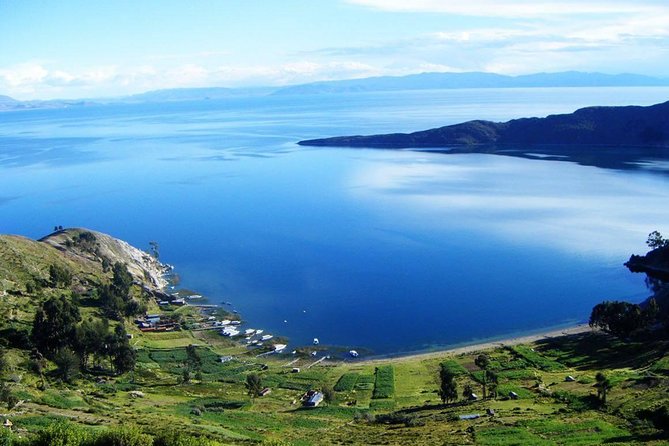
You’re going from Cusco to high passes and then out onto a lake that can feel chilly even when the sun is out. Pack like it’s cool and changeable.
The essentials the tour specifically calls out:
- A light backpack
- Hiking shoes
- Cold clothing
- Rain jacket or rain poncho
- Hat and sunscreen
- Sunglasses (and a plastic bag for keeping items dry)
- Energy bars for gaps between food breaks
- Camera if you want photos (you’ll have chances, especially at La Raya and around Taquile)
Altitude support:
- Acclimatize before the trip if you can, and drink coca tea as advised.
If you start the trip already tired, the itinerary can feel long. Energy bars and a light snack strategy help a lot.
Who this tour is best for (and who should choose differently)
This is a strong fit for you if:
- You want a guided, structured route without planning transfers
- You like archaeology stops but don’t want to spend a whole week hopping between sites
- You’re okay with a long day and a late return bus
It may not be ideal if:
- You strongly dislike night travel or poor sleep
- You need a full relaxation vacation (this trip is active and timed)
- You expect a strictly archaeology-focused commentary all day, because guide style can vary
A good strategy: treat Day 1 as your culture and ruins day, then let Day 2 slow down into lake time and community life.
Should you book the Titicaca 2 Day 1 Night from Cusco to Puno?
I think you should book this tour if you want maximum output from limited time. It’s not just a boat ride—it’s a full corridor experience from Cusco down to Puno with major stops along the way, plus a full-day Lake Titicaca visit.
Before you say yes, check one key thing: you’re signing up for a return trip that includes a night bus. If you can handle that, the rest of the itinerary structure is solid, and the small group size plus included guide and transport makes it feel efficient for the price.
If you’re still on the fence, ask yourself what you’re really buying: time-saving coordination and guided experiences. If that’s your priority, this is a practical choice.
FAQ
How long is the tour and what time do I get back to Cusco?
The tour runs about 2 days. You arrive in Puno around 5:30 p.m. on Day 1, then return to Cusco on the night bus with pickup at 9:15 p.m. and arrival around 5:00 a.m.
What does the tour include for meals?
The tour includes a buffet lunch on Day 1 in Sicuani. Lunch on Taquile is not included, though the schedule notes you will try lake trout there.
Which islands do we visit on Lake Titicaca?
You visit the Uros floating islands and Taquile Island by boat as part of the full-day Lake Titicaca excursion.
Is pickup included?
Pickup is offered. You’re picked up from your hotel in Cusco on Day 1, and from your hotel in Puno for the boat day and the return to Cusco.
How many people are in the group?
The tour lists a maximum of 15 travelers.
What is the cancellation policy?
You can cancel for a full refund up to 24 hours in advance of the experience’s start time. If you cancel less than 24 hours before, the amount paid is not refunded.