REVIEW · CUSCO
Salkantay Trek Standard 5D/4N
Book on Viator →Operated by Conde Travel · Bookable on Viator
Five days. One long climb.
This Salkantay Trek route turns the Andes into one smooth itinerary, not a puzzle you have to solve yourself. I like that it runs as a small group (max 15), and that the basics are handled: guide, cook and assistants, meals, camping setup, and key entrance fees.
What really makes it work is how the days are structured around altitude and changing scenery. You start in the Soraypampa area (about 3900 m), visit Humantay Lake (about 4200 m), then push up toward the Salkantay Pass at 4600 m. Along the way, you’ll get guided breaks, hot drinks like coca tea, and a real camp setup with a dining tent, kitchen, chairs and tables, plus a first aid kit.
One consideration: this trip is non-refundable and can’t be changed, so be sure you’re ready to commit before you pay.
In This Review
- Key things I’d pay attention to
- A Salkantay trek that handles the logistics for you
- Day 1: from Soraypampa up to Humantay Lake, then Salkantaypampa views
- Day 2: Salkantay Pass (4600 m), Wayrac Machaq, and the high jungle shift
- Day 3: cloud forest mornings, Lucmabamba, coffee activities, and optional hot springs
- Day 4: Llactapata viewpoint, Hydroelectric lunch, and the walk into Aguas Calientes
- Day 5: sunrise at Machu Picchu with a private guide, then back to Cusco
- Packing for comfort: sleeping bag and poles are on you
- Price and value: where your money actually goes
- Who this trek fits best (and who should reconsider)
- Should you book the Salkantay Trek Standard 5D/4N?
- FAQ
- What time does the trek start?
- How big is the group?
- Where does the tour start and end?
- How long is the trek?
- What’s included in the ticket price for Machu Picchu?
- Are meals included?
- Do I need to bring a sleeping bag?
- Are walking poles included?
- Is ziplining included?
- Is the bus to Machu Picchu included?
Key things I’d pay attention to
- Max 15 people: fewer faces to navigate, easier pacing with your guide
- All the heavy logistics handled: transfers, tents, cook team, and meals included
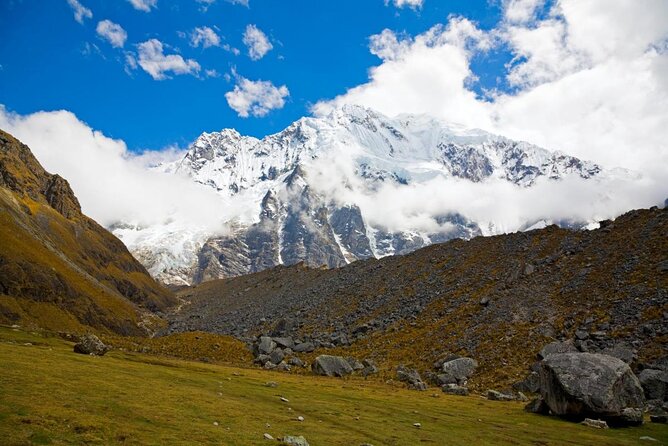
- Altitude plan built in: pass crossing (4600 m) followed by a steep shift down
- Machu Picchu at sunrise timing: early buses to maximize your entry window
- Optional extras with clear boundaries: ziplining and hot springs cost extra; some viewpoints aren’t included
A Salkantay trek that handles the logistics for you
The “Standard 5D/4N” part matters because it signals a realistic mix of hiking, rest, and included comfort—without pretending it’s an easy walk. You’re not buying a bunch of separate pieces and hoping they line up. You start with transfers from Cusco to Mollepata, then the trek moves you through camps and end with the Machu Picchu visit and the ride back toward Cusco.
Even the camp setup is part of the value. You get a roomy dining tent and kitchen, plus chairs and dining tables. That sounds small until you’ve been hiking all day and your feet finally stop complaining. Add in a bilingual professional guide, cook, assistants, and a first aid kit, and the trip becomes more about walking and seeing, and less about figuring out how everyone eats and sleeps.
Just know what isn’t included so you don’t get surprised mid-queue. You’ll need to bring a sleeping bag and walking poles (if you use them). And if you want extra Machu Picchu summits like Huayna Picchu or Machu Picchu Mountain, those entrances aren’t included.
You can also read our reviews of more hiking tours in Cusco

Day 1: from Soraypampa up to Humantay Lake, then Salkantaypampa views
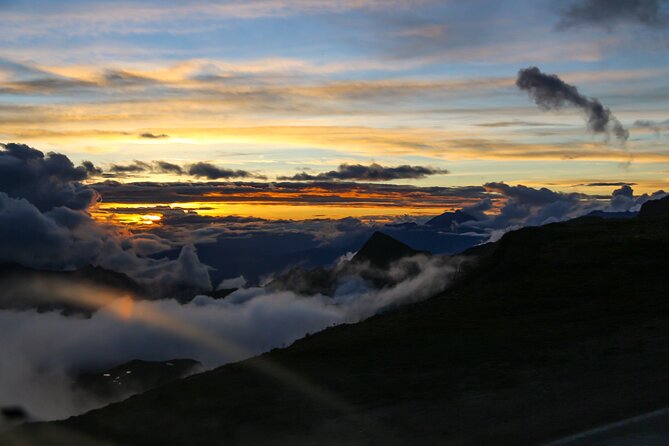
Day 1 starts early—4:00 am pickup at the Portal de Comercio area in Cusco. After an early transfer, you’ll have breakfast in Mollepata and then head toward Soraypampa (about 3900 m). This is also where the trip gets practical: you meet the horsemen and horses, and they carry the camping equipment. That means you’re not hauling camp gear up steep paths, which helps a lot on day one.
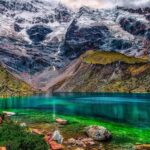
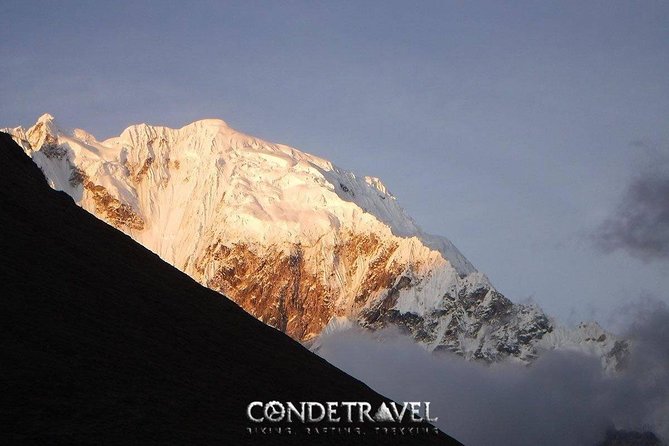
From Soraypampa you’ll hike to Humantay Lake (around 4200 m). Humantay is a classic for a reason: the views are sharp, and the walk gives you a first feel for the high-altitude air before the harder days. After visiting the lake, you hike back to Soraypampa for lunch. Then you move on to the basecamp area Salkantaypampa, where you get afternoon tea and dinner with the snowy peak of Salkantay in view.
What I like about this structure is that it’s not just “walk until you drop.” It gives you a clear rhythm: early start, climb to a big payoff, then a camp-based evening when you actually need to recover.
Day 2: Salkantay Pass (4600 m), Wayrac Machaq, and the high jungle shift
Day 2 is where the route earns its name. You wake up with coca tea, eat breakfast with mountain views, and then begin the push to the Salkantay Pass at about 4600 m. The trip notes say it takes around three hours to reach the high point. That’s a short time window, but at altitude, “short” still feels intense—especially if you’re not used to thinner air.
Once you cross the pass, you don’t just descend randomly. You walk toward Wayrac Machaq for lunch, then continue into the high jungle. Here’s what makes this day more interesting than a straight up-and-down: you’ll notice big trees over streams, with bromeliads and orchids along the way. The terrain change is real—you start high, then the vegetation and water show up as you move downhill.
You’ll hike for about eight hours and reach the second campsite that night. This is the “mental reset” day: your body is tired from the pass, but you’re also getting a clear reward—moving from icy heights toward warmer, wetter zones.
Day 3: cloud forest mornings, Lucmabamba, coffee activities, and optional hot springs
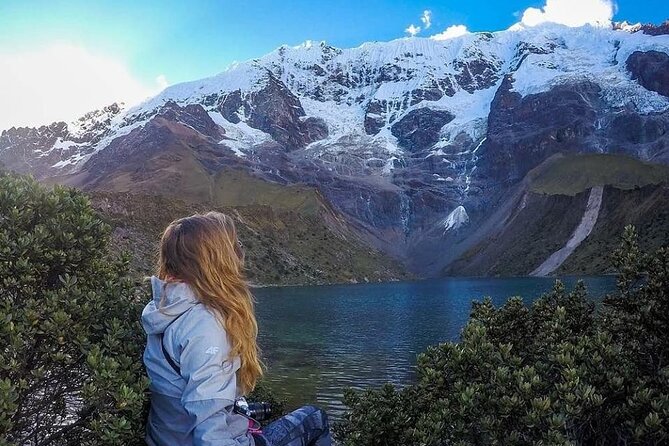
Day 3 begins early again, with breakfast before you get moving along the cloud forest portion of the route. The itinerary calls out about three hours of hiking here, with rivers and waterfalls along the way. If you prefer your trek to feel like more than one long climb, this is a day that brings texture: misty air, moving water, and that mid-elevation feel where everything smells a bit greener.
After lunch, you hike three more hours to Lucmabamba campsite. This is also where the trek offers optional, extra-pay activities. If you book ahead, you can add ziplining near the campsite area. Even if you skip it, Lucmabamba has another on-ramp to local life: you can spend time in the coffee plantations and learn about coffee processing activities there.
There’s also an optional trip to Cocalmayo hot springs, about 30 minutes from the campsite. It’s not included—extra transportation and entrances apply—so think of it as a bonus if you want a recovery soak after more walking. If you’re the type who loves loosening up your calves, it can be a great call.
The practical takeaway for day 3: you’re building recovery while still walking. That balance helps you handle the next day’s final big climb toward the Machu Picchu approach.
Day 4: Llactapata viewpoint, Hydroelectric lunch, and the walk into Aguas Calientes
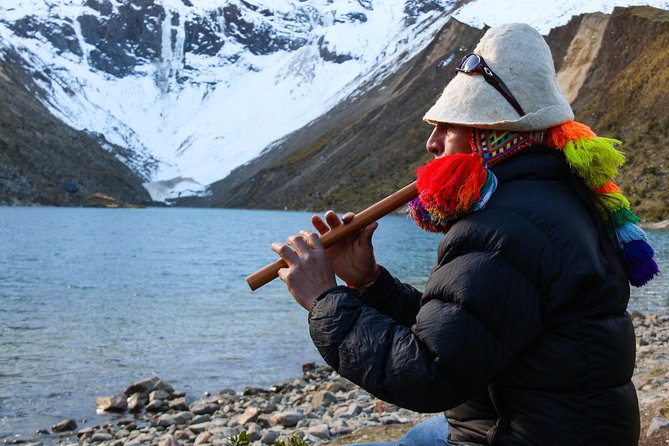
Day 4 is a big “view day,” but it’s also a long transition. You wake up, eat a solid breakfast, and start hiking to Llactapata. From there you’ll get a great view that connects the dots to Machu Picchu—it’s one of those look-back moments where the trek starts to feel like a story, not just a series of camps.
After Llactapata, the path drops downhill toward Hydroelectric, where you stop for lunch. Then you continue hiking for about three more hours until you reach Aguas Calientes. This night is your one hotel night (not camping), which is a big difference. Even if the day feels long, the switch to a hotel is your reward.
One thing to plan for mentally: the final approach into Aguas Calientes can feel like a “busy zone.” Your energy matters more now than your speed. Save your big push for Machu Picchu day.
Day 5: sunrise at Machu Picchu with a private guide, then back to Cusco
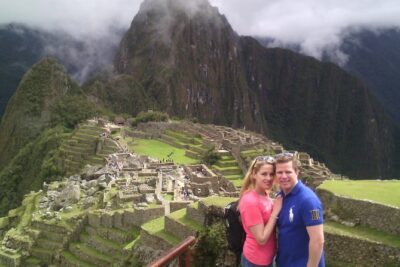
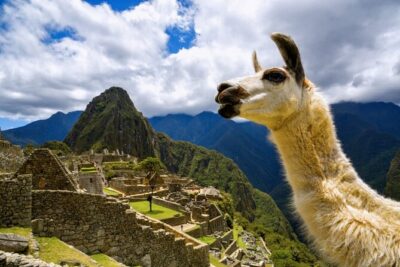
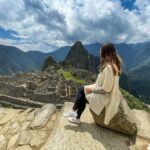
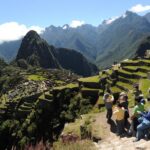
On day 5, you take early buses up to Machu Picchu for sunrise. The itinerary then says you’ll explore Machu Picchu with a private tour guide. That matters because you’re not just walking through stones on your own. Your guide helps you see what to look for and how the site is laid out, which is especially useful if this is your first time there.
After finishing your time at Machu Picchu, you head back using the included transit back toward Cusco. The tour includes the train back from Aguas Calientes to Ollantaytambo, plus transportation from Ollantaytambo to Cusco.
Two details to double-check before you go:
- The tour includes Machu Picchu entrance fees, but Huayna Picchu or Machu Picchu Mountain entrances aren’t included.
- The list says the up or down bus from Aguas Calientes to Machu Picchu is not included, even though day 5 mentions early buses to reach sunrise. Ask your operator what you’ll need to pay for (or show) so you’re not stuck at the wrong window.
Packing for comfort: sleeping bag and poles are on you
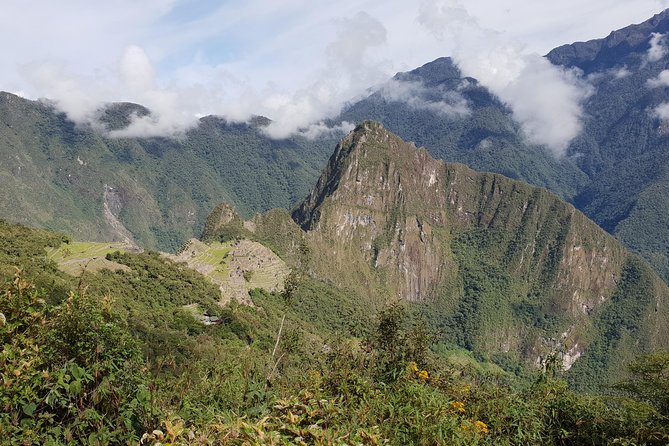
This tour includes a lot, but it does not include the gear that usually makes trekking comfortable. You’ll need to bring:
- a sleeping bag
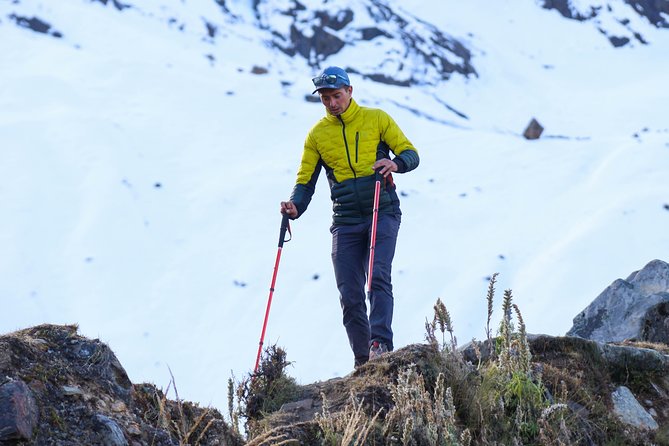
- walking poles (if you want them)
Given the altitude and the number of hiking hours across multiple days, you’ll also be happier with layers you can adjust quickly. Nights in the Andes can feel cold, and your muscles will thank you if you’ve got a plan for warmth after dinner.
On timing: you start very early (4:00 am). Plan on being awake before your brain is ready. Pack your day-one essentials the night before, and keep your important items easy to reach.
Price and value: where your money actually goes
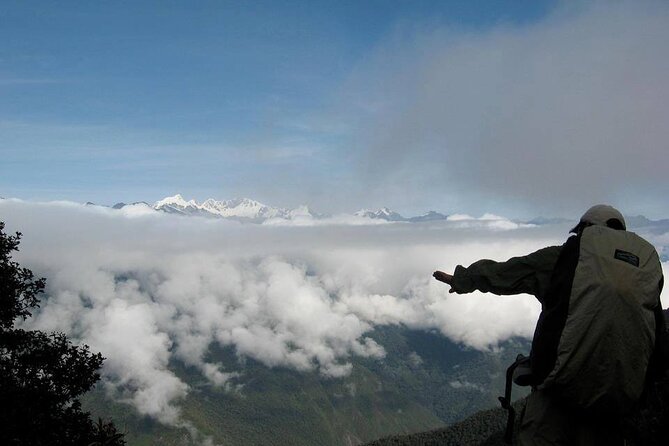
Since the tour includes a lot, the value isn’t just “you get a guide.” You get the setup that usually costs time and energy to organize:
- Transfers including Cusco to Mollepata
- Camping support: roomy dining tent and kitchen, plus chairs and tables
- Guide, cook, and assistants (with a first aid kit)
- Meals: breakfast (4), lunch (4), dinner (4)
- Entrance fees to Machu Picchu
- Lodging: 3 nights camping + 1 hotel night in Aguas Calientes
- Transit at the end: train from Aguas Calientes to Ollantaytambo, then onward transportation to Cusco
That’s why this feels like a “Standard” option rather than a bare-bones trek. You’re paying for fewer unknowns. And that matters on a hike where timing, altitude, and camp logistics can turn into a headache if you plan it all alone.
Also, the tour has a strong reputation in the provided rating snapshot: 94% recommended with an average rating of 4.8. I treat that as a signal that the basics—guiding, pacing, and organization—are usually handled well.
Who this trek fits best (and who should reconsider)
This works well if you want a guided, small-group Salkantay experience that ends with Machu Picchu at sunrise. It’s also a good match if you like the idea of different environments in one go: high pass crossing, high jungle downhill, then cloud forest, then the Machu Picchu approach.
It may be less ideal if you’re trying to keep flexibility. Because it’s non-refundable and not changeable, you need a steady plan for travel dates and health. And because some popular Machu Picchu add-ons (Huayna Picchu / Machu Picchu Mountain) are not included, you should decide ahead of time whether you want those.
If you’re comfortable hiking over several long days and you respect altitude with a sensible pace, this standard route is a very practical way to do it.
Should you book the Salkantay Trek Standard 5D/4N?
I’d book this if you want one organized package that carries you from Cusco into the Andes, then smoothly hands you off to Machu Picchu with sunrise timing. The strongest reason is simplicity: meals, camp setup, guiding, and the key entrances are handled. That’s a big deal when you’re focused on altitude, walking, and not losing a day to logistics.
I’d hesitate if you’re not 100% sure about dates or you’re trying to build a lot of “maybe” activities without understanding what costs extra. Also, plan for the gear you’ll need to bring—especially a sleeping bag.
If you’re the kind of traveler who wants the trek to feel personal (max 15) and not stressful, this is a solid way to make the journey from the Salkantay region to Machu Picchu without turning your vacation into a spreadsheet.
FAQ
What time does the trek start?
It starts at 4:00 am from the meeting point in Cusco (Portal de Comercio 145).
How big is the group?
This is a small-group experience with a maximum of 15 travelers.
Where does the tour start and end?
It starts at Portal de Comercio 145, Cusco, and ends back at the same meeting point.
How long is the trek?
The duration is about 5 days (5D/4N).
What’s included in the ticket price for Machu Picchu?
It includes entrance fees to Machu Picchu. However, Huayna Picchu or Machu Picchu Mountain entrances are not included.
Are meals included?
Yes. It includes 4 breakfasts, 4 lunches, and 4 dinners.
Do I need to bring a sleeping bag?
Yes. A sleeping bag is not included.
Are walking poles included?
No. Walking poles are not included.
Is ziplining included?
Ziplining at the Lucmabamba area is optional. It’s not included unless you add it separately (and it says you can book in advance).
Is the bus to Machu Picchu included?
The up or down bus from Aguas Calientes to Machu Picchu is not included. Day 5 mentions early buses to reach sunrise, so you should confirm what you’ll need to pay for based on your booking.