REVIEW · CUSCO
Excursion to the Planetarium of Cusco | New experience
Book on GetYourGuide →Operated by Chullos Travel Cusco · Bookable on GetYourGuide
A Cusco night sky lesson beats a museum stop. You get Inca constellations explained, then a planetarium dome projection maps what you should look for once it gets dark. The one catch is that telescope time depends on weather, and the evening can feel tighter than the 4-hour label.
Pickup starts at Plaza Regocijo around 5:30 to 6:00 PM, then you ride out to the observatory in less than 20 minutes. I like the small group setup (max 10), because it keeps the talk interactive instead of turning into a lecture hall.
You’ll head back toward Cusco’s Plaza de Armas and arrive around 8:00 PM. Since meals aren’t included, eat first and keep the evening focused on stars, not dinner.
In This Review
- Key things to know before you go
- From Plaza Regocijo to the Planetarium: Pickup and Timing That Matters
- Inca Astronomy Talk Inside Cusco: What Happens Before You Look Through Telescopes
- The Dome to the Real Sky: Telescope Viewing and the Night Walk
- What You Actually Learn About Inca Constellations
- Group Size and the Guide: How the Evening Stays Friendly
- Price and Value: Does $39 Make Sense for This Cusco Evening?
- Who Should Book This Planetarium of Cusco Excursion
- Should You Book? My Practical Take
- FAQ
- Where is the pickup location?
- What time does the tour start and when do you return?
- How long is the excursion?
- What will we do during the tour?
- Is telescope viewing guaranteed?
- How big is the group?
- What languages does the guide speak?
- What’s included in the price, and what’s not?
- Are alcohol or drugs allowed?
- Can I cancel for a full refund, and can I pay later?
Key things to know before you go
- Bilingual guide (English and Spanish) so you can actually follow the Inca astronomy talk.
- Interpretation rooms first, then a virtual sky show on the planetarium dome.
- Professional telescopes for planets and constellations, but weather can limit what you see.
- A guided night walk as part of the experience after the sky education.
- Small group (up to 10) which usually makes telescope time feel less rushed.
- Blankets may be provided for outdoor stargazing, which helps when the night cools down.
From Plaza Regocijo to the Planetarium: Pickup and Timing That Matters
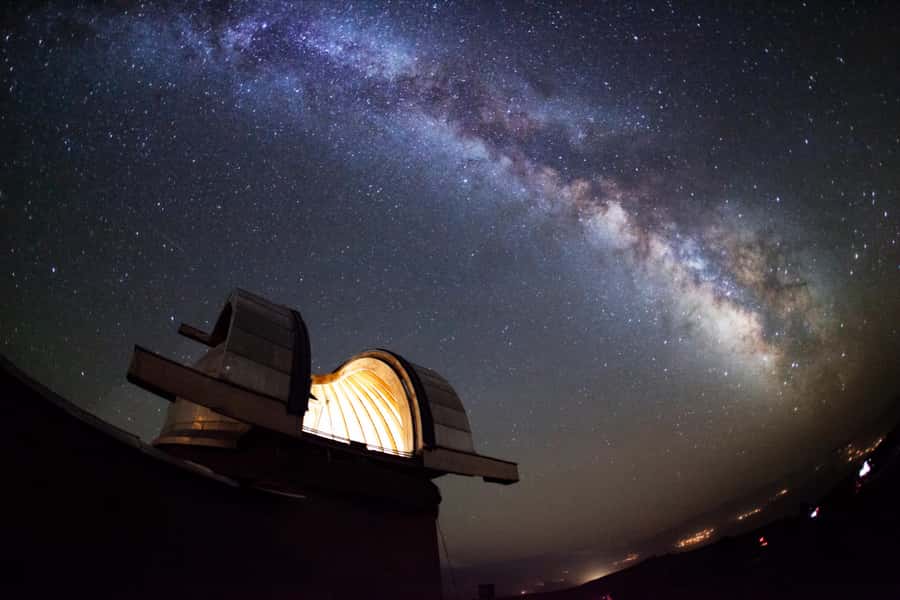
This is an evening tour built around night-sky viewing, so timing isn’t a detail—it’s the whole game. You meet at Plaza Regocijo between 5:30 and 6:00 PM, then hop on a shuttle to the Planetarium of Cusco, which is under 20 minutes from the city.
The full experience is listed as 4 hours, and that usually includes transport plus time inside the observatory. One reason this matters: if you expect a long, slow evening under the stars, you may feel rushed when weather or pacing shortens the telescope window.
I suggest planning your day so you’re not scrambling for dinner right before pickup. Meals aren’t included, and Cusco has enough going on that it’s easy to end up late or hungry without realizing it.
You can also read our reviews of more tours and experiences in Cusco.

Inca Astronomy Talk Inside Cusco: What Happens Before You Look Through Telescopes
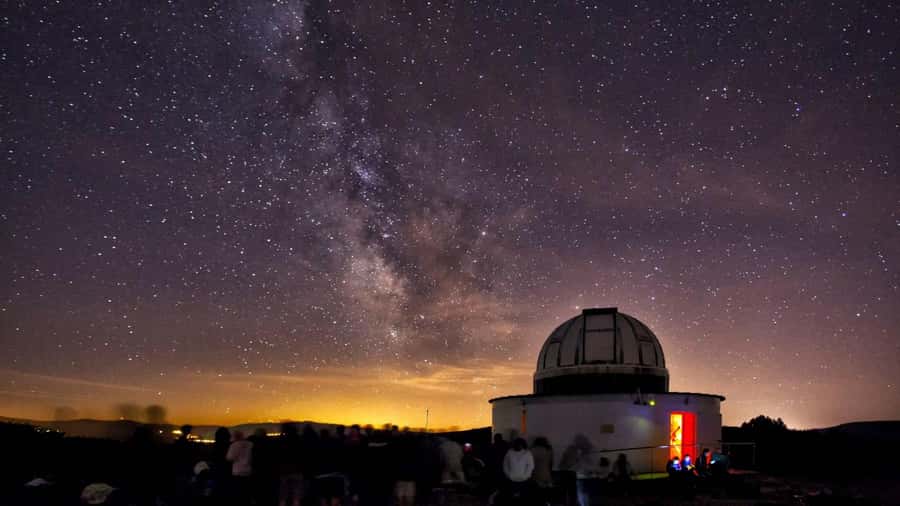
The evening starts with a guided talk on Inca astronomy in the interpretation rooms. This is where the guide sets the context—how people in the Andes used the sky for meaning, stories, and understanding patterns above.
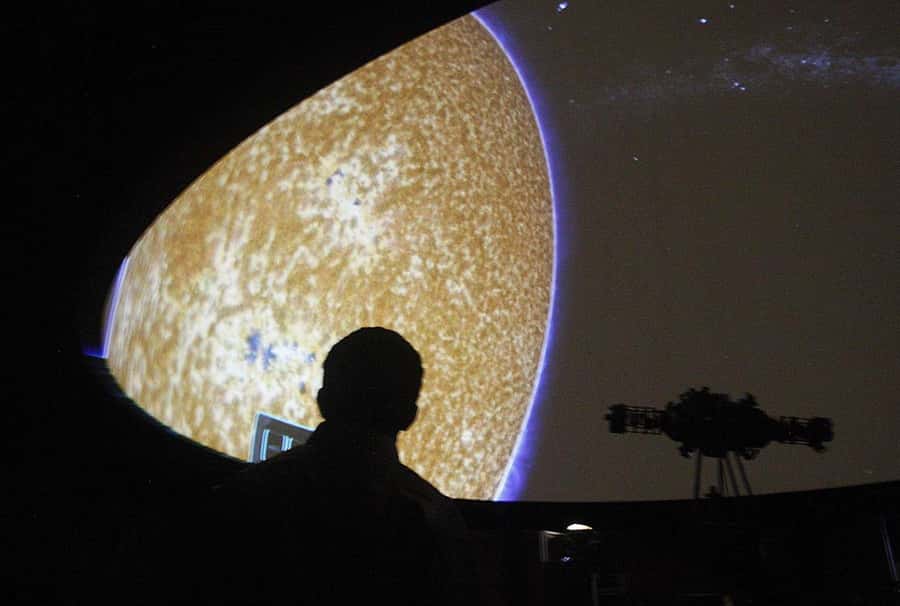
Next comes the planetarium dome portion: a virtual sky projection where you learn about the Inca constellations, with the dome doing the heavy lifting of showing you what you’re seeing. If you’ve ever looked up in Cusco and felt like every star is just a star, this dome step helps you get your bearings fast.
The Planetarium of Cusco is described as one of the most unique observatories in the world, and that shows in how the program blends teaching with visualization. You’re not just watching; you’re getting a sky map that you can connect to the real night outside.
Here’s the balance to keep in mind. If what you want most is a deep, practical explanation of how these sky markers were used in everyday Inca life, you might find the focus leans more toward constellations and sky knowledge than a full “how it worked” manual. The upside is that it stays approachable, especially when the sky outside isn’t cooperating.
The Dome to the Real Sky: Telescope Viewing and the Night Walk
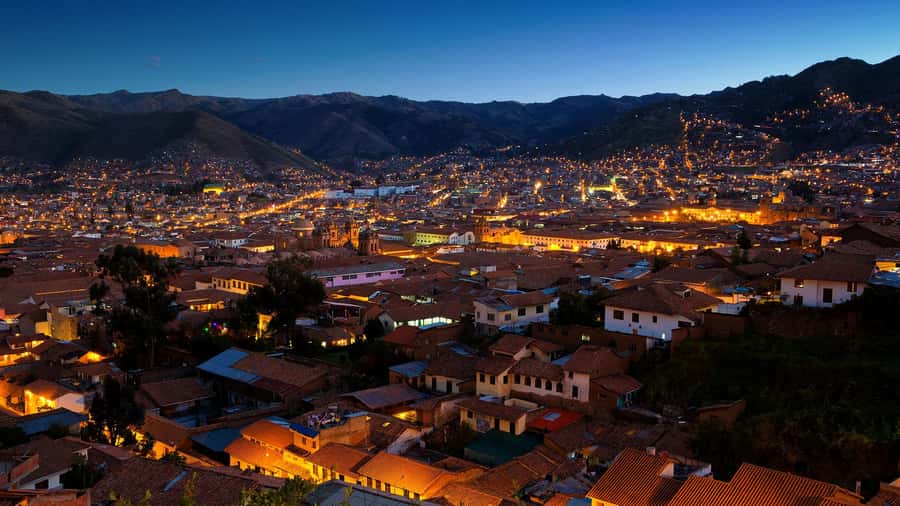
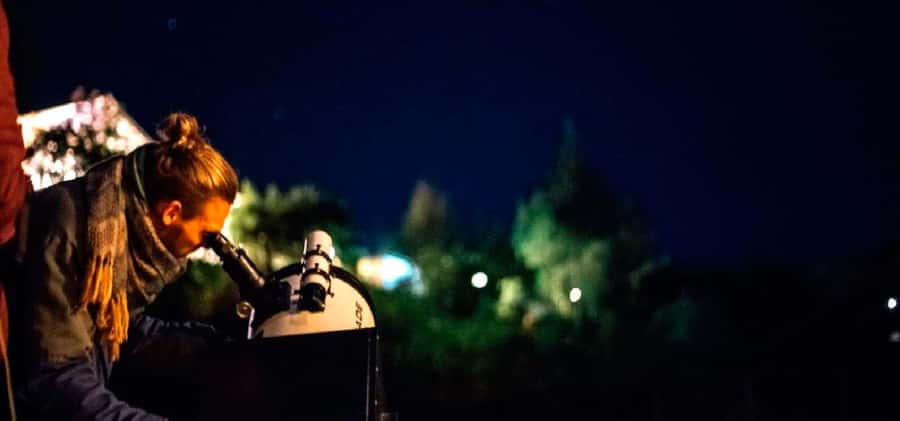
After the dome show, the tour shifts into real-night viewing. You’ll use professional telescopes at the observatory to admire constellations and planets, but there’s a clear reality check: this last activity is subject to weather conditions.
If the sky is clear, telescope time is where the whole evening clicks. You get to connect what you learned in the dome to actual points of light, and that makes the constellations feel less like trivia and more like a sky you can navigate with your eyes.
If clouds roll in, expect the evening to rely more heavily on the indoor portion. That’s not a failure—it’s just the nature of astronomy. Still, it’s why I recommend you go in expecting flexibility, not a guarantee of maximum telescope time.
Then there’s the night walk part of the highlights. This is a chance to slow down for a bit, look around the observatory setting, and keep your attention on what changes once darkness fully arrives. If you’re prone to rushing from activity to activity during your trip, this step is a nice reset.
One more practical note: some past experiences mention blankets for outdoor stargazing with the telescopes. Even if you don’t need them, it’s a good sign the team is thinking about comfort while you wait for your turn at the eyepiece.
What You Actually Learn About Inca Constellations
This tour is built around the idea that learning the sky is easier when someone guides you through the patterns in a structured way. The interpretation rooms start with Inca astronomy basics, then the dome projection shows constellations in a way you can recognize later, then the telescope helps you confirm the real thing.
That flow is the value: it turns guessing into recognition. Once you’ve seen how the guide frames the sky, you’ll likely feel more confident scanning for shapes and standout stars rather than staring upward with no idea where to begin.
The best moments tend to be the mix of science + Andean sky storytelling. Some people specifically point out the strong history and science connection, including links to pre-Inkan knowledge in the background of what’s being taught. I’d file this under “sky education with cultural context,” not a pure lab session.
Now the possible limitation. A few experiences describe the information as more focused on pointing out constellations than explaining how these were used by the Incas in practical ways. If your ideal astronomy tour is mostly about applications—navigation, timing, agricultural use, or daily decision-making—consider whether this format matches your expectations.
If you’re curious, open-minded, and happy learning constellations with interpretation, this is likely your kind of evening. If you want a long, detailed lecture on real-world usage, you might feel the program is too short.
Group Size and the Guide: How the Evening Stays Friendly
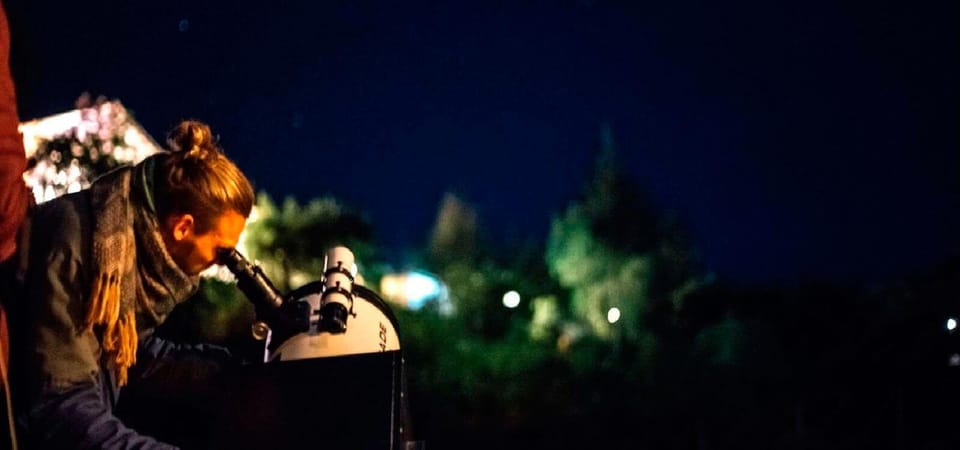
This is a small group tour limited to 10 participants. That’s meaningful here because telescope viewing can get crowded fast, and a small group usually means better timing, easier movement, and more chance to ask questions.
The guide works in English and Spanish, so language shouldn’t be a barrier. The tour also runs with a live guide who interprets throughout, which helps if you’re not fluent or if you’re still learning how people talk about astronomy terms.
I also like that the group size makes it easier to follow the dome presentation and the transitions outside. You’re not constantly looking over your shoulder to find your place in the line, and that keeps the evening calm.
One more expectation-setting detail: alcohol and drugs are not allowed. That keeps the focus on the night sky and keeps the outdoor portions more comfortable for everyone.

Price and Value: Does $39 Make Sense for This Cusco Evening?
At $39 per person, this isn’t a bargain, but it also isn’t priced like a private observatory appointment. The value depends on what you care about most: the dome show, the interpretive talk, the guide, the included entrance, and the telescope time if the weather cooperates.
Here’s the value equation that helps you decide:
- If you want an easy, guided evening that bundles transport + entry + instruction, the package format is convenient.
- If you’re the type who loves telescopes and wants clear-sky conditions, you’ll likely feel the money was well spent when you can actually observe.
- If you’re expecting close to the full 4 hours inside the observatory with lots of telescope time, you might feel disappointed if the schedule is tight or if clouds reduce outdoor viewing.
That timing sensitivity is the biggest reason the rating is mixed overall. In practice, astronomy programs can shift based on visibility, and the tour length you see on paper may not match the time you personally spend in the dark with the eyepiece.
So my advice is simple: buy if you want guided sky learning and telescope time as a bonus. If telescope time is your top priority and you’re visiting during a period when weather can be unpredictable, treat this as an evening experience with a chance of payoff rather than a guaranteed “peak viewing” session.
Also, double-check pickup specifics before you go. The tour info says hotel pickup is included from Plaza Regocijo logistics, and it’s easy to mix up which meeting point applies if you booked through a different channel or customized transport. A quick confirmation saves stress.
Who Should Book This Planetarium of Cusco Excursion
This tour fits best if you:
- Want an easy evening plan that doesn’t require you to research constellations on your own.
- Like cultural astronomy and want the Inca sky stories explained in a guided, watchable way.
- Enjoy small groups and prefer questions over crowds.
- Are excited by telescopes but understand weather can affect outcomes.
It’s not the best fit if:
- You mainly want a long, uninterrupted telescope session.
- You expect a deep technical lecture on exactly how Inca constellations were used day-to-day across the empire.
- You don’t want to move between indoor dome viewing and outdoor night-sky time.
If you’re doing multiple things in Cusco during the day, this works well as a night activity that rounds out your trip without eating your whole evening. You’ll usually be back near Plaza de Armas by around 8:00 PM.
Should You Book? My Practical Take
I’d book this excursion if you want a guided, friendly introduction to Inca constellations that uses both a dome projection and telescopes, plus a short night walk for atmosphere. The small group size and bilingual guide make it feel well-organized for an activity that can otherwise be confusing.
I wouldn’t book it if your main goal is a guaranteed long telescope session, or if you need a very detailed explanation of how constellations were used in practical Inca life. In those cases, you may end up feeling like you paid for a brief overview rather than a full astronomy lesson.
If you’re flexible with weather and you show up ready to learn, this is a solid value evening in Cusco—especially for anyone who likes the sky when someone points out what to look for.
FAQ
Where is the pickup location?
Pickup is at Plaza Regocijo between 5:30 and 6:00 PM.
What time does the tour start and when do you return?
It starts with pickup between 5:30 and 6:00 PM, and you return to Cusco’s Plaza de Armas at approximately 8:00 PM.
How long is the excursion?
The duration is listed as 4 hours.
What will we do during the tour?
You’ll start with pickup and transport to the Planetarium of Cusco, then receive an Inca astronomy talk in the interpretation rooms, watch a virtual sky projection on the planetarium dome, and (weather permitting) use professional telescopes. The experience also includes a guided night walk.
Is telescope viewing guaranteed?
No. Telescope viewing is subject to weather conditions.
How big is the group?
The group is limited to 10 participants.
What languages does the guide speak?
The guide speaks English and Spanish.
What’s included in the price, and what’s not?
Included are hotel pickup, tourist transportation, an English and Spanish speaking guide, and entrance to the Planetarium of Cusco. Not included are meals, travel insurance, and extra expenses.
Are alcohol or drugs allowed?
No. Alcohol and drugs are not allowed.
Can I cancel for a full refund, and can I pay later?
Yes. You can cancel up to 24 hours in advance for a full refund. You can also reserve now and pay later.