REVIEW · CUSCO
Moray and Salinera de Maras Half Day
Book on Viator →Operated by Tour Machu picchu best · Bookable on Viator
Morning math: two famous sites, one easy day. This half-day route is built around the unusual Inca farming terraces at Moray and the shimmering salt mines of Maras, with a chance to see how textiles are made in Chinchero. It’s the kind of trip that helps you pack big sights into a schedule that still leaves you energy for Cusco.
What I like most is how the guide ties the places together. You don’t just walk around pretty ruins and salt pools; you get the story of why Moray was used by the Incas and how salt harvesting works in Maras. For a lot of people, that storytelling is the difference between seeing photos and actually understanding the sites.
I also like the value. The advertised price is low for a half-day with round-trip transport and a professional guide, and you only pay separate entrance fees for the two main sites. One thing to plan for: the bus can feel hot and stuffy, and the entrance tickets are extra (PEN70 for Via Moray and PEN20 for Maras).
In This Review
- Key highlights to know before you go
- Moray Terraces: Why the Incas Built a Farming Lab
- Maras Salt Mines: The Working White Terraces
- Chinchero Textiles and Smart Shopping Stops
- Price and Tickets: The Real Cost Breakdown
- Getting There: Timing, Pace, and What to Pack
- Guide Style: What You Gain (and When It Can Get Loud)
- Is This the Right Half-Day for You?
- Should You Book Moray and Maras Half Day?
- FAQ
- How much does the Moray and Salinera de Maras half-day tour cost?
- How long is the tour?
- What time does the tour start?
- What’s included in the tour price?
- Are entrance fees included for Moray and Maras?
- What stops are included in the itinerary?
- Is lunch included?
- Do I get a confirmation after booking?
- What is the cancellation policy?
- Is this tour suitable for most people?
Key highlights to know before you go
- Moray’s terraced “agricultural lab” gives you a real sense of Inca planning
- Maras salt mines are visual and unique, with working salt terraces you can walk past
- Chinchero textiles stop adds context on traditional manufacturing
- Round-trip transportation included saves you from coordinating rides on your own
- You’ll pay entrance fees separately: PEN70 (Moray) and PEN20 (Maras)
- Bring snacks since there’s no lunch built into the day
Moray Terraces: Why the Incas Built a Farming Lab
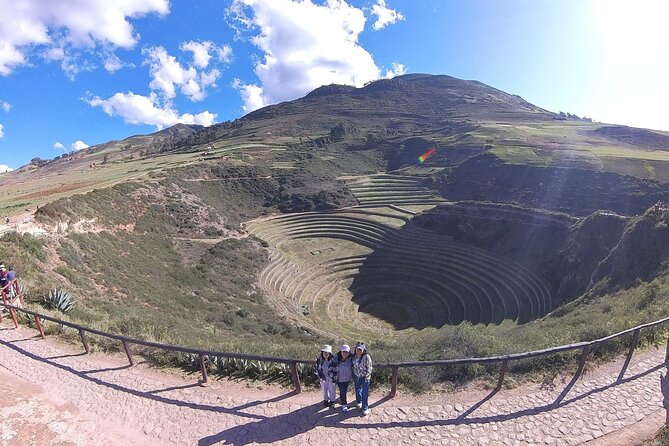
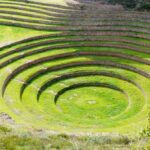
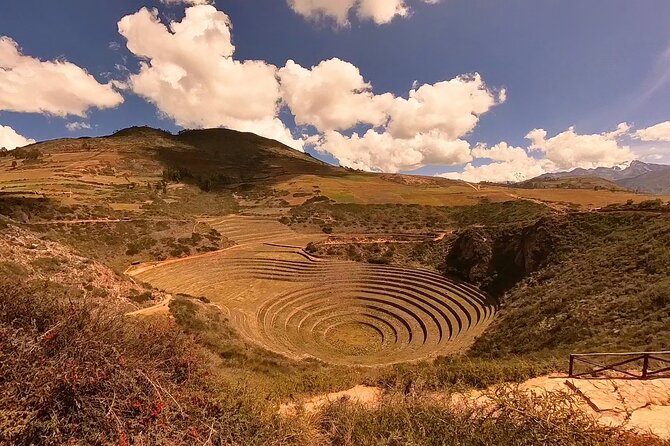
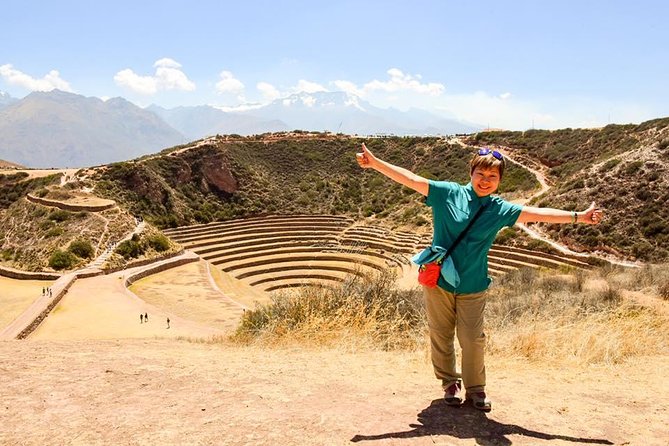
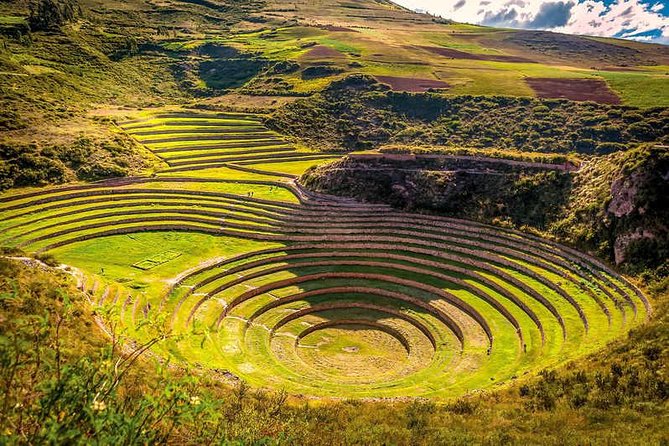
Moray is one of those places that makes you slow down. From the bus, it already looks like someone took a hillside and carved it into stepped circles. On the ground, the terraces feel even more intentional, like a giant structure built to test conditions across different levels.
This stop is focused on the archaeological center of Moray, often called the Via a Moray area. The guide’s job here is key: you want to understand what you’re looking at. The terraces aren’t just decoration. You’ll hear why the Incas used Moray and what the different layers were for. Even if you only remember a few points, it helps you look at the site with purpose instead of just guessing.
A practical note: Moray is an active sight. Wear shoes that won’t slip on uneven ground, and keep an eye on where you’re walking while you watch the guide point things out. The “half-day” label is helpful, but you’ll still spend time moving around.
Also, since the Via Moray entrance fee is PEN70 per person and not included in the tour price, I recommend bringing cash (or confirming how payment works at the gate when you arrive). Having it ready keeps your group from losing time while someone hunts for payment.
You can also read our reviews of more tours and experiences in Cusco.


Maras Salt Mines: The Working White Terraces
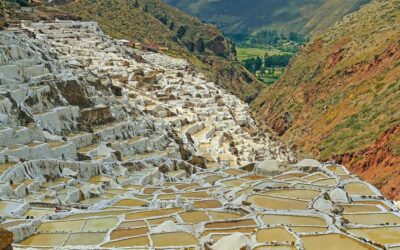
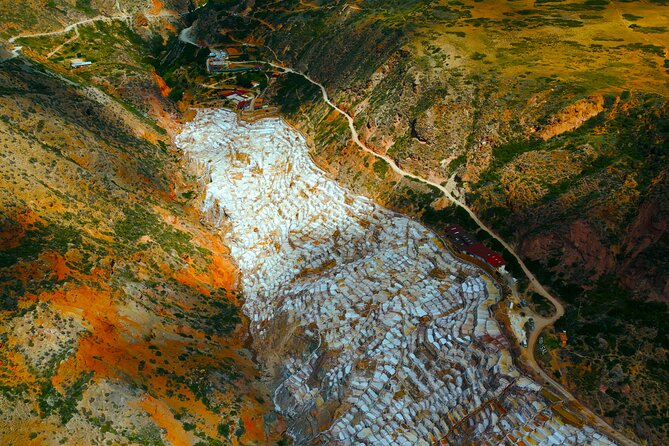
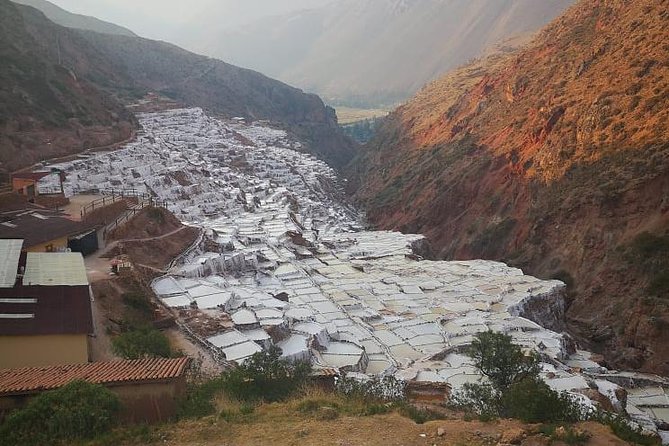
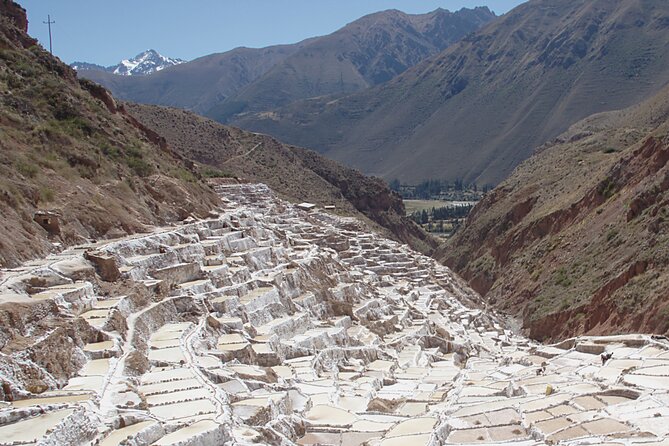
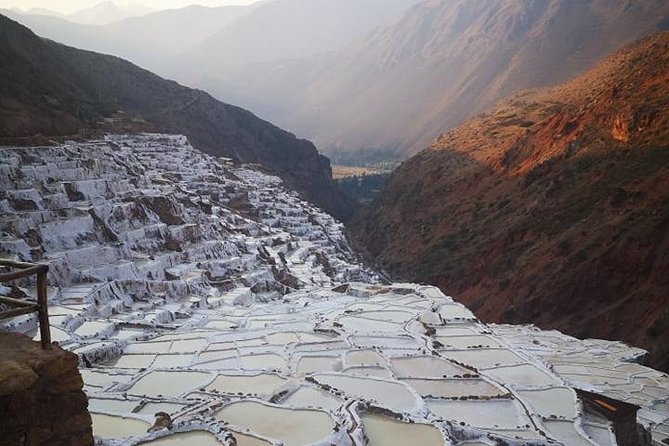
Then comes the part that most people remember: the Maras Salt Mines. The area is famous for its salt pools cut into the hillside, creating that bright grid look that feels almost too perfect to be real. Up close, it’s clearer that this is not a museum. It’s a working landscape where salt production is the whole point.
The magic here is the contrast: hillside terraces, lots of small compartments, and water that turns the scene into a patchwork of white and pale tones. You’ll get explanations from your guide about how harvesting works and why salt became important enough to manage this way. It’s one of those stops where a short story makes the visuals much more meaningful.
This site also has its own separate admission fee: PEN20 per person for the Maras Salt Mine. Again, not having that money ready is the easiest way to turn a fun stop into a stressful one.
Comfort matters at Maras. Depending on the time of year, the air can feel warm and the walking adds up. I’d plan for that reality rather than hoping for shade. Bring water, use sunscreen, and bring a hat you’re okay with getting a little dusty.
Chinchero Textiles and Smart Shopping Stops
Chinchero is the third stop, and it’s a good reminder that the Cusco region isn’t just archaeology. You’ll visit a textile shop and see textile manufacturing. Even if you don’t buy anything, it’s useful to connect what you see in the street to actual production processes.
What I like about adding Chinchero on a half-day route is that it balances the physical outdoors of Moray and Maras with something more hands-on. You can learn how textiles are made and what makes the patterns and materials distinct. This is the kind of stop that can turn a vague interest into real curiosity.
There’s also often a bit of shopping involved. Some departures include extra small detours like a store selling items connected to Maras salt, and it can feel like a quick surprise rather than a full extra tour. I see the upside: it gives you a chance to pick up gifts that feel tied to the region, not generic souvenirs.
The caution is simple: set your own limit before you go in. One review experience flagged pushy upselling behavior at the end of the day. You don’t have to buy. If you’re price-checking, stick to your plan. If you’re not shopping, you can still enjoy the manufacturing visit and move on.
Price and Tickets: The Real Cost Breakdown
At $14.00 per person, this is priced for people who want value without building a full Sacred Valley day. The tour includes round-trip transportation and a professional guide, which matters because both Moray and Maras are easier when you’re not figuring out logistics between stops.
But you should budget for the separate site entrances:
- Via Moray entrance fee: PEN70 per person
- Maras Salt Mine entrance fee: PEN20 per person
So your all-in cost is the tour price plus those admissions. In other words, the headline price is the deal, but the real money is in the two gates.
I like that the tour doesn’t hide the extra fees. Just don’t assume the $14 covers everything. If you do travel with cash in small bills, it helps keep the group moving.
Is it still good value? For most people, yes. Moray and Maras are two major sights and the half-day format keeps your costs down compared with longer routes. If you’re already planning a Cusco-based itinerary and don’t want a long day, this one fits.
Getting There: Timing, Pace, and What to Pack
This tour runs about 6 hours and starts at 8:30 am. That early start is smart. You get more daylight for walking and you avoid the day turning into a full-on heat marathon.
The round-trip transportation is included, which is a big deal in Cusco where coordinating taxis can become annoying. One comfort warning from experience with this kind of route: the bus may feel stuffy if there’s limited airflow. It’s not a deal-breaker if you dress for warm weather, but it is a real consideration—especially if you run hot.
For what to bring, keep it simple:
- water and a small snack (since there’s no lunch built in)
- sun protection (hat/sunscreen)
- comfortable, grippy shoes
- cash for entrance fees (PEN70 and PEN20)
If you’re the type who needs a bathroom stop during the day, I’d plan your timing around the main site visits and ask the guide early about where the group will pause. The itinerary has set stops, so waiting until you’re uncomfortable is not the move.
Also note: confirmation is provided at booking time. If you like to be organized, take a screenshot or save it to your phone.


Guide Style: What You Gain (and When It Can Get Loud)
The guide is the engine of this tour. The best version of this day is when the guide talks just enough to connect the dots: what you’re seeing at Moray, how salt production works at Maras, and how textile manufacturing fits into the broader cultural picture.
In practice, guide energy can vary. One trip result described a guide who talked a lot about things not directly on the route, which can feel tedious if you’re trying to focus on the sites. On the other hand, other guides were described as engaging and funny, which can make the day feel smoother and less like a checklist.
If you want to enjoy it most, treat this like an interactive museum tour, not a radio show. Ask questions when it matters, and don’t be afraid to say you want to spend more time looking at the terraces and salt pools rather than hearing extra side topics.
If you end up with a guide like Washington or Mario, you’ll likely get a more lively delivery. Still, even the most entertaining guide can talk too much for your style. You’re the customer—choose the pacing that works for you.
Is This the Right Half-Day for You?
This is a great match if you want:
- two headline sights without a full-day grind
- a guide who can explain how the Incas used Moray and why Maras salt matters
- an added cultural stop in Chinchero textile manufacturing
It can also work well for couples and solo travelers who don’t want to rent a car or juggle multiple drivers.
If you’re highly sensitive to tour structure, shopping pressure, or long explanations, go in with a plan. Bring snacks, keep your attention on the sites, and decide in advance how much you want to spend in any textile or souvenir shops.
One more planning point: this tour is often booked ahead. On average it’s reserved about 20 days in advance, so if your schedule is fixed, don’t wait until the last week.
Should You Book Moray and Maras Half Day?
I’d book it if you want a compact, high-impact Cusco day with real explanations and simple logistics. The price is hard to beat for a half-day with round-trip transport and a professional guide, and Moray plus Maras is a strong one-two that most people don’t regret.
I’d hesitate if you hate extra fees and want everything included in one price. You should also be ready for limited comfort on the bus if you’re prone to overheating, and you should expect that the day may include shopping stops connected to textiles or salt-related items.
If you’re flexible, bring cash, and treat this as a guided route through two unique working sites, it’s a smart way to use your time in Cusco.
FAQ
How much does the Moray and Salinera de Maras half-day tour cost?
The price is $14.00 per person.
How long is the tour?
It’s listed as about 6 hours.
What time does the tour start?
The start time is 8:30 am.
What’s included in the tour price?
It includes round-trip transportation and a professional tour guide.
Are entrance fees included for Moray and Maras?
No. The entrance fee for Maras Salt Mine is PEN20.00 per person, and the entrance fee for Via Moray is PEN70.00 per person.
What stops are included in the itinerary?
You visit the archaeological center of Moray (Via a Moray), the Salt Mine of Maras, and a textile shop/textile manufacturing visit in Chinchero.
Is lunch included?
No lunch is mentioned as being included in the experience.
Do I get a confirmation after booking?
Yes. Confirmation is received at the time of booking.
What is the cancellation policy?
Free cancellation is offered up to 24 hours before the experience start time for a full refund.
Is this tour suitable for most people?
Most travelers can participate.
If you want, tell me your travel month and whether you prefer minimal shopping or a more educational pace, and I’ll suggest how to time this day in your Cusco schedule.