REVIEW · CUSCO
Cusco: 6-Day Andean Jewels Experience
Book on GetYourGuide →Operated by Inkayni Peru Tours · Bookable on GetYourGuide
Altitude does the heavy lifting here. I love that the trip starts with Cusco acclimatization and doesn’t rush you into altitude right away, and I also love the quality of the guiding on the big-ticket day—at Machu Picchu, guides like Ronald and Percy focus on timing and help you understand what you’re looking at. The main drawback is simple: this is an active, high-altitude route, so it’s not a great fit if you have medical limitations or you struggle with steep hikes and early starts.
You get a smart mix of places: Inca-era sites in the Sacred Valley, a full morning at Machu Picchu, and two big view days at Humantay Lagoon and Rainbow Mountain. For the money, the value is strongest when you look at what’s included: train + bus, entrance fees, a professional guide for the core tours, and hotel stays in central Cusco and Aguas Calientes. Just note that the accommodations are 3-star, and you’ll do at least one overnight near Machu Picchu.
In This Review
- Key things to know before you go
- Day 1 in Cusco: settling in at 11,152 ft without panicking
- Sacred Valley day: Chinchero, Moray, Maras, and Ollantaytambo in one circuit
- Chinchero: textiles and Inca walls
- Moray: circular terraces that look like a science project
- Maras: the salt mines with over 3,000 pools
- Ollantaytambo and the train to Aguas Calientes
- Machu Picchu morning: the in-depth tour day (plus optional extra hikes)
- Optional viewpoints: Huayna Picchu or Machu Picchu Mountain
- After the tour
- Humantay Lake: hiking to 13,780 ft for turquoise payoff
- Rainbow Mountain: 5,020 m and the color bands that make the early wake-up worth it
- Transport and lodging: train/bus logistics done in a practical way
- Guide quality: what makes this kind of tour feel smooth
- Value for $1,318: where the money actually goes
- Who should book, and who should skip this route?
- Should you book the Cusco: 6-Day Andean Jewels Experience?
- FAQ
- What’s included for meals?
- Are Machu Picchu tickets and entrance covered?
- Which train service is used to Machu Picchu?
- What altitude do you reach on Rainbow Mountain?
- What’s the Humantay Lake hike like in terms of start point and height?
- What should I bring, and what’s not allowed?
Key things to know before you go
- Cusco first, for altitude sanity: Day 1 is built for getting your bearings at 11,152 ft (3,399 m).
- Sacred Valley, packed in one day: Chinchero, Moray, and Maras are all on your radar, plus time at Ollantaytambo.
- Machu Picchu with an in-depth guide: You’re not just dropped at the gates; you get context for temples, ceremonial areas, terraces, and storage structures.
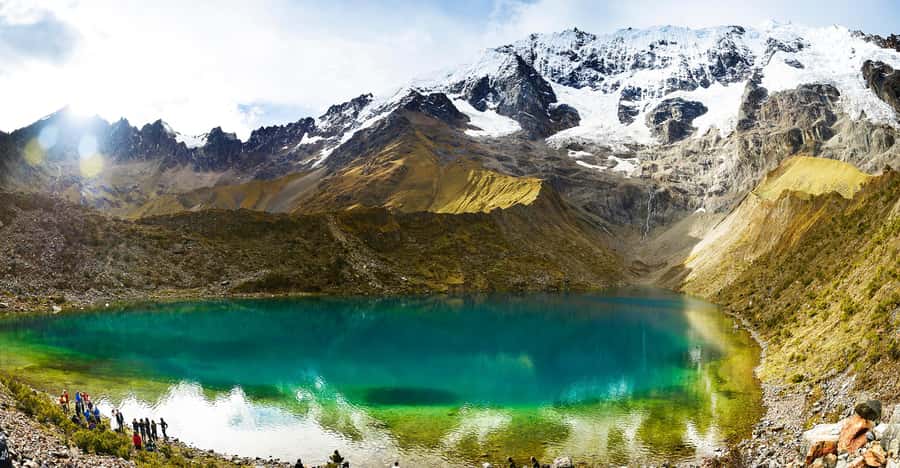
- Humantay Lagoon hike from Soraypampa: A climb to 13,780 ft (4,200 m) for that striking turquoise water.
- Rainbow Mountain at 16,466 ft (5,020 m): Early start and big altitude—worth it if you pace yourself.
- Small group pace with English/Spanish support: Limited to about 10 participants, with guides and an audio guide available in English and Spanish.
Day 1 in Cusco: settling in at 11,152 ft without panicking
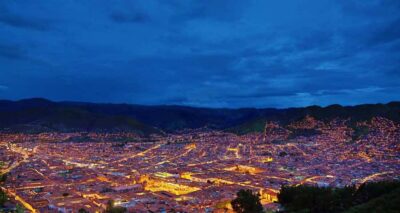
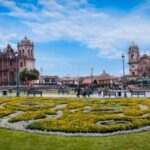
Cusco is the kind of place where your body notices the altitude before your eyes notice the architecture. That’s exactly why Day 1 matters here. You arrive around 11,152 ft (3,399 m), get transferred to your hotel, and then you have free time to acclimatize and wander.
I like this setup because it helps you do two practical things. First, it gives you time to move slowly, hydrate, and see how you feel before the active days. Second, it lets you enjoy Cusco’s colonial streets and plazas at your own pace—useful when you’re trying to learn where things are before the scheduled pick-ups start.
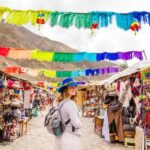
A smart tip: plan light activity for the afternoon. You don’t need to “win” Cusco on Day 1. If you want to shop, do it gently and keep cash handy—some stops won’t take cards.
You can also read our reviews of more tours and experiences in Cusco
Sacred Valley day: Chinchero, Moray, Maras, and Ollantaytambo in one circuit
This is the day that most people remember as the most “Andes all at once” day. You start after breakfast and head higher and higher, with multiple stops that show different sides of Inca life.
Chinchero: textiles and Inca walls
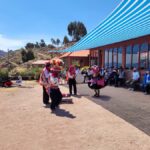
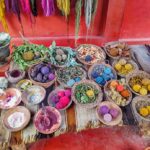
Chinchero sits at 12,342 ft (3,762 m), and it’s a great first Sacred Valley stop because it blends old and new. You’ll see Inca stonework, plus the colonial church, and you’ll also get a look at the area’s textile traditions. It’s the kind of place where your guide can point out what to notice—how construction patterns reflect Inca engineering, and how traditional weaving connects to everyday life.
Moray: circular terraces that look like a science project
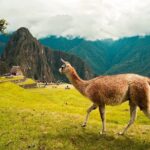
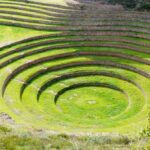
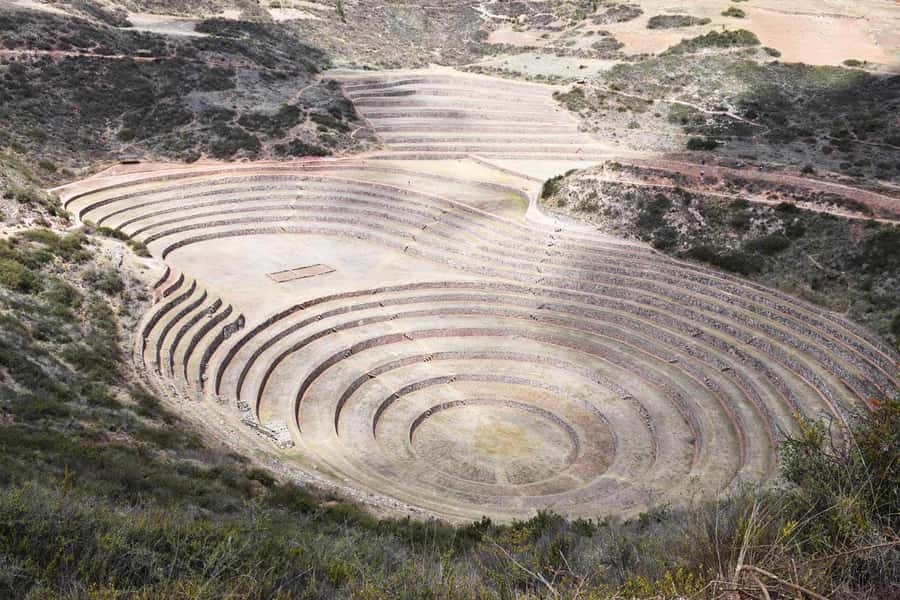
Moray is at about 11,500 ft (3,500 m). The key here is understanding what you’re seeing: massive circular terraces built for agricultural experiments. Even if you’re not a plant-nerd, it’s impressive because the design is so deliberate. Think of it like a hillside laboratory—an Inca attempt to work with microclimates.
If you tend to rush, watch your pace. You’ll feel the altitude, and Moray’s terraces are easier to enjoy when you slow down and take in the scale.
Maras: the salt mines with over 3,000 pools
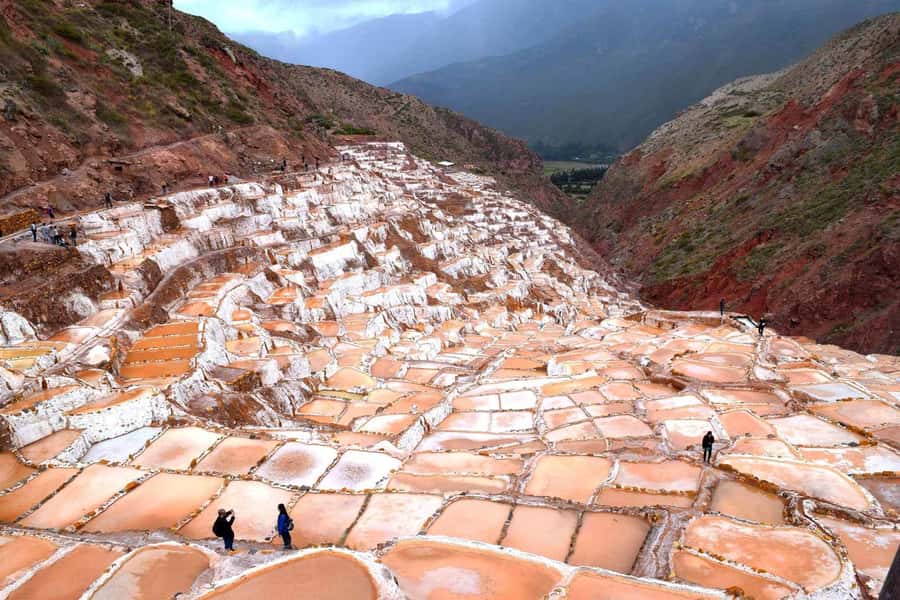
Then you head down to Maras at 10,827 ft (3,300 m). The salt mines are the standout stop. Over 3,000 pools are still harvested using ancestral methods, and it’s visually striking—rows of shallow water turning into a working landscape.
What I like: it’s not just a photo stop. A good guide helps you connect the salt economy to everyday needs and trade in the region. It also gives your legs a little relief because you’re descending compared to Moray and Chinchero.
Ollantaytambo and the train to Aguas Calientes
In the afternoon, you reach Ollantaytambo and board the train toward Aguas Calientes. This is where the trip smoothly shifts from Cusco-area sites to Machu Picchu logistics.
You’ll overnight near Machu Picchu at a 3-star hotel such as Golden Sunrise Hotel or similar. Staying here is the practical choice: it buys you an early start for the Machu Picchu morning.
Machu Picchu morning: the in-depth tour day (plus optional extra hikes)
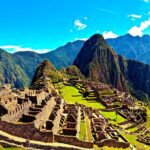
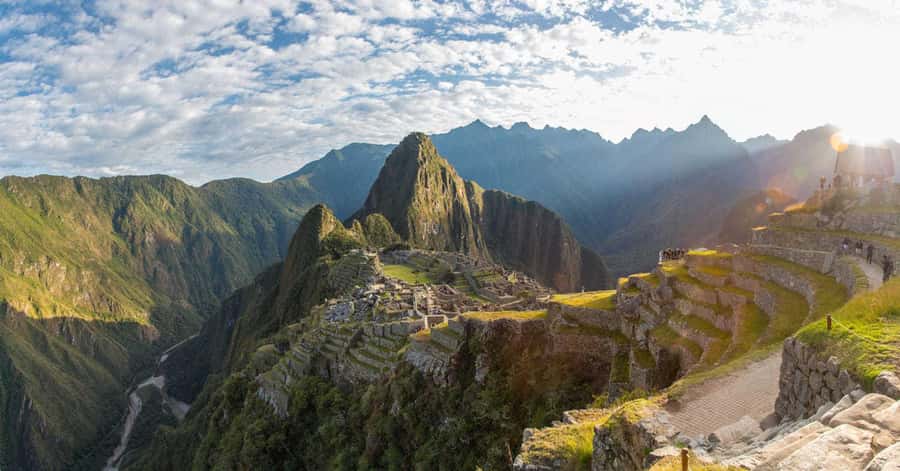
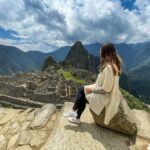
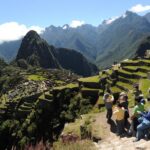
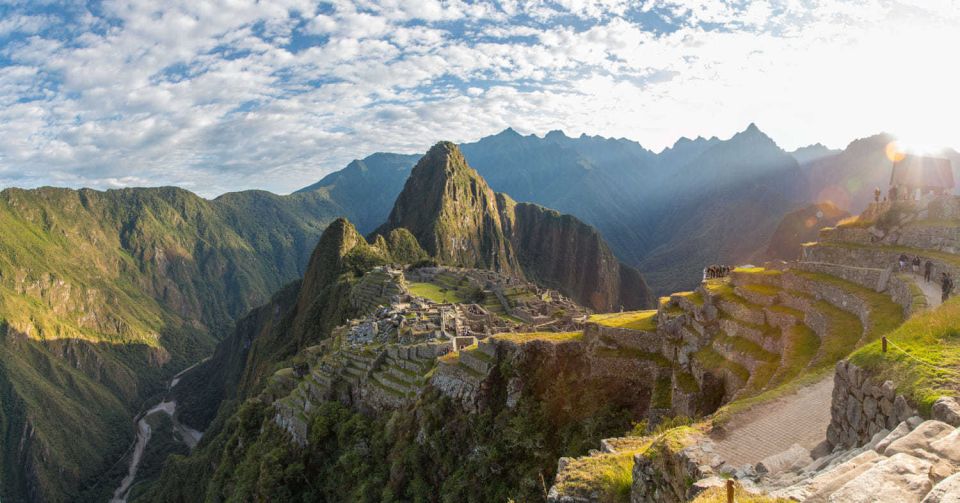
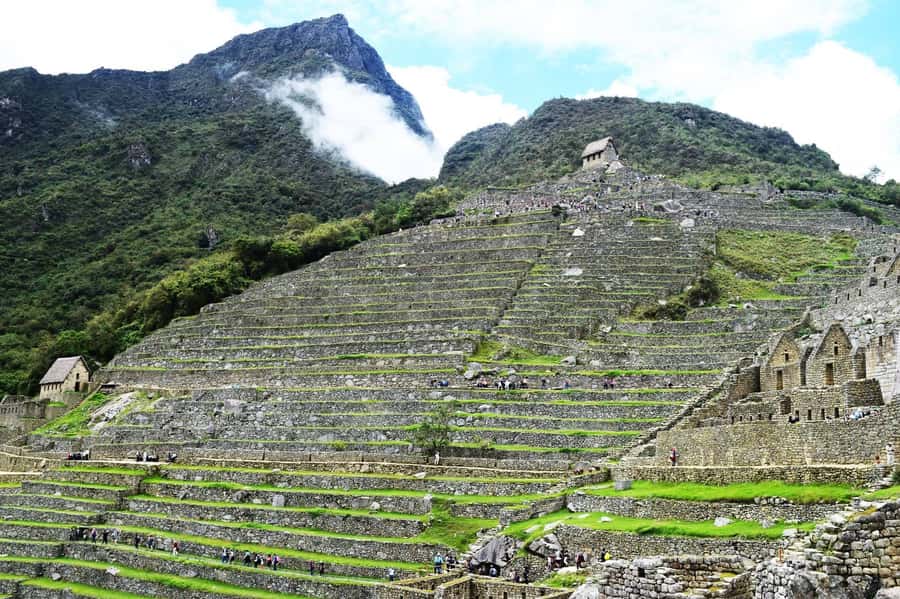
The Machu Picchu day starts early with breakfast, and then you head up by bus from Aguas Calientes. When you enter the Inca citadel, you get a guided, in-depth tour.
This is one of the best ways to do Machu Picchu because it turns scattered ruins into a story. You’ll learn about the temples, ceremonial zones, terraces, and storage structures. Without that context, you can end up just admiring stones. With it, you start noticing how the place was planned and why certain structures are positioned the way they are.
In past departures, guides named Ronald and Percy were especially focused on timing and attention—Ronald in particular was described as patiently helping someone get the best of Machu Picchu. Translation for you: a good guide here is the difference between hurrying through and actually seeing.
Optional viewpoints: Huayna Picchu or Machu Picchu Mountain
If you’ve secured an additional ticket in advance, you can choose to add a climb to Huayna Picchu (8,924 ft / 2,720 m) or Machu Picchu Mountain (10,111 ft / 3,082 m). Those viewpoints offer sweeping views across the sanctuary.
Important note: your package includes the main Machu Picchu entrance, but Huayna Picchu is not included.
After the tour
After the guided portion, you return to Aguas Calientes for lunch and rest, then you take the train back to Ollantaytambo. A private van brings you back to Cusco, arriving in the evening at a hotel like Ayni Cusco Hotel or similar.
Humantay Lake: hiking to 13,780 ft for turquoise payoff
Day 4 is a full-on high-altitude hike day, but it’s organized so you’re not thrown straight into the toughest part.
You depart early for Mollepata (9,515 ft / 2,900 m), where you’ll have breakfast. Then you continue to Soraypampa (12,795 ft / 3,900 m), which is the starting point of the hike.
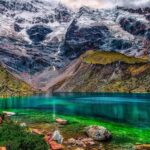
The hike itself takes you up through Andean scenery where you might spot native birds and high-altitude plants along the way. You reach Humantay Lagoon at 13,780 ft (4,200 m). The main moment is the lagoon’s turquoise water, surrounded by snow-capped peaks. It’s one of those views where your brain goes quiet.
After time to explore, you descend and head back to Cusco. If you’re not used to altitude, pace matters. The goal is steady effort, not speed. You’ll enjoy it more if you save your energy for the time at the water.
Rainbow Mountain: 5,020 m and the color bands that make the early wake-up worth it
Day 5 starts even earlier, because Rainbow Mountain is not a “sleep in and take your time” kind of day. You’re picked up and head to Cusipata (10,499 ft / 3,200 m) for breakfast before continuing toward the trailhead.
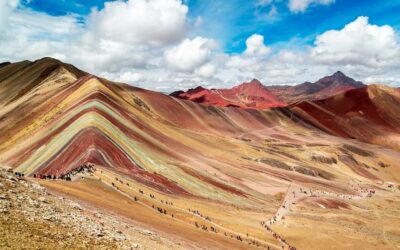
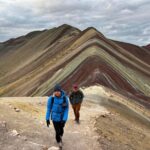
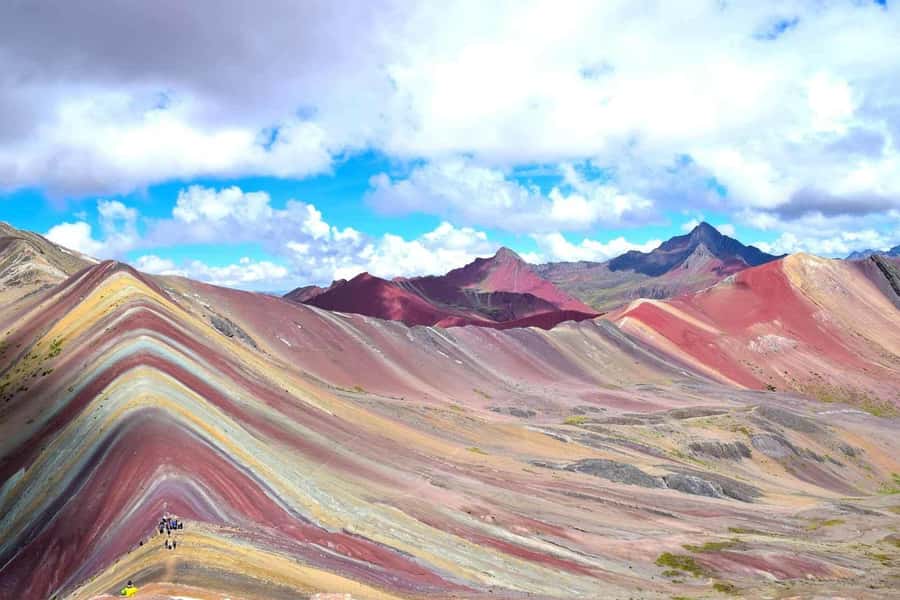
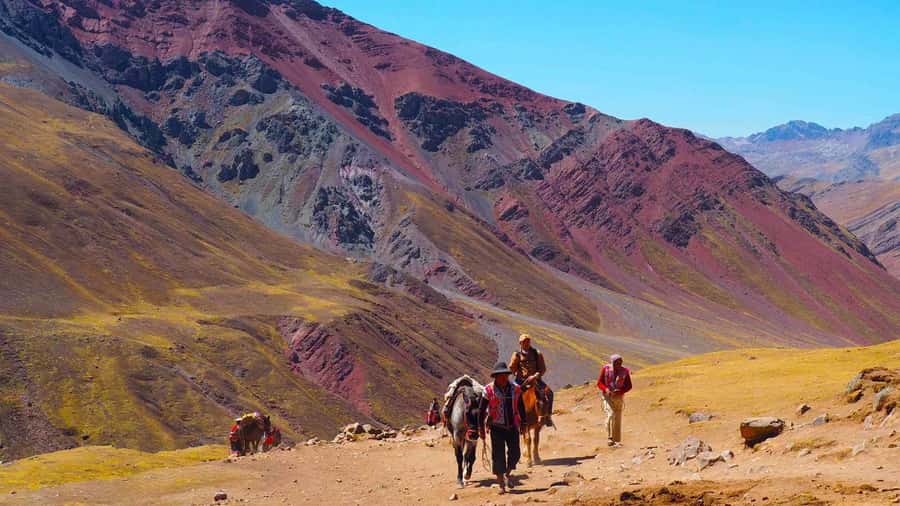
You’ll hike to Rainbow Mountain at 16,466 ft (5,020 m). That height is the whole point—and the biggest challenge. Along the route, you may see alpacas, llamas, and even vicuñas, plus glimpses of traditional Andean life. This is helpful because it keeps your focus on the journey, not only on the altitude.
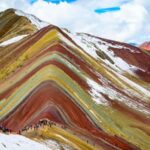
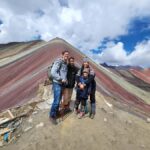
Then comes the payoff. Rainbow Mountain is famous for the mineral-based color bands stretched across the slope. It’s not just pretty—it’s an illustration of how geology shapes what you see. Your guide will help you understand what to look for so it isn’t just a scramble for photos.
After exploring, you return for lunch in Cusco.
Transport and lodging: train/bus logistics done in a practical way
A lot of Machu Picchu trips fail on logistics. This one does better because it uses established transport patterns and keeps you moving on a schedule.
You do round-trip train from Ollantaytambo to Aguas Calientes using either Inca Rail (Voyager) or Peru Rail (expedition), then you take the bus to Machu Picchu. You also get entrance included for Machu Picchu itself.
In Cusco, you stay in 3-star hotels such as Ayni Cusco Hotel or similar. For the Machu Picchu overnight, you stay in a 3-star hotel in Aguas Calientes such as Golden Sunrise Hotel or similar.
One real-world takeaway: because this is a structured small-group trip, your hotel pick-ups and drop-offs are handled from the hotels they book for you. That reduces the mental load, especially after a long travel day.
Guide quality: what makes this kind of tour feel smooth
The biggest difference between a “good itinerary” and a truly enjoyable trip is the guide. Here, you have a professional guide for all the tours, plus an audio guide in English and Spanish.
From the named guides on the route, Percy is described as punctual, friendly, and proactive—explaining what each day looks like so you’re not guessing. Ronald is described as patient and focused on getting the most out of Machu Picchu timing.
For you, that means fewer stress moments:
- You know what to do at each site.
- You get explanations while things are still fresh.
- You’re less likely to lose time to confusion.
Small groups also help. You’re limited to around 10 participants, which makes it easier to ask questions and keep a pace that matches the altitude reality.
Value for $1,318: where the money actually goes
At $1,318 per person for 6 days, this isn’t a budget-only experience. But the pricing feels more reasonable when you map the costs to what’s included.
What you’re paying for includes:
- 5 nights in 3-star hotels (double room occupancy)
- 5 breakfasts and 3 lunches
- Transfers in Cusco (airport or bus terminal) and hotel-area pick-ups
- Guided tours for Chinchero, Moray, and Maras, plus Humantay Lake, Rainbow Mountain, and Machu Picchu
- Round-trip train to Aguas Calientes and bus up to Machu Picchu
- Machu Picchu entrance and all entries
- Professional guide support and audio guide
What’s not included:
- Flights and travel insurance
- Huayna Picchu ticket (if you want it)
- Extra meals beyond the listed ones
My practical take: if you were to plan Machu Picchu transport, entrance, and guided interpretation on your own, the “hidden cost” of time and coordination can add up fast. This package reduces that friction. If you’re the type who likes a plan, you’ll likely feel good about the value.
Who should book, and who should skip this route?
This is a strong match for active travelers who enjoy guided history, short hikes, and big viewpoints. You’ll like it if:
- You want Sacred Valley highlights plus Machu Picchu, without building your own schedule
- You’re comfortable with early mornings
- You take altitude seriously and pace yourself
It’s not suitable for pregnant women, people with back problems, wheelchair users, or anyone with pre-existing medical conditions, based on the tour’s guidance.
And even if you’re generally healthy, these days hit high elevations: Cusco at 3,399 m, Rainbow Mountain at 5,020 m, and Humantay Lagoon at 4,200 m. If altitude has knocked you flat before, plan extra care.
Also: bring comfortable shoes, sunscreen, sunglasses, and rain gear. The weather can shift. Cash helps because some places don’t accept credit cards.
Should you book the Cusco: 6-Day Andean Jewels Experience?
I’d book it if you want a guided, small-group route that connects the dots between Cusco, the Sacred Valley, Machu Picchu, and two signature high-altitude viewpoints. It’s built for people who want structure and real explanations, not just a list of stops.
I wouldn’t book it if you’re hoping for a slow, low-effort trip. Rainbow Mountain and Humantay Lagoon demand stamina, and the altitude is real. And if you’re set on Huayna Picchu, budget for that extra ticket since it’s not included.
If you’re ready for altitude and you want the Andes in one tight, well-guided week, this is a solid choice.
FAQ
What’s included for meals?
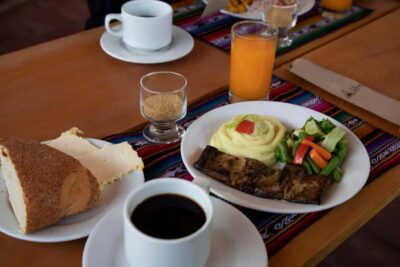
You get 5 breakfasts (at the hotels) and 3 lunches included during the 6 days. Other meals are not included.
Are Machu Picchu tickets and entrance covered?
Yes. The package includes entrance to Machu Picchu and the bus to get there. Huayna Picchu is not included (and requires an extra ticket in advance).
Which train service is used to Machu Picchu?
Round-trip train is included from Ollantaytambo to Aguas Calientes using either Inca Rail (Voyager) or Peru Rail (expedition), depending on the option available for your dates.
What altitude do you reach on Rainbow Mountain?
Rainbow Mountain is listed at 16,466 ft (5,020 m).
What’s the Humantay Lake hike like in terms of start point and height?
You travel to Soraypampa (12,795 ft / 3,900 m) as the starting point of the hike and then reach Humantay Lagoon at 13,780 ft (4,200 m).
What should I bring, and what’s not allowed?
Bring a passport or ID card, comfortable shoes, sunglasses, sunscreen, rain gear, comfortable clothes, and cash. Weapons or sharp objects are not allowed, and alcohol and drugs are not allowed.