REVIEW · CUSCO
SOUTH VALLEY CUSCO
Book on GetYourGuide →Operated by Top Inka Travel · Bookable on GetYourGuide
Three sites, one smooth south-country day. You’ll connect the engineering mind of the Inca at Tipón with the pre-Inca planning you’ll see at Pikillacta, then cap it with a famous colonial interior in Andahuaylillas.
I especially like that the route stays practical: you get a guided visit at each stop, plus English/Spanish interpretation and comfortable coach time between sites. One consideration: the Pikillacta visit is relatively quick, so you’ll need to move at a thoughtful pace if you want more from the ruins.
In This Review
- Key things you’ll notice on this South Valley loop
- The South Valley route: why this day trip feels efficient
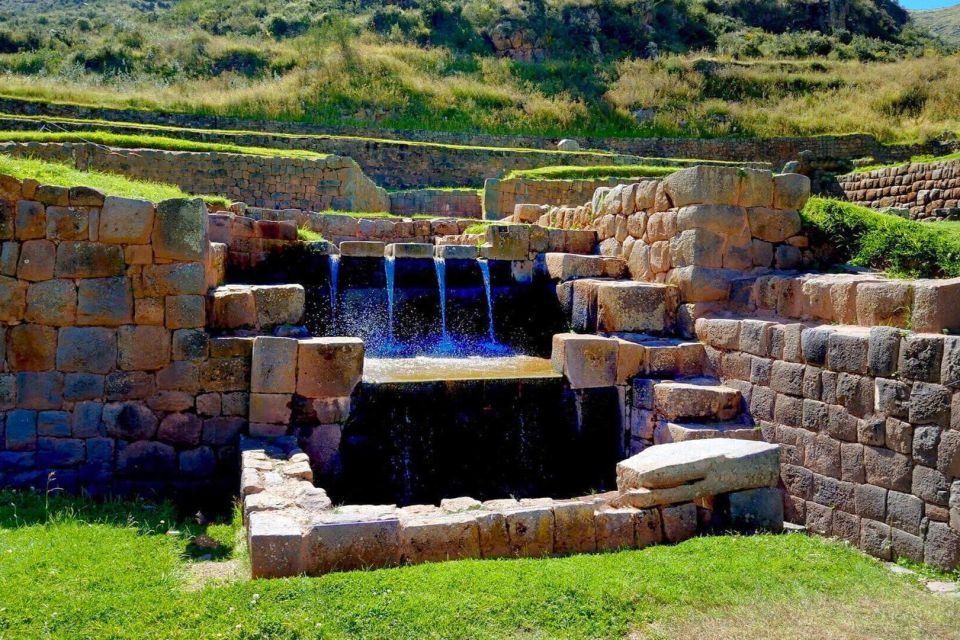
- Tipón: irrigation canals and terraces that still do their job
- Pikillacta (Pikillaqta): a Wari pre-Inca city with a fast guided rhythm
- Andahuaylillas: the Sistine Chapel of South America (and an extra entry fee)
- Timing, coach comfort, and that one-hour lunch vote
- Price and value: what $20 really buys you
- What kind of traveler this tour suits best
- Where this tour ends: finishing in central Cusco
- Should you book South Valley Cusco?
- FAQ
- How long is the South Valley Cusco tour?
- What does the price include?
- Where do I meet the group if I don’t choose hotel pickup?
- Where does the tour finish?
- Is lunch included in the tour price?
- Is the tour wheelchair accessible?
Key things you’ll notice on this South Valley loop
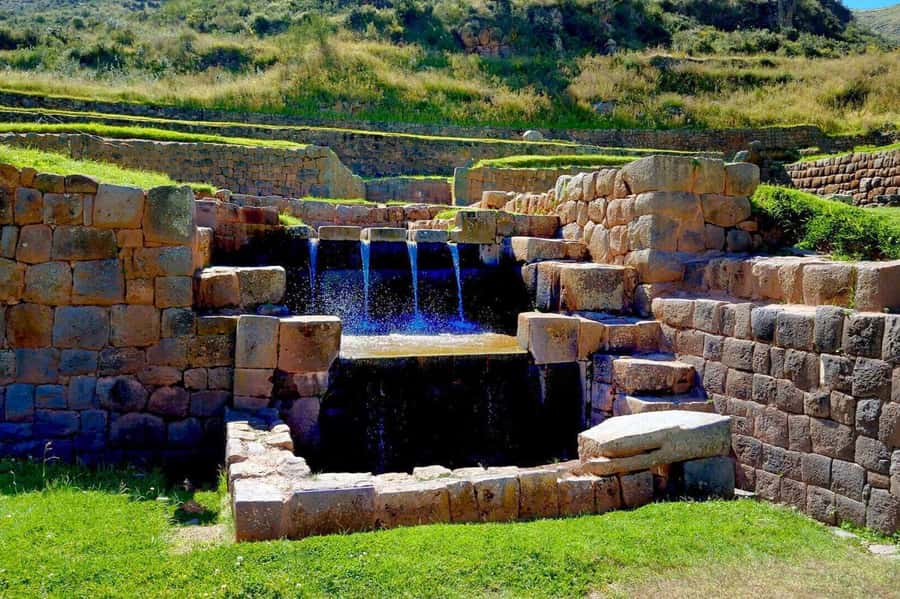
- Tipón’s terraces and irrigation canals: real proof that water was managed like infrastructure.
- Pikillacta’s Wari-era city layout: pre-Inca urban planning, built long before the Inca.
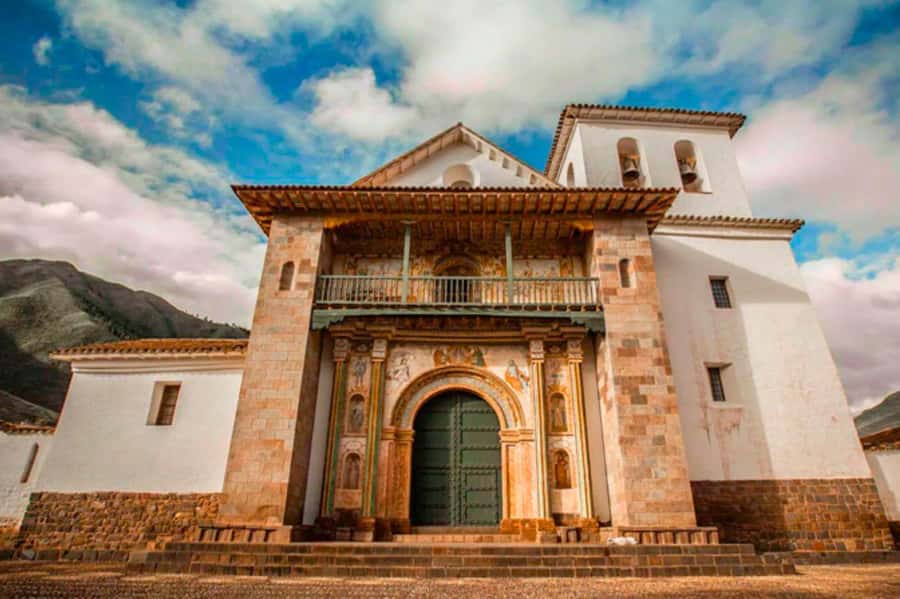
- Andahuaylillas’ Sistine Chapel reputation: a colonial church known for painted ceilings.
- A guide-led day, not self-guided wandering: you’ll get context fast across three time periods.
- Extra roadside stops can happen: short add-ons along the way may appear depending on the group.
The South Valley route: why this day trip feels efficient
This is a classic Cusco south-day: you leave central Cusco by bus, hit two archaeological complexes in succession, and finish with Andahuaylillas before returning toward the center. It’s built for people who want depth without the hassle of arranging transport between scattered sites.
The best part is the “timeline” feeling. Tipón shows how the Inca used hydraulic engineering to make mountains work for farming. Pikillacta shifts the story earlier, into the Wari period. Then Andahuaylillas adds a colonial layer, so you see Cusco’s region keep changing hands and styles over centuries.
You’ll also appreciate the basic pacing. Total duration is about 7 hours, with guided time at each main stop and coach transfers between them. The trade-off is that if you like lingering for long photo sessions, you’ll have to be intentional—especially at Pikillacta.
You can also read our reviews of more tours and experiences in Cusco.

Tipón: irrigation canals and terraces that still do their job
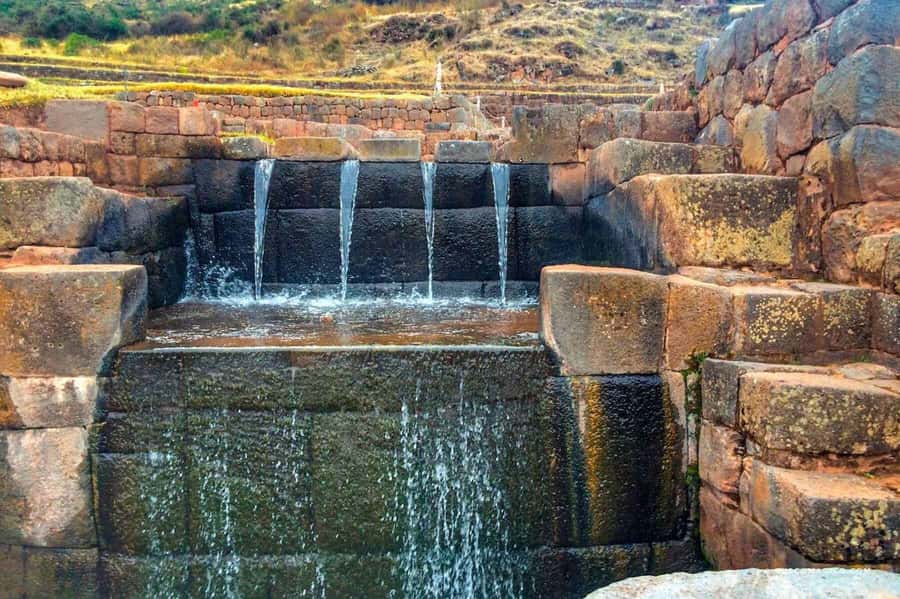
Your first major stop is Tipón, reached after about an hour by bus from Cusco. You’ll then get a guided visit that lasts around 50 minutes, which is enough time to understand what you’re looking at without turning it into a full-day hike.
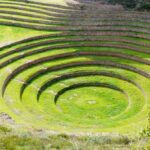
Tipón is famous for its agricultural terraces and an impressive network of canals. Even if you’re not a “technical” traveler, you’ll feel the logic right away: water arrives, spreads through channels, then feeds the terraces in a controlled way. That’s the core idea of Inca hydraulic engineering—using gravity, layout, and timing to keep water useful rather than wasteful.
Practical things you’ll want to watch for:
- Wear grippy shoes. The walking paths can be uneven and slippery in spots, especially after misty weather.
- Look for channel lines, not just the terraces. The most impressive detail is often the system connecting everything.
- Ask your guide how the water is supposed to move. A good guide will translate the stonework into a simple story.
If you love water systems—like ancient aqueducts or canal towns—you’ll likely enjoy how Tipón turns “agriculture” into something closer to engineering. And if your guide is Bernabe, you may get that extra-friendly, calm explanation style that helps the site click quickly.
Pikillacta (Pikillaqta): a Wari pre-Inca city with a fast guided rhythm
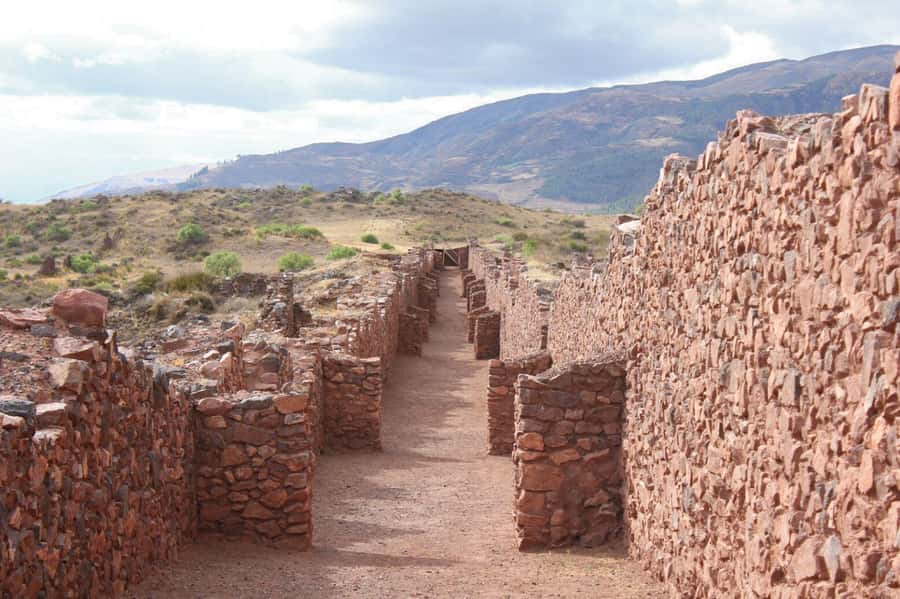
Next you head to Pikillacta, with a shorter coach transfer (about 30 minutes). The guided time here is also about 50 minutes, and that’s where many people start wishing they had more daylight and more time inside the stones.
Pikillacta is a pre-Inca archaeological complex associated with the Wari culture. You’re not just looking at scattered ruins—you’re seeing the remains of a planned settlement. The feel is different from Tipón: less about farming terraces and more about urban design, built space, and how people organized daily life.
A short stop can work if you go in with a simple goal. For example, you can decide to focus on:
- the layout and how the complex is structured,
- the sense of boundaries and compounds,
- and the overall “city” impression rather than every single wall.
Here’s the consideration to keep in mind: the Pikillacta portion can feel brief. If you’re the type who reads every label and wants slow wandering time, you might leave wanting one more round through the site. Still, as part of a longer day that also includes Andahuaylillas, it’s a reasonable pacing choice.
Andahuaylillas: the Sistine Chapel of South America (and an extra entry fee)
Your final archaeological/heritage stop is Andahuaylillas, known for the famous church interior often called the Sistine Chapel of Andahuaylillas. You’ll get about 45 minutes with a guide, and this is the emotional payoff for a lot of people on the tour.
This is also where costs become something you should plan for. The Andahuaylillas church entrance isn’t included in the base price; it’s listed as 18 soles for entry to the church. Your guided time may include time in or around the interior, but you should still budget that ticket in advance.
What you’ll likely notice once you’re inside is that the church is decorated to an almost theatrical level. That’s why it has that nickname. It’s a colonial-era religious space with painted surfaces and a sense of artistic ambition—something you don’t always expect to find outside of the big-name Cusco churches.
A few tips so the 45 minutes feel worth it:
- Have cash ready for the church entrance (the tour asks you to bring cash).
- Keep your camera skills ready, because light and painted detail can be tricky.
- Listen for the story behind the art, not just what it looks like.
It’s a strong finish because it flips the earlier sites from outdoor stone and water systems into an indoor “wow” moment. You end the day in central Cusco around 16:00, near Plaza Kusipata.
Timing, coach comfort, and that one-hour lunch vote
The day runs cleanly through transfers and guided blocks. Here’s the basic flow you can expect:
- Cusco pickup in central areas
- bus ride toward the south
- guided stops at Tipón, then Pikillacta, then Andahuaylillas
- a final return toward central Cusco
Transport is part of the value. Multiple people note the coach ride is comfortable and the overall pace feels relaxed rather than frantic. That matters in Cusco, where altitude and road conditions can make a “go-go-go” tour feel exhausting.
Lunch is where you’ll want to manage expectations. Meals are not included. Still, the guide asks everyone if you want lunch, and if the majority agrees, the group gets a one-hour stop. That means you can’t count on sitting down to a meal at a specific time like on some tours.
So plan like this:
- If you’re prone to hunger, bring a sandwich or snack so you’re not stuck waiting.
- If you want a sit-down meal, be ready that the lunch stop might be decided by group vote.
- If the group does lunch, it may be outside the most touristy strip, so the menu could be more “local” than you expect.
Also, be aware that the tour may include short roadside add-ons outside the main sites. One common pattern is extra brief stops—like a quick Machu Picchu talk or a bakery stop in Oropesa—depending on the day and group. These aren’t the core of the experience, but they can add useful local flavor and a little variety to the drive.
Price and value: what $20 really buys you
At about $20 per person, this tour is priced like a “good structure beats expensive” day. That price includes:
- hotel pickup in central locations,
- tourist transportation,
- and a professional guide who works in English and Spanish.
What’s not included is where the true budget picture matters:
- you’ll need to pay for partial/general site tickets if required (ticket type isn’t specified beyond that),
- Andahuaylillas church entrance is 18 soles,
- meals are not included,
- travel insurance isn’t included.
So is it a bargain? For many people, yes—because you’re paying for three guided experiences and transport in one bundle. The key is to budget correctly so there are no surprises at Andahuaylillas or at entrance points.
If you’re comparing to a “DIY + guide at only one site” plan, this tour often wins. It saves time and reduces decision fatigue, especially if you’re only in Cusco for a short window.
What kind of traveler this tour suits best
This is a strong match if you:
- want a guided story across different time periods (Inca → Wari → colonial),
- prefer coach transport instead of arranging separate taxis,
- and like heritage sites with practical context (how water systems work, how cities get built, why art matters).
It’s less ideal if you:
- want maximum time inside each site,
- get restless with guided pacing,
- or need wheelchair accessibility (this one isn’t suitable for wheelchair users).
Language is generally handled well with a guide offering both English and Spanish, but not every day’s delivery lands perfectly for every ear. If you’re picky about clarity, ask questions early so you can adjust your listening style once you’re on the route.
Where this tour ends: finishing in central Cusco
The tour wraps up in central Cusco around 16:00, in the Plaza Kusipata area. That’s helpful because it means you don’t get dumped at a random roadside stop far from your evening plans.
If you’re heading out for dinner, give yourself a little buffer. Cusco nights are best when you can stroll without rushing, and this finish location makes it easier to do that.
Should you book South Valley Cusco?
I’d book it if your priorities are a guided day, solid value, and a clear three-stop route through Tipón, Pikillacta, and Andahuaylillas. The water-engineering focus at Tipón and the big interior payoff at Andahuaylillas are a great pairing, especially for first-time South Valley visitors.
Don’t book it if you’re the type who wants slow, long time in only one place—because Pikillacta can feel fast and the whole day is designed to cover ground. And do book with a small budget plan for the Andahuaylillas church entrance (18 soles) and snacks, since meals aren’t included and lunch depends on group agreement.
If you want a structured day that feels calm rather than rushed, this one fits nicely.
FAQ
How long is the South Valley Cusco tour?
The tour duration is about 7 hours.
What does the price include?
It includes hotel pickup in central locations, tourist transportation, and a professional guide who speaks English and Spanish.
Where do I meet the group if I don’t choose hotel pickup?
If you don’t include hotel pickup, you meet at the Mermaid Fountain in Plaza de Armas, Cusco.
Where does the tour finish?
The tour finishes in central Cusco in the Plaza Kusipata area around 16:00.
Is lunch included in the tour price?
No. Meals aren’t included. The guide asks if the group wants lunch, and if most people agree there is a one-hour lunch stop.
Is the tour wheelchair accessible?
No, the tour is not suitable for wheelchair users.