REVIEW · OLLANTAYTAMBO
From Cusco: Chinchero, Moray, Maras, Ollantaytambo and Pisaq
Book on GetYourGuide →Operated by Trip Finder Peru · Bookable on GetYourGuide
Early mornings in the Andes move fast. This is a one-day shot through the Sacred Valley of the Incas that hits the big sites you’d otherwise string across multiple days, with a knowledgeable guide explaining what you’re actually looking at. I especially like the way the tour folds in Chinchero weaving and the salt landscape at Maras, then ties it together with clear Inca context. The main trade-off is time: the day is packed, so some stops can feel rushed and the shopping-style add-ons may cut into seeing the archaeology more slowly.
You start with hotel pickup and a van route that keeps you above the road to Peru’s highlands scenery. I’ve also found the bilingual format helpful, since guides in this circuit often switch languages to keep everyone following—something you’ll notice when explanations move between English and Spanish. If you want a slow, photo-by-photo pace, you’ll probably feel the squeeze; if you want strong highlights in one day, it’s built for that kind of traveler.
In This Review
- Quick Take: What Makes This Cusco–Sacred Valley Day Work
- The Big Idea: How a One-Day Sacred Valley Route Feels in Real Life
- Chinchero: Weaving Traditions and the Inca-to-Colonial Layer
- Moray’s Circular Terraces: Inca Farming Lab on a Grand Scale
- Maras Salt Mines: Thousands of Pools, One Ancient Resource
- Lunch in Urubamba: A Good Reset Before the Ruins
- Ollantaytambo: A Preserved Town, Not Just an Archaeological Site
- Pisac: Big Ruins with Mountain Backdrops and Limited Wandering
- Price and Value: Is $35 a Good Deal?
- The Tour’s Real Rhythm: What the Schedule Means for Your Day
- What to Bring (So the Day Doesn’t Beat You Up)
- Should You Book This Sacred Valley Day Trip?
- FAQ
- How long is the tour?
- What’s the price?
- Is hotel pickup included?
- What’s included in the tour price?
- Are entrance tickets included?
- What languages does the guide speak?
- Where does the tour end?
- What should I bring?
- Can I cancel and get a refund?
- Are drones allowed?
Quick Take: What Makes This Cusco–Sacred Valley Day Work
- A tightly packed highlights route that covers Chinchero, Moray, Maras, Ollantaytambo, and Pisac in one run
- Bilingual guiding (Spanish and English) that aims to explain the meaning behind the stones and terraces
- Moray’s circular terraces plus Maras salt pools, two places where the Inca clearly shaped the environment
- Ollantaytambo’s preserved stone town layout, not just a couple of ruins
- Lunch buffet in Urubamba, a practical break before you climb back into ruins and viewpoints
- Bring-your-own stamina: you’ll be walking, standing, and changing altitudes across the day
The Big Idea: How a One-Day Sacred Valley Route Feels in Real Life
The Sacred Valley is huge in both size and importance, so a one-day tour is always a compromise. What you’re buying is coverage: you get a tour that’s designed to show you the Inca’s major themes—agriculture engineering, salt production, and ceremonial-administrative centers—without needing extra nights.
The van does a lot of the heavy lifting. You’re not trying to figure out routes or timing on your own, and that matters when your energy is already being tested by altitude. Still, the day moves briskly. Expect brief viewing windows at each major stop, especially later in the itinerary, and plan your expectations around seeing the highlights rather than roaming slowly.
If you’re the type who wants to compare sites back-to-back—how terraces look, how towns were laid out, how water and salt shaped daily life—this format works. You can also end the day back in central Cusco at Plaza Regocijo, which keeps it simple.
You can also read our reviews of more tours and experiences in Ollantaytambo.
Chinchero: Weaving Traditions and the Inca-to-Colonial Layer
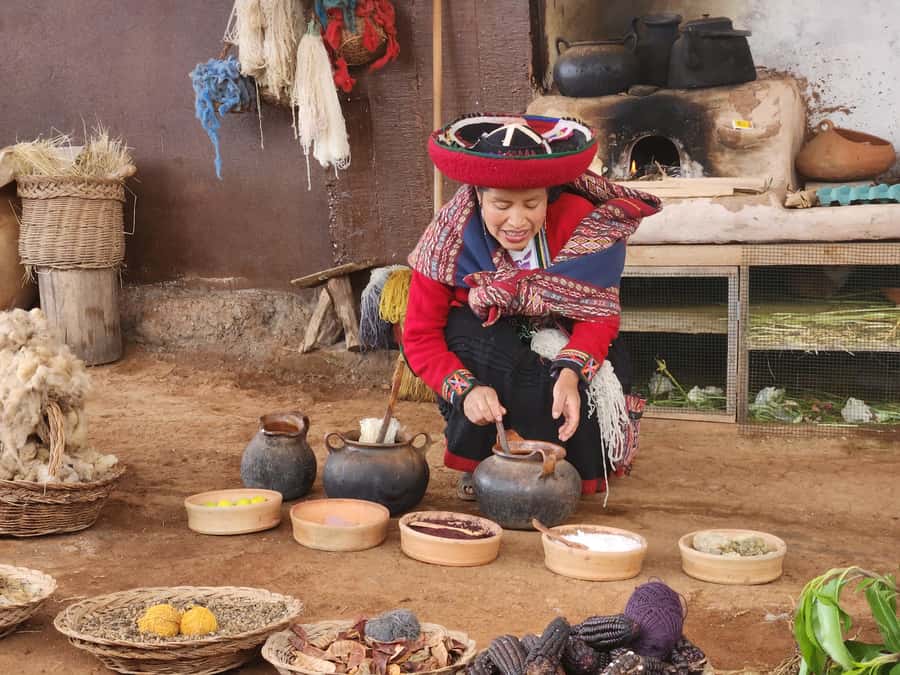
Chinchero is the first stop and it sets the tone. You’ll see the village feel and the cultural rhythm right away, plus the area’s archaeological remains and a colonial church nearby. Even if you don’t know much about the site, the guide context helps you connect how Inca rule left physical marks and how later Spanish influence added its own layer.
The standout here is the weaving cooperative stop. You’ll see traditional Andean weaving techniques in action, and this is where the tour becomes more than just stones and views. It’s a chance to understand why textiles mattered—both as craft and as identity—and how that knowledge continues.
Time can be the only frustration. This stop often functions as both orientation and culture primer, so you might not get hours to wander. But as a first hit, Chinchero is a smart opener because it’s human-scale: people, patterns, and place.
Practical note: weaving displays can be slow and quiet, so if you’re tempted to keep rushing for photos, try to pause. That’s where the experience feels real.
Moray’s Circular Terraces: Inca Farming Lab on a Grand Scale
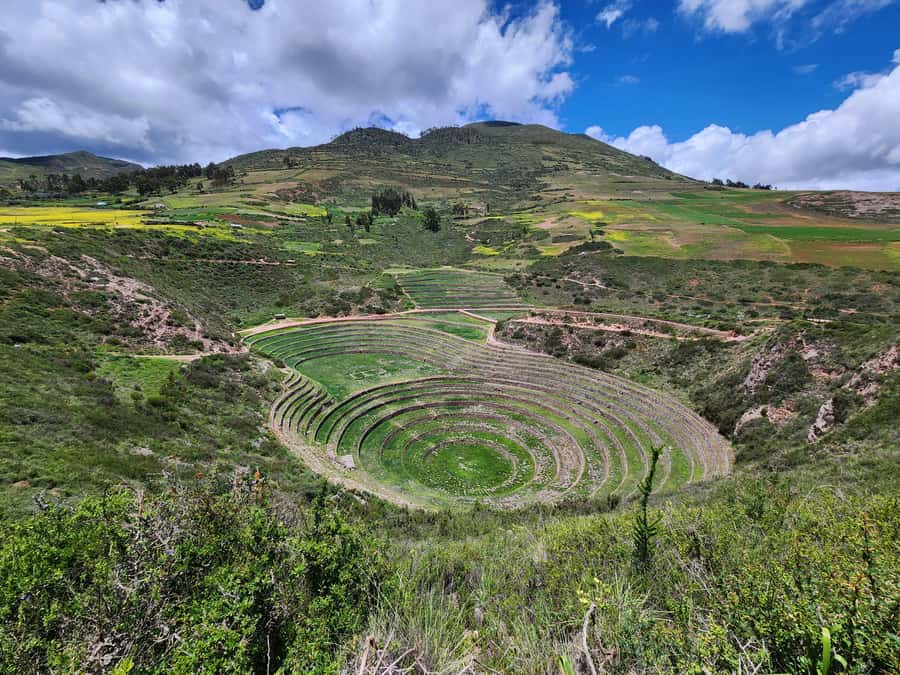
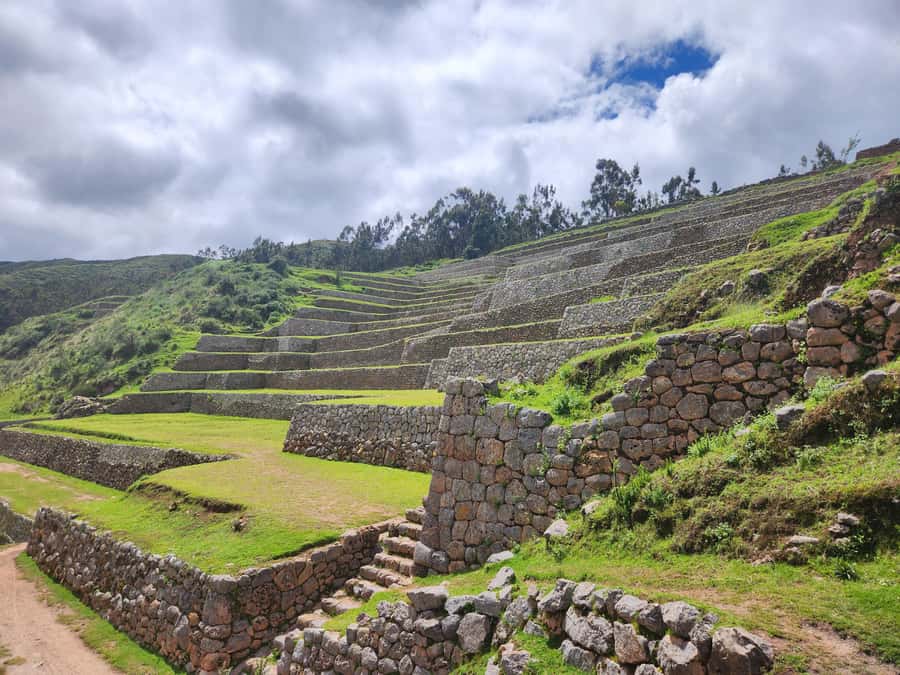
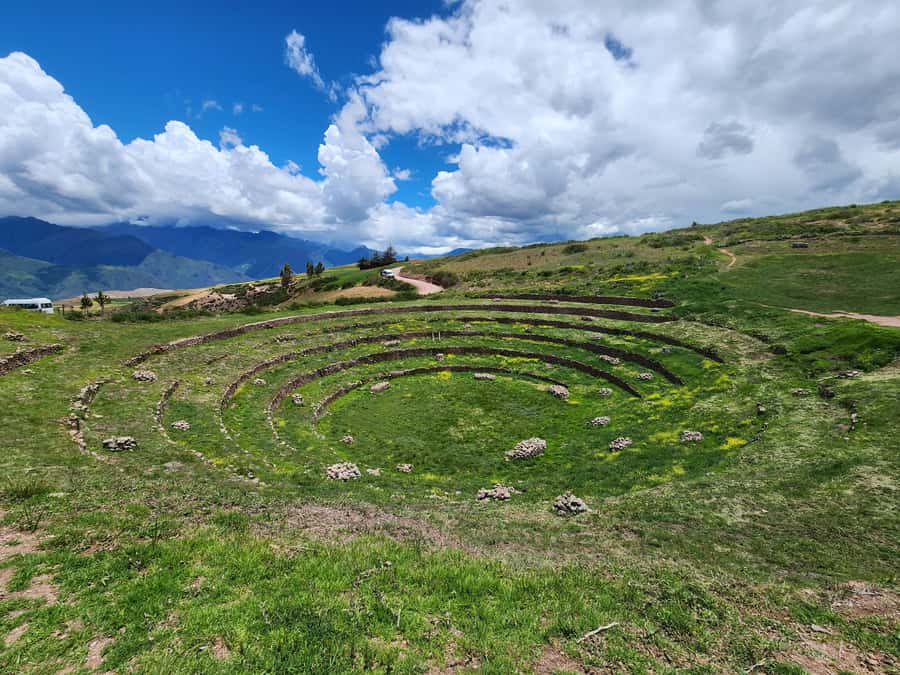
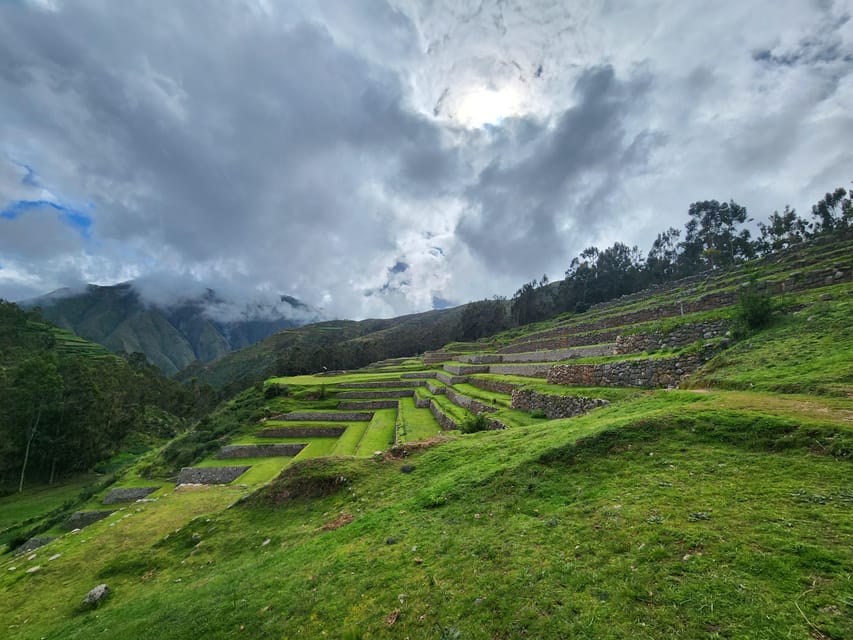
Then the tour shifts from village culture to science-like stonework. Moray is famous for its circular agricultural terraces, and the guide explanation is key. The terraces are built to take advantage of changing conditions across levels, which helps explain why the Incas were experimenting with crops in an engineered landscape.
What I like about Moray is how it teaches your eye. Once you understand the logic of the terraces—concentric circles, elevation differences, and how farming could be adapted—you start noticing patterns in how the Incas moved water and shaped land. It’s not just a pretty ruin. It’s a designed system.
The drawback? You’re usually not here long, because the day’s schedule keeps moving. If you want to really sketch terrace lines or linger at every viewpoint, you may wish you had more minutes. That said, even a shorter visit can make the later sites click, since Moray gives you a framework for what “engineering” looked like in daily life.
Maras Salt Mines: Thousands of Pools, One Ancient Resource
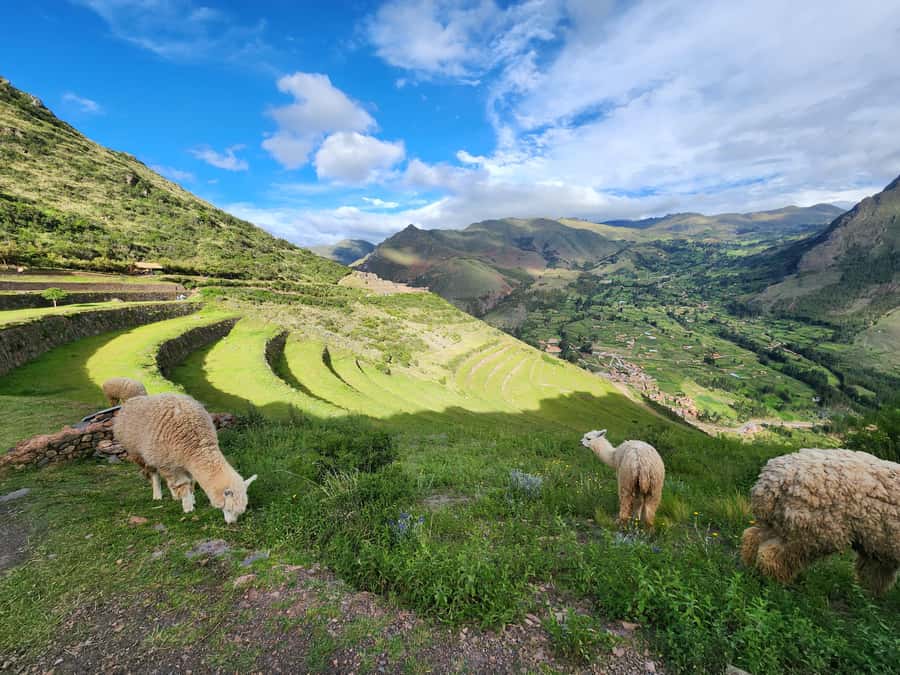
Maras is one of those places you remember after you leave Cusco. The salt flats look almost like a patchwork from above, with thousands of small pools built to harvest salt from natural brine. It’s striking visually, but the real value is historical continuity—the sense that resource extraction here follows a long Inca-rooted practice.
The guide helps by connecting the salt to the broader Inca economy and daily life. Salt mattered for preservation and for moving value through the region. So when you’re standing by the pools, you’re not just looking at a tourist photo spot. You’re looking at a production landscape.
Be prepared for walking and uneven footing. The pools and walkways can be tricky, so comfortable shoes matter more than you’d think. Also bring patience: if the group is large, it can take a bit to move through viewpoints without bumping into the next person’s photos.
If you’re sensitive to crowds, early timing is a plus. The tour is set up for a long day, and leaving early helps you avoid the heaviest rush at popular moments.
Lunch in Urubamba: A Good Reset Before the Ruins
You get lunch at a traditional restaurant in Urubamba, usually a buffet. This is the moment where the tour feels practical: it’s a chance to refuel, slow down, and handle water and snacks before the next archaeological push.
I like that lunch is included. It removes one big planning headache in the Sacred Valley, where food options along the route can be hit-or-miss when you’re on a schedule. That said, lunch time can feel short, especially if you want second helpings or a slower sit-down.
Use lunch as a strategy, not just a meal. Eat something filling, drink water, and give your legs a minute. Then you’ll be better prepared for the walking at Ollantaytambo and the uphill-and-out vibe at Pisac.

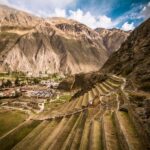
Ollantaytambo: A Preserved Town, Not Just an Archaeological Site
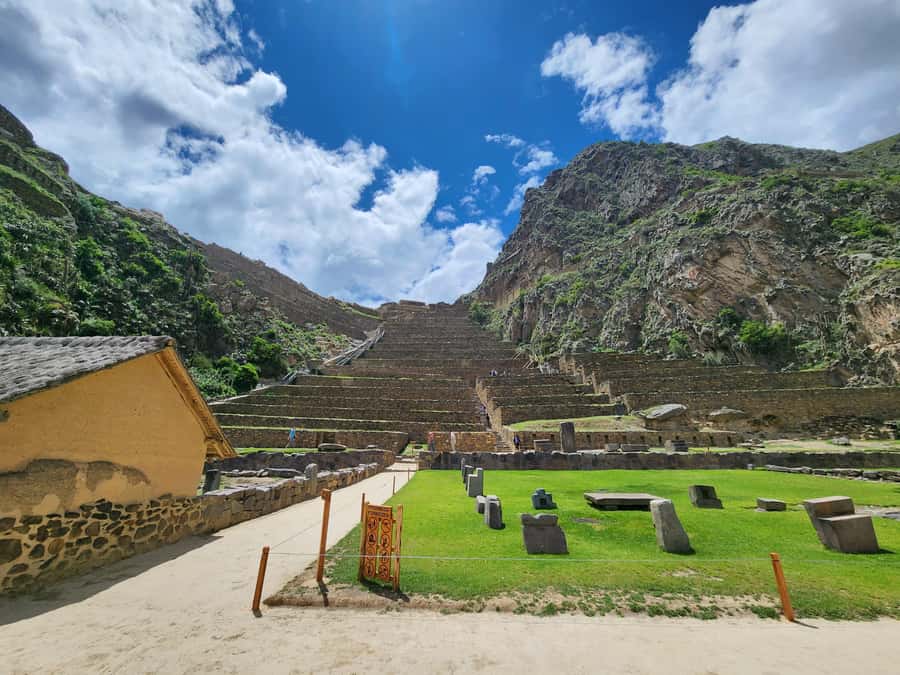
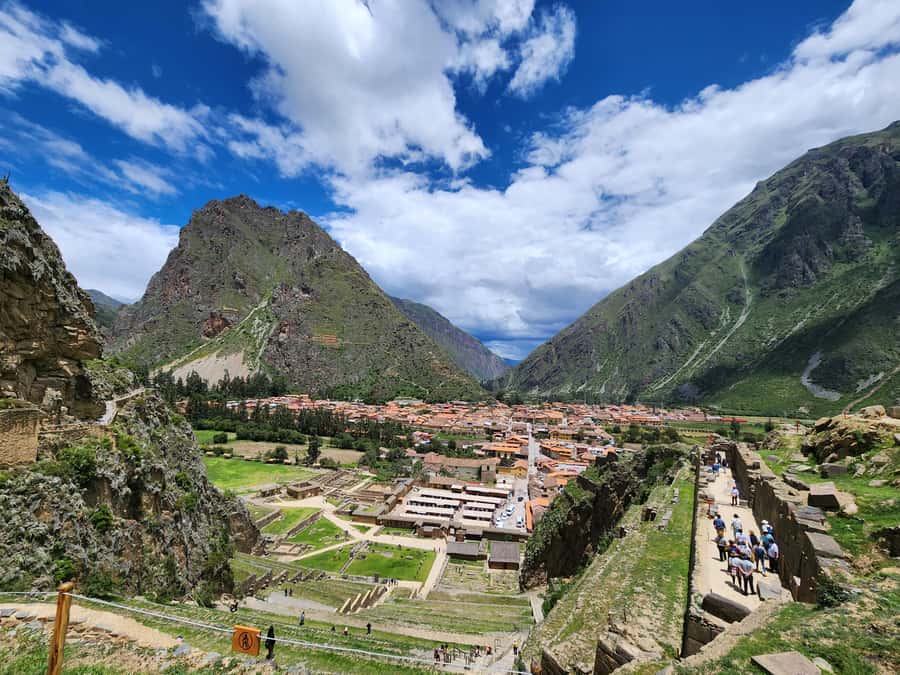
Ollantaytambo is the stop that feels most like an actual place you could live in. The ruins include terraces, temples, and a ceremonial/administrative center, and the site’s layout reflects why it mattered to the Inca Empire. You’re not only seeing monuments. You’re seeing how a built environment supported governance, ritual, and daily movement.
What makes Ollantaytambo special is the sense of preservation. The town’s structure helps you imagine the logic behind routes, terraces, and key areas. When the guide connects the location to function—how it worked as an important center—you start to see why Incas built where they built.
The schedule still matters. Most departures don’t give you a full roam, so you’ll want to focus your energy on the main terraces and key ceremonial spaces first. If you’re someone who likes to take mental notes for later, this is where you’ll get a lot of payoff because the site is legible. Even with limited time, you can understand what you’re looking at.
Also, if you’re curious about Inca urban planning, Ollantaytambo is one of the best places in this circuit to learn that lesson fast.
Pisac: Big Ruins with Mountain Backdrops and Limited Wandering
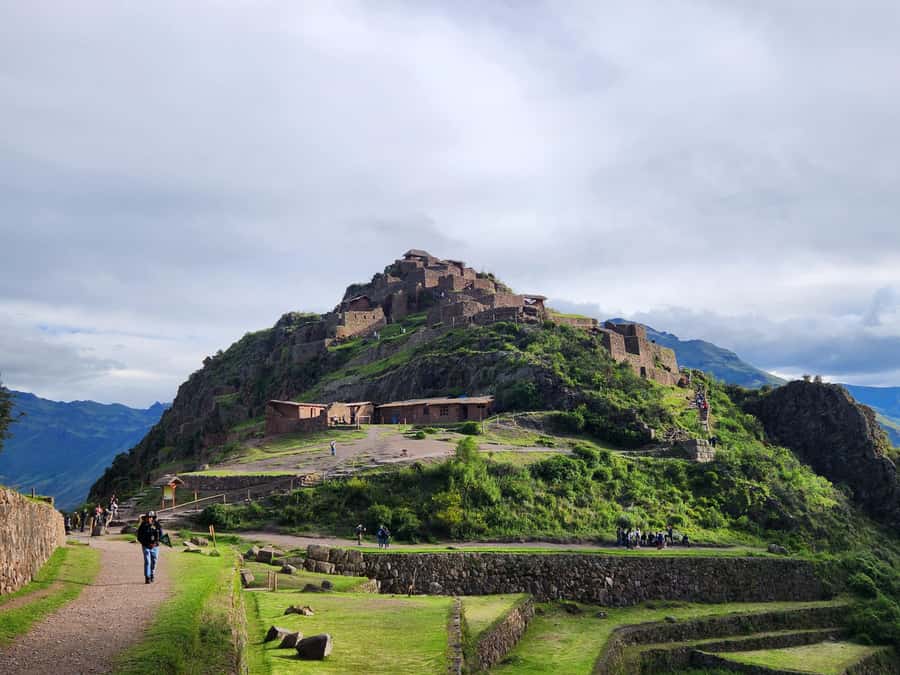
Pisac is dramatic, and the ruins sprawl across terraces, tomb areas, and religious structures. The setting—anchored against the mountains—does a lot for the experience. It’s easy to take great photos here, but the real satisfaction comes from recognizing that the site isn’t random. It’s organized and purposeful.
The practical reality: time can be tight here. Some tours reach Pisac near late-afternoon closing windows, which can shorten how long you’re able to explore after the guided portion. If you’re the type who wants to wander every terrace line, this is the stop where you’ll feel the lack of extra minutes.
Still, Pisac is worth it in a one-day format. You get a wide sweep of what Inca architecture looks like across a broader area, and the guide context helps you read the structures instead of just passing through.
A smart tip: don’t only chase the biggest viewpoint. If your time is limited, ask the guide where the most meaningful section of the ruins sits for understanding the overall site plan. That way, even a shorter visit teaches you something real.
Price and Value: Is $35 a Good Deal?
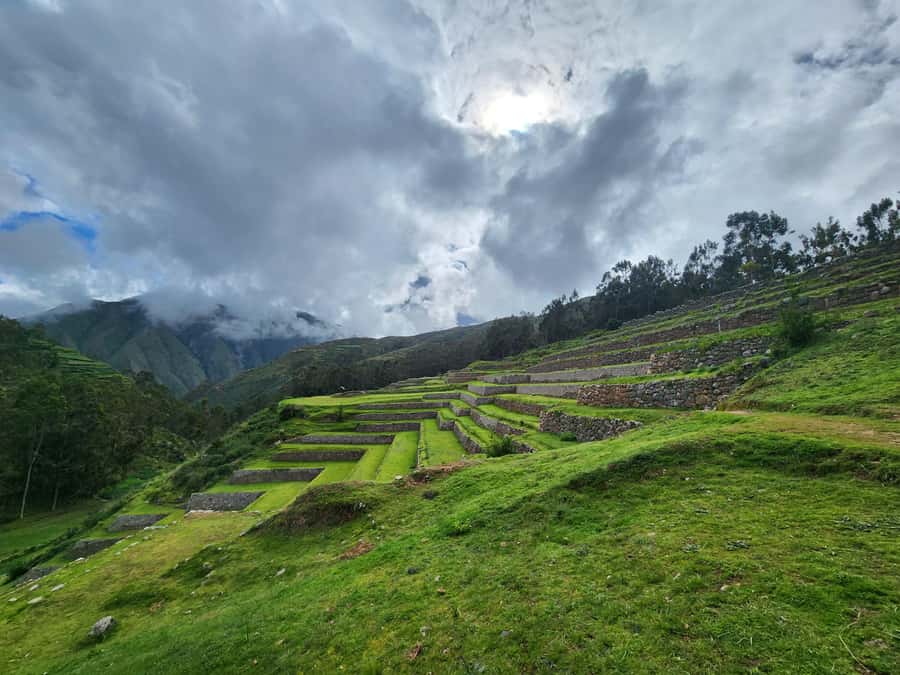
At around $35 per person for a full-day guided van tour, the value depends on two things: how much you hate planning logistics yourself, and how okay you are with a packed itinerary.
Included:
- Hotel pickup
- Van transport through the Sacred Valley
- Professional bilingual guide (Spanish and English)
- Lunch buffet
Not included:
- Tourist ticket (listed as 70 soles)
- Maras entrance (listed as 20 soles)
So your true total cost is the tour price plus those site fees. Even then, the math tends to favor the tour if you want a single guide, a single route, and a built-in lunch. If you’re traveling with limited time in Cusco, one day like this can prevent you from wasting half-days trying to coordinate separate transport and tickets.
If you’re the type who enjoys slow travel and deep exploration, the limited time per stop can feel like a mismatch for the price. But for a first visit to the Sacred Valley, the included guide time and transport can be a very efficient use of your day.
The Tour’s Real Rhythm: What the Schedule Means for Your Day
This is a long day with several major stops, so your success will come from choosing the right mindset. Think of it like a “greatest hits” album: you’ll hear a lot, but you won’t get extended tracks.
One issue that can show up on some departures is extra time spent at related shops or demonstrations. For example, weaving-related stops and craft/mineral browsing can appear as brief detours. That doesn’t automatically ruin the tour, but it can cut into the minutes you hoped to spend at Moray or Pisac.
Another scheduling effect is how quickly the group moves. Even when the guide explanation is excellent, walking pace and group logistics can shrink your viewing time. You’ll get a lot of images, but not always a long, quiet conversation with the ruins.
To get the most out of it:
- Take notes fast when the guide talks (you’ll forget details otherwise).
- Decide in advance which two stops are your must-see.
- Bring your patience for quick transitions between locations.
Guides like Carlos have been noted for detailed explanations of why each location mattered, and Henry has been highlighted for being exceptional at guiding the route. When the guide is strong, the tight schedule can still be worth it.
What to Bring (So the Day Doesn’t Beat You Up)
This itinerary isn’t hard technically, but it’s physically demanding in the Andes. Come ready.
Bring:
- Comfortable walking shoes
- Hat
- Sunscreen
- Camera
- Water bottle
- Some local currency for personal expenses and tips
Dress for sun and cooler air. You’ll be moving through different altitudes and weather shifts throughout the day, and the sun can be intense even when you feel chilly.
Also, plan your energy. You’re going to be on your feet, looking up at stonework, and walking on uneven ground near archaeological areas and salt pools. If you arrive under-prepared, the last stops will feel harder.
Should You Book This Sacred Valley Day Trip?
Book it if:
- You want a one-day overview of the Sacred Valley highlights.
- You value a bilingual guide who explains meaning, not just directions.
- You want included transport and lunch so you can focus on the sights.
- You’re okay with some stops feeling brief.
Skip or choose a different pace if:
- You hate rushing and want long, slow exploration at fewer sites.
- You’d rather spend more time at Pisac or Ollantaytambo than see multiple locations back-to-back.
- You know you’ll get frustrated by extra craft/shop time or shorter viewing windows.
If your Cusco stay is limited and you want the classic Sacred Valley lineup without logistics stress, this is a practical way to do it. Just go in expecting a full day, not a leisurely one.
FAQ
How long is the tour?
It’s listed as a 1-day experience.
What’s the price?
The price is shown as $35 per person.
Is hotel pickup included?
Yes, hotel pickup is included.
What’s included in the tour price?
Included items are hotel pick-up, transport by van, a professional guide (Spanish and English), and a lunch buffet.
Are entrance tickets included?
No. The tourist ticket is listed as 70.00 soles, and entrance ticket to Maras is listed as 20.00 soles.
What languages does the guide speak?
The guide is listed as professional and bilingual: Spanish and English.
Where does the tour end?
The tour finishes at Plaza Regocijo.
What should I bring?
Bring comfortable walking shoes, a hat, a camera, sunscreen, and water.
Can I cancel and get a refund?
Yes. Free cancellation is available up to 24 hours in advance for a full refund.
Are drones allowed?
No, drones are not allowed.