REVIEW · OLLANTAYTAMBO
From Cusco: Sacred Valley & Maras Salt Mines Tour with Lunch
Book on GetYourGuide →Operated by Inka Altitude · Bookable on GetYourGuide
One of the best ways to understand the Incas is to see their systems in action. This full-day loop links Chinchero, Moray, and Maras with classic fortress-and-ruins stops, guided in both English and Spanish from early morning to early evening.
I really like how much you get done for the price, especially with a buffet lunch in Urubamba included. I also like the way the day is built around big moments: weaving traditions, Inca farming experiments, and those bright white salt ponds that look like someone scattered snow down the cliffs.
The main drawback is simple: it’s a long day with a lot of bus time, plus a 200-step climb at Ollantaytambo. If you’re sensitive to early starts, stairs, or fatigue, this itinerary may feel tight.
In This Review
- Key highlights you’ll feel in real life
- Why this Sacred Valley day tour makes sense
- Pickup and getting oriented in Cusco
- Chinchero weaving, the old church, and an Inca-world feel
- Moray: Inca terraces that act like a science lab
- Maras salt mines: why 5,000+ ponds still matter
- Urubamba lunch: buffet fuel for the second half
- Ollantaytambo: 200 steps to the terraced fortress view
- Pisac: a workshop + archaeological ruins to finish strong
- Price and logistics: what’s included, what to budget, what to bring
- Group pace and comfort: what you’re really signing up for
- Who should book this tour—and who should not
- Should you book? My practical recommendation
- FAQ
- What time does pickup happen?
- Where is the meeting point if I’m not picked up?
- Does the tour include lunch?
- Are tickets to the sites included?
- Can I pay entrance fees with a card?
- How hard is Ollantaytambo?
- Is there an option to get dropped off in Ollantaytambo?
- What should I bring and what is not allowed?
Key highlights you’ll feel in real life
- Early start helps you get there first so you spend more time looking and less time waiting.
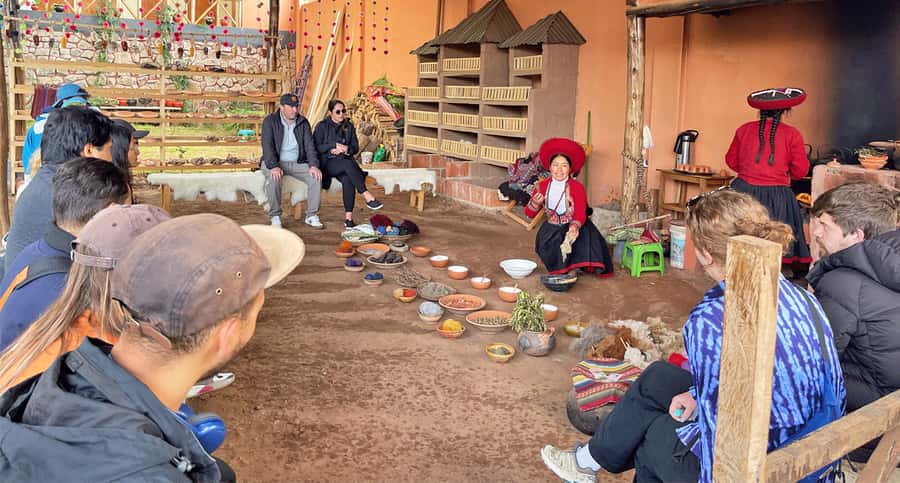
- Chinchero’s textile weaving connects art you can see to Inca-era technique and local daily life.
- Moray’s terraced bowls show how the Incas tested crops using microclimates.
- Maras salt mines are a striking mix of history and still-working production across thousands of ponds.
- Ollantaytambo’s fortress gives you the classic Sacred Valley view—if you’re ready for 200 steps.
- Urubamba lunch resets the day with a big buffet, not just a token meal.
Why this Sacred Valley day tour makes sense
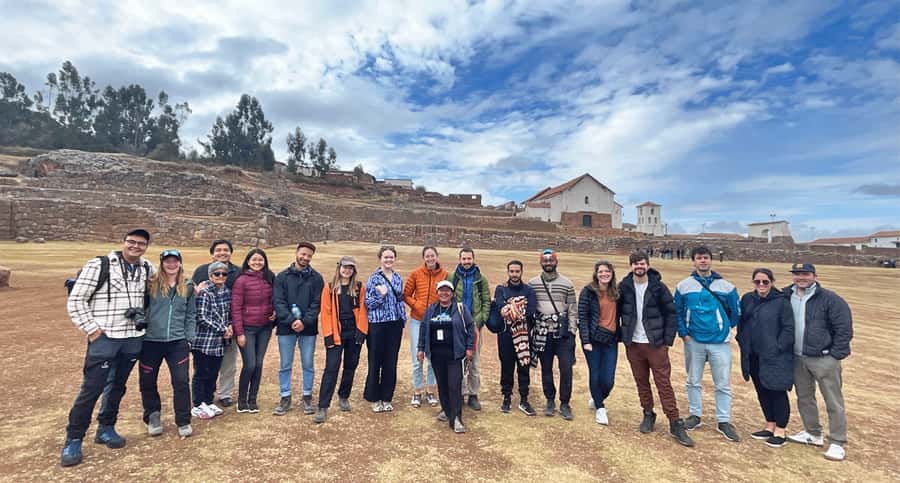
Cusco is surrounded by places that are historically important—but spread out. A one-day tour works best when you want the highlights without trying to coordinate separate visits, drivers, and ticket stops yourself.
For value, the headline is clear: you pay a low base price and you get guided stops that would otherwise be hard to string together in a single day. The tradeoff is time: a good part of your day is on the van, and the tour moves with purpose. You’ll see a lot, but you won’t linger for long philosophical wandering.
Still, this itinerary has a smart rhythm. It uses the morning for sites that benefit from arriving early, then anchors the middle with lunch in Urubamba, and finishes with Ollantaytambo and Pisac—two of the most memorable Sacred Valley experiences.
You can also read our reviews of more tours and experiences in Ollantaytambo
Pickup and getting oriented in Cusco
Your day starts with pickup from the historic city center (or a nearby meeting point if you’re in private accommodation). Pickup typically happens between 6:00 AM and 6:30 AM, and you’ll know your guide by name when they call you in front of the Inka Altitude office.
Plan for a fairly “assemble quickly” morning. The tour company notes group pickup can take 30 to 45 minutes depending on how many hotels are included, so if you’re near the end of the pickup line, you may wait a bit longer. Bring cash and keep your bags light: large luggage isn’t allowed.
A small but important practical detail: the day runs long enough that it helps to eat breakfast before you go (or at least bring a snack). Several guides and drivers on this route are known for moving fast, and that only feels good if you’re fueled.
Chinchero weaving, the old church, and an Inca-world feel
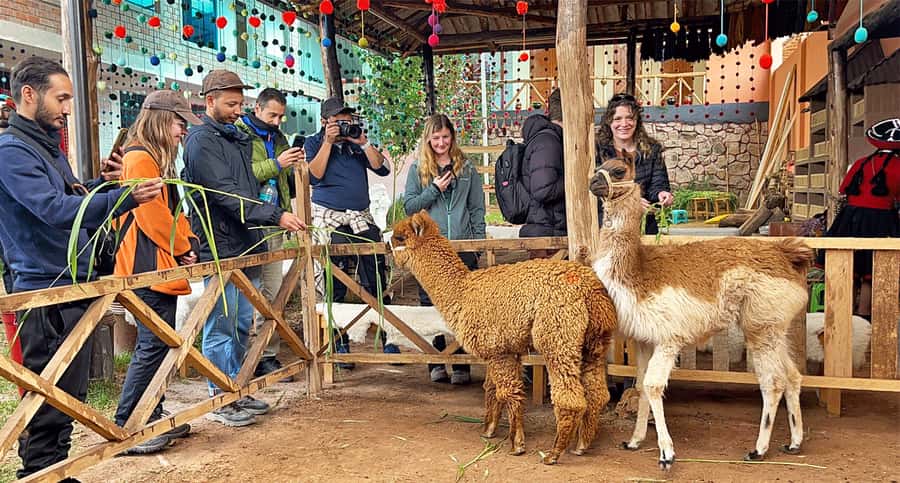
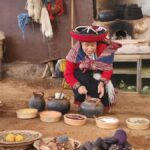
The first big stop is Chinchero, a small town known for textile weaving traditions. You’ll spend time at a weaving workshop where you can see textiles made using methods tied to long-standing Inca techniques—this is where the Sacred Valley stops feeling like only stone and starts becoming living culture.
After the workshop, you’ll visit Chinchero’s archaeological area and then a beautiful old church. The pairing matters. It shows how layers of history stack in this region: pre-Columbian traditions still visible through craft, and later religious architecture built over the same human geography.
What to expect here: short and focused. This isn’t the kind of stop where you measure every stitch in peace, but it’s a strong introduction to how the Incas organized technology, labor, and meaning—through textiles, dyes, and patterns.
Moray: Inca terraces that act like a science lab
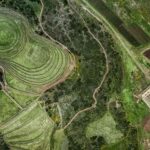
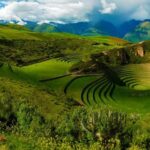
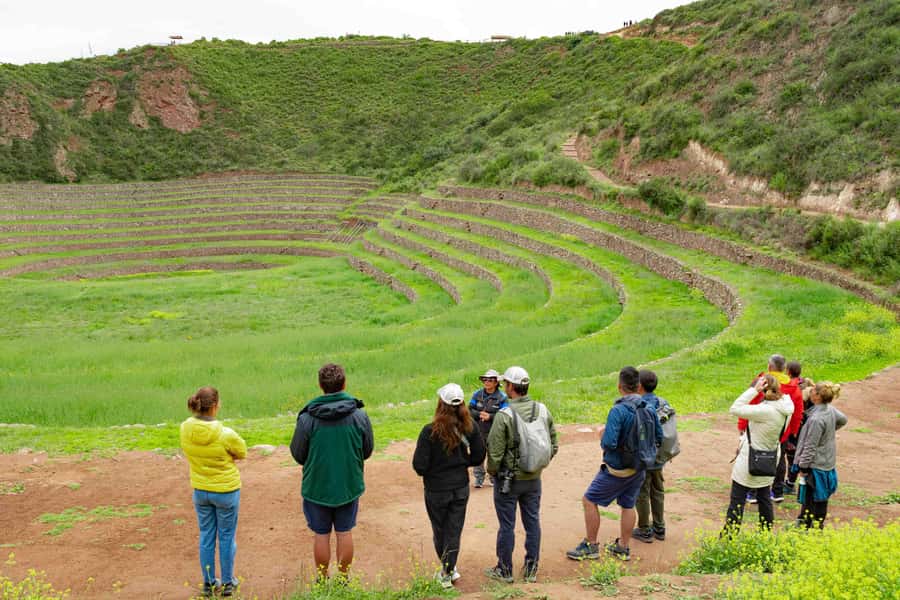
Next comes Moray, where the view looks like a set of giant circular terraces dropped into the hills. The guided visit focuses on the idea that these terraces were built to grow crops in challenging mountain conditions.
Here’s the practical reason this stop is valuable: Moray helps you understand how the Incas managed agriculture under stress. You’re not just seeing pretty ruins; you’re seeing an approach to farming that uses geography itself—different levels and exposures create different growing conditions.
The tour time is short, so don’t expect a slow museum pace. Instead, go in thinking: What were they trying to solve? Crop variety, climate limits, and food stability. If you keep that question in your head, Moray feels less like a photo stop and more like a working brain behind the Inca world.
Maras salt mines: why 5,000+ ponds still matter
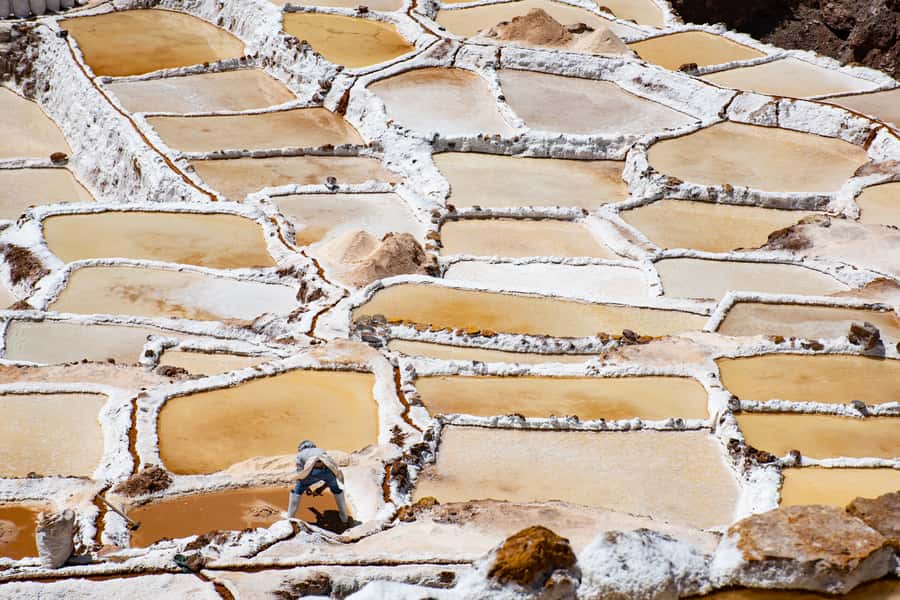
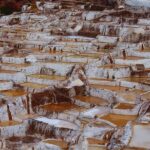
Then you reach Maras Salt Mines, a place that feels unreal until you’re standing near it. The guide will explain the salt-extraction process and the history behind why these ponds existed.
The key fact to remember is scale: there are over 5,000 salt ponds at Maras. The Incas used salt extraction to help preserve food for long periods—so salt wasn’t just seasoning. It was a storage system.
You’ll also have time for shopping in Maras, including the chance to purchase Maras salt. That’s one of the best parts of this stop because you’re buying something tied to an explained process, not just a souvenir thrown at you.
One practical caution: the salt mine entrance ticket is not included. You’ll need cash in local currency for that, so have money ready before you arrive.

Urubamba lunch: buffet fuel for the second half
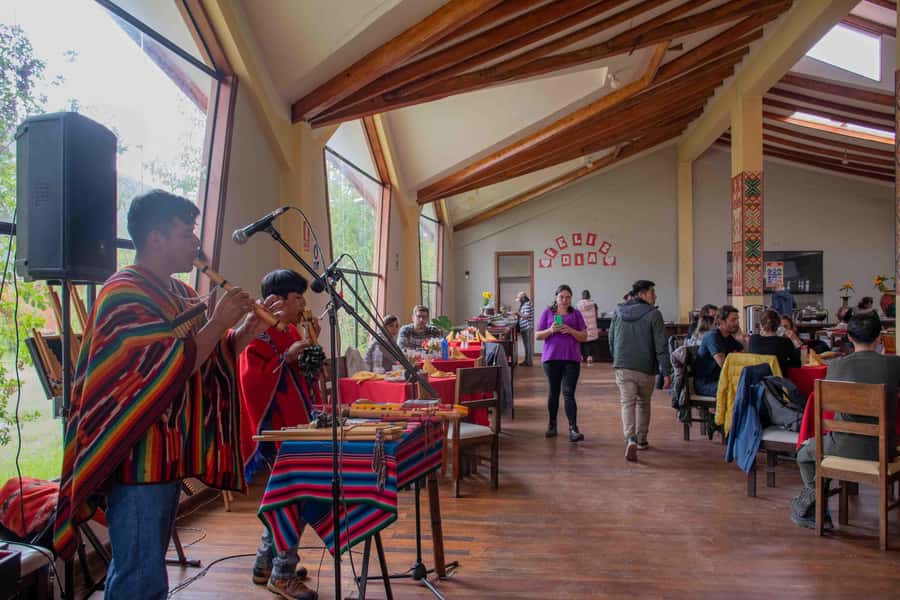
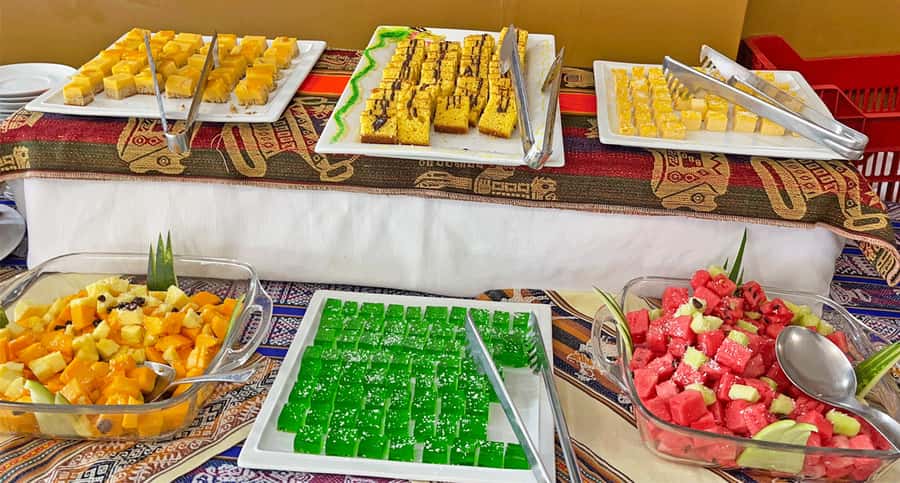
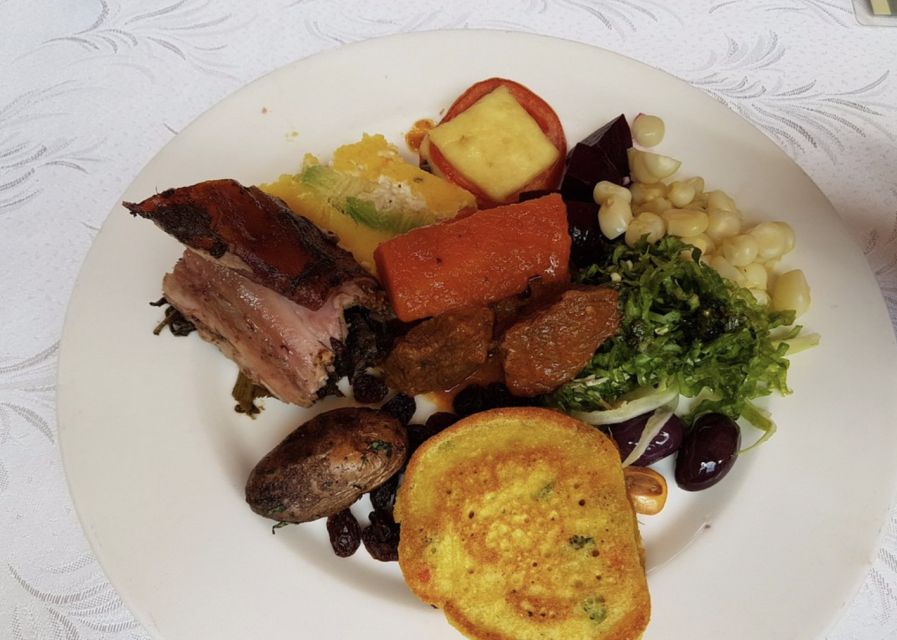
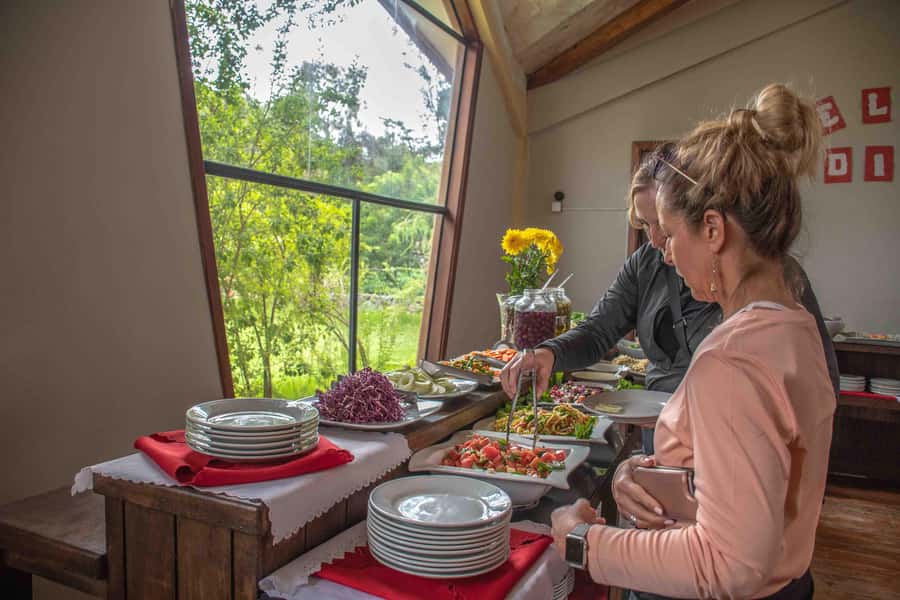
After the morning sites, you head to Urubamba, the Sacred Valley’s hub, for a buffet lunch. Lunch is included, and the buffet is described as varied and abundant, which matters on a day like this.
This is also your best moment to reset your body. By this time you’ve been on and off vehicles, walked uneven ground, and listened to a lot of history. Eat well, drink water, and pace yourself. Later you’ll be climbing steps at Ollantaytambo.
If you’re the type who likes to recharge and plan your remaining energy, this lunch break is the best time to do it. Once you leave Urubamba, the day becomes more about effort and viewpoint rewards.
Ollantaytambo: 200 steps to the terraced fortress view
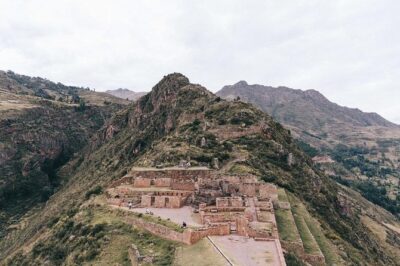
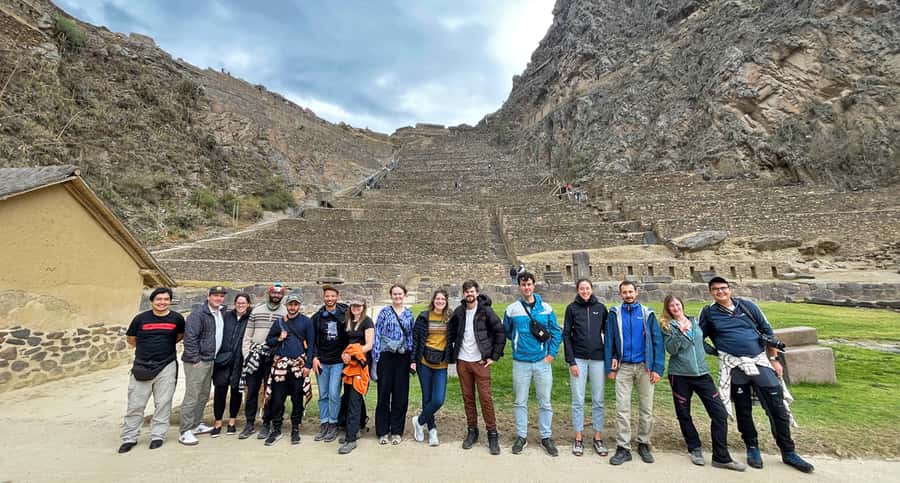
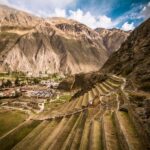
Ollantaytambo is one of the most dramatic Sacred Valley towns, and the highlight here is the climb to the ancient terraced fortress overlooking the village. You’ll need to climb over 200 steps to reach the top—there’s no elevator.
Those steps are the main consideration for this stop. If your legs, knees, or breathing are already stressed from Cusco altitude and a long travel day, this is where you’ll notice it most. On the other hand, if you can handle the climb, you’ll get exactly what the Sacred Valley is famous for: a sense of place from above.
The tour guide keeps things moving, and it helps that the group leaves early enough to avoid the thickest crush at many spots. If you want an extra option, there’s an optional drop-off in Ollantaytambo, useful if you’re staying there or catching a later plan.
One timing tip for train users: if you need to take a train, it’s recommended to take one later than 16:00.
Pisac: a workshop + archaeological ruins to finish strong
Finally, you’ll reach Pisac, where the day includes both a workshop moment and a guided archaeological visit. The tour time is shorter here than at the morning stops, but Pisac tends to land well because you’re ending the day with a mix of stonework and wider views.
Expect to visit the archaeological site with guidance, and also a workshop session. (The specific workshop focus is included in the schedule you’re following, but the big idea is that you’ll get more than just a walkthrough of ruins.)
Pisac is a good place to end because it gives you the Sacred Valley’s overall feel: planned spaces, strategic use of terrain, and a sense that the Incas didn’t treat this region like random scenery. It was organized and intentional.
Price and logistics: what’s included, what to budget, what to bring
The base price is $28 per person for a one-day tour with pickup, bilingual guiding, transport, and an included buffet lunch. For a day that covers multiple major Sacred Valley sites, that price is strong—especially if you value structured guidance and want to avoid multiple separate tickets and transport arrangements.
But you should budget for two additional costs:
- Partial tourist ticket: 70 Nuevos Soles (if you choose that option)
- Salt mine entrance ticket: 20 Nuevos Soles
Entrances are noted as available only if you pay in cash in local currency.
Drinks aren’t included. So plan on buying water separately and eating lunch as your main fuel.
What to bring is straightforward: passport or ID, comfortable shoes, comfortable clothes, and cash. Also note the rules: no large bags or luggage, and no drones.
Group pace and comfort: what you’re really signing up for
This is a bilingual group tour (Spanish and English), and that matters because it keeps the explanation consistent for everyone. The guidance tends to be clear and well timed—one of the most praised parts of this style of tour is that the guide can answer questions and keep the day moving without turning every stop into a long lecture.
Still, remember the structure: the Sacred Valley sites are far apart. A large chunk of your day is on the bus, and several drive segments can feel long. The best way to enjoy that is simple: sit back, hydrate, and treat the van ride as transit between story chapters.
Also, this tour is not a good fit for wheelchair users or people with mobility impairments, and it isn’t recommended for hearing-impaired people or those with respiratory issues. The big reason is the mix of walking on uneven ground and the step-heavy Ollantaytambo section.
Who should book this tour—and who should not
You’ll love this if:
- you have one day and want the main Sacred Valley highlights without planning separate trips
- you like guided context that ties stone sites to how people actually lived
- you want a day with a clear rhythm: textiles and culture early, science-like terraces mid-morning, salt extraction, then fortress views and ruins
You might skip or choose something gentler if:
- you strongly dislike stairs or you know a 200-step climb will be hard for you
- you want lots of free time at each place
- you need a quieter pace with fewer transitions
Should you book? My practical recommendation
Book it if your priority is a high-impact overview of the Sacred Valley in one day, especially if you like having a guide explain what you’re seeing as you go. The combination of Chinchero textiles, Moray’s agricultural logic, Maras salt history, and the fortress climb at Ollantaytambo is a smart way to understand Inca life as a system—not just as monuments.
Pass if you want deep time in each town. This tour is intentionally efficient. If you’re the type who travels to slow down, you may feel rushed by the schedule. And if your mobility or breathing could make the Ollantaytambo steps difficult, look for an alternative itinerary that reduces walking.
FAQ
What time does pickup happen?
Pickup is between 6:00 AM and 6:30 AM from your accommodation in the historic center, or a nearby meeting point if pickup isn’t included for your lodging.
Where is the meeting point if I’m not picked up?
You should be in front of the Inka Altitude office. Your guide will call your name there.
Does the tour include lunch?
Yes. You get a buffet lunch in Urubamba.
Are tickets to the sites included?
A partial tourist ticket is not included and costs 70 Nuevos Soles. The salt mine entrance ticket is also not included and costs 20 Nuevos Soles.
Can I pay entrance fees with a card?
Entrance tickets are only available if you pay in cash in local currency.
How hard is Ollantaytambo?
You must climb over 200 steps to reach the top. There is no elevator.
Is there an option to get dropped off in Ollantaytambo?
Yes. There’s an optional drop-off in Ollantaytambo if you want to stay there or have other plans.
What should I bring and what is not allowed?
Bring passport or ID, comfortable shoes and clothes, and cash. Luggage or large bags are not allowed, and drones are not allowed.
If you want, tell me your travel dates and whether you’re planning a train after the tour—I can suggest how to best align the timing with Ollantaytambo.