REVIEW · OLLANTAYTAMBO
From Cusco: Sacred Valley ending in Ollantaytambo and Lunch
Book on GetYourGuide →Operated by Exploor Trip E.R.L · Bookable on GetYourGuide
Two Inca giants in one day: Pisac to Ollantaytambo. This tour strings together mountain ruins, working valley farms, and the powerhouse town of Ollantaytambo—so you leave with a full day’s worth of context, not just quick photo stops. I like how the route follows the Urubamba River with frequent scenery breaks, and I also like that you get a real guided walkthrough of Pisac and Ollantaytambo instead of winging it.
Price matters, and this one keeps things simple: pickup in Cusco’s historic center, a professional guide, transport, and lunch in Urubamba (option 2). The trade-off to plan around is pacing. Some folks felt there wasn’t much time in the towns, and if your tickets aren’t handled smoothly, you can lose time right when you want to be looking at the ruins.
In This Review
- Key highlights at a glance
- A one-day Sacred Valley run that actually feels like a day
- What makes this route work
- Cusco hotel pickup and the Urubamba River corridor
- A photo tip that fits this day
- Pisac: the mountain archaeological center and why it’s first
- What to expect at Pisac
- The main practical consideration at Pisac
- Urubamba lunch: included, local, and timed for real energy
- What to know about included lunch
- Ollantaytambo: a living Inca town and fortress atmosphere
- What you’ll likely enjoy most here
- Photo and pacing realities
- Tickets, cash, and the minutes that disappear fast
- A luggage tip if your end goal is the train
- Group pacing: why some town time can feel short
- Who should be comfortable with that pace
- Who might want to choose a different style
- Price and value: is $22 a fair deal?
- Where the value can drop
- Language, guide quality, and what to listen for
- A small way to get more out of your visit
- Who this tour suits best (and who should think twice)
- Think twice if you strongly prefer slow travel
- Should you book this Sacred Valley day trip?
- FAQ
- How long is the tour?
- How much does it cost?
- Where is pickup, and what’s included with pickup?
- What happens after lunch in the itinerary?
- Where does the tour end?
- Is lunch included?
- Are entrance fees included for Pisac and Ollantaytambo?
- What languages are available for the guide?
- Do I need to provide a WhatsApp number when reserving?
- Is there free cancellation?
Key highlights at a glance
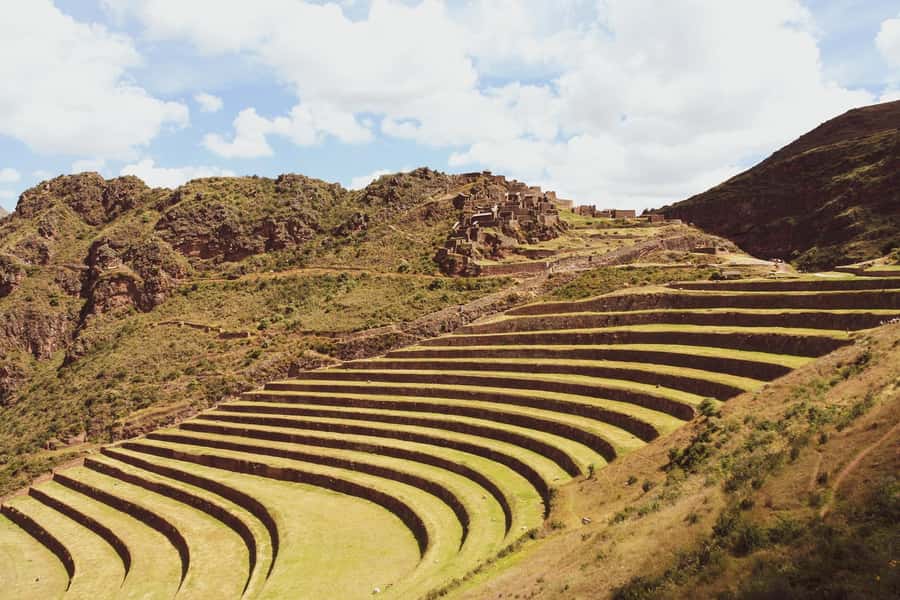
- Pisac ruins on the mountain with big photo moments and sweeping valley views
- Urubamba River drive passing crop fields and small towns along the way
- Lunch in Urubamba included so you’re not scrambling mid-day
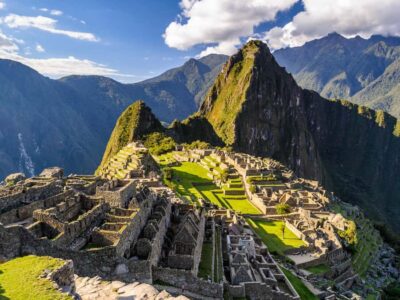
- Ollantaytambo as a living Inca town with a strategic fortress feel
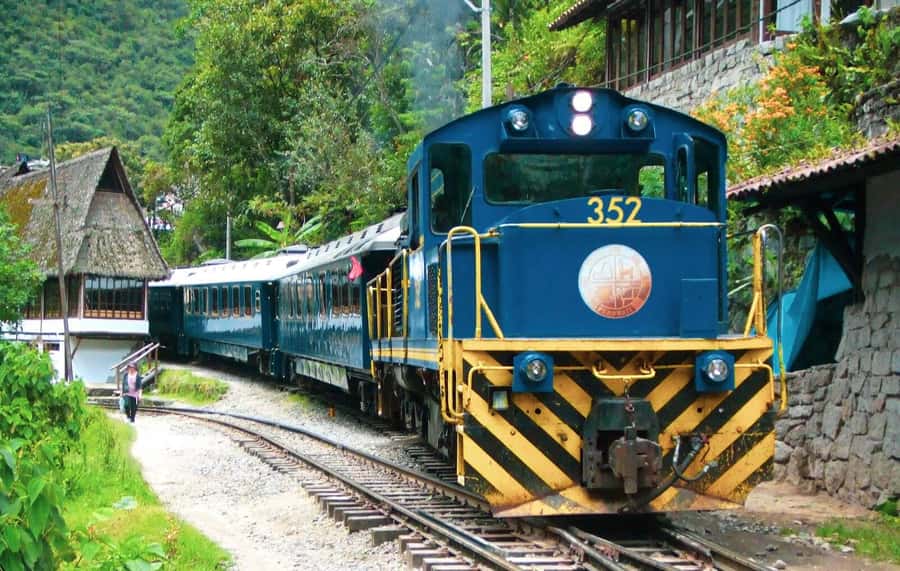
- Drop-off near the train station so your next move is easier
A one-day Sacred Valley run that actually feels like a day
This is the kind of Sacred Valley trip that works well when you have limited time in Cusco. You’re not trying to squeeze in everything in the region. Instead, you focus on two archaeological stops that shape the story of the valley—Pisac first, then Ollantaytambo—with a lunch break in Urubamba and plenty of time spent traveling through the valley’s famous setting.
The value is in the flow. You start early in Cusco, you travel through the Urubamba Valley corridor, you visit the ruins with a guide who can explain what you’re seeing, and you finish in Ollantaytambo near the train station. That last detail sounds small, but it matters. It helps you transition without a big scramble at the end of a long day.
You can also read our reviews of more tours and experiences in Ollantaytambo
What makes this route work
- Two anchor sites: Pisac and Ollantaytambo are your main learning stops
- A real break mid-day: lunch in Urubamba keeps energy up
- A practical finish: you end where many travelers need to be for trains
If you want a gentle, unhurried sightseeing day with long pauses in every town, this might feel tight. If you want a guided snapshot of the Sacred Valley with strong photo and story value, it’s a solid format.
Cusco hotel pickup and the Urubamba River corridor
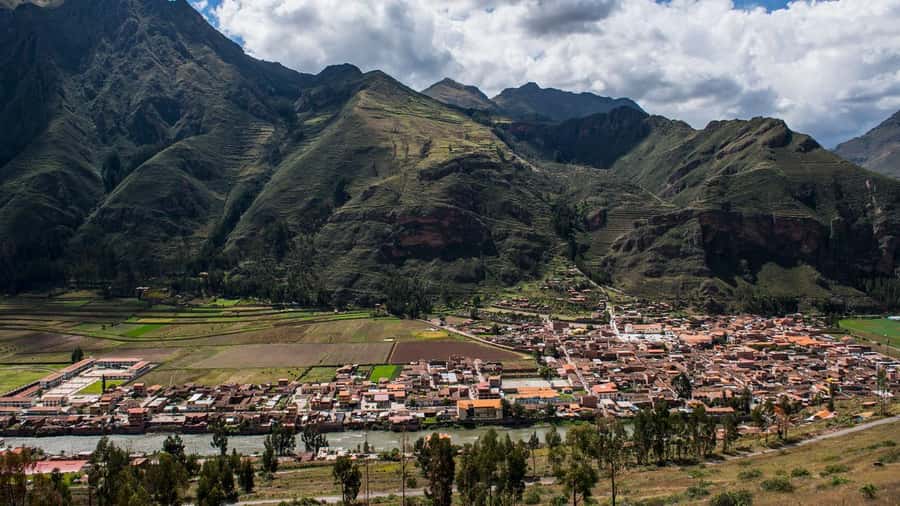
Your day starts with an early pickup from your hotel in Cusco’s historic center. From there, you’re on the road through the Sacred Valley, where the tour follows the Urubamba River. This is one of the best parts of the day because the drive isn’t just travel. You’re seeing towns, crop fields, and the green mountain backdrop as you go.
It also sets expectations for what the day will feel like. A lot of the experience is movement plus stops. That can be fine—especially when your goal is to cover major sites efficiently. Just keep in mind that the best viewing moments often happen at the stops, so you’ll want to be ready to step out quickly when you arrive.
A photo tip that fits this day
Keep your camera (or phone) ready during the drive segments. The route is described as bordering the river with towns and crop fields. If you wait until you’re parked to think about photos, you’ll miss some of the easiest shots.
Pisac: the mountain archaeological center and why it’s first
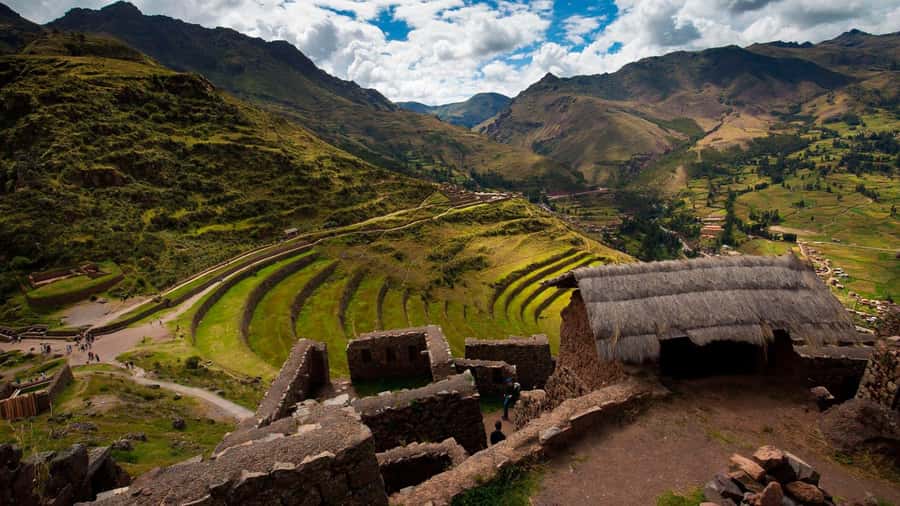
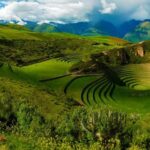
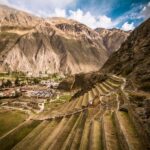
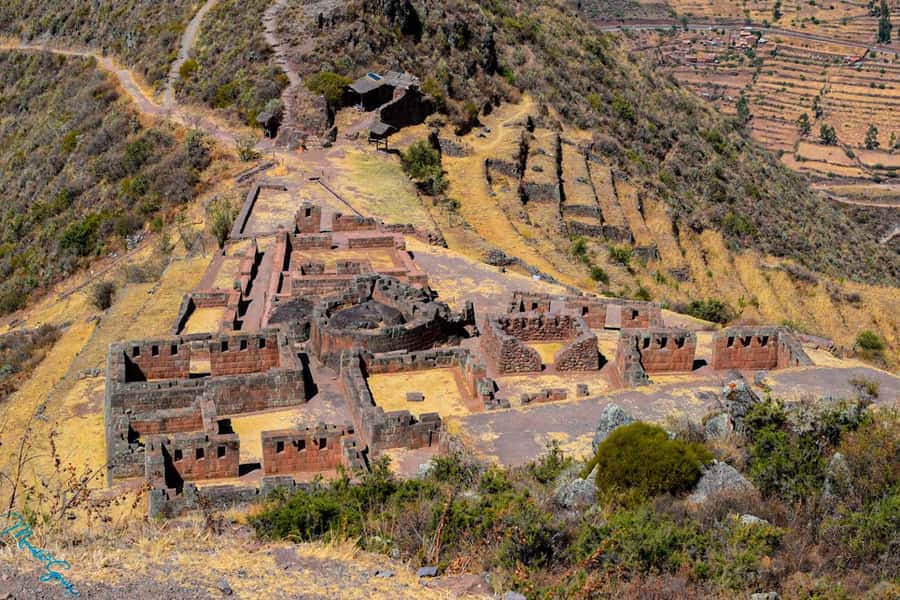
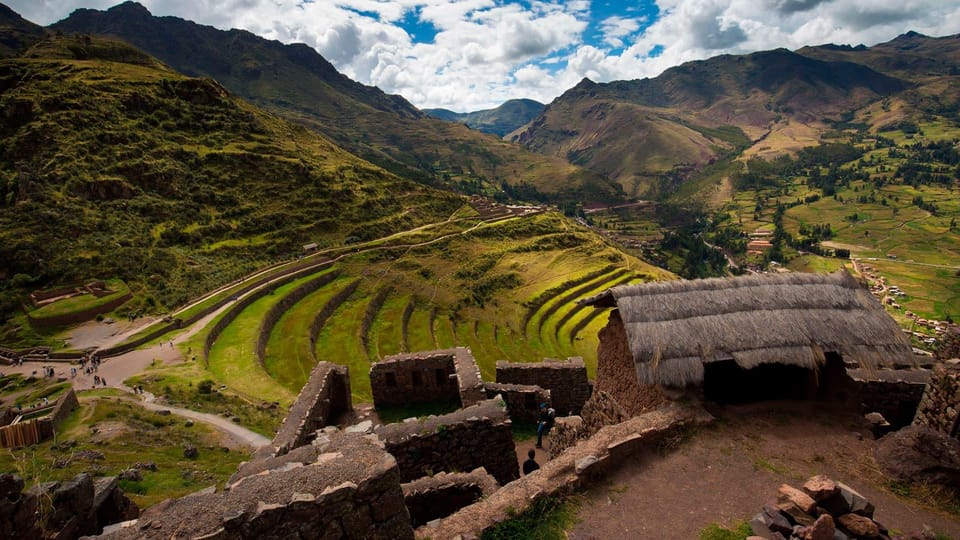
Pisac is your first big archaeological stop, and it’s a strong choice to visit early. The tour describes it as an archaeological center with history you’ll learn from your guide, and it also highlights the visuals: impressive sites and the sense of ruins perched above the valley.
What I like about making Pisac the first stop is simple. When you reach it early, your brain is still primed for learning. You’re coming straight from Cusco, so the shift from city altitude and streets into mountain ruins feels like part of the story instead of a chore.


What to expect at Pisac
- Ruins that you can see reflected across the mountain setting
- A guided explanation of the archaeological area and its meaning
- Lots of chances to photograph the green mountains and valley views
The main practical consideration at Pisac
Entrance fees are not included. That means you’ll want to plan for tickets before you arrive at the site. One practical note from experience-based feedback: buying tickets ahead can save time, because on-site purchasing can become slow and may require cash.
If you’re even slightly pressed for time, handle tickets early and smoothly. That one step protects your viewing time.
Urubamba lunch: included, local, and timed for real energy
After Pisac, you head toward Urubamba, where the tour includes lunch in a typical restaurant in the area. This matters more than it sounds. Sacred Valley days can run long, and a scheduled meal prevents the classic problem: arriving at the second site hungry and distracted.
The day is structured so that lunch is a reset button. You get authentic local flavors in Urubamba, then you’re ready to focus again when the drive brings you to the living Inca town of Ollantaytambo.
What to know about included lunch
- Lunch is included in Urubamba (noted as option 2)
- You’ll be eating at a typical local restaurant, not a staged tourist-only setup (based on how it’s described)
- It can reduce your need to search for food while you’re between major stops
I’d treat this lunch as part of your day strategy. If you skip it or arrive late, you’ll feel it later when you still have Ollantaytambo ahead.
Ollantaytambo: a living Inca town and fortress atmosphere
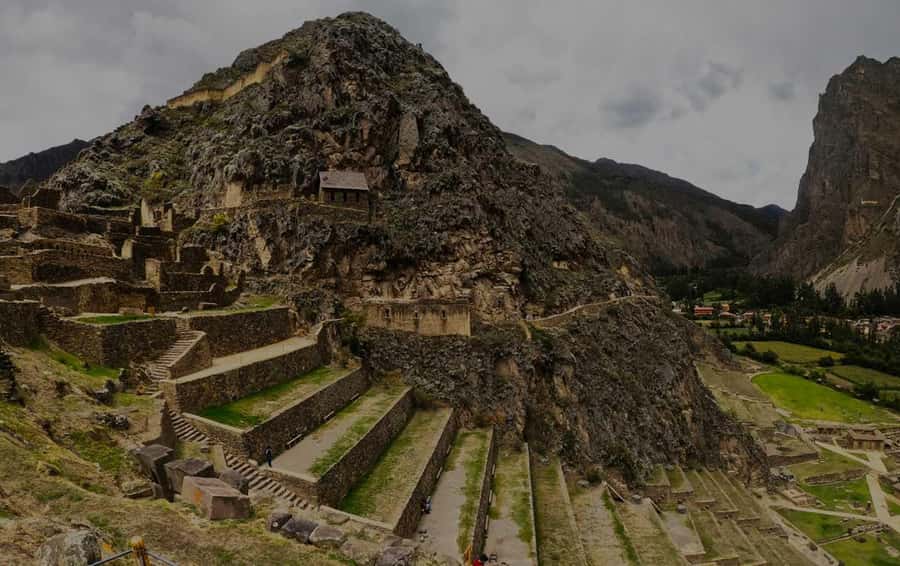
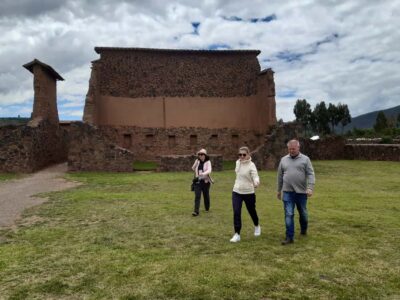
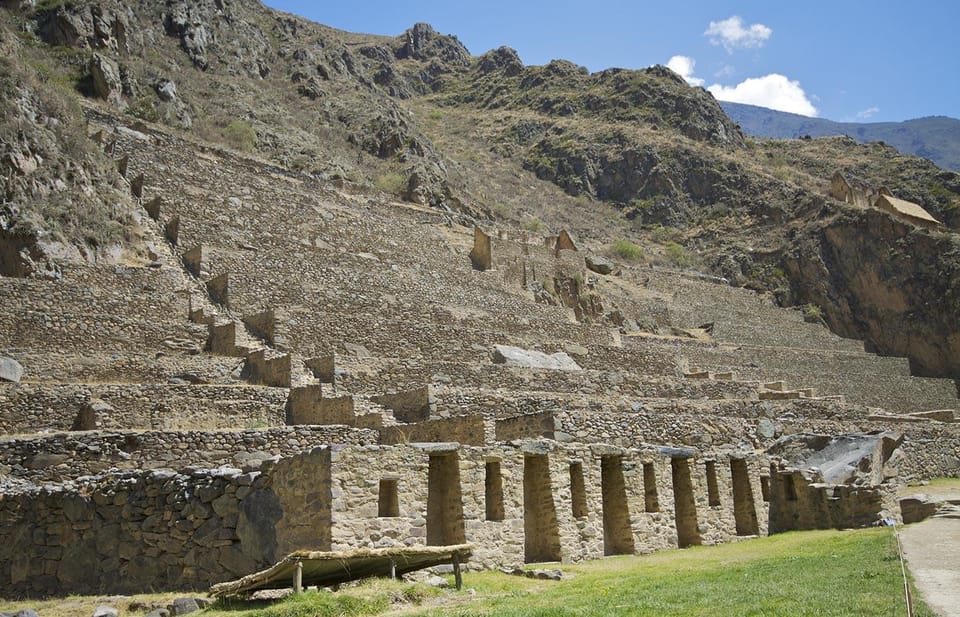
Ollantaytambo is the heart of the second half. The tour describes it as a charming Inca town and emphasizes something very specific: it served as a strategic military, religious, and administrative fortress in the Sacred Valley of the Incas.
That description is useful because it tells you how to look at the town and ruins. You’re not just hunting for pretty stones. You’re trying to understand why this place mattered and how it functioned. With a professional guide, that perspective typically lands better than wandering with no context.
What you’ll likely enjoy most here
- A sense of strong, intentional design—because the site is framed as a fortress
- The feeling of a town that still carries Inca identity
- Guided admiration of splendor and strategic placement
Photo and pacing realities
Ollantaytambo can take attention fast. It’s the kind of stop where you’ll want to linger. Still, this is a one-day trip, and the tour format includes a lot of driving. If you’re the type who likes to sit for a while and watch how a place lives, consider that your time may be more structured than you’d like.
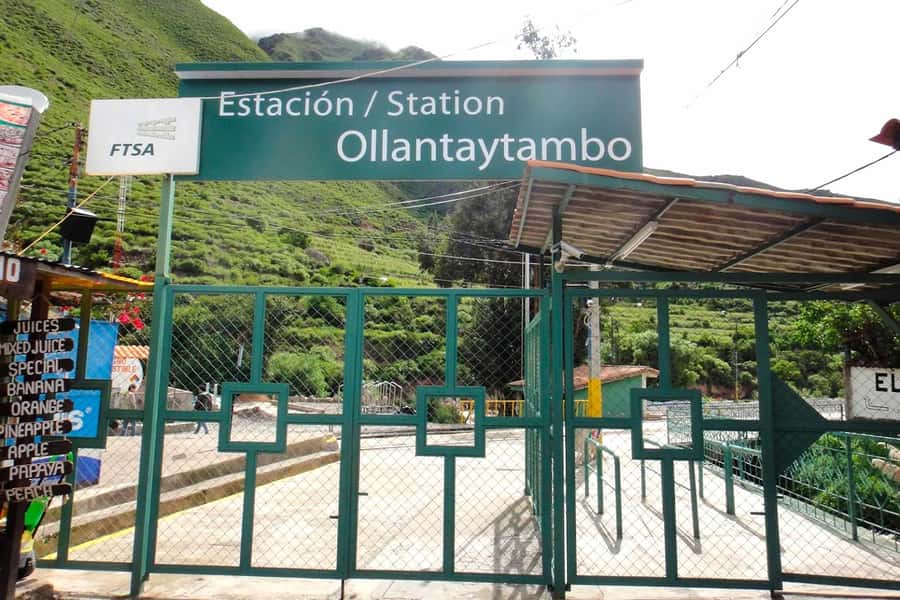
The good news is that your day ends near the train station in Ollantaytambo, which makes it easier to continue your plans without a long final commute.
Tickets, cash, and the minutes that disappear fast
Entrance fees are not included in the price. That’s clear. What can catch people off guard is how much time you lose when tickets aren’t ready.
Here’s the practical lesson I’d follow for this exact route:
- Plan to buy tickets for Pisac and Ollantaytambo in advance if you can.
- If you wait and purchase on-site, you might face friction like cash-only situations and slower lines, which can cut into your time at the ruins.
This matters because the tour day is compressed. You’re covering multiple major points, and a delayed entry can ripple through the schedule. You end up with less time looking at the sites, which is the whole point of going.
A luggage tip if your end goal is the train
If you’re traveling with bags and your final destination is Ollantaytambo, there’s an extra logistical wrinkle to be aware of. One practical tip noted in feedback: you may be able to leave luggage at a place associated with the excursion that doesn’t charge to store it, but when you go back for it, you could be asked to consume something to pick it up.
I’d treat that as a contingency, not a surprise. If you think you’ll use storage, plan on having some flexibility for a small purchase, just in case.
Group pacing: why some town time can feel short
This is a one-day tour with a defined path: Cusco → Pisac → Urubamba (lunch) → Ollantaytambo. That means the day is naturally driven by transit and scheduled stops.
Some people felt the visit time in towns was limited, with lots of driving and not much hanging-around time once you reached each place. That doesn’t mean the stops are bad. It means you should set expectations. This isn’t a slow, meandering day with long free-time windows.
Who should be comfortable with that pace
- You want major highlights in one day
- You like learning with a guide and moving site-to-site
- You’re okay with a more structured day format
Who might want to choose a different style
- You want deep downtime in each town
- You hate rushing through viewpoints
- You prefer an itinerary with more flexible hours
If you fall into the second category, you could still do this tour—but plan your expectations tightly, especially around Ollantaytambo.
Price and value: is $22 a fair deal?
At about $22 per person for a 1-day Sacred Valley outing, you’re paying for a package that includes: pickup in Cusco’s historic center, a professional guide, transport, and lunch in Urubamba (option 2). Entrance fees are extra, which is common for these tours.
So what makes the value reasonable? The biggest cost saver isn’t the price tag—it’s logistics. Getting from Cusco to multiple Sacred Valley sites, with guided interpretation and transport handled, is a time-saver. And with a lunch stop built in, you reduce the need to find food on your own.
Where the value can drop
The value can feel weaker if:
- tickets and entry timing aren’t handled smoothly
- you end up feeling rushed at stops
- the day’s structure limits your personal time in each area
Still, when the guide is strong, this kind of tour becomes worthwhile fast. Feedback includes praise for guides who love the work and make the ruins click in a single day. One named guide mentioned is Janet, described as incredible. You shouldn’t assume you’ll get the same person, but it’s a sign the guide quality can make a real difference.
Language, guide quality, and what to listen for
The tour offers a live English/Spanish guide. That’s great because the Sacred Valley sites are easier to understand when someone can connect features to purpose—especially at places framed as fortress, religious, and administrative spaces.
When guides do well, the sites stop looking like random stonework and start looking like planned places. You’ll usually notice that most once you understand what you’re looking at and why it’s positioned where it is.
A small way to get more out of your visit
Ask simple questions early. If there’s something you’re not sure about—how the site functioned, what to focus on visually, or what’s most important to see—ask at the beginning of each major stop. It’s harder to correct confusion after you’ve moved on.
Who this tour suits best (and who should think twice)
This day trip is a good match if you:
- want a guided look at Pisac and Ollantaytambo in one day
- appreciate included lunch in Urubamba
- want an ending near the Ollantaytambo train station
It’s also a good choice if you’re camera-ready. The tour is described with frequent impressive views—ruins with mountain settings, plus green valley scenes that show how the land is used.
Think twice if you strongly prefer slow travel
If you’re the type who wants lots of free time in each town, the pace may frustrate you. Also, if you dislike dealing with entrance fees and cash situations, plan carefully to protect your time.
Should you book this Sacred Valley day trip?
I’d book it if your main goal is a guided, efficient Sacred Valley day connecting Pisac and Ollantaytambo, with a real lunch break in Urubamba and a practical drop-off near the train station. The price feels fair for the mix of transport, guide time, and included meal—especially if you’re excited to learn while you look.
I’d hesitate if you’re very sensitive to time pressure or you want long stretches of wandering without structure. In that case, you might prefer a slower itinerary or a format with more free-time slots.
Either way, do yourself a favor: handle tickets smoothly for Pisac and Ollantaytambo, and be ready for a day that’s part sightseeing, part travel corridor.
FAQ
How long is the tour?
It’s a 1-day experience.
How much does it cost?
The price is listed as $22 per person.
Where is pickup, and what’s included with pickup?
You get pickup from your hotel in the city center of Cusco. The tour also includes a professional guide and transport.
What happens after lunch in the itinerary?
After lunch in Urubamba, you head to Ollantaytambo for the guided visit.
Where does the tour end?
The tour ends with drop-off near the train station in Ollantaytambo.
Is lunch included?
Yes. Lunch in Urubamba is included (noted as option 2).
Are entrance fees included for Pisac and Ollantaytambo?
No. Entrance fees to the Sacred Valley are not included.
What languages are available for the guide?
The live guide is available in English and Spanish.
Do I need to provide a WhatsApp number when reserving?
Yes. When making the reservation, you should leave a WhatsApp number so the team can contact you.
Is there free cancellation?
The activity offers free cancellation up to 24 hours in advance for a full refund.