REVIEW · CUSCO
From Cusco: Lake Titicaca with a visit to Uros and Taquile
Book on GetYourGuide →Operated by MPTC GETS · Bookable on GetYourGuide
Titicaca trip starts with real mountain travel. What I like most is the Taquile lunch (fresh fried fish and quinoa cream) and the hands-on Uros reed-island demonstration, then you top it off with the mix of Inca stone and Jesuit baroque at Raqchi and Andahuaylillas. The one drawback: it’s a long, packed 2-day run with early pickups and an overnight ride back to Cusco, so you’ll want to be okay with a brisk pace.
This route also got high marks for timing and organization, and it shows in how the day is stitched together. The guide (English or Spanish) stays with you through the big transitions—bus, church visits, the lake cruise, and island walking—so you’re not left figuring things out alone.
In This Review
- Key things to know before you go
- From Cusco to Puno: the long scenic day that sets the tone
- Andahuaylillas Church: when Jesuit baroque meets Andean art
- Raqchi and the Inca feel of adobe and stone
- Lunch in Sicuani and the La Raya viewpoint break
- Litico Pukara museum: history you can pace yourself through
- Getting to Puno and resting before the lake day
- Lake Titicaca cruise: why the water portion feels like the real reward
- Uros reed islands: a cultural demonstration you’ll actually understand
- Taquile island walking tour and the fish lunch moment
- Back to Cusco overnight: practical reality at the end
- Price and value: is $259 per person fair?
- What I’d pack and how to plan your energy
- Who this tour is best for (and who should skip it)
- Should you book this Cusco to Lake Titicaca trip?
- FAQ
- How long is the tour?
- What’s included in the price?
- Where does the tour start and end?
- What meals are included?
- What language is the tour guide?
- Are there entrance fees I should budget for?
- Is alcohol allowed during the tour?
- (Optional) Cancellation and timing questions
- When is pickup usually scheduled?
- Can I cancel for a refund?
Key things to know before you go
- Taquile’s fresh fish lunch: a local meal on the island, not a roadside stop
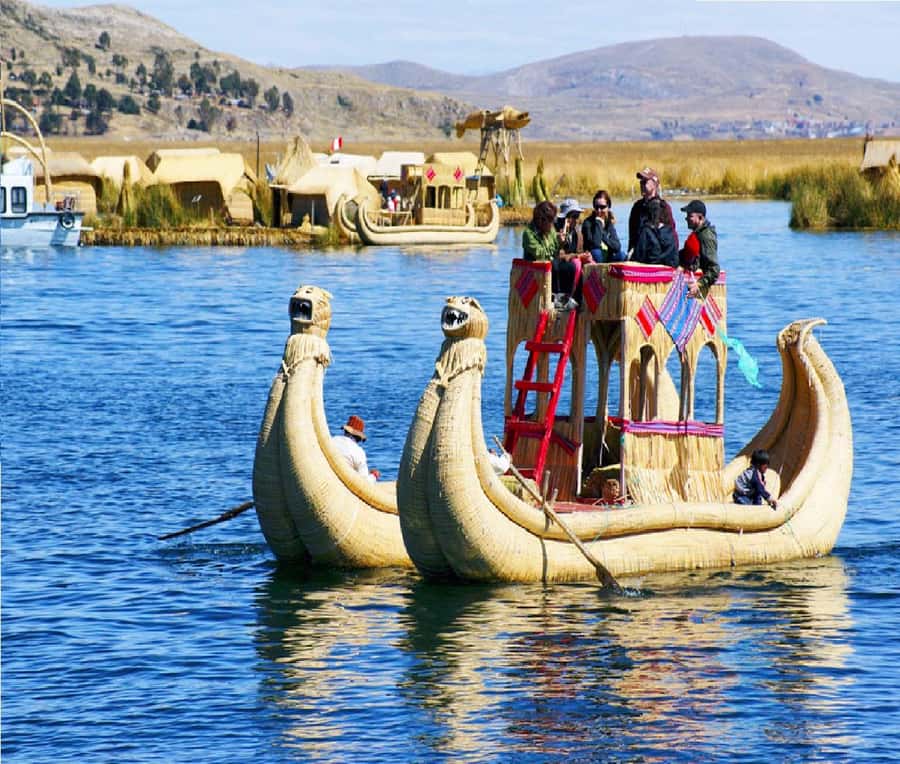
- Uros reed islands with a demonstration: see how daily life links to the reeds
- Andahuaylillas church: European Jesuit baroque meets Andean craftsmanship
- Raqchi archaeological complex: adobe-and-stone Inca remains you can walk through
- Lake Titicaca cruise: views of the shoreline towns and mountains from the water
From Cusco to Puno: the long scenic day that sets the tone
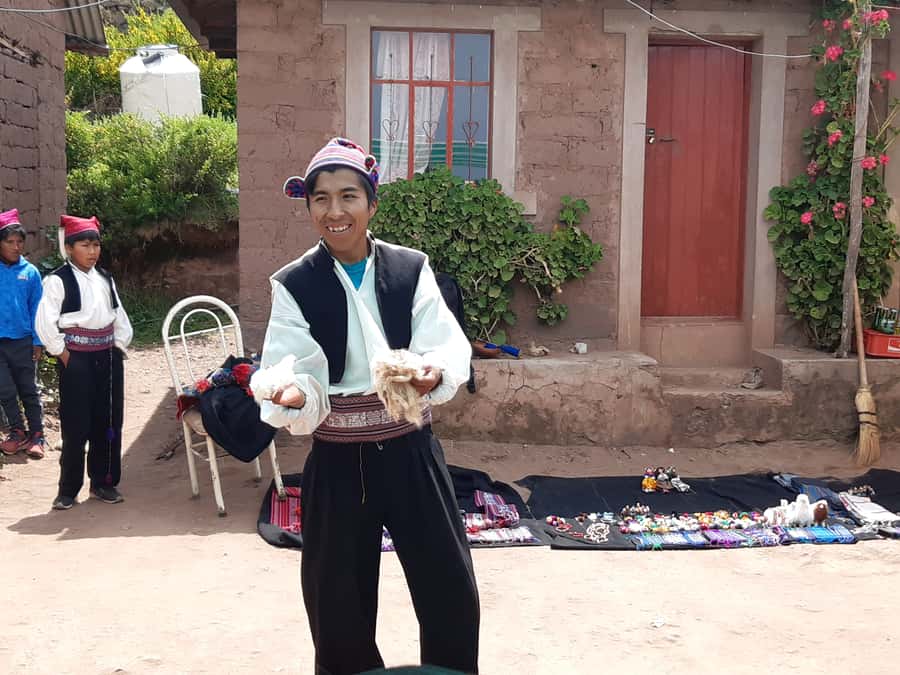
Day one starts with pickup from your hotel in Cusco, usually around 6:25 a.m. (you’ll get the exact time and instructions the day before). You head to the bus station, then settle into the drive toward Puno while the scenery rolls by.
This matters more than you might think. The Lake Titicaca portion is only one day, so day one is where you build context: you’re moving through the Andes, stopping at major cultural sites, and pacing yourself so the lake day feels like a payoff instead of another transfer day.
You’ll make several stops with guided explanations, plus meal time. That structure is one reason the trip earns top feedback for organization—you always know what comes next, and you’re not waiting around in the dark.
You can also read our reviews of more tours and experiences in Cusco.

Andahuaylillas Church: when Jesuit baroque meets Andean art
One of your first major cultural stops is Andahuaylillas, where you visit the 16th-century Jesuit church. It’s often called an Andean Baroque church, and that label fits: you get the visual language of European church design, then see how local artistic traditions show up in the details.
A guided tour here is the difference between just looking at a pretty church and understanding what you’re seeing. Expect to focus on the artwork and the way the space is built to impress. If you care about how cultures influenced each other in colonial Peru, this stop is a strong anchor for the whole trip.
Possible drawback: the church visit is on day one, when you’re still waking up and recovering from the early start. If you’re the type who needs slower mornings, plan to treat this as a focused “see it, listen, move on” stop rather than a lingering photo session.
Raqchi and the Inca feel of adobe and stone
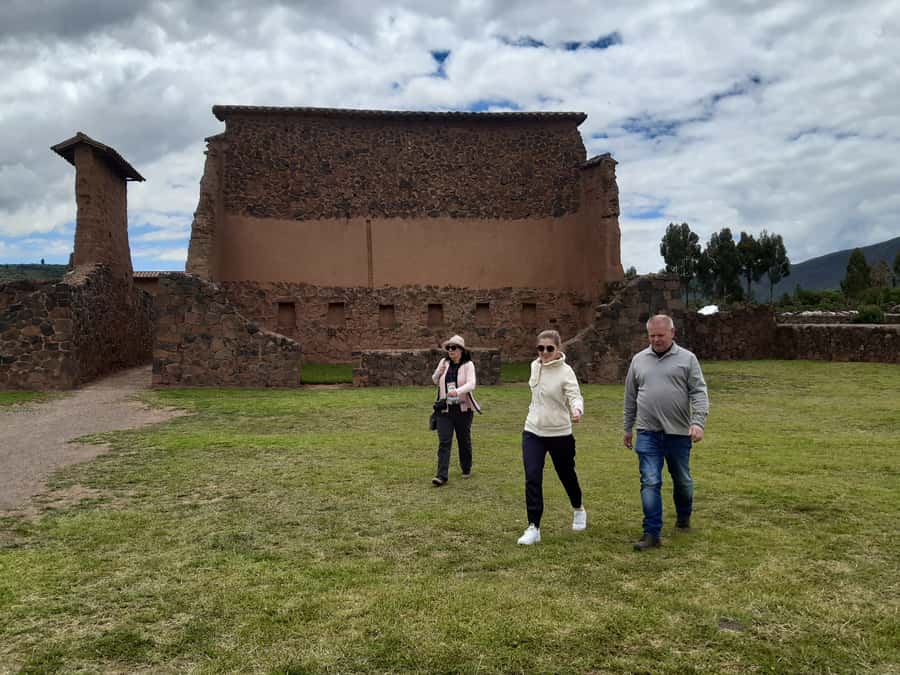
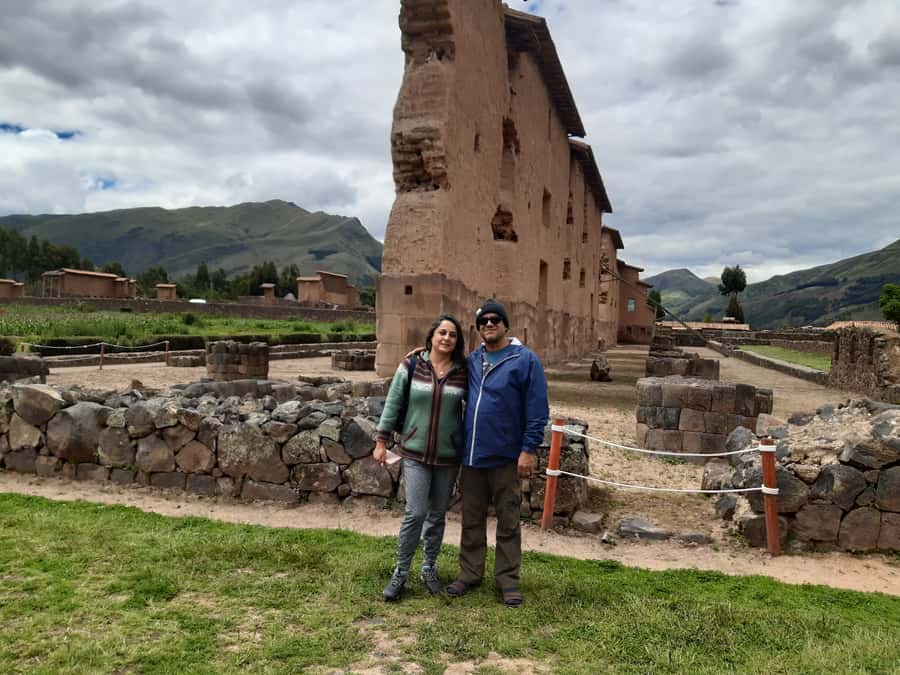
Next up is Raqchi, an Incan archaeological complex. This is where the trip shifts from church art to Inca construction—walkways, earth-toned adobe, and older stonework that shows how people built to last.
What I like about Raqchi on this kind of itinerary is that it’s not just “stand and look.” You walk through the complex and you can get a better feel for scale and layout. The textures matter here: adobe against stone makes the site feel more human, less like ruins behind glass.
If you’re hoping for big-ticket museum drama, Raqchi is quieter. But for me, the payoff is the calm confidence of the structures and the way the guide can connect what you’re seeing to the larger Inca world you’ll be hearing about for the rest of the trip.
Lunch in Sicuani and the La Raya viewpoint break
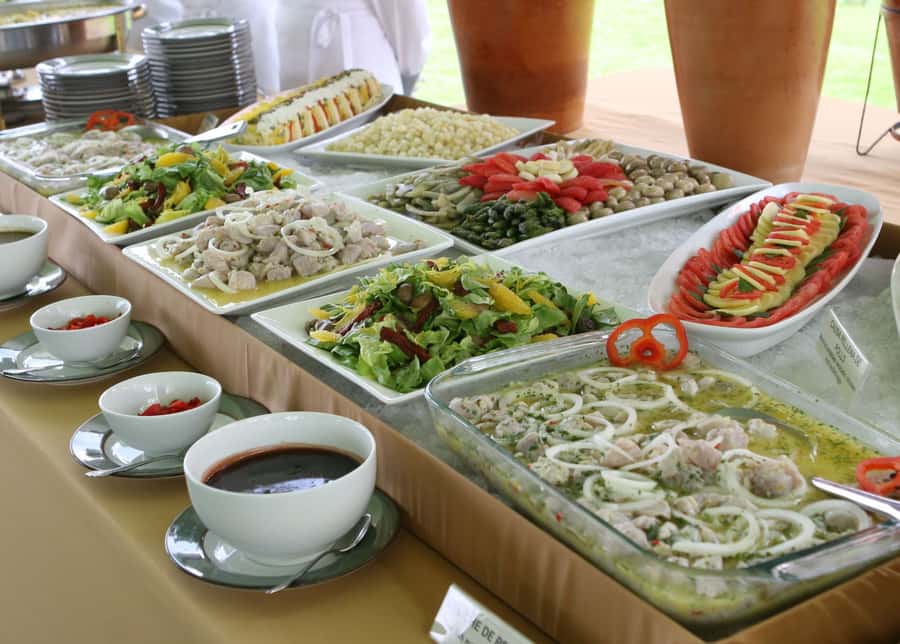
Around mid-day you reach Sicuani, where you stop for a buffet lunch. On a 2-day tour, this isn’t just food—it’s your reset button. You get a real meal before the next series of stops, which helps you keep your energy for the long travel and the lake day.
After lunch, the route includes La Raya, a viewpoint with mountain scenery considered sacred. Even if you don’t know the cultural background ahead of time, the setting does the work: this is the kind of place where the scale makes the Andean setting feel serious, not just scenic.
This part of the day is also where you feel the itinerary rhythm. You’ll be transferring and stopping, transferring and stopping. It’s great for covering ground, but it rewards people who are comfortable with “go-go, then breathe.”
Litico Pukara museum: history you can pace yourself through
Before arriving in Puno for the night, there’s a visit to the Litico Pukara museum. The name might not ring a bell, but on this itinerary it’s a smart bridge: you’ve seen religious colonial art and walked Inca remains, and now you get more structured context.
Museums can be hit-or-miss depending on what you like. Here, the main value is timing. You’re getting context before the Titicaca boat portion, which makes the island stops feel less random and more connected.
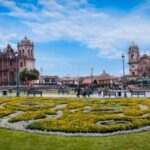

Getting to Puno and resting before the lake day
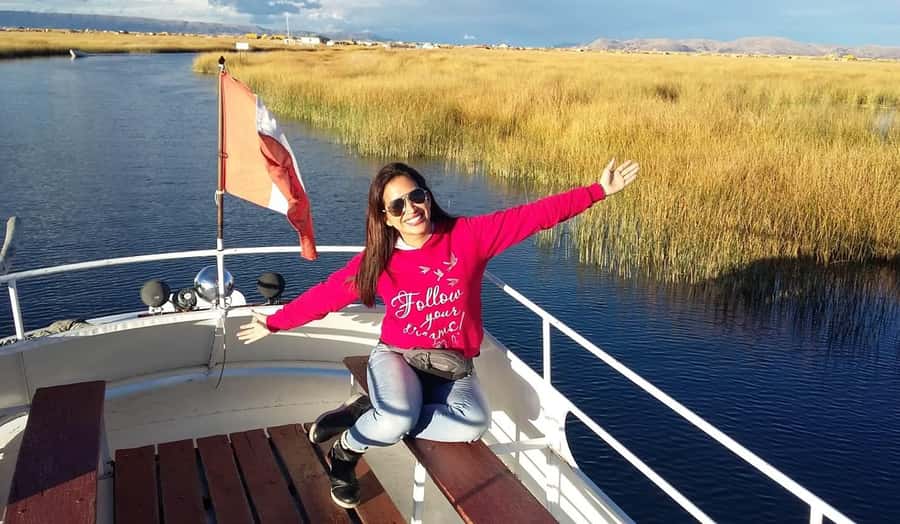
Overnight, you stay in a comfortable 3-star hotel in Puno. That one-night stay is part of the value of the trip: you’re not rushing from Cusco straight onto the lake without sleep.
In Puno you’ll have time to rest, and you can also step out on your own depending on what you want to do before dinner. Just remember the second day starts early at the port, so treat this as your recovery window.
One practical note: this tour includes later overnight travel back to Cusco at 9:30 PM on day two. So even if you want to explore a little on the free time window, keep it realistic. Save your energy for being present at the islands.
Lake Titicaca cruise: why the water portion feels like the real reward
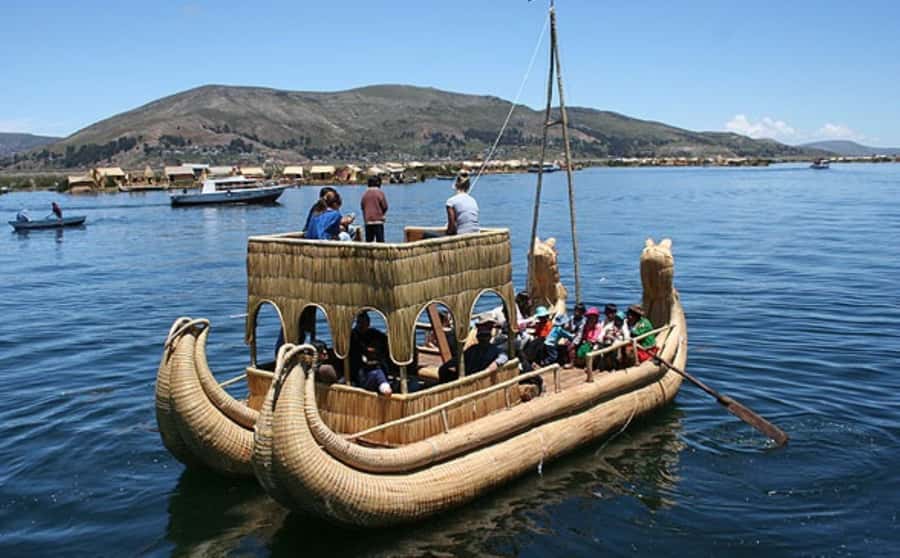
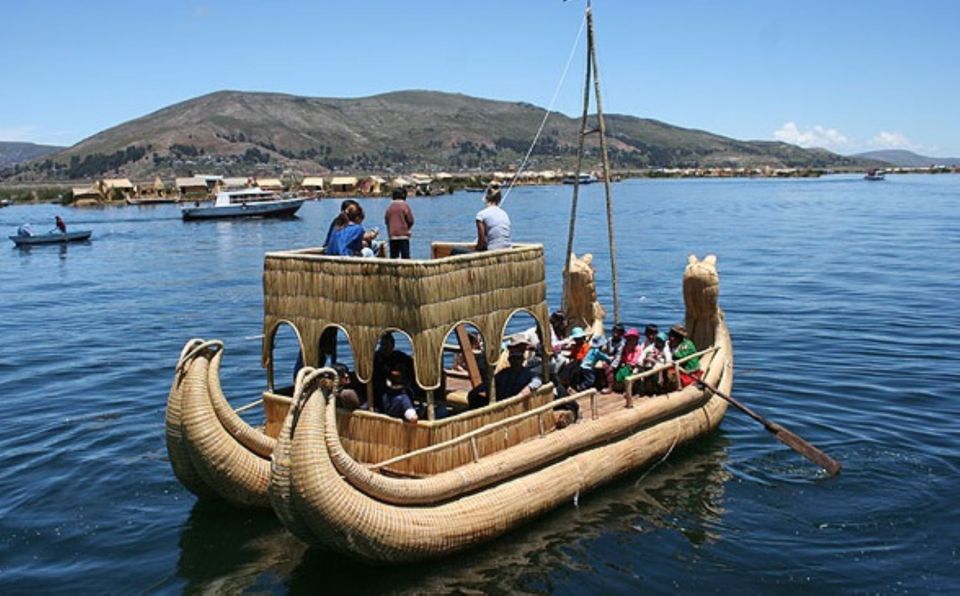
Day two begins with pickup and transport to the Port of Puno. Then you board a boat and cruise Lake Titicaca, with views of mountains and towns along the shore.
This is one of the best parts because it changes your perspective. Instead of looking at architecture and ruins from the road, you see the lake’s edges and how settlements sit along it. It’s also the most relaxing segment of the day, even with a schedule, because you’re not climbing or walking far.
Also, the cruise is part of the pacing trick of this tour: it turns the island visits into experiences rather than quick stops. If you’re someone who likes to slow down, give yourself permission to enjoy the ride and not rush straight into photos.
Uros reed islands: a cultural demonstration you’ll actually understand
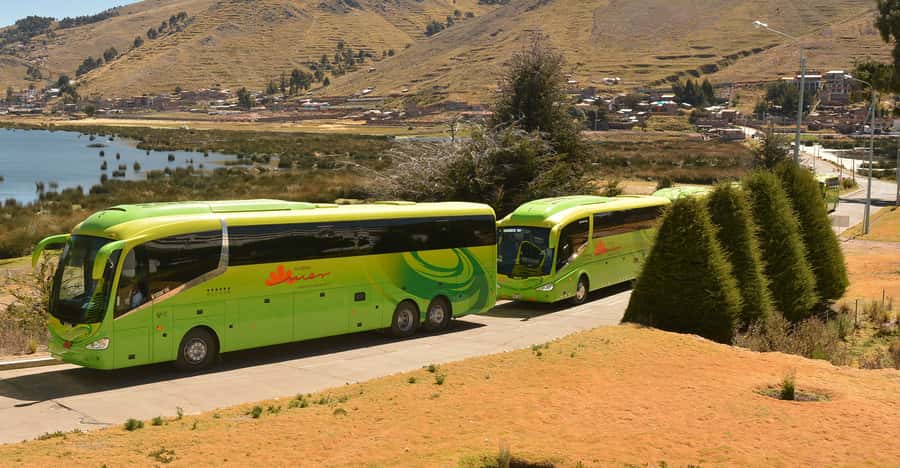
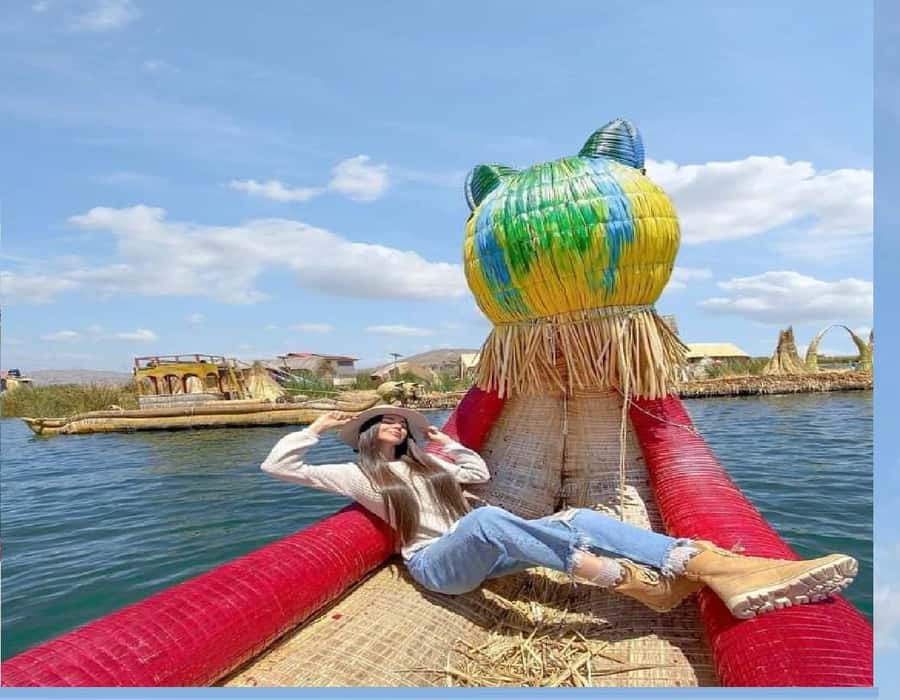
Your first island stop is the Uros islands. Here you get a cultural demonstration that gives a clearer sense of how island life works on reed islands. It’s not just sightseeing; it’s a story you can follow, plus questions you can ask your guide during the visit.
What I like about this segment is the directness. Reed islands can sound like a tourist idea until you see the demonstration and hear the explanation in context. The guide helps connect the dots so it doesn’t feel like a scripted performance.
Possible drawback: because this is an active demonstration and you’ll be in a small, close setting, you’ll want to wear comfortable shoes and be ready to move. There’s walking involved on the island portion later as well, and your feet will notice if you show up in soft-but-unsupported footwear.
Taquile island walking tour and the fish lunch moment
After Uros, the day continues to Taquile. You follow your guide on a walking tour of the island, which is where the trip becomes more personal. You’re not just watching from the boat—you’re moving along paths where you can see daily life at a human scale.
Then comes one of the tour highlights: lunch at a local restaurant with fresh fried fish and quinoa cream. This is the kind of meal that makes the island day feel worth it. It’s tied to the place, served there, and it’s not a generic buffet replacement.
If you’re picky about seafood or you don’t like fish, you should be cautious before booking. The itinerary explicitly calls out fried fish, so it’s the one point where your preferences can clash with the plan.
Back to Cusco overnight: practical reality at the end
At the end of day two, you leave for Cusco at 9:30 PM and travel overnight to reach your accommodation in Cusco in the morning. This is the trade for getting two full cultural days and the lake cruise into a tight timeframe.
Don’t expect the trip’s final hours to feel like a scenic wind-down. Plan on settling in, resting if you can, and being ready for an arrival morning rather than a late-day stroll around Cusco.
Price and value: is $259 per person fair?
At $259 per person, you’re paying for more than “a boat and some islands.” Your cost includes pickup and drop-off, a guide, one night in a 3-star hotel, lake cruise, and two lunches (including the Taquile fish meal). You also get guided visits to Andahuaylillas, Raqchi, and the Litico Pukara museum, plus visit fees for Uros and Taquile.
The not-included part is important: there’s mention that entrances (up to 53 soles) aren’t included. Even with that, the value is strong if you’re the type who wants the guidance and the “all-in-one” structure. You’re not buying separate tickets for transport segments and multiple guided sites.
For my money, the biggest value driver is the combination: churches + Inca ruins + lake islands in a single 2-day arc. If you try to do that on your own, the transfers and timing are what eat your time and energy.
What I’d pack and how to plan your energy
The tour’s only explicit packing request is comfortable shoes, and I agree. You’ll do walking on islands and at archaeological sites, plus you’ll be on your feet enough that blister-proof footwear is not optional.
Also, note the rules: alcohol and drugs aren’t allowed. It’s a straightforward policy, but it changes the feel of the day—this is meant to be active and guided, not a party-style trip.
If you want to get the most from it, plan your expectations like this: day one is heavy on cultural stops and transport; day two is heavy on the lake and island walks. Build your pacing around that.
Who this tour is best for (and who should skip it)
This works well if you:
- want a guided, high-coverage 2-day plan from Cusco
- like mixing Inca ruins and colonial church art
- care about seeing Titicaca islands with explanation (not just a quick photo stop)
- don’t mind an overnight ride back to Cusco
It may not be ideal if you:
- have trouble with early pickups and long travel days
- strongly dislike fish, since the Taquile lunch is specifically fresh fried fish
- have mobility limits that make walking uncomfortable (the tour also notes it’s not suitable for people over 95 years)
Should you book this Cusco to Lake Titicaca trip?
If you want an efficient way to connect the dots between Peru’s Inca past, colonial-era church art, and Titicaca island life, I think this is a strong choice. The best part isn’t one single stop—it’s how the days flow from Andahuaylillas to Raqchi, then into Uros and Taquile, ending with that lake cruise perspective.
Book it if you enjoy guided explanations and you’re okay with a schedule that keeps moving. Skip it if you’re looking for a slow, unhurried vacation vibe or if you know fish isn’t for you.
Based on the high marks for organization and friendly, informative guiding, this is the kind of tour where things run on time and you get answers, not confusion.
FAQ
How long is the tour?
It lasts 2 days.
What’s included in the price?
Pickup and drop-off, a guide, 1 night in a 3-star hotel, a Lake Titicaca cruise, 2 lunches, visits to Andahuaylillas and Raqchi, museum fees for Pukara (Litico Pukara), and visit fees for Uros and Taquile.
Where does the tour start and end?
It starts with pickup from your hotel in Cusco and ends with an overnight return to Cusco, arriving in the morning.
What meals are included?
You get 2 lunches. One is a buffet lunch in Sicuani, and the other is lunch on Taquile with fresh fried fish and quinoa cream.
What language is the tour guide?
The live guide speaks English and Spanish.
Are there entrance fees I should budget for?
Entrances are not included and are listed as about 53 soles.
Is alcohol allowed during the tour?
No. Alcohol and drugs aren’t allowed.
(Optional) Cancellation and timing questions
When is pickup usually scheduled?
Pickup is usually around 6:25 a.m., and you’ll be contacted the day before with the exact instructions and time.
Can I cancel for a refund?
Yes. You can cancel up to 24 hours in advance for a full refund.