REVIEW · CUSCO
5-Day: Salkantay Trek to Machupicchu and Humantay Lake
Book on Viator →Operated by Mega Expeditions · Bookable on Viator
If you like big effort, you’ll love this. This 5-day Salkantay trek turns into a sunrise-timed arrival at Machu Picchu, with Humantay Lake and real Andean high passes in between. I like the fact that this is run by a professional bilingual guide and kept to a small group (up to 15), so you don’t get lost in the crowd.
Two things I especially like: first, the route is built around smart pacing and altitude stops—like base camps near Salkantay viewpoints and a pass crossing at 4600m. Second, you get three nights camping plus one hostel night, with meals included and camping gear provided (you bring your sleeping bag). The main drawback to consider is that the trek is physically demanding and altitude is part of the deal, so you’ll want solid hiking comfort before you sign up.
You’ll also be dealing with very early starts—pickup is listed as between 5:30 and 6:00am in Cusco, while the day-by-day plan describes an even earlier 4:30am start on Day 1. That means fewer “sleep in” moments than you probably want, even if you’re excited.
In This Review
- Key highlights you’ll feel on the trail
- Why the Salkantay-to-Machu Picchu timing is so good
- Day 1: Humantay Lake—bus to the trail, then altitude in layers
- Day 2: Crossing the Salkantay Pass and dropping into the “high jungle”
- Day 3: Santa Teresa, jungle trekking, and the Cocalmayo hot springs option
- Day 4: Hydro-electric meeting point, railway walk, and Aguas Calientes at 5pm
- Day 5: Machu Picchu sunrise, guided citadel tour, and back to Cusco
- Price and logistics: what $360 really buys
- Gear, fitness, and altitude: how to prepare without overthinking
- Who this tour suits best (and who should think twice)
- The guide factor: small group energy, big responsibility
- Should you book this Salkantay Trek to Machu Picchu?
- FAQ
- How much does the 5-day Salkantay trek cost?
- How long is the tour?
- Where does the tour start in Cusco and when is pickup?
- What are the main included accommodations and meals?
- What trekking highlights are included?
- What gear is included, and what do I need to bring?
- What’s included for Machu Picchu access?
- Is the hot springs visit included?
- What is the group size limit?
- FAQ
- What is included for Machu Picchu on the final day?
- What are the cancellation terms for this experience?
Key highlights you’ll feel on the trail
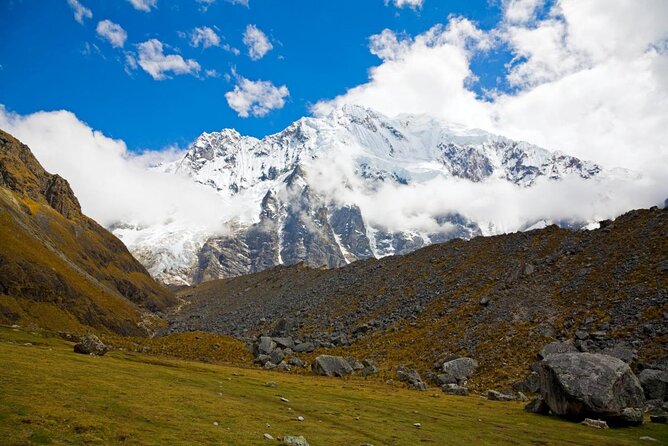
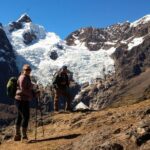
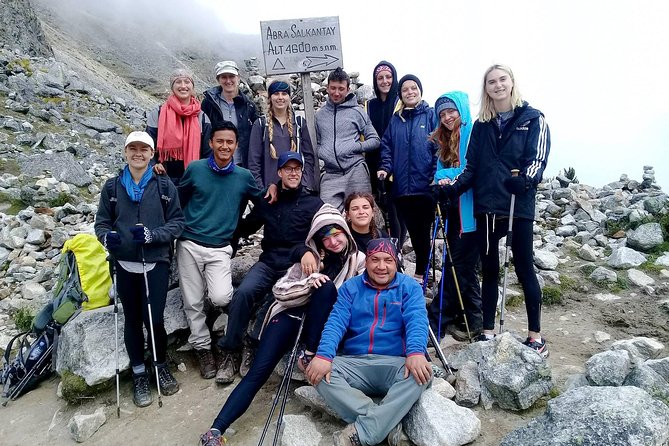
- Salkantay Pass at 4600m: the high point day, with prayer-at-the-pass tradition and mountain views.
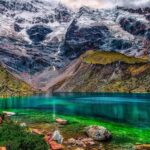
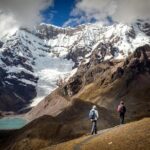
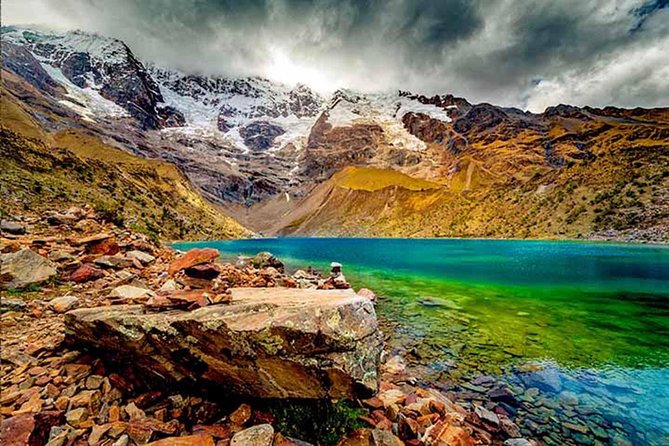
- Humantay Lake at 4200m: a strenuous walk rewarded by a dramatic glacier-lake setting.
- Horse help for your pack (first 3 days): your backpack weight is carried up to 5kg by horse when it’s hardest.
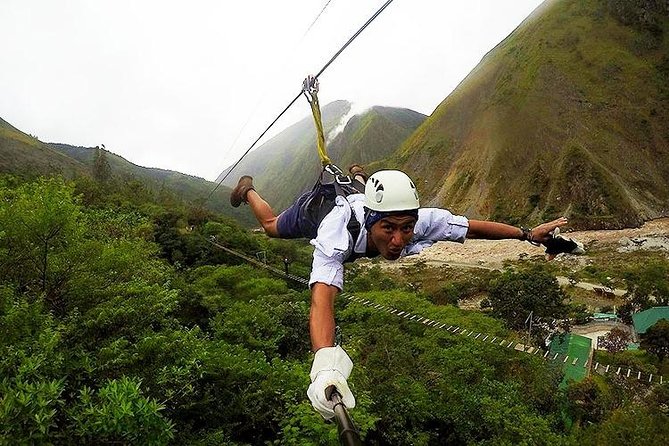
- Optional jungle add-on in Santa Teresa: a zip line option with 70 km/h max speed and a long cable (1 km).
- Machu Picchu sunrise route: early climb for first light, then a private 2-hour guided visit in the citadel.
Why the Salkantay-to-Machu Picchu timing is so good
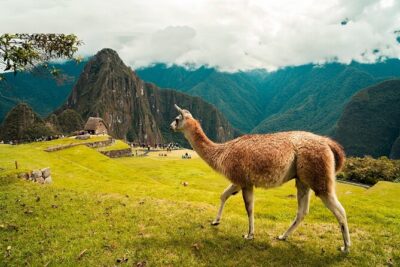
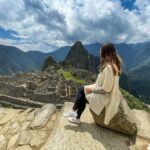
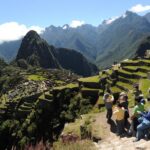
This trek earns its reputation because the days are arranged for the part everyone remembers: Machu Picchu at sunrise. You’ll wake early, climb uphill through high jungle, pass control around 6:00am, and then get a private guided tour for about 2 hours in the Inca citadel. After that, you get free time to wander at your own pace.
The best value here is not just “seeing” Machu Picchu. It’s getting there before the day swallows the place with noise. Sunrise also helps you photograph the stonework and clouds without fighting the worst crowds.
You can also read our reviews of more hiking tours in Cusco
Day 1: Humantay Lake—bus to the trail, then altitude in layers
Day 1 starts before most people are even awake. Pickup is scheduled between 5:30 and 6:00am in Cusco, and the route description also mentions a 4:30am pickup from your lodging—so treat this as a “be ready early” day. Then you ride about 4 hours by bus, with a short break at Mollepata (about 2900m), before continuing to Challacancha.
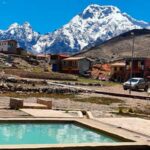
From Challacancha, you meet the porters and horses that carry equipment, then start hiking for about 4 hours toward Soraypampa (around 3900m). This is where the trek turns from transport into real mountain walking. You’ll follow a route near Inca water irrigation channels, and you’ll set up your first base camp with views of Salkantay’s snow peak.
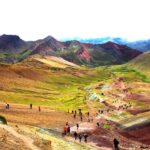
Once camp is set, you’ll eat lunch, then walk about 1 hour 30 minutes to Humantay Lake at 4200m. The camp described here uses four-season tents with an added straw roof, which matters when nights drop close to 2°C. Even if you’re not a winter camper, you’ll appreciate sleep that doesn’t feel like an experiment.
Practical drawback: Humantay is at a high elevation, and you’ll feel it quickly. Go steady on the uphill segments, and avoid sprinting for photos.
Day 2: Crossing the Salkantay Pass and dropping into the “high jungle”
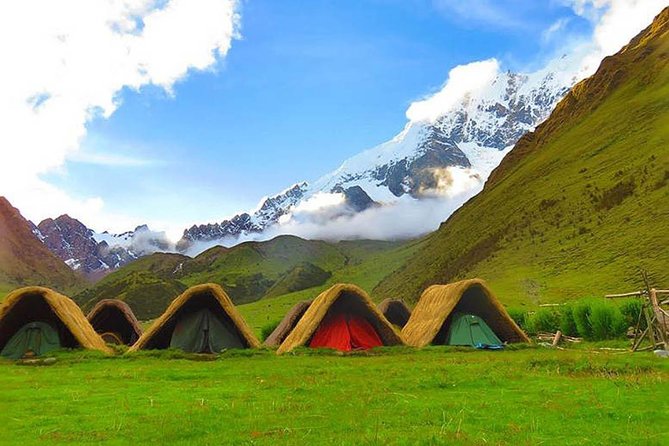
Day 2 is your classic “good legs day.” You’ll wake up early for tea, then breakfast, and then hike about 3 hours toward the Salkantay Pass at 4600m. The air gets thin, but the views are the payoff: steep Andean mountains and big open skies.
At the pass, you’ll pause for a tradition that mirrors how the Inkas treated mountain crossings. The guide leads a prayer and a request to the Apus (mountain gods) for permission to pass. It’s brief, but it gives the day more meaning than just “walk and suffer.”
After the pass, you head downhill toward Wayracpunku (also noted as Huayra Pampa) for lunch. Then comes the shift: you continue into the high jungle zone, where you’ll see thick trees, streams, and lots of bromeliads and orchids. The hiking time to reach Chaullay is about 5 hours, then you arrive at base camp around 2900m for dinner and rest.
What makes this day valuable is the contrast. You go from icy-looking high terrain to lush jungle vegetation in one long day, so your brain stays engaged. It also keeps you from thinking you’re just doing one type of hike.
Day 3: Santa Teresa, jungle trekking, and the Cocalmayo hot springs option
On Day 3 you start with breakfast around 6:30am, then head into jungle trekking toward Sahuyaco (La Playa) at about 2000m. The route description mentions warm temperature swings here—around 25°C in daytime and about 14°C at night—so your body may feel like it can finally exhale.
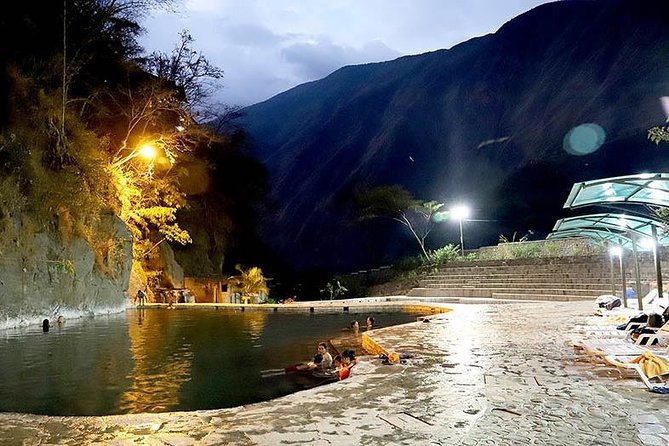
You’ll have lunch in Sahuyaco, then continue by transport down to Santa Teresa (about 1550m). Once you reach camp, you’ll set up and get a relaxing break with Cocalmayo hot springs. This part is important: the hot springs are listed as not included, and the cost is given as $6.00 USD paid on the spot.
Dinner is traditional Peruvian food, then you rest well for the next day. This day is a reward day. You’re still moving, but the altitude pressure eases, and the hot springs give you a chance to recover before the route into Aguas Calientes.
Day 4: Hydro-electric meeting point, railway walk, and Aguas Calientes at 5pm
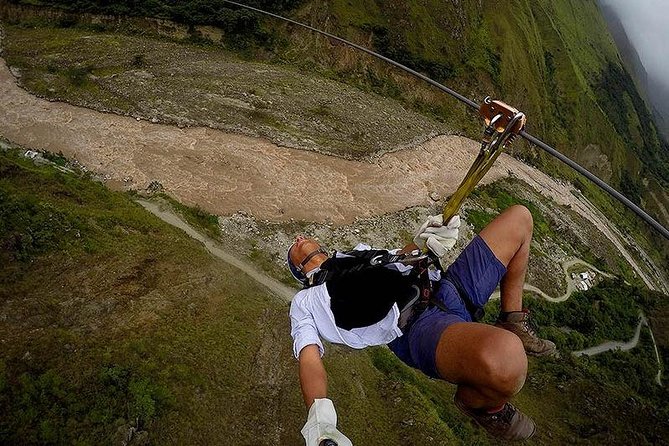
Day 4 is really two options depending on what you booked. If you purchased the zip line activity, you’ll be picked up from your camping site early. The zip line is described as about 2 hours 30 minutes, with more than 6 cables, a longest cable around 1 kilometer, and a max speed of 70 km/h (45 mph). It also includes a climbing rock and a suspension bridge.
If you didn’t book the zip line, you’ll do a 2-hour trek from Santa Teresa to the hydroelectric where the whole group meets for lunch and a break. Then you all walk along the railway route that leads toward Aguas Calientes. This segment takes about 3 hours, with waterfalls, ecological farms, and possible wildlife mentioned along the way. You’ll reach Aguas Calientes around 5:00pm.
That evening matters because you’re not just reaching town—you’re preparing for Machu Picchu the next morning. You’ll spend the night in a hostel, then meet at a local restaurant for dinner and an informative session about the Machu Picchu excursion.
Value note: the “talking before you walk” piece helps a lot when you’re dealing with early-morning confusion. You’ll know what’s coming, what time things happen, and what to watch for.
You can also read our reviews of more tours and experiences in Cusco
Day 5: Machu Picchu sunrise, guided citadel tour, and back to Cusco
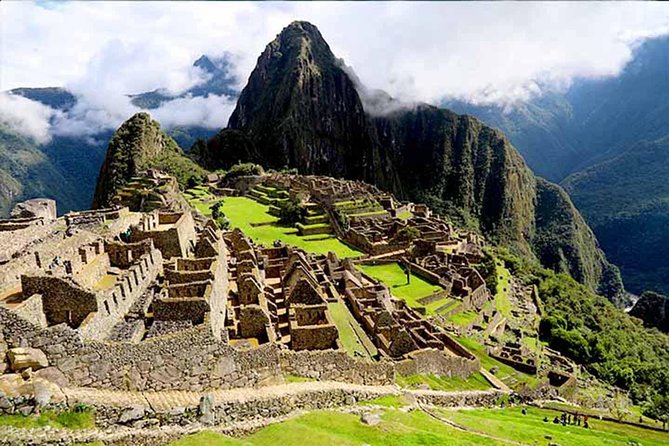
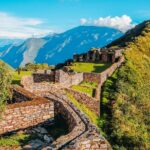
This is your Machu Picchu morning. Around 4:00am, you’ll get ready and start climbing toward the entrance, crossing high jungle terrain and arriving in time for sunrise. The control entrance is around 6:00am, and then you get a private guided tour for about 2 hours in the citadel.
After the guided portion, you get free time to enjoy Machu Picchu on your own. That free time is where you decide what you care about most—architecture details, viewpoints, or just soaking in the scale.
Then comes the return plan. At 11:30am you start walking back, about 3.5 hours to the hydroelectric area. From there, a bus takes you back to Cusco, waiting until 3:00pm, then arriving around 10:00pm. You’ll get dropped off near San Francisco square (about two blocks from the main square) per the route add-on plan.
Two optional upgrades are mentioned:
- You can pay $30 extra for a second night in Machu Picchu town, which helps if you want to climb Huayna Picchu or Mountain Machu Picchu.
- You can add the train for a faster, more comfortable return and more time in Machu Picchu town, with a described schedule that still brings you back by night.
Price and logistics: what $360 really buys
At $360 per person, this is a trekking package that includes more than “a hike.” You’re paying for the planning, the guides, the gear, and the tricky logistics around Machu Picchu access.
Here’s what’s included:
- Pickup from your Cusco hotel area (between 5:30 and 6:00am, with an earlier Day 1 timing mentioned in the schedule).
- A professional bilingual guide (Spanish-English).
- Machupicchu entrance arranged for your booking, noted as secured with about 2 months advance (or they provide alternatives if needed).
- Camping gear except sleeping bag, plus full camping gear for the trek.
- 3 nights camping + 1 night hostel (private hostel is noted for couples).
- Meals: 4 breakfasts, 4 lunches, 4 dinners (with exceptions—Day 1 breakfast and Day 5 last-day meals are not included).
- Private transportation and return by bus to Cusco on the last day.
- Your backpack carry help: up to 5kg for the first 3 days using horses on the hardest sections.
What’s not included:
- Breakfast on Day 1, and lunch/dinner on the last day.
- Hot springs at Cocalmayo (given as $6).
- Optional zip line in Santa Teresa.
- Optional Huayna Picchu climb (listed as $30).
- Optional extra night in Machu Picchu town ($30) and train add-ons.
When you compare it to piecing everything together yourself, you’re paying for fewer headaches and less guesswork, especially with the Machu Picchu entrance timing. If you want a “show up and walk” plan with gear and food handled, this price makes sense.
Gear, fitness, and altitude: how to prepare without overthinking
This trek is for moderate physical fitness. You won’t be sprinting, but you will be walking for hours at a time, at elevation, with cold nights.
Plan for:
- Early mornings (sometimes before 5am).
- High elevation sections: Soraypampa (~3900m), Humantay (~4200m), and the pass day at 4600m.
- Cold camp conditions: temperatures shift roughly from 10°C day to 2°C at night in the higher camps, with colder feelings once the sun drops.
Bring a sleeping bag (not provided). The tents sound well set up for four-season conditions, but your warmth is still your responsibility.
One more tip: during steep climbs, slow down enough that you can breathe comfortably. The goal is steady movement, not heroic effort. Altitude punishes fast pacing.
Who this tour suits best (and who should think twice)
This is a great fit if you want:
- A guided trek with a small group.
- Humantay Lake plus Machu Picchu with sunrise timing.
- Help carrying your pack early on, since only up to 5kg is described as carried by horses for the hardest first days.
It may not be the best match if you:
- Hate early starts.
- Struggle with higher elevations (the plan includes several days above 2900m and a pass at 4600m).
- Need fully predictable downtime, because the schedule is tight and mornings are long.
If you’re the type who likes active travel and can handle “climb, eat, repeat,” you’ll likely feel right at home.
The guide factor: small group energy, big responsibility
This tour runs with a professional bilingual guide, and the group size caps at 15. That combination matters because you’ll be navigating altitude, timing, and day-to-day choices, especially around Machu Picchu entrance and the sunrise climb.
A guide name you might see associated with this kind of operation is Roger, described as helpful and friendly. Even without chasing a specific name, you can use that as your expectation: you want someone who can keep the pace human and the information clear.
Should you book this Salkantay Trek to Machu Picchu?
I’d book it if you want a trekking itinerary that actually connects to Machu Picchu sunrise, with meals, camping setup, and gear handled for you. The small group cap, bilingual guidance, and horse-assisted pack carry for the hard days make it feel built for real humans, not just fitness fantasies.
I’d pause before booking if altitude worries you or if early mornings will crush your spirit. Also, be aware the experience requires good weather. If weather forces a change, you’re told you’ll be offered a different date or a full refund.
If your main dream is Machu Picchu at first light—plus the hike that makes that moment meaningful—this route is a strong match.
FAQ
How much does the 5-day Salkantay trek cost?
It’s listed at $360.00 per person.
How long is the tour?
The duration is about 5 days.
Where does the tour start in Cusco and when is pickup?
You’ll be picked up from your hotel in Cusco between 5:30 and 6:00am. The day-by-day plan also mentions a 4:30am pickup on Day 1, so expect a very early start.
What are the main included accommodations and meals?
You get 3 nights camping and 1 night in a hostel. Meals included are 4 breakfasts, 4 lunches, and 4 dinners, with the note that Day 1 breakfast and the last day’s meals (lunch and dinner) are not included.
What trekking highlights are included?
The route includes Humantay Lake, the Salkantay Pass crossing, and a sunrise visit to Machu Picchu with a private guided tour inside the citadel.
What gear is included, and what do I need to bring?
Full camping gear is included except for your sleeping bag, which is personal.
What’s included for Machu Picchu access?
Machu Picchu entrance for booking is included, noted as being arranged with about 2 months in advance (or they contact you for other options if needed).
Is the hot springs visit included?
Cocalmayo hot springs are not included. The cost is given as $6.00 USD paid on the spot.
What is the group size limit?
The maximum group size is 15 travelers.
FAQ
What is included for Machu Picchu on the final day?
You’ll climb to Machu Picchu early for sunrise timing, enter around 6:00am, and get a private guided tour for about 2 hours, followed by free time.
What are the cancellation terms for this experience?
The experience is non-refundable and cannot be changed for any reason. If it’s canceled due to poor weather, you’ll be offered a different date or a full refund.