REVIEW · CUSCO
Salt Mines(Maras),Moray and Chincheros
Book on Viator →Operated by Trip Inka Town · Bookable on Viator
A day of salt and terraces beats most museum days. This private route from Cusco links Chinchero, Moray, and the still-working Maras salt mines into one smooth, guide-led outing. I also like how it feels built for real people, not a rushed cattle line.
Two things I especially like: the personalized private tour format and the live, on-the-road commentary from your guide. The other big win is how efficient the stops feel—enough time to look closely, without the constant “move, move” pressure.
One possible drawback: entrance costs are not included for all stops, so you’ll want a little extra budget ready for tickets at certain sites.
In This Review
- Key Highlights You’ll Care About
- Why This Chinchero–Moray–Maras Route Feels Worth It
- Price and What You Actually Get for $80
- The Day Starts at Av. El Sol (And Stays Simple)
- Mercado de Artesanías: A Hands-On Start (Not Just a Photo Stop)
- Chinchero’s Archaeological Complex and the Pachacuteq Connection
- Moray Terraces: The Agricultural Experimental Center Focus
- Maras Salt Mines: Watching the Working Process (Free Entry)
- Private Tour Efficiency: When Guides Stop for Real Interests
- Timing Tips for a 6–7 Hour Cusco Day
- Who This Tour Fits Best
- Should You Book This Salt Mines, Moray and Chinchero Tour?
- FAQ
- What does the tour cost?
- How long is the experience?
- What’s included in the price?
- Which stops have admission included or free?
- How long do you spend at each place?
- Can I get a full refund if plans change?
Key Highlights You’ll Care About
- Private guide-led experience: only your group, with live commentary
- Most tourists skip Chinchero details: you’ll get context tied to Pachacuteq and Andean trading
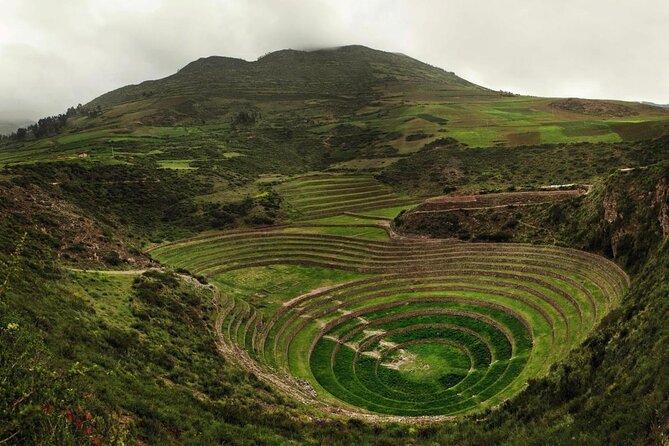
- Moray terraces as the main event: focused time at an agricultural experimental center
- Maras salt mines are still working: you can see the salinization process in action
- Comfort-first transportation: you’re not juggling buses or schedules
- Flexible, not minute-locked: guides often keep the pace relaxed and stop where you want
Why This Chinchero–Moray–Maras Route Feels Worth It
If you’re coming to Cusco, you’ll quickly notice that most day trips end up feeling similar. This one avoids that by chaining three places with very different purposes: a craft and local-product market stop, an archaeological complex tied to Pachacuteq, then Moray’s terraces, and finally Maras salt production that’s still used by local people.
I like that the tour’s core strength isn’t just where you go—it’s the order and the way the day is structured. You start with something easy and local (the artisan market), then shift to sites that need a guide to make sense, and end with a working process you can watch and understand as you go.
The private format matters too. When you’re not sharing the van with a crowd, your guide can slow down for questions, adjust to your interests, and keep the day from feeling like a checklist.
You can also read our reviews of more tours and experiences in Cusco.

Price and What You Actually Get for $80
At $80 per person for a 6–7 hour private experience, the value comes from what’s included: transportation and a tour guide.
Here’s the practical angle: you’re paying for less friction. That means you’re not spending your limited time figuring out how to get between locations, and you’re not relying on vague explanations from a signboard. For many visitors, a good guide is the difference between seeing three sites and actually understanding why each one is there.
One thing to plan for: entrance is not included across the board. One stop includes a ticket, while other stops require tickets you purchase separately. The good news is Maras is listed as free for entry, so your biggest cost uncertainty is tied to the other two site visits.
The Day Starts at Av. El Sol (And Stays Simple)

The tour meets at Av. El Sol 920, Cusco 08002, and it ends back at the same meeting point. That round-trip structure is more than convenience—it keeps the day from turning into guesswork.
The operating window is Monday through Thursday, 7:00 AM to 3:00 PM, and you’ll receive confirmation at booking. If you want a schedule that fits neatly around your Cusco plans, this timing helps.
Also, most of the booking activity happens about a month in advance (around 25 days on average). If you’re traveling in a high season period, I’d treat this as a “reserve early” kind of day, not a last-minute gamble.
Mercado de Artesanías: A Hands-On Start (Not Just a Photo Stop)
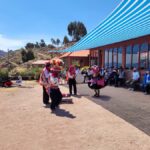
The first stop is Mercado de Artesanías, with about 40 minutes on the clock. This is the unique place where you can find handmade alpaca wool products done by local people.
What I like about starting here is that it gives you a grounding experience right away. Before you head to sites that require interpretation, you get a chance to slow down, look closely at real crafts, and ask basic questions like where items come from and what makes the materials special.
It also helps you calibrate your day. If you’re still getting your bearings in Cusco, this first stop is calmer than an archaeological complex. Plus, the admission ticket is included for this segment, so you don’t have to think about payments right away.
A simple drawback to keep in mind: markets can tempt you into impulsive shopping. If you’re trying to stick to a budget, set a quick limit before you arrive—then browse without stress.
Chinchero’s Archaeological Complex and the Pachacuteq Connection
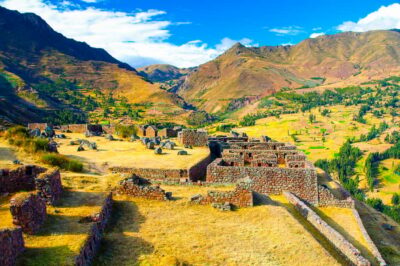
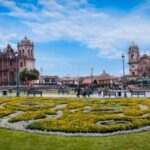
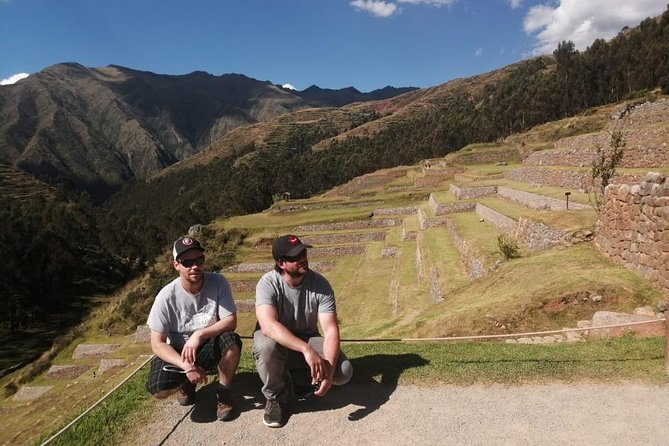
Next comes Chinchero, where you’ll spend around 30 minutes at the archaeological complex. This is described as an ancient local house connected to Pachacuteq, and it also includes a chance to see the famous Andean trading.
This is one of those stops where a guide adds real value, because the site is more meaningful when you have context for what you’re seeing. Your guide’s job here is to connect the dots between the place’s link to Pachacuteq and the idea of trading—so you’re not just looking at stones and thinking, okay, what now?
One practical note: admission is not included for this stop. So while 30 minutes can sound short, your time is really about focused viewing plus explanation, not a long sightseeing marathon.
If you’re the type of traveler who enjoys places beyond the most famous postcard spots, Chinchero is the part that often feels freshest.

Moray Terraces: The Agricultural Experimental Center Focus
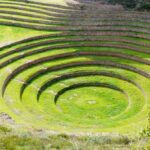
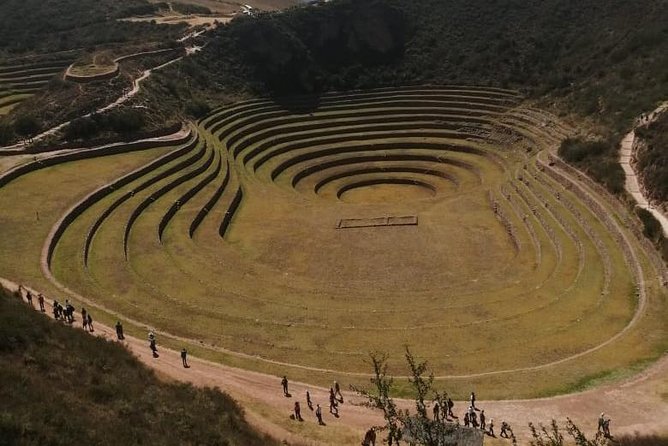
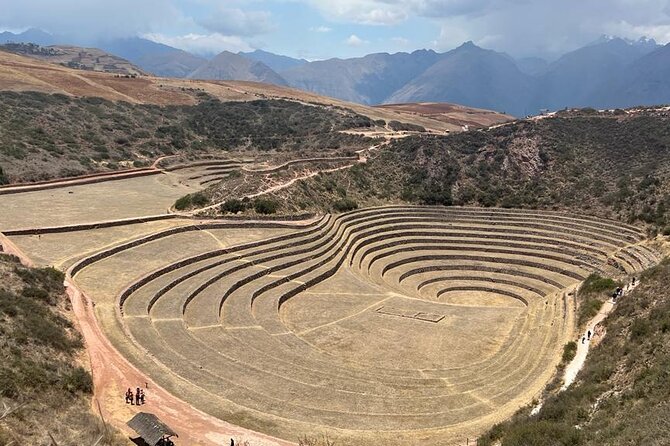
After Chinchero, you move on to Moray for about 40 minutes. Moray is an agricultural experimental center, and terraces are the main attraction.
The best way to think about Moray is that it’s built for a specific idea: you’re seeing a place designed to work in a controlled way through its terracing. With a guide, you’ll understand what the terraces are doing here, rather than treating the site like a viewpoint platform.
Admission is not included for Moray, so again, have a little flexibility in your budget. The upside is that your time window is long enough to notice the structure and ask questions—without feeling like you’re wasting hours in a line.
The main consideration: if you’re expecting a massive “walk all day” site, Moray is more focused. You’ll get a concentrated experience, and then you’re on to Maras.
Maras Salt Mines: Watching the Working Process (Free Entry)
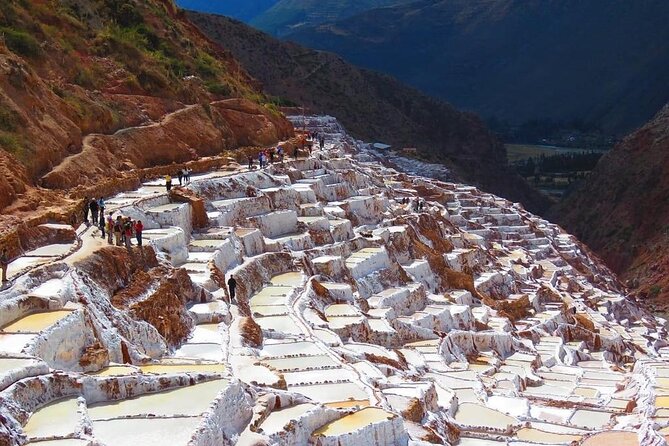
Finally, you reach Maras, the Inca salt mines that are still working and used by local people. You’ll spend about 1 hour here, and entry is listed as free.
This is the stop that tends to click for a lot of visitors, because it’s not only about ruins. You’re seeing a process still tied to everyday local use—specifically, the process of salinization.
With a private guide, you can ask the kinds of questions you’d never think to ask in a crowded group: what’s happening in the steps you’re looking at, what to watch for, and how the place operates as a working site. The live commentary is a big part of why this works as a finale: it gives the scene meaning while you’re still there.
A practical thought: a working site can mean you’re around active production areas. Keep your pace steady, and don’t plan to linger only for the perfect angle—listen to your guide and follow their guidance on where to look and how to move.
Private Tour Efficiency: When Guides Stop for Real Interests
This tour’s top-rated strength is the private experience. When you’re with only your group, it changes everything about pacing.
In feedback, guides have been praised for being well organized and relaxed. One highlight mentioned Franco as the guide, plus Elder as the driver, with a calm rhythm that still felt efficient. Another detail that stands out: a family with kids (ages 7 and 12) found the tour didn’t become a strict minute-by-minute exercise. The guide would stop where they wanted, not where a schedule demanded.
That’s the kind of flexibility you can feel even if you don’t make it dramatic. It means you can ask a question, look a little longer at a section you find interesting, and still finish at a reasonable time.
Also, the tour is described as having live commentary from your personal guide. That’s what turns “we saw these places” into “we understood what we saw.”
Timing Tips for a 6–7 Hour Cusco Day
You’ll likely spend a day that starts in the morning and ends back at the meeting point. With 6–7 hours total, the tour is long enough to feel like a true outing, but short enough that you still get your evening in Cusco.
To get the most from it, plan your other activities around this reality:
- You’ll want to keep your next plan flexible after return, because you may be tired from hours of traveling and walking around sites.
- If you’re visiting other Cusco attractions the same day, pick something closer to your hotel so you’re not chaining long journeys back-to-back.
Because the route depends on good weather, you should also keep your day open mentally. If conditions are poor, the experience can be canceled and you’ll be offered another date or a full refund.
Who This Tour Fits Best
I’d point you to this tour if you want:
- A private day trip with less hassle and more conversation
- A route that includes sites many visitors skip (especially Chinchero details)
- A balance of craft/local culture (alpaca wool at the artisan market) plus archaeological and working-site stops
It’s also a solid choice if you’re traveling with family and want a relaxed pace with a guide who can adjust. The tour’s structure and private format make it easier to keep kids or non-routine travelers comfortable than a jam-packed group tour.
If you’re the type who loves very long sightseeing windows, you might feel the time at each stop is “just enough.” But the concentrated structure is part of what keeps the day moving smoothly.
Should You Book This Salt Mines, Moray and Chinchero Tour?
Yes, I think you should book it if your goal is a meaningful Cusco day trip without transport stress. The private guide format and the fact that you’re seeing one working process at Maras (plus terrace-focused Moray and Pachacuteq-connected Chinchero) make the itinerary feel like more than a generic drive-by.
Before you decide, do one quick reality check:
- Make sure you’re okay with entrance not included at every stop.
- Pick a day with good weather, or plan for the possibility of a reschedule.
- Reserve ahead if you’re traveling at peak times, since it’s commonly booked roughly a month in advance.
If those fit your travel style, this is a strong value play for a private day with real context.
FAQ
What does the tour cost?
The tour is listed at $80.00 per person.
How long is the experience?
It runs about 6 to 7 hours.
What’s included in the price?
Transportation and a tour guide are included. Entrance fees are not included for all stops.
Which stops have admission included or free?
Mercado de Artesanías includes an admission ticket. Chinchero and Moray do not include admission tickets. Maras salt mines are listed as free.
How long do you spend at each place?
You’ll spend about 40 minutes at Mercado de Artesanías, 30 minutes at Chinchero, 40 minutes at Moray, and about 1 hour at Maras.
Can I get a full refund if plans change?
Yes. You can cancel up to 24 hours in advance for a full refund. If you cancel less than 24 hours before the start time, the amount paid is not refunded.