REVIEW · CUSCO
Inca Trail to Machu Picchu 4 Days – Small Group / Reservations 2026
Book on Viator →Operated by Incredible Peru Tours · Bookable on Viator
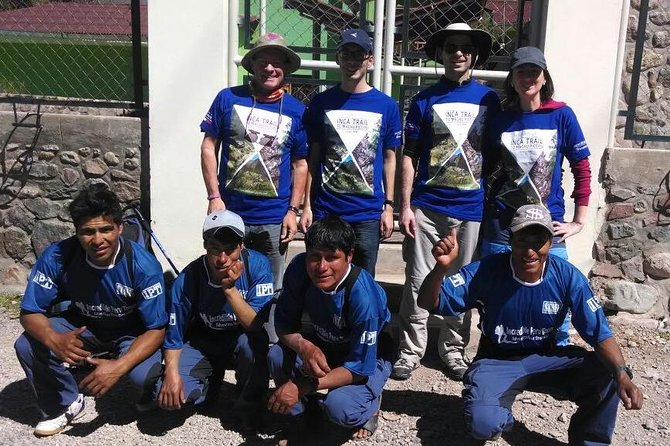
Machu Picchu feels close on the trail. This 4-day trek from Cusco to Machu Picchu is built for small groups (max 8), with a bilingual guide and a real team behind the scenes. When the crew is led by a guide like Paul, plus the steady work of porters like Timoteo, Julián, Nicolás, Pedro, and José Luis, the whole hike runs with calm focus and good energy.
I especially like the way camp comfort is handled: you’re not left to fend for yourself with a bare setup. You get a 4-person bedroom tent used by 2 people, a Thermarest inflatable mat, and a travel pillow delivered for the trek.
I also like that food is truly included and handled by a dedicated kitchen team. You’ll get 3 breakfasts, 4 lunches, 3 tea times, and 3 dinners, with vegetarian and vegan options and special diets handled by request.
The one drawback to plan around is altitude and the hard walking day: Dead Woman’s Pass sits at 4200 m, and it can get cold fast at the top—bring warm layers you can actually use on the trail.
In This Review
- Key points before you go
- Small-Group Setup and the $860 Value
- Day 1: Cusco Pickup, Scenic Sacred Valley Bus Ride, and First Steps at Km 82
- Day 2: Coca Tea Wake-Up, Dead Woman’s Pass at 4200 m, and Pacaymayo Valley Camp
- Day 3: Runkuracay, Sayacmarca, Cloud Forest With Orchids, and the Final Camp at Wiñay Wayna
- Day 4: 4:00 am Wake-Up, Inti Punku (Sun Gate) Views, Machu Picchu Guided Tour, and Optional Huayna Picchu
- Food, Tents, and Porters: Comfort Without Losing the Trek Feel
- Practical Gear, Weather, and Altitude Reality Checks
- Who This Tour Fits Best (And Who Should Consider Another Option)
- Should You Book Inca Trail to Machu Picchu 2026?
- FAQ
- What time does the tour start in Cusco?
- How big is the group?
- Is the Inca Trail and Machu Picchu ticket included?
- What meals are included during the trek?
- Do I need to bring a passport?
- Is a sleeping bag included?
- Is Huayna Picchu included?
- How do you get from Machu Picchu to Aguas Calientes and back to Cusco?
- What fitness level do I need?
Key points before you go
- Max 8 people means more attention from your guide and an easier pace to manage.
- Gear and camp support are taken care of with porters, a kitchen team, and sleeping comfort items.
- Full meals are included (including multiple tea breaks) so you’re not constantly rationing energy.
- Sun Gate timing is built in so you can reach the best viewpoints early.
- Huayna Picchu costs extra and needs to be requested in advance if you want it.
Small-Group Setup and the $860 Value
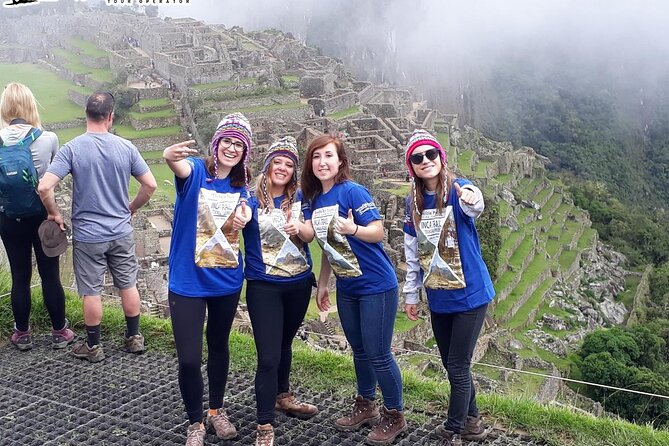
At $860 per person, you’re paying for far more than a hike route. The real value is the “infrastructure” you don’t have to assemble yourself: permits, tickets, transfers, a guided Machu Picchu experience, and a full camping operation running day after day. Inca Trails sell out early (this one averages booking about 57 days ahead), so pricing and availability matter.
What I like most for your planning: the group limit is 8 people, which changes the vibe immediately. You don’t feel like you’re disappearing into a crowd. Your bilingual guide can keep eyes on pace, hydration, and passes, and porters can move equipment smoothly without bottlenecks.
Also, this tour doesn’t treat food like an afterthought. You’re on your feet all day at altitude—so having meals and tea breaks built into the schedule helps you stay steady. The inclusion of a cook and kitchen assistant matters because it means you’re not trying to guess what you can eat at the end of a cold, tiring day.
One practical note: you still need to handle your own daypack, clothes, and footwear. The tour includes major camping comfort items, but it doesn’t cover personal gear.
You can also read our reviews of more tours and experiences in Cusco

Day 1: Cusco Pickup, Scenic Sacred Valley Bus Ride, and First Steps at Km 82
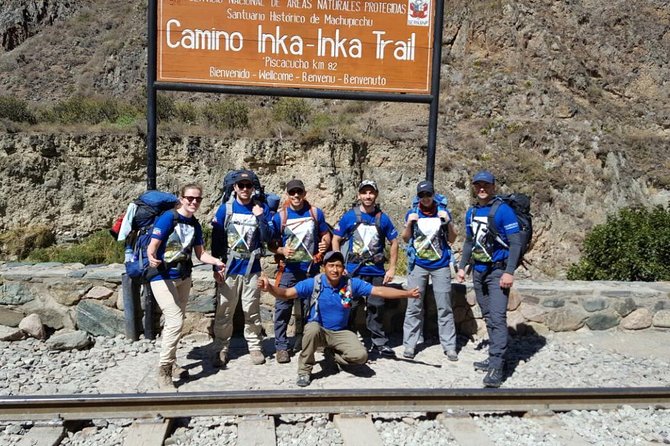
Day 1 starts early. You’re picked up at 6:00 am from your hotel in Cusco, and they can also pick you up if you’re staying in the Sacred Valley. Before leaving, make sure you have your original passport. If you’re a student, bring your valid student ID too.
You’ll ride a bus for about 3.5 hours toward the trailhead area near Piscacucho (Km 82). This is not just “transport.” It’s your first dose of Andean scenery: the Urubamba River, Andean towns, and the Inca Fortress area at Ollantaytambo show up along the way. There’s a stop in Ollantaytambo for small purchases and toilets, which you’ll appreciate because the day has a lot of moving parts.
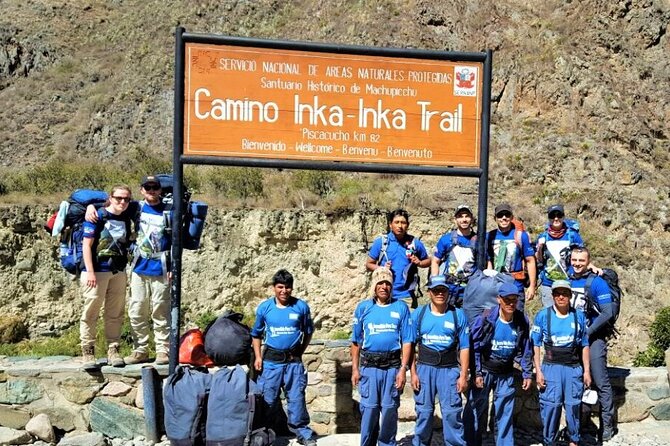
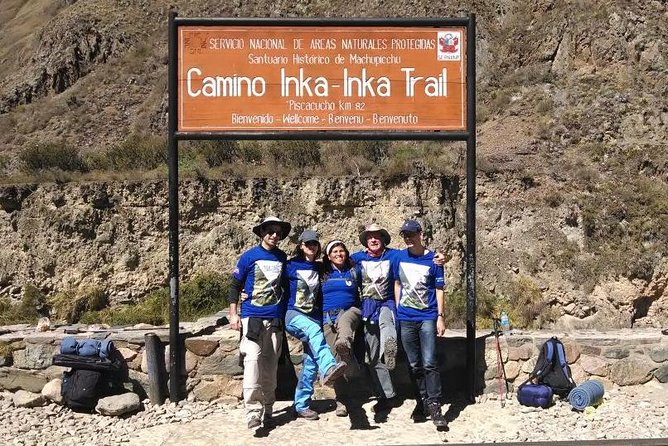
Around 10:00 am you arrive at Piscacucho (Km 82), the official beginning point. Here you meet your whole tour team—visitors in the group, porters, the cook—plus the administrative side of the trail. You’ll go through the first official control post, showing permits, entrance tickets, and your passports. That check can feel formal, but it’s part of what keeps the trail organized.
Then the walking starts around 11:00 am, crossing a suspension bridge over the Urubamba River. Day 1 is designed to be manageable. You’ll do a slight climb, then follow the river on relatively flat terrain for about two hours to Miskay, reaching roughly 1:00 pm. Lunch there is prepared by the cook and served by staff, so you can reset before the next archaeological segment.
Next comes Patallacta, an ancient Inca town area known for its agricultural terraces. It’s a good moment to slow down and look. The terraces show you how this civilization worked with slope and water long before modern engineering.
After Patallacta, you keep walking for about two more hours along the river’s left bank to Wayllabamba, arriving around 5:00 pm. This first camp is your first “camp rhythm”: settle in tents, then tea time with hot drinks and snacks, and dinner served around 7:30 pm. Sleep comes early because Day 2 starts demanding.
Day 2: Coca Tea Wake-Up, Dead Woman’s Pass at 4200 m, and Pacaymayo Valley Camp
Day 2 begins with a cozy touch: coca tea brought to your tent around 6:00 am. Breakfast comes with the group, and you’ll depart around 7:00 am.
This is the hardest day of the trek, and the schedule tells you why. You’ll walk about four hours to the top area of the trek—the Dead Woman’s Pass area—starting with roughly two hours of uphill. The guide notes birds you might spot (hummingbirds, hawks, eagles), but even if you don’t see them, the bigger point is the pace: the first stretch is about steady effort, not speed.
As you climb, the route crosses cloud forest. You can look out for native trees like queñuas and see areas described as straw meadows. You’re given the ability to walk at your own pace and rest often. The support team matters here. Porters and guides don’t just carry gear—they help you keep moving without panic.
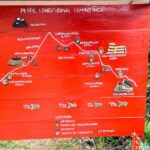
You reach Llulluchapampa (around 3600 m) after that uphill section. There’s a small stream where you can cool off and refill water bottles. Then you continue with two more hours of walking to the highest point: Warmiwañusca Pass, also called Dead Woman’s Pass, at 4200 m.
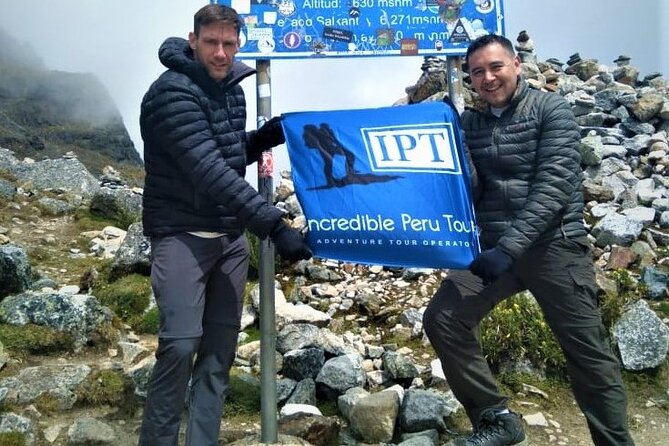
Once you arrive, the reward is views. This stop is the place for photos and a full moment of accomplishment—because it’s the highest point of the Inca Trail route. But don’t treat it like a long lunch break. Temperatures can drop quickly at altitude, so have a hat and coat ready.
From the pass, you descend toward the Pacaymayo Valley. The descent is roughly two hours, and you’ll arrive at the river banks around 2:00 pm for lunch, then camp setup follows at about 3600 m.
In the afternoon, you get tea time with hot drinks and snacks around 5:00 pm, dinner later, and another night in comfortable tents. If Day 2 feels like the true test, Day 2 camp is where you recover for the archaeology-heavy Day 3.
Day 3: Runkuracay, Sayacmarca, Cloud Forest With Orchids, and the Final Camp at Wiñay Wayna
Day 3 starts with hot tea around 6:00 am and breakfast with the group. You’ll leave camp around 7:00 am and begin ascending again, this time toward the second pass and ruin visits.
You’ll climb for about two hours to the Runkuracay area (the circular Inca site). Your guide helps you connect the stones to the bigger story of Inca route planning. You’ll also pass small lagoons on the way and reach Runkuracay Pass (about 4000 m). After that, the route drops you down toward Sayacmarca.
Sayacmarca sits at roughly 3497 m and is surrounded by rocky cliffs. It’s called the Inaccessible Town, which fits the way it sits high and protected. The guide’s walkthrough here is key: this isn’t just looking at ruins, it’s learning why the placement makes sense.
After Sayacmarca, you continue toward Chaquicocha campsite (around 3600 m). Lunch is prepared there, and you’ll have time for rest and to use restrooms. Then comes the most “alive” stretch of terrain: a walk through cloud forest with details like orchids, hanging mosses, bromeliads, and ferns.
There’s also a tunnel carved into the mountain. That moment tends to make people grin because it feels like you’ve stepped into an engineered shortcut through nature. After a gentle climb, you reach a third pass around 3700 m, with views of snow-capped peaks and the Urubamba River.
Then you shift to a paved stone path, with Phuyupatamarca (often described as village above the clouds) along the way. From there, the descent continues via stone staircase, eventually bringing you to Intipata, also known for terraces and agricultural water channels.
The final goal on Day 3 is the last official camp: Wiñay Wayna at about 2680 m. It’s close to Machu Picchu, and you feel that in the schedule—less distance to the next day’s summit moment. After settling in, you get tea, snacks, and hot drinks (including options like tea, milk chocolate, and coffee). Your guide also gives important info for Machu Picchu morning, including how to manage your time and what to prioritize.
Dinner includes a tradition: a small ceremony thanking the porters and recognizing their work. Then it’s sleep early again, because Day 4 starts before sunrise.
Day 4: 4:00 am Wake-Up, Inti Punku (Sun Gate) Views, Machu Picchu Guided Tour, and Optional Huayna Picchu
Day 4 begins very early: wake at 4:00 am, breakfast at 4:30 am. After breakfast you say goodbye to the cook and porters, then head to the Zone Control Post to wait for the gates to open at 5:30 am. This early timing is the whole point of the sunrise approach—you get a cleaner, more dramatic arrival to the viewpoints.
From Wiñay Wayna to Inti Punku (Puerta del Sol) is about 1 hour 20 minutes. The route is mostly flat, crossing leafy cloud forest with giant ferns. Then you hit an almost vertical section of about 50 steps to reach Inti Punku.
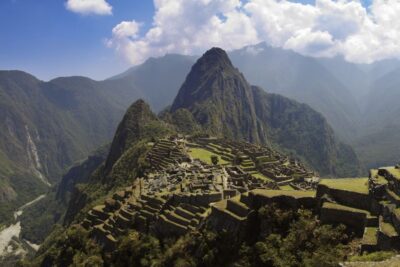
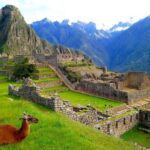
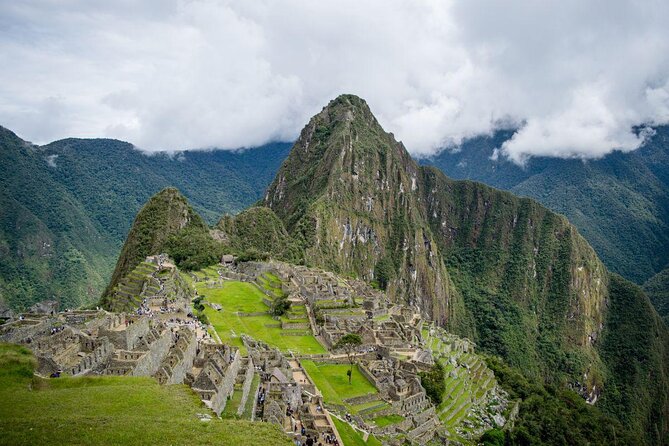
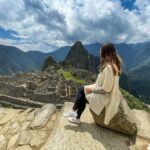
You’ll arrive at around 7:00 am and get your first wide view of Machu Picchu from the panoramic viewpoint. There’s time for a short break and photos before the downhill walk.
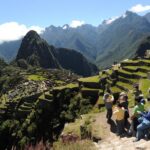
From Puerta del Sol, it’s about 40 minutes downhill to Machu Picchu. As you get closer, the angles keep improving. You’ll reach Machu Picchu around 7:40 am, then check in at the last control post and present your passports.
A professional guide takes you on a guided tour for about 2 hours. The included circuits are Circuit 1 and Circuit 3, which cover key parts of the site. You’ll get history and architecture explained at a pace that makes sense—then after that, you have free time to take photos, walk around, or explore on your own.
Around 10:30 am, you can climb Huayna Picchu with a guide, if you have the ticket. The walk is about one hour each way and your total time for that segment is about two hours. Important: the Huayna Picchu ticket is not included. If you want it, you must request it in advance for an extra $70 per person.
After the Machu Picchu portion, you head to Aguas Calientes. You arrive around 1:00 pm, and lunch at a restaurant in town is included. Then you have time to relax, visit the town, or use the thermal baths if you want. Around 6:00 pm you board the return train to Ollantaytambo, arriving around 7:50 pm, then take a tourist bus back to Cusco. You’re dropped at your hotel in Cusco around 10:00 pm.
Food, Tents, and Porters: Comfort Without Losing the Trek Feel
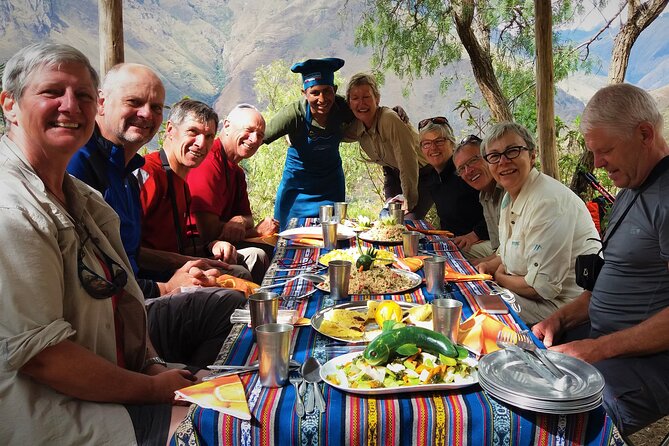
One of the biggest reasons this tour earns near-universal praise is how it handles the practical stuff. You’re not just “camping.” You’re camping with systems.
Camps run with:
- Porters who load equipment like tents, food, tables, chairs, and kitchen gear
- A cook and kitchen assistant for meals
- A dining tent with field tables, portable chairs, and gas lighting
Sleeping is also thoughtfully managed. You get a high quality 4-person bedroom tent used by 2 people, plus a Thermarest inflatable mat and a travel pillow delivered at the start. That changes your nights. You still sleep at altitude with mountain air, but you’re not lying on hard ground and hoping for the best.
You’ll also get boiled water every morning so you can refill your bottles without guesswork. It’s one of those “small” inclusions that turns out to be a big deal when you’re walking all day.
And the tour includes a personal porter service for part of your luggage—up to 7 kilos—so you can keep your daypack manageable. If you’ve ever tried to hike with too much on your back, you already know how much this matters.
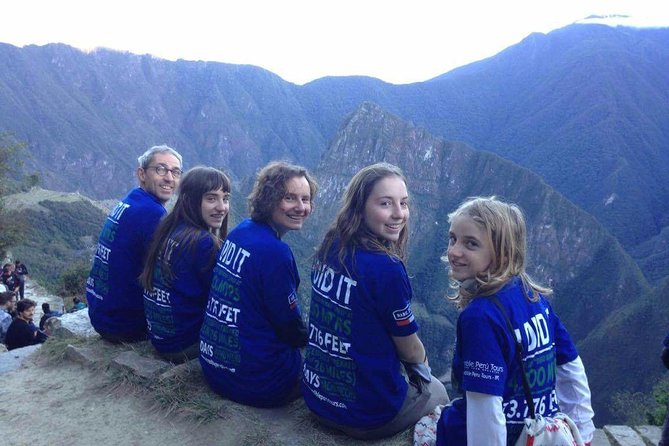
Gifts are included too: an Inca Trail polo shirt and a rain poncho. Even if you don’t become a poncho person, it’s handy for unpredictable Andean weather.
Practical Gear, Weather, and Altitude Reality Checks
This trek expects moderate physical fitness. It’s not a couch-to-Machu Picchu plan. Day 2’s climb to Dead Woman’s Pass is the big physical hurdle, and Day 1 and Day 3 still require steady walking.
Your best move is preparing for cold at altitude. You’ll hit high points like Warmiwañusca at 4200 m, and the tour explicitly warns that temperatures can drop quickly there. Pack layers you can handle on the move: hat, warm top, and something that blocks wind.
Gear planning:
- Sleeping bag and walking sticks are not included, but you can rent them in the office up to 1 day before the tour
- You supply personal items like your own clothes and shoes
- A poncho is included, but you still want rain protection that won’t soak through your backpack
Also, bring your passport and keep it accessible for control points. You’ll present it more than once during the trek and at Machu Picchu.
Finally, think about pacing. You’ll walk several hours most days, with descents and climbs that can feel different at altitude. The guide and porters are there to support you, but your job is to move at a pace you can maintain.
Who This Tour Fits Best (And Who Should Consider Another Option)
This is a strong fit if you want:
- A guided Inca Trail experience with explanation built in
- Full meal coverage and camp comfort, rather than DIY logistics
- A group size that stays human-sized (max 8)
- A sunrise-focused plan for Machu Picchu
It’s less ideal if you’re not comfortable with big altitude steps and long uphill effort. The schedule has multiple passes and a clear “hard day” (Day 2). If you know you get wiped out by high altitude or steep climbs, you’ll want to think hard before booking.
It also helps if you like ruins and want guided interpretation. Sites like Patallacta, Runkuracay, Sayacmarca, and Intipata are the kind of places where context makes a huge difference.
Should You Book Inca Trail to Machu Picchu 2026?
If you want the Inca Trail experience with less stress and more structure, I’d book this. The standout value is how much is included: camping comfort, full meals, porters, permits, tickets, and guided Machu Picchu circuits. The small group limit makes the trek feel more personal, and the crew experience—like guides named Paul and the porter team—matters because it shows up in the tone of camp and on the trail.
Book it especially if you’re trying to get sunrise at the viewpoint and want a guided Machu Picchu visit without juggling tickets and timing yourself. One extra check before you commit: decide whether Huayna Picchu matters to you, because that ticket is $70 extra and needs requesting in advance.
FAQ
What time does the tour start in Cusco?
Pickup starts at 6:00 am from your Cusco hotel (and they can also pick you up from hotels in the Sacred Valley).
How big is the group?
This is a small group with a maximum of 8 travelers.
Is the Inca Trail and Machu Picchu ticket included?
Yes. The tour includes the ticket to the Inca Trail and the Machu Picchu Citadel.
What meals are included during the trek?
Meals are all inclusive: 3 breakfasts, 4 lunches, 3 tea hours, and 3 dinners, prepared by the cook and kitchen assistant.
Do I need to bring a passport?
Yes. You must bring your original passport, and if you’re a student you should also bring your valid student ID.
Is a sleeping bag included?
No. Sleeping bag and walking sticks are not included, but you can rent them in the office up to 1 day before the tour.
Is Huayna Picchu included?
No. Huayna Picchu is not included. If you want to visit it, you must request it in advance for $70.00 per person.
How do you get from Machu Picchu to Aguas Calientes and back to Cusco?
The tour includes a bus ticket from Machu Picchu to Aguas Calientes, then a return train from Aguas Calientes to Ollantaytambo. From Ollantaytambo, you return by tourist bus to your hotel in Cusco.
What fitness level do I need?
The tour is for people with moderate physical fitness. The route includes steep climbs and the highest pass on the trail (Dead Woman’s Pass at 4200 m).