REVIEW · CUSCO
Inca Jungle 4-Day Tour: Full Adventure to Machu Picchu Included
Book on Viator →Operated by Southern Peru Explorers · Bookable on Viator
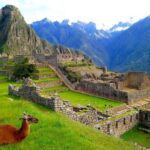
Machu Picchu, with mud and speed. This Inca Jungle route strings together mountain biking and a full day of sunrise Machu Picchu so you’re not spending every hour just walking. It’s a high-energy way to reach Aguas Calientes and then hit the iconic site at first light with a guide.
I also like the way the plan mixes adrenaline with structure. You’re not figuring things out alone: there are professional guides and a clear safety setup for big activities like rafting and zip-lines, and in the feedback I read, real team members such as Joel, Erick, Robie, Eduardo, Jhimmy, and Rolando come up again and again.
One thing to consider: this is active travel. You’re looking at early starts (6:00 am pickup in Cusco and a 4:30 am Machu Picchu hike) plus downhill biking, rafting with rapids up to Level IV, and a zip-line day with high cable runs—so it’s best if you’re up for movement and heights.
In This Review
- Key highlights at a glance
- Day 1 From Cusco at 6:00 am: Abra Malaga Bike and Vilcanota Rapids
- Day 2 Santa Teresa: Coffee, Coca, Hanging Bridges, and Cocalmayo Hot Springs
- Day 3 Zip-Lines to Hydroelectric and the Walk into Aguas Calientes
- Day 4 Machu Picchu Sunrise: 1.5-hour Hike, 2.5-hour Guide Tour
- What $630 Buys: Transfers, Tickets, Lodging, and Three Days of Activity
- Guide Matters: Real Names Showing Up and What That Signals
- Is This Level of Adventure for You? (Fitness, Speed, and Weather Reality)
- Where You Sleep: Santa Maria Lodge and Aguas Calientes Hostel vs Upgrades
- Who Should Book This Inca Jungle 4-Day Trip?
- Should You Book This Tour?
- FAQ
- What time is pickup in Cusco?
- What level are the rafting rapids?
- Are meals included?
- Is Machu Picchu entrance included?
- Can I add Huayna Picchu or Machu Picchu Mountain?
- Is there free cancellation?
Key highlights at a glance
- 6:00 am Cusco pickup to start strong and get you to the Sacred Valley before the day heats up
- Abra Malaga downhill biking followed by Vilcanota River rafting with rapids rated Level II to IV
- Santa Teresa climbing plus an authentic Inca Trail section, with coffee and coca plantations along the way
- Cocalmayo hot springs to recover after active jungle hiking
- Five zip-lines (up to 70 km/h, highest 180 m, longest 600 m) before walking into Aguas Calientes
- Sunrise Machu Picchu with a 2.5-hour guide tour and optional Huayna Picchu or Machu Picchu Mountain for $10
Day 1 From Cusco at 6:00 am: Abra Malaga Bike and Vilcanota Rapids
Day 1 is the classic “Cusco to action” start. You’re picked up from your hotel at 6:00 am, then you drive about 2 hours toward Abra Malaga Mountain, the biking start point. It’s early, but that’s the trick: you get the most intense physical day out of the way while the air is still relatively manageable.
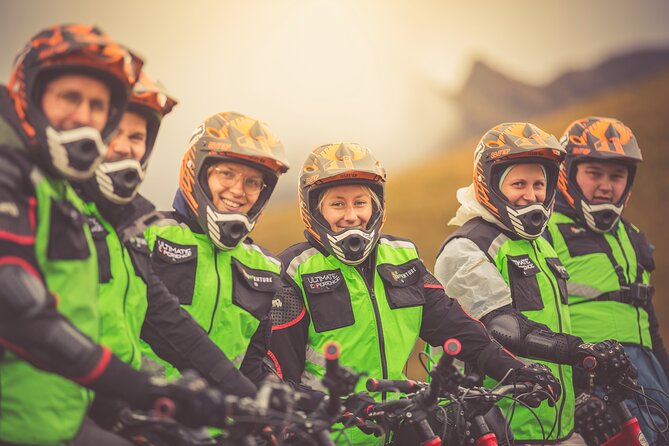
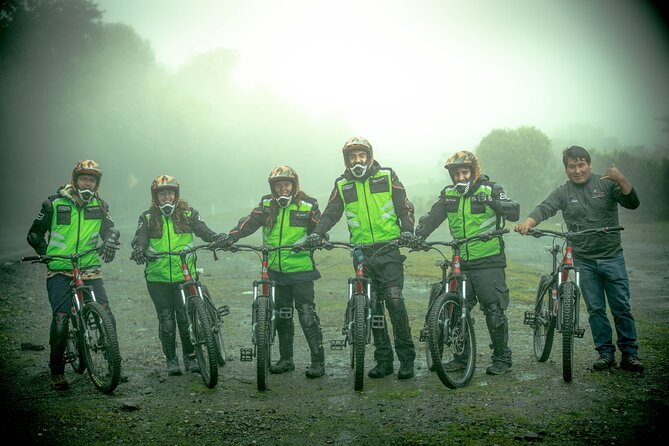
At Abra Malaga, you get safety tips and gear prep from the guides, then you do a 2-hour downhill bike ride. The route takes you through small villages, orchards, and alongside rivers and streams. There’s a quick stop in Huamanmarca before you continue toward Santa Maria. The pace is “adventure guided,” not reckless—think controlled motion with stops and instructions built in.
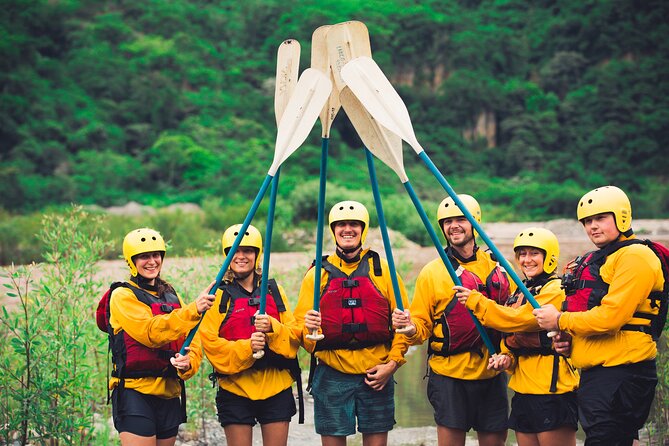
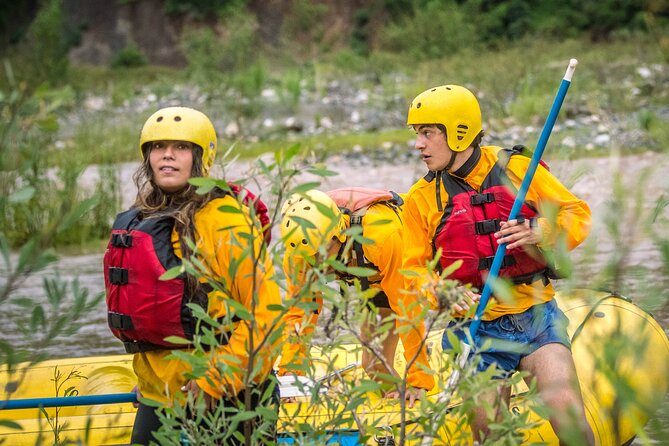
Then comes lunch in Santa Maria, followed by rafting on the Vilcanota River. The rapid level changes by season, but the important detail is the range: it never exceeds Level IV and never drops below Level II. That gives you a sense of consistency. You’re not signing up for extreme whitewater that could be totally different day to day, and you also aren’t doing a lazy float. After rafting, you return to your lodge in Santa Maria for dinner and a chance to actually rest.
If you worry about recovery: Day 1 is long (around 8 hours), and you’ll likely feel it in your legs and shoulders. But the payoff is that you see jungle river valleys and small communities right away, rather than just driving past them.
You can also read our reviews of more tours and experiences in Cusco

Day 2 Santa Teresa: Coffee, Coca, Hanging Bridges, and Cocalmayo Hot Springs
Day 2 shifts from speed to variety. After breakfast, you climb jungle mountains—the good news is it’s described as not high altitude, which helps keep the day from turning into an altitude challenge. You also do a section of the authentic Inca Trail, so this isn’t just a modern shortcut route. It’s built for walking with cultural context.
Along the climb you’ll pass through places where you can see local life up close: you’re told to look for animals, jungle plants, and especially coffee and coca plantations. You’ll also encounter native fruits mentioned on the route such as bananas, avocados, pineapples, and passion fruit. For me, this kind of detail matters because it turns a trek into a sense-making walk. You start noticing what people grow and how the landscape supports everyday life.
Lunch is in the town of Quellomayo, and there’s even a relaxed garden time with hammocks. This is a smart break after climbing—your body gets a pause, and you get a moment to watch the day without moving.
Later you continue through more jungle scenery: waterfalls and hanging bridges are part of the journey. Then you reach Cocalmayo hot springs, where you can relax in natural pools surrounded by lush vegetation. This is one of the best “recovery payoff” moments on the whole itinerary. After two active days, hot springs feel less like a nice extra and more like a necessary reset.
Day 2 runs about 9 hours, and it’s a good reminder that this is still an outdoor trek day. Even if you’re not pushing maximum effort, your legs will work.
Day 3 Zip-Lines to Hydroelectric and the Walk into Aguas Calientes
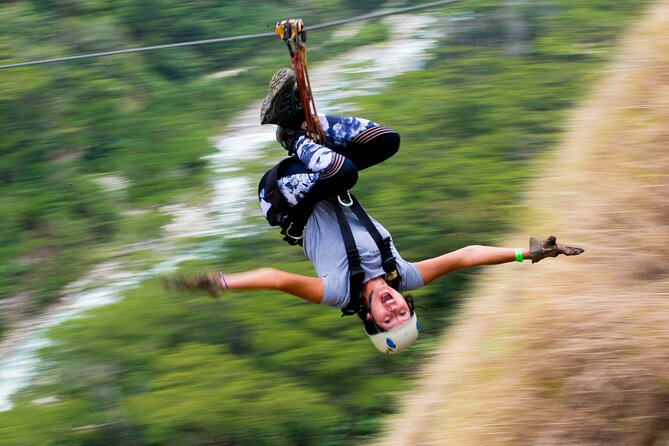
Day 3 is pure adrenaline, then a steady transition into Machu Picchu logistics. The morning starts with flying on five zip-lines, with the total cable running 2,500 meters in sections. You’re securely harnessed and attached to a double cable anchored in two different mountains across a canyon. The tour is explicit about safety gear and setup, and that matters when the height is real.
Here are the numbers to set expectations:
- You’ll be about 150 meters above the ground
- Highest point: 180 m
- Longest section: 600 m
- Max speed: up to 70 km/h
- Five sections total, with 2,500 m of cable
You can fly the lines straight or do head-first or upside-down tricks, which is great if you want more control over how daring you feel. If you’re more cautious, you can also choose the calmer option—this tour still delivers the “major wow” even without stunt energy.
After zip-lines, you drive to Hydroelectric for lunch. In the afternoon, you walk near the train rail to reach Machu Picchu town, Aguas Calientes. It’s a practical move: instead of arriving tired and stranded, you arrive by foot along the rail corridor, then you’re in position for dinner and your final night at the foot of Machu Picchu.
Dinner is included, and you stay the night in a hostel in Aguas Calientes. One practical tip from the feedback I read: if you prefer more comfort, it can be worth upgrading your Aguas Calientes stay rather than relying only on the hostel-style lodging. A guest specifically mentioned that an upgrade to Sumaq felt worth the price for their taste.
Day 3 is about building momentum, and it also prepares you mentally for the early sunrise wake-up on Day 4.
Day 4 Machu Picchu Sunrise: 1.5-hour Hike, 2.5-hour Guide Tour
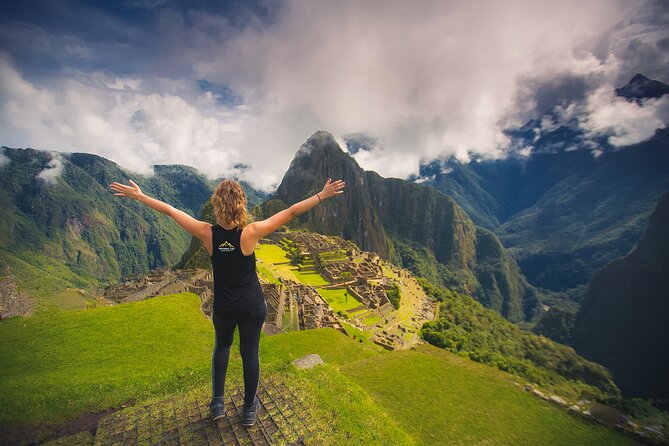
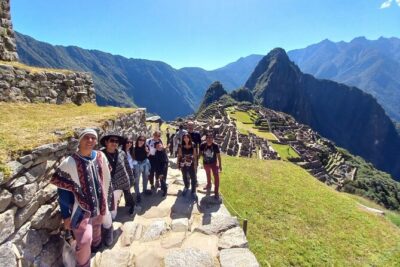
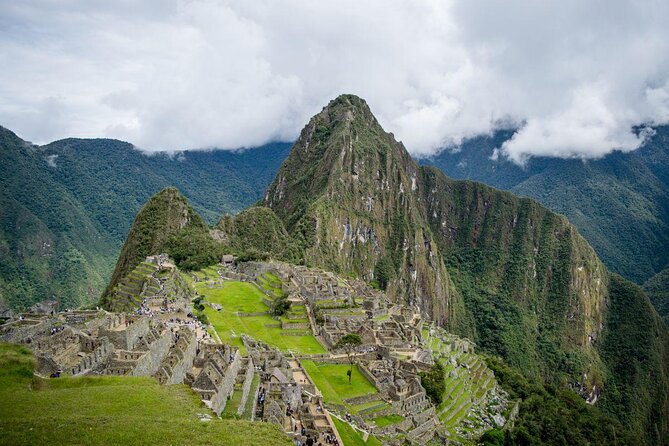
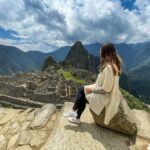
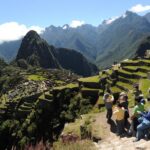
Day 4 is the reason you came. You leave at 4:30 am and hike about 1.5 hours to arrive on time for Machu Picchu as the light starts to rise. This timing isn’t just scenic—it helps you experience the site before the day fully fills in, which can change how enjoyable the walking tour feels.
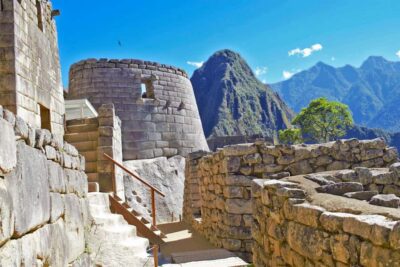
Once there, your guide leads a 2.5-hour walking tour focused on how Machu Picchu was designed and how families lived there. That’s the kind of guided storytelling that turns “I saw the photos” into “I understand what I’m looking at.”
After the guided portion, you have options. You can keep exploring on your own, or you can add a climb:
- Huayna Picchu or Machu Picchu Mountain
- Additional cost: $10 USD
- Extra walking time: about 45 minutes
- Availability: limited, so it needs to be arranged when you book
The climb is where you’ll earn the biggest viewpoint payoff, but it’s also where fitness and comfort with stairs matter most.
Then you head back by foot to Aguas Calientes. From there, you take the train to Ollantaytambo, and you’ll be picked up and bused back to Cusco. In other words, the trip handles the complicated end piece for you.
What $630 Buys: Transfers, Tickets, Lodging, and Three Days of Activity
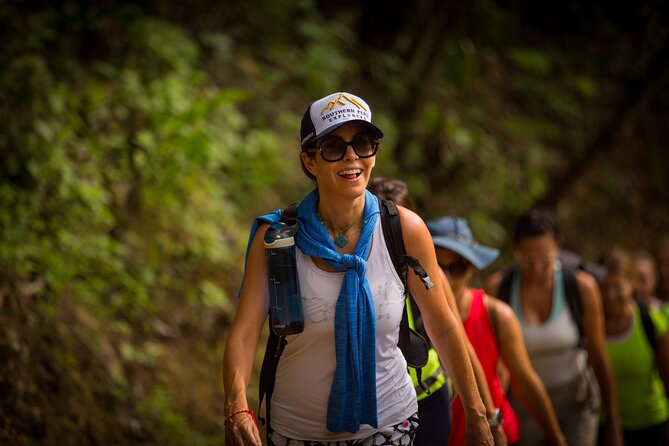
At $630 per person for a roughly 4-day package, the value comes from what’s bundled. The big-ticket items on this route aren’t just the Machu Picchu permit—they also include the transport chain and the entry fees plus the adventure equipment.
Included items you should care about:
- Private transportation throughout the trek days
- Professional tour guides
- Machu Picchu entrance
- Train tickets back toward the Cusco area (via Ollantaytambo)
- 3 nights accommodation (hotel/lodge, plus a hostel in Aguas Calientes)
- Mountain bikes with full equipment
- White river rafting
- Zip-line with full equipment
- Meals: 3 breakfasts, 3 lunches, 3 dinners (with one clear note below)
Meal coverage is one of those quiet-but-important details. The tour specifies that breakfast on Day 1 and lunch on Day 4 are not included. Everything else is covered, which reduces your day-to-day decisions once you’re in motion.
As for what’s not included: the itinerary highlights that Day 1 doesn’t include breakfast and Day 4 doesn’t include lunch. And optional Huayna Picchu/Machu Picchu Mountain adds $10 USD if you want that extra climb. That’s fairly standard for Machu Picchu add-ons, and it’s good that the cost is stated up front.
The other value angle: this tour doesn’t treat the adventure days like filler. You’re doing biking, rafting, zip-lines, hot springs, and an Inca Trail section—so the days leading to Machu Picchu feel like a complete experience rather than a prelude.
Guide Matters: Real Names Showing Up and What That Signals
I don’t just look at the itinerary. I look at the human layer—because with activities like rafting and zip-lines, you want calm competence, not chaos.
In the feedback I read, Joel shows up as a key helper in the booking and problem-solving side. When there’s been a hiccup, the common thread is that Joel and the team respond fast and stay on it. That matters because Machu Picchu travel can have timing and ticket sensitivity.
On the ground, I also saw guide names tied to culture and pacing: Erick and Robie were highlighted for strong Inca cultural context, plus a balance of safety and fun. Eduardo also came up as a guide who helped make the whole experience feel smoother. And for the zip-line/bike/raft style days, Jhimmy and Rolando were mentioned for patient, humorous, and detail-focused guiding.
One more thing I appreciated from the feedback: this style of tour can work for families and sporty teens. There was an example of a family traveling with kids in the 12 and 14 range, and the guides were described as checking in on safety and making adjustments for the younger participants. If your group includes teens, that’s a big reassurance: the tour isn’t only designed for people who move like Olympic hikers.
Is This Level of Adventure for You? (Fitness, Speed, and Weather Reality)
This is listed for moderate physical fitness. That’s a helpful way to frame it. You’re not doing technical mountaineering, but you are doing multiple active components:
- Downhill biking for about 2 hours
- Jungle mountain walking including a section of the authentic Inca Trail
- Zip-lines with significant height (up to 180 m) and speed up to 70 km/h
- Rafting with rapids from Level II up to Level IV
- A 1.5-hour uphill hike to Machu Picchu before sunrise
- Optional extra climbs of about 45 minutes for Huayna Picchu or Machu Picchu Mountain
If you’re the kind of person who freezes at heights or gets nervous around fast water, be honest with yourself. You’ll still be guided and geared up, but your comfort level will shape the fun.
Weather is another reality of the jungle and rivers. Rafting rapid levels can vary by season (but still stay within Level II to IV), and the hiking days are outdoors. I’d plan for wet gear and sun exposure in general, and I’d avoid bringing items that you’ll hate getting dirty.
Where You Sleep: Santa Maria Lodge and Aguas Calientes Hostel vs Upgrades
Your lodging is part of the package and follows the rhythm of the route:
- Night 1: lodge in Santa Maria with comfortable rooms and a peaceful atmosphere
- Nights 2–3: additional accommodation as the trek moves through Santa Teresa and into the final Machu Picchu area
- Final night: a hostel in Aguas Calientes, described as at the foot of Machu Picchu
If you want a more upscale stay, you’ll have to manage that separately. Still, I found it useful that someone specifically pointed out the hostel option felt fine, but upgrading to Sumaq in Aguas Calientes was worth it for their style. If comfort matters more than cost on your Peru trip, that’s a detail worth considering.
Who Should Book This Inca Jungle 4-Day Trip?
You’ll likely love this tour if you want Machu Picchu without the “only hiking” feel. It’s best for people who enjoy variety: biking, rafting, zip-lines, hot springs, and a guided cultural walk at the end.
It also makes sense if you’re traveling with teens or active family members who can handle early mornings and long outdoor days. The tour is set up for groups of up to 12 people, which can keep things organized while still feeling like an adventure.
But it may not be your best match if you:
- Want a mostly relaxed sightseeing pace
- Don’t like heights or moving water
- Struggle with early wake-ups and long activity days
Should You Book This Tour?
If you want a single package that takes care of transport, Machu Picchu entry, train back logistics, and three adventure days before sunrise, this Inca Jungle tour is strong value at $630. The built-in variety is the big draw: you reach Machu Picchu feeling like you earned it through biking, rafting, zip-lines, and jungle culture—then you get a proper guided tour at first light.
My call: book it if you’re ready to be active and you like the idea of swapping hours of quiet walking for a full mix of adrenaline and Inca storytelling. Pass if you’re looking for a calm, luxury-only route or you know you’ll dread heights and rapids.
FAQ
What time is pickup in Cusco?
You’re picked up from your Cusco hotel at 6:00 am on Day 1.
What level are the rafting rapids?
Rafting is on the Vilcanota River, and the rapids level varies by season, but it will never exceed Level IV and never drop below Level II.
Are meals included?
Yes. The tour includes 3 breakfasts, 3 lunches, and 3 dinners, but it specifically notes that breakfast on Day 1 and lunch on Day 4 are not included.
Is Machu Picchu entrance included?
Yes. Machu Picchu entrance is included, and you’ll also get a guided walking tour after sunrise arrival.
Can I add Huayna Picchu or Machu Picchu Mountain?
Yes. After the guided tour, you can climb Huayna Picchu or Machu Picchu Mountain for an additional $10 USD. Availability is limited, so it needs to be arranged when you book.
Is there free cancellation?
Yes. There is free cancellation if you cancel up to 24 hours in advance for a full refund.