REVIEW · CUSCO
From Cusco: 7 lakes with hot springs in Ausangate and meals
Book on GetYourGuide →Operated by Machu Picchu Jungle E.I.R.L · Bookable on GetYourGuide
First you’ll see lagoons so blue they look edited. This day trip pairs turquoise-and-green lakes with a local family breakfast in Pacchanta, and that combination is why the whole experience sticks with you. The only real heads-up: meals can feel basic for some people, so I’d come with a plan if you’re picky about flavor.
The route also works as a gentle-to-moderate hike challenge at over 4,000 meters, with short walks between viewpoints and one tougher climb early on. Then you get a chance to loosen up in hot springs, though it’s brief and optional—if you skip it, you’ll miss the cozy finish.
For value, this is one of the better “all-in-the-day” formats from Cusco: transport, an English/Spanish guide, breakfast, lunch buffet, emergency oxygen, and even trekking poles are included.
In This Review
- Key things I’d circle before you go
- The Magic of Ausangate’s Seven Lakes: Colors That Don’t Quit
- Cusco to Pacchanta: The Drive Through Everyday Andean Life
- Pacchanta Homestay Breakfast: What Makes the Morning Special
- The First Big Push: Hiking to Your First Lagoon
- Comercocha and Alqacocha: The Glacier-Foot Lagoons
- The Return Loop: Patacocha, Otorongococha, and Azulcocha
- Lunch in Pacchanta: Local Ingredients, With a Caution on Flavor
- Hot Springs at Altitude: Optional, Short, and Worth It If You Time It Right
- Price and Logistics: Is This $38 Day Trip a Good Deal?
- What to Bring: Cold-Air Survival Kit for 4,000+ Meters
- Altitude Reality Check: How to Make the Day Feel Easier
- Who Should Book This Ausangate Seven-Lakes Day Trip
- Should You Book This 7 Lakes + Hot Springs Tour from Cusco?
- FAQ
- How long is the tour from Cusco?
- What elevation will I be hiking at?
- Are the hot springs included?
- What meals are included?
- Are there entrance fees I should budget for?
- What languages and safety items are included?
Key things I’d circle before you go
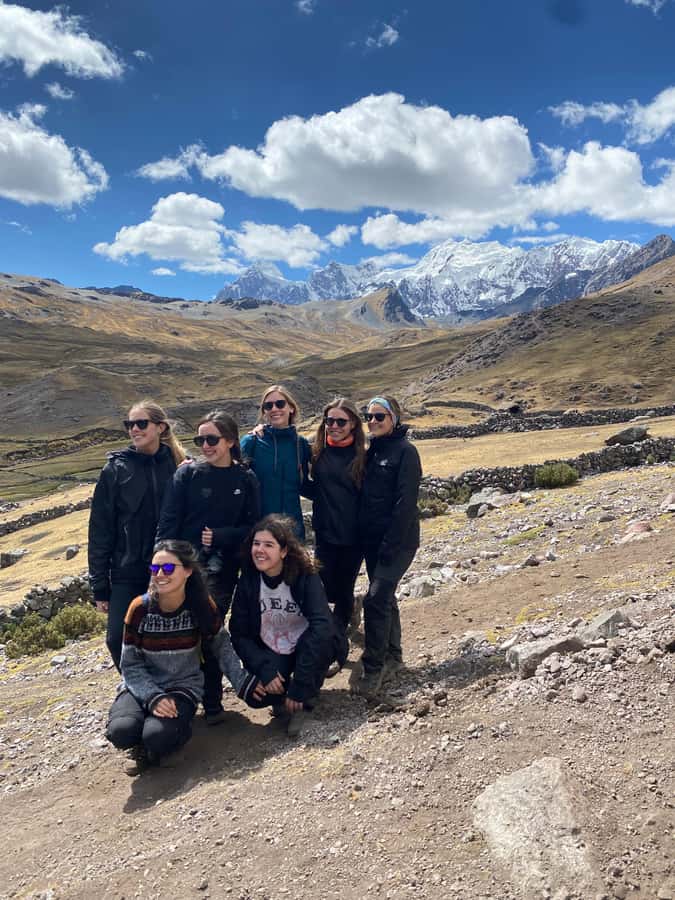
- Ausangate as the backdrop: the glacier feeds the boiling lagoons you’ll visit
- A real first hike (about 1.5 hours) before you reach the first lake
- Pacchanta homestay breakfast with Andean ingredients at 4,000+ meters
- Seven-lake photo loop with multiple turquoise lagoons on the way back
- Hot springs are optional and timed (about 40 minutes) with a small entrance fee
- Food style can be plain—pack a small snack if you want more seasoning
The Magic of Ausangate’s Seven Lakes: Colors That Don’t Quit
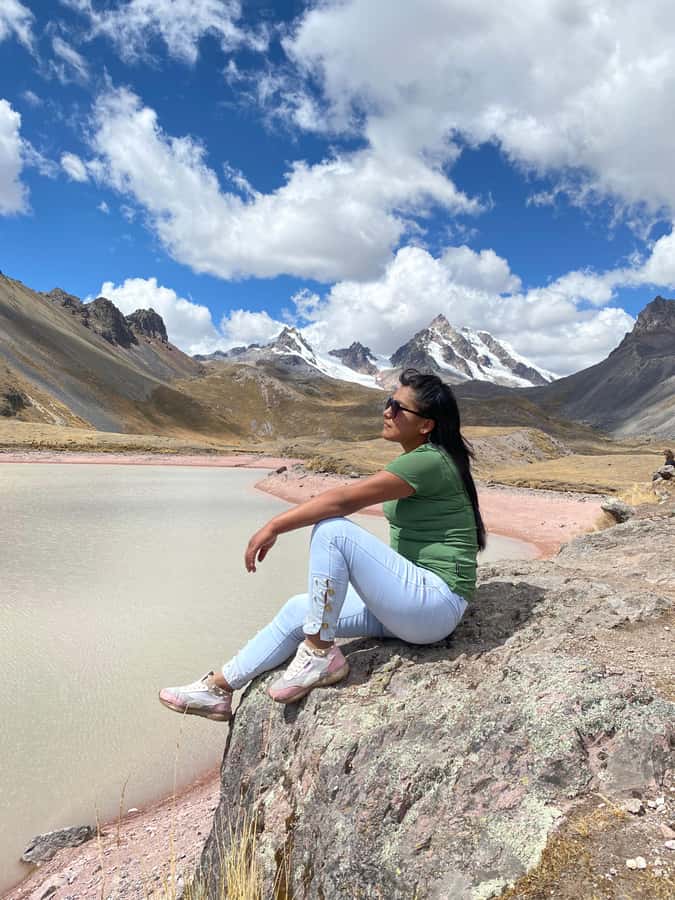
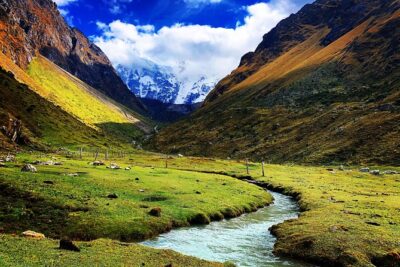
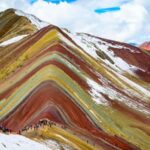
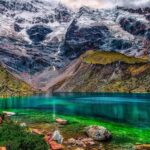
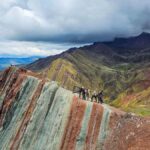
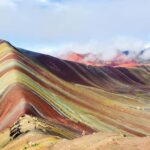
This outing is all about high-altitude scenery with a wow factor that feels rare in Peru: lakes that look like someone mixed bright paint into cold mountain water. You’ll see that effect up close at stops like Comercocha and Alqacocha, where the colors sit somewhere between green and deep turquoise. It’s the kind of place where your camera roll fills up fast, because each lagoon seems a little different depending on the light.
The second reason this tour works is the story behind the views. You’re in the Vilcanota mountain range, with snow-capped Ausangate in the frame. And the trip is built around the idea that this glacier feeds the “boiling” lagoons you’ll visit—so the scenery has a natural logic, not just aesthetics.
That said, don’t expect luxury. This is a day built for outdoors and altitude. If you go in with a simple mindset—walk, look, breathe, soak if you want—you’ll get a lot more out of it.
You can also read our reviews of more tours and experiences in Cusco.
Cusco to Pacchanta: The Drive Through Everyday Andean Life
You’ll start with pickup from your hotel or Airbnb in Cusco, then head south for about three hours. Most of the time is spent traveling through villages and mountain scenery, and you’ll pass through places that still feel rooted in daily culture rather than staged tourism.
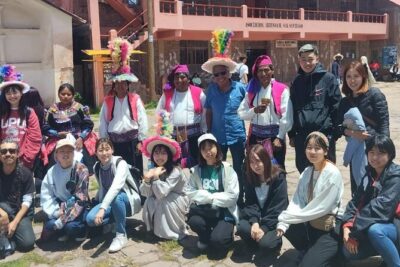
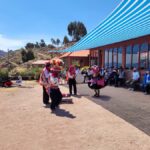
One stop to watch for is Ccatcca, where you can see women wearing traditional local dress and glimpse narrow streets shaped by older ways of life. You don’t need to read every detail to feel it—the costumes, the houses, and the rhythm of the village give you the sense that this area has its own identity.
After that, you continue along the interoceanic highway toward Pacchanta. Reaching the municipality puts you over 4,000 meters, so the day’s pace starts to shift even before you hike. Plan to move slowly once you’re higher—no sprinting for photos.
Pacchanta Homestay Breakfast: What Makes the Morning Special
In Pacchanta, a local family welcomes you into their home and serves breakfast made with Andean ingredients. This part matters because it changes the tone of the day. Instead of only consuming views, you get a quick, human connection to the place you’re visiting.
Breakfast here is also practical. Fuel matters at altitude, and you’ll burn energy the moment the walking starts. The meal is part of the reason the day feels doable, even though you’re headed into cold, high terrain.
Temperature is usually a factor early in the day, so I’d treat this like a “layers up” moment: wear something warm even if the sun is out. The air can turn sharp fast once you move away from the village.
The First Big Push: Hiking to Your First Lagoon
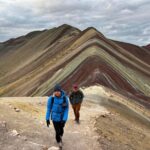
Your hike day begins after you’re able to see Ausangate from the Vilcanota area. The first leg is the most strenuous: about 1.5 hours to reach the first lake. That doesn’t mean it’s a technical climb, but it does mean you’ll feel your lungs work at altitude.
This is exactly where the included trekking poles can help. They take pressure off your knees and give you stability on uneven ground. If you’re not used to high elevation hiking, use short steps and keep your effort steady instead of trying to match the speed of the fittest people.
Also, go easy on judging the trip by the first 15 minutes. Altitude symptoms—breathiness, light headache, sluggish legs—can show up early. Once you find a rhythm, most people settle into it. Still, if you have any health concerns, this isn’t the kind of day I’d gamble on.
You might also hear about an option to ride a horse. That possibility can come in handy if you want to manage the climb. Just know it’s not something you should count on unless the guide confirms it on the day.
Comercocha and Alqacocha: The Glacier-Foot Lagoons
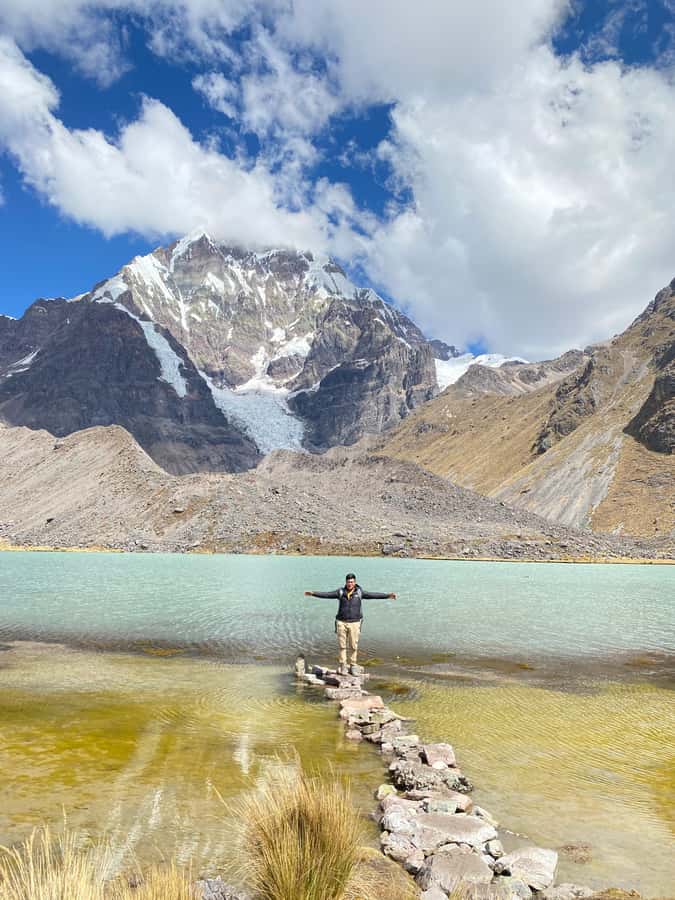
After the first arrival, the trip moves through different lagoons that sit at the foot of the glacier. Two of the star stops are Comercocha and Alqacocha. These are the kind of lakes that make you stop talking. The colors are the headline, but what surprises you is how the setting frames the water—mountains, shadow, and sky all interact.
This is also where you’ll learn a good “photo rhythm.” You don’t want to rush from viewpoint to viewpoint, because the light changes and each angle shows a slightly different shade. Your guide will keep things moving, but you’ll still get chances to pause.
If you’re sensitive to cold, remember that standing still at 4,000+ meters can feel colder than moving. Bring layers you can adjust quickly. And keep sunscreen handy even if you don’t feel hot—sun at altitude can be intense.
The Return Loop: Patacocha, Otorongococha, and Azulcocha
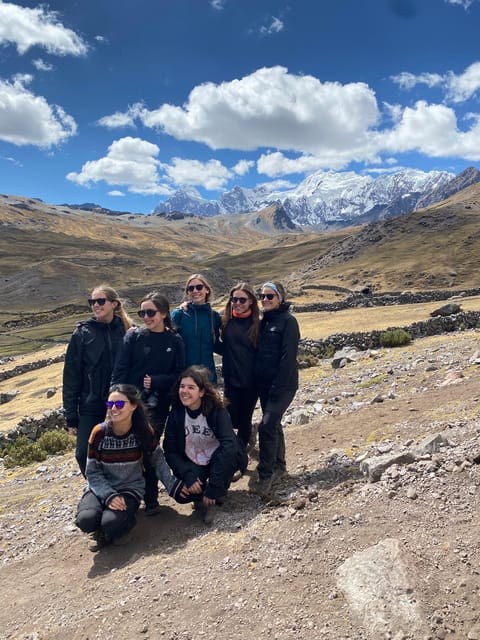
On the way back toward Pacchanta, you pass the other lagoons: Patacocha, Otorongococha, and Azulcocha. This portion is less about one big hike and more about a looping sequence of stops where you soak in the view and take photos.
You’ll have about 2.5 hours from the time you arrive at the first lagoon until you return to the restaurant area. In other words, you’re not constantly sprinting uphill, but you are still out in the cold air, walking between points.
This is also where good footwear matters. Trails here can be rocky or uneven. If your shoes are more “city shoes” than hiking shoes, your feet will remind you later.
If you love stopping often, this route fits. If you hate standing still, also fine—you’ll be walking most of the time. Just accept that you’ll want to linger at least a few times.
Lunch in Pacchanta: Local Ingredients, With a Caution on Flavor
After you head back, you return to the host family’s home for a buffet lunch. The focus is on locally grown natural products, which is a big part of the authenticity of this day.
Now the balanced part: some people find the food plain or not especially flavorful. You might see meals that are simple, like rice and pasta served without much sauce. If you’re used to restaurant seasoning, expect a more basic style.
I still think lunch is worth it here because it’s part of the homestay setting and the effort of feeding people in a remote area. Just be smart: if you know you’re sensitive about taste or want something extra, bring a small snack you like. That way you’re never stuck being hungry or disappointed.
Hot Springs at Altitude: Optional, Short, and Worth It If You Time It Right
After lunch, you get around 40 minutes to visit the hot springs. The visit is optional, but the timing is limited, so it’s not a long soak-and-dawdle situation.
Bring a swimsuit if you want to take advantage of it. Also note there’s an entrance fee for the hot springs of PEN 5.00. The lagoons also may have an entrance fee of PEN 20.00, so plan for small extra costs beyond the base price.
Here’s the practical reality of high-altitude hot springs: the water is warm, but when you step out into cold mountain air, it can feel sharp fast. If you hate that feeling, bring a towel and be ready to move quickly back into warm layers.
One more heads-up: in some situations, timing can make the hot springs feel rushed, and you may not spend as long as you hope. If soaking is your main goal, don’t build your day around a long spa experience.
Price and Logistics: Is This $38 Day Trip a Good Deal?
At about $38 per person for roughly 15 hours, the value comes from what’s included and how much ground you cover. You get roundtrip transportation, pickup, an English/Spanish speaking professional guide, breakfast, and a lunch buffet. You also get first-aid equipment and an oxygen bottle for emergencies, plus trekking poles.
That package matters because traveling to Ausangate-area lagoons on your own involves planning transport and dealing with the route on your time—not always easy when you’re also managing altitude.
The extras are straightforward: expect PEN 20.00 for entrance fees and PEN 5.00 for hot springs entrance. Add those up and the day still tends to work out as a reasonable bargain for a guided, meal-included itinerary.
The main “value trade-off” is comfort. This is cold, high, and outdoors. If you’re looking for a cushy day with minimal walking, you may feel the strain. If you want nature and you’re okay with basic food and short hot-spring time, it’s a solid price for what you see.
What to Bring: Cold-Air Survival Kit for 4,000+ Meters
This is the kind of day where packing decides how much you enjoy it. The basics are simple: comfortable shoes, warm clothing, a camera, sunscreen, and water.
I’d treat warm clothing as non-negotiable. You’ll be at altitude over 4,000 masl, and temperatures can drop quickly—especially if you’re standing around for photos. Add layers you can remove or put back on as the sun changes.
Sunscreen is also a must. Even if it feels cool, the sun can be strong at elevation. And bring water even if you don’t feel thirsty. Altitude can trick your body.
If you plan to use the hot springs, pack a swimsuit and a towel. You’ll thank yourself when you’re trying to get back into warm clothes quickly.
Altitude Reality Check: How to Make the Day Feel Easier
The tour reaches very high elevation, and that can turn an otherwise normal hike into a slow, labored effort. I’d prepare for that mindset before you go.
A few practical rules help:
- Move slow on the first hike and let your breathing settle
- Keep your body warm with layers, especially during breaks
- Drink water regularly
- Use trekking poles to reduce strain
If you have pre-existing medical conditions or you’re pregnant, this isn’t the right outing. The day is designed for healthy adults who can handle altitude walking and outdoor cold.
Also, plan on an early start. Starting early keeps the day on schedule, but it means you’ll be cold at the beginning before the sun really warms things up.
Who Should Book This Ausangate Seven-Lakes Day Trip
This trip is best for you if you want a high-altitude nature day from Cusco without committing to multi-day trekking. You’ll get one main hike effort plus scenic lake stops, and you’ll end with the option of hot springs.
It’s also a great fit if you like cultural contact. The homestay breakfast in Pacchanta adds meaning beyond scenery, and the route passes through villages like Ccatcca where traditional life is visible.
If you’re a picky eater, go in with realistic expectations. The included meals are still part of the experience, but flavor may be simple. If you’re the type who needs spice or strong seasoning to feel satisfied, pack snacks you know you’ll enjoy.
Guides can make a big difference in how the hike feels. On this route, you may meet guides known for energetic humor and pacing, like Felipe or Tony—the sort of attitude that helps you keep moving and keeps the day light.
Should You Book This 7 Lakes + Hot Springs Tour from Cusco?
Book it if:
- You want serious views of Ausangate’s glacier-fed lagoons
- You’re okay with a cold, high-altitude day and some uphill effort
- You value the homestay breakfast and included meals more than fine dining
Skip it (or reconsider) if:
- You need guaranteed hot springs time for a long soak
- You have health conditions that don’t mix with high altitude
- You want highly seasoned restaurant-style food as part of the highlight
FAQ
How long is the tour from Cusco?
The full experience lasts about 15 hours, starting early in the morning.
What elevation will I be hiking at?
You’ll visit areas over 4,000 meters above sea level, so warm clothing and altitude preparation matter.
Are the hot springs included?
The hot springs visit is optional and lasts about 40 minutes. The entrance fee is PEN 5.00, and you should bring a swimsuit if you plan to go.
What meals are included?
Breakfast and a lunch buffet are included. The tour is designed around locally grown ingredients.
Are there entrance fees I should budget for?
Yes. Entrance fees mentioned are PEN 20.00, and hot springs entrance is PEN 5.00.
What languages and safety items are included?
You’ll have an English/Spanish speaking guide, plus first-aid equipment and an oxygen bottle for emergencies. Trekking poles are also included.