REVIEW · CUSCO
4-Day Salkantay Trek to Machu Picchu
Book on Viator →Operated by Bamba Travel · Bookable on Viator
This trek is a mix of cold Andean drama and warm jungle turns. I love that you get a small-group setup (avg 4, max 16) with a bilingual local guide, and you also land Machu Picchu with a proper morning plan. The route is demanding, with big altitude changes, and you’ll want to be ready for steep days and early starts.
What really makes it work is the support system. A team of horsemen and mules carries camping and cooking gear, plus they account for a practical 7 kilos per trekker (sleep kit included), so you’re not hauling everything yourself. One possible drawback: the trip has extra costs you should budget for (Machu Picchu fees, the Salkantay permit, plus optional mountain hikes and sleeping bag rental).
The guiding quality is a highlight. Names that show up in past group experiences include Percy, Francisco, Junior, Cesar, Chino, and even chef teams like Geraldo and Bennie, and the common thread is clear, friendly explanations and a pace that doesn’t leave people behind.
In This Review
- Key things to know before you go
- Why the Salkantay route feels more personal than a bus-and-train day
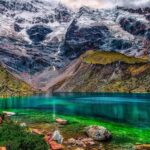
- Day 1: Cusco’s early start, Mollepata breaks, and Humantay’s cold-lake payoff
- Day 2: The Salkantay pass at 4,650m and the optional horse shortcut
- Day 3: Santa Teresa River crossings, waterfalls, and the march to Aguas Calientes
- Day 4: 5:30am bus timing, a guided Machu Picchu walk, and your return to Cusco
- Guides, food, and the team behind the scenes (the stuff that makes or breaks it)
- Packing and physical reality: what your body is going to notice
- Price and value: what $810 covers, and what you should budget next
- Is this the right Salkantay trek for you?
- FAQ
- FAQ
- What time does the trek pick you up in Cusco?
- Is the group size small?
- Are vegetarian meals available?
- What is the highest altitude on the trek?
- Are camping and sleeping gear included?
- How do you return from Machu Picchu after the visit?
- Is the price refundable if plans change?
Key things to know before you go
- Small-group feel (avg 4, max 16): More attention, fewer bottlenecks on viewpoints.
- High-pass scenery on Day 2: The 4,650m crossing gives you classic Andean payoff.
- Camping plus a real hotel night: One night is under canvas, then you get 3 comfort in Aguas Calientes.
- Guided Machu Picchu early: You go when the mist is still moving and the day is calmer.
- Food that fits the trek: Meals are included, with vegetarian options available if you tell them ahead of time.
- Emergency-minded gear: Foam sleeping mats, first-aid kit, and even an emergency oxygen bottle are part of the package.
Why the Salkantay route feels more personal than a bus-and-train day
Most Machu Picchu trips are built around routes that stay in comfort zones. This one is different because your days are about the trail itself: Humantay Lake’s high drama, the Salkantay pass views, then the switch into warmer valleys and jungle edges before you reach Aguas Calientes.
You also get time to absorb each area instead of racing through it. The itinerary’s rhythm—walk, camp or hotel, then a guided highlight—makes it easier to follow what you’re seeing and why it matters to Inca-era geography and local landscapes.
You can also read our reviews of more hiking tours in Cusco

Day 1: Cusco’s early start, Mollepata breaks, and Humantay’s cold-lake payoff
Your day begins with pick-up in Cusco at 5:30am. First you ride to Mollepata (2,900m) for a leg stretch and snacks, then you continue to Challacancha for final checks of your equipment before stepping onto the trail.
Then comes the best kind of warm-up: a hike that ramps you up gradually. You walk around 3 hours to Soraypampa (3,920m) and eat lunch with snow-capped mountains in view. After that, you push onward toward Laguna de Humantay, with the hike taking about 1.5 hours each way.
The practical part that matters: your first campsite is at 3,920m, described as the highest and coldest of the trip. That’s not a minor detail. At night, you’ll feel the altitude quickly, so it helps to plan for layers and good sleep habits from day one. The upside is that the environment is unforgettable once you’re settled and dinner is done.
The trade-off: Day 1 is mostly about getting altitude under control and reaching the lake. It’s stunning, but it’s also when cold can catch you off guard if you’re underdressed.
Day 2: The Salkantay pass at 4,650m and the optional horse shortcut
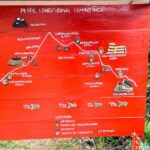
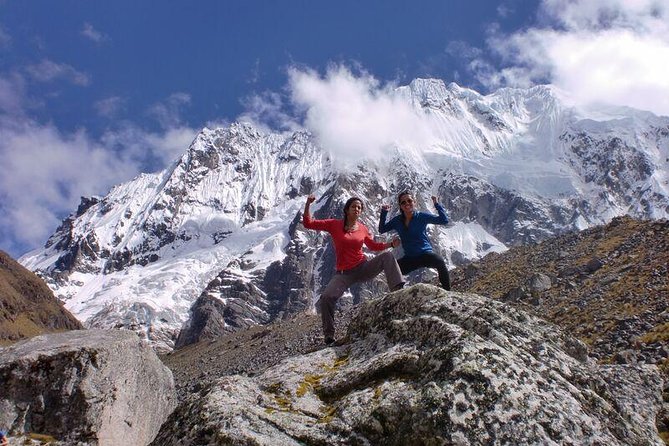
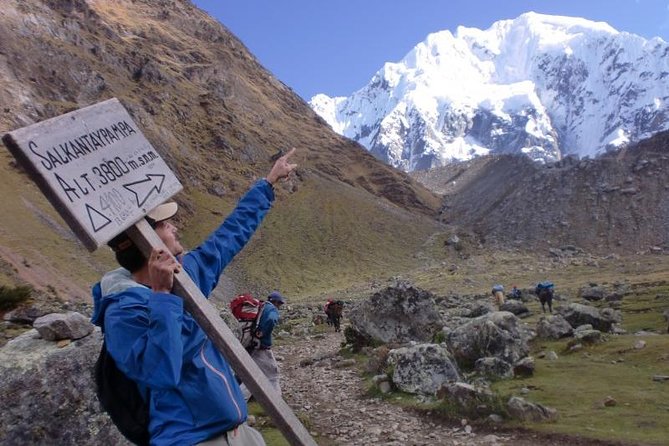
Breakfast is around 6:00am, then you start walking toward the highest point on the trek: the Salkantay pass (4,650m). The climb is about 4 hours, framed between two big mountains—Salkantay on one side and Humantay on the other.
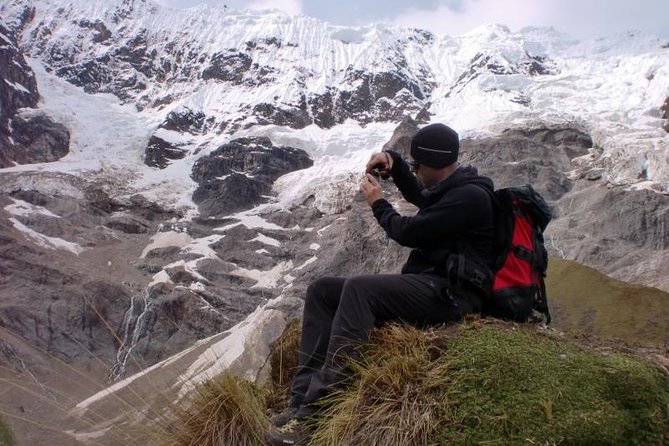
This is the day you’re really traveling for. From the pass, you may spot snow and you get those classic Andean viewpoint lines that are hard to recreate anywhere else. It’s also the day where your breathing and pace matter most.
There’s an optional horse rental (100–120 soles) to help you reach the high pass. If you’re worried about timing or joint strain, it’s good to know this option exists instead of treating the pass as an all-or-nothing challenge.
After the pass, you go downhill for about 2 hours, then lunch is served at Huayracpampa. The rest of the day is another trek of around 3 hours toward camp at Challhuay or Colcapampa, nearer the start of the high jungle area at 2,900m.
What I like about this structure: it’s not just one brutal climb. You get a peak moment, then you get the payoff, then you taper into the next environment. Still, your consideration is obvious: you’re dealing with major altitude changes, so go slow and stay steady.
Day 3: Santa Teresa River crossings, waterfalls, and the march to Aguas Calientes
Day 3 starts at 6:30am breakfast. The trail heads through the upper jungle route, crossing the Santa Teresa River and walking beside smaller brooks. Expect tropical fruit and plants, plus views that feel more lush than the first two days.
There’s a real theme shift here: you’re moving from high Andean cold to something warmer and more varied. The itinerary also builds in breaks that keep the day from feeling endless.
Lunch is at La Playa (2,200m). Then you take a car transfer to Santa Teresa town (1,700m), which is warmer, and from there another car to Hydroelectric Station (about 40 minutes). After that, it’s a walk of about 3 hours to Aguas Calientes.
Once you arrive, you’re not stuck only with views and hunger. Aguas Calientes has internet cafés, cafes with board games and cards, shops, and places to relax, which is a big deal after a long day. There’s also an optional train transfer from Hydroelectric Station to Aguas Calientes for an extra cost if your legs need a break.
That night you get 1-night 3 hotel accommodation in Aguas Calientes, plus included meals. In real terms, this hotel night helps you enjoy Machu Picchu day rather than simply survive it.
Day 4: 5:30am bus timing, a guided Machu Picchu walk, and your return to Cusco
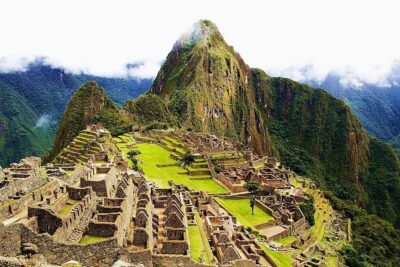
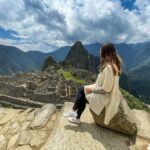
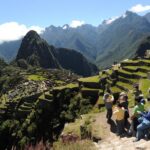
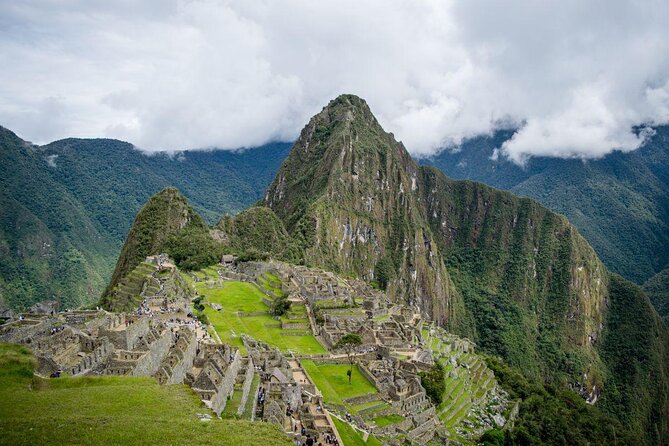
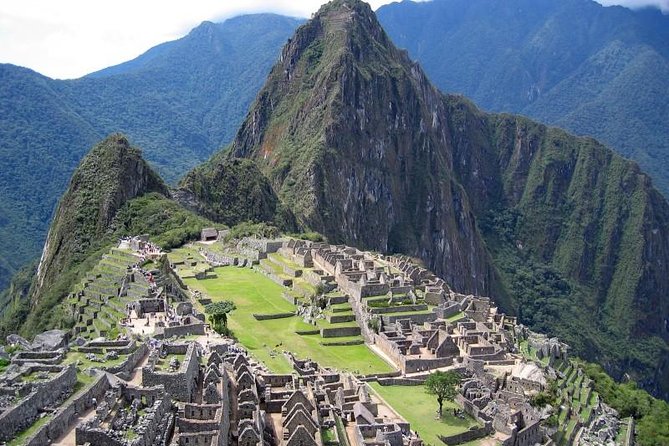
You’ll catch one of the first buses at 5:30am to Machu Picchu so you can experience the site in early light as the mist dissipates. That timing matters because the morning atmosphere is part of the magic, and it also helps you avoid the rush later in the day.
At Machu Picchu, you get a walking tour of about 2 hours with your guide. After that, you can explore on your own. If you still have energy, there’s an add-on: climbing Huayna Picchu (booked in advance, extra cost). The daily limit is 400 people, and you’re told to email directly to request the extra ticket.
When it’s time to leave, you return to Aguas Calientes by bus (every 15 minutes from the entrance), or you can take the walking trail down (about 1 hour) if you’d rather keep moving.
Then comes the end-game logistics: you take the train back to Ollantaytambo, and from there a bus to Cusco. You’ll be dropped off late at Plaza San Francisco, and you’ll need to get to your accommodation on your own once you arrive.
The main trade-off of Day 4: it’s efficient and full. You’ll want to sleep well in Aguas Calientes and keep your energy for Machu Picchu rather than spending it pacing around town.
You can also read our reviews of more tours and experiences in Cusco
Guides, food, and the team behind the scenes (the stuff that makes or breaks it)
This trip isn’t only about scenery. It’s about how the whole machine runs—pace, explanations, meals, and safety.
The guide experience seems consistently strong. Names that have shown up in group experiences include Percy, Francisco, Junior, Cesar, and Chino, and people highlight that the guides speak English well and can answer detailed questions about local geography and Machu Picchu. If you like learning while you walk, this matters more than you might think. It turns photos into understanding.
Food is another real strength. Included meals are described as typical menus, and past experiences call out local Peruvian dishes made by the chef team, including Geraldo and Bennie. Vegetarian meals are available if you request them when booking, so you don’t have to assume you’ll be stuck eating plain sides.
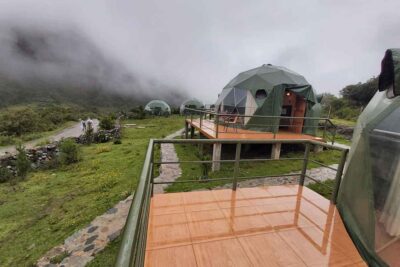
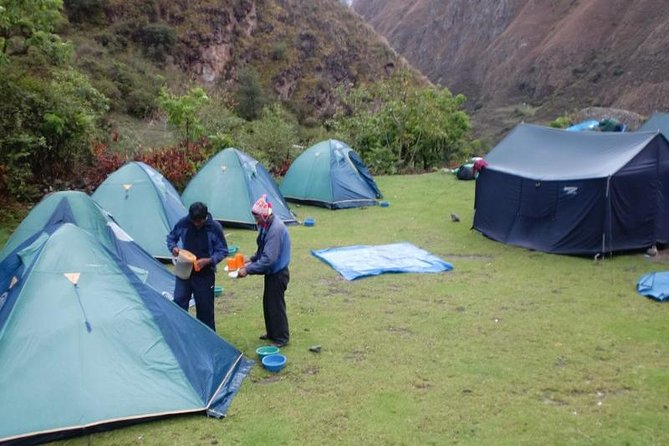
On the logistics side, you’re not on your own in the camp setup. You get camping accommodation with a basic sleeping pad and a tent (shared tenting for singles, private tenting for couples), plus an emergency-oriented setup that includes a first-aid kit and emergency oxygen bottle.
Packing and physical reality: what your body is going to notice
This trek is labeled demanding, and the trip itself gives you clues why: you’ll move between elevations roughly from 4,000 meters down to 2,000 meters, plus you’ll face temperature swings as you change altitude. That means you should dress in layers that you can add or shed quickly.
You’ll also feel the trail weight math. Each trekker is covered by that 7-kilo allowance for personal items and sleep kit, while the kitchen and camping equipment is carried by horsemen and mules. Still, you should be prepared for hiking days where your legs work harder than you expect if you’re not in trekking condition.
The minimum age is 7 years, and you’re required to provide passport details at booking time (full name as on passport, date of birth, nationality, passport number, and expiration date). The trip’s structure expects you to be in good physical condition, and it’s wise to treat “I can do hikes” as a baseline, not the finish line.
Practical tip: since bottled water isn’t included, you’ll want to plan how you’ll handle hydration across the days. Even with snack stops and meals built in, the trail won’t wait for you to figure it out.
Price and value: what $810 covers, and what you should budget next
The listed price is $810 per person for about four days. The value is that you get a lot operationally: van and car transfers to/from key trailheads, camping gear (pad and tent), a 3* hotel night, round-trip tourist bus to Machu Picchu, the tourist train to Ollantaytambo, and the bus to Cusco.
You also get professional bilingual guidance for both the trek and the Machu Picchu portion, plus meals: 3 breakfasts, 3 lunches, 3 dinners, and 2 snacks are included in the package (with day 1 breakfast and day 4 lunch and dinner not included).
Here’s where your budget needs a second look. The data says these are not included:
- Salkantay Trail permit: PEN 133 per person
- Machu Picchu fee: PEN 48 per person
- Huayna Picchu (optional): PEN 200 per person
- Train transfer from Hydroelectric Station to Aguas Calientes (optional): $30 per person
- Sleeping bag rental (optional): $15 per person
Then there are tips, which are optional but customary in Latin America. The guide tip guideline given is 40–60 soles per trekker, assistant guide 30–40 soles, and horsemen/cook amounts are listed for the whole group. If tipping isn’t your style, plan to at least allocate some money for how you want to reward good service.
My take on the value: if you want a guided trek that includes both the hard outdoor days and the Machu Picchu logistics, this pricing is usually fair. The additional fees are common for this kind of trip, so the best move is to treat them as part of the “real total,” not a surprise at the end.
Is this the right Salkantay trek for you?
You should book this Salkantay experience if you want:
- A small-group feel with a guide who explains what you’re seeing
- A trek that includes both camping and a hotel night before Machu Picchu
- Early access to Machu Picchu with a guided walk and time to explore on your own
- A realistic chance to adjust at least one hard moment (optional horse rental for the high pass)
You might think twice if:
- You’re not comfortable with altitude and cold nights
- You dislike early mornings and multi-transport days
- You don’t want to manage extra site fees and optional add-ons
If you can handle a demanding trail and want Machu Picchu as more than a checklist item, this route is one of the most satisfying ways to get there.
FAQ
FAQ
What time does the trek pick you up in Cusco?
Start time is 5:30am, with pick-up in Cusco.
Is the group size small?
Yes. The experience is capped at max 16, with an average group size of 4.
Are vegetarian meals available?
Yes. A vegetarian option is available—you need to advise at booking.
What is the highest altitude on the trek?
The highest point is the Salkantay pass at 4,650m.
Are camping and sleeping gear included?
Yes. During the trek you get camping accommodation, including a basic sleeping pad and a tent (single travelers share a tent; couples get their own).
How do you return from Machu Picchu after the visit?
You can take the bus from the entrance back to Aguas Calientes (every 15 minutes) or walk down the trail (about 1 hour).
Is the price refundable if plans change?
No. The experience is non-refundable and cannot be changed for any reason.