REVIEW · CUSCO
Cusco: 3-Hour Peruvian Cooking Class
Book on GetYourGuide →Operated by ChocoMuseo · Bookable on GetYourGuide
Cusco flavors start in a market. This 3-hour cooking class pairs a guided walk through the Peruvian Central Market with hands-on cooking for a 4-course-style Peruvian menu, so you connect ingredients to the final plate fast. I especially like how the shopping part isn’t just scenic; you get practical context for what you’ll cook.
Two things I like a lot: you’ll learn under expert tuition (not vague instructions), and you end by eating what you made in a relaxed setting. One thing to keep in mind: the main course choice is handled by the first booking, so if you’re hoping for a specific dish, you’ll want to state your preference early.
In This Review
- Key highlights worth marking
- Peruvian Central Market shopping: where your menu starts
- ChocoMuseo in Plaza Regocijo: the setting for an unhurried class
- The menu you’ll cook: ceviche, Lomo Saltado or Ají de Gallina, pisco sour, chocolate fondue
- Vegetarian option note
- How the 3-hour class flows: from market ingredients to your final plate
- Pisco sour lesson: the hands-on part people actually talk about
- Eating the results: a relaxed end with ceviche-to-dessert payoff
- Value for $49: what you get that a normal dinner won’t
- Who should book this cooking class (and who might skip it)
- Practical tips before you go
- Should you book this Cusco class?
- FAQ
- Where does the cooking class meet?
- How long is the class?
- What’s included in the price?
- What dishes and drinks are part of the menu?
- Can I get a non-alcoholic drink instead of pisco sour?
- Is there a vegetarian option?
- What isn’t included?
Key highlights worth marking
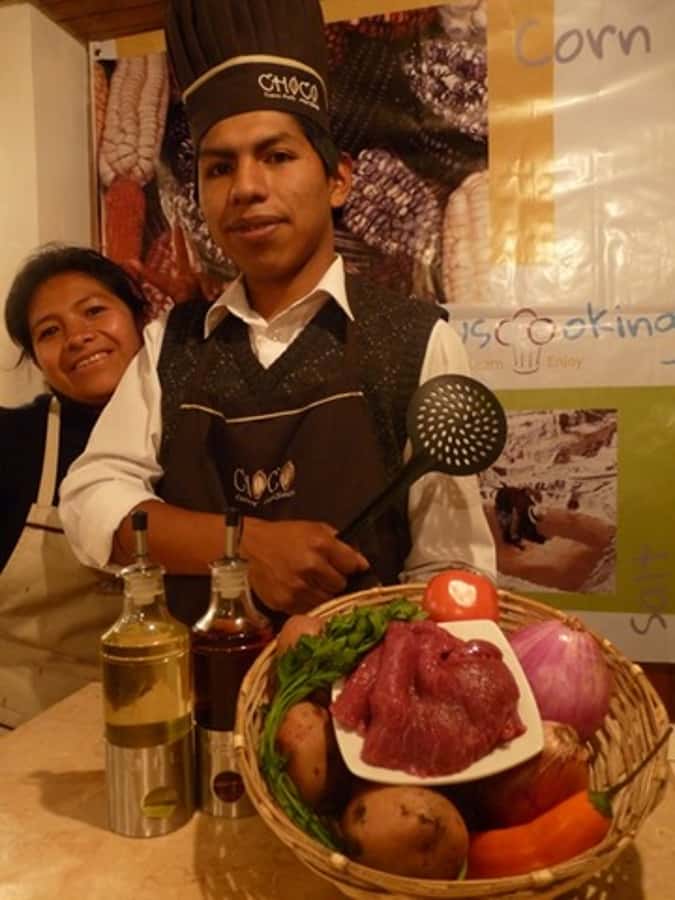
- Peruvian Central Market ingredient hunt with real produce you’ll actually use
- 4-course cooking lesson built around classics like ceviche and a Peruvian main
- Pisco Sour instruction so you learn the method, not just the drink
- Dessert finish: chocolate fondue served with local seasonal fruits
- Small group (max 10), which makes step-by-step help feel personal
Peruvian Central Market shopping: where your menu starts
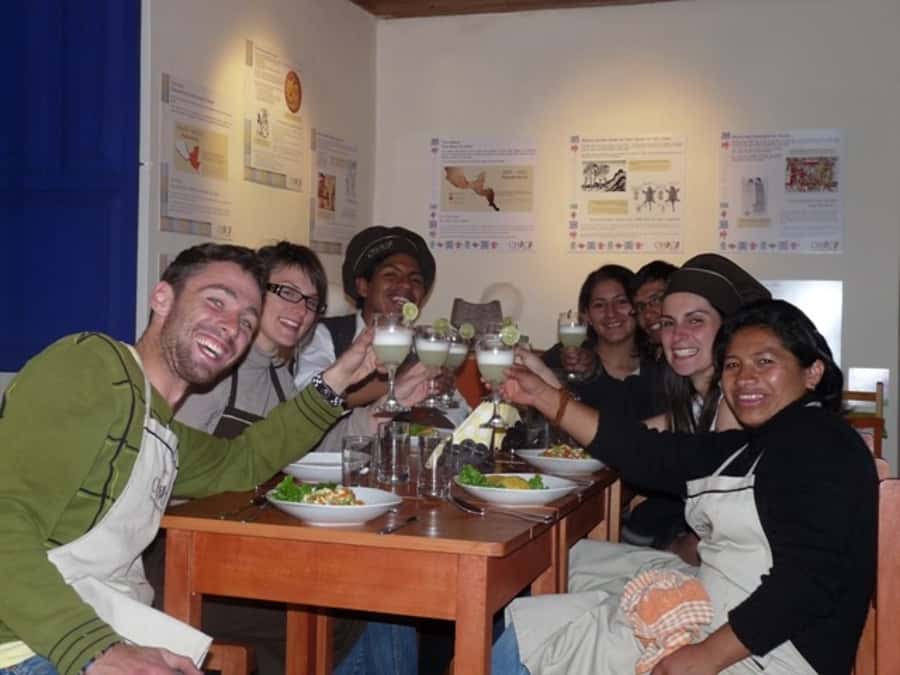
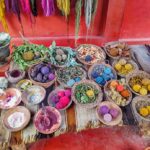
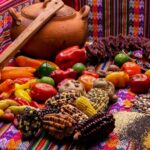
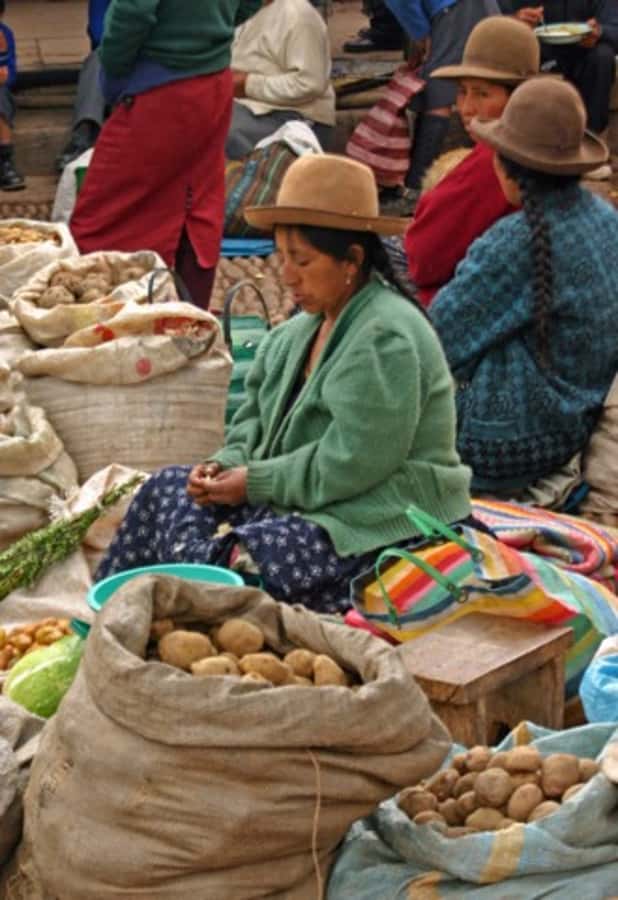
The class starts with a trip to the Peruvian Central Market, and that’s not a throwaway pre-dinner stop. This is where you see the ingredients that make Peruvian cooking work—colorful produce, the everyday staples people actually buy, and the “why” behind flavors you may have only tasted before.
What you take away is simple and useful: you’ll learn how to choose ingredients and understand what they bring to a dish. That matters in Cusco, where you might be used to eating in restaurants that simplify menus. In the market, you get the full raw material story, so later, when you’re chopping, mixing, or seasoning, you’re not guessing.
I also like that the market tour is guided. You’re not left wandering and hoping someone explains the difference between one herb and another. Instead, you get facts about ingredients and their role in local cooking, which helps the recipes stick after the class.
One helpful note: if you care about your main dish, tell the team your preferred option ahead of time. The operator notes that the first participant booking decides whether the group makes Lomo Saltado or Ají de Gallina, so your early choice is your best shot.
You can also read our reviews of more cooking classes in Cusco
ChocoMuseo in Plaza Regocijo: the setting for an unhurried class
The cooking happens at ChocoMuseo, right on the corner of Plaza Regocijo. Look for the green and orange flags hanging from the balconies. It’s a spot that makes it easy to meet up without getting lost for long.
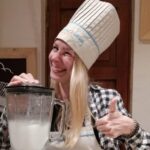
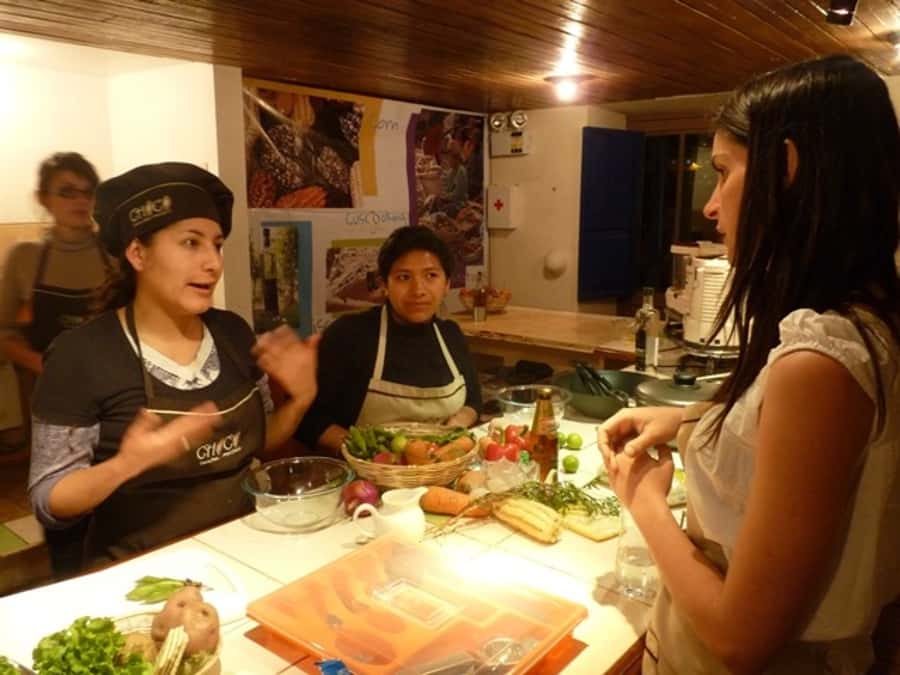
Inside, the experience has the feel of a proper teaching kitchen rather than a quick demo. The group size is limited to 10, so you’re not fighting for attention. That small cap also helps with pacing—three hours moves quickly, but you’re more likely to get answers when you need them.
From what I’ve seen in past class experiences, instructors often run the session in a clear, step-by-step way. People mention getting guidance while selecting ingredients, preparing dishes, and even plating. One group specifically noted learning handy knife skills, which is exactly what you want from a short class: practical technique you can reuse at home.
And yes, it’s still fun. People have described the vibe as warm, laughing and cooking at the same time. That matters in Cusco too, because after a day of walking and altitude-adjusted patience, you don’t want a stiff, show-only experience.
The menu you’ll cook: ceviche, Lomo Saltado or Ají de Gallina, pisco sour, chocolate fondue
Here’s the core menu plan. You’ll cook it as a structured class, then you’ll sit down and eat.
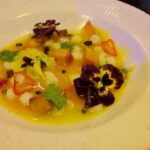
Starter: ceviche
Ceviche is the opener, so you start with something bright and tied to Peruvian coastal flavors. Even if you’ve eaten ceviche in Cusco before, this is different because you’re making it with the class ingredients in a guided environment.
Main: pick between two classics
- Lomo Saltado (sautéed beef)
- Ají de Gallina (chicken in yellow pepper sauce)
The first participant booked determines which one the group cooks, so your preference request is worth sending early. Either way, both dishes are signature comfort-food moves—one aromatic and stir-fried, the other creamy and pepper-forward.
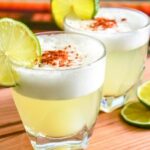
Drink: Pisco Sour (with instruction)
You’ll learn how to prepare the famous pisco sour. This is one of the biggest reasons the class feels worth the price: you’re not just tasting. You’re learning the balance well enough to recreate it later.
You can also request a swap: the pisco sour might be replaced with a fresh fruit juice. If you’re cooking with friends and one person prefers non-alcoholic, that flexibility helps.
Dessert: chocolate fondue with seasonal fruits
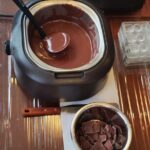
At the end, you taste what you made: chocolate fondue paired with local seasonal fruits. This is a smart finish for Cusco, because it shifts away from heavy savory flavors and ends on something you’ll remember.
Vegetarian option note
The class also supports requests to replace meat with vegetarian options. If you need this, it’s best to ask in advance so the team can plan your menu without scrambling. (Short classes are tight by design.)
How the 3-hour class flows: from market ingredients to your final plate
In three hours, you’ll move through two distinct modes: shopping and cooking.
First, you visit the market. The goal isn’t to collect trinkets or take long photo breaks. It’s to gather ingredients tied to the specific menu you’ll cook. That’s why the cooking portion later feels easier: you already handled the raw items and learned what they’re for.
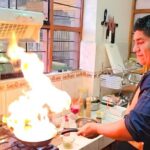
Then you head back to ChocoMuseo for the cooking phase. The lesson is guided, and people consistently describe instructors walking through the steps clearly. One past experience highlighted an instructor named Miguel teaching everything from ingredient choices to preparation and plating, with cultural food facts along the way. Another class mentioned chef Yil leading the group through the process, including both market context and fruit tasting.
In practical terms, expect a rhythm like this:
- You prep and cook the starter (ceviche)
- You tackle the main dish (either lomo saltado or ají de gallina)
- You make the pisco sour
- You finish with chocolate fondue and local fruits
Because it’s a group class, you’re not doing everything at once, but you are doing enough that your meal feels personal, not scripted.
One small caution comes up in at least one past experience: if components are prepared earlier for timing, sides like rice and potatoes might come out cooler than you’d expect. That doesn’t mean the flavors are ruined. It just means you should treat the meal like a social, home-cooked style plate where hotness can vary slightly. If that’s a dealbreaker for you, eat soon after it’s served and don’t assume every element will be steaming.
You can also read our reviews of more tours and experiences in Cusco


Pisco sour lesson: the hands-on part people actually talk about
If there’s a single moment that turns this class into a highlight, it’s the pisco sour instruction. The drink is iconic in Peru, but many people only ever order it. Here, you’ll learn how to make it, which changes how you taste it afterward.
You’ll also likely get context for the ingredients and the culture around pisco. Past participants have specifically praised the way instructors explained origins and ingredient stories while teaching. That pairing—method plus meaning—makes it easier to remember what to do at home.
And if you’re not drinking alcohol, you’re not stuck. The operator notes that the pisco sour might be swapped for fresh fruit juice upon request. That’s a practical option for mixed groups.
Eating the results: a relaxed end with ceviche-to-dessert payoff
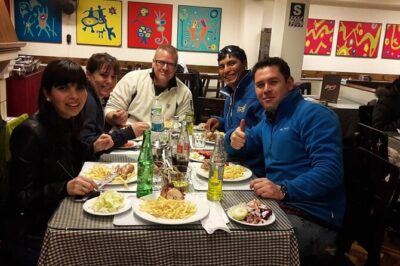
The class ends with you sitting down to eat what you cooked. The menu culminates in chocolate fondue with local seasonal fruit, which is a satisfying close after savory cooking and drink-making.
I like this structure because it keeps the lesson from feeling like homework. You don’t just go through motions and then scramble for dinner later. You leave with a full meal experience—starter plus main plus dessert—plus the pisco sour (or fruit juice alternative).
There’s also a social side here. Since the group is capped at 10, people can chat without shouting. Past experiences have mentioned laughing and cooking together, which is exactly the kind of atmosphere that makes a short class enjoyable even if your Spanish is limited.
If you’re picky about meal timing and serving temperatures, just stay flexible. As noted, some batches can come out with varying temps depending on how the kitchen runs behind the scenes. Focus on the overall plate and flavors rather than expecting restaurant-perfect hotness on every element.
Value for $49: what you get that a normal dinner won’t
At $49 per person for a 3-hour class, the value isn’t just the food. It’s the combination of three things you usually pay separately for in Cusco:
- a guided ingredient-focused market visit
- coached cooking for multiple dishes
- a seated meal that includes the drink and dessert
You also get water and the cooking supplies included. That might sound basic, but it matters when you’re comparing classes that quietly charge extra for ingredients, equipment, or drinks.
Also, wine isn’t included (though it’s available for purchase), so you’re not paying a class price inflated by alcohol. You’re paying for the instruction, the market guidance, and the meal you make.
If you’re coming to Cusco specifically to experience more than viewpoints and walking streets, this is a smart use of time. It gives you skills and flavors you can bring home.
And because the class is in English or Spanish, it’s easier to participate without needing perfection. One of the best “value signals” in a class like this is when instructions are easy to follow and you still end up with a satisfying meal.
Who should book this cooking class (and who might skip it)
You’ll probably love it if:
- You enjoy cooking and want technique, not just a recipe card
- You like food experiences that connect market ingredients to the final dishes
- You want a small-group evening instead of a big tour shuffle
- You’re curious about Peruvian staples like ceviche, pisco sour, and yellow pepper sauces
It may be less ideal if:
- You only want to taste without getting involved in hands-on cooking
- You’re very temperature-sensitive about sides on a plated meal
- You need a fully customized menu with no trade-offs (the main dish is determined by the first booking, though vegetarian and drink swaps can be requested)
Language-wise, the instructor supports Spanish and English, which makes it broadly workable for international visitors.
Practical tips before you go
A few choices can make this class go smoother:
- Send your main dish preference early (Lomo Saltado vs Ají de Gallina). The group decision is made by the first booking, so you’re competing only with timing, not with your enthusiasm.
- Request vegetarian or fruit-juice swaps in advance if you need them. The option exists, but short classes run on planning.
- Plan to arrive on time at ChocoMuseo by Plaza Regocijo and look for the green and orange flags.
- Wear shoes you’re comfortable in. You’ll do market walking and then stand while cooking.
If you’re the type who likes taking notes, bring a phone for photos and keep a simple mental list: what flavors you tasted at the market, what changed during cooking, and how the final plating looked.
Should you book this Cusco class?
If you want an authentic Cusco food experience that’s hands-on and guided, I’d book it. The market start gives the lesson real grounding, and the menu is classic Peruvian—ceviche, a signature main dish, pisco sour, and chocolate fondue with seasonal fruits.
The only real reason not to is if you strongly need a specific main dish and can’t be flexible. Because the first booking selects Lomo Saltado vs Ají de Gallina, your plan should be “I’ll cook the group choice,” with your preference noted early.
If you’re traveling with a mixed group, the class’s ability to swap pisco for juice and adjust meat with vegetarian options makes it easier to include everyone.
FAQ
Where does the cooking class meet?
The class takes place inside ChocoMuseo, on the corner of Plaza Regocijo. Look for the green and orange flags hanging from the balconies.
How long is the class?
It lasts 3 hours.
What’s included in the price?
Included items are the guided market tour, ingredients for the menu, instructed cooking class, water, cooking supplies, and a dinner that includes 3-course meal components plus a pisco sour.
What dishes and drinks are part of the menu?
The plan includes ceviche as the starter, then either Lomo Saltado or Ají de Gallina as the main (based on group selection), plus a pisco sour. Dessert is chocolate fondue with local seasonal fruits.
Can I get a non-alcoholic drink instead of pisco sour?
Yes. Upon request, the pisco sour might be swapped with a fresh fruit juice.
Is there a vegetarian option?
Yes. Upon request, the meat can be replaced by vegetarian options.
What isn’t included?
Wine is available for purchase, but it’s not included. Gratuity and other alcoholic beverages are also not included.