REVIEW · INCA TRAIL TO MACHU PICCHU
From Cusco: Machu Picchu 2-Day Inca Trail
Book on GetYourGuide →Operated by Peru Andes Top · Bookable on GetYourGuide
Two days can still feel like a lifetime in the Andes. This 2-day Inca Trail links Cusco and Machu Picchu with a real hike, Inca-era ruins, and the big reveal at Inti Punku.
What I really like is the mix of hiking plus structure: you get a guide, entry tickets handled, and transport lined up so you can focus on breath and steps. I also like that you start by walking an ancient stretch toward Wiñay Wayna, then you reach Machu Picchu through a sequence of places that make sense in one trip, not just a drive-and-snap.
One consideration: this is still a serious walk at altitude, and the timing is packed. If you’re not used to uphill days, you may feel the effort more than you expect.
In This Review
- Key things to know before you go
- Cusco to Machu Picchu, the route with real legs
- Day 1: hotel pickup, Sacred Valley train time, and the Wiñay Wayna approach
- The Wiñay Wayna hike: plants, altitude, and Inca daily-life context
- Box lunch, terraces, and Inti Punku’s first Machu Picchu reveal
- Inti Punku: why the timing feels different
- Overnight in Aguas Calientes: easy logistics, good prep
- Day 2: bus up to the canyon view, then guided Machu Picchu
- The guided tour: more than photos
- Return to Cusco: train back through Ollantaytambo
- Transfers, train, bus, and the small-group advantage
- Price and logistics value: what $653 covers
- Difficulty level: plan for uphill, not just sightseeing
- What to pack (and what not to bring) for a smooth hike
- Optional mountain tickets: Huayna Picchu and Machu Picchu Mountain
- Should you book the 2-day Inca Trail from Cusco?
- FAQ
- How long is the Cusco to Machu Picchu 2-Day Inca Trail?
- Where do you get picked up in Cusco?
- What’s included for meals and overnight stay?
- What transport is included between Cusco, the trail area, and Machu Picchu?
- Is there an official guide, and what languages are available?
- How difficult is this trek?
- What tickets are included for Machu Picchu and the Inca Trail?
- If I cancel, is it refundable?
Key things to know before you go
- Small group (max 13) keeps the pace human, especially on steep sections
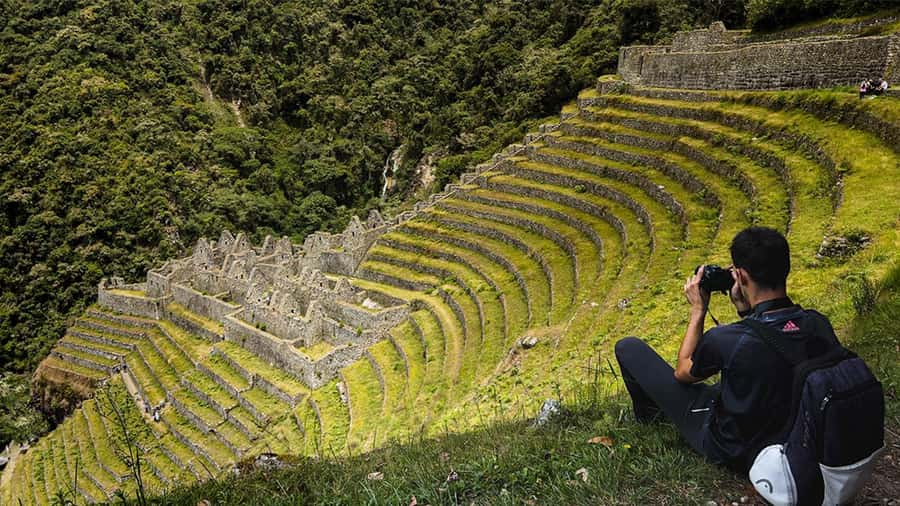
- Wiñay Wayna hike of about 3 hours sets the tone with endemic plants and Inca-used paths
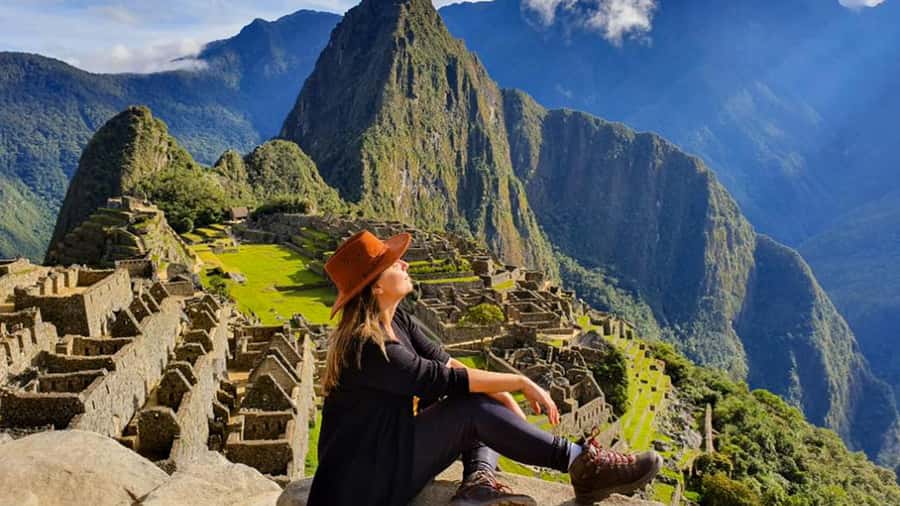
- Inti Punku (Inca Gate of the Sun) delivers the first major views of Machu Picchu
- Aguas Calientes overnight means you’ll eat dinner in town and reset before Machu Picchu day
- Machu Picchu guided tour + train back saves you from logistics stress
- Huayna Picchu/Machu Picchu Mountain are not included and need separate availability
Cusco to Machu Picchu, the route with real legs
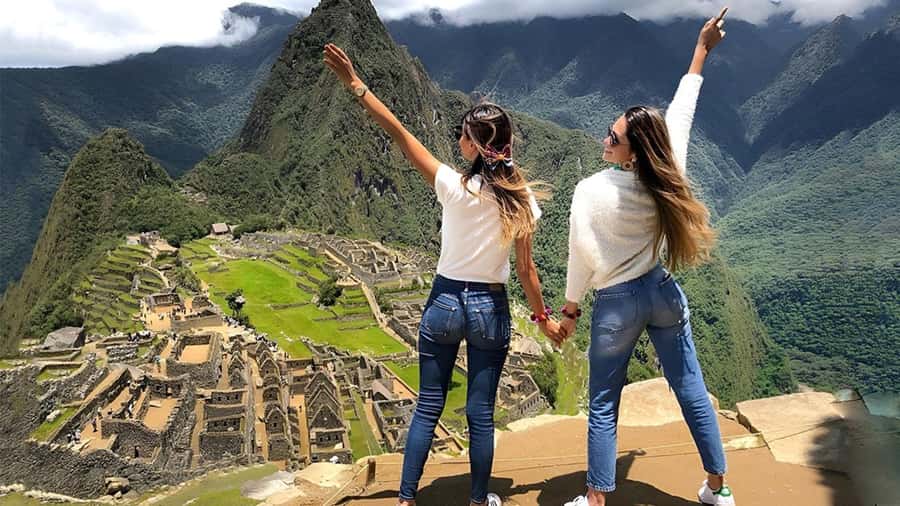
If your main goal is Machu Picchu, this trip is still much more than a visit. You’ll earn the arrival with a climb through older paths of the Andes—then you’re guided into Machu Picchu itself, with time built in for lunch after the tour.
I like that you’re not thrown into chaos in Cusco. Pickup happens for hotels in the historic center, and the group moves together with the guide managing the key steps: train boarding, entry procedures, and the on-the-ground timing for buses and guided moments.
The “2 days” format also has a smart rhythm: you hike first, settle into Aguas Calientes, then you come back up the canyon route for your Machu Picchu day. It’s a balance between adventure and staying sane.
Day 1: hotel pickup, Sacred Valley train time, and the Wiñay Wayna approach
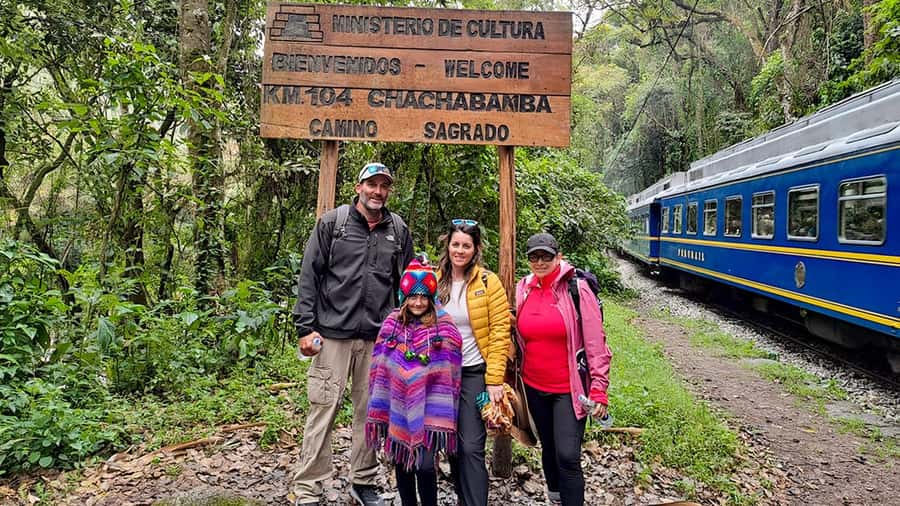
You start in Cusco with a pre-departure briefing the day before, then on day 1 you’ll be picked up from your hotel (historic center hotels/establishments). The instruction is simple: wait in the lobby about 10 minutes before pickup.
From Cusco, you head to the train station in Ollantaytambo. This is a nice transition moment because you’ll see the Sacred Valley scenery while moving to the trailhead. When you arrive at the station, you’ll have a chance to handle essentials like using the toilets before the train.
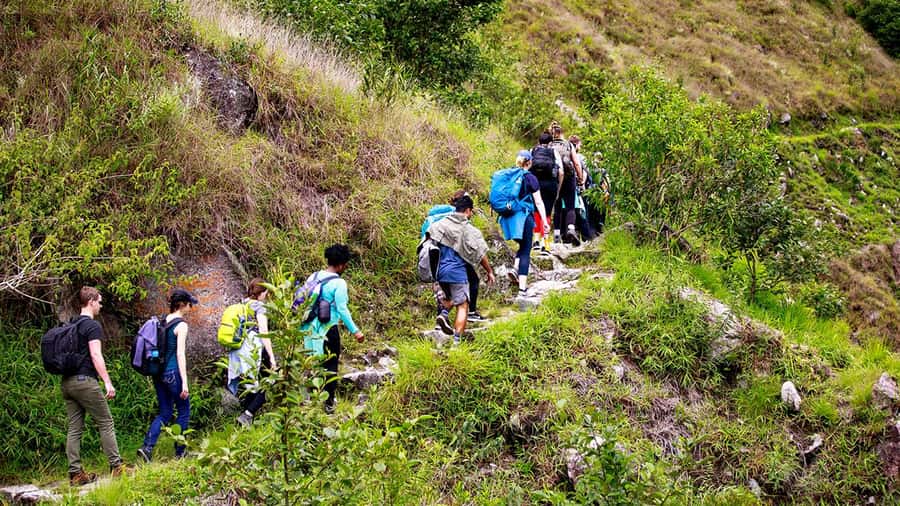
Then you board the train to the starting point of the hike. This is where the day becomes physical. The walk to Wiñay Wayna takes around 3 hours, guided and purposeful, with the advantage that your guide takes care of procedures to begin the trek.
The Wiñay Wayna hike: plants, altitude, and Inca daily-life context
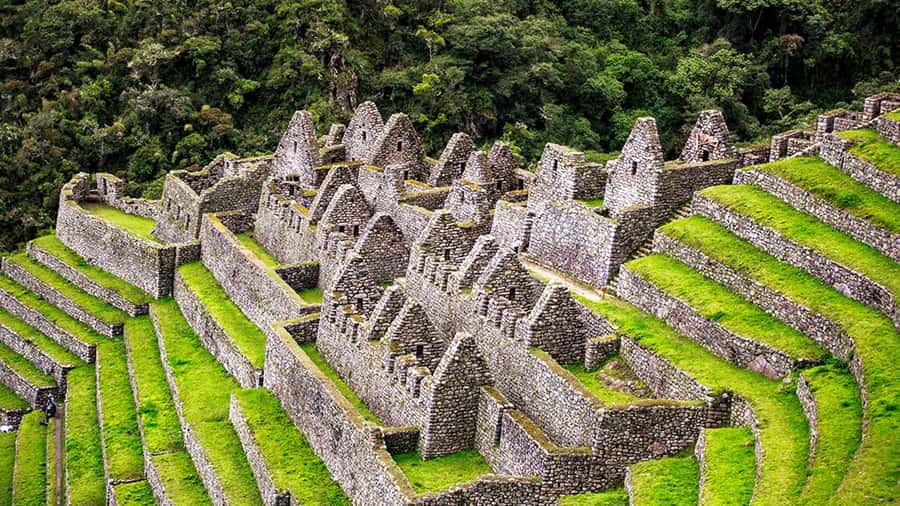
On the trail, you’ll appreciate the endemic flora and micro-environments along the way. You’re also walking part of a route that the Incas used in daily movement, so it doesn’t feel like a modern “tourist trail” only.
What you should plan for: uphill effort. One traveler described it as a hike of about 7 hours overall and “much uphill.” Your exact day timing can vary with group flow and pacing, but either way, this is not a stroll.
If altitude makes you cautious, don’t panic. You’ll have a guide and group setting, and there’s room to rest and absorb the views. Just don’t try to race the day.
Box lunch, terraces, and Inti Punku’s first Machu Picchu reveal
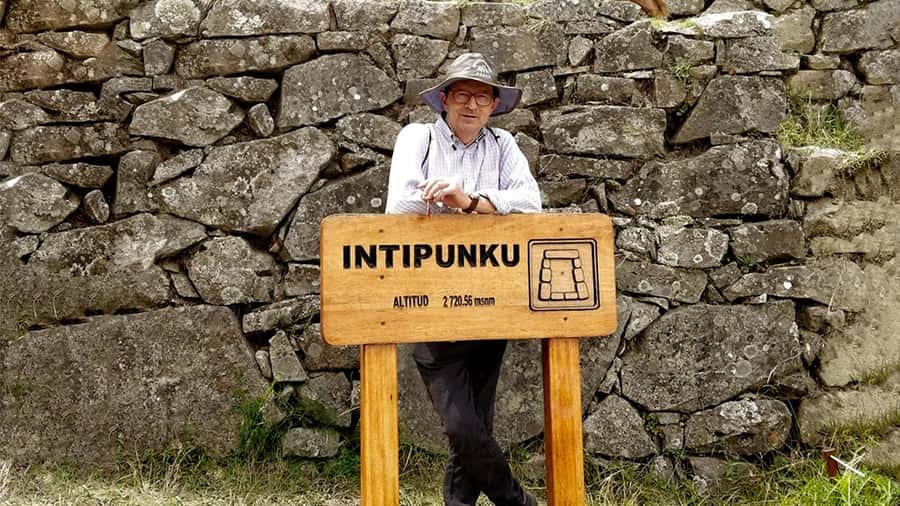
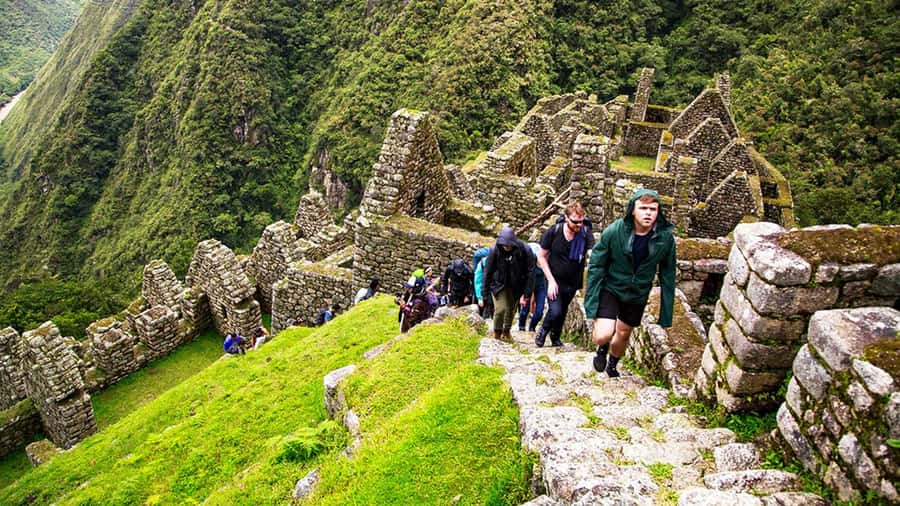
After the hike, you get a box lunch. Then the day continues with exploration at the archaeological area—houses and terraces—followed by a visit to Inti Punku, also called the Inca Gate of the Sun.
This is the first time Machu Picchu is presented in a meaningful way. Instead of seeing it immediately from a distance, you reach a point that frames the view and gives you a reason to understand what you’re looking at. It feels like the “coming into view” moment the Incas were building toward.
From Inti Punku, the day turns practical: you take the bus down/up to Aguas Calientes (the town at the base area). Your guide takes you to your standard hotel for the night. Dinner is served at a restaurant in town, and the guide will give instructions for day 2.
Inti Punku: why the timing feels different
Inti Punku matters because it changes your perspective. You’re not just arriving at a famous place—you’re being brought toward it after a day of walking.
This is also where a great guide can raise the whole experience. In the reviews, guides like Lenin and Raoul came up repeatedly for their approach to pacing and explanations. One traveler credited Raoul with adjusting speed when the group needed it and giving space for slower walkers to go ahead at their own pace.
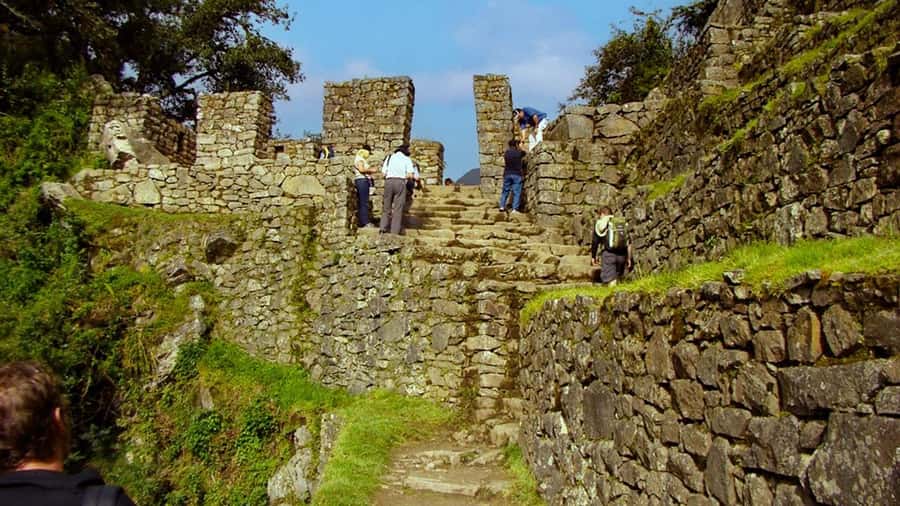
For you, that means this moment is more than a view stop. It’s a turning point where the architecture and terrain start to click—staircases, ceremonial enclosures, and terraces that seem to belong to the mountain rather than sit on it.
Overnight in Aguas Calientes: easy logistics, good prep
The hotel in Aguas Calientes is included as part of the package, which is a big deal when you’re trying to keep the trip smooth. After dinner, you’ll be ready for the next day without scrambling for transport or ticket timing.
The town is where you’ll likely feel the “Machu Picchu week” buzz. Keep your plan simple:
- Get enough rest so your morning climb feels manageable
- Eat dinner without going too heavy (altitude days can make you feel slow if you overdo it)
- Keep your daypack ready so you’re not hunting for things in the morning
You’re also traveling with a rule about luggage: no large bags or luggage. If you’re used to bringing everything “just in case,” this is the time to pack like a hiker, not like a weekend traveler.
Day 2: bus up to the canyon view, then guided Machu Picchu
After breakfast, the guide picks you up to go to the bus that ascends an intricate route. This climb is where you’ll see the Urubamba River shaping the canyon, and it gives you scale for the terrain you’ll soon be stepping across.
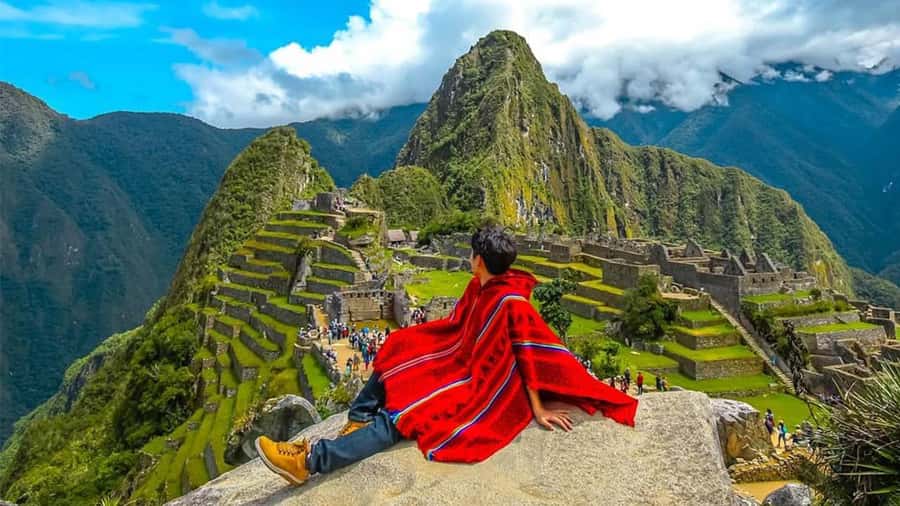
Then you enter Machu Picchu and the complex lands in front of you: terraces, staircases, ceremonial areas, and urban sectors that seem to pull the eye in different directions.
The guided tour: more than photos
You’ll get a guided tour first, and this is where the value shows. A guided route helps you understand what you’re seeing so you don’t just collect angles. You learn to connect architectural remains to the natural shape of the place—how the site fits the mountain rather than fights it.
You also get something important: time structure. You’ll receive a guided tour, then you’ll have time to have lunch on your own at a restaurant in the area.
Return to Cusco: train back through Ollantaytambo
After lunch and your scheduled time, you return by train to Ollantaytambo. On arrival, transportation will wait to take you back to your Cusco hotel. That’s the kind of smooth ending that helps you actually enjoy the last hours, not stress about how to get back.
Transfers, train, bus, and the small-group advantage
This is a package, but it doesn’t feel like an assembly line. A small group limited to 13 participants makes a difference on a trail and in a crowded monument area. Your guide can manage the group better, and you’re less likely to get separated too far from the main flow.
Your guide is also a real part of the experience. Reviews highlight guide Lenin for being attentive and responsive to needs, and Raoul for adjusting pacing and staying flexible when some people were slower. If you prefer learning plus a calm pace, this kind of guiding tends to fit.
Languages are also covered: the guide can work in Spanish, English, Portuguese, Italian, or French. That matters because clear explanations on Inca sites make the difference between seeing ruins and understanding them.
Price and logistics value: what $653 covers
At $653 per person, the big question is whether you’re paying for convenience or for the real experience. In this case, the price is tied to many included costs, which is why it can feel fair when you compare alternatives.
Included items are substantial:
- Transfers between Cusco and Ollantaytambo
- Train tickets (tourist class or panoramic)
- Bus tickets related to the Machu Picchu area on day 1 and day 2
- Accommodation in Aguas Calientes (standard hotel)
- Official guide plus first aid box
- Entry tickets to the Inca Trail and Machu Picchu
- Meals: box lunch day 1 and dinner (day 2 lunch is on your own)
- Pre-departure briefing
What’s not included is important:
- Lunch after the guided Machu Picchu portion (you’ll buy it)
- Huayna Picchu or Machu Picchu Mountain entries
So if your plan is “I want Machu Picchu plus the hike experience with tickets and transport handled,” this package reduces a lot of stress. If, however, you’re the type who wants full freedom to design timing daily, you might feel boxed in. Most people who book this want the organized flow, and that’s exactly what you get.
Difficulty level: plan for uphill, not just sightseeing
This trek is not for everyone. The tour is listed as not suitable for pregnant women, people with mobility impairments, and children under 8.
Also, climbing and altitude matter. One note is especially practical: adding a hike to Machu Picchu Mountain or Huayna Picchu Mountain is described as medium-high difficulty. If you’re considering those, be in good physical condition. Even without those additions, expect a day that challenges your legs.
In one review, someone said altitude wasn’t a problem for them compared with other hikes they’d done. That’s encouraging, but don’t treat it as a guarantee. Your fitness, acclimatization, and hydration still matter.
If you’re unsure, don’t assume you can “push through” fatigue. Take your own pace and let your guide manage group speed.
What to pack (and what not to bring) for a smooth hike
You’ll want a daypack for the essentials. The trip also asks for:
- Travel insurance
- Toiletries
- Passport or ID card (you’ll need it for ticketing/confirmation)
One real-world constraint: no luggage or large bags. That affects how you organize your gear. Pack light enough that carrying doesn’t become your main activity.
Documentation is also not optional. To confirm the reservation, you must provide passport information for each participant. If passport data changes, you need to present both documents because confirmation ties to the document used.
Optional mountain tickets: Huayna Picchu and Machu Picchu Mountain
This tour includes entry to Machu Picchu, but not the extra mountain options.
If you want Huayna Picchu Mountain or Machu Picchu Mountain, you’ll need separate entry, and availability is limited. When you book, check what’s still open for your dates.
Also remember: those extra hikes add difficulty. They’re not just optional photos; they’re a real commitment of time and stamina.
Should you book the 2-day Inca Trail from Cusco?
I’d book this if you want:
- A guided, small-group hike with real context (Wiñay Wayna and Inti Punku)
- Machu Picchu handled end-to-end (tickets, train, buses, and guided tour)
- Less logistics stress and more time living the day
I’d think twice if you:
- Struggle with uphill hikes or aren’t comfortable with altitude exertion
- Need a very flexible schedule you control minute-to-minute
- Are counting on adding Huayna Picchu/Machu Picchu Mountain without checking availability early
One last practical tip: be ready for the pre-departure briefing to be the day before. It’s part of how the trip stays organized, and it helps you avoid scrambling for details right when you arrive in Peru.
FAQ
How long is the Cusco to Machu Picchu 2-Day Inca Trail?
The experience is listed as 2 days. The exact starting times depend on availability.
Where do you get picked up in Cusco?
Pickup is included for hotels or establishments within the historic center of Cusco. You should wait in the hotel lobby about 10 minutes before the scheduled pickup time.
What’s included for meals and overnight stay?
You’ll stay in a standard hotel in Aguas Calientes for the night. Day 1 includes a box lunch and dinner, and lunch on day 2 after the guided tour is not included.
What transport is included between Cusco, the trail area, and Machu Picchu?
You’ll use included transfers between Cusco and Ollantaytambo, a train to the starting point of the walk, bus tickets related to the Machu Picchu area on day 1, and a round-trip bus ticket on day 2, plus the train return to Ollantaytambo.
Is there an official guide, and what languages are available?
Yes, there is a live tour guide. Languages offered include Spanish, English, Portuguese, Italian, and French. The group is limited to 13 participants.
How difficult is this trek?
The trek includes uphill walking. The activity is not suitable for pregnant women, people with mobility impairments, and children under 8. If you choose to add Machu Picchu Mountain or Huayna Picchu, the difficulty is described as medium-high, so you should be in good physical condition.
What tickets are included for Machu Picchu and the Inca Trail?
Entry tickets to the Inca Trail and Machu Picchu are included. Entry to Huayna Picchu Mountain or Machu Picchu Mountain is not included.
If I cancel, is it refundable?
This activity is listed as non-refundable.