REVIEW · CUSCO
From Cuzco: Sacred Valley, Moray Terraces, and Salt Mines
Book on GetYourGuide →Operated by MPTC GETS · Bookable on GetYourGuide
Moray’s terraces feel like science, not myth. I love the chance to figure out how the Incas built circular terraces to grow crops, and then follow it with Maras salt mining, where the Andes turns into a working salt map. One thing to plan for: it’s a long day of driving and walking, so comfortable shoes and patience pay off.
This tour is built for people who want real engineering and real Inca-era places without needing to stitch together a bunch of buses yourself. You’ll get a bilingual guide moving you along the Urubamba Valley, and if you choose the full-day option, you’re also lined up for lunch in Urubamba with more than 30 typical dishes.
The main caution is logistics. Pickup timing can be later than advertised, and the ride is in shared transportation, so if you’re sensitive to bumpy roads, plan to settle in and stay flexible.
In This Review
- Key points to know before you go
- Moray Terraces and Maras Salt Mines: the smartest Sacred Valley engineering stop
- Sacred Valley route options: half-day focus or full-day Inca sweep
- Option 1: half-day Urubamba Valley with Moray and salt flats
- Option 2: classic loop with Chinchero, Moray, Maras, Urubamba lunch, Ollantaytambo, and Pisac
- Option 3: flexible Moray and salt mines with agreed stops
- Chinchero and Urubamba lunch: the stops that make the day feel like Peru, not just ruins
- Chinchero: Inca wall and royal hacienda context
- Urubamba: lunch with lots of choices
- Ollantaytambo and Pisac: two very different ways to read the Sacred Valley
- Ollantaytambo: defensive, religious, and daily life all at once
- Pisac: platforms on slopes with a mountain-top feel
- Price and logistics: what your $25 covers (and what it doesn’t)
- Timing, energy level, and the shared-van reality check
- What to bring, plus the simple rules that keep the day smooth
- Who should book this Cusco day trip (and who should choose something else)?
- Should you book this tour?
- FAQ
- Do I need to buy tickets for Moray and Maras?
- Is food included?
- What’s included in the price?
- What time is pickup?
- How long is the tour?
- What languages does the guide speak?
- Where will I be dropped off in Cusco?
- What should I bring?
- Is this tour suitable for everyone?
Key points to know before you go
- Moray Terraces: a circular farming experiment you’ll actually be able to picture after the guided visit
- Maras Salt Mines: guided time to understand why these salt wells matter
- Flexible route options: half-day focus or full-day Sacred Valley loop
- Urubamba lunch with many dishes: included on the all-day version
- Good photo breaks: scheduled time at Moray and Maras for pictures and breathing room
Moray Terraces and Maras Salt Mines: the smartest Sacred Valley engineering stop
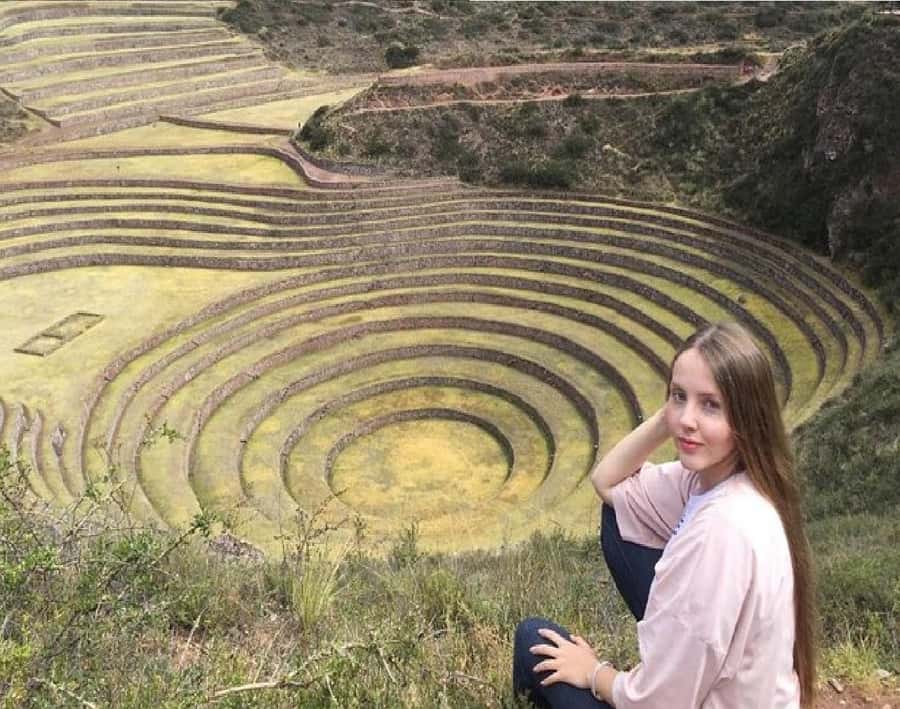
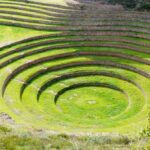
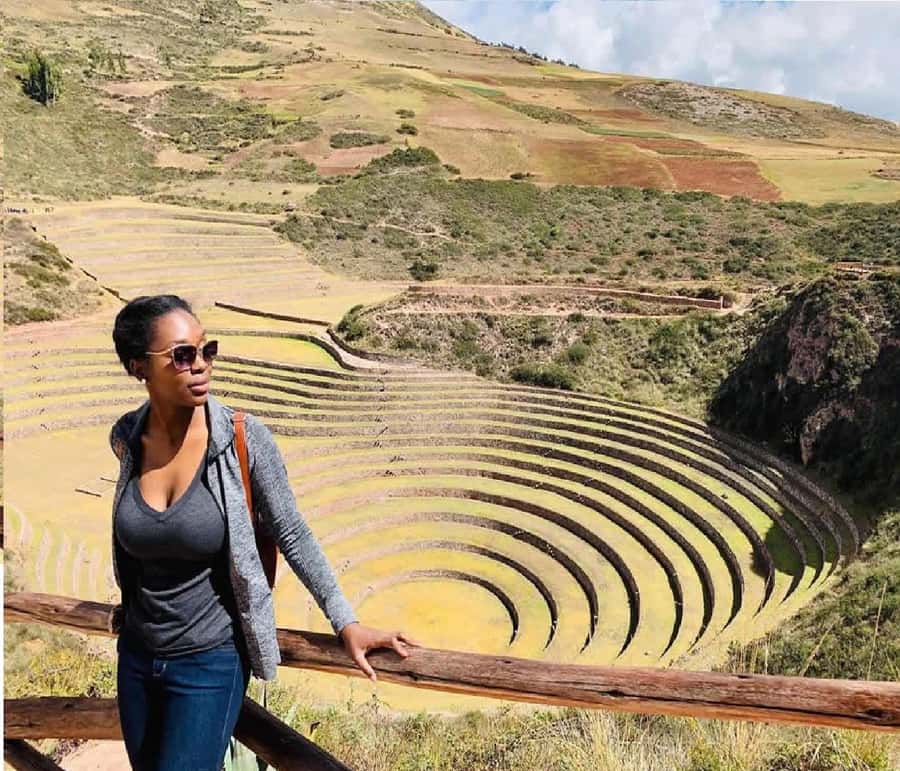
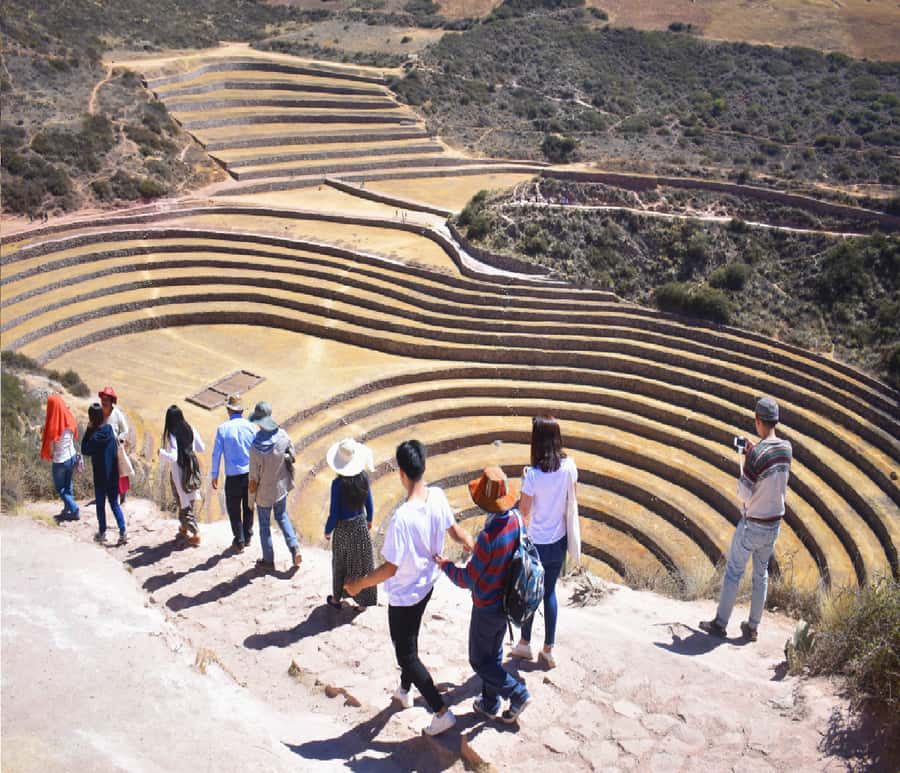
If you like places where you can read the logic of a culture in the landscape, Moray is where the tour starts to feel personal. The terraces are circular, stepped farming platforms, and they’re not just pretty ruins. The whole point is how the Incas controlled micro-conditions across different levels so crops could do better in the Andes.
On this route, you’ll get a guided explanation, then time to look around. There’s a built-in rhythm: photo stop, guided visit, and about 50 minutes of free time at Moray. That matters because Moray works best when you can pause and connect what your guide told you with what you’re seeing. You’re trying to understand a system, not just take a quick picture.
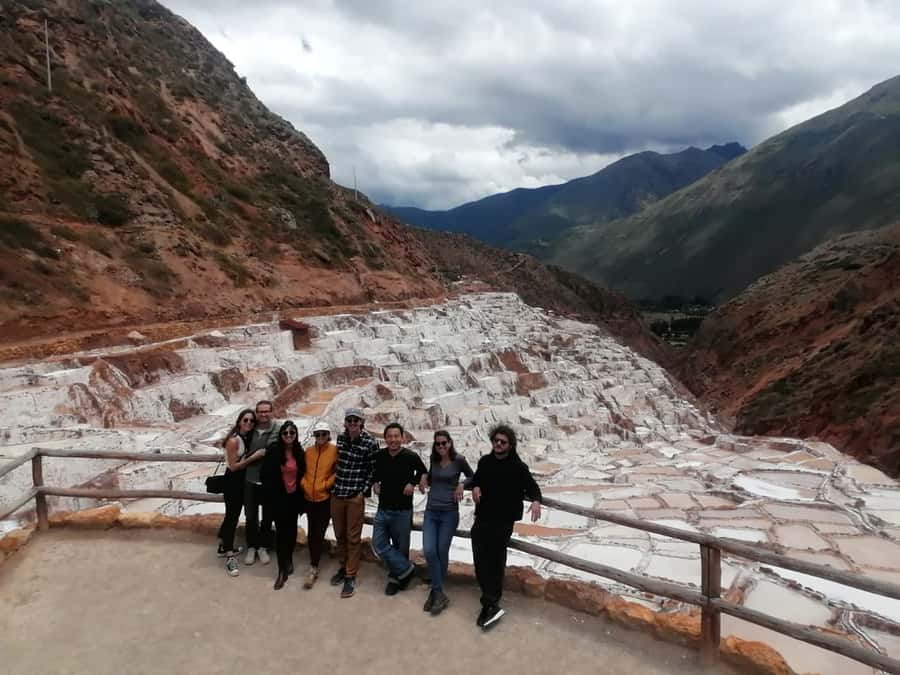
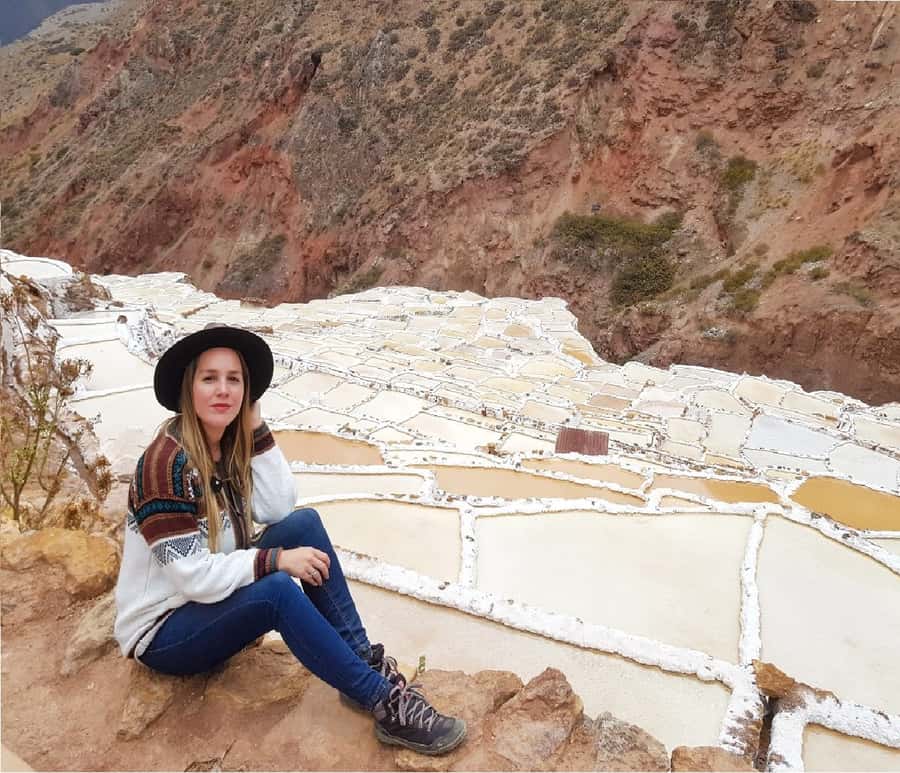
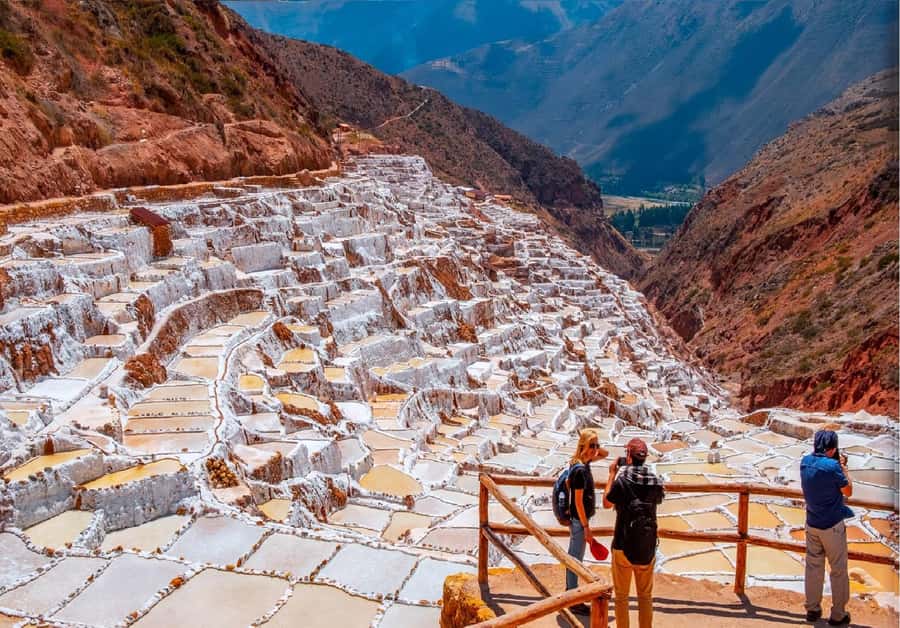
Then you head to Maras, where the emphasis shifts from farming to extraction. The salt pools and wells are small-scale and active, and the guided portion helps you understand why this area has been mined for a long time. You’ll get another structured moment—photo stop and guided visit—again with about 50 minutes there, so you’re not rushed through the salt flats like it’s a drive-by stop.
What I like about this combo is that it tells a fuller story of how the Incas used Andean geography. Moray shows experimentation and design; Maras shows resource use. Put them together and the day stops feeling like a checklist.
You can also read our reviews of more tours and experiences in Cusco.


Sacred Valley route options: half-day focus or full-day Inca sweep
This experience comes in different “shapes,” and the best choice depends on how much time you want to spend in the van.
Option 1: half-day Urubamba Valley with Moray and salt flats
If you want the highlights fast, the half-day format focuses on the Moray terraces and nearby salt mining. You’ll be picked up in the early morning (around 7:40 am is specifically listed for this route), then travel through the Urubamba Valley with views of the snow-capped Andes.
At Moray, you’ll follow the same pattern: arrival, guided talk about the circular terraces and how different levels supported agriculture, plus time for photos. After that, the emphasis goes to Maras, where you explore the salt mining area and learn more about how it works.
This is the best option if you’re:
- tight on time in Cusco
- already planning to visit other sites (like Machu Picchu, Pisac, or Ollantaytambo on separate days)
- okay with a shorter day that still feels meaningful
Option 2: classic loop with Chinchero, Moray, Maras, Urubamba lunch, Ollantaytambo, and Pisac
This is the full-day version and it’s the one that can run long—up to about 7:00 pm for drop-off. Pickup is usually earlier, between 6:35 and 6:55 am, which matters because it gives you time to stack multiple stops in the Sacred Valley.
The route starts with Chinchero, where you’ll see the remains connected to the royal hacienda of Túpac Inca Yupanqui and a well-preserved Inca wall in the main square. Then it’s on to Moray, followed by salt mines at Maras.
Lunch is included on this version. The tour specifies lunch in Urubamba with more than 30 varieties of typical dishes. Even if you don’t try everything, that kind of spread is a clue that you’re eating local, not settling for a basic set meal.
After lunch you continue to:
- Ollantaytambo, with guided exploration and time to walk the small streets, centered on the complex built to guard the valley entrance
- Pisac, with stops at platform-style architecture scattered on the mountain slopes and the top of the hill
You finish back in Cusco with drop-off on Calle Plateros or Calle Saphy, near Plaza de Armas (Plateros is specifically mentioned as the finish point).
This full loop is ideal if you want one day that covers multiple eras and multiple “reasons people settled here.”
Option 3: flexible Moray and salt mines with agreed stops
There’s also a more open version where you agree on timing, then travel to Urubamba for Moray and the salt mines. You enter with a guide and learn the history of the places, plus you can stop where you want for photos.
This works well if:
- you want Moray and Maras badly, but you don’t need the full Sacred Valley checklist
- you like controlling your pacing, especially for photos

Chinchero and Urubamba lunch: the stops that make the day feel like Peru, not just ruins
A lot of Sacred Valley days feel like a bus tour of stones. This one tries to add texture with Chinchero and a full sit-down lunch.
Chinchero: Inca wall and royal hacienda context
Chinchero is more than a quick photo stop. You’ll admire the preserved Inca wall in the main square, and you’ll also hear how it ties to Túpac Inca Yupanqui. That detail matters because it gives you a name and a power center for what you’re seeing. Without that context, Inca stone can blur together. With it, you start noticing how sites relate to authority and agriculture.
Urubamba: lunch with lots of choices
Lunch in Urubamba is included only on the all-day Sacred Valley loop. The tour lists more than 30 typical dishes, which is a strong hint you’ll have a wide menu. Even if you’re picky, having options makes it easier to find something you actually want after hours of travel.
I like this lunch setup because it breaks the day into two halves: architecture and views before lunch, then more sites after. If you’ve ever tried to hit too many monuments on an empty stomach, you already know why this pacing helps.
Ollantaytambo and Pisac: two very different ways to read the Sacred Valley
If you choose the full-day option, Ollantaytambo and Pisac are the “big payoff” after Moray and Maras.
Ollantaytambo: defensive, religious, and daily life all at once
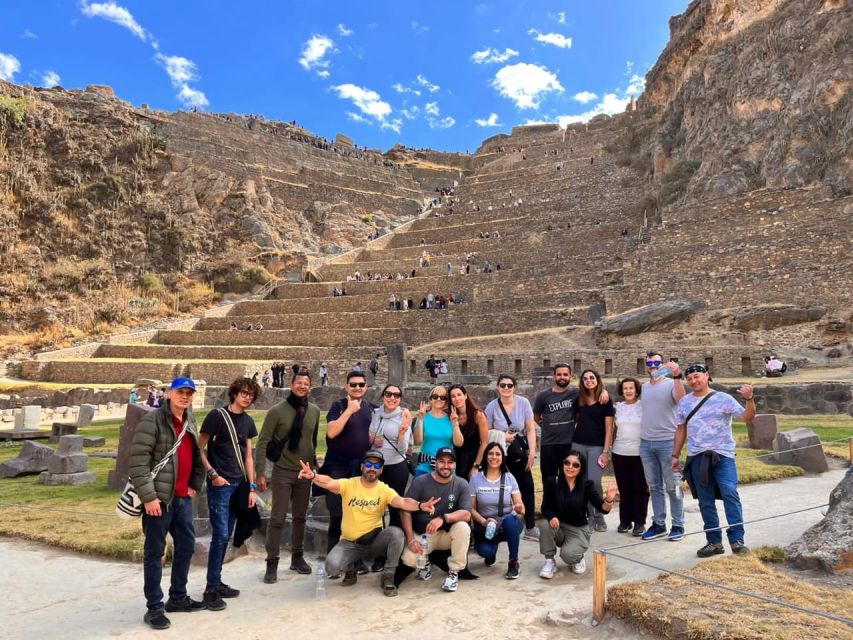
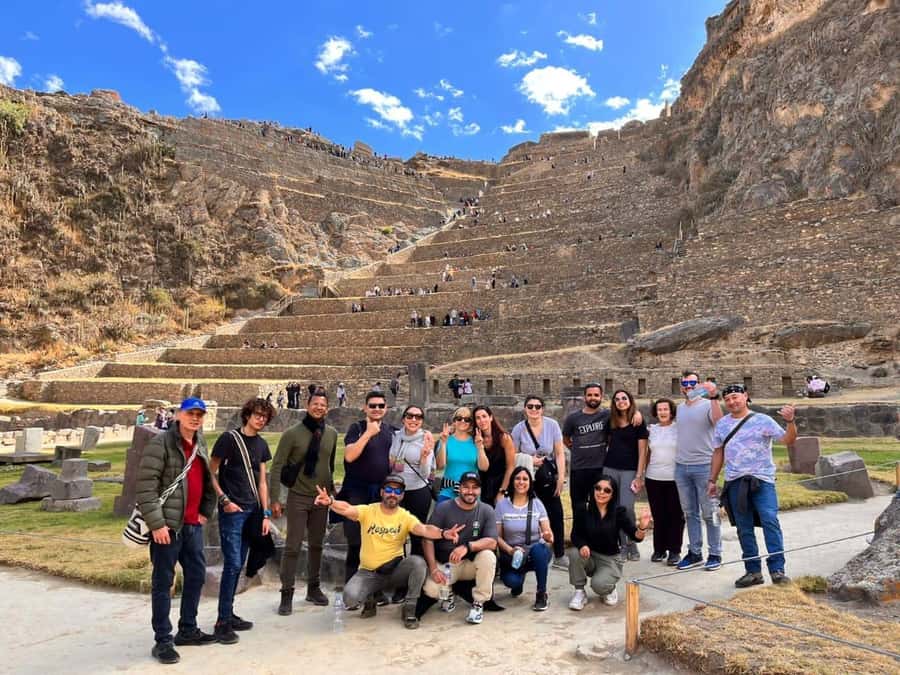
Ollantaytambo is described as an archaeological complex built to guard the entrance to this part of the valley and protect against invasions from jungle regions. Then you’ll also get time to walk through the town’s small streets, so you’re not only looking up at ruins—you’re moving through an area that still has daily-life scale.
That town walk makes a difference. You can connect the idea of defense to real geography: the entrance to a valley isn’t abstract when you can picture how people would have controlled movement.
Pisac: platforms on slopes with a mountain-top feel
Pisac is framed as groups of platforms and architectural structures scattered on slopes and near the top of the mountain. It’s specifically noted as one of the most beautiful monumental centers in the valley because it combines the setting with careful finishing on the buildings.
What I’d take from that, as a planning tip: bring time for wandering. Pisac works when you slow down enough to see how the buildings follow the terrain, rather than treating each view as a quick snapshot.
Price and logistics: what your $25 covers (and what it doesn’t)
On paper, the tour price is $25 per person. That’s a solid value for what you get—hotel pickup, round-trip shared transportation, and a professional bilingual guide (English and Spanish).
But your day won’t be finished with just that $25. The tour clearly lists key site costs and they’re not small:
- Moray tourist ticket: listed as 70 PEN
- Maras salt mines entrance: listed two different ways in the provided details—20 soles in one section, and 10 PEN in the “know before you go” notes
Because the numbers are inconsistent inside the info you have, I’d treat the salt-mines amount as something you should confirm on the spot (or with the guide at the start of the day). The important point: bring enough cash to cover these tickets without stress.
Food is also the other big variable:
- Food and drink are not included in general
- On the all-day Sacred Valley option, lunch in Urubamba is included
So the true value depends on your route choice:
- If you take the half-day or Moray-and-salt focused options, you’ll likely pay tickets plus your own snacks.
- If you take the full loop, the included lunch helps pull the overall cost down, because you’re not hunting for meals between sites.
Timing, energy level, and the shared-van reality check
The listed duration is 6 to 12 hours, which is a wide spread on purpose. Half-day versions feel like a focused sprint; full-day versions feel like a whole day you’ll remember for the amount you saw, not just the places themselves.
Pickup is included, with a note to wait from 7:30–8:00 AM, and the full-day option starts earlier (6:35–6:55 AM). That means you should plan your morning in Cusco around an early start, not around leisurely coffee.
One other practical point: this is shared transportation. That’s usually efficient and cheaper, but it also means you’re not in full control of pace. If you’re the type who hates delays, build in a little breathing room. Also, the road time between sites is part of the experience; you’re crossing the Andes corridor.
As for walking: Moray and Maras involve uneven ground and changes in elevation. The tour isn’t listed as suitable for mobility impairments, and it also notes it’s not suitable for people over 95 years. Even if you’re young and fit, comfortable shoes are non-negotiable.
What to bring, plus the simple rules that keep the day smooth
This tour is straightforward. Just show up ready to move.
Bring:
- Passport
- Passport or ID card
- Comfortable shoes
- Breathable clothing
- Cash
Not allowed:
- Bikes
- Alcohol and drugs
Why these matter: you’re going between altitudes and you’ll be on foot around terraces, town streets, and salt mining areas. Breathable clothing helps, and cash helps because tickets are explicitly not included.
Who should book this Cusco day trip (and who should choose something else)?
This experience is a strong fit for you if:
- you want Moray and Maras in one day without DIY planning
- you like guided context that helps ruins make sense
- you’re okay with a long day of moving around the Urubamba/Sacred Valley
It’s less ideal if:
- you have mobility limitations (the tour explicitly says it isn’t suitable)
- you can’t handle early mornings (full-day pickup starts before 7)
- you want a slow, low-stress outing with lots of downtime between stops
Language-wise, the guide works in English and Spanish, and knowing a bit of Spanish can make the explanations and group vibe easier.
Should you book this tour?
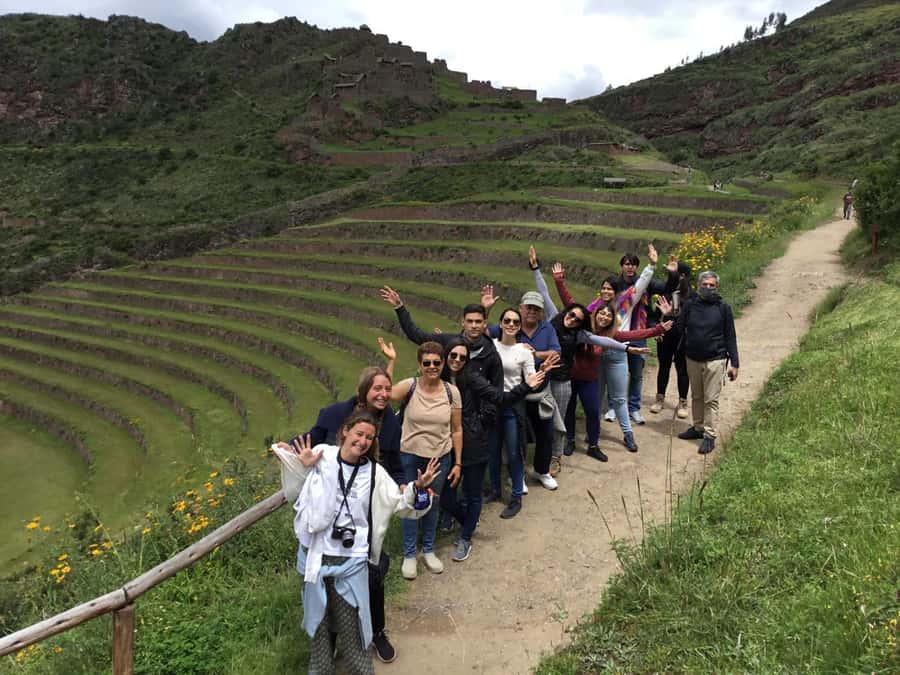
If you only have a day or two around Cusco and you want real Inca-era engineering without making it complicated, I’d book it. The Moray + Maras pairing is the core value, and the guide + scheduled time at both sites helps you absorb more than a quick photo stop.
Choose the half-day option if you want focus. Choose the full-day loop if you want the Sacred Valley’s big names—Chinchero, Urubamba lunch, Ollantaytambo, and Pisac—stacked into one route.
Just go in knowing there are extra costs for Moray and Maras, and plan for early pickup and a day that runs on the move.
FAQ
Do I need to buy tickets for Moray and Maras?
Yes. The Moray tourist ticket is listed as 70 PEN, and Maras salt mines have an entrance fee listed as 10 PEN in the notes (and 20 soles in the not-included section). You’ll want cash for both.
Is food included?
Usually no. Food and drink are not included. Lunch in Urubamba is included only if you book the all-day Sacred Valley option.
What’s included in the price?
The price includes hotel pickup, round-trip shared transportation, and a professional bilingual guide.
What time is pickup?
Pickup is included with instructions to wait from 7:30–8:00 AM. The full-day option notes pickup between 6:35 and 6:55 AM, and the half-day route mentions pickup at about 7:40 AM.
How long is the tour?
The duration is listed as 6 to 12 hours, depending on which option you choose.
What languages does the guide speak?
The tour offers live guidance in English and Spanish.
Where will I be dropped off in Cusco?
Drop-off is listed at Calle Plateros and Calle Saphy. The full-day option specifically notes leaving on Plateros Street near Plaza de Armas.
What should I bring?
Bring a passport (or ID card), comfortable shoes, breathable clothing, and cash.
Is this tour suitable for everyone?
It’s not suitable for people with mobility impairments, and it also states it isn’t suitable for people over 95 years old.