REVIEW · MARAS
Maras Moray
Book on GetYourGuide →Operated by Libertrek Peru Travel Agency · Bookable on GetYourGuide
Cusco has a way of getting your attention fast. This half-day trip links two very different Inca worlds—agriculture experiments at Moray and salt extraction at Maras—with a stop in Chinchero that helps the colors (and the culture) make sense.
I like that the day moves at a good pace: you get real time to look, photo, and ask questions without feeling rushed. I also like the mix of what’s explained: how circular terraces worked, and how salt production works at over 3,000 meters, not just what you’re seeing.
One heads-up: the entrances aren’t included in the base price, so your total cost will be a bit higher once you budget for the tourist ticket and Maras entry. And if you have mobility limits, this isn’t the best match.
In This Review
- Key things that make this tour worth your time
- Getting picked up and reaching Moray around 08:30
- Chinchero textile center: why it’s not just a quick stop
- Moray’s circular terraces: the Inca agriculture experiment you’ll remember
- The salt mines of Maras: 3,800 pools and a water story
- Price and value: budgeting for tickets plus your $18 tour
- Pace, language, and what to expect from your guide
- Who this tour suits best (and who should skip it)
- What to bring so the day goes smoothly
- Should you book the Maras Moray tour?
- FAQ
- How long is the Maras Moray tour?
- What time does pickup happen?
- What languages are the guides?
- Are entrance fees included in the tour price?
- Do I need to be very physically fit?
- Is there a stop in Chinchero?
Key things that make this tour worth your time
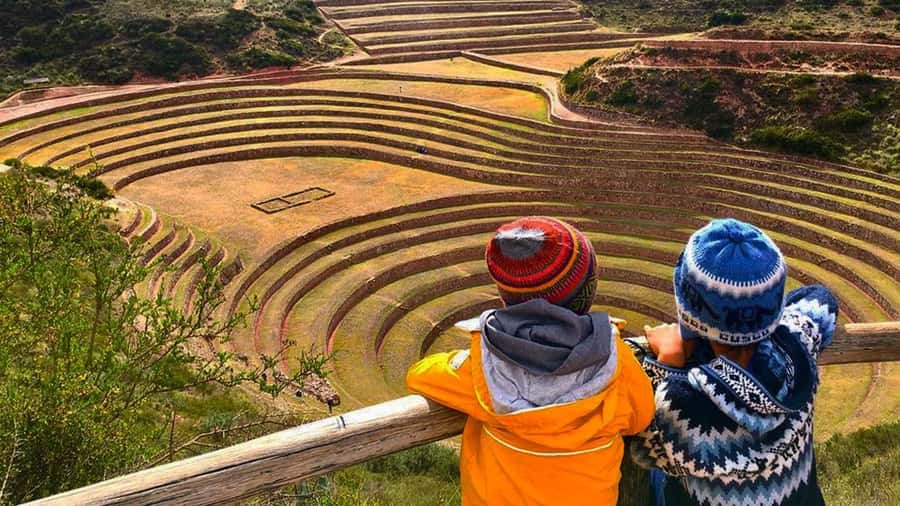
- Moray’s circular terraces: a rare Inca design used for agricultural experimentation and crop domestication.
- Chinchero stop for natural dyes: learn how colors for llama and alpaca wool come from natural materials.
- Salt mines at 3,000+ meters: you’ll see the sodium-chloride water system that powers Maras salt production.
- A 6-hour plan: enough time for highlights without committing to a full day out of Cusco.
- Bilingual guidance (English and Spanish): a guide can shift pace and explanation depending on the group.
Getting picked up and reaching Moray around 08:30
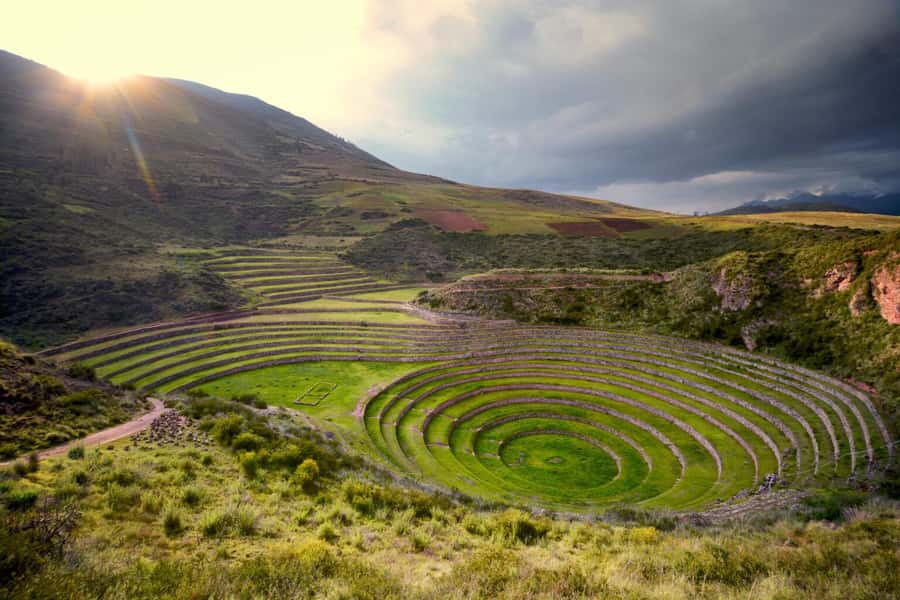
This tour starts in the morning, roughly 08:30, with pickup from your hotel or accommodation in Cusco. You’ll ride by tourist transport toward the first big stop: Moray, an Inca site famous for its circular agricultural terraces.
That timing matters. Morning light is usually your friend for photos, and starting earlier also helps you avoid dragging your feet through the day. The route includes a stop before Moray, so you’re not staring at a bus window for the whole beginning.
Also, don’t forget basics. Bring a camera, sports shoes, sunscreen, and some cash. I’d also pack a small snack and a water bottle since it’s a half-day tour and you’ll be out long enough to feel it.
You can also read our reviews of more tours and experiences in Maras.
Chinchero textile center: why it’s not just a quick stop
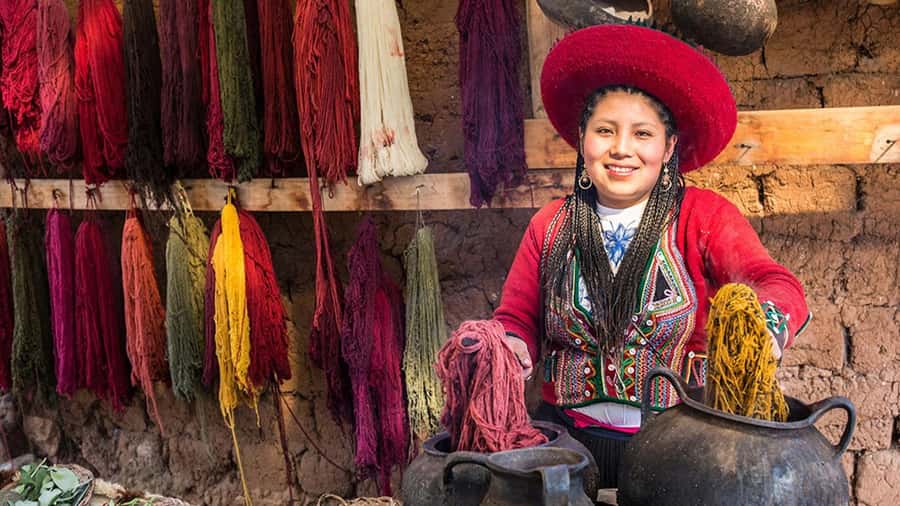
Before you reach Moray, you’ll stop in Chinchero, a town known for artisanal textile work with techniques passed down since the Inca era. The goal here isn’t shopping for its own sake. It’s learning the process so when you later see Andean agriculture and resource use, the story connects.
At the textile center, you can appreciate how dyes are made from natural materials. You’ll learn how wool—whether from llama or alpaca—can be turned into different colors. This is one of those “small” stops that actually adds meaning. When you understand how people transform raw materials into something usable, the Inca landscape stops feeling like scenery and starts feeling like a system.
A practical note: if you’re expecting a long wander or lots of free time, it’s more of an educational stop than a full village loop. You’ll still get value, just don’t assume it’s equal time to every other stop.
Moray’s circular terraces: the Inca agriculture experiment you’ll remember
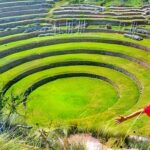
Moray is where the tour’s big idea clicks: circular terraces. You’ll visit the archaeological park and see the agricultural terraces that are described as the only ones in circular shape among Inca constructions. They look almost like an ancient amphitheater, layered in a way that makes you want to keep walking and looking back.
The function explained on this tour is key: Moray was used as an experimental site for obtaining and domesticating agricultural varieties—corn, potatoes, olluco, and more. So you’re not only looking at pretty ruins. You’re looking at a place designed to test. The terraces helped the Inca experiment with growing conditions, which makes sense in a mountain environment where microclimates can shift fast.
While you’re there, you’ll also notice the surrounding Andes. Expect scenic views of mountains, including snow-capped peaks considered apus—deities in Inca times. This gives you a lens for interpreting what you see. The Inca weren’t separating “religion” from “farming” from “science.” They treated the mountain landscape as part of life and knowledge.
One more practical thing: Moray involves walking around on uneven terrain. It’s not a brutal trek, but you do want good footwear. If you’re traveling right after altitude hits, keep your pace calm and drink water when you can.
The salt mines of Maras: 3,800 pools and a water story
After Moray, the tour continues to the salt mines of Maras. This is the visual payoff—especially if you like seeing a working resource, not just stones.
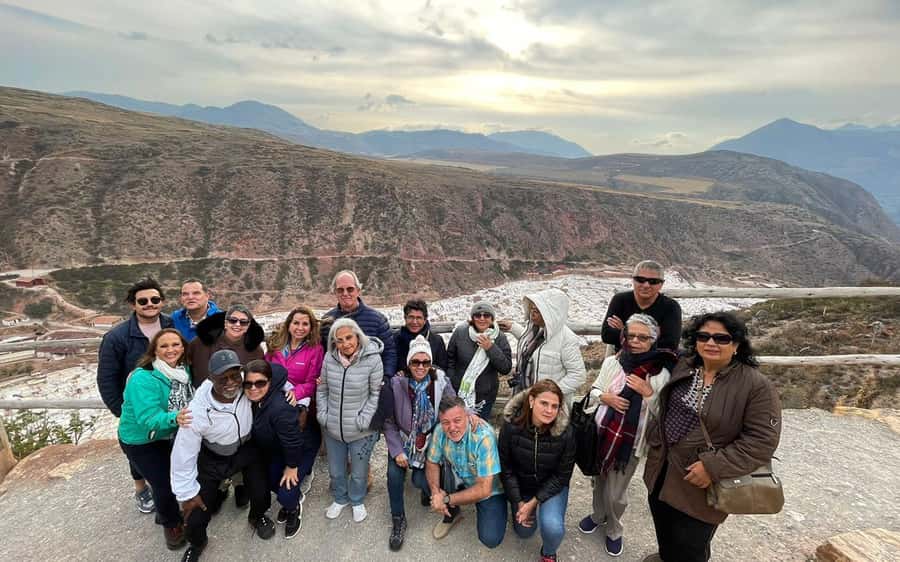
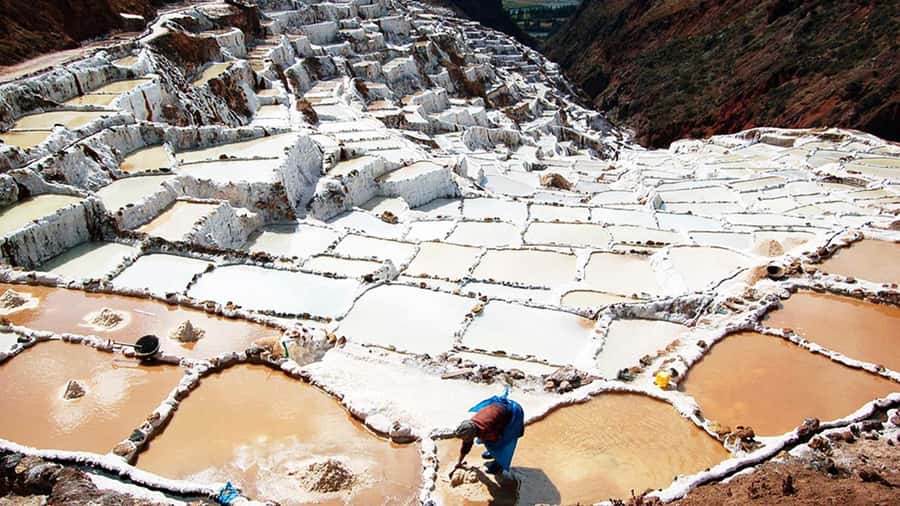
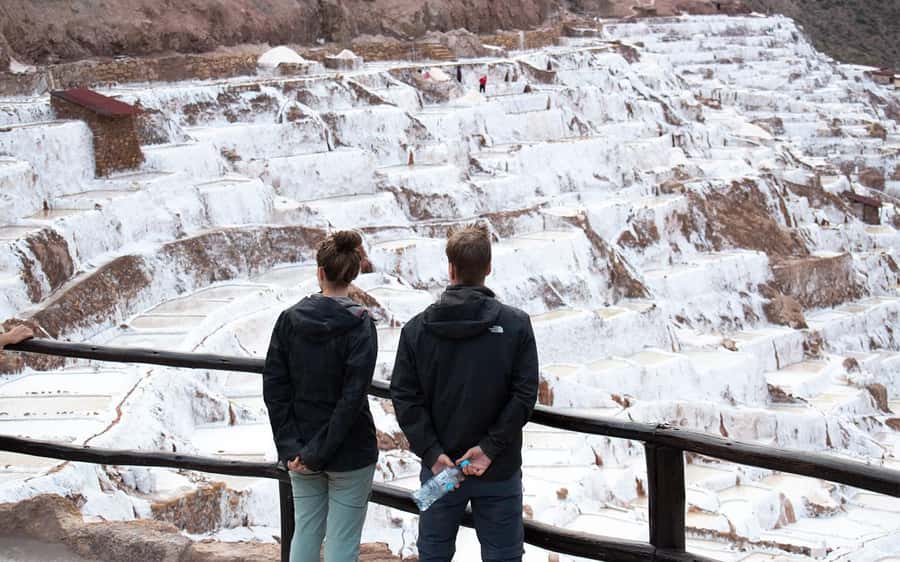
Here’s what you’ll be told: the mines exist because of water sources with sodium chloride coming from the mountains. That supply allows salt production more than 3,000 meters above sea level. And the scale is big enough to feel dramatic—around 3,800 salt production lands/pools, spread out in a way that looks both organized and slightly surreal from above.
This is where the tour earns its keep. At Maras, you’re seeing a long-running extraction system tied directly to the environment. The guide’s explanation turns what could be a “wow, that’s salty” moment into a clearer picture of how natural water feeds an output that people rely on.
It also helps explain why the scenery feels so special. You’re not just looking at a quarry or a ruin—you’re looking at a mountain-based process. Salt production plus high altitude plus a patterned grid of pools equals a scene you’ll want photos of, but also a scene where the explanation makes your photos mean something.
Expect more walking here than you might think, just from moving between viewpoints and looking for the best angles. Go slow, protect your skin from sun, and take your time. The weather can be bright up high, even when Cusco feels mild.
Price and value: budgeting for tickets plus your $18 tour
The tour price is listed as $18 per person for a 6-hour experience. That’s the base cost for pickup, transport, and a professional guide who speaks English and Spanish.
What’s not included matters. You’ll pay entrances separately:
- Tourist ticket: USD 20
- Entrance to Maras: USD 7
So your realistic total budget for the day is more than the $18 headline. Still, this can be good value if you want the guided context. A tour that connects Moray’s agricultural experimentation with Maras’s salt production is harder to piece together alone without extra planning.
I’d think of this like a guided “topic sampler.” You’re paying for the explanation, the route, and the convenience of transport, not for a long full-day itinerary. If you’re short on time in Cusco, or you want something lighter than a massive day trip, this fits.
Pace, language, and what to expect from your guide
One standout detail from the way the tour runs: the guide keeps things organized by group needs. In a recent booking, Raul was noted for translating clearly and adjusting timing so people could take lots of photos without feeling like they were constantly in a queue.
That kind of pacing is practical for this itinerary. Moray rewards looking slowly. Maras rewards choosing a few good viewpoints and then letting the scene sink in. If your guide is good, you’ll feel neither bored waiting nor rushed through explanations.
Language is also a plus. You’ll have a live guide in English and Spanish, which helps if you’re traveling with someone who prefers a different language, or if you want the key points repeated clearly.
Don’t forget this is a full half-day in mountain conditions. Even if the tour doesn’t require high physical effort, you can still get tired from walking and sun. Bring water, and don’t plan to do something intense immediately after.
Who this tour suits best (and who should skip it)
This works well for:
- You if you want Moray + Maras without committing to a full day.
- You if you like learning how people used the mountains—for agriculture and for resources like salt.
- You if Chinchero textiles appeal to you, especially the dye and wool process.
- You if you’re traveling in the Cusco region and want a route that’s structured but not exhausting.
It might not work well if:
- You have mobility impairments. The tour isn’t suitable for that.
- You expect a long, relaxed village day at Chinchero. This stop is focused on the textile center and explanation.
And if it’s your first days in Cusco and altitude is still making your head feel off, this tour can be a reasonable choice because the effort is described as low. Just keep your pace easy and don’t force long, fast walks.
What to bring so the day goes smoothly
A small packing checklist will save you discomfort:
- Sports shoes for uneven ground
- Camera (Moray and Maras photos are the reason you’re here)
- Sunscreen (high altitude sun is no joke)
- Cash for entrance tickets and any onsite purchases
- Passport or ID card
- Personal medication
- A snack and bottle of water (handy for half-day timing)
If you forget water, you’ll feel it on the walk segments. If you forget sunscreen, you’ll feel it on your skin by midday.
Should you book the Maras Moray tour?
If you’re in Cusco and want a half-day plan that mixes Inca agriculture experiments with salt mining at extreme altitude, this is a smart booking. The value is strongest when you factor in the guide’s bilingual explanations and the convenience of transport. It’s also a good match if you don’t want the commitment of a full-day tour.
I’d say book it if:
- You’re curious about how the Andes shaped real production (food and salt).
- You want organized stops with enough time to look and take photos.
- You like learning beyond just ruins and views.
I’d pause before booking if:
- You’re counting every dollar and don’t want to budget separately for entrance tickets.
- Mobility limits make walking parts difficult.
- You need a slower, more free-form day with minimal structure.
FAQ
How long is the Maras Moray tour?
The duration is listed as 6 hours (a half-day trip). That makes it a good option if you want major highlights without a full-day commitment.
What time does pickup happen?
Pickup is described as starting in the morning at around 08:30. You should wait at your hotel reception about 5 minutes before the scheduled time, and the guide will call your name.
What languages are the guides?
The tour includes a live guide in English and Spanish.
Are entrance fees included in the tour price?
No. Entrance fees are not included. You’ll pay separately for the tourist ticket (USD 20) and Maras entrance (USD 7).
Do I need to be very physically fit?
No. The tour is described as not requiring high physical effort, but you should still wear comfortable shoes because you’ll walk around at the sites.
Is there a stop in Chinchero?
Yes. The tour includes a stop in Chinchero for a textile center visit, where you can learn about wool dyeing using natural materials.