REVIEW · MARAS
Cusco: Maras Salt Mines & Inca Moray Half Day Trip
Book on GetYourGuide →Operated by Peru & U · Bookable on GetYourGuide
Cusco’s Inca sites hit fast and hard. This half-day trip takes you from Moray’s terrace amphitheater to the Maras Salt Mines, where you’ll see nearly 3,000 salt wells and learn how the work is done. It’s a simple route with big payoff in a short morning.
I especially like how the Inca farming terraces at Moray feel massive in person, not just on photos, and how the salt mines add that practical, do-something moment instead of only watching. For something so short, it packs in two very different landscapes of ancient engineering.
One thing to consider: entrances aren’t included, so your total cost will be higher than the $30 you see, and some versions may add a weaving stop that can affect how long you get at Moray or Maras.
In This Review
- Key highlights at a glance
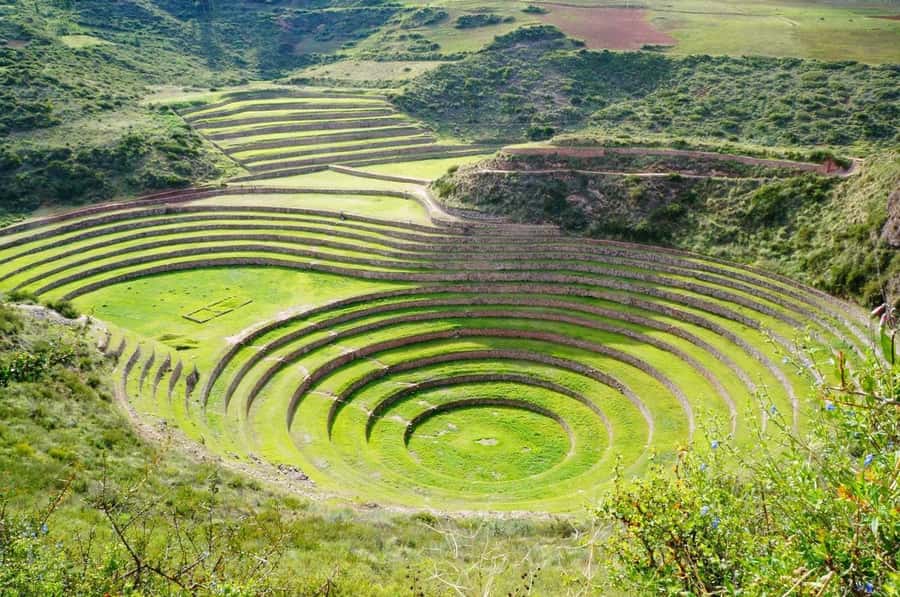
- Moray Terraces: The Inca Colosseum You’ll Notice Immediately
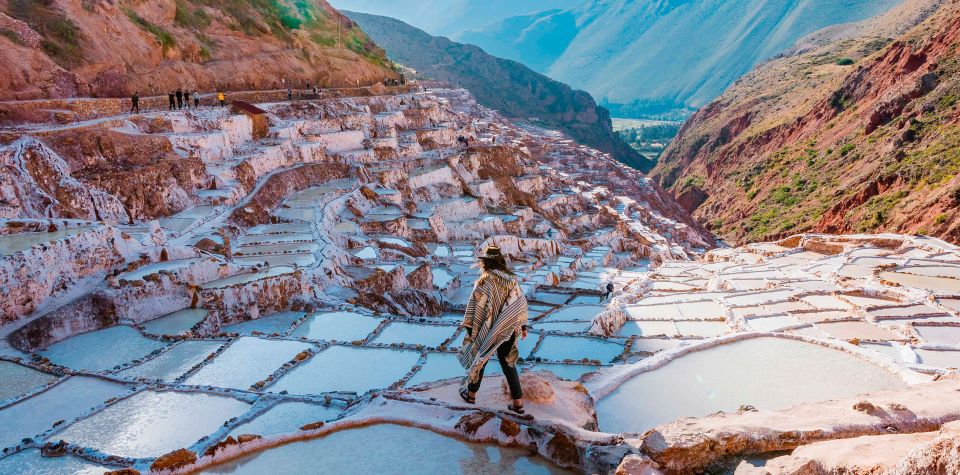
- Maras Salt Mines: Nearly 3,000 Wells and Real Working Labor
- The Morning Schedule: How a 6-Hour Trip Stays Comfortable
- Small-Group Experience (Up to 10) and the Guide Connection
- Price and Entrance Fees: Is $30 Good Value?
- What to Bring for Moray and the Salt Mines
- Should You Book the Cusco Maras Salt Mines & Inca Moray Half Day Trip?
- FAQ
- Where do I meet the guide if I don’t use hotel pickup?
- Does the tour include hotel pickup and drop-off?
- What’s the duration of the trip?
- What languages will the guide speak?
- Are entrance fees included in the price?
- How big is the group?
- What should I bring?
- Does the tour run on specific times of day?
Key highlights at a glance
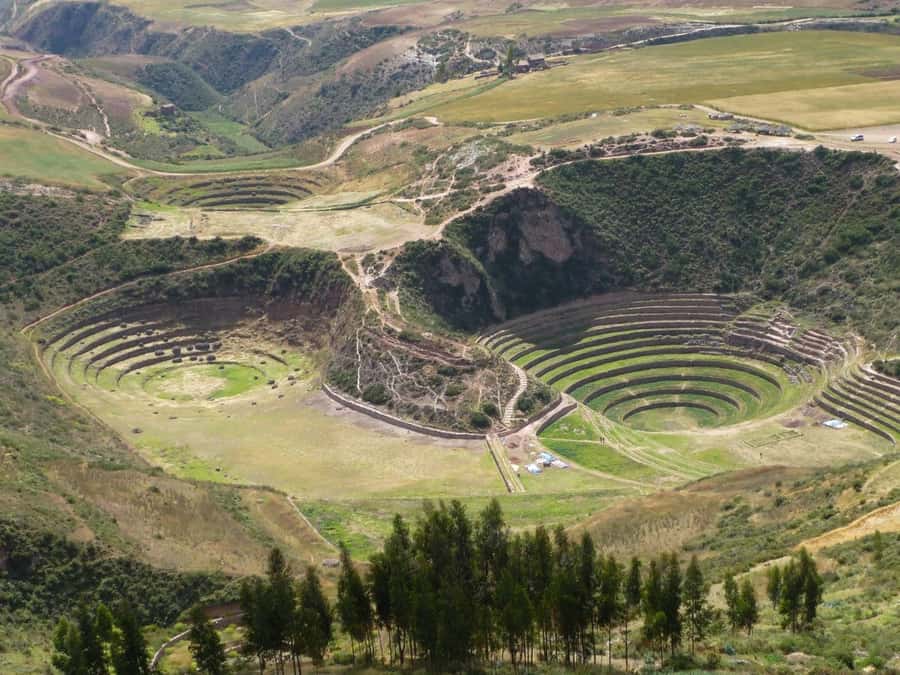
- Moray’s terraced “coliseum” design: built to control water and temperature for crops
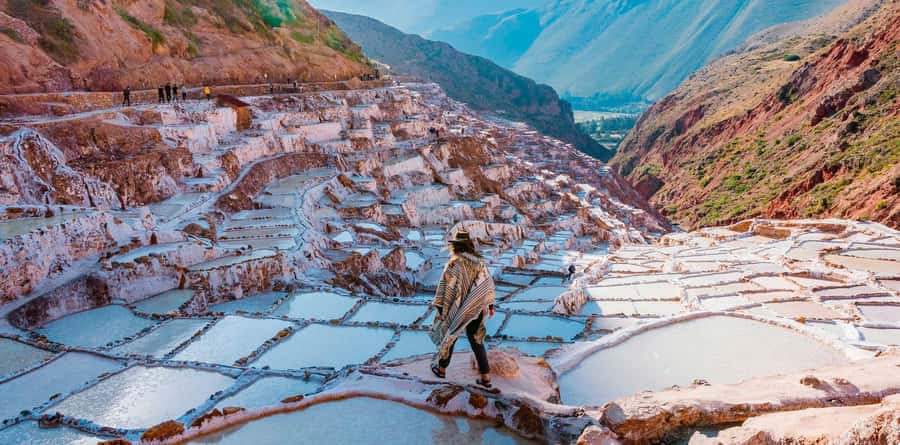
- Maras Salt Mines’ nearly 3,000 wells: a working landscape you can walk through
- Local technique + hands-on salt mining: you don’t just stand around
- Small group capped at 10: easier to ask questions and move at a human pace
- Bilingual guide (English/Spanish): clear explanations throughout
- Pickup from downtown hotels optional: convenient if you’re staying in central Cusco
Moray Terraces: The Inca Colosseum You’ll Notice Immediately
Your morning starts either with pickup from a downtown Cusco hotel or at a central meeting point: the Water Fountain at Plaza Kusipata (also called Plaza Regocijo). You’ll find the guide by looking for someone calling your name, which is a nice way to avoid that awkward milling-around feeling.
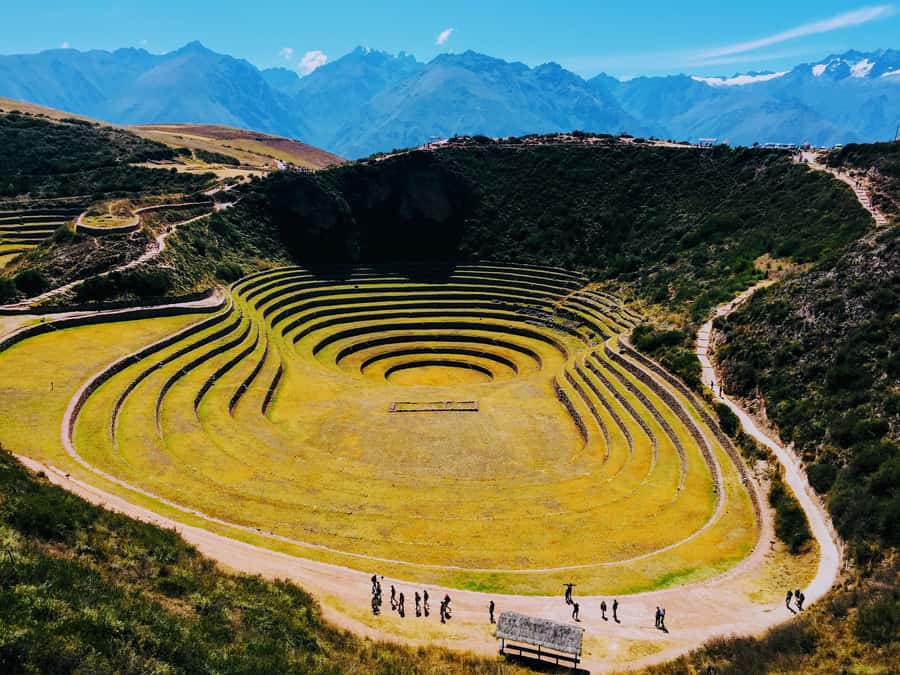
After you get moving, you’ll have about a 40-minute ride through the Andes scenery. Then the day’s first real wow-factor arrives: Moray. The ruins here aren’t a single ruin so much as a whole system of terraces. In the middle of it, you get that amphitheater effect—levels dropping away like seating—so it’s easy to understand why people compare it to a coliseum. Even if you know the broad idea of Inca terraces, you’ll likely still be surprised by the scale when you’re standing there.
What I like about starting at Moray is the pace. You’re fresh, the light is often better for photos, and the terraces make sense before you get pulled into the busy maze of the salt mines. Your guide explains what you’re seeing as you walk, so it’s not just staring at stone steps.
How to enjoy Moray more
- Wear shoes you can trust on uneven ground; you’ll be walking and pausing for explanations.
- Take a few minutes to look down into the terraces before you start moving up and down. The shape is the point.
A practical note: because this is a half-day format, you won’t have hours here. You’ll want to focus on the parts you find most interesting—if you’re into how the terraces worked, ask questions early while you’re still there.
You can also read our reviews of more tours and experiences in Maras.
Maras Salt Mines: Nearly 3,000 Wells and Real Working Labor
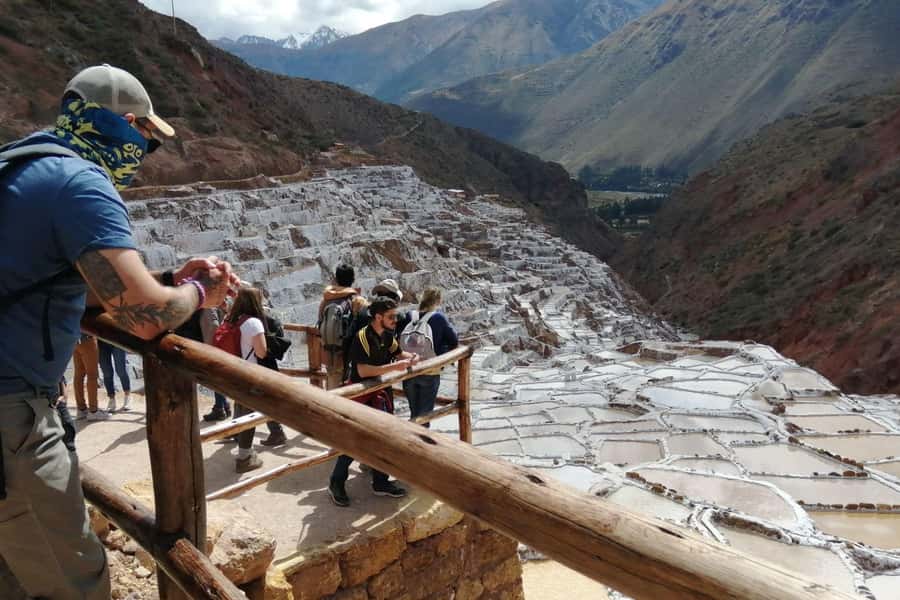
Next comes the Maras Salt Mines, and they’re totally different from Moray. Moray is stone and geometry; Maras is a functional patchwork of water channels and small salt pans. The scale is the headline: this complex includes nearly 3,000 wells, clustered into a dense pattern that can feel almost unreal the first time you see it.
What makes the mines more than a photo stop is the human side. You’ll learn about ancient mining techniques from the locals, and the tour is designed so you may even try your hand yourself. That matters because salt mining is slow, repetitive work. If you only look from a distance, it’s hard to understand what the process demands. With a more active approach, the whole place starts to click.
You’ll also see why people can spend time here even on a tight schedule. The wells are small, so you keep noticing new details: how the water flows, how the work area is laid out, and how the whole scene functions like a system.
My advice for the mines
- Bring cash in case there’s a chance to purchase locally made goods. Some routes include a weaving demonstration stop that can lead into shopping.
- Expect time in the working areas to be outdoors and exposed. Dress for comfortable movement.
One caution: because of the half-day time window, the order and exact amount of time at each stop can vary depending on the day. If Maras is your top priority (and it often is), keep an eye on the schedule once you arrive so you’re not left wishing you’d asked a few questions sooner.
The Morning Schedule: How a 6-Hour Trip Stays Comfortable
This tour runs in the mornings only, and it lasts about 6 hours total. For many people, that’s the sweet spot: long enough to feel like you got two real experiences, short enough that you can still eat well and explore Cusco afterward.
The route is straightforward. You’re not bouncing between far-flung places all day. You do the ride in, hit Moray first, then move to Maras, and finish back in downtown Cusco.
The biggest value of this structure is focus. Moray is Inca-era engineering at its most dramatic. Maras is salt production as a working landscape. Together they make a strong contrast: one place for agricultural control and one place for resource extraction. If you’re trying to choose between more stops and more depth, this format tends to feel efficient without being exhausting.
Small-Group Experience (Up to 10) and the Guide Connection
This is a small group, limited to 10 participants. That size is practical. It usually means you can hear the guide, ask questions, and keep moving without feeling like you’re trapped in a crowded bus line.
Language support is solid too: the guide is Spanish and English-speaking, so explanations don’t get watered down. In one instance connected to this kind of trip, the guide was named Angela, and the driver was Remy—both praised for doing their jobs well. That points to what you should look for: clear instructions and smooth transport so you can concentrate on Moray and Maras instead of logistics.
If you’re the type of traveler who likes knowing what you’re looking at, a good guide makes the difference between a quick glance and real understanding. Here, the guide’s job is basically to connect the stone terraces at Moray to how people used water and climate control, then connect the salt wells to technique and daily labor.
Price and Entrance Fees: Is $30 Good Value?
At $30 per person, this feels like a budget-friendly way to tackle two major Cusco-region attractions in one morning. You’re not paying just for a ride. Your money also covers pickup/drop-off for downtown Cusco hotels, transportation, and a bilingual guide.
The catch is simple: entrance fees aren’t included. That means your final total will depend on the site charges for your date. Still, compared with booking two separate guided experiences, the $30 base rate can be a good value if you already plan to visit both Moray and Maras.
How I’d think about value
- If you want guidance (and clear explanations), this is usually better value than DIY.
- If you’re strong on navigating and you’re okay with less structured time, you might spend less on your own. But you’ll likely lose the “why” behind what you’re seeing.
In short: the base price is reasonable, and the guide + transport is what you’re really buying. Just budget for entrances.
What to Bring for Moray and the Salt Mines
For a comfortable morning, come prepared. The essentials are on the list, and they’re practical because both stops involve walking and uneven surfaces.
Bring:
- Comfortable shoes
- Comfortable clothes
- Cash
That cash note matters for one simple reason: your day might include opportunities connected to local crafts. In at least one version of the route, a Chinchero weaving demonstration was included, with an option to buy items afterward. Even if you’re not shopping, it’s good to be ready if you want to support the craft or pick up something small.
Should You Book the Cusco Maras Salt Mines & Inca Moray Half Day Trip?
I’d book this if you want a focused morning that hits two standout Cusco-region experiences without dragging on all day. It’s especially good for first-timers who like structure, want a guide to explain the patterns they’re seeing, and prefer a small group over a big crowd.
Skip it (or compare alternatives) if you strongly care about maximizing time at Moray or Maras only. Because some routes can include an extra weaving stop, time can shift. Also, if you’re budgeting tightly, remember entrance fees are separate from the $30 rate.
If Moray terraces are your priority, plan to arrive ready to look closely at how the terracing is arranged. If Maras salt is your priority, keep your expectations clear: the experience moves briskly, but the technique explanation and hands-on moment are exactly the part that makes Maras worth the visit.
FAQ
Where do I meet the guide if I don’t use hotel pickup?
Meet at the Water Fountain of Plaza Kusipata (also known as Plaza Regocijo). Your guide will call you by your name.
Does the tour include hotel pickup and drop-off?
Yes, pickup and drop-off are included for hotels in downtown Cusco. Pickup is optional, depending on what you choose.
What’s the duration of the trip?
The trip is about 6 hours.
What languages will the guide speak?
The guide speaks Spanish and English.
Are entrance fees included in the price?
No. Entrance fees are not included.
How big is the group?
The group is small, limited to 10 participants.
What should I bring?
Bring comfortable shoes and comfortable clothes, plus cash.
Does the tour run on specific times of day?
Yes. This tour operates in the mornings only.