REVIEW · CUSCO
Salkantay 5-Day Trek To Machu Picchu
Book on Viator →Operated by Bamba Travel · Bookable on Viator
Machu Picchu starts with a cold mountain pass. This 5-day route hits the 4,650m Salkantay high pass, then drops into warmer high-jungle valleys. I love the small-group feel and the fact the Machu Picchu time is guided. The main consideration is the altitude and the cold at the highest campsite on Day 1.
You get picked up in Cusco between 5:00 and 6:00 am and you’ll do a mandatory pre-departure briefing the day before. The trek is 3 nights of camping, then one night in a 3-star hotel in Aguas Calientes before a 5:30 am bus to Machu Picchu.
In This Review
- Key things that make this trek tick
- Why the Salkantay Route Works: peaks, jungle, and communities
- Day 1: Mollepata to Soraypampa, plus Humantay Lake and the coldest camp
- Day 2: the 4,650m Salkantay high pass (and the optional horse shortcut)
- Day 3: Santa Teresa River crossings, La Playa lunch, and optional hot springs
- Day 4: hydroelectric station, Aguas Calientes arrival, and a real reset
- Day 5: Machu Picchu at 5:30 am, then free time and optional peaks
- Camping comfort, food, and gear rules that make or break the trip
- Transfers and guides: what’s included, what’s on you
- Price and value: what your $797 includes and what to budget next
- Should you book this Salkantay trek to Machu Picchu?
- FAQ
- What time is pickup in Cusco?
- Is hotel pickup included?
- How big is the trekking group?
- Are meals included?
- Do you offer vegetarian meals?
- Is a sleeping bag provided?
- Is emergency oxygen included?
- Do I get a guide during bus and train transfers?
- Can I visit hot springs in Santa Teresa?
- Can I hike Huayna Picchu?
- Is the trek refundable if I cancel?
Key things that make this trek tick
- The 4,650m high-pass day is the real headline, with an optional horse ride shortcut for extra cost
- Small group size (max 16, average 4) keeps the pace human and the logistics smoother
- Camping support is built in, including tents for two and basic sleeping pads (but not a sleeping bag)
- Meals are included all trek-long, with a vegetarian option available if you request it in advance
- You finish with early Machu Picchu timing, plus a guided ~2-hour walking tour before you explore on your own
Why the Salkantay Route Works: peaks, jungle, and communities
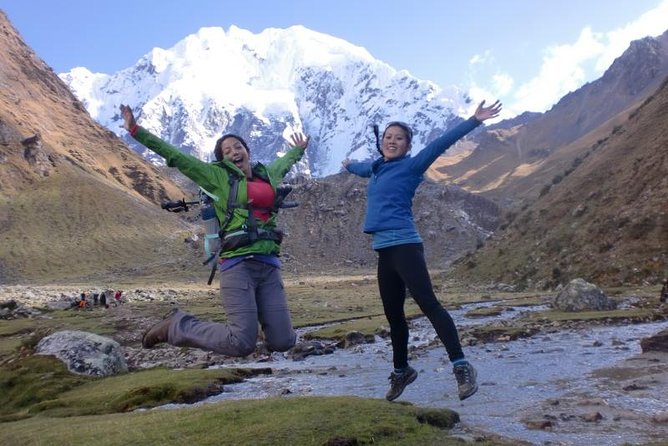
This trek gives you a full altitude sweep in a short time. You start cold and high, then you move toward gentler, warmer conditions as the days go on, with waterfalls and river crossings mixed in along the way.
You also get more than just scenery. The route is designed to pass through places tied to daily life in the Andes, including mountain villages like Soraypampa and the later stop in Santa Teresa, where the climate shifts and the vibe changes. Even if your main goal is Machu Picchu, these in-between moments help the whole journey feel connected instead of like one long hike that ends abruptly.
Finally, the guiding matters. You travel with a professional bilingual guide during the trekking and then again for the Machu Picchu tour, so you’re not left guessing about what you’re seeing or where you’re heading.
You can also read our reviews of more hiking tours in Cusco
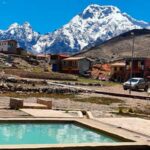

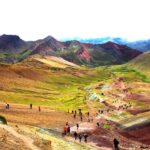
Day 1: Mollepata to Soraypampa, plus Humantay Lake and the coldest camp
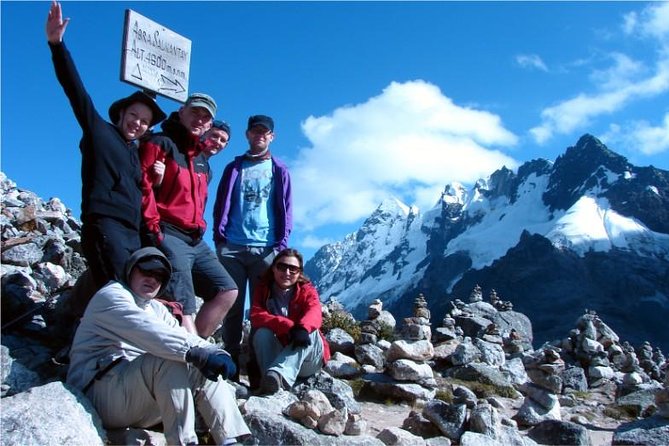
Day 1 starts early. You’re picked up in Cusco between 5:00–6:00 am, then ride to Mollepata (2,900m) for a leg stretch and snacks, and continue onward to Challacancha, where you make final equipment checks.
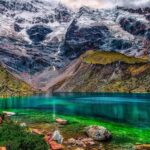
From there, you hike about 3 hours to Soraypampa (3,920m) for lunch with dramatic, snow-capped views. Later you do the Laguna de Humantay trek, roughly 1.5 hours each way, then return to camp for the night at 3,920m.
This is the day that sets expectations for comfort. Camps at higher elevation get cold fast, and this one is described as the highest and coldest campsite of the trip, so warm layers are not optional. If you run hot normally, altitude changes can still surprise you.
Day 2: the 4,650m Salkantay high pass (and the optional horse shortcut)
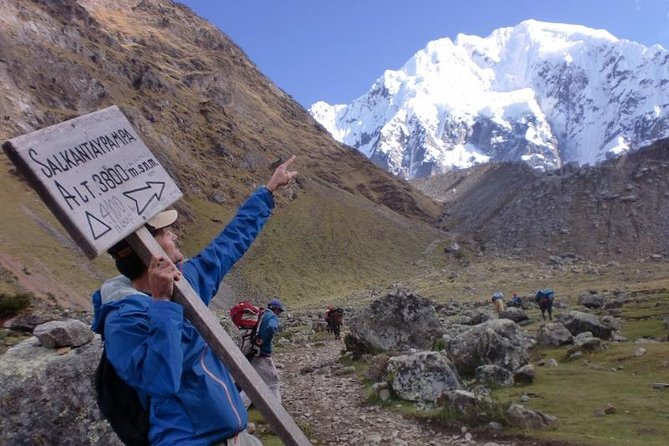
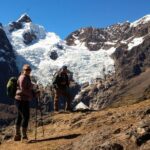
Breakfast is around 6:00 am, then you start a 4-hour trek toward the highest pass at about 4,650m. This pass sits between Salkantay (6,267m) and Humantay (5,900m), so the views from the top are the kind that make you stop talking and just look.
There’s an important option here: a horse rental is available to reach the high pass for approximately 100–120 soles. If your legs are okay but altitude is your worry, this can be a smart way to reduce strain while still experiencing the pass area.
After the pass, you hike downhill for about 2 hours to Huayracpampa for lunch. Then you continue another 3 hours to your campsite near the start of the high jungle region, around 2,900m. That drop in elevation is exactly why this day is so intense and so satisfying.
Day 3: Santa Teresa River crossings, La Playa lunch, and optional hot springs
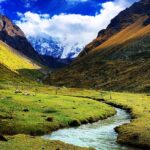
Day 3 feels different because it moves into the upper jungle zone. You’ll trek after breakfast (about 6:30 am), crossing the Santa Teresa River and smaller streams, with valleys, waterfalls, and tropical plants along the way.
Lunch is at La Playa (around 2,200m), and then you transfer by car to Santa Teresa (about 1,700m) where you camp for the night. Santa Teresa’s lower elevation usually means you’ll feel the difference in temperature and breathing.
After a rest, there’s an optional hot springs visit in Santa Teresa Town for extra cost (listed as 20 soles). This is one of those add-ons that actually makes sense at this point in the trek because your body has done three hard days already.
Day 4: hydroelectric station, Aguas Calientes arrival, and a real reset
Day 4 is your last trekking day. After breakfast around 8:00 am, you take a more relaxed path for about 3 hours to the hydroelectric station (about 1,880m), where you get a box lunch.
From there, you walk about 3 hours (slight uphill) to Aguas Calientes (around 2,010m). The payoff here is time to recharge before Machu Picchu, and dinner is served at a local traditional restaurant.
There are also optional transfer choices if you want to save energy. A bus transfer from Santa Teresa to the hydroelectric station is available for about 10 soles, and a train transfer from the hydroelectric station to Aguas Calientes is available for about 28 USD. If you’re already feeling good, the walking can be rewarding; if not, using one of these options can help you arrive fresh for the next morning.
You can also read our reviews of more tours and experiences in Cusco
Day 5: Machu Picchu at 5:30 am, then free time and optional peaks
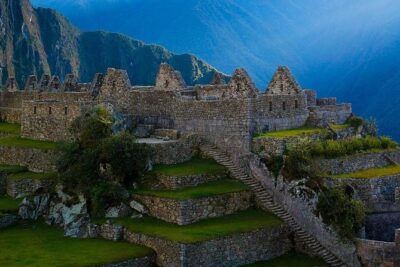
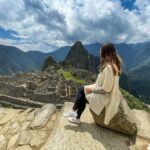
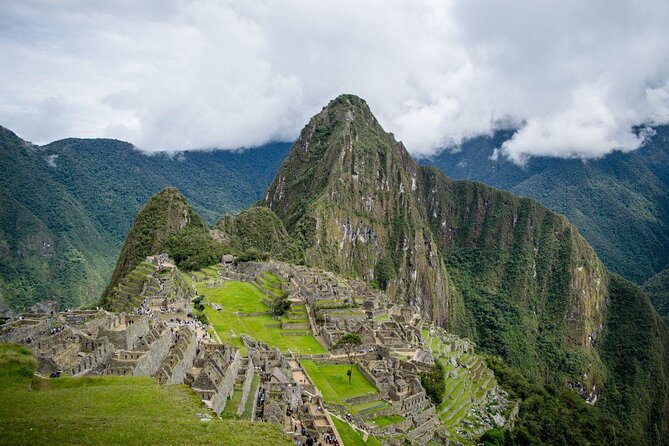
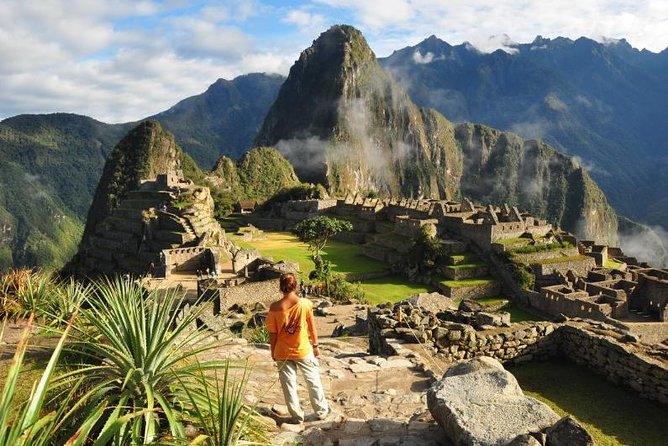
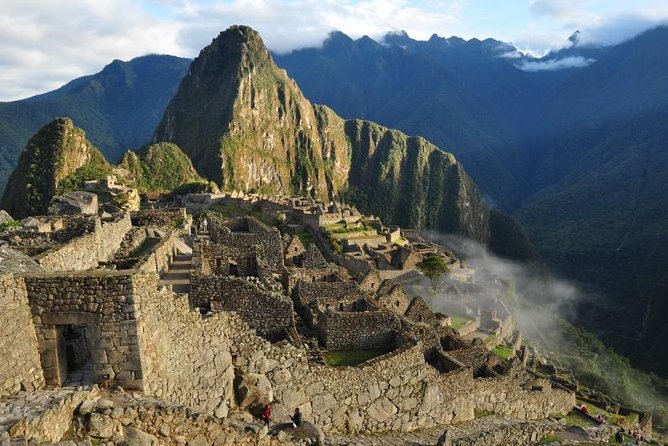
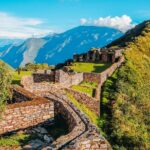
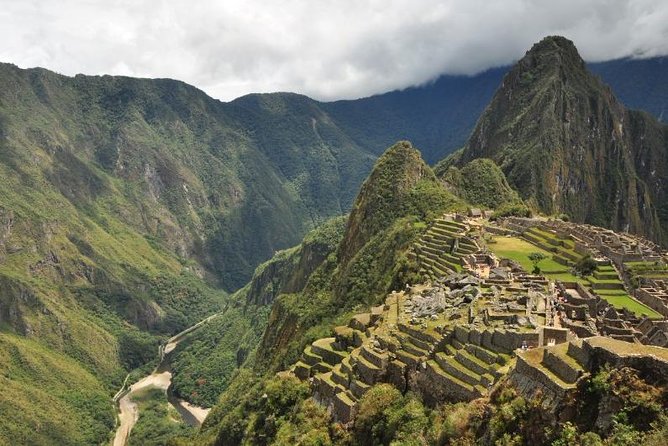
You catch one of the first buses to Machu Picchu at 05:30 am, with a ride time of about 25 minutes. The goal is early light and mist that has time to dissipate, which makes the whole place feel more magical and less crowded.
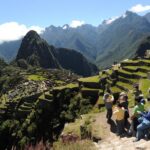
Your guided walking tour lasts about 2 hours. After that, you explore on your own, which is where you can slow down and focus on the corners and viewpoints you personally care about.
There’s also an optional extra hike inside the archaeological site: Huayna Picchu Peak. It must be booked in advance at an extra cost (listed as at least 2 weeks ahead), so if this is on your wishlist, plan early. If you want the classic Machu Picchu experience without an extra climb, you can keep it simple and just use the guided tour plus self-paced exploring.
After the ruins, you take a bus back down to Aguas Calientes. Then it’s the return train to Ollantaytambo, followed by a bus to Cusco, dropped off late in the day at Plaza San Francisco. You’ll handle your own way to your accommodation after that.
Camping comfort, food, and gear rules that make or break the trip
One of the best parts of this trek is that the big logistics are handled. You camp for three nights with tents for two people and a basic sleeping pad included. The big missing piece is a sleeping bag, which you must bring or rent.
Gear support is also clearly built into the plan. Horsemen and mules handle cooking and camping equipment, and they carry up to a total of 7 kilos for each trekker. The breakdown listed is 3 kilos for your sleeping bag and mattress, plus 4 kilos for personal items. That means you can travel lighter than the typical solo backpack scenario.
Food is included for the full trekking block: 4 breakfasts, 4 lunches, and 4 dinners, plus 3 snacks. There’s a vegetarian meal option available if you request it ahead of time, and the menus are described with familiar Andean staples like quinoa and seasonal vegetable dishes, plus meat-based options for those who want them. In other words, the meals are not just bread-and-butter survival fuel.
You’ll also want to carry water and control costs. Bottled water is not included, and the packing list suggests bringing extra cash for snacks and water along the trail. That matters because prices can jump when you’re hiking.
Transfers and guides: what’s included, what’s on you
This trip works because most of the moving pieces are bundled. You get Cuzco accommodation pick-up, plus a van transfer from Cusco to the trek’s start in the direction of Mollepata and Challacancha. You also get transfers from La Playa to Santa Teresa, and round-trip tourist bus and train connections from Aguas Calientes to Ollantaytambo and back into Cusco.
One nuance: you’ll have a guide during the trek and on the Machu Picchu tour, but during the bus and train transfers you won’t be accompanied by a guide. So it helps to be comfortable following instructions and schedules on your own for those portions.
Another thoughtful inclusion is an emergency oxygen bottle. That’s not a guarantee you won’t feel altitude effects, but it does add a safety layer that you don’t get on every budget trekking setup.
Price and value: what your $797 includes and what to budget next
At $797 per person, you’re paying for a lot more than a hike. The package includes the guided trekking portion, the Machu Picchu guided tour, entrance ticket inclusion, camping accommodations (tent and basic sleeping pads), and a 3-star hotel night in Aguas Calientes. It also includes most transport legs: bus and train between the main waypoints.
What you’ll still likely pay for depends on your choices:
- Sleeping bag (not included)
- Day 1 breakfast and Day 5 lunch (not included)
- Bottled water (not included)
- Optional add-ons: hot springs in Santa Teresa, bus to the hydroelectric station, and the train segment from hydro to Aguas Calientes
- Optional sights: Huayna Picchu (extra cost, advance booking required)
There’s also optional horse rental on the high pass day (100–120 soles). And if you want to plan ahead, keep in mind that permits can sometimes be required; the notes say a permit approval in a certain year could add costs around 133 soles for adults and 67 soles for students. That’s not something you should assume will apply to your dates, but it’s worth being aware that governments can change requirements.
If you like structure and you want fewer logistics headaches, this price starts to make sense fast. If you’re the type who enjoys arranging every connection yourself and already owns proper trekking gear (especially a sleeping bag), you might find other cheaper routes. But if you want guided support plus coordinated transport, the bundled value is the point.
Should you book this Salkantay trek to Machu Picchu?
Book it if you want a guided, small-group hike that takes you through a real altitude shift and ends with early Machu Picchu timing. This is also a strong choice if you appreciate good organization: you get camping gear basics, meals all trek-long, and a professional bilingual guide for both the trail and Machu Picchu.
Think twice if altitude is your biggest worry but you’re also hoping for a relaxed pace. This route includes a high pass around 4,650m and a cold, high campsite early on, plus a demanding day with long hiking hours. You should be in good physical condition, and you’ll feel temperature swings as the trek moves from higher elevations down toward about 2,000m.
One more practical check: departures run Monday, Wednesday, Thursday, and Saturday, and there are no departures in January and February due to unfavorable climatic conditions. The minimum age is 7 years, but this is still a tough trek, so it’s not a casual family outing unless everyone is truly prepared.
If you’re ready for a serious hike with excellent support, this is a clear, sensible way to get to Machu Picchu without turning your days into a scramble of tickets and transfers.
FAQ
What time is pickup in Cusco?
Pickup in Cusco happens between 5:00 and 6:00 am, depending on your assigned schedule.
Is hotel pickup included?
Yes. The package includes Cuzco accommodation pick-up.
How big is the trekking group?
This tour has a maximum of 16 travelers, with an average group size around 4.
Are meals included?
Yes. Meals are included for the trek: 4 breakfasts, 4 lunches, and 4 dinners, plus 3 snacks.
Do you offer vegetarian meals?
Vegetarian meals are available if you request them at least 2 days in advance.
Is a sleeping bag provided?
No. Camping includes a basic sleeping pad and tents, but you must bring or rent a sleeping bag.
Is emergency oxygen included?
Yes. An emergency oxygen bottle is included.
Do I get a guide during bus and train transfers?
No. You have a guide during the trek and on the Machu Picchu tour, but bus and train transfers are on your own.
Can I visit hot springs in Santa Teresa?
Yes, hot springs in Santa Teresa Town are optional and cost extra (20 soles).
Can I hike Huayna Picchu?
Yes, it’s optional, but it must be booked at least 2 weeks in advance and costs extra.
Is the trek refundable if I cancel?
No. This experience is non-refundable and cannot be changed for any reason.
If you tell me your fitness level and whether Huayna Picchu is a must, I can help you sanity-check the plan and the timing choices.