REVIEW · CUSCO
Cusco: Maras and Moray Tour ending in Ollantaytambo
Book on GetYourGuide →Operated by PVTravel · Bookable on GetYourGuide
Six hours, three big Sacred Valley moments. You’ll hit Moray, the otherworldly circular terraces, then continue to Maras for the salt pools before finishing at Ollantaytambo.
I like how this day connects the dots between Inca engineering and everyday work. I also love the pacing of the highlights: you get a real look at Moray’s agricultural “lab,” then you see thousands of salt basins at Maras before your lunch stop and the final ruins.
The main drawback is time. At this length, picture stops can feel rushed, so if you’re the type who likes slow wandering, you’ll need to stay close to the group and ask for a bit of extra time at the best viewpoints.
In This Review
- Key things I think you’ll care about
- How the 6-hour Sacred Valley loop actually runs
- Moray: the Inca farming “experiment” in circular terraces
- Maras: the salt village and thousands of evaporation ponds
- Urubamba lunch: your included break before the final ruins
- The drive along the Urubamba River to Ollantaytambo
- Ollantaytambo ruins: rock formations tied to Wiracocha
- Small-group guidance: where you’ll benefit and where it can feel rushed
- What you pay extra for: tickets and the salt mine fee
- Who this Cusco to Ollantaytambo day tour is best for
- Should you book this tour ending in Ollantaytambo?
- FAQ
- What time do you get picked up in Cusco?
- What time does the tour end in Ollantaytambo?
- Where is the drop-off in Ollantaytambo?
- Do I need my train to be after a specific time?
- How long is the tour?
- What stops are included in the tour?
- Is lunch included?
- Are the salt mine entrance fees included?
- What should I bring?
- Is this tour wheelchair-friendly?
Key things I think you’ll care about
- Moray’s circular terraces inside natural sinkholes, built for agriculture
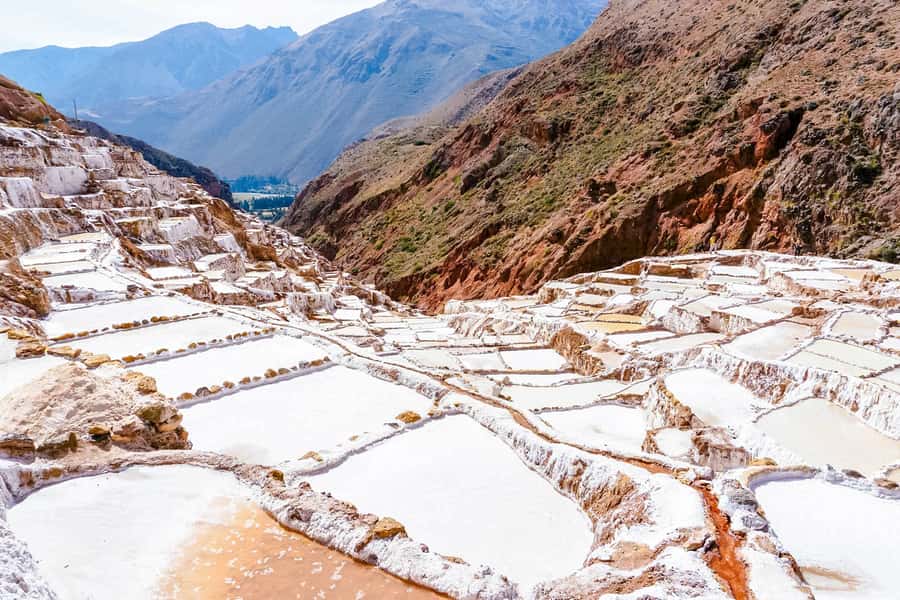
- Maras salt pools with 3,000+ evaporation basins used since Inca times
- Lunch in Urubamba with a buffet meal included
- Ollantaytambo ruins and rock formations linked to the Inca god Wiracocha
- Small group size (15 people max) for a more controlled experience
- End time matters: you’re dropped at Ollantaytambo Plaza de Armas around 3pm for trains after 3pm
How the 6-hour Sacred Valley loop actually runs
This tour is designed as a single, high-impact route: you start in Cusco and end in Ollantaytambo. Pickup is around 6:30am from your accommodation, and the day runs about 6 hours, finishing around 3pm. That end time is not random—you’ll be dropped off at Ollantaytambo’s Main Square (Plaza de Armas), so your train needs to be after 3pm.
The group is kept small, limited to 15 participants, and you’ll have a bilingual guide in English and Spanish. Transport is included, and you’ll also get a buffet lunch in Urubamba. What’s not included are the site/entry costs—especially the salt mine entrance/touristic ticket (more on that below).
A practical note: the tour does not allow luggage or large bags. If you’re doing this right before a train, travel light (daypack size is your friend). And wear shoes you can walk in confidently—there are uneven paths and outdoor steps.
You can also read our reviews of more tours and experiences in Cusco.


Moray: the Inca farming “experiment” in circular terraces
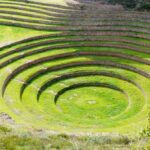
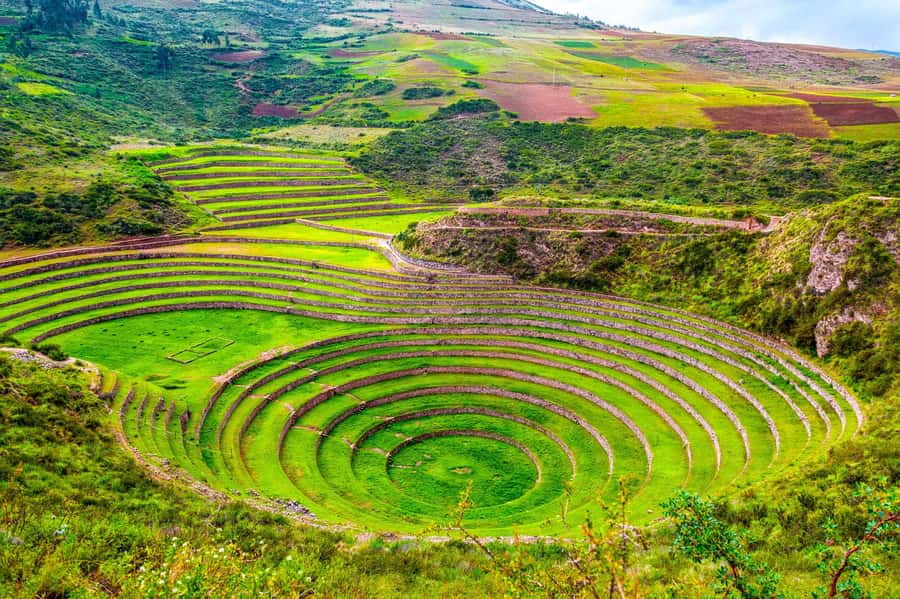
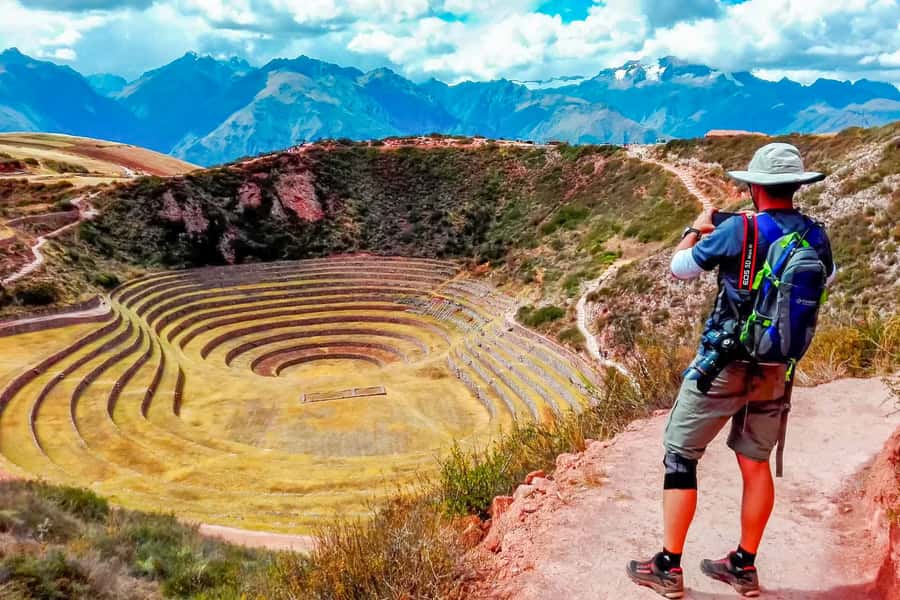
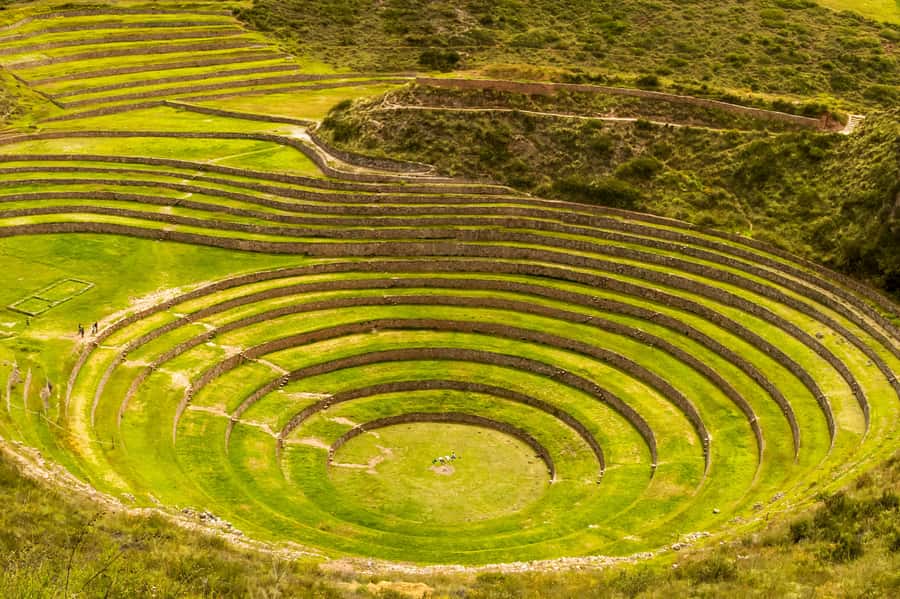
Moray is the kind of place you understand faster by looking than by reading. The site is about 50 km northwest of Cusco, and it’s built into natural sinkholes on a limestone plateau overlooking the Urubamba valley. Instead of the usual straight-line Inca terraces, you get circular agricultural terraces stepping down inside the depressions.
Here’s what makes Moray compelling: the construction is clearly planned and systematic, and it feels like someone was testing conditions. The tour explains that it may have had cosmological meaning, but the specific function beyond agriculture is still unclear. That uncertainty is part of the charm—Moray isn’t just a photo backdrop. It gives you a real sense of Inca curiosity and control.
What to watch for on the ground:
- Expect outdoor walking on uneven terrain and steps. Comfortable shoes matter more here than anywhere else on the day.
- Bring sunscreen and take water seriously. You’re outside most of the time.
- If you like photos, position yourself early. The pace is tight later at Maras, so get your best angles at Moray without rushing.
Is Moray worth it on a day that also includes salt pools and ruins? Yes. It adds the “why” behind Inca terrace building: they weren’t only farming land—they were shaping micro-conditions.
Maras: the salt village and thousands of evaporation ponds
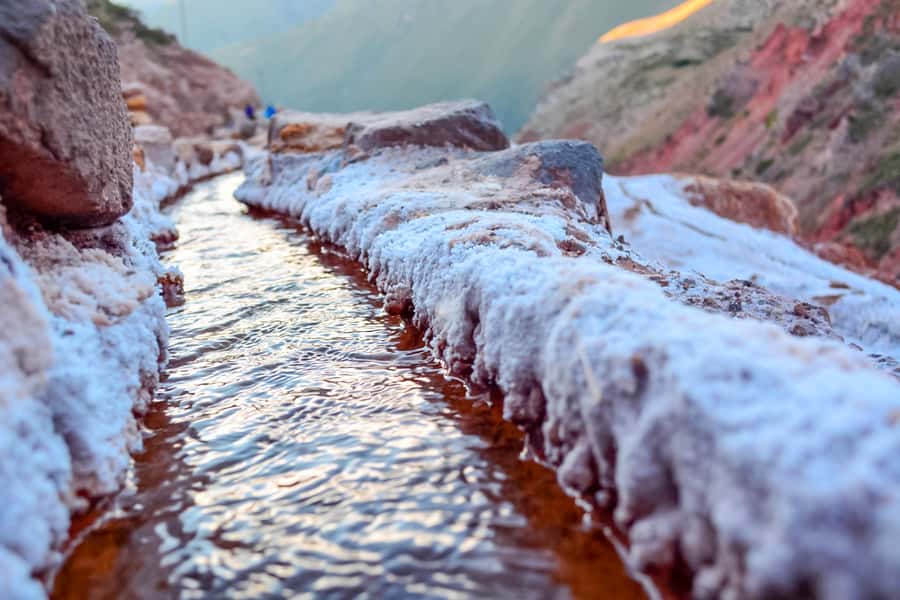
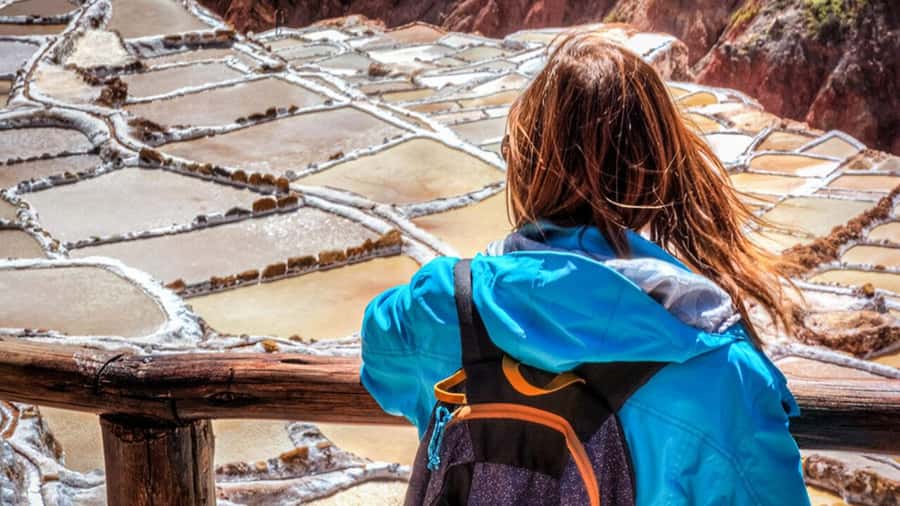
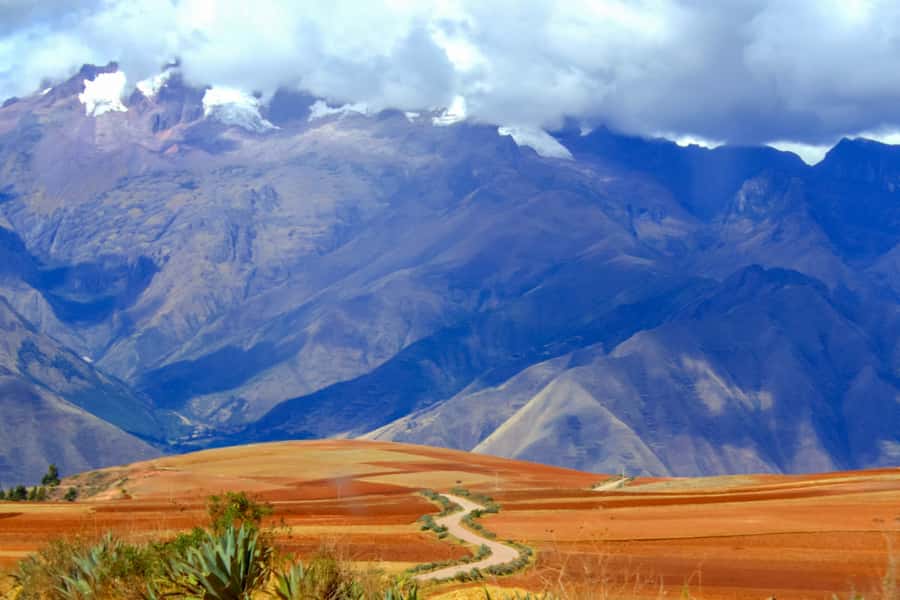
After Moray, you’ll head to the colonial village of Maras, famous for the nearby salt evaporation ponds called the salt mines (the pools are up-slope, less than 1 km west of town). This is a working salt site with a long timeline: it’s been used since Inca times, continued through colonial exploitation, and remains active today.
The headline detail is easy to grasp once you see it: there are more than 3,000 salt pools spread across the hillside. From a distance, it’s a patchwork effect—tiny rectangles catching light. Up close, you’ll start noticing how organized the channels and basins are, like a whole system designed to manage flow and evaporation.
Practical heads-up: the salt mine area has an additional ticket/fee. The tour does not include the salt mine entrance. The information provided says a touristic ticket is S/70.00 per person. The touristic ticket fee is the one to plan for; your lunch and transport are covered, but you’ll still want money ready for the salt pools.
Also plan for conditions:
- The area is exposed to the sun. Sunscreen is not optional.
- Paths can be slippery or rough depending on the weather.
- Because the day is time-controlled, you may not get long “linger time” in every section. If you want specific photo spots, don’t wait until the guide is moving on—ask quickly where the best angles are and then move.
Urubamba lunch: your included break before the final ruins
Midday you’ll stop for lunch in Urubamba. The tour includes a buffet lunch, and this is the buffer that keeps a 6-hour tour from feeling purely frantic.
Since dinner isn’t included, treat lunch as your main fuel. I’d also grab water if it’s available at the meal spot, because the rest of the route is outdoors and then back on the road.
One small strategy that helps: don’t overstuff. You’ll still be walking at Ollantaytambo, and you’ll probably want energy for that last leg. Think steady, not stuffed.
The drive along the Urubamba River to Ollantaytambo
The route continues by driving along the Urubamba River toward Ollantaytambo. This matters because it sets you up for the final stop: Ollantaytambo is not just ruins on a hill—it’s a major Inca site where the town’s layout and the surrounding constructions connect to the bigger Inca story.
If you’re someone who likes to watch the scenery from the vehicle, this is your window. If you’re not, you can use the ride to check your train details, because the drop-off is time-sensitive.

Ollantaytambo ruins: rock formations tied to Wiracocha
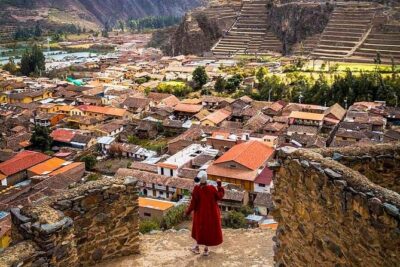
Once you reach Ollantaytambo, you’ll visit the ruins, described as an important Inca construction area from the Inca’s heydays. What I like here is the detail that the ruins include rock formations representing the Inca god Wiracocha. That’s the kind of anchor point that turns “wow, old stones” into “I get what this place is pointing at.”
Ollantaytambo is often associated with travel routes onward, and this tour fits perfectly into that plan. You’ll finish around 3pm and get dropped at Plaza de Armas—the main square—so you can regroup, find your transport, and get ready for your next move.
Two practical tips for this last stop:
- Stay aware of your timing. If your train is not after 3pm, this tour can become a headache.
- Keep your return logistics simple. Being dropped at the main square means you can usually organize taxis or meet points without scrambling for obscure side streets.
Small-group guidance: where you’ll benefit and where it can feel rushed
Because this is a small group (15 max) and you have a bilingual guide (English/Spanish), you should generally get better flow than big bus tours. The guide’s job is to move you efficiently between Moray, Maras, Urubamba, and Ollantaytambo while still explaining what you’re seeing.
Still, this is a 6-hour highlights route. That means the day can feel fast in two common ways:
- Picture time can be short at each stop.
- Direction can feel minimal if you drift behind the group.
My advice: treat the first minutes of each stop as orientation time. Stand near the front or at least within easy reach so you’re not left guessing where to go. If you want a particular viewpoint, ask quickly—don’t wait until the guide is already moving.
What you pay extra for: tickets and the salt mine fee
The listed price is $49 per person, and it includes pickup from Cusco, transport, a bilingual guide, buffet lunch in Urubamba, and drop-off in Ollantaytambo main square.
Not included:
- A touristic ticket (S/70.00 per person)
- Meals (besides lunch)
- Entrance to the salt mines
So the clean budget approach is: assume you’ll add around S/70 for the salt mine ticket/area. If you like to plan precisely, check again the day before you go (the info provided here already signals that the salt fee is separate).
Also note: your tour ends around 3pm. If you’re thinking about booking a train, build in a buffer for getting to the station and managing any last-minute logistics.
Who this Cusco to Ollantaytambo day tour is best for
This is a great match if you:
- Want to see Moray + Maras salt pools + Ollantaytambo ruins in one morning-to-afternoon stretch
- Are doing Machu Picchu planning and need to end in Ollantaytambo with time to catch a later train
- Prefer a small group experience over a large bus day
- Like structured stops with a guide rather than fully independent driving
It may be a poor fit if you:
- Need wheelchair accessibility (this tour is not suitable for wheelchair users)
- Travel with big luggage (large bags and luggage aren’t allowed)
- Hate rushing and want long free time at each attraction. You’ll get movement between stops and fixed visit windows.
Should you book this tour ending in Ollantaytambo?
Book it if your priority is value and momentum. For $49, you’re getting transport, a bilingual guide, lunch, and an ending location that’s convenient for onward travel. Moray and Maras are the two stars—different from each other, and together they show how the Inca blended science, agriculture, and daily labor into real systems. Ollantaytambo gives you that final “place with meaning” feeling tied to Wiracocha.
Skip it or consider a different format if you’re the type who wants slow photography, long wandering, and lots of unstructured time. With this itinerary length, the day is built for efficiency, not lingering.
If you do book: keep your expectations realistic, wear solid walking shoes, be ready for sun and uneven ground, and budget the S/70 ticket for the salt mine area so nothing catches you off guard.
FAQ
What time do you get picked up in Cusco?
Pickup is around 6:30am from your accommodation in Cusco.
What time does the tour end in Ollantaytambo?
The tour ends around 3pm.
Where is the drop-off in Ollantaytambo?
You’ll be dropped off at the main square, Plaza de Armas.
Do I need my train to be after a specific time?
Yes. Your train must be after 3pm so the visits can run normally.
How long is the tour?
The duration is about 6 hours.
What stops are included in the tour?
You’ll visit Moray, the Colonial village of Maras and its salt evaporation ponds, have lunch in Urubamba, and then see Ollantaytambo ruins.
Is lunch included?
Yes. A buffet lunch in Urubamba is included.
Are the salt mine entrance fees included?
No. Entrance to the salt mines is not included, and there is a touristic ticket of S/70.00 per person.
What should I bring?
Bring comfortable shoes and sunscreen.
Is this tour wheelchair-friendly?
No, it is not suitable for wheelchair users.