REVIEW · CUSCO
Moray and Maras half day tour
Book on GetYourGuide →Operated by tour machupicchu best E.i.r.l · Bookable on GetYourGuide
Two major Cusco-region mysteries in one half day. This is a fast, well-paced run through Moray and the Maras Salt Mines, with a bonus stop in Chinchero to see how wool gets dyed and turned into textiles using natural products. If you like seeing how people used local resources in smart, practical ways, this one delivers.
I especially like how Moray’s circular terraces explain agriculture as a kind of altitude lab, not just ruins. And I like that Maras lets you watch salt extraction as an ongoing tradition, not a dead exhibit. The one drawback to keep in mind: the tour includes textile and salt-related shopping stops, and on some departures the time pressure can make those feel more sales-focused than you’d want.
In This Review
- Key points to know before you go
- 8:20 Cusco pickup and the quick route to Chinchero
- Chinchero textile stop: natural dyes and the practical value of watching
- Moray’s circular terraces: agriculture as altitude science
- The ride to Maras salt mines: scenery, time pressure, and small planning tips
- Maras Salt Mines: seeing extraction as a centuries-long working system
- Price and value: how $14 makes sense, and where the extra cost appears
- What this tour feels like in real life (and who it fits best)
- Should you book the Moray and Maras half day tour?
- FAQ
- Where does the pickup happen?
- What time does the tour start and end?
- How long is the Moray and Maras tour?
- What are the main stops during the tour?
- Are entrance tickets included in the price?
- How much cash should I bring for tickets?
- Is the guide bilingual?
- What does the Chinchero stop include?
- What’s the cancellation policy?
Key points to know before you go
- Short 5-hour loop from Cusco with three major stops, so you’ll see more than you would on your own in one trip
- Chinchero textile stop shows wool dyeing with natural products and the fabric production process
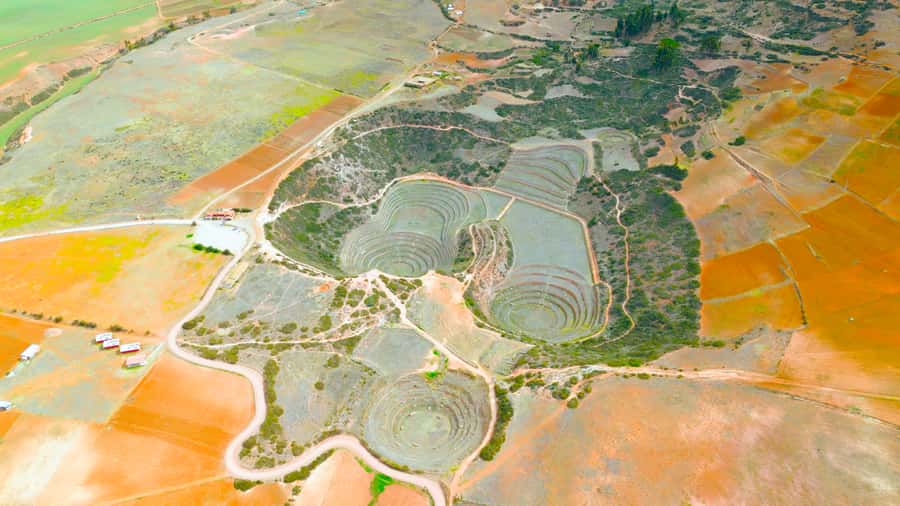
- Moray’s circular terraces were used to test different conditions for farming at different altitudes
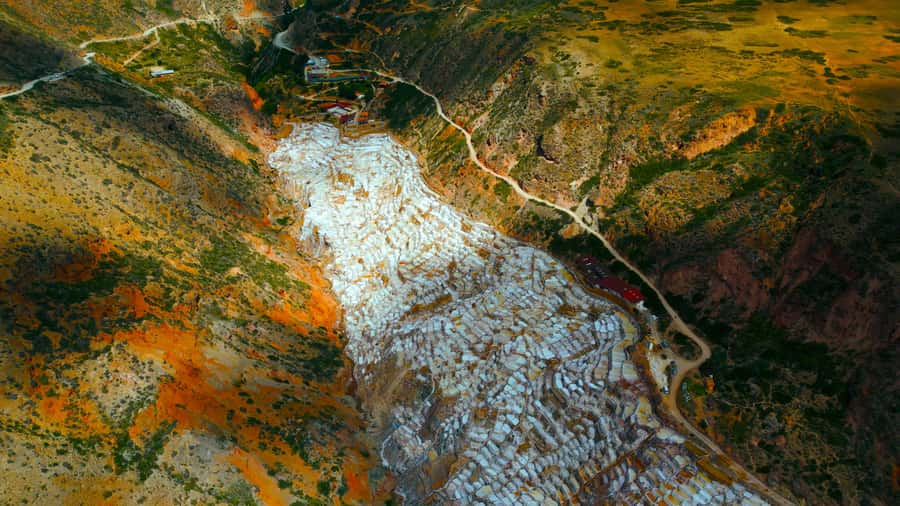
- Maras Salt Mines visit focuses on how salt is extracted and worked by people for centuries
- Entrance tickets are extra and you should bring 80 soles in cash
8:20 Cusco pickup and the quick route to Chinchero
This is a half-day tour that starts in the historic city center of Cusco, with pickup at 8:20 am. You’ll ride out by vehicle toward the Sacred Valley area, and the first real stop is Chinchero—close enough to feel like a warm-up, but far enough that you immediately leave the city rhythm behind.
What I like about this timing is that it suits travelers who want the big-name sites without turning the day into a long, logistically messy project. In about 40 minutes you’re in Chinchero territory, then you’ll have a short visit there before heading onward.
If you’re the type who likes to take photos and still listen closely to the guide, you’ll have to stay alert to the schedule. The whole point of this tour is efficiency: you get guided context, then move on. That’s great for first-timers, but if you want to linger, you’ll feel the clock.
One more practical note: if pickup isn’t happening from where you’re staying, you’ll be sent a meeting point. That small detail matters because you’re starting early and you don’t want to chase a moving target.
You can also read our reviews of more tours and experiences in Cusco.


Chinchero textile stop: natural dyes and the practical value of watching
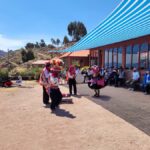
Chinchero is where the tour adds a cultural layer before the archaeology. You’ll spend about 30 minutes in the district visiting a textile store. The focus isn’t just selling souvenirs; it’s also watching wool colored using natural products and learning the basic steps behind fabric production.
Here’s why that’s worth your time: it connects the dots between what you see later at Moray and Maras. The Inca world used local materials, adapted farming to altitude, and built systems around what the land could provide. Even if you don’t buy anything, seeing the process teaches you how “craft” is really another form of technology.
The only caution I’d give is how shopping can creep into the experience when time is tight. Some departures include more pushy selling than you might expect, especially if you’re not interested in purchasing. My advice: decide in advance if you’re a buyer or a watcher. If you’re a watcher, you can still learn a lot—but don’t let the sales pitch steer your agenda.
Moray’s circular terraces: agriculture as altitude science
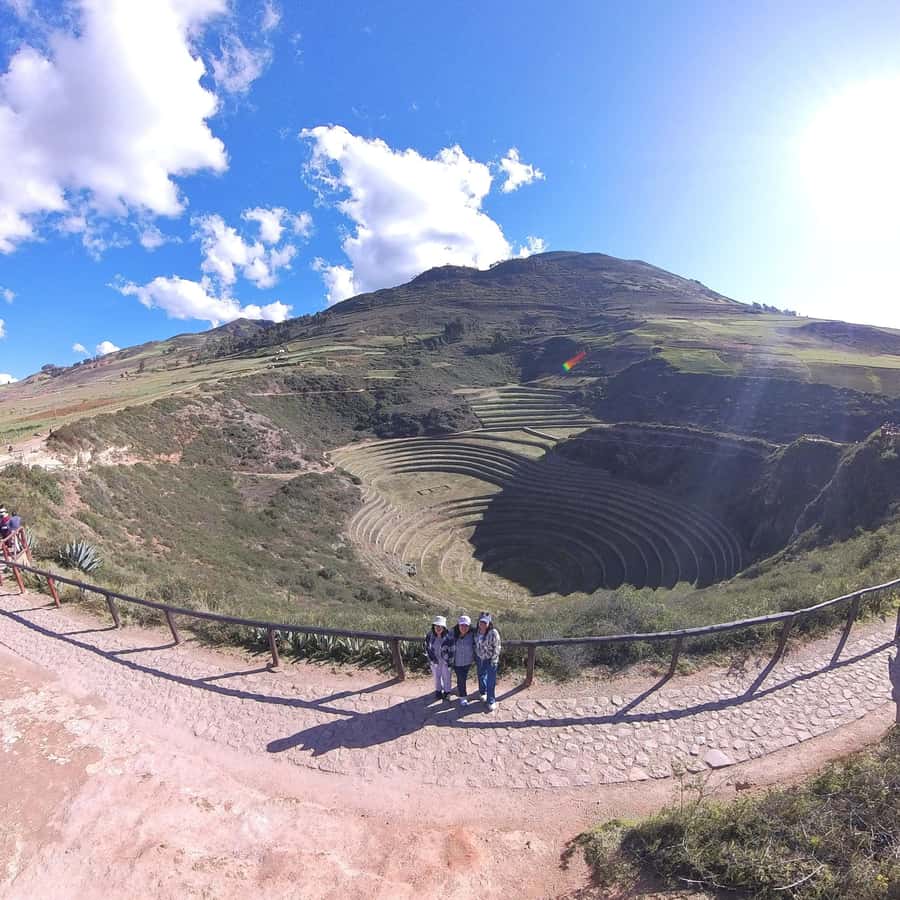
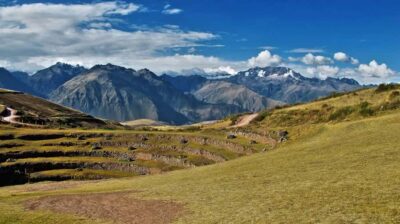
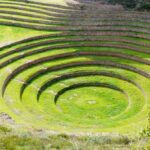
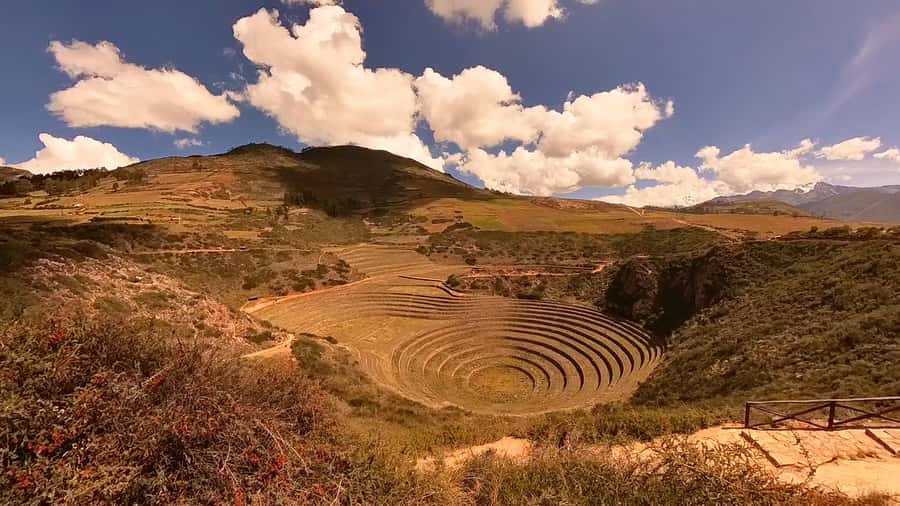
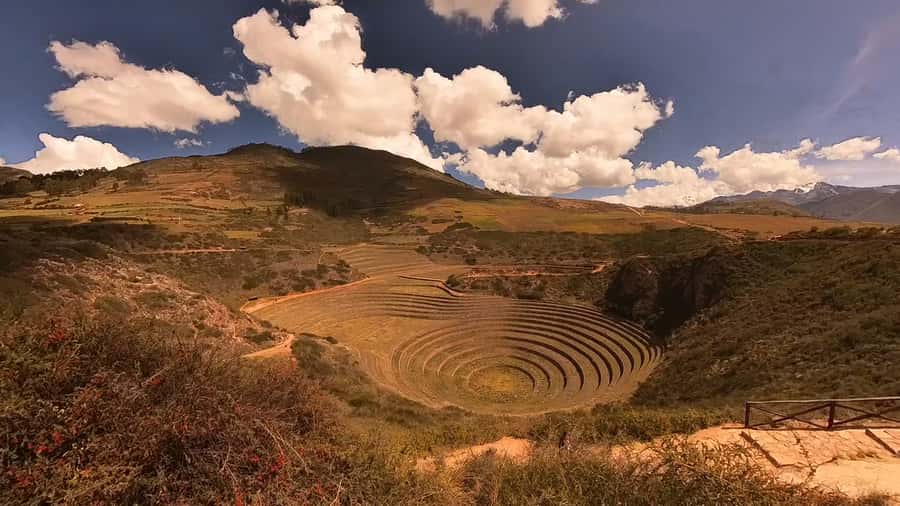
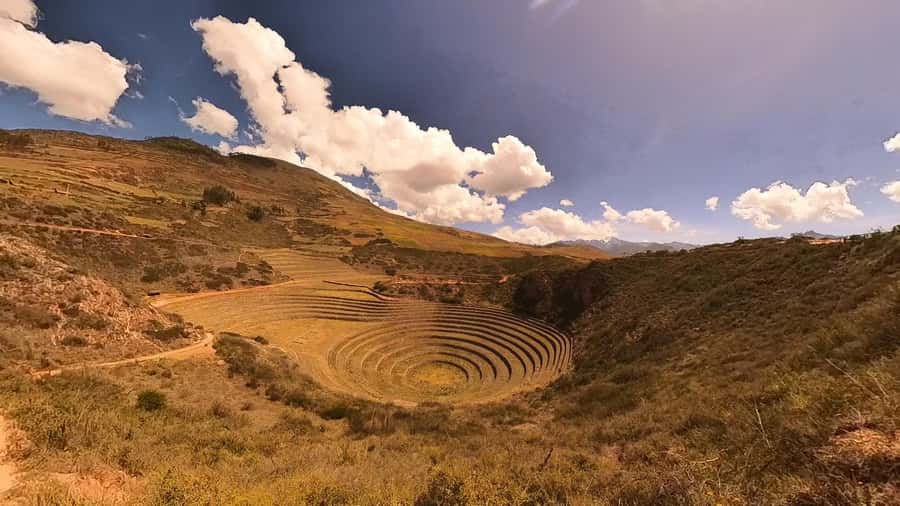
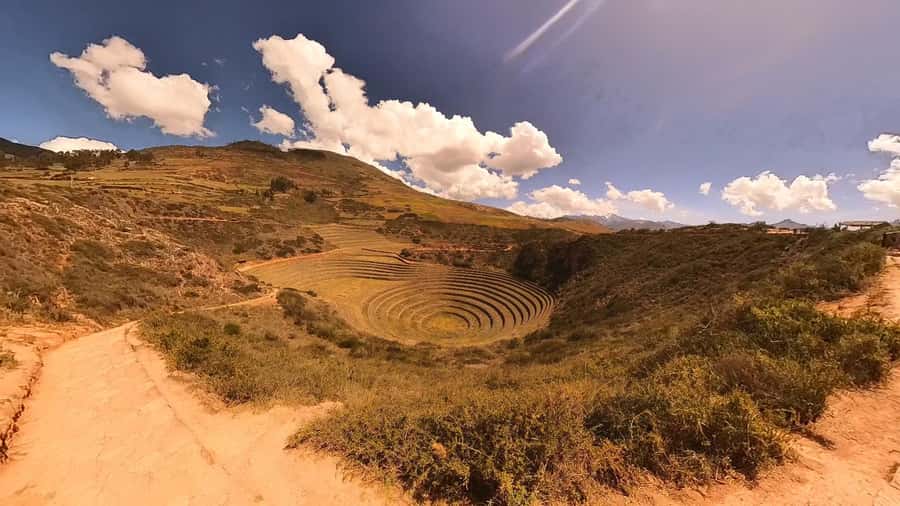
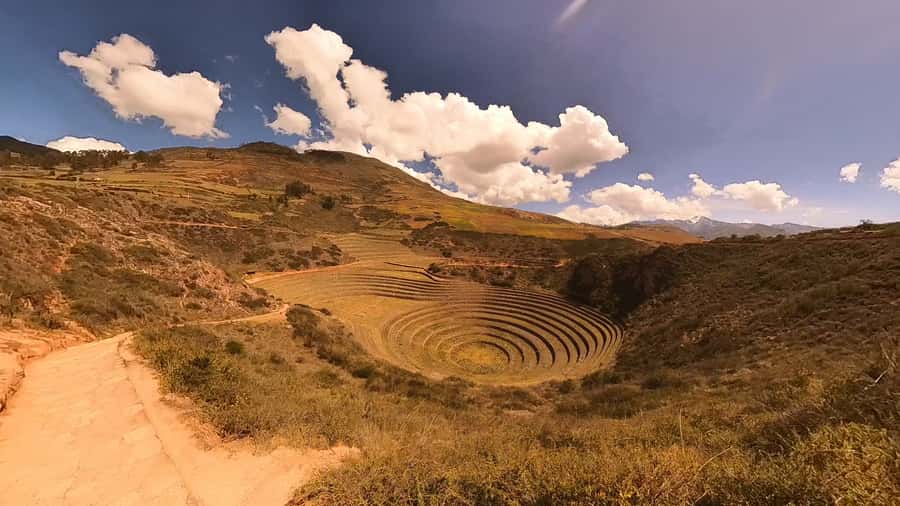
Moray is the star for many people, and for good reason. You’ll arrive at Moray and have about 40 minutes to visit the archaeological complex and get guided explanation of the circular terraces.
The big idea is simple and fascinating: Moray’s terraces were used to experiment with different climatic conditions and to adapt plant varieties to different altitudes. In other words, the site isn’t only about structures—it’s about testing, comparing, and learning how to grow crops where the environment changes.
When you stand there, you can start imagining what the Inca were doing. Those concentric forms suggest controlled variation: different levels mean different microclimates, and that could help farmers figure out which crops would thrive. Even if you only have a short visit, that guided framing makes the place feel more alive than a quick photo stop.
One small limitation: 40 minutes can be enough to get the core explanation, but it won’t satisfy deep archaeology nerds or people who want long, quiet wandering. If you’re detail-obsessed, you might leave wanting more time on-site. If you’re more focused on understanding and moving on, it works well.
The ride to Maras salt mines: scenery, time pressure, and small planning tips
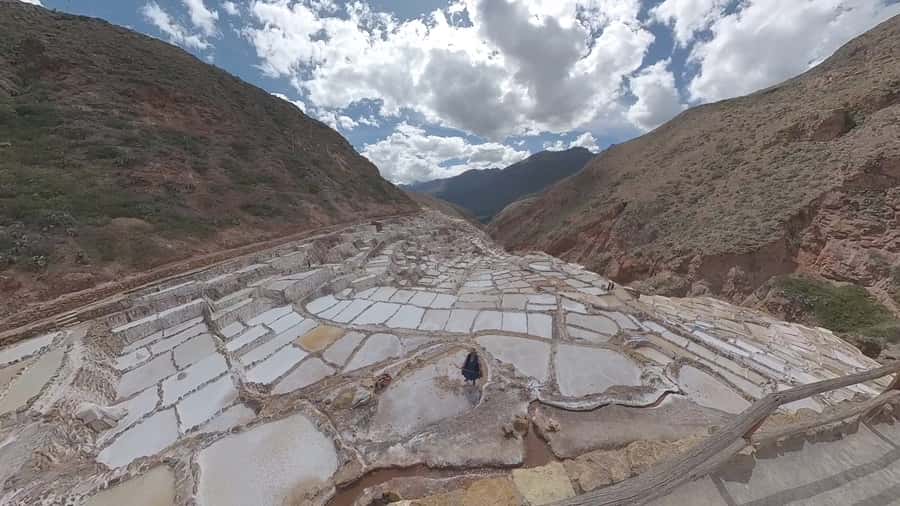
After Moray, you’ll transfer to the Maras salt mines, a ride of about 45 minutes. The drive is part of the appeal for me because you get that gradual shift from one kind of Sacred Valley story to another—terraced agriculture toward salt production.
This is also where timing becomes important. You’re not spending a full day out here, so you need to treat transitions like part of the experience. If you want great photos, be ready before you arrive—don’t spend your first minute messing around with phone batteries or camera settings.
A practical tip: bring cash ready and counted. Entrance tickets aren’t included, and that’s where you’ll need it once you arrive. If you’re paying in cash on the spot, having it organized saves stress and keeps the group moving.
Also remember this is an outdoor stop. Even in Peru, the sun can be intense, and the light shifts fast in the mountains. Wear layers, bring sun protection, and keep water handy. You’ll thank yourself when the day moves quickly.
Maras Salt Mines: seeing extraction as a centuries-long working system
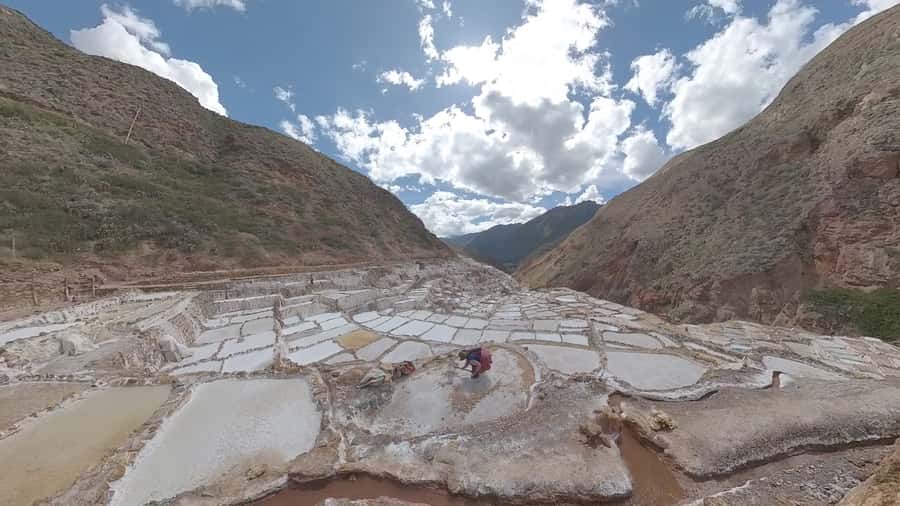
Maras is where the tour gets real. You’ll visit the salt mines and spend about 40 minutes there, with the guide explaining the salt extraction process. The mines are famous for how people have exploited this natural wealth for centuries, and the visit is structured around that living, working history.
What I like is that you’re not just looking at a monument—you’re looking at an industry. The salts aren’t presented as a one-time event. They’re shown as something that continues through daily labor, water management, and the practical know-how of people on-site.
Even with a short visit, you can pick up the workflow if you pay attention when your guide is talking. Watch how the process is set up, and try to understand what role water and evaporation play. It gives you a different kind of appreciation than just scenic sightseeing.
The possible drawback here is the same theme as earlier: time is limited. If shopping-related stops run a bit long on your departure, your actual time at the mines could feel compressed. Still, for most people, the guide’s explanation helps you squeeze real meaning out of those 40 minutes.
One more thing to consider based on mixed feedback: there’s at least one report involving how entrance money was handled for Moray and how tickets were paid for. I can’t verify the details, but it’s enough to recommend a simple safety habit—make sure you clearly understand what you’re paying and keep an eye out for any receipts or proof of payment at the entrance.


Price and value: how $14 makes sense, and where the extra cost appears
At $14 per person for a half-day tour, this is priced for travelers who want solid value and don’t mind a tight schedule. What you’re really paying for here is a guided experience plus transport: tourist transportation and a bilingual guide are included.
The cost you must plan for is entrance tickets. You’ll need to bring 80 soles in cash because tickets for Moray and the salt mines aren’t included in the tour price. That means the true total cost depends on those entrances, but this setup is still usually cheaper than arranging guides and transport separately.
Is it worth it? In my view, yes—especially if you’re short on time in Cusco. The big advantage isn’t only that you visit Moray and Maras. It’s that you get a human explanation of why Moray’s terraces worked as an altitude testing system and how salt extraction has continued as a centuries-long practice.
If you’re the kind of traveler who hates any shopping stop, you may feel less value for the time spent in textile and salt-related retail. That doesn’t automatically ruin the tour, but it changes the experience from pure sightseeing to guided “sites plus stops.” Decide what you want your half day to feel like.
What this tour feels like in real life (and who it fits best)
This tour is for you if you want a high-impact half day with clear structure: pickup in Cusco, a textile-focused cultural stop, Moray for Inca agricultural logic, then Maras for salt extraction. You’ll also appreciate the bilingual guide, since Spanish and English are both supported.
It’s also a good fit if you’re traveling with limited time. A 5-hour experience means you can still do other Cusco essentials the same day or keep your travel day flexible.
On the flip side, it might not be ideal if you prefer slow travel. The schedule includes relatively short visits—about 30 minutes in Chinchero, then about 40 minutes at Moray and about 40 minutes at the salt mines. That can feel right for most people, but if you want to soak in details without moving on, you’ll feel the pressure.
For travelers who dislike sales energy: be ready for shopping moments. Some departures include more insistence than you might enjoy, particularly around the textile store and the salt-related area. If you’re confident saying no and you treat shopping stops as quick waypoints, you’ll be fine.
If you’re traveling with kids, the short segments can be a plus, but the timing still moves. Make sure everyone uses bathroom breaks early, because the tour is designed to keep the vehicle moving.
Should you book the Moray and Maras half day tour?
Book it if you want a straightforward way to see Moray and Maras Salt Mines in one guided push from Cusco, with a bonus look at Chinchero textiles. The value is strong for the price, and the guided context turns these sites into more than postcard stops.
I’d think twice before booking if you strongly prefer no shopping and long stays at viewpoints. This tour is efficient by design, and efficiency often means retail stops can feel like they take center stage. Also, bring entrance money as requested and keep your eyes open for ticket handling, since a small number of feedback comments raised concerns there.
If your goal is to get your bearings fast and understand the big stories—Inca adaptation to altitude and salt as a long-running system—this half-day tour is a sensible choice. If your goal is deep, unhurried exploration, you’ll likely want a longer format or more flexible private time.
FAQ
Where does the pickup happen?
Pickup is included in the historic city center of Cusco. If you’re not in that area, the operator will send you a meeting point.
What time does the tour start and end?
The pickup is at 8:20 am, and the tour ends around 2:20 pm, about one block from the main square.
How long is the Moray and Maras tour?
It lasts about 5 hours.
What are the main stops during the tour?
You’ll visit Chinchero, then Moray, then the Maras Salt Mines, and return to Cusco.
Are entrance tickets included in the price?
No. Entrance tickets for Moray and the salt mines are not included.
How much cash should I bring for tickets?
Bring 80 soles in cash for the entrance tickets.
Is the guide bilingual?
Yes. The guide is professional and bilingual, with Spanish and English.
What does the Chinchero stop include?
You’ll visit a textile store where you can see how wool is colored with natural products and learn about the fabric production process.
What’s the cancellation policy?
You can cancel up to 24 hours in advance for a full refund.