REVIEW · CUSCO
Cusco: Private City Tour and Trip to Archeological Sites
Book on GetYourGuide →Operated by LimaTours · Bookable on GetYourGuide
Cusco gets under your skin fast. This private 4-hour intro strings together the Inca story under Spanish stone, starting at Santo Domingo Convent (built over Coricancha). You’ll leave with a clearer mental map of the city and the reasons behind its most famous ruins.
I particularly love how the tour turns Coricancha from a name on a ticket into a full narrative: sun worship, Inca gold legend, and the thick layers of time you can still see at ground level. I also like the way the high hill stops give you quick orientation—Sacsayhuaman’s ramparts and the viewpoints help Cusco make sense.
One thing to keep in mind: this is an uphill, outdoor day. If your legs get cranky at altitude or you’re not into walking on uneven paths, you’ll want to plan for slow steps and comfortable shoes.
In This Review
- Key highlights that make this tour worth your time
- What This Private Cusco Tour Does Best
- Santo Domingo Convent on Top of Coricancha: The Sun Temple Story
- Cusco Cathedral and the Main Square: Colonial Power in the Same Footsteps
- Sacsayhuaman Hill Fortress: Fortress Ramparts and Fast Orientation Views
- Qenqo’s Amphitheatre Temple: Ritual Space with an Agricultural Angle
- Puka Pukara Red Fortress: Military Life, Water, and Still-Visible Infrastructure
- Price and Logistics: What $101 Buys You in Cusco Time
- A Comfortable 4-Hour Pace for First-Timers
- What to Bring (and What to Skip) So the Day Runs Smooth
- Who Should Book This Tour, and Who Might Want Something Else
- Final Call: Should You Book This Private Cusco City and Archaeology Tour?
- FAQ
- How long is the Cusco private city tour and archaeological sites experience?
- Does the tour include hotel pickup and drop-off?
- What places are visited during the tour?
- Is admission included for Coricancha and the Cusco Cathedral?
- Do I need the Cusco Tourist Ticket (BTC)?
- What languages is the tour guide available in?
- Is food included?
- What should I bring?
- Is the tour wheelchair accessible?
Key highlights that make this tour worth your time
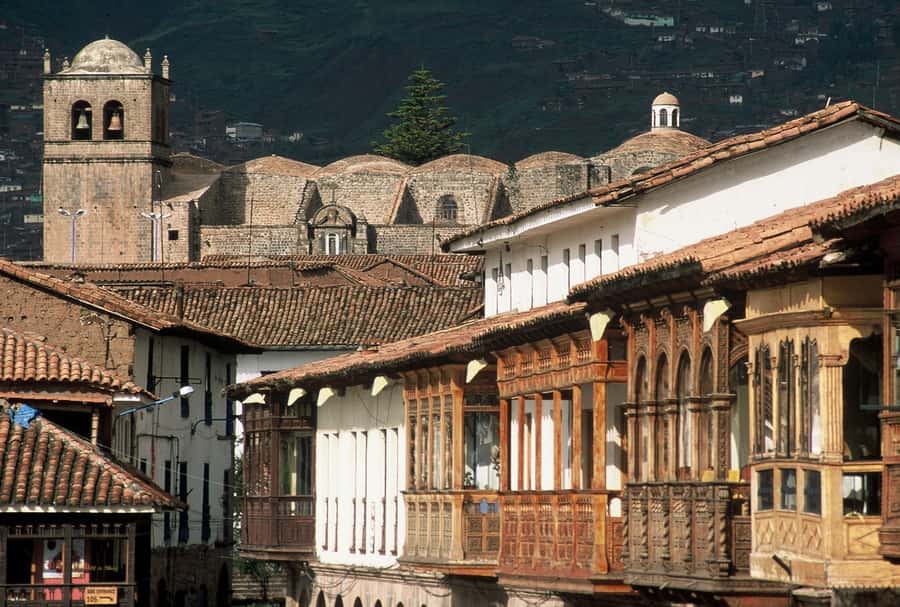
- Santo Domingo Convent over Coricancha: you see the Inca foundations right where the convent sits.
- Cusco Cathedral in the Main Square: a big, imposing stop that anchors you in colonial Cusco.
- Sacsayhuaman on the hill: fortress ramparts plus panoramic views for quick orientation.
- Qenqo’s amphitheatre and rituals: an archaeological stop with an agricultural angle.
- Puka Pukara’s water systems and towers: the Red Fortress isn’t just walls—it’s infrastructure and military life.
- A professional multilingual guide: English, Spanish, Portuguese, with enough attention to keep questions moving.
What This Private Cusco Tour Does Best
If you’re doing Cusco for the first time, you need two things fast: context and geography. This tour delivers both in four focused hours. You start in the historic center, then climb out of the downtown bustle and into the ruins that sit above the city. By the time you’re done, you’re not just seeing sites—you’re understanding how the Inca landscape worked.
The private group format matters more than it sounds. With a guide who works in English, Spanish, and Portuguese, you can ask follow-ups without feeling rushed. The experience also includes hotel pickup and drop-off, so you spend less time figuring out transport and more time looking closely.
From the reviews, I especially like that the guides are punctual and keep the explanations practical, not just lecture-style. One review noted the guide was from Cusco and was both attentive and full of interesting information—exactly what you want when you’re trying to connect the dots quickly.
You can also read our reviews of more city tours in Cusco
Santo Domingo Convent on Top of Coricancha: The Sun Temple Story
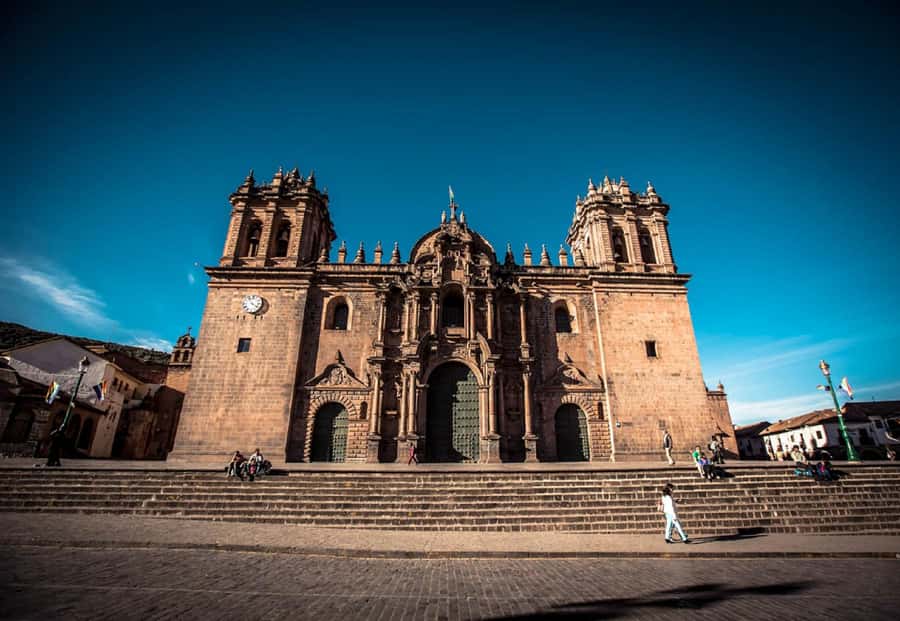
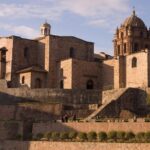
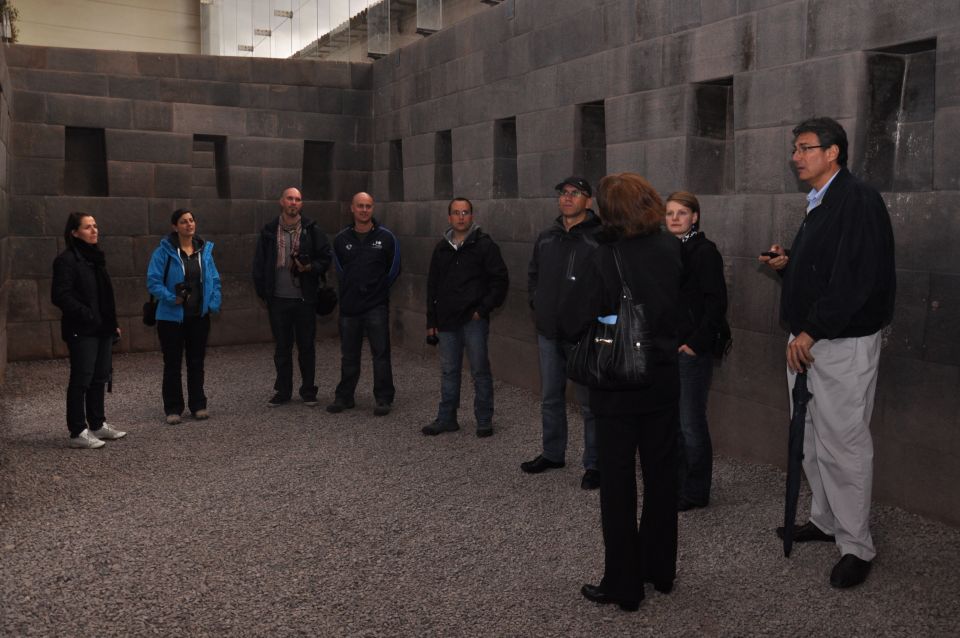
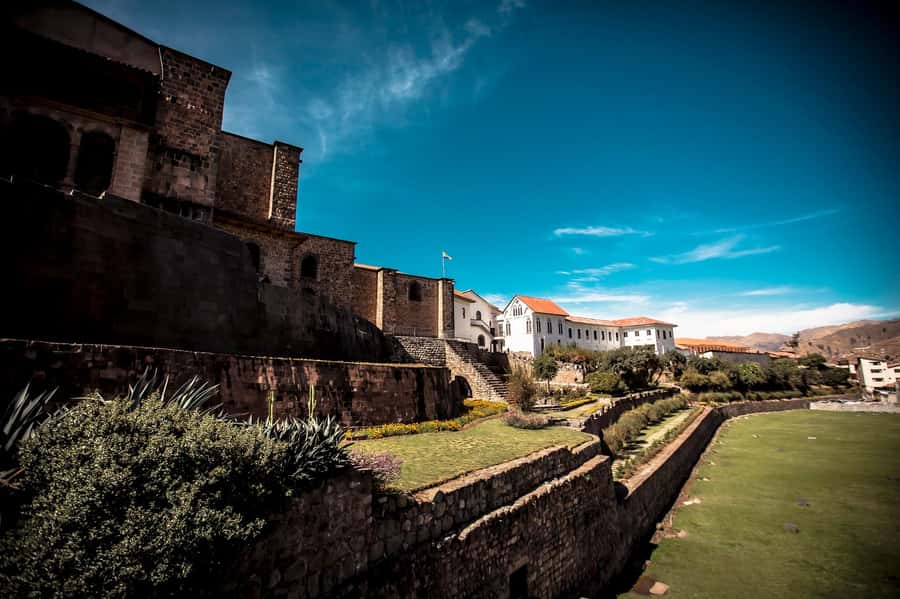
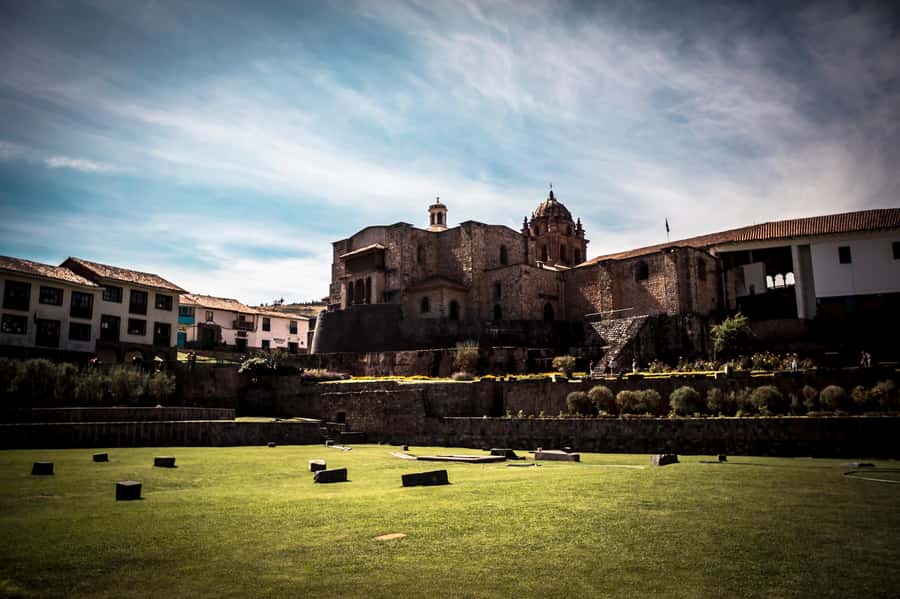
You begin at Santo Domingo Convent, a Renaissance-baroque complex that was built over the Inca Coricancha temple. This is where the tour earns its name as an introduction to Cusco’s layered identity. The idea is simple: you’re not walking through a museum. You’re standing on the overlap between worlds.
At the base of the convent, you can still see the prominence of the Inca foundations. That physical reminder is key. It’s one thing to hear that Spanish builders repurposed Inca sites. It’s another to stand next to the stone and feel how deliberate the placement was.
Coricancha was one of the most important temples in the Inca world, dedicated to worship of the sun. You’ll also hear the older chronicles that say the temple was covered in gold leaf and filled with golden representations of nature. Even if you treat the details as legend, the takeaway is solid: this place wasn’t “a temple,” it was part of the Inca system for power, belief, and astronomy.
Also, this stop is a smart pacing choice. Before you climb hills, you get oriented at street level with an anchor site, so the later views feel connected rather than random.
Cusco Cathedral and the Main Square: Colonial Power in the Same Footsteps
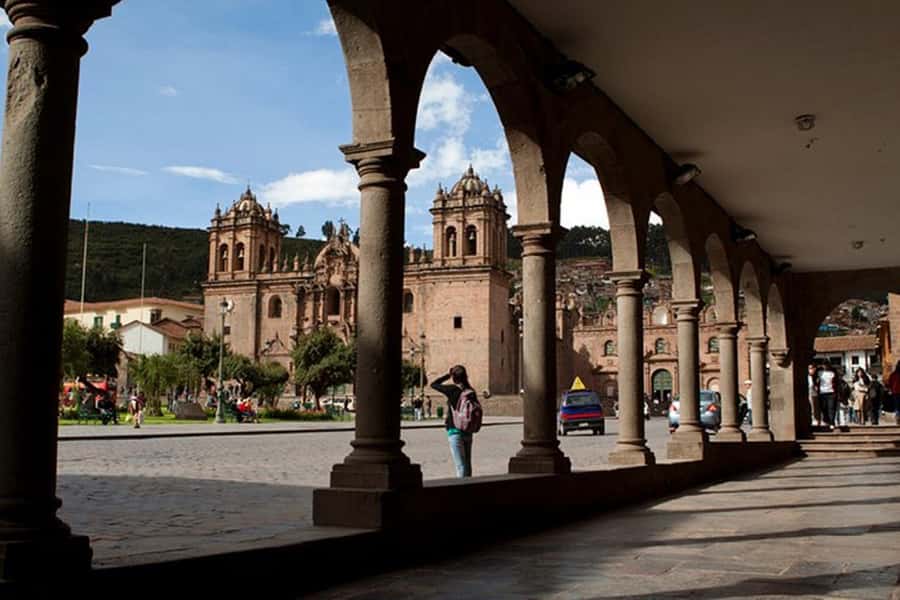
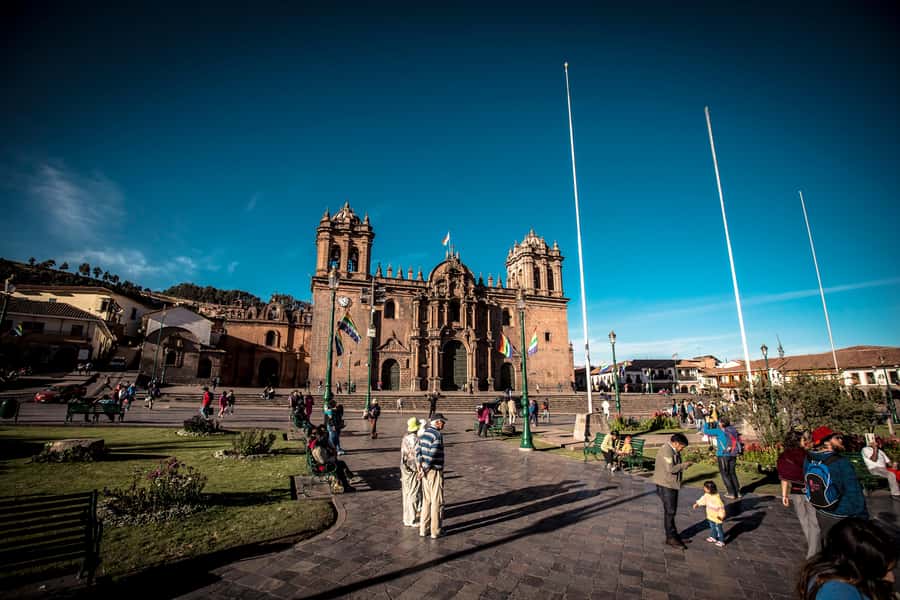
Next comes the Cusco Cathedral, the imposing monument of the Main Square. If the convent helps you see the Inca-to-Spanish transition, the cathedral shows what the Spanish crown wanted to project afterward: scale, authority, and central control.
This is a good moment to slow down. You’ll be standing in the most iconic public space of Cusco, where locals still move through the city’s daily rhythm. Even if you’re more into archaeology than architecture, the cathedral works because it ties together the story of who controlled the center and how that control shaped the city layout.
And since the tour includes admission to the cathedral, you avoid the extra admin that can eat into a short four-hour window. You can spend your energy on what you came for: the big cultural shifts you can still read in the streets and buildings.
Sacsayhuaman Hill Fortress: Fortress Ramparts and Fast Orientation Views
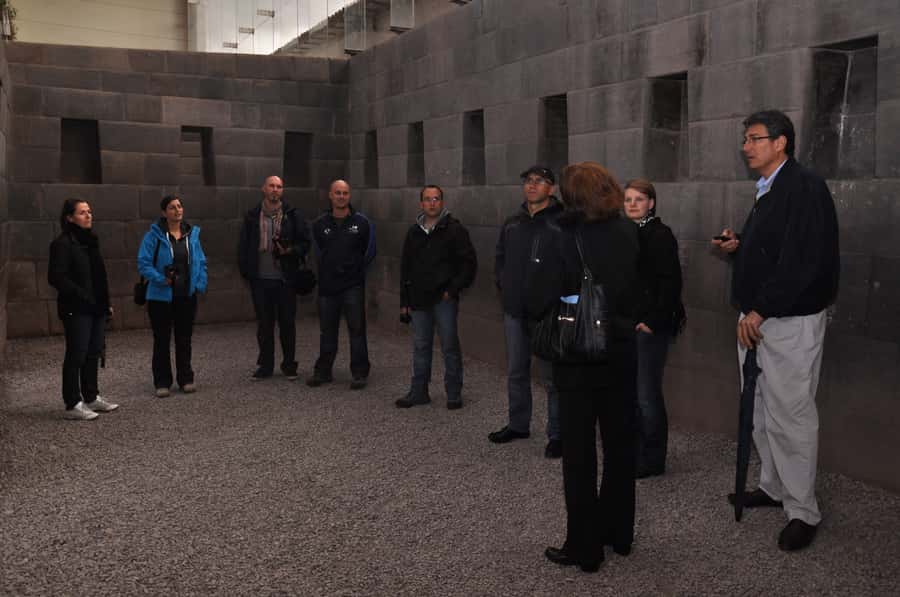
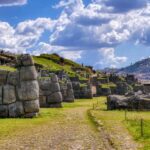
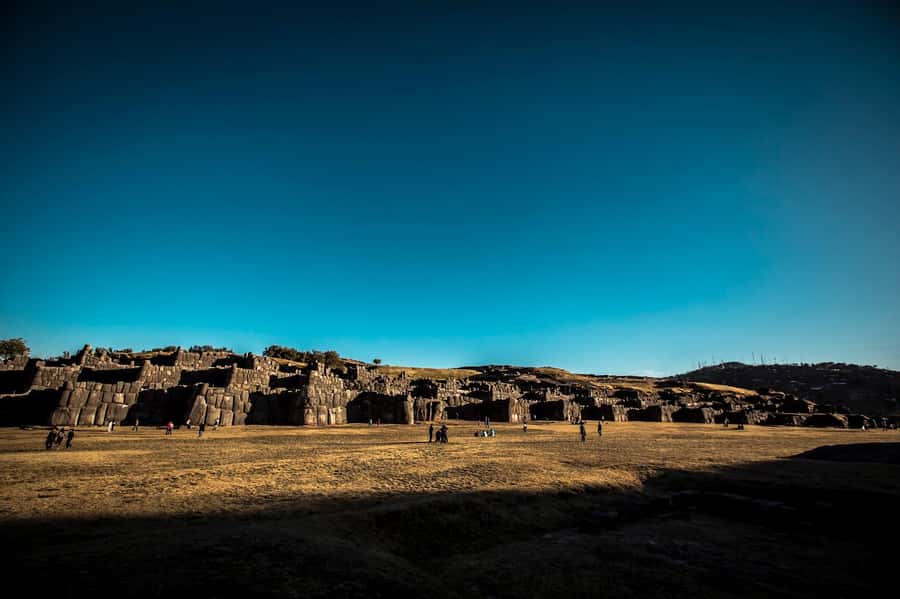
After the historic center, you head uphill to Sacsayhuaman, one of the mega fortress complexes near Cusco. This is the payoff for people who want views—but also for those who want to understand the Inca approach to defense and city control.
The ramparts here are imposing, and the perspective does something practical. From the hill, you can connect the dots between downtown Cusco and the surrounding archaeological sites. Suddenly, the city doesn’t feel like a random cluster of streets—it looks like a hub in a planned landscape.
Sacsayhuaman also sets up what comes next. The Inca didn’t only build forts; they built ritual spaces and specialized complexes for farming and military life in strategic locations. Once you’ve seen one hill fortress, it’s easier to interpret Qenqo and Puka Pukara as parts of the same bigger system.
One detail to respect: you’ll be outdoors and climbing. If you’re sensitive to altitude or you’re visiting in hotter hours, take slow steps. The views are worth it, but rushing steals the fun.
Qenqo’s Amphitheatre Temple: Ritual Space with an Agricultural Angle
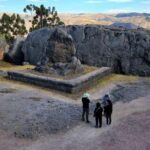
Then you move to the remains of the fortress-temple area of Qenqo. This site includes a temple and amphitheatre-like features, and it’s believed the Incas practiced agricultural rituals here.
That agriculture connection is more than a trivia point. It shifts how you look at the ruins. Instead of seeing Qenqo only as architecture, you start thinking about seasonal timing, water, food, and the way belief supported farming cycles. A lot of Andean sacred sites tie ritual to practical life. Qenqo is a strong example.
It also keeps the tour from becoming only “fortress after fortress.” You’re still in the hill zone, still scanning stonework and layout, but now the focus is on ceremony and function rather than defense.
This is where a good guide really matters. The difference between a quick glance and a meaningful visit is whether you learn what the space was for. And the tour is built around explanation, not just photo stops.
You can also read our reviews of more private tours in Cusco
Puka Pukara Red Fortress: Military Life, Water, and Still-Visible Infrastructure
Finally, you visit Puka Pukara, which means Red Fortress in Quechua. This military complex sits on a prominent hill, and it’s one of the best stops on the tour for seeing how the Inca planned daily living and logistics alongside defense.
What I like about Puka Pukara is that it’s not only walls. You can still appreciate dwellings, small square layouts, bathrooms, aqueducts, walls, and towers. That mix gives you a more human impression of the site. It feels like a functional outpost, not just a battlefield backdrop.
You’ll also get more of those Cusco-region views from the hilltop setting. This helps wrap up the day in a satisfying way: you’ve seen downtown symbolism, then the defensive skyline, then ritual space, then the working military complex.
If you’re trying to prioritize your time, Puka Pukara rewards you for staying focused rather than rushing through. The details are visible, and your guide can help you connect those features to how a military site actually ran.
Price and Logistics: What $101 Buys You in Cusco Time
At $101 per person for about four hours, this tour sits in the practical middle ground. The big value is not that it’s cheap. It’s that it’s structured.
You get:
- Hotel pickup and drop-off
- A professional guide in English, Spanish, and Portuguese
- Admission included for Coricancha and the Cusco Cathedral
You don’t get:
- The Cusco Tourist Ticket, called BTC
- Food and drinks
- Gratuities
That BTC detail is the one to plan around. For the hill sites—Sacsayhuaman, Qenqo, Puka Pukara, and even Tambomachay—the BTC is important. The good news is that the tour covers multiple major sites in one run. The bad news is that if you forget the ticket, you lose momentum.
When you do it right, the price feels fair because you avoid multiple separate visits and coordination headaches in a city where getting around can eat time. One review also mentioned transfers in a comfortable van, which is a nice bonus for a short, concentrated day.
A Comfortable 4-Hour Pace for First-Timers
This tour works because it doesn’t try to do everything. It’s built like an orientation course. You start in the historic center with the Inca-to-Spanish overlap, then you climb to see how the Incas placed power, ritual, and military activity around Cusco.
The pacing matters if it’s your first day or you’re still adjusting to altitude. You’re not spending the whole day in a single ruin. You’re bouncing between key ideas: sun worship at Coricancha, colonial authority in the cathedral square, defensive strategy at Sacsayhuaman, ritual farming space at Qenqo, and military operations at Puka Pukara.
Also, private group format can make the whole experience feel calmer. You’re not stuck waiting for a line of strangers or competing for the guide’s attention.
And yes, you’ll need to be ready for stairs and uneven surfaces. The tour isn’t designed for wheelchair users, and there’s no mention of step-free access.
What to Bring (and What to Skip) So the Day Runs Smooth
Bring:
- Comfortable shoes for uneven stone and hill paths
- Sunscreen, because you’ll spend time outdoors
- Comfortable clothes for walking and sun
Skip:
- Pets
- Luggage or large bags (you shouldn’t expect to bring them along)
- Unaccompanied minors
If you’re traveling with kids, the tour requires adult accompaniment. This is also a good call for families who want a structured introduction, as long as your group can handle short uphill climbs and outdoor time.
One practical tip: arrive ready for early movement. Pickup is included from hotels in the Cusco Historic Center, and you should be in the lobby about 15 minutes before the scheduled pickup time. That habit alone makes tours feel smoother.
Who Should Book This Tour, and Who Might Want Something Else
This is ideal if you:
- Are in Cusco for the first time and want a tight intro to the city’s top archaeological stops
- Want expert guidance in English, Spanish, or Portuguese
- Prefer a private, structured route over solo navigation
- Care about understanding the meaning behind ruins, not just collecting photos
You might want to look at something different if:
- You need wheelchair-friendly access (this one isn’t suitable for wheelchair users)
- You dislike uphill walking on uneven paths
- You’re aiming for a long day of hiking rather than a short orientation with viewpoints
Final Call: Should You Book This Private Cusco City and Archaeology Tour?
If you want a fast, meaningful Cusco introduction, I think this tour makes a strong case. The Coricancha-to-Santo-Domingo opening is one of the best ways to understand what Cusco is: one city, layered over itself. Then Sacsayhuaman and Qenqo shift the focus to how the Incas used the hills—defense and ritual—and Puka Pukara finishes with a real sense of daily life at a military outpost.
The one real decision point is the BTC. If you plan ahead and have it sorted for the hill sites, the day flows well. If you don’t, you’ll waste precious time in a four-hour window.
Book it if you like clear explanations, comfortable transfers, and an itinerary that helps you see the city as a system, not as disconnected stops.
FAQ
How long is the Cusco private city tour and archaeological sites experience?
It runs for about 4 hours.
Does the tour include hotel pickup and drop-off?
Yes. Pickup and drop-off are included, and you should arrive in your hotel lobby about 15 minutes before pickup.
What places are visited during the tour?
The tour includes Santo Domingo Convent (built over Coricancha), Cusco Cathedral, Sacsayhuaman, Qenqo, and Puka Pukara.
Is admission included for Coricancha and the Cusco Cathedral?
Yes. Admission to Coricancha and Cusco Cathedral is included.
Do I need the Cusco Tourist Ticket (BTC)?
For the sites Sacsayhuaman, Qenqo, Puca Pucara, and Tambomachay, it’s important to acquire the Cusco Tourist Ticket (BTC).
What languages is the tour guide available in?
The guide speaks English, Spanish, and Portuguese.
Is food included?
No. Food and drink are not included.
What should I bring?
Bring comfortable shoes, sunscreen, and comfortable clothes.
Is the tour wheelchair accessible?
No. It is not suitable for wheelchair users.