REVIEW · CUSCO
Cusco: Via Ferrata, Skybike, and Rappel Adventure
Book on GetYourGuide →Operated by Top Inka Travel · Bookable on GetYourGuide
Metal steps to big views.
This Cusco adventure mixes three adrenaline styles—via ferrata, a skybike pedaling section, and a controlled-rope rappel—so you’re never stuck doing just one thing. You’ll start in central Cusco, drive to Cachimayo, get kitted up and trained, then work your way up and back down with mountains all around.
I like how the route is built for learning as you go: you climb with fixed metal steps anchored to rock, then you switch to the skybike for that smooth, view-first pedal time. I also like the instructor-led side of it—Enrique is specifically mentioned for being patient and handling the group with calm expertise. One consideration: this isn’t for people who are afraid of heights, have vertigo, or who are pregnant, since the activities involve exposure and ropes.
In This Review
- Key Points at a Glance
- Cusco Adventure Mix: Via Ferrata, Skybike, and Rappel in One Half-Day
- Meet in Cusco, Then Head to Cachimayo for Safety Training
- The Via Ferrata Climb: Fixed Steps, Anchored Confidence
- Skybike in the Air: Pedaling With the Valley Under You
- Rappel Descent With Controlled Rope: The Moment You Feel in Good Hands
- What the 4 Hours Really Feel Like (Timing, Stops, and Transitions)
- Price and Value: Why $55 Can Be a Good Deal for This Level of Gear
- Who Should Book (And Who Should Skip)
- What to Bring and Wear: Small Prep, Big Comfort
- Instructor Style Makes the Difference
- Should You Book This Cusco Circuit?
- FAQ
- Where is the meeting point in Cusco?
- How long is the drive to the Cachimayo district?
- What happens first when you arrive in Cachimayo?
- How long does the whole tour take?
- What is included in the price?
- What should I bring?
- Are meals included?
- Is the tour suitable for pregnant women or people with vertigo?
Key Points at a Glance
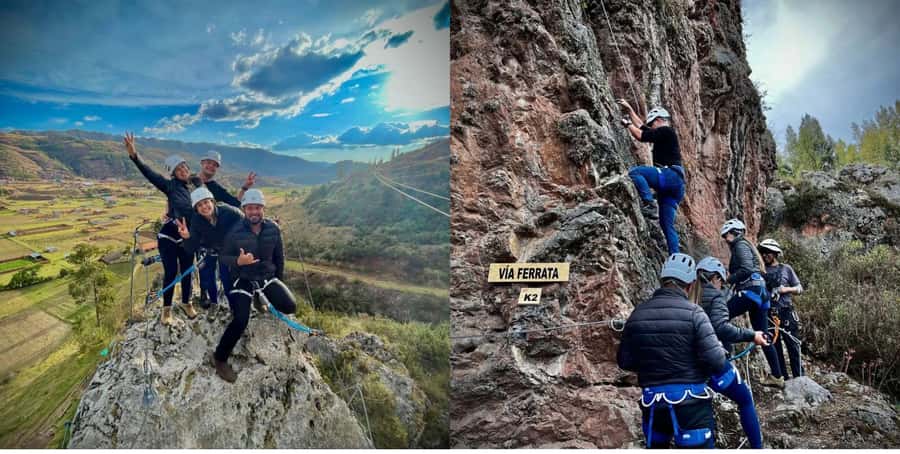
- Via ferrata climb to a mountain top using metal steps anchored in rock, with an ascent of about 45 meters
- Skybike time in the open air, pedaling with the valley view beneath you
- Rappel down with instructor control, using a rope system for a guided descent
- Long safety briefing in Cachimayo, so you’re not guessing when it’s time to move
- Central Cusco meetup and return, ending back at Plaza Regocijo
Cusco Adventure Mix: Via Ferrata, Skybike, and Rappel in One Half-Day
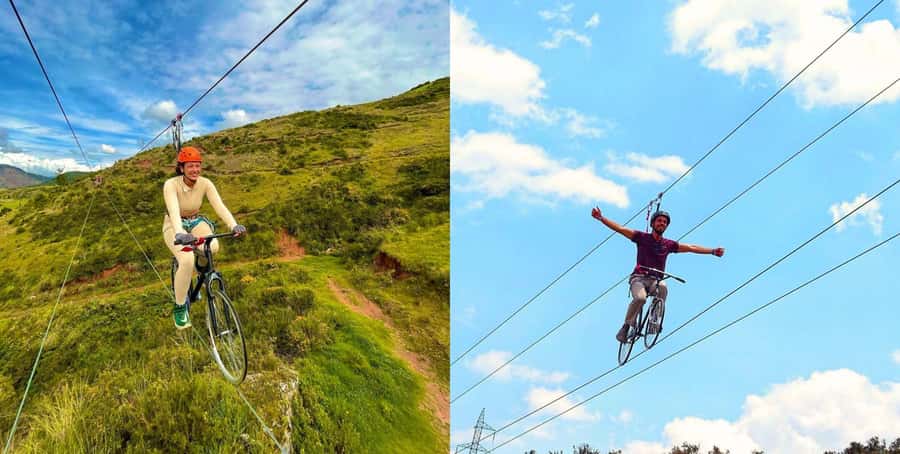
This is the kind of outing that breaks the usual Peru adventure pattern. Instead of only hiking up and down, you rotate between three action modes: climb, ride, and rope descent. It’s a smart choice if you want maximum variety without spending the whole day away from Cusco.
The adventure operates in the Cusco Region, with the action centered in the Cachimayo district. You start in town, drive out for safety training, then run the circuit. Expect the day to feel activity-driven, not sightseeing-only. You’re there to do, not just look.
Also, you get an instructor and safety equipment included. That matters more than it sounds. When the plan includes heights and rope work, having someone focused on technique and control makes the experience feel far less like a gamble.
You can also read our reviews of more tours and experiences in Cusco.

Meet in Cusco, Then Head to Cachimayo for Safety Training
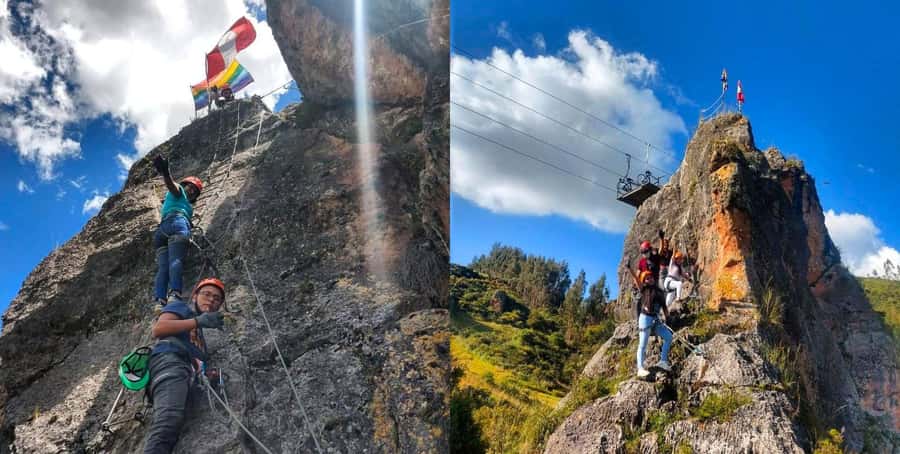
Your day begins at the main square in Cusco at the fountain/pool area. The day before, you’ll be sent the exact pickup time, so you can plan your morning without guessing. Then you’ll take transportation to Cachimayo, about a 45-minute drive.
The big time block here is the safety briefing, listed at about 2.5 hours. That’s not a quick talk-and-go. Even if you’re experienced with adventure sports, this kind of session is where you learn how the equipment works, what movements you’ll use on the fixed steps, and how the rope descent will be handled.
What this means for you: you should show up ready to listen and follow directions. If you treat the safety portion as a formality, you’ll miss the point. The whole circuit depends on you using the gear correctly and understanding the sequence.
The Via Ferrata Climb: Fixed Steps, Anchored Confidence
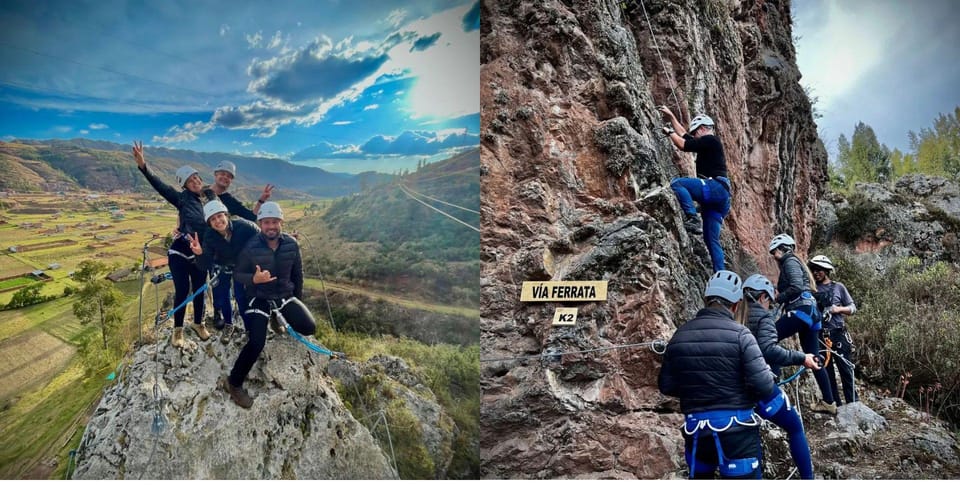
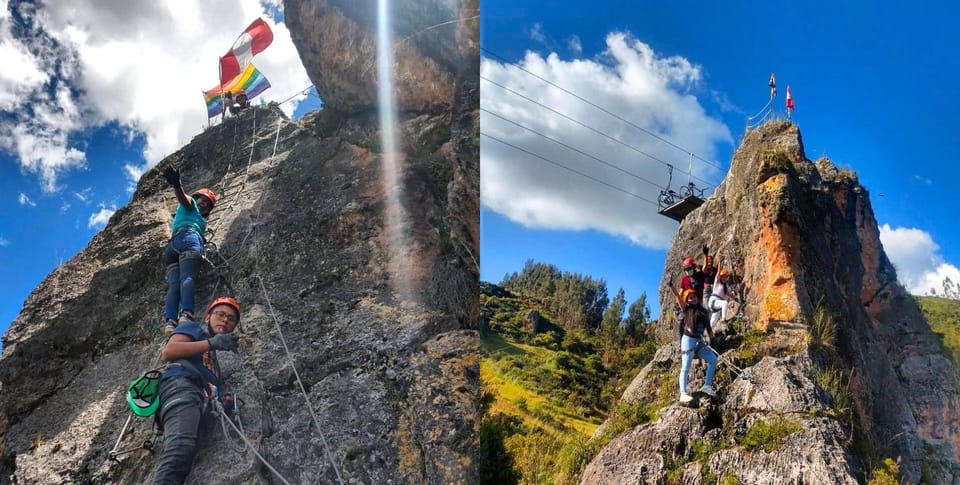
The via ferrata is the classic “climb with a safety system” format. You’ll ascend roughly 45 meters using metal steps that are anchored into the rock. This is important: you’re not scrambling on loose stone. You’re moving along a structured route designed for this exact sport.
When you’re on a via ferrata, your brain usually works overtime. You’re managing balance, breathing, and foot placement all at once. The payoff is that you’re working your way upward with a physical sense of momentum, not just staring at a distant peak.
For value, this climb does two things at once. First, it gives you a real adrenaline moment. Second, it sets up the rest of the experience by helping you get used to heights and the sensation of moving on a technical route.
One practical thing: closed-toe shoes and comfortable clothes matter here. You don’t want slippery soles or clothing that restricts how you place your feet on the metal steps.
Skybike in the Air: Pedaling With the Valley Under You
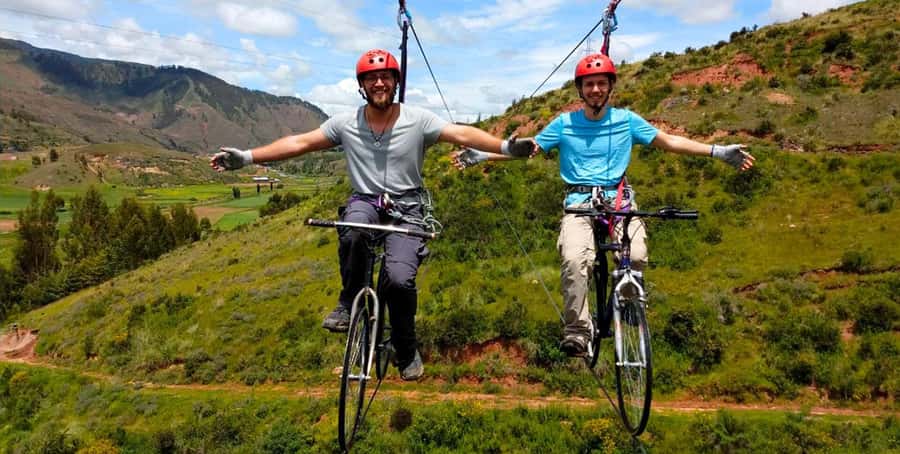
After the climb, you transition to the skybike. Think of it as the “slow your heart rate” part of the thrill. You’ll start the skybike at the top and pedal down with the valley view below you.
This section is where the experience shifts from climbing effort to controlled motion. Instead of pushing upward, you get to focus on balance and smooth pedaling while taking in what’s around you. The views are part of the design, not an afterthought.
If you’re the type who gets nervous when you can’t see where you’re going, the skybike can feel like a mental reset. You’ll still be at height, but you’re not managing rope technique or step-by-step climbing decisions. You’re riding through.
What you should watch for: keep your focus where you’re pedaling and follow any instructor guidance given on the bike. Even in a “ride” moment, this activity still relies on technique.
Rappel Descent With Controlled Rope: The Moment You Feel in Good Hands
Then comes the rope descent: rappelling with a controlled setup and an instructor. You’ll go down by using ropes under guidance, which is a big difference from DIY rappels where you’d worry about knots, friction, and proper control.
This is the part that often makes people nervous. But that nervous energy can turn into trust quickly when the instructor is leading the process and you’re using the correct safety gear. Enrique is specifically described as patient, and that kind of calm teaching style is exactly what you want here.
For you, the real benefit is the combination of fear and structure. You get the thrill of going down, while the descent is still controlled. You’re not simply jumping off and hoping for the best.
Plan to keep your body relaxed and follow instructions precisely. With rappel, small mistakes can feel big, but correct posture and calm pacing make it manageable.
What the 4 Hours Really Feel Like (Timing, Stops, and Transitions)
The tour is listed at 4 hours, but the schedule includes a 45-minute drive each way plus a long safety briefing in Cachimayo. Translation: you’ll spend a lot of time getting ready, learning the circuit, and then doing the main action.
Here’s the flow you can expect:
1) Meetup in central Cusco (fountain/pool area)
2) Drive to Cachimayo
3) Safety briefing and gear orientation
4) Via ferrata ascent
5) Skybike ride
6) Rappel descent
7) Relaxation activities
8) Return drive to Cusco, ending at Plaza Regocijo
That “relaxation activities” note matters because it hints the day won’t end abruptly the second you finish your rappel. You’ll have a moment to come down from adrenaline before heading back to the city. That helps if you want to keep enjoying Cusco afterward.
Also, plan your day around the pickup time sent the day before. If you’re trying to squeeze in another tour or a long lunch reservation right before pickup, leave a buffer.
Price and Value: Why $55 Can Be a Good Deal for This Level of Gear
The price listed is $55 per person for a 4-hour outing. For Cusco, that’s often a fair-to-good value when you factor in what’s actually included: transportation, an instructor, and safety equipment.
Most “adrenaline” activities end up costing more once you include gear rental and the cost of staff time. Here, safety equipment is included, which reduces your uncertainty. You don’t have to hunt down rentals or wonder if you’re bringing the wrong size or type.
You still pay attention to what’s not included. Meals aren’t included, and travel insurance isn’t included. If you’re planning lunch afterward, build in time and buy food before the tour if you need something on arrival back in the city.
And since this includes activities that are not suitable for heights/vertigo, the value isn’t just about adrenaline. It’s about having the right training and control so the experience doesn’t turn into stress.
Who Should Book (And Who Should Skip)
This adventure is best for people who want adrenaline but also want structured instruction. If you like hands-on activities—climbing on fixed steps, pedaling a sky-level bike, and controlled rope work—you’ll likely enjoy the variety packed into one short outing.
You’ll probably be a fit if:
- You’re comfortable following safety directions and using provided gear
- You want a break from pure sightseeing
- You’re okay with heights exposure during the climb, bike, and rappel
You should skip this if you fall into any of the “not suitable” categories:
- Pregnant women
- People afraid of heights
- People with vertigo
That’s not a “might be okay” list. With via ferrata and rappel, height exposure is part of the activity design.
What to Bring and Wear: Small Prep, Big Comfort
Keep it simple and practical. The tour asks you to bring:
- Water
- Comfortable clothes
- Closed-toe shoes
Closed-toe shoes are non-negotiable for the via ferrata footing and overall safety. Comfortable clothes help you move on the metal steps and stay flexible when you shift body position during the rappel.
Also, bring water even if the day feels short. When you’re active and at altitude, dehydration sneaks up fast. Even if you don’t feel thirsty right away, sipping matters.
If you’re the type who gets cold quickly, you might want a light layer, but that’s not explicitly stated. So I’ll keep it to what’s actually listed: focus on water, comfort, and closed-toe shoes.
Instructor Style Makes the Difference
One standout detail from the experience is the emphasis on instructor support. Enrique is specifically mentioned for being patient, and that aligns with what you’d want in a technical, safety-heavy circuit.
This matters because you’re moving through multiple skills in one day. Even if you’re athletic, you’re still learning how this specific setup works: how you manage the climb, how you handle the skybike section, and how rappel control is executed.
A patient instructor helps you keep your head clear. When your mind stays calm, the equipment feels less intimidating, and you enjoy the views and the challenge more.
Should You Book This Cusco Circuit?
If you want a short, high-energy adventure that doesn’t require advanced climbing history, this is a strong candidate. The mix of via ferrata, skybike, and rappel means you get multiple adrenaline flavors—climb thrill, height-in-view ride time, then a controlled descent.
Book it if:
- You’re comfortable with heights exposure and can follow safety instructions
- You like learning by doing with a dedicated instructor
- You want safety equipment included and don’t want to juggle rentals
Don’t book it if:
- You have vertigo or significant fear of heights
- You’re pregnant
- You need a relaxed, low-activity day
If you’re on the fence, treat it like this: the appeal is not just the views. It’s the sequence of skills in one outing, with real guidance and safety gear doing the heavy lifting.
FAQ
Where is the meeting point in Cusco?
The meeting point is in the main square of Cusco at the fountain (pool area).
How long is the drive to the Cachimayo district?
Transportation to the Cachimayo district takes about 45 minutes.
What happens first when you arrive in Cachimayo?
You start with a safety briefing in the Cachimayo district.
How long does the whole tour take?
The tour duration is listed as 4 hours.
What is included in the price?
Included items are tourist transportation, an instructor, and safety equipment.
What should I bring?
Bring water, comfortable clothes, and closed-toe shoes.
Are meals included?
No, meals are not included.
Is the tour suitable for pregnant women or people with vertigo?
No. It is not suitable for pregnant women, people afraid of heights, or people with vertigo.