REVIEW · LIMATAMBO
Cusco: Chonta Canyon and Condor Flight Tour with Lunch
Book on GetYourGuide →Operated by Kantu Peru Tours · Bookable on GetYourGuide
Chasing condors starts before sunrise. This day trip pairs Andean condor watching at Chonta Canyon with two archaeology stops, plus a guided day that helps you understand what you’re seeing. I really like how the route builds toward the best viewpoints and how guides like Rafael share clear, practical explanations for spotting condors in flight; the one drawback is the day is long and includes hiking and heights, so it’s not a great fit if you get uneasy looking down.
You’ll start with pickup from the Centro Histórico area and settle into a van ride that’s meant to get you to the right places on time. This is also a private group tour, so the pace and stops feel more tailored than the big-bus style days.
Lunch happens in the village of Chonta, and it’s included—nice when you don’t want to figure out food logistics on the fly. You also get safety support in the form of a first aid kit and an oxygen balloon, which is reassuring on an all-day itinerary at altitude.
In This Review
- Key highlights
- From Centro Histórico to Chonta Canyon: how the day is paced
- Killarumiyoq (Anta): archaeo-astronomy that makes the sky feel close
- Tarawasi near Limatambo: the Usno ritual platform stop
- Lunch in Limatambo and then the push toward Chonta
- Huayronka Bridge detour and the Chonta climb: where patience starts
- Chonta Canyon hike to three viewpoints: built for real condor sightings
- What you’ll see: how the condor flight experience actually feels
- Transport and timing back to Cusco: plan for a long finish
- Price and value: is $150 really a good deal?
- Who this tour is perfect for (and who should skip it)
- Should you book the Cusco Chonta Canyon condor tour?
- FAQ
- What time does the tour start and end?
- Where do they pick me up in Cusco?
- Where is the drop-off?
- What’s included in the price?
- Are entrance tickets included?
- Is lunch included?
- How long is the tour?
- What should I bring?
- Is the tour suitable for people with vertigo or fear of heights?
Key highlights
- Condors at three Chonta Canyon viewpoints: you get multiple sighting angles, not just one quick stop.
- Camouflage vests provided: helps you blend in while you wait for the birds to pass close.
- Killarumiyoq’s archaeo-astronomy: a moody, hands-on way to connect Cusco-area ruins with the sky.
- Tarawasi’s ritual platform (Usno): one of the few remaining ceremonial platforms used for Andean rites.
- Village lunch in Chonta: a real meal break, included, after the big scenic push up.
- Guided condor explanations with Rafael-style focus: you’re not just watching, you’re learning what to look for.
From Centro Histórico to Chonta Canyon: how the day is paced
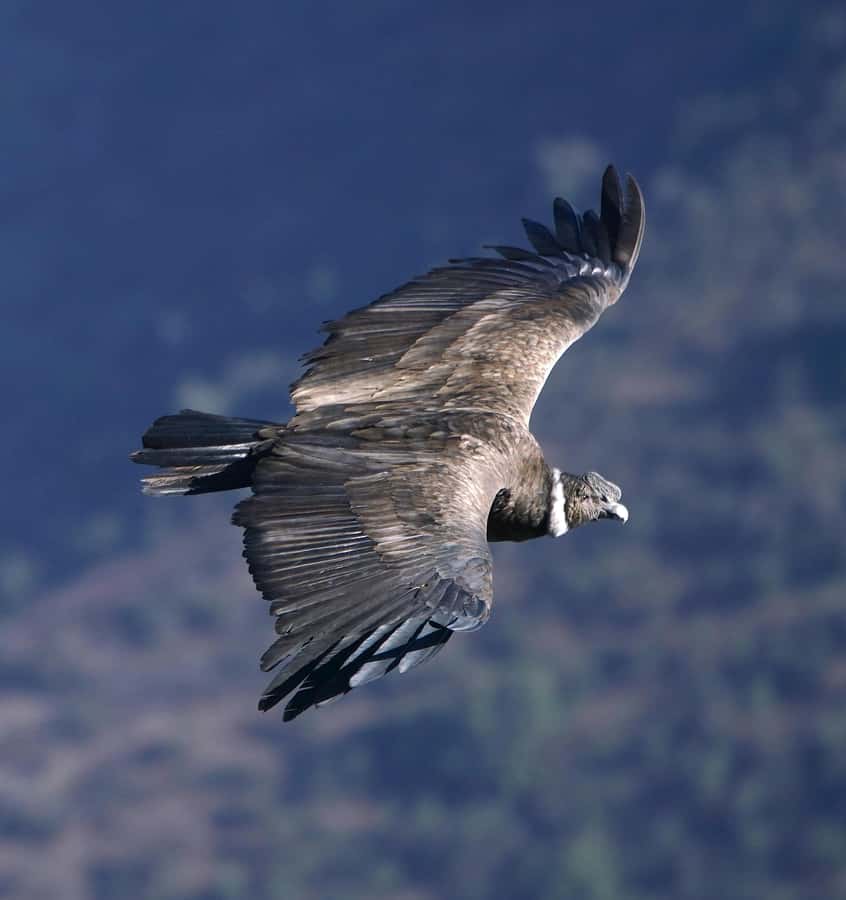
This tour runs about 12 hours, with pickup around 7:00 am and return around 7:00 pm. That’s a full day, no shortcuts. The good news is the timing is structured: you spend the morning at archaeological and roadside viewpoints, then shift into the more demanding part—getting up to the canyon observation zone—before you settle in for condor viewing.
Transportation is by van with a professional driver, and you’ll have a guide who works in Spanish and English. Because it’s a private group setup, you’re less likely to get rushed through stops or feel lost when the route changes with timing and viewing conditions.
The day’s main “physical reality” is altitude plus walking. You’ll want comfortable shoes, warm layers, and a hat. The tour does include a break for lunch, but it also helps to carry water and snacks yourself since those aren’t included.
Killarumiyoq (Anta): archaeo-astronomy that makes the sky feel close
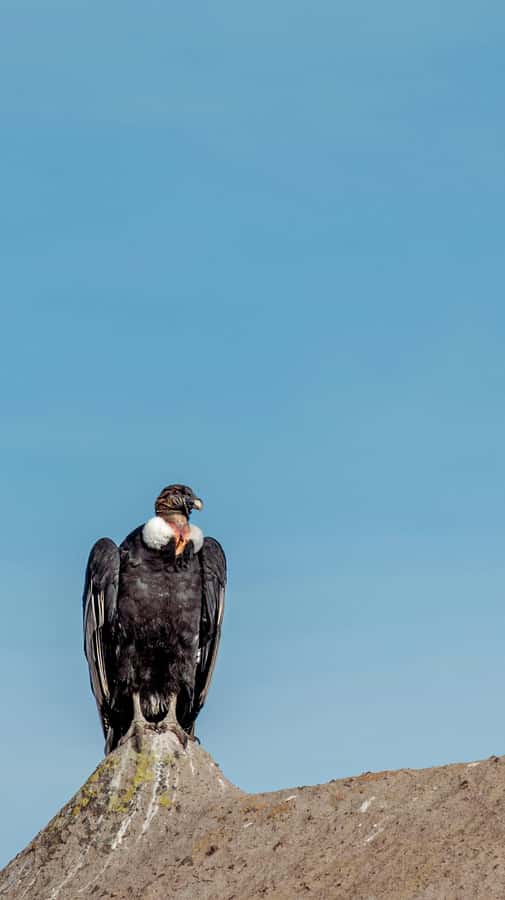
One of the first stops is Killarumiyoq, described as an archaeo-astronomical site in Anta. Even if you’re not a ruins expert, you’ll probably enjoy this because it’s not just “rocks.” It’s about how people used the sky and built places tied to observation and ritual timing.
You’ll get about an hour here with a guided walkthrough, which is enough time to follow the main ideas without turning it into a checklist. The best value is the context: when you later watch Andean condors cutting across the canyon, the day’s theme shifts from stone and stars to living sky.
Practical tip: dress for cool morning air. This is one of those stops where you’ll spend time looking outward and up, so warm layers matter more than you think.
Tarawasi near Limatambo: the Usno ritual platform stop
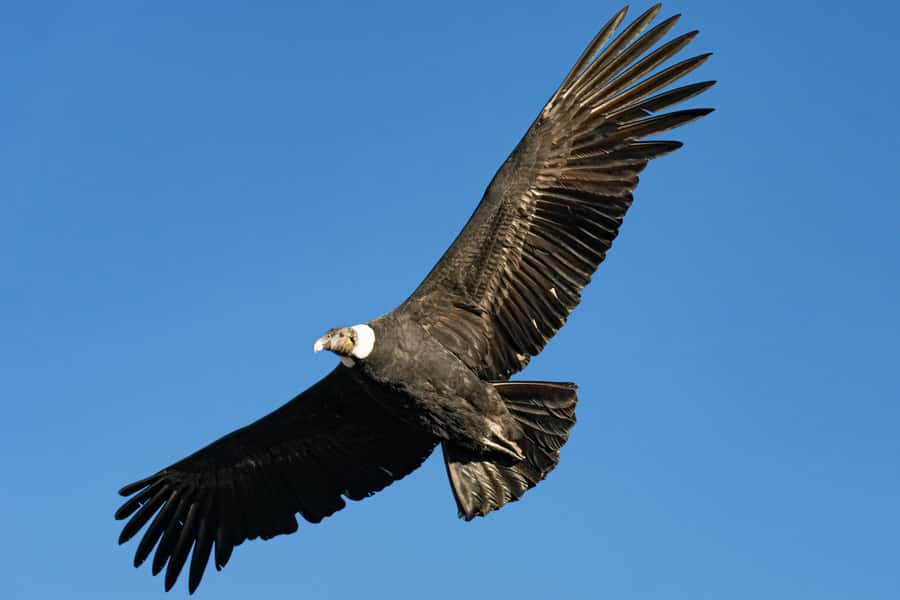
Next you head to Tarawasi, near Limatambo. This site is known for having one of the few remaining Andean ceremonial platforms called Usno, used for rituals. That detail is the reason I think this stop works so well in the same day as the condors.
Why? Because it adds depth to what you’re doing. Condors aren’t a random wildlife sighting on this tour. You’re seeing them in a region where Andean traditions connect sky, mountains, and ceremony. The guide helps connect the dots so you’re not treating the stops as separate attractions.
You’ll spend time here before lunch, and the pacing keeps it from feeling like you’re sprinting between points. Still, this is a long day, so keep your energy steady rather than trying to “power through” every minute.
Lunch in Limatambo and then the push toward Chonta
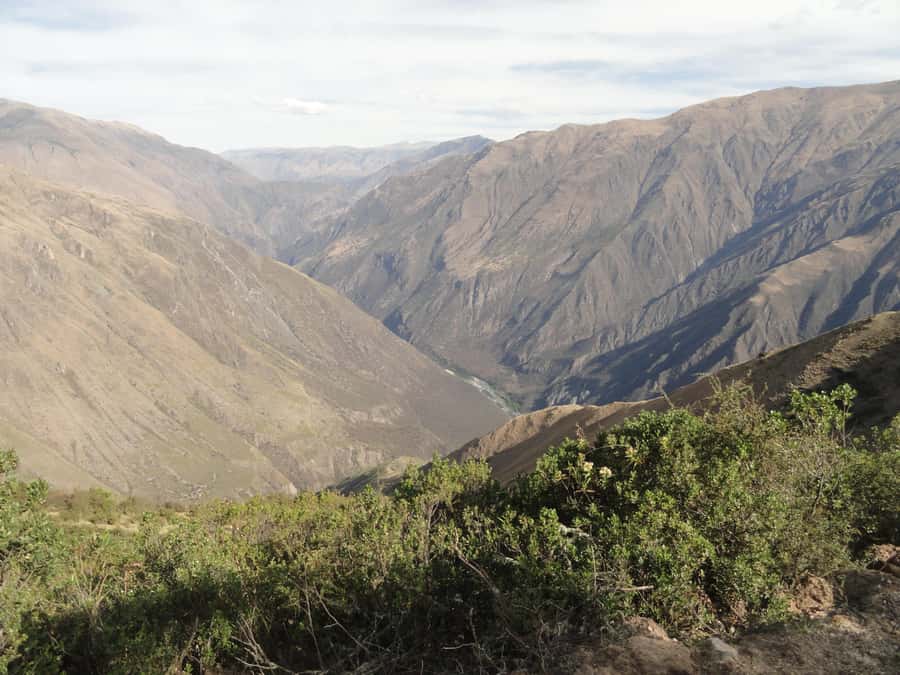
You get a scheduled break for lunch around the mid-day stretch, with about an hour for a meal. After that, the tour continues toward the canyon area with a scenic drive and a meaningful scenic detour.
Then comes the part you’ll feel: an hour-long ascent through Andean countryside toward the village of Chonta. This is when the day shifts from “drive and stop” to “get ready to walk and watch.”
I like that lunch is planned instead of leaving you to improvise in the middle of nowhere. Still, double-check what’s on offer at lunch by asking your guide when you arrive. If you’re picky, bring a small snack as backup.
Huayronka Bridge detour and the Chonta climb: where patience starts
A detour takes you toward Huayronka Bridge, and it’s timed so you can appreciate the views without missing the main viewing window. Expect a drive plus that hour-long ascent up to Chonta village.
This matters because canyon condor watching is a “wait and watch” activity. You’re hiking toward viewpoints, but the real payoff is what happens after you arrive—when the condors decide to use the air patterns overhead.
If you’re the kind of traveler who hates uncertainty, this section can feel slow. I’d reframe it: you’re spending the time you would otherwise lose on random photo stops. Here, every movement sets you up for better angles later.
Practical tip: take the ascent seriously. Wear the shoes you trust. Bring layers you can adjust if you start warm from walking and then cool quickly when you stop.
Chonta Canyon hike to three viewpoints: built for real condor sightings
After reaching Chonta, you’ll hike for about 50 minutes toward the three viewpoints in Chonta Canyon. That’s enough walking to get your heart moving, but it’s also short enough that you shouldn’t feel wrecked—assuming you pace yourself.
The viewpoints are the core of the experience. Instead of one platform where you might catch one flyby, you’re given a route through three observation points. This increases your odds because condors don’t always pass in a neat, predictable line. Wind and thermals influence how they ride the air.
Once you’re at the lookouts, you’ll have about two hours to admire and photograph the birds during their flight. That is the sweet spot for turning a “quick wildlife moment” into a real event.
And yes—camouflage vests are included. Even if you’ve never used one, the point is simple: you’re trying to disturb the birds as little as possible while you wait. It also helps you feel less conspicuous standing there with a camera.
What you’ll see: how the condor flight experience actually feels
The tour’s promise is condors in Chonta Canyon, and the way it’s set up matters. You get time to settle in, time to change angles at the different viewpoints, and time for the guide to point out how to watch.
In the best scenario, you’ll see multiple condors and watch them circle and travel through the canyon air. One guide you might meet—Rafael—is known for steering groups to strong observation spots and explaining what you’re seeing, which can make the flight feel less like luck and more like skill.
Photo reality check: condors can be dramatic but fast-moving. If you want good shots, think about how you’ll hold steady, keep your camera ready, and avoid scrambling around while you’re trying to photograph. The tour gives you time. Use it to stay still and adjust slowly.
Also, condor viewing can be emotional. Even if you’ve seen birds before, watching a massive Andean condor glide across a canyon is a different category of “wow.” The tour’s advantage is that it doesn’t treat you like you’ll catch the moment in five minutes and then leave.
Transport and timing back to Cusco: plan for a long finish
After the condor viewing, you return to the town of Chonta and then head back to Cusco. The overall day ends around 7:00 pm, with drop-off near Plaza Regocijo or back at your hotel.
From a planning standpoint, this means you should avoid stacking evening plans that require energy. You’ll likely arrive tired, not because the tour is rough, but because it’s a long schedule plus high-altitude walking and waiting.
If you’re traveling with limited stamina, this is also where the “balance” part of the tour matters. It gives you breaks—especially around lunch and between viewing points—but it’s still an all-day commitment.
Price and value: is $150 really a good deal?
At $150 per person, this tour can feel like a splurge—but it’s not just “a ticket to see birds.” You’re paying for a full day with hotel pickup, transportation, a guide in Spanish and English, condor-specific gear (camouflage vests), lunch in Chonta, and medical readiness (first aid kit and an oxygen balloon).
There’s one big catch: entrance tickets aren’t included. You’ll need about $20 USD per person for entrance tickets to Killarumiyoq, Tarawasi, and Chonta Canyon. So your realistic planning budget is closer to $170+ depending on the exact ticket situation.
I think the value holds if you want:
- a structured route (archaeology + canyon viewing)
- real time at the viewpoints (about two hours)
- guided explanations that help you see more than just passing birds
- the convenience of hotel pickup and door-to-door style logistics
If you’re the type who hates long days, or you’re already determined to DIY the canyon by public transport and random timing, then this price might feel steep. But if you want the day to run smoothly, $150 plus tickets starts to make sense.
Who this tour is perfect for (and who should skip it)
This tour is best for people who enjoy:
- wildlife viewing that involves patience, not just quick photo stops
- guided ruins stops that connect sky, ritual, and landscape
- walking for about 50 minutes plus time waiting at viewpoints
- spending the middle of the day in Chonta for lunch and atmosphere
It’s also a good match for photographers because the tour gives time at viewpoints rather than a “blink and you miss it” schedule.
But I’d steer clear if you have any of the listed issues: pregnant women, people with mobility impairments, heart problems, fear of heights, or vertigo. The canyon setting and viewpoint design make this one that can feel risky or uncomfortable for some travelers.
Even if you’re generally fit, bring extra caution if you’re not used to altitude and cold mornings. Warm layers and slow walking help.
Should you book the Cusco Chonta Canyon condor tour?
If you want a one-day Cusco experience that feels more like a real journey than a box-check excursion, I’d book this. The biggest reasons are practical: the schedule is built around time at the canyon viewpoints, you get guided context at Killarumiyoq and Tarawasi, and the tour includes lunch plus condor-focused gear like camouflage vests.
Before you go, be honest about your comfort with heights and walking. This is not a sit-in-the-van-and-watch-from-easy-stops day. Wear the shoes, pack the warm layers, and plan to come back to Cusco ready to rest.
FAQ
What time does the tour start and end?
Pickup is around 7:00 am and you return to Cusco around 7:00 pm (approximate times).
Where do they pick me up in Cusco?
Pickup is from the Centro Histórico area, specifically from the lobby of your hotel if it’s in the city center.
Where is the drop-off?
Drop-off is next to the main square or at your hotel, depending on the setup.
What’s included in the price?
Included are hotel pickup (city center), a professional guide (Spanish and English), tourist transportation with a professional driver, camouflage vests, lunch, and a first aid kit and oxygen balloon.
Are entrance tickets included?
No. Entrance tickets for Killarumiyoq, Tarawasi, and Chonta Canyon cost $20 USD per person.
Is lunch included?
Yes. Lunch is included and happens in the village of Chonta.
How long is the tour?
The duration is 12 hours.
What should I bring?
Bring comfortable shoes, warm clothing, a hat, camera, snacks, sunscreen, water, and some cash.
Is the tour suitable for people with vertigo or fear of heights?
No. It is not suitable for people with vertigo or a fear of heights, and it’s also not suitable for heart problems, mobility impairments, or pregnancy.