REVIEW · CUSCO
From Cusco: Sacred Valley & Maras Salt Mines with Lunch
Book on GetYourGuide →Operated by Inka Trekillary E.I.R.L. · Bookable on GetYourGuide
One day. Five Sacred Valley stops. I like how this tour strings together the region’s main hits—Chinchero, Moray, Maras, Ollantaytambo, and Pisac—without wasting hours circling back. I also like that the guide team brings clear, upbeat explanations (Rudy has a reputation for both energy and know-how), plus you get a buffet lunch in Urubamba that actually fits the day. The only real drawback: you’ll be moving at a steady pace with altitude swings, and some key entry tickets are not included.
You’ll start with pickup in Cusco and end back in town around 18:30–19:00 near Plaza Regocijo. That means it’s a solid option if you want a full Sacred Valley sampler, but don’t expect a slow, photo-only stroll.
In This Review
- Key takeaways before you go
- A One-Day Sacred Valley Loop: what you’re paying for
- Getting picked up in Cusco and riding north
- Chinchero textiles and the first high-altitude stop
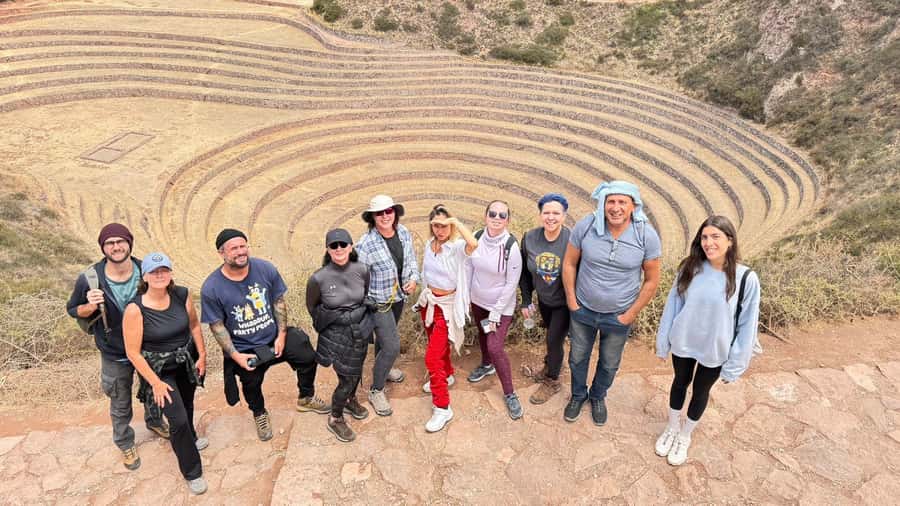
- Moray: the Inca agricultural laboratory and photo-worthy circles
- Maras Salt Mines: working terraces and the white-gold views
- Urubamba buffet lunch: the reset button
- Ollantaytambo: terraces, Sun Temple, and a route to Machu Picchu
- Pisac: mountain ruins, plus a handy craft market stop
- Price and logistics: where the day can feel long
- Who should book this Sacred Valley tour?
- Should you book this From Cusco Sacred Valley & Maras Salt Mines tour?
- FAQ
- How long is the tour?
- Where does pickup happen?
- What stops are included?
- What languages are the guides?
- What’s included in the price?
- Are entrance tickets included?
- Is lunch included, and where?
- At what altitude does the tour operate?
- Is free cancellation offered?
- What’s the end point in Cusco?
Key takeaways before you go
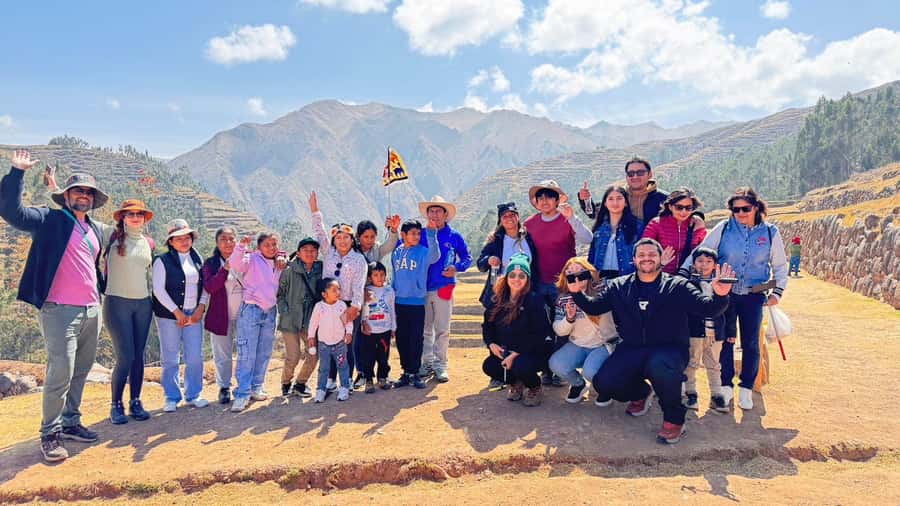
- A full Sacred Valley circuit in 1 day: the classic arc from Chinchero to Pisac
- Moray + Maras in the same route: Inca agriculture lab plus salt-mining terraces
- Ollantaytambo’s stonework and Machu Picchu connection: a meaningful historical stop
- Lunch break in Urubamba: buffet lunch to reset before the later climbs
- Shared transportation: convenient, but you’ll trade privacy for value
A One-Day Sacred Valley Loop: what you’re paying for
This tour sells itself on coverage. For about $30 per person, you’re getting hotel pickup in Cusco, a professional guide in English or Spanish, shared mobility, and a buffet lunch. In Sacred Valley terms, that’s good value because it bundles a lot of famous ground—often sold as separate add-ons—into a single day.
One thing to keep your budgeting brain on: entry tickets are extra. You’ll pay 70 soles for the general visitor ticket and 20 soles for entry to the salt mines. The advertised price covers the tour service and guiding, not those site fees—so the real cost will land higher once you add tickets.
So is it still worth it? Usually, yes, if:
- you’re short on time and want the big-name stops,
- you prefer a planned route over juggling buses,
- you’d rather pay for convenience than research every leg on your own.
You can also read our reviews of more tours and experiences in Cusco
Getting picked up in Cusco and riding north
Pickup is from downtown Cusco accommodations, and your guide or driver may take 10–15 minutes to meet you. That’s normal for Cusco, where streets and pickup zones can be a bit chaotic. Once you’re aboard, the day is mostly a rhythm of short guided visits, photo pauses, and transfers between towns.
The transfers matter because they shape how the day feels. You’ll spend roughly:
- 70 minutes heading out early,
- then another 40 minutes to the next stop,
- and multiple shorter hops after that.
If you get motion-sick or feel altitude fatigue easily, pack your usual fixes (water, snacks if you eat slowly, and a light layer). This isn’t a “sleep in the car” itinerary—it’s active sightseeing with drives that keep you on schedule.
Chinchero textiles and the first high-altitude stop
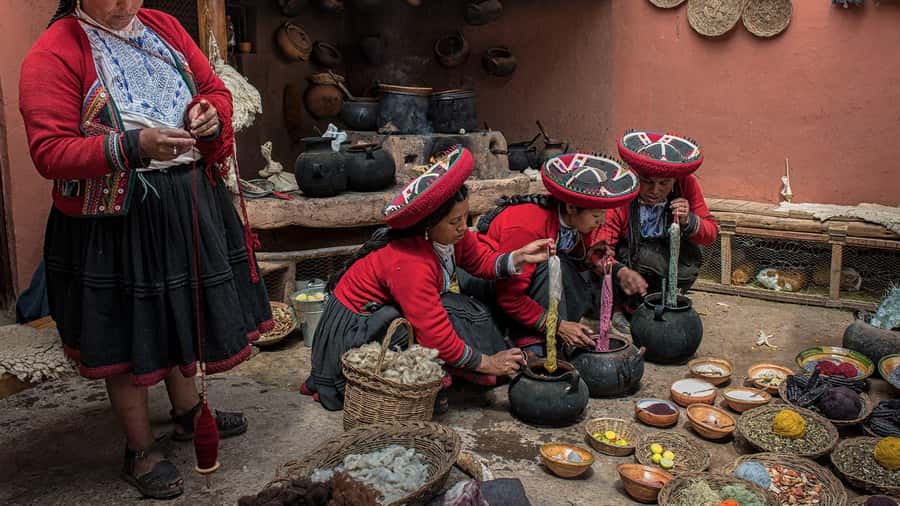
Chinchero is your first real window into local life. You’ll visit a textile interpretation center in the Chinchero district, plus you’ll have time for sightseeing and a guided walk.
Why I like Chinchero as a starter: it eases you into the day’s pace. Instead of rushing straight to stone ruins, you get craft and culture—how people create, interpret, and pass knowledge forward. It’s also a useful mental warm-up before you climb higher and move into archaeological sites.
Altitude note: Chinchero sits around 3,762 meters (12,342 feet). That’s higher than Cusco, which is already at about 3,350 meters (10,990 feet). If you’re prone to headaches or nausea, take it slow at the start and avoid overexerting yourself during the first walk.
Moray: the Inca agricultural laboratory and photo-worthy circles
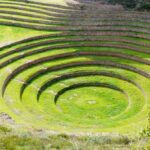
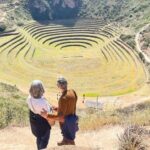
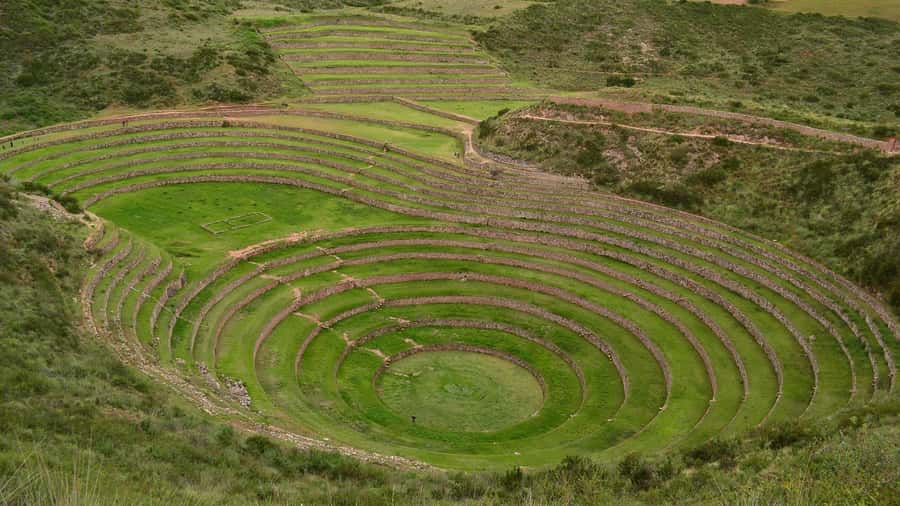
After Chinchero, you’ll transfer north to Moray. Expect a guided visit and a photo stop, plus a short walk. Moray is famous as an Inca agricultural laboratory, and that label isn’t just a tourist slogan—it helps you look at the site differently.
Instead of seeing only stone formations, you’ll think in terms of experimentation: the way Inca engineering could replicate different conditions in one place. You’ll likely notice how the arrangement of terraces creates a sense of “different levels,” which is part of why the site is tied to agricultural study.
Time on site is relatively short—about 30 minutes in the plan. That can be perfect if you’re trying to cover a lot without burning out. Just be aware: Moray is set at high altitude too (around 3,762 meters), so keep your pace gentle and plan for extra breath.
Maras Salt Mines: working terraces and the white-gold views
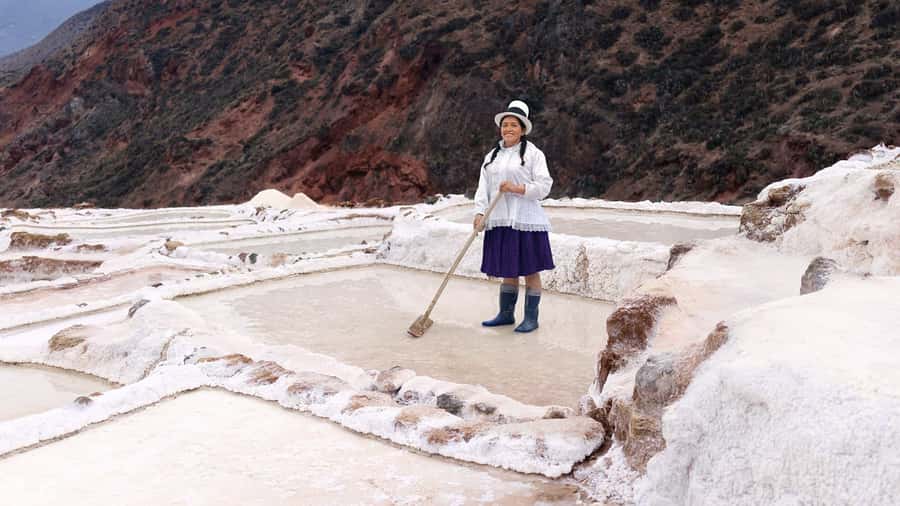
Maras is one of those places that looks simple from a distance and then rewards you as you get closer. You’ll pass through the town of Maras and visit the salt mines, with time for both photos and a guided explanation.
This is also where the entry ticket comes in: you’ll pay 20 soles for salt mines access. When you budget, include that so there are no surprises at the ticket point.
The salt terraces can feel surreal. The key is to look beyond the color. A good guide will help you connect the mining to daily work—how the production happens through these small, repeated plots. You’ll get a guided tour and time to walk around, so you’re not stuck at one viewpoint.
Altitude: Maras is listed around 3,762 meters as well. That’s the highest zone you’ll hit in this day plan besides Pisac’s upper site. If you’re sensitive to altitude, slow down during the salt mine walk. If you’re feeling okay, it’s still worth taking breaks for breath and water.
Urubamba buffet lunch: the reset button
You’ll reach Urubamba for lunch, with about 1 hour for a buffet. This is the part of the day that keeps the whole route sustainable. Sacred Valley can be physically demanding, and a real sit-down meal makes the afternoon easier.
The tour description includes a novo-andino buffet and Cusquenian/Peruvian cuisine. Since you’re not told what’s specifically on the menu, the practical move is to eat something you already know you digest well. Keep it light if you’re still feeling altitude pressure, and save your bigger appetite for later if you need it.
Urubamba sits around 2,780 meters—a drop from Moray and Maras. That altitude relief can feel like a blessing, especially after the higher platforms.
Ollantaytambo: terraces, Sun Temple, and a route to Machu Picchu
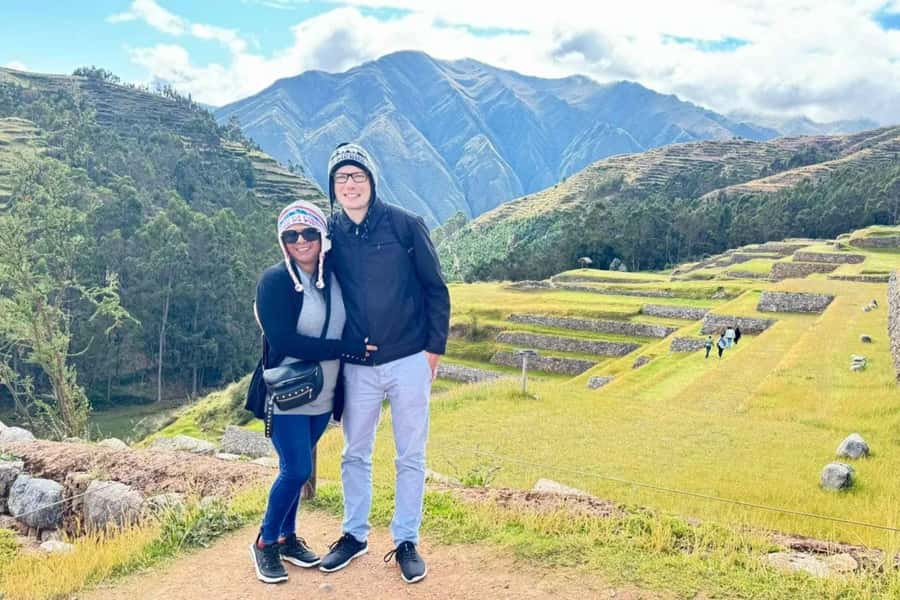
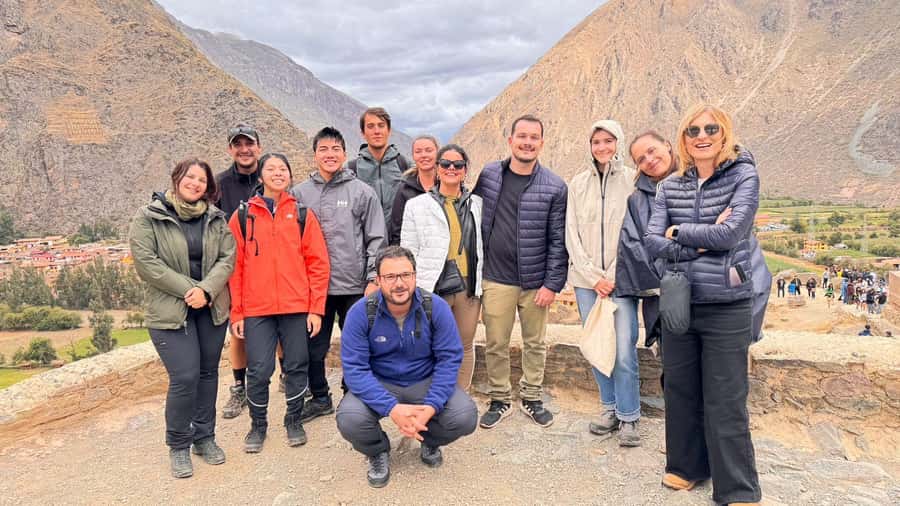
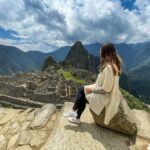
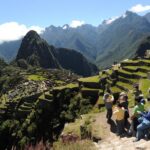
Next comes Ollantaytambo. You’ll have a photo stop, plus a guided visit and sightseeing for about 1.5 hours. This is a longer, more satisfying site than the quick stops earlier.
Ollantaytambo matters for two reasons:
- it was a tambo, a resting place in Inca times,
- and it’s also described as the starting point to reach the Sanctuary of Machu Picchu.
In other words, you’re not only looking at impressive stonework—you’re seeing a place that sits within movement and connection. The plan calls out major highlights: stone terraces, the Temple of the Sun, and the Princess Baths fountain.
A practical tip: take time to look at how the terraces are shaped and connected. Even without getting lost in technical details, you can see the logic of how people moved water, walked levels, and organized spaces.
Altitude is lower than the morning peaks (around 2,790 meters). Still, you’re at altitude, so hydration and steady walking help. The afternoon also means your energy is a factor—so focus on the key structures your guide points out.
Pisac: mountain ruins, plus a handy craft market stop
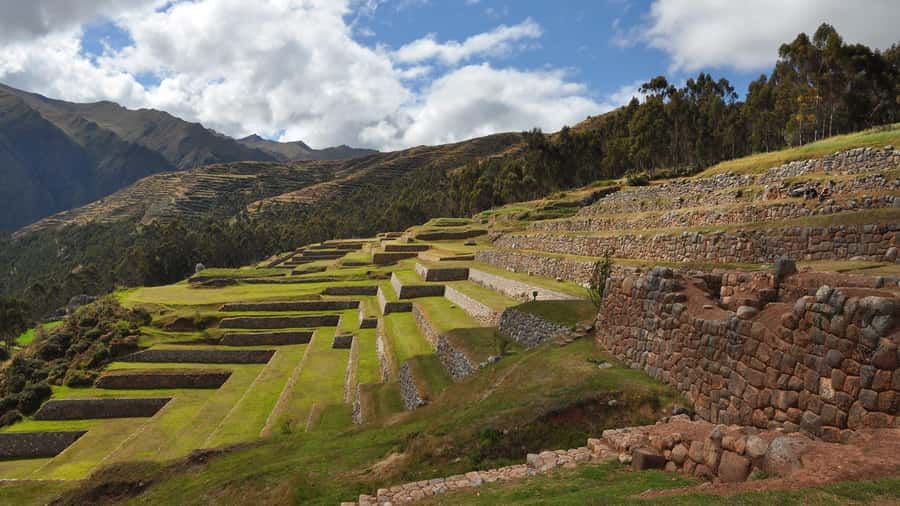
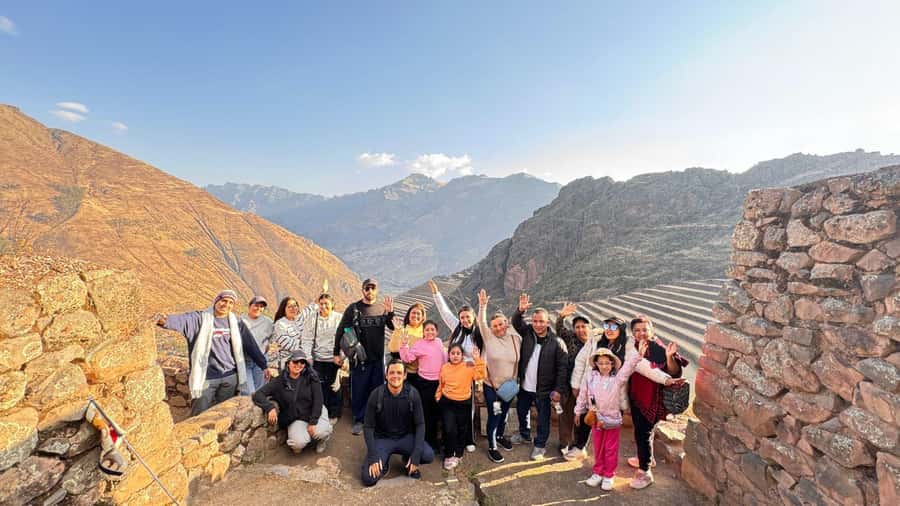
On the way back toward Cusco, you’ll go to Pisac. The plan includes a stop at the archaeological site built on top of a mountain, plus time for a handicraft market in the town.
Pisac’s archaeological site is listed around 3,300 meters, and the town area is around 2,972 meters. Expect a bit more effort than you might think: even if you’re not doing a long hike, mountain ruins usually mean uneven walking and steps.
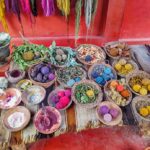
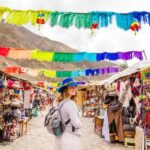
What I like here is the pacing. You’re not only ending with ruins—you get a concrete shopping and browsing moment afterward. The market stop is framed around local people who are experts working with minerals, which is exactly the kind of detail that helps you shop more intentionally. If you’re after small items and souvenirs made locally, this is a more coherent place to browse than random souvenir streets.
You’ll get the chance to shop a bit before heading back down to Cusco.
Price and logistics: where the day can feel long
Here’s the honest picture. This is a 1-day tour packed with stops, and it depends on efficient transfers. That’s great if you like structure. It can feel long if you prefer slow travel or if you’re easily tired by driving.
You’ll be done around 18:30–19:00, ending near Plaza Regocijo. That’s late enough that you’ll want dinner plans close by, not across town.
Also keep in mind:
- Shared mobility is included, so you may ride with other guests.
- There are site entry tickets not included (70 soles general visitor ticket; 20 soles for the salt mines).
- You’ll hit high altitude zones during the day (Chinchero/Moray/Maras at about 3,762 meters, plus Pisac’s upper site around 3,300 meters).
If you’re coming directly from sea level or if you’re still acclimating, I’d treat this as a manageable but serious day trip. Hydrate early, dress for cold mornings (Cusco weather is often chilly), and pace yourself at the highest points.
Who should book this Sacred Valley tour?
This tour is a strong fit if you:
- want a first-timer Sacred Valley overview in one day,
- prefer an organized route with a guide in English or Spanish,
- care about both ruins and local culture (textiles, market stop),
- like the idea of hitting Moray + Maras without planning separate trips.
It may not be ideal if you:
- hate long days and lots of transfers,
- need very slow sightseeing,
- are highly altitude-sensitive and want more rest time between climbs.
Should you book this From Cusco Sacred Valley & Maras Salt Mines tour?
If your goal is value and coverage, I’d say yes—with one condition: plan your budget for the additional entry tickets and don’t underestimate the altitude. When you book, go in expecting a guided day that moves, not a leisurely wander.
On the upside, the overall package makes sense: hotel pickup in Cusco, a professional guide (with Rudy singled out for fun energy and know-how), multiple Sacred Valley anchor stops, and a buffet lunch in Urubamba to keep you going.
If you want a one-day way to connect Chinchero’s textiles, Moray’s Inca agriculture idea, Maras salt mining, and the stone drama of Ollantaytambo and Pisac, this is a practical route that saves you time.
FAQ
How long is the tour?
It runs for 1 day, starting in the morning with pickup in Cusco and finishing back in town around 18:30–19:00.
Where does pickup happen?
Pickup is available from hotels and accommodations in downtown Cusco. You’ll be provided with a meeting point nearby.
What stops are included?
You’ll visit Chinchero, Moray, Maras Salt Mines, Urubamba for lunch, Ollantaytambo, and Pisaq, ending back in Cusco near Plaza Regocijo.
What languages are the guides?
The tour includes a professional guide in English and Spanish.
What’s included in the price?
Included: hotel pickup, shared tourist mobility, a buffet lunch in Urubamba, and an English/Spanish professional guide.
Are entrance tickets included?
No. You’ll need to pay 70 soles for the general tourist entry ticket, and 20 soles for entry to the salt mines.
Is lunch included, and where?
Yes. You get a buffet lunch in Urubamba.
At what altitude does the tour operate?
Cusco is about 3,350 m. Chinchero, Moray, and Maras are around 3,762 m. Urubamba and Ollantaytambo are around 2,780–2,790 m, and Pisac’s pueblo and site are about 2,972 m and 3,300 m.
Is free cancellation offered?
The tour offers free cancellation up to 24 hours in advance for a full refund.
What’s the end point in Cusco?
The tour ends at Plaza Regocijo (around 18:30–19:00).