REVIEW · CUSCO
Tour of the most important points in the city of Cusco.
Book on GetYourGuide →Operated by Journey Peru SAC · Bookable on GetYourGuide
Cusco can hit you fast. This tour is built for acclimatizing and getting your bearings without exhausting you. You also get a tight run through the city’s key Inca and pre-Inca sites, with small groups designed for comfort rather than chaos.
I like that the stops are spaced in a sensible order, so you see big names like Qoricancha and Sacsayhuaman, then softer-to-handle sites like Qenqo and PukaPukara. One thing to consider: you’ll want cash for the Qoricancha entrance fee (S/ 20.00) and you may also need to handle the Cusco Tourist Ticket rules separately for other attractions.
In This Review
- Key things I’d watch for before you go
- Why this 5-hour Cusco circuit works for acclimatization
- Picking your shift: morning pickup vs Qoricancha meeting at 13:00
- Qoricancha: starting with the Temple of the Sun
- Sacsayhuaman: impressive Inca military architecture in your first big wow
- Qenqo: a ritual center built into limestone rock
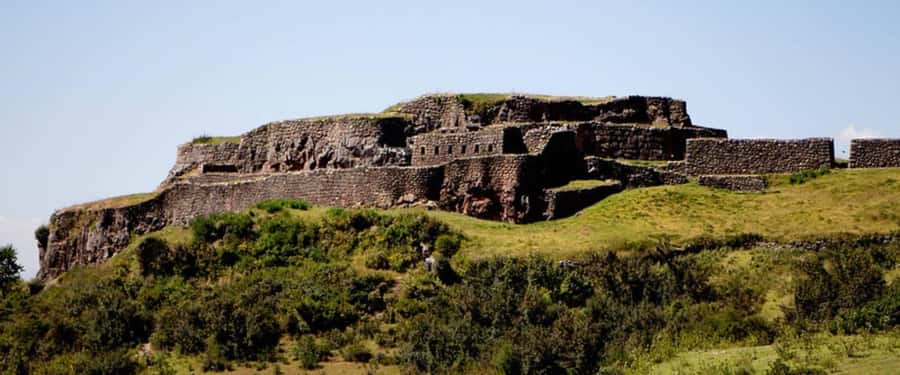
- PukaPukara: the red fortress and its military character
- Tambomachay: the baths of the Inca and a watery finish
- Transport, groups, and the value of a guided half-day
- What’s included, what to budget for, and what to bring
- Who this tour is for (and who should pick a different option)
- Booking-style tips that make the day smoother
- Should you book this Cusco acclimatization tour?
- FAQ
- What is the duration of the tour?
- How much does the tour cost?
- What times are the two shifts?
- Where do you meet for the afternoon shift?
- Does the tour include hotel pickup?
- Is a guide included, and what languages are available?
- Which sites are visited during the tour?
- Is entrance to Qoricancha included?
- Are water, snacks, or meals included?
- What should I bring and what is not allowed?
Key things I’d watch for before you go
- Acclimatization focus: it’s specifically set up to prepare you for tougher day trips like Rainbow Mountain.
- Small-group comfort: you won’t be stuck in a huge crowd.
- Bilingual guide (English/Spanish): helpful when you want real explanations, not just a bus stop routine.
- Half-day timing, 270 minutes: roughly 5 hours, long enough to feel “real Cusco,” not so long you feel wrecked.
- Qoricancha entrance fee not included: plan for S/20 and keep an eye on ticket requirements.
- Bring weather-ready basics: Cusco can shift quickly, so pack rain gear and sunscreen.
Why this 5-hour Cusco circuit works for acclimatization
This is the kind of tour you take early in your trip—especially if you’re planning more altitude-intensive adventures afterward. The idea is simple: you get a guided introduction to Cusco’s major archaeological sites while staying in control of your pace.
The itinerary is built around stops that are close enough to keep logistics manageable, but varied enough that you’re not just repeating one kind of viewpoint. You’ll start in Cusco’s core with Qoricancha, then move outward toward the Inca-built military and ritual areas (Sacsayhuaman, Qenqo, PukaPukara), and finish with Tambomachay, known for its water features.
For most visitors, the value isn’t only what you see—it’s how the tour helps you understand what you’re looking at. A solid guide can turn stone walls and terraces into something you can picture and remember, and that’s one of the most praised parts of the experience.
You can also read our reviews of more city tours in Cusco
Picking your shift: morning pickup vs Qoricancha meeting at 13:00
You get two start options, which matters when you’re trying to manage altitude and energy.
If you choose the morning shift, pickup is around 8:30 AM from your hotel area near Plaza de Armas. If you choose the afternoon shift, the meeting point is Qoricancha at 13:00. Either way, you should expect the full tour to run about 270 minutes (around 5 hours).
I like the flexibility because Cusco doesn’t always behave on the same schedule from day to day. If you wake up feeling slow, a morning start can help you get the day underway. If you prefer time to acclimatize on your own first, the afternoon option can feel less rushed.
Qoricancha: starting with the Temple of the Sun
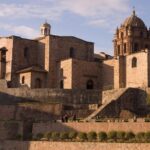
The tour kicks off at Qoricancha (Temple of the Sun), and you’ll spend about an hour here with a guided walkthrough. This is the right opener: it sets the tone for everything you’ll see afterward. You’re not just looking at ruins—you’re learning how the Inca organized sacred space.
What to pay attention to during the visit:
- How the site’s design supports the idea of ritual and ceremony (not just construction for show).
- Details that help you connect Qoricancha with the wider Inca worldview you’ll hear about later during the Sacsayhuaman and ritual-center stops.
Practical note: Qoricancha entrance is not included, listed as S/ 20.00. Bring cash so you’re not stuck sorting money while the group moves on.
Sacsayhuaman: impressive Inca military architecture in your first big wow
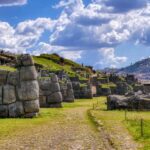
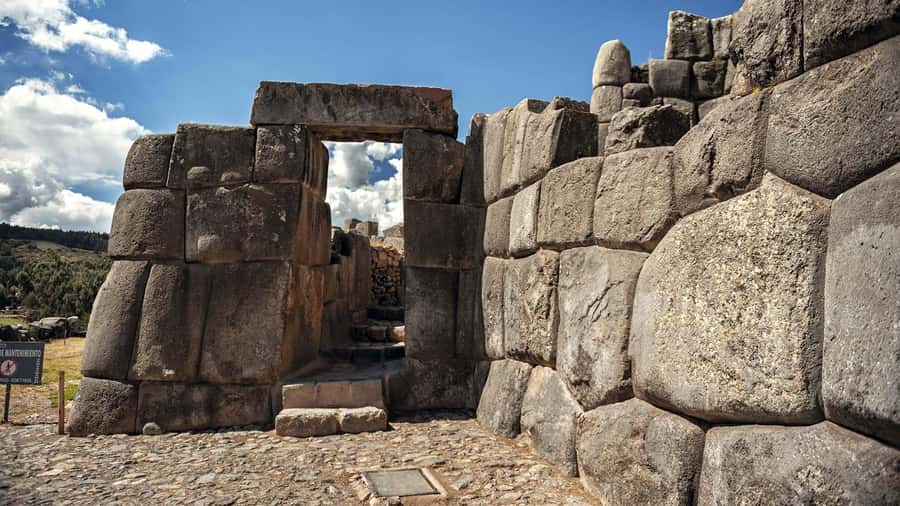
After Qoricancha, the tour heads to Sacsayhuaman, often described as a dramatic example of Inca military architecture. This stop is a major visual payoff because the scale and stonework can feel overwhelming in the best way.
Here’s why this one matters for first-timers:
- It’s a good contrast to Qoricancha. One is sacred architecture; the other shows the Inca’s engineering for defense and control.
- The explanations you get from the guide help you read the site. Without commentary, it can turn into a bunch of angles and walls. With commentary, you start understanding why it’s built like this.
A possible drawback: this is one of the more demanding stops on uneven ground. If you’re sensitive to altitude, take your time. Slow steps beat rushing.
Qenqo: a ritual center built into limestone rock
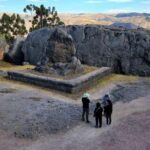
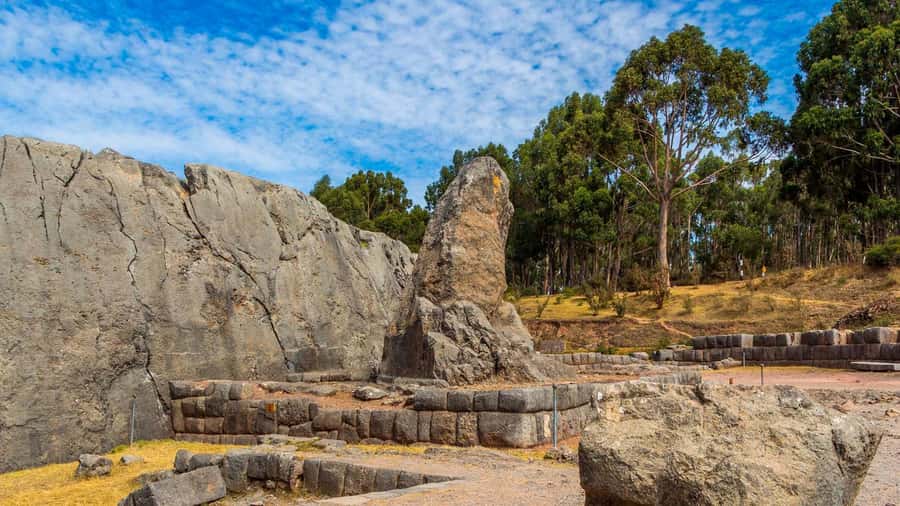
Next up is Qenqo, a ritual center constructed on a unique limestone outcrop. This stop has a different feel from Sacsayhuaman. Instead of big defensive walls, you get more of that intimate, purpose-built sense of place.
What makes Qenqo interesting on the ground:
- The setting on the limestone outcrop shapes how the space feels and how people might have used it.
- It’s a great pause between larger, more visually overpowering sites. You get to focus on smaller features and the meaning behind them.
If you like cultural context—why a site looks the way it does—this is where you’ll likely appreciate the guide most. The tone becomes less about scale and more about function.
PukaPukara: the red fortress and its military character
Then comes PukaPukara, often called the red fortress. The standout feature is the reddish color, paired with the idea of a military construction. It’s one of those locations where the landscape does part of the storytelling—especially when you’re looking at the stone tones from different angles.
During this part of the tour, I’d focus on:
- The color and how it changes depending on light.
- The defensive or strategic feel that connects PukaPukara to other Inca architecture you’ve already seen.
This is also a helpful stop for acclimatization because you’re continuing your movement through the region but not always dealing with the same “climb and climb again” stress you can get on other Cusco day trips.
Tambomachay: the baths of the Inca and a watery finish
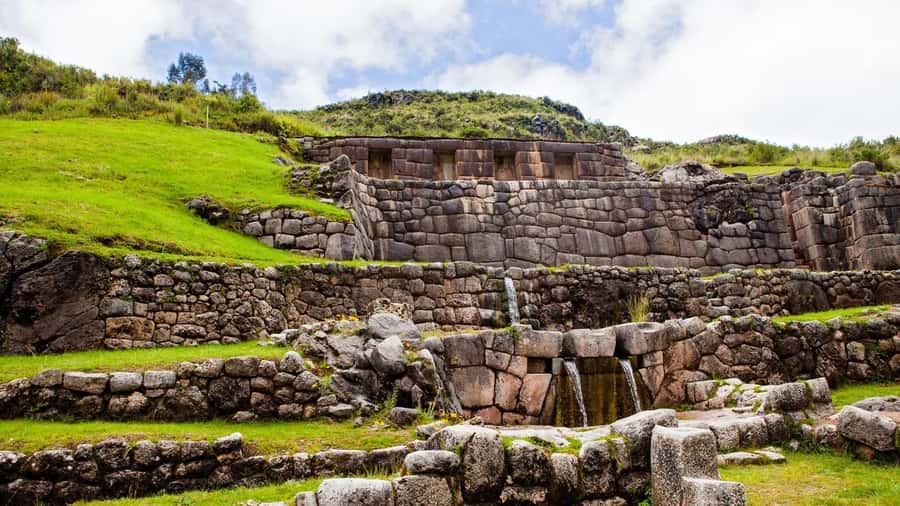
The final major stop is Tambomachay, known for its water features—especially a main waterfall area people associate with the baths of the Inca. This works well as a closing stop because it shifts the experience away from heavy stone and toward something more sensory.
Why it’s a smart ending:
- You get a different kind of viewpoint and soundscape after several dry archaeological stops.
- It gives you a more relaxed finish, which can help if you’ve been managing altitude and pacing all morning or afternoon.
It’s also a good “wrap-up” moment. By the time you reach Tambomachay, you’ve already learned how to look at Cusco’s sites as part of one larger cultural landscape.
Transport, groups, and the value of a guided half-day
The tour includes round-trip transportation and pickup from your hotel near the historic center (or a meeting point if your lodging is outside the listed area). It also includes a bilingual guide in English and Spanish.
At $25 per person, the value is mostly in the structure:
- You get multiple stops in one half-day, so you don’t have to spend your energy figuring out routing and timing.
- You get guided context at key sites, which tends to matter more in Cusco than you might expect. Stones look similar across the Andes, but the explanations make them distinct.
One more value point: small groups for comfort. In Cusco, crowding is real. A smaller group usually means fewer bottlenecks at viewpoints and more time for questions.
What’s included, what to budget for, and what to bring
Here’s the practical breakdown based on what’s provided:
Included
- Pick up at the hotel near the historic center of Cusco
- Round trip transportation
- Bilingual tour guide (English, Spanish)
Not included
- Water and snacks
- Meals (breakfast, lunch)
- Entrance to Qoricancha (S/ 20.00)
- Cusco Tourist Ticket handling (issued by Cosituc for different attractions)
What to bring
- Passport or ID card
- Camera
- Hiking shoes
- Biodegradable sunscreen
- Rain gear
- Cash
I’d also treat this as a “light hike day,” even though it’s not marketed that way. Hiking shoes and rain gear aren’t optional extras here—they help you stay steady and comfortable.
Who this tour is for (and who should pick a different option)
This is ideal if:
- You’re arriving in Cusco and want to prepare for more demanding tours afterward.
- You want a half-day plan that shows you the major sites without turning the trip into a full-day grind.
- You prefer a guided experience where someone explains what you’re seeing at each stop.
It may not be perfect if:
- You’re hoping for a very relaxed, minimal-walking itinerary.
- You want food included or you don’t want to carry cash for site-related fees.
Also note what’s not allowed: alcohol and drugs, and baby carriages.
Booking-style tips that make the day smoother
To make the tour feel easy, plan around a few known realities:
- Expect a message on WhatsApp with your pickup time 1–2 days before the tour.
- If you book last minute, it’s smart to check availability by email with the supplier first.
- Pack cash for the Qoricancha entrance and be ready to follow the Cusco Tourist Ticket rules through Cosituc if your plans include other sites.
Should you book this Cusco acclimatization tour?
I’d say yes if you want a smart first taste of Cusco that also helps your body handle altitude. The route is paced for acclimatization, it covers several of the city’s most important sites in one go, and the guide-focused approach is a standout strength.
I’d skip it or pair it differently if you hate any walking on uneven terrain, or if you dislike managing entrance fees and ticket rules on your own. Otherwise, this is a solid, good-value way to get oriented fast and set yourself up for bigger Andean days later.
FAQ
What is the duration of the tour?
The tour lasts about 270 minutes, roughly 5 hours.
How much does the tour cost?
The price is $25 per person.
What times are the two shifts?
The morning shift pickup is approximately 8:30 AM. The afternoon shift meeting point is at Qoricancha at 13:00.
Where do you meet for the afternoon shift?
For the afternoon shift, the meeting point is Qoricancha.
Does the tour include hotel pickup?
Yes, pickup is included for hotels near the historic center of Cusco. If you are not in that area, a meeting point may be set.
Is a guide included, and what languages are available?
Yes. A bilingual guide is included, with English and Spanish.
Which sites are visited during the tour?
The tour visits Qoricancha, Sacsayhuaman, Qenqo, PukaPukara, and Tambomachay.
Is entrance to Qoricancha included?
No. Qoricancha entrance is not included and is listed as S/ 20.00.
Are water, snacks, or meals included?
No. Water and snacks are not included, and meals are not included.
What should I bring and what is not allowed?
Bring passport or ID, a camera, hiking shoes, biodegradable sunscreen, rain gear, and cash. Alcohol and drugs are not allowed, and baby carriages are not allowed.