REVIEW · CUSCO
Inca Jungle Trail to Machu Picchu in 4 Days
Book on GetYourGuide →Operated by Reserv Cusco · Bookable on GetYourGuide
A 40-kilometer downhill ride to jungle air. This 4-day Inca Jungle Trail is a classic mix of biking, hiking, and Machu Picchu with real variety in altitude, plants, and activities. What I like most is how the itinerary keeps moving (bike, then trails, then bridges, then the main event) and how the guides—like Jhon, Lizandro, and David—were praised for friendly help and clear explaining. One consideration: the first lodge in Santa Maria can feel rougher than the rest, and you’ll want a bit of flexibility about where you sleep.
You’re also not just “getting to Machu Picchu.” You’re earning the view with Abra Málaga at about 4,350 m, then dropping all the way down toward Santa Maria at roughly 1,430 m—then climbing again through cloud-forest rhythms. Add in hot springs around Santa Teresa/Cocalmayo and a very hands-on crossing over the Vilcanota River, and you’ve got a trip that’s equal parts adventure and culture. Just remember: this one isn’t for everyone, especially if you’re pregnant.
In This Review
- Key Things That Make This 4-Day Route Worth Your Time
- 4 Days, One Mission: Cusco to Machu Picchu via Jungle Trails
- Day 1: From Cusco to Santa Maria and the Abra Málaga Bike Descent
- Day 2: Santa Maria to Santa Teresa with Coffee, Coca, and Hot Springs
- Day 3: Hanging Bridges, Vilcanota Oroyas, and Inti Watana
- Day 4: Machu Picchu for 3 Hours with a Private Guide
- Price and What You’re Really Paying For at $485
- Guides, Organization, and the Human Side of the Jungle Trek
- Lodging and Food: Good Meals, Mixed Comfort (Especially Night One)
- What to Pack for Cold Biking, Humidity, and an Active 4 Days
- Who Should Book This Inca Jungle Trail to Machu Picchu?
- Should You Book It? My Decision Checklist
- FAQ
- How long is the Inca Jungle Trail to Machu Picchu?
- Where does the tour start on Day 1?
- What’s included in the price besides Machu Picchu entrance?
- Is bike equipment included?
- Are the train tickets back to Cusco included?
- What hot spring stop is included?
- What is the Machu Picchu visit like?
- What do I need to bring?
- Is alcohol allowed during the tour?
- Who is this tour not suitable for?
Key Things That Make This 4-Day Route Worth Your Time
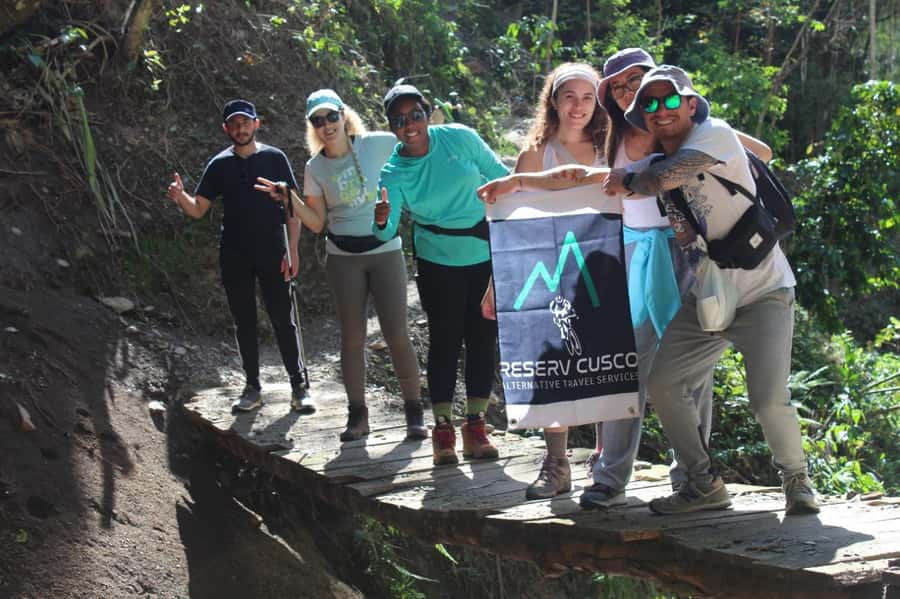
- Downhill biking hits the thrill you came for: plan for about 40 km of descent and cold wind at speed.
- Inca ruins show up before Machu Picchu day: you stop at Wamanmarka–El Almuerzo halfway through Day 1 biking.
- You get more than one jungle flavor: fruity breakfast mornings, coffee and coca stops, then hanging bridges and wildlife on Day 3.
- Thermal relief is built in: you’ll visit medicinal/thermal baths at Santa Teresa and a hot spring stop in Cocalmayo.
- Machu Picchu is guided for 3 hours: you get entrance included and a private guide to help you make sense of what you’re seeing.
- Communication quality can vary by guide and situation: several guide experiences sounded great (including Jhon and Lizandro), but one comment suggested more group communication could be tighter.
4 Days, One Mission: Cusco to Machu Picchu via Jungle Trails
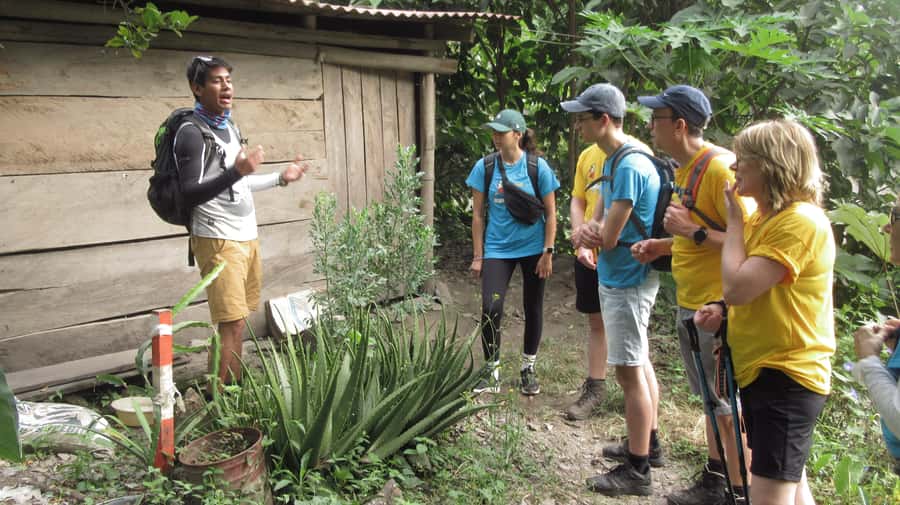
This tour is designed like a roller coaster, not a sightseeing bus. Day 1 starts high near Cusco, then you switch to biking and plunge into a valley that feels like a different climate altogether. Days 2 and 3 are on foot again, following trails associated with Inca roadways, passing through vegetation zones, and finishing in Aguas Calientes so you can do Machu Picchu the next day.
What makes the pacing smart is that it changes your “type” of effort every day. You get downhill biking to loosen up your energy, then trekking through humid jungle and original Inca trails, then bridges and river crossings, and finally the structured Machu Picchu visit. If you like trips where each day has a clear personality, this works well.
The trade-off is that it’s an active itinerary. You should be comfortable with long days, altitude changes, and outdoor conditions—plus the reality that jungle weather can shift fast.
You can also read our reviews of more tours and experiences in Cusco
Day 1: From Cusco to Santa Maria and the Abra Málaga Bike Descent
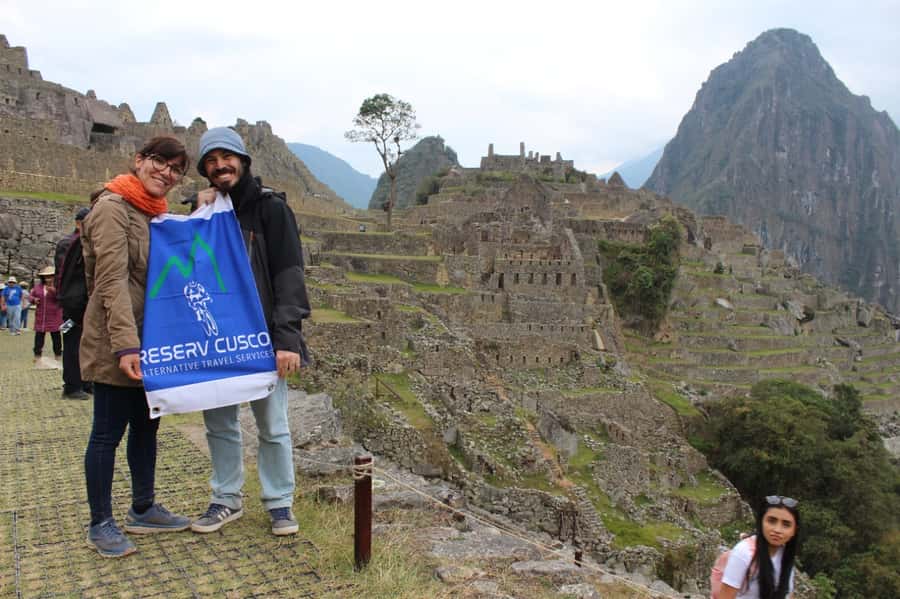
Day 1 begins with a morning meeting around 7:45 am to 8:00 am at the reservation office, and pickup is arranged through your hotel (plan to wait in the lobby about 10 minutes early). You’ll leave Cusco with panoramic views, then travel toward areas like Chinchero and Ollantaytambo before the route turns into a climb.
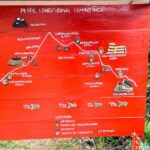
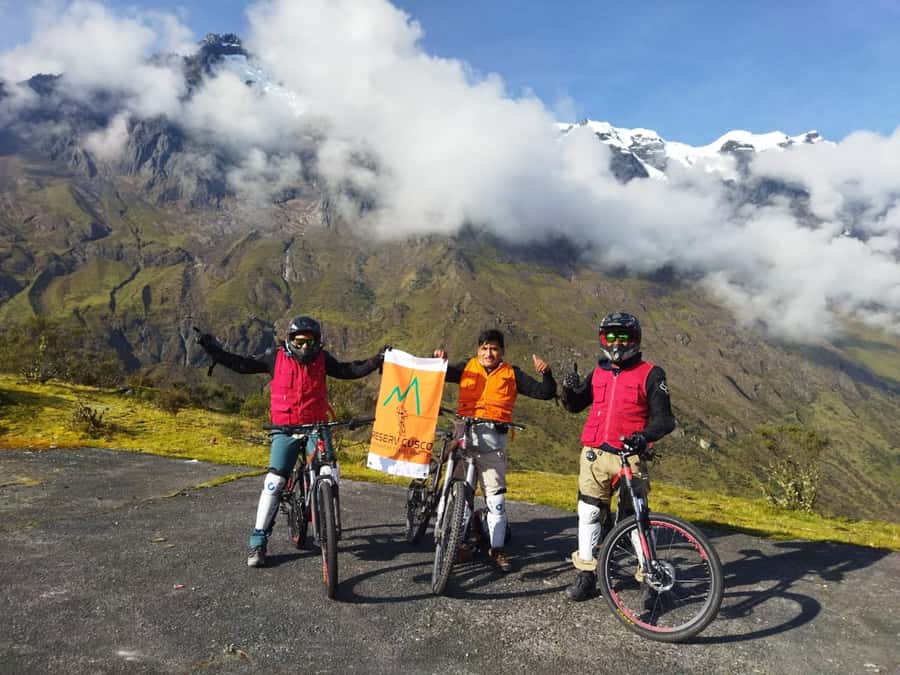
The key moment is the ascent toward Abra Málaga, around 4,350 m. This is the day’s altitude anchor—high enough that you feel the thin air, then high enough that fog can matter. The plan is to descend by bike after you transfer off the vehicle and take off downhill.
This is also where the route earns its name. The biking part isn’t a gentle coast. It’s described as one of the most beautiful downhill stretches on the Inca Jungle Trail route, and the experience highlights a descent of about 40 kilometers. Wind can make it feel colder than you expect, so I’d treat this as a “dress for motion + chill” situation. At minimum: bring a hat and a jacket you don’t mind getting dusty.
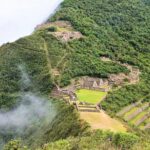
About halfway through, you stop at Inca ruins at Wamanmarka–El Almuerzo. This matters because it prevents Day 1 from becoming only adrenaline. You get context: Inca presence in the valley, not just a bike ride that drops you into nowhere. Then you continue biking downhill until you reach Santa Maria at roughly 1,430 m.
Night one is in a lodge setting in a humid forest zone. Meals are included (dinner), and that’s a big value point for active tours since you’re unlikely to want to chase food after the day’s work. One caution from actual experiences: Santa Maria’s first lodge can be a letdown. In one case it sounded run-down, with hygiene concerns. The rest of the trip’s accommodations sounded much better, so mentally plan for “jungle lodges with variation,” especially early on.
Day 2: Santa Maria to Santa Teresa with Coffee, Coca, and Hot Springs
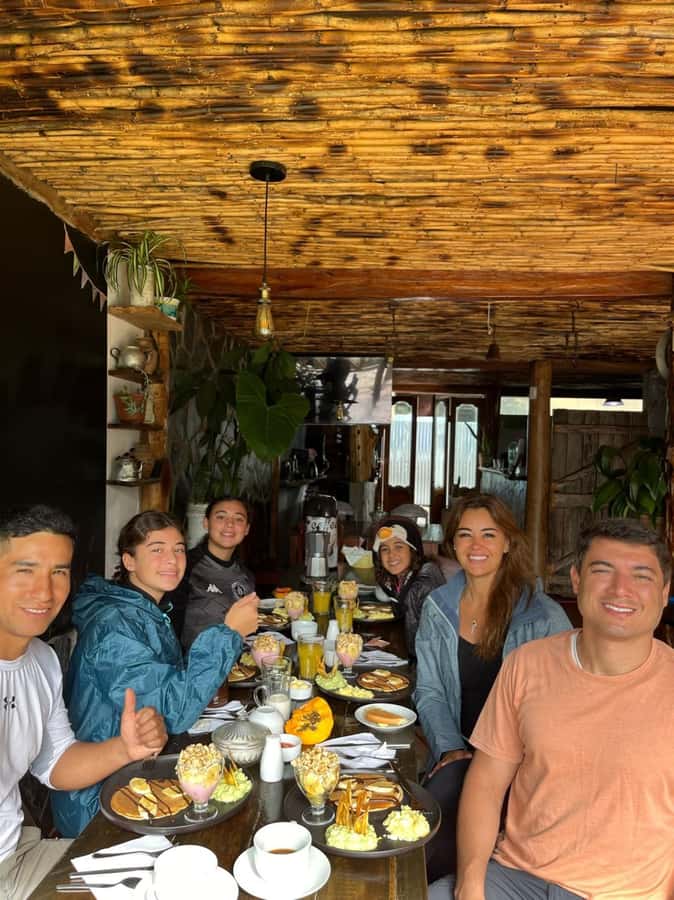
After a breakfast packed with fruit (bananas, oranges, papayas, and other juices), Day 2 shifts into a greener, more textured kind of hiking. You’ll walk through vegetation-filled trails where you’ll see cultivation and harvesting related to coffee—and you’ll also encounter coca as an important sacred plant in Inca tradition.
This day also includes movement along original Inca trails and paths connected to the history of Inca roads. That matters because it turns “walking through the jungle” into “walking through a corridor the Inca used.” You’re not just passing scenery. You’re moving along routes that were built for people and trade—then re-used in a modern adventure package.
You’ll also have a lunch stop and then downtime inside Santa Teresa (and the schedule suggests rest time before dinner). The highlight is the hot/thermal/medicinal baths at Santa Teresa, which are a practical reset after the morning trek. For most people, this is where your body starts to feel less cooked.
If you’re the type who worries about soreness, Day 2’s baths are one of the best-designed parts of the itinerary. You’re not waiting until the end of the trek to recover.
Food-wise, this trip includes breakfast, lunch, and dinner on the itinerary days. That keeps your day simple and helps you avoid a late scramble for meals in places where options may be limited.
Day 3: Hanging Bridges, Vilcanota Oroyas, and Inti Watana
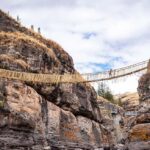
Day 3 is the most “adrenaline and wildlife” day in the plan. You start walking toward hanging bridges and then cross the Vilcanota River using an oroya (a cable ferry platform). That crossing is one of the moments that makes this tour feel like an adventure, not just a trek.
It’s also the day where nature shows up in full force. Expect mention of butterflies, parrots, birds, and insects. You won’t always get time to stop and stare—Day 3 still has travel pressure—but the variety is part of the point.
The route then includes a visit to Inti Watana, also called the Solar Clock. This adds a cultural “reading” layer to the day. After the adrenaline crossing, it gives you a calmer moment to understand what you’re standing on and why it mattered to the Inca.
Lunch is included and is described as avocado-focused (avocado of the best quality in the world, plus typical soups). That’s a small detail, but it’s the kind of detail that tells you the meal planning isn’t random.
Later, you arrive in Aguas Calientes, your last rest point. You’ll have dinner and a meeting where you get the final indications for the Machu Picchu visit day. This kind of prep meeting is useful because Machu Picchu is strict about timing and entry logic—so you’ll want to know what to expect before the big morning.
Day 4: Machu Picchu for 3 Hours with a Private Guide
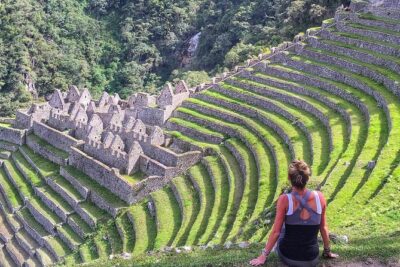
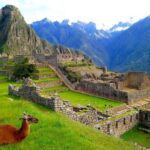
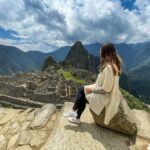
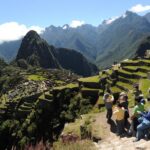
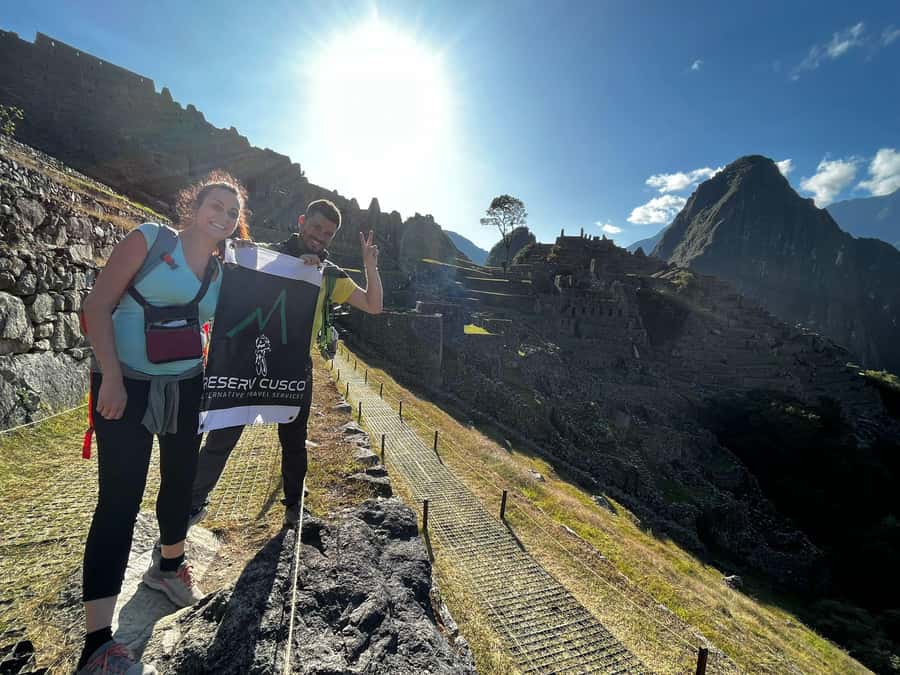
Machu Picchu is the main event, and here it’s handled in a straightforward, helpful way: you have entrance included and a private guide for about 3 hours. That time window is long enough to ask questions and short enough that you don’t feel dragged through everything.
A private guide matters because Machu Picchu is a place where the details can be lost if you’re just trying to take photos. With a guide, you’re more likely to understand terraces, water channels, key structures, and the layout that makes the site work. Plus, the reviews you have point to guides being friendly and able to explain clearly—names that come up include Lizandro and Arturo as a manager who helped with concerns.
After the guided visit, you take the train back to Cusco. Important: the train ticket back is not included, and you can buy it separately through PeruRail (the information you have lists perurail.com). That’s a real cost factor, so don’t ignore it when comparing prices.
Price and What You’re Really Paying For at $485
$485 per person sounds like a “lot” until you look at what’s bundled. In this 4-day package, you’re paying for:
- 3 nights of accommodation in lodge settings
- A mix of guided hiking and cultural guiding
- Bike equipment
- Inca trail components
- Meals: breakfast (3), lunch (3), and dinner (3)
- Machu Picchu entrance
- A hot spring stop
- Private transport on day 1
What’s not included is also important: the last lunch, extra activities, and the train ticket back to Cusco. So the real cost depends on whether you add any optional upgrades.
From the way people talk about it, the strongest value comes from the combination: you get Machu Picchu plus multiple active days with meals and guiding, rather than just a single-day entrance-and-train style tour. If you’re trying to avoid planning headaches and meal hunts during the trek, that value becomes even clearer.
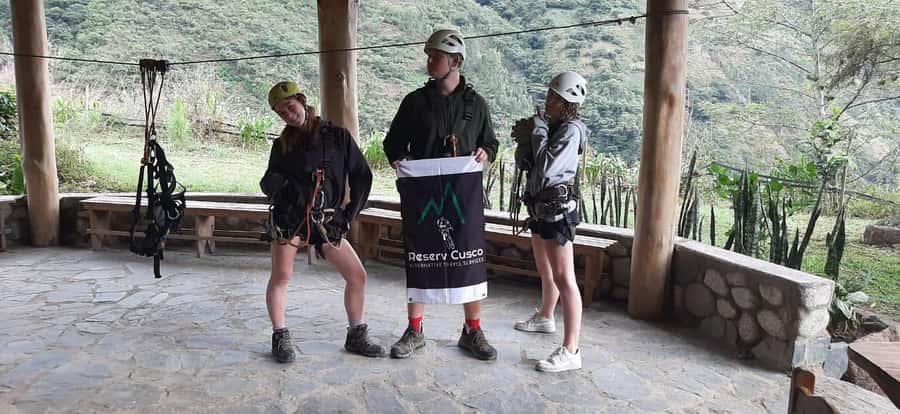
The one price-related caution is extras. One person mentioned paying more than they expected for an add-on (like a zip line) compared with other agencies. If you want optional activities, ask the total price upfront and confirm what is included in the booking.
Guides, Organization, and the Human Side of the Jungle Trek
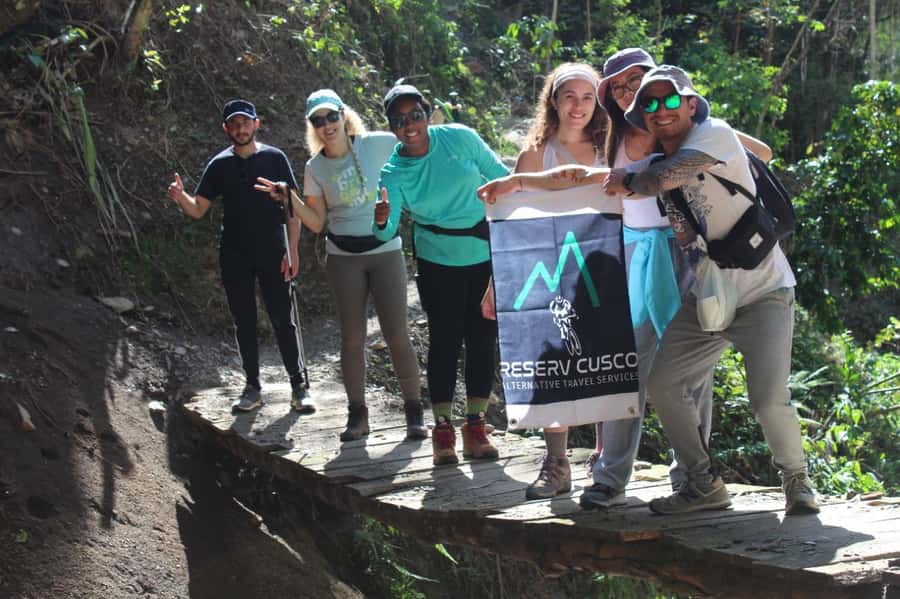
A big part of why this trip earns good ratings is coordination. Multiple experiences highlight that the tour felt organized, with friendly staff and guides who helped smoothly with the plan and questions.
Names that come up include:
- Jhon as a guide praised for excellent performance and friendliness
- Lizandro leading the Machu Picchu visit, praised for English ability and clear explanations
- David as a guide praised for making the jungle trek fun and well organized
- Arturo as a manager who helped with issues
- Franchesco as a guide praised for friendliness, even with less-than-perfect English
One comment also suggested guide communication could improve with the group. That’s not unusual on active tours—jungle weather, timing changes, and varying group energy levels can compress planning. Still, if clear communication is a must for you, I’d encourage you to ask how they handle updates when conditions change.
Lodging and Food: Good Meals, Mixed Comfort (Especially Night One)
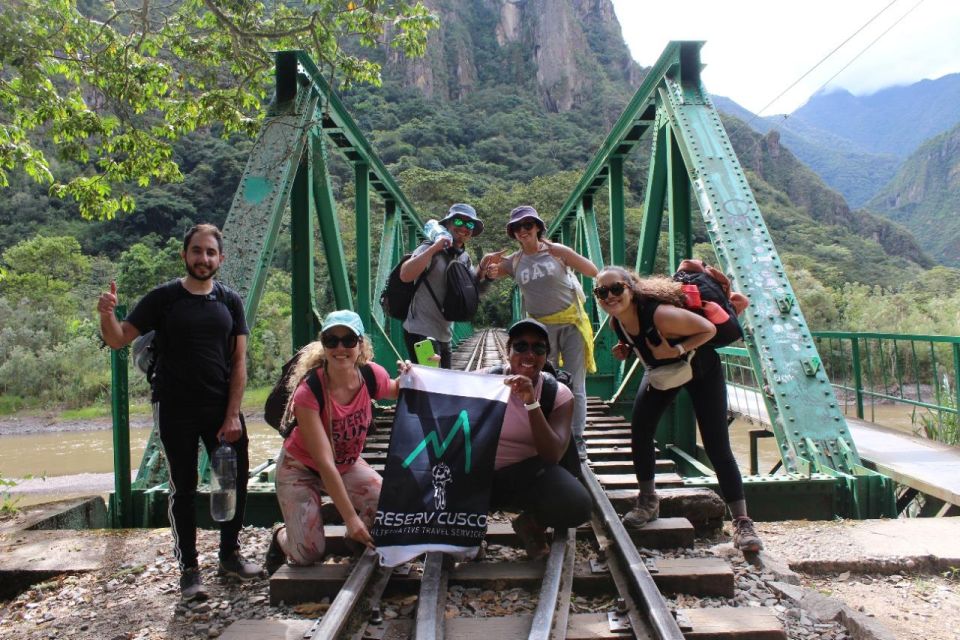
Meals are included on a 3-day rhythm, and that’s a quality-of-life advantage. You’re not budgeting every meal during long trek hours. Reviews praise the food as good and sufficient, and one person specifically liked the first night lodge experience at a Jungle house—so experiences can differ.
Night one in Santa Maria is where variation shows most. One experience described the first accommodation as run-down, with signs of mold and unclean conditions. Other accommodations sounded better. That’s why I treat Santa Maria as the “wild card” night in this itinerary.
What you can control: bring a sleep kit mindset (basic towel expectations vary, and you might want something for “comfort cover” like a small ear plug or a light sleep sheet). What you can’t control is lodge upkeep level—so don’t assume perfection on Night 1.
What to Pack for Cold Biking, Humidity, and an Active 4 Days
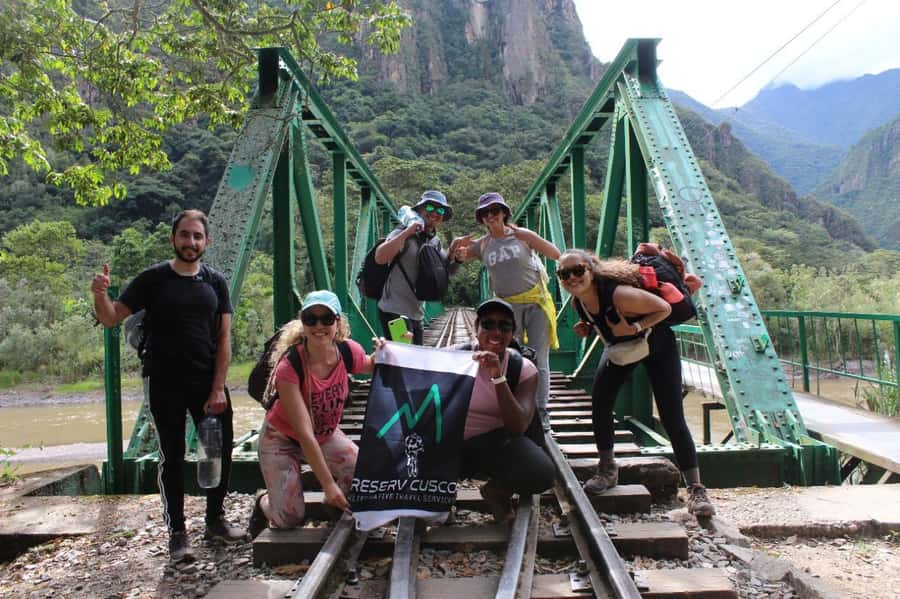
You’re crossing multiple climates: high-altitude air, then warm humid jungle, then a Machu Picchu day with its own weather patterns. Based on the biking notes and typical jungle conditions, pack for layers.
Bring:
- Passport (required)
- A jacket for biking wind (the descent can feel cold)
- A hat (for sun and for windy moments)
- Sun protection
- Comfortable hiking shoes suited to trails (and possible wet sections)
- A small day bag for water and essentials
Not allowed:
- Alcohol and drugs
- Baby carriages and pets
Not suitable:
- Pregnant women
Also, keep your flexibility for weather. Fog can affect decisions on day 1 bike descent timing, and guides may adjust when conditions shift.
Who Should Book This Inca Jungle Trail to Machu Picchu?
This tour fits best if you want a full adventure arc:
- You like active travel more than slow, museum-style days.
- You want adrenaline (bike descent and river crossing) plus cultural stops like Wamanmarka–El Almuerzo and Inti Watana.
- You prefer a guided experience that handles logistics for you while still letting you feel the jungle.
You might think twice if:
- You’re very sensitive to accommodation quality changes, since Night 1 in Santa Maria can be rougher than later nights.
- You strongly dislike cold wind on rides (bring layers; don’t hope).
If you want a single “Machu Picchu-only” day with minimal exertion, this isn’t that tour. This is for people who want the trail to be part of the memory.
Should You Book It? My Decision Checklist
Book this if you’re chasing the full Inca Jungle Trail experience: bike downhill for about 40 km, hike through jungle zones, hit hot springs, cross the Vilcanota, and then do Machu Picchu with a private 3-hour guide.
Don’t book it (or at least reconsider) if:
- You’re not comfortable with active days and altitude changes.
- You need consistently high hotel standards on every night.
- You’re counting on the train ticket back being included, because it isn’t.
One practical tip for your decision: budget for the return train to Cusco and any optional add-ons you’re considering. The base package is strong for what’s included, but the “extras” category can change your final total fast.
If you can handle a little uncertainty in lodge comfort—and you’re excited about biking and trekking—this is a very solid way to reach Machu Picchu with a story attached.
FAQ
How long is the Inca Jungle Trail to Machu Picchu?
The tour runs for 4 days.
Where does the tour start on Day 1?
It starts in Cusco. You meet at the reservation office between 7:45 am and 8:00 am, and pickup is included from your hotel (wait about 10 minutes early in the lobby).
What’s included in the price besides Machu Picchu entrance?
The package includes 3 nights of lodge accommodation, a guide (English & Spanish, and French is also listed), bike equipment, Inca trail components, hot spring access, and meals: 3 breakfasts, 3 lunches, and 3 dinners.
Is bike equipment included?
Yes. Bike equipment is included, along with private transport on the first day.
Are the train tickets back to Cusco included?
No. Train tickets from Machu Picchu/Aguas Calientes back to Cusco are not included, and you can purchase them separately (the info you have points to PeruRail).
What hot spring stop is included?
The included list mentions a hot spring in Cocalmayo, and the day-by-day plan also includes thermal/medicinal baths in Santa Teresa.
What is the Machu Picchu visit like?
You visit Machu Picchu with a private guide for about 3 hours, and entrance is included.
What do I need to bring?
You’ll need your passport.
Is alcohol allowed during the tour?
No. Alcohol and drugs are not allowed.
Who is this tour not suitable for?
The tour is not suitable for pregnant women.