REVIEW · CUSCO
From Cusco: Waqrapukara Hike Full-Day Tour With Meals
Book on GetYourGuide →Operated by Andina Expeditions · Bookable on GetYourGuide
Waqrapukara’s ruins sit high and remote, with views that make the long day feel worth it—especially if you’re tired of the big-name crowd trails. The standout here is Waqrapukara, an Inca fortress in a dramatic river valley setting, plus the journey through Acomayo lagoons before you start hiking.
What I like is the mix of scenery and structure: you get lagoon time, then a guided hike that helps you notice local plants and wildlife, then a guided look at the archaeological complex with time to roam on your own after. One more plus is the different return route, which is described as easier and gives you new angles on the Apurimac Canyon.
A consideration: this is a long 13–14 hour day, and the tour notes some health limitations (not suitable for pregnant people, those with heart problems, or people over 70). Also, one review flagged that admin can be hit-or-miss if you ask questions ahead of time, so I’d confirm details early.
In This Review
- Key highlights worth getting excited about
- Why Waqrapukara is a smart alternative to the big-name routes
- Getting out of Cusco: the Acomayo Province start (and why the drive matters)
- Breakfast at Qenterococha Lagoon: fueling up before the hike
- The hike toward Waqrapukara: what your guide helps you notice
- Arriving at Waqrapukara Archaeological Complex: ruins on a dramatic rock
- Lunch by the Apurimac River viewpoint and the return route that saves your legs
- Timing and what to expect from a 13–14 hour day
- Price and value: is $119 a fair deal?
- Guides, languages, and group size: the human side of the day
- What to pack so you’re not miserable at 9,999 feet (and higher)
- Who this tour suits (and who should skip it)
- Should you book the Waqrapukara full-day hike?
- FAQ
- How long is the Waqrapukara hike full-day tour?
- Where does the tour start in Cusco?
- Do meals come with the tour?
- Are entrances included in the price?
- Will there be a guide, and what languages do they speak?
- Is there transportation included?
- What should I bring for the hike?
- What is included in the first aid kit?
- Is the tour suitable for everyone?
Key highlights worth getting excited about
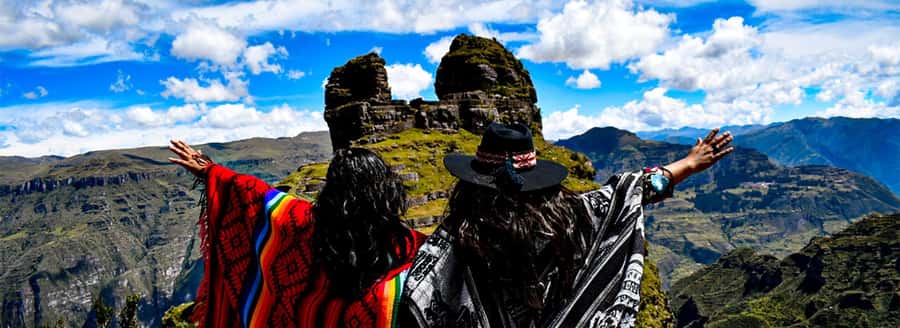
- Inca fortress in a river valley with ruins spread across a towering rock formation
- Stone horn views of the Andes mentioned as a unique photo moment
- Acomayo Province lagoons (four lagoons, then Qenterococha Lagoon) before the hike
- A different route on the way back for easier footing and different canyon views
- Guiding that teaches you what you’re seeing, from flora to wildlife
- Meals included (breakfast and boxed lunch) so you’re not guessing at food stops
Why Waqrapukara is a smart alternative to the big-name routes
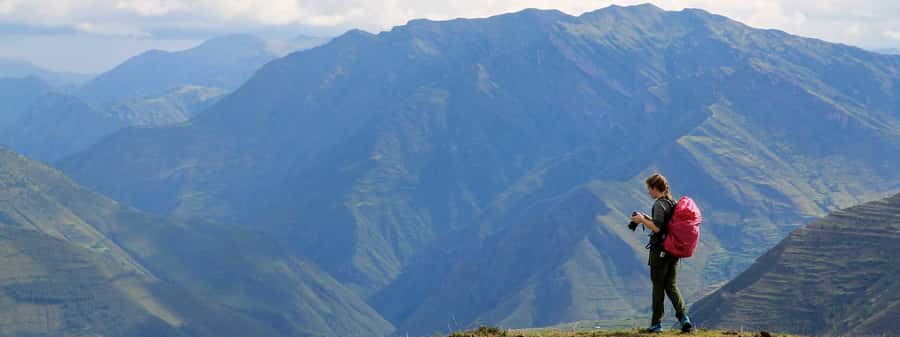
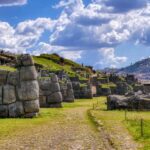
Waqrapukara Archaeological Complex is the kind of place you’re grateful exists, but not always listed right next to the famous Peru highlights. The tour is built around getting you to an Inca site that sees hardly any tourists, so you get more breathing room around the ruins and viewpoints.
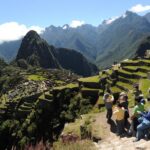
The setting is a big part of the draw. You’re not just walking through an open field with stones—this place is described as a towering rock mass perfectly positioned in a river valley, with ruins covering it. That combination tends to change the whole feel of the visit: you’re looking at the Inca work and the natural bowl of the valley at the same time.
And since the day includes both lagoons and the Apurimac viewpoint, you’re not stuck with only one type of landscape. Even if your legs are tired, your eyes keep getting new “wow” moments—especially for photos.
You can also read our reviews of more hiking tours in Cusco

Getting out of Cusco: the Acomayo Province start (and why the drive matters)
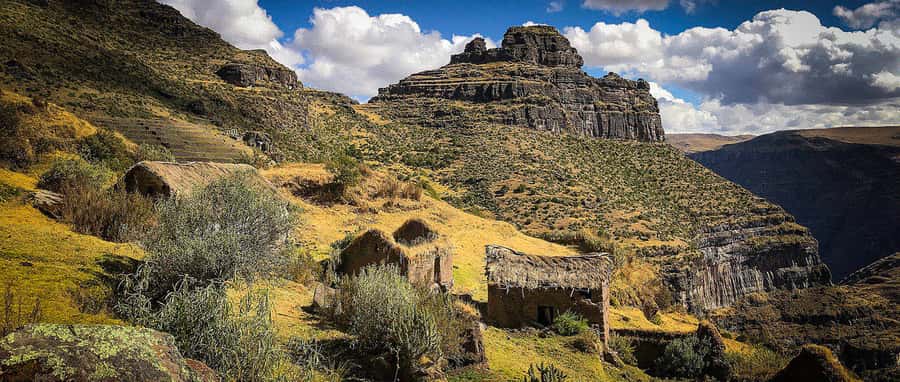
The day begins with pickup from Cusco, plus a set start toward Acomayo Province by private van. The drive is about 2.5 hours, which sounds like a lot until you realize it buys you two things: less time in traffic once you reach the hiking zone, and more time for the scenery to work its magic before you ever put on your boots.
In Acomayo Province, you’ll stop to see four lagoons. Lagoons in this altitude zone can feel surprisingly changeable—light shifts quickly, clouds move fast, and colors can look different from one angle to another. This is exactly the kind of stop that helps you feel like you’re leaving the city behind, not just commuting to a hike.
After the four-lagoon viewing, you continue roughly 30 minutes to Qenterococha Lagoon. This leg matters because it sets up your breakfast at the lagoon, so you start the hike with food in your system rather than rushing straight from the first view.
Breakfast at Qenterococha Lagoon: fueling up before the hike
Breakfast is served at Qenterococha Lagoon, and it’s not framed as an afterthought. It’s included in the morning, and you’ll use that meal to get ready for the hike ahead.
I like that the tour doesn’t rely on you finding food later. In Cusco, it’s easy to think you’ll grab something quickly before a trek, then discover you’re stuck dealing with timing and crowds. Here, the day is planned so you get breakfast included and then move into the hiking portion with your energy managed.
Also, since the tour includes a guide who works with you along the way, it’s helpful to have a calm start rather than scrambling your schedule. Your guide can set expectations for what you’ll see and what the route feels like before you’re deep into it.
The hike toward Waqrapukara: what your guide helps you notice
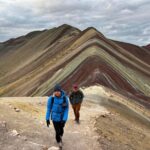
Once breakfast is done, you start hiking to Waqrapukara. The tour description emphasizes that on the way you’ll identify flora and wildlife with your guide. Even if you don’t consider yourself a “nature person,” this kind of guidance changes a hike from walking to observing.
And observation matters on a long day. When you know what you’re looking at—bushes, grasses, maybe some wildlife signs—you naturally pace yourself better. You stop spending all your brainpower on simply not tripping, and you start noticing the broader Andes story happening around you.
The itinerary doesn’t give exact mileage or difficulty levels, but it does call the return route easier. That tells me the hike is designed with a practical out-and-back feel: a guided climb and exploration up top, then a smart switch on the way back.
Arriving at Waqrapukara Archaeological Complex: ruins on a dramatic rock
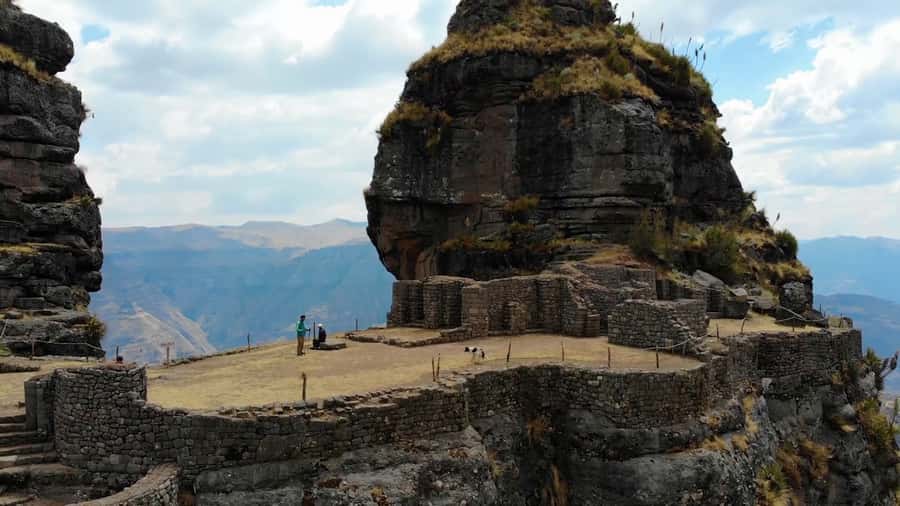
Waqrapukara is the main event, and you’ll get a guided tour there. The guided portion is about an hour, and after that, you have time to explore on your own. That split is a good formula: you get context first, then you can wander at your own pace without feeling rushed.
The architecture and setting are what make it memorable. The tour description highlights the distinctive rock formation covered in ruins, tucked into a river valley. This isn’t just a random collection of stones; the layout is tied to geography, and the stone itself becomes part of the story.
You’ll also have time to take photos from viewpoints around the complex. One review summed it up as jaw dropping scenery, and it makes sense given what the tour promises: a fortress-like feel in the middle of rugged Andean terrain, plus unique rocky “horn” features that can show up in your photos depending on the angle.
You can also read our reviews of more tours and experiences in Cusco

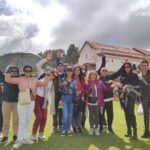


Lunch by the Apurimac River viewpoint and the return route that saves your legs
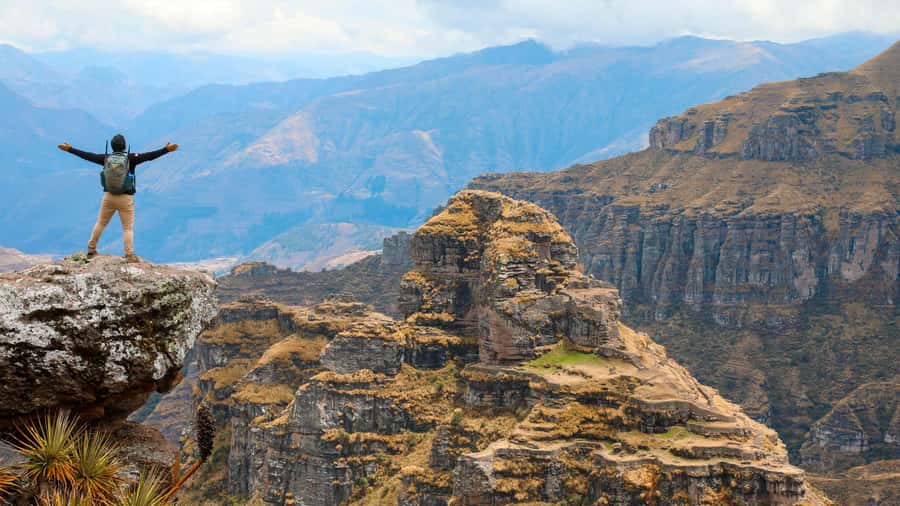
After your time at the archaeological complex, you take a break and eat a boxed lunch at a viewpoint of the Apurimac River. I like boxed lunches on trekking days because they remove the uncertainty of finding food at the wrong time or paying extra for a quick snack.
Then comes the return: you start the hike back using a different route that’s described as easier. The payoff is not just comfort; you also get different views of the Apurimac Canyon and abysses. That means you’re not doing a straight repeat of your morning walk.
This is the kind of design that makes a full-day tour feel less tiring. If you’ve done hikes where the return is the same steep route in reverse, you know how quickly your motivation drops. Here, the itinerary sets you up to shift from “climb and explore” to “comfort with new scenery.”
Timing and what to expect from a 13–14 hour day
This is a full-day commitment, clocking in at 13–14 hours. That’s long enough that you’ll want to treat it like a real outing, not a casual side trip. Plan on the day being structured from morning pickup through the final drop-off in Cusco.
The tour includes lunch, breakfast, and round-trip transportation, so you won’t be scrambling mid-trek. You’ll be returned to the trailhead area, and a private van waits to take you back to Cusco, with drop-off at Cusco’s Plaza de Armas.
Pace is the big question for long tours like this. The itinerary describes the return as easier, which is encouraging, but the hike still happens in high-altitude Andes terrain. If you’re sensitive to altitude or fatigue, you should think hard about whether a 13–14 hour hiking day is right for you.
Price and value: is $119 a fair deal?
The price is listed at $119 per person, which is relatively straightforward given what’s included. You’re paying for hotel pickup, transport to and from the hike zone, a guide, and two meals (breakfast and boxed lunch), plus first aid gear that includes oxygen.
That last item matters more than people think. Trekking in remote terrain means you’re never just dealing with comfort—you’re dealing with safety and emergency readiness. The tour explicitly includes a first aid kit including oxygen, which is a meaningful part of the value proposition.
What’s not included: entrances. That can add an extra cost depending on what’s required at the archaeological complex and how fees are handled. When I see entrances not included, I treat that as a small budget line item to keep the math clean.
One review praised the overall experience and the scenery, and another had glowing words for a guide named Margot, calling her excellent, well-informed, and pleasant. That kind of guide quality is hard to separate from value, because on a remote hike, your guide can turn a pile of stones and views into a story you remember.
Guides, languages, and group size: the human side of the day
Your tour guide is part of the package, and the tour states languages: Spanish, English, and Quechua. That’s useful if you want more than basic directions. With flora and wildlife identification on the hike, you’ll likely appreciate the guide explaining what you’re seeing rather than just pointing.
The guide Margot received strong feedback in one review, described as very well informed and enjoyable to spend the day with. That’s exactly what you want on a long trek: someone who can keep the day flowing, handle questions, and guide you smoothly around the site and viewpoints.
Group size is described as private or small groups available. One review mentioned that administration wasn’t great and that people booked through different agencies may have been grouped together, likely because numbers were low. I’d take that as a heads-up: expect it to be flexible, and don’t assume your group will behave exactly like a private bubble.
What to pack so you’re not miserable at 9,999 feet (and higher)
The tour tells you what to bring, and it’s solid advice for a long hike day: hiking shoes, hat, sunglasses, sunscreen, rain gear, and a camera. For a 13–14 hour outing, shoes are non-negotiable. If you’re coming from the city in sneakers that aren’t stable on uneven ground, you’ll feel it by midday.
Hat and sunscreen are also important because you’ll be exposed, and you’re moving through high, bright conditions where sunburn can sneak up. Rain gear is a must-have even if the morning looks clear; weather can change fast in the Andes.
If you tend to get cold quickly, consider adding a warm layer even though it’s not listed. The tour data doesn’t mention layers directly, so I won’t pretend it’s required, but your comfort will matter on a long day.
Who this tour suits (and who should skip it)
This experience makes the most sense if you want a remote Inca site, scenic lagoon stops, and a real hike day without the big-name crowds. The tour also works well if you enjoy photography, because the route is designed for viewpoints: lagoons early, then Waqrapukara ruins, then Apurimac River views, then more canyon views on the return.
It’s also a good fit if you like having a guide explain what you’re seeing. The itinerary includes guidance on flora and wildlife, plus a guided visit to the archaeological complex, followed by time to explore independently.
The tour notes it’s not suitable for: pregnant women, people with heart problems, and people over 70. If you fall into any of those categories, you should look for a different type of outing with lower physical demands and less altitude exposure.
Should you book the Waqrapukara full-day hike?
If you want an Inca fortress day that feels more personal, this is the right kind of tour. The combination of Acomayo lagoons, a guided trek, and Waqrapukara ruins in a river valley is exactly how you get a day that feels like it belongs in the Andes, not just on a checklist.
Book it if you’re comfortable with a long 13–14 hour schedule and a real hike, and you can budget for entrances since they’re not included. Also, if you care about guide quality, look for the chance to have a strong guide—one guide named Margot was specifically praised for being informed and kind.
Skip it if the day’s length and hiking component sounds too demanding for your health or energy level, especially given the stated limits for heart problems, pregnancy, and age over 70. If you’re the kind of traveler who needs everything perfectly seamless, know that one review flagged minor admin issues—so I’d confirm key details in advance and give yourself some patience.
In short: this is a great pick when you want a quieter, scenic Andes day with real guidance and a lot of viewpoints, not just a quick stop and sprint through ruins.
FAQ
How long is the Waqrapukara hike full-day tour?
It runs about 13 to 14 hours.
Where does the tour start in Cusco?
Pickup is from Cusco.
Do meals come with the tour?
Yes. You get breakfast and a boxed lunch.
Are entrances included in the price?
No. Entrances are not included.
Will there be a guide, and what languages do they speak?
Yes, there is a live tour guide. The languages listed are Spanish, English, and Quechua.
Is there transportation included?
Yes. You get round-trip transport from Cusco, and you’ll be dropped off at Cusco’s main square, Plaza de Armas.
What should I bring for the hike?
Bring hiking shoes, sunglasses, a hat, sunscreen, rain gear, and a camera.
What is included in the first aid kit?
The tour includes a first aid kit, and it specifically mentions oxygen.
Is the tour suitable for everyone?
No. It’s not suitable for pregnant women, people with heart problems, or people over 70.